Safe during pregnancy. Dental cleaning is recommended, especially in the second trimester, with standard dosage and precautions to protect you and your baby.
By Shubhra Mishra — a mom of two who turned her own confusion during pregnancy into BumpBites, a global mission to make food choices clear, safe, and stress-free for every expecting mother. 💛
Check whether any food is safe during pregnancy with the BumpBites Food Safety Checker.
Quick verdict: ✅ Yes, dental cleaning is generally safe during pregnancy when performed by a qualified dental professional, but it’s best to schedule it during the second trimester and follow your provider’s recommendations for fluoride use. If you need a cleaning earlier, it’s still okay—just let your dentist know you’re pregnant and they’ll take extra precautions.
It’s completely normal to feel a flutter of anxiety the moment you realize you’re due for a dental cleaning. You might be wondering, “is dental cleaning safe during pregnancy?” and worrying whether the routine scaling, polishing, or fluoride treatment could harm your growing baby. The good news is that most dental professionals and obstetric guidelines consider routine cleanings safe and even beneficial for both you and your baby.
In this article we’ll give you a clear, evidence‑based answer to the question, is dental cleaning safe during pregnancy, and break down the safety considerations for each trimester, recommended frequency, fluoride dosage, and any special precautions if you have conditions like high blood pressure. We’ll also compare dental cleaning to related dental procedures, suggest gentler home‑care alternatives, and tell you when it’s time to call your provider.
Read on for a step‑by‑step guide that lets you stop worrying, make informed choices, and keep your smile healthy throughout pregnancy.
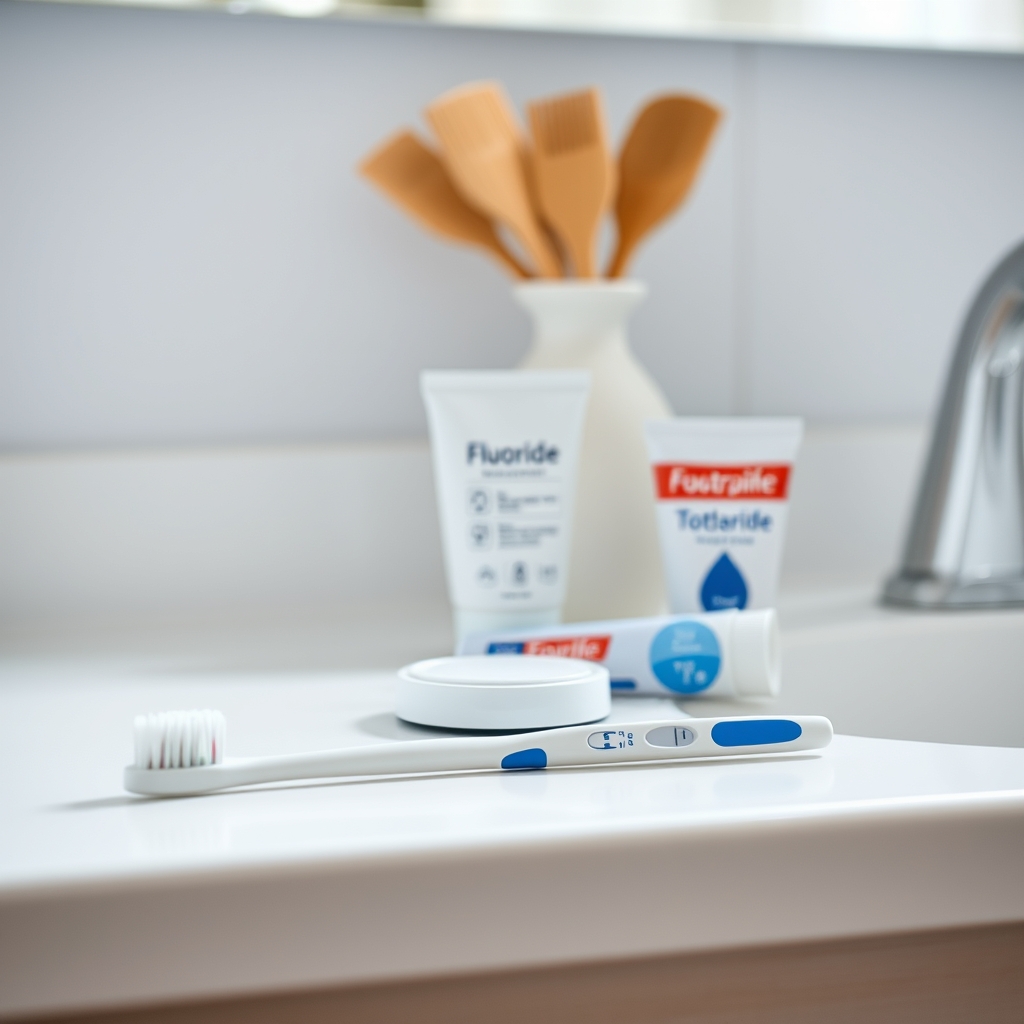
Keeping up with daily oral care can reduce the need for more invasive dental work later in pregnancy.
Trimester / Period
Verdict
Notes
First trimester (0‑13 weeks)
✅ Generally safe
Schedule if urgent; inform dentist of pregnancy.
Second trimester (14‑27 weeks)
✅ Preferred window
Ideal time—lower nausea, stable uterus.
Third trimester (28‑40 weeks)
⚠️ Safe with limits
Proceed if needed; avoid lengthy supine positioning.
Breastfeeding
✅ Safe
Continue routine cleanings; fluoride safe for infants.
What is a dental cleaning?
A dental cleaning, also called prophylaxis, is a routine visit where a dental hygienist removes plaque and tartar from the surfaces of your teeth, polishes them to smooth the enamel, and often applies a fluoride varnish or gel. The procedure helps prevent cavities, gum disease, and bad breath. Scaling uses tiny ultrasonic instruments or hand tools to break down hardened deposits that brushing alone can’t remove, while polishing restores a glossy finish that discourages plaque buildup.
Fluoride treatments, typically a thin layer of gel or varnish, are applied after cleaning to strengthen enamel and reduce the risk of decay. For most adults, a single application contains about 0.5 mg of fluoride per square centimeter, which is far below the levels that could cause toxicity. The entire cleaning usually takes 30‑45 minutes, and most patients feel no pain—only a mild sensation of scraping.
During pregnancy, hormonal changes can increase gum inflammation and the risk of gingivitis, making regular cleanings even more important. By keeping your mouth free of plaque, you lower the chance of developing periodontitis, a more serious gum infection linked to adverse pregnancy outcomes.
Is dental cleaning safe during pregnancy?
Y
es, the consensus among major health authorities—including the American College of Obstetricians and Gynecologists (ACOG), the UK’s National Health Service (NHS), and the Centers for Disease Control and Prevention (CDC)—is that routine dental cleanings are safe and recommended for pregnant patients. ACOG’s Committee Opinion No. 713 specifically advises that pregnant women receive dental care, noting that untreated oral disease poses a greater risk than the cleaning itself.
The primary concern that sometimes arises is the use of fluoride. The FDA classifies fluoride in dental products as “generally recognized as safe” (GRAS) for topical use. The amount applied during a professional cleaning is well below the tolerable upper intake level for both mother and fetus, and studies have found no association between professional fluoride application and fetal harm.
Another myth is that the X‑ray component of dental exams might be dangerous. Modern dental X‑ray units use lead aprons and thyroid collars that limit radiation exposure to less than 0.005 mGy—far below the threshold linked to developmental issues. The NHS even states that dental X‑rays are permissible when necessary, though many dentists postpone them until after delivery if they’re not urgent.
Overall, the benefits of preventing gum disease and cavities outweigh the minimal, well‑controlled risks associated with a professional cleaning. If you have specific concerns—such as a history of preterm labor or a medical condition—talk to your obstetrician and dentist together to coordinate care.
Is dental cleaning safe during the first trimester of pregnancy?
The first trimester, covering weeks 0‑13, is a period of rapid organ formation (organogenesis). While many pregnant people prefer to postpone non‑essential procedures, ACOG notes that urgent dental care, including cleaning for severe gingivitis, should not be delayed. The low‑dose fluoride used in cleanings is not absorbed systemically in harmful amounts, and the mechanical scaling poses no risk to the developing embryo.
If you’re experiencing nausea, try scheduling the cleaning early in the morning after a light breakfast, and let the dental team know you’re pregnant. They can adjust the chair position to keep you comfortable and may use a short‑acting local anesthetic if needed, both of which are considered safe in early pregnancy.
Can I get a dental cleaning in the second trimester without any risks?
The second trimester (14‑27 weeks) is widely regarded as the safest window for dental procedures. Nausea typically eases, and the uterus is not yet large enough to cause discomfort while reclining. ACOG and the NHS both recommend that routine dental cleanings be performed during this period when possible.
During a second‑trimester cleaning, the dental team may take extra precautions such as using a semi‑reclined chair position and ensuring adequate ventilation. Fluoride varnish remains safe, and the brief exposure to any dental X‑rays is well within safety limits. If you have a condition like gestational diabetes, your dentist might coordinate with your obstetrician, but the cleaning itself remains low risk.
What are the recommended frequency and fluoride dosage for dental cleaning during pregnancy?
For most pregnant patients, a dental cleaning every six months is ideal, mirroring standard adult recommendations. However, if you have a history of gum disease, your dentist may suggest more frequent visits—perhaps every three to four months—to keep inflammation under control.
Fluoride dosage in a professional cleaning is typically 0.5 mg per cm², translating to roughly 0.25 mg total for an average adult mouth. This amount is far below the FDA’s tolerable upper intake level of 10 mg per day for adults, and the CDC confirms that such topical application does not increase fetal fluoride exposure. If you’re already using a fluoride toothpaste at home, your dentist may choose to skip the additional fluoride varnish to avoid excess, though this is rarely a concern.
Are there safer alternatives to professional dental cleaning for pregnant women?
Soft‑bristled toothbrush – gentle on swollen gums while removing plaque.
Water flosser (e.g., Waterpik) – effectively reaches between teeth without harsh scraping.
Prescribed chlorhexidine mouth rinse – recommended by dentists for severe gingivitis when other options fall short.
While these home‑care tools help maintain oral hygiene, they do not replace the deep cleaning that a professional scaling and polishing provides. Think of them as complementary measures that keep your mouth ready for the next dental visit.
Which dental cleaning brands or products are considered safe for use while pregnant?
Professional dental cleanings are not brand‑specific, but the fluoride products used in the office often come from reputable manufacturers such as 3M ESPE, Colgate, or Ivoclar Vivadent. These brands adhere to FDA regulations for dental materials and are widely accepted as safe for topical use during pregnancy.
If you prefer to use a home fluoride rinse, look for products labeled “pregnancy‑safe” or “alcohol‑free,” such as fluoride mouth rinses from Colgate or Crest that contain no alcohol or harsh chemicals. Always read the label for concentration (typically 0.05 % fluoride) and follow the recommended usage—usually once daily after brushing.
What are the potential risks of dental cleaning during pregnancy?
The primary risks are minor and manageable. Some patients experience temporary gum soreness, mild bleeding, or a brief increase in nausea from the supine position. In rare cases, a cleaning can trigger a transient bacteremia (bacteria entering the bloodstream), but ACOG notes that this is not linked to adverse pregnancy outcomes when the mother is otherwise healthy.
For women with uncontrolled hypertension or pre‑eclampsia, the stress of a dental appointment could theoretically raise blood pressure. However, most dentists will monitor your vitals and can adjust the chair position to keep you comfortable. If you have a clotting disorder or are on anticoagulant medication, inform your dentist ahead of time; they may use a gentler cleaning technique to reduce bleeding risk.
How does gum disease affect pregnancy and should I avoid dental cleaning?
Untreated gum disease, especially periodontitis, has been associated with an increased risk of preterm birth and low birth weight, according to several studies cited by the CDC and ACOG. The inflammation and bacterial load from severe gum disease can influence systemic inflammatory pathways, potentially affecting the placenta.
Because of this link, regular dental cleanings are actually a preventative measure rather than a risk. Maintaining healthy gums through professional cleanings and diligent home care helps protect both your oral health and your pregnancy outcomes.
Is dental cleaning safe for pregnant women with high blood pressure?
Pregnant women with chronic hypertension or gestational hypertension can safely undergo dental cleanings when appropriate precautions are taken. The American Heart Association advises that dental procedures are low‑stress for most hypertensive patients, especially if the dental team monitors blood pressure and avoids prolonged supine positioning.
Discuss your blood pressure readings with both your obstetrician and dentist before the appointment. Your dentist may schedule the cleaning earlier in the day, keep the chair slightly reclined, and limit the use of any vasoconstrictive agents in local anesthetics. With these adjustments, the cleaning remains a safe and important part of prenatal care.
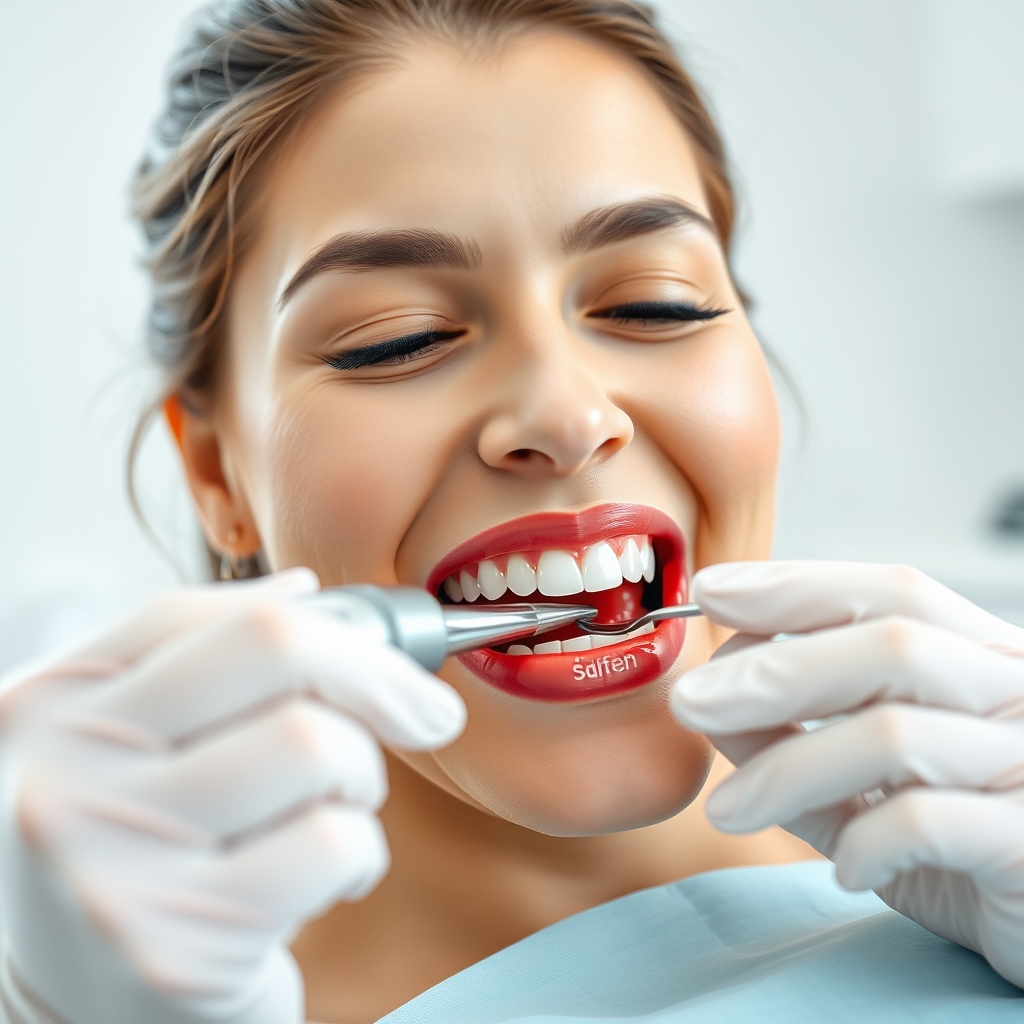
Modern ultrasonic scalers make plaque removal quick and comfortable, even during pregnancy.
Safe dosage / amount / brands
During a professional cleaning, the fluoride varnish applied typically contains 0.5 mg per cm², amounting to about 0.25 mg total for the whole mouth. This is far below the FDA’s tolerable upper intake level of 10 mg per day for adults, and the CDC confirms that such topical exposure poses no fetal risk.
If you’re using over‑the‑counter fluoride products at home, aim for the recommended amount—usually a pea‑sized dab of toothpaste or a thin film of rinse. For pregnant women who prefer to avoid fluoride altogether, many dentists can use a fluoride‑free polishing paste without compromising the cleaning’s effectiveness.
When selecting a dental cleaning product for home use (e.g., a fluoride mouthwash), choose reputable brands such as Colgate, Crest, or Sensodyne, all of which meet FDA standards for safety in pregnancy. Avoid products that contain alcohol, high concentrations of essential oils, or unverified “natural” claims without clinical backing.
Side effects and risks
Most side effects are mild and temporary:
Gum tenderness or slight bleeding for a day or two after scaling.
Mild nausea or dizziness if you’re sensitive to lying flat—inform the dental staff so they can adjust the chair.
Rare allergic reaction to fluoride varnish (redness, itching). If this occurs, rinse immediately and contact your dentist.
Serious concerns are uncommon, but seek immediate medical attention if you experience:
Severe or persistent bleeding that does not stop after 15 minutes.
Fever, chills, or a feeling of “flu‑like” illness within 24‑48 hours, which could indicate an infection.
Sudden swelling of the face or lips, which might signal an allergic reaction.
These red‑flag symptoms are rare, and most pregnant patients complete cleanings without complications. Nonetheless, always inform your dentist of any medical conditions, medications, or pregnancy‑related symptoms before the appointment.
Safer alternatives
Soft‑bristled toothbrush – reduces gum irritation while effectively removing plaque.
Water flosser – reaches difficult areas without aggressive scraping.
Oil pulling with coconut oil – a gentle traditional method that may decrease oral bacteria.
Interdental brushes – ideal for larger gaps where floss may be hard to use.
Pregnancy‑approved dental floss (e.g., Oral‑B Glide) – slides easily between teeth without tearing gums.
Prescribed chlorhexidine mouth rinse – recommended for severe gingivitis when other methods aren’t enough.
Related items — safety at a glance
Dental item
Verdict
One‑line note
Teeth whitening
⚠️ Talk to your doctor first
Some bleaching agents contain peroxide; discuss with obstetrician.
Dental X‑rays
✅ Generally safe
Use lead apron and limit exposure; postpone non‑urgent images.
Root canal treatment
⚠️ Safe with precautions
Local anesthetic is safe; avoid certain antibiotics if allergic.
Orthodontic braces
✅ Safe
Regular adjustments are fine; maintain oral hygiene.
Tooth extraction
⚠️ Safe with limits
Prefer second trimester; coordinate antibiotics if needed.
Dental sealants
✅ Safe
Fluoride‑based sealants are low risk for fetus.
Dental implants
❌ Best avoided
Implant surgery involves extensive bone work; defer until after delivery.
Myth vs. fact
Myth: Dental cleanings can cause miscarriage.
Fact: No credible studies link routine prophylaxis to miscarriage; the ACOG guidelines affirm that cleanings are safe when performed properly.
Myth: Fluoride varnish during a cleaning harms the baby.
Fact: The amount of fluoride applied topically is far below any level that could cause fetal toxicity, and professional guidelines consider it safe.
Myth: Pregnant women should avoid all dental work until after birth.
Fact: Untreated dental disease poses greater risks; ACOG recommends maintaining regular dental care throughout pregnancy.
Key takeaways
Dental cleaning is generally safe throughout pregnancy, with the second trimester being the most comfortable window.
Fluoride varnish used in cleanings contains a minimal dose that is well under safety thresholds.
Maintain good oral hygiene at home with a soft‑bristled toothbrush, water flosser, and pregnancy‑safe mouthwash.
Women with hypertension, diabetes, or clotting disorders should coordinate care with their obstetrician.
Call your provider if you experience prolonged bleeding, fever, or any severe allergic reaction after a cleaning.
Frequently asked questions
Can a pregnant woman get a dental cleaning?
Yes—routine dental cleanings are considered safe for pregnant women, especially when performed by a dentist who knows you’re pregnant.
Is it safe to have a dental cleaning in the third trimester?
It is safe, though the third trimester may require adjustments such as a slightly upright chair position to avoid supine discomfort.
Do dental cleanings cause preterm labor?
Current evidence does not support a link between dental cleanings and preterm labor; untreated gum disease, however, may increase risk.
How often should a pregnant woman see the dentist?
At least once per trimester, or every six months, is recommended; more frequent visits may be needed for gum disease or high risk of cavities.
Can dental cleaning affect my baby's health?
Professional cleaning actually helps protect your baby’s health by reducing maternal gum inflammation, which has been associated with adverse pregnancy outcomes.
What precautions should be taken during a dental cleaning while pregnant?
Tell the dental team you’re pregnant, use a lead apron for any X‑rays, keep the chair slightly reclined, and limit the use of strong anesthetics unless necessary.
Are there any medications used during dental cleaning that are unsafe for pregnancy?
Most local anesthetics (e.g., lidocaine) are safe; avoid tetracycline‑based antibiotics unless prescribed for a specific infection, as they can affect fetal bone development.
Should I avoid dental cleaning if I have morning sickness?
Morning sickness alone isn’t a reason to skip cleaning; schedule the appointment for a time of day when nausea is minimal and inform the dentist of any concerns.
When to call your doctor
If you notice any of the following after a dental cleaning, contact your obstetrician or seek emergency care:
Persistent or heavy bleeding that doesn’t stop after 15 minutes.
Fever, chills, or a feeling of flu‑like illness within 48 hours.
Severe swelling of the face, lips, or tongue.
Sudden, unexplained abdominal pain or contractions.
These symptoms are rare but warrant prompt medical evaluation. Remember, this article provides general information and is not a substitute for personalized medical advice.
References
American College of Obstetricians and Gynecologists. Committee Opinion No. 713: Oral Health Care During Pregnancy. ACOG, 2020.
National Health Service (NHS). Oral health during pregnancy. UK, 2022.
Centers for Disease Control and Prevention (CDC). Oral Health and Pregnancy. 2021.
U.S. Food and Drug Administration (FDA). Fluoride in Dental Products: Safety Overview. 2020.
World Health Organization (WHO). Guidelines for Fluoride Use in Dental Products. 2021.
American Dental Association (ADA). Dental X‑ray Safety. 2022.
National Institute for Health and Care Excellence (NICE). Management of Gingivitis and Periodontitis in Pregnancy. 2021.
Not sure about the label on Is Dental Cleaning Safe During Pregnancy products?
Snap the ingredients list and SafeFilter checks every ingredient for your stage — only 3 free scans this month, then you're locked until reset. Unlimited from $7/mo or $50/yr.
When Shubhra Mishra was expecting her first child in 2016, she was overwhelmed by conflicting food advice — one site said yes, another said never. By the time her second baby arrived in 2019, she realized millions of mothers face the same confusion.
That sparked a five-year journey through clinical nutrition papers, cultural diets, and expert conversations — all leading to BumpBites: a calm, compassionate space where science meets everyday motherhood.
Her long-term vision is to build a global community ensuring safe, supported, and free deliveriesfor every mother — because no woman should face pregnancy alone or uninformed. 🌿
🌍 Stand with mothers, shape safer guidance
Join a small circle of experts who review BumpBites articles so expecting parents everywhere can decide with confidence.