Delsym is generally safe during pregnancy when used as directed, especially in the second and third trimesters with a recommended dosage
By Shubhra Mishra — a mom of two who turned her own confusion during pregnancy into BumpBites, a global mission to make food choices clear, safe, and stress-free for every expecting mother. 💛
Check whether any food is safe during pregnancy with the BumpBites Food Safety Checker.
Quick verdict: ⚠️ Talk to your doctor first. Delsym (dextromethorphan) can be used in pregnancy at the recommended dose, but it’s best to confirm safety with your provider, especially in the first trimester.
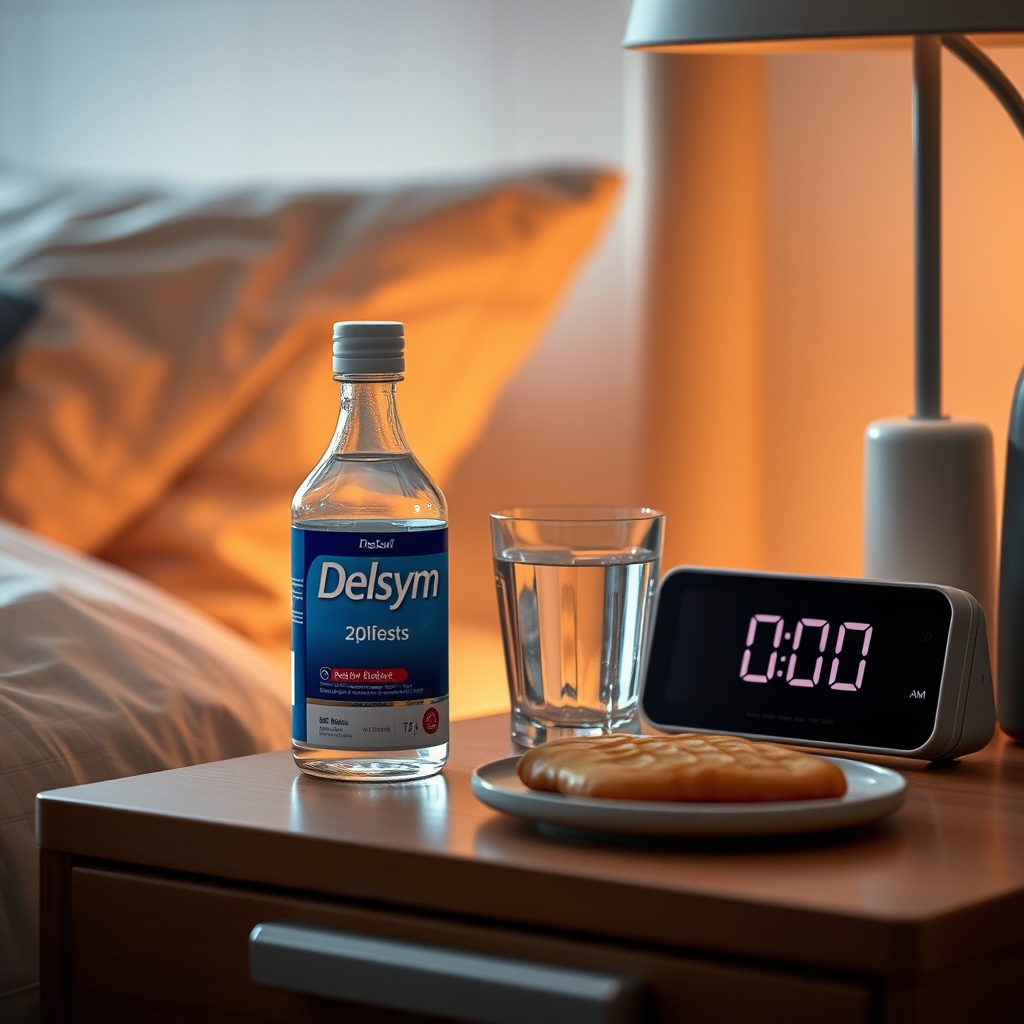
It’s 3 a.m., you’re lying in bed with a nagging cough, and a sudden thought flashes: “Is Delsym safe for pregnancy?” You might have already taken a dose, or you’re wondering whether to reach for the bottle next time you feel that tickle. You’re not alone—many expecting parents have the same midnight worry.
In short, the current guidance from the American College of Obstetricians and Gynecologists (ACOG), the U.S. Food and Drug Administration (FDA), and the UK’s National Health Service (NHS) suggests that Delsym, which contains the cough suppressant dextromethorphan, is not outright prohibited, but it should be used only at the standard adult dose and after discussing it with your healthcare provider. Below we’ll break down the delsym safe for pregnancy verdict by trimester, discuss dosage limits, explore potential risks, and offer safer alternatives you can consider.
We’ll also compare Delsym to other common cough and cold products, point out brand variations, and answer the most‑asked questions like “Can I take Delsym while pregnant?” and “What if I already took it before I knew I was pregnant?” By the end of this article you’ll have a clear, evidence‑based roadmap for making an informed decision.
While you read, remember that every pregnancy is unique. The information here reflects the best available evidence as of 2024, but it does not replace the personalized advice you’ll receive from your obstetrician, midwife, or family doctor. If anything feels uncertain, a quick call to your provider can bring peace of mind.
Many expectant parents also wonder whether a short‑term medication like Delsym could affect the baby’s developing nervous system or cause subtle changes that show up later. The short answer is that, at the recommended dose, the risk appears low, but the data are still limited, especially for daily use in the first trimester. That’s why we emphasize talking to your provider before you start any new medication.
Beyond the cough, pregnancy can bring a host of discomforts—nasal congestion, sore throat, and restless nights. Knowing which over‑the‑counter products are truly low‑risk helps you keep your symptom relief plan simple and safe, without having to juggle a long list of “maybe‑its‑okay” items.
When a nighttime cough strikes, the first instinct may be to reach for Delsym. Knowing the safety profile helps you choose wisely.
Stage
Verdict
Notes
First trimester
⚠️ Talk to your doctor
Limited data; use only if benefits outweigh potential risks.
Second trimester
✅ Generally safe
Standard adult dose (30 mg every 12 h) is acceptable.
Third trimester
✅ Generally safe
Same dose limits; monitor for any fetal heart‑rate changes.
Breastfeeding
✅ Generally safe
Small amounts pass into breast milk; no reports of infant harm.
Delsym is the brand name for an extended‑release formulation of dextromethorphan polistirex. Dextromethorphan (often abbreviated DM) is a non‑opioid cough suppressant that works by reducing the activity of the cough center in the brain. The “polistirex” part means the medication is slowly released over 12 hours, allowing for twice‑daily dosing instead of frequent doses. Delsym is marketed as a “long‑lasting cough relief” product and is available over the counter (OTC) in 30 mg tablets and liquid form.
Because Delsym’s active ingredient is a synthetic molecule, it does not contain the natural sugars or allergens that can sometimes be a concern with herbal cough syrups. This makes it a predictable option for clinicians when a pregnant person needs a cough suppressant, as the pharmacokinetics are well‑studied and the product’s formulation is consistent across batches.
Is Delsym safe to use during the first trimester of pregnancy?
The first trimester is the period of organogenesis, when the baby’s major organs are forming. Because of this heightened sensitivity, many clinicians advise caution with any medication that lacks robust safety data. The FDA classifies dextromethorphan as a Category C drug, meaning animal studies have shown some adverse effects, but there are no well‑controlled studies in pregnant women. ACOG notes that while occasional use of dextromethorphan “has not been linked to major birth defects,” the evidence is limited, so it should be used only when the expected benefit outweighs any potential risk.
In practice, this means that a single dose taken early in pregnancy is unlikely to cause harm, but routine or high‑dose use is discouraged without provider approval. If you’re in the first trimester and experiencing a persistent cough, discuss non‑pharmacologic options first—such as honey, warm tea, or saline nasal spray—before reaching for Delsym.
Importantly, the NHS states that dextromethorphan can be used in pregnancy if the dose does not exceed the standard adult recommendation, but they also emphasize that pregnant individuals should seek medical advice before starting any new medication.
Some clinicians also point out that the first trimester is a time when many people experience heightened nausea, which can make swallowing pills uncomfortable. In those cases, the liquid formulation of Delsym may be easier to take, but the same dosage limits apply.
What is the recommended Delsym dosage for pregnant women?
The standard adult dosage for Delsym is one 30 mg tablet (or 10 mL of liquid) every 12 hours, not to exceed 60 mg per day. This dosage is considered safe for most adults, and the same limit applies to pregnant women, according to the FDA’s labeling. The CDC’s medication safety resources echo this, noting that “the usual adult dose of dextromethorphan does not appear to increase the risk of fetal harm when taken as directed.”
If you have any underlying health conditions—such as liver disease, severe asthma, or are taking other cough suppressants—your provider may advise a lower dose or an alternative therapy. Always follow the product’s instructions and never exceed the recommended amount.
Dextromethorphan is metabolized primarily by the liver enzyme CYP2D6. Pregnancy can modestly affect enzyme activity, but studies have not shown a clinically significant change in dextromethorphan clearance. This means the standard adult dose remains appropriate for most pregnant patients, though individual metabolism can vary.
Can I take Delsym while pregnant with a cough?
Yes, you can take Delsym while pregnant if your cough is severe enough to disrupt sleep or daily activities, and you’ve consulted your obstetrician or midwife. The key is to keep the dose within the 30 mg every 12 hours limit and to avoid combining it with other dextromethorphan‑containing products (like NyQuil or Robitussin DM), which could push you over the safe daily total.
For mild, occasional coughs, many clinicians recommend trying natural remedies first. However, if the cough is persistent, interferes with nutrition, or is accompanied by fever, a short course of Delsym under medical supervision is generally acceptable.
When a cough lasts longer than two weeks, it may signal an underlying infection such as bronchitis or pneumonia, which requires a different treatment approach. In those cases, your provider might prescribe antibiotics or a different cough medication that is known to be safe for pregnancy.
Are there safer cough medicine alternatives to Delsym during pregnancy?
When you’re looking for a gentler approach, several options have a stronger safety track record in pregnancy:
Robitussin Cough + Chest Congestion (guaifenesin) – an expectorant that thins mucus without suppressing the cough reflex.
Zarbee’s Naturals Cough Relief – uses honey and natural plant extracts, both considered safe for most pregnant people.
Organic honey – a time‑tested soothing agent; a tablespoon mixed with warm water can calm irritation.
Warm lemon‑ginger tea – anti‑inflammatory and hydrating, helping to ease throat irritation.
Saline nasal spray – clears nasal passages without medication.
Vicks VapoRub – topical menthol and eucalyptus provide a soothing sensation without systemic absorption.
Guaifenesin, the active ingredient in many expectorant syrups, is classified as Category B by the FDA, indicating that animal studies have not shown risk and there are no well‑controlled human studies, but it is widely considered safe when used as directed. This makes guaifenesin‑based products a solid alternative when you need to thin mucus rather than fully suppress a cough.
What are the risks of using Delsym in the second and third trimesters?
During the second and third trimesters, the baby’s organ systems are more developed, and the risk of teratogenic effects (birth‑defect‑causing) is lower. Studies reviewed by the FDA and ACOG have not identified a clear link between dextromethorphan exposure and adverse fetal outcomes when used at the recommended dose. However, some case reports suggest that high doses could potentially cause fetal tachycardia (fast heart rate) or affect the newborn’s neurological adaptation after birth.
Because the data are still limited, the consensus among obstetric societies is that occasional, correctly dosed use is acceptable, but you should still avoid chronic, high‑dose consumption. If you notice any unusual fetal movements or experience side effects like dizziness, inform your provider promptly.
Some obstetricians recommend listening to the baby’s heartbeat during routine prenatal visits after a period of consistent Delsym use, just to ensure there are no subtle changes in heart rate. This extra reassurance can be helpful for anxious parents.
Does Delsym interact with common pregnancy conditions like morning sickness?
Delsym’s active ingredient, dextromethorphan, is metabolized primarily by the liver enzyme CYP2D6. Some anti‑nausea medications (e.g., ondansetron) also use this pathway, which could theoretically increase dextromethorban levels. However, the interaction is generally mild, and most clinicians consider it safe to use both concurrently when needed.
Morning sickness itself does not affect the safety profile of Delsym, but if you’re taking other over‑the‑counter remedies for nausea (like vitamin B6 or ginger capsules), it’s still wise to double‑check with your provider to ensure no unexpected drug‑drug interactions.
In addition, severe vomiting can reduce the absorption of oral medications, potentially lowering the effectiveness of Delsym. If you’re unable to keep the medication down, discuss alternative delivery methods (such as a liquid formulation) or non‑pharmacologic cough relief.
Is over‑the‑counter Delsym different from prescription cough syrups for pregnant women?
Prescription cough syrups often contain a combination of dextromethorphan, codeine, or other opioid‑derived suppressants. Codeine is classified by the FDA as a Category C drug and is generally discouraged in pregnancy because it can cross the placenta and affect the baby’s respiratory drive. In contrast, OTC Delsym contains only dextromethorphan, which lacks the opioid component and therefore carries a lower risk profile.
Nevertheless, both OTC and prescription products share the same basic safety limit—no more than 60 mg of dextromethorphan per day. The key distinction is the presence of additional ingredients that may have stronger contraindications in pregnancy, making Delsym the comparatively safer OTC option when a cough suppressant is truly needed.
For patients with chronic coughs that require daily management, clinicians may prefer a prescription product that includes a low‑dose opioid only after careful risk‑benefit analysis. However, most pregnant patients can achieve sufficient relief with Delsym or an expectorant alone.
What brand variations of Delsym are safe for pregnant users?
Delsym is sold primarily in two formulations: the 30 mg extended‑release tablet and a 10 mg/5 mL liquid. Both contain the same active ingredient, dextromethorphan polistirex, and share the same safety profile. Some generic “dextromethorphan” products—often marketed as “cough suppressant”—use immediate‑release formulations that require more frequent dosing (every 4‑6 hours). While the total daily dose can still stay within 60 mg, the more frequent dosing may increase the chance of side effects like dizziness or nausea.
For pregnant users, the extended‑release Delsym tablet is convenient because it limits dosing to twice daily, reducing the risk of accidental overdose. If you prefer a liquid, choose the original Delsym brand rather than a “generic” version that may contain additional inactive ingredients (such as artificial colors or flavors) that some pregnant individuals prefer to avoid.
Some pharmacies also carry “Delsym Sugar‑Free” tablets, which replace the sucrose filler with a non‑caloric sweetener. These are considered safe for pregnancy, but if you have a sensitivity to sugar substitutes, check the label for potential allergens.
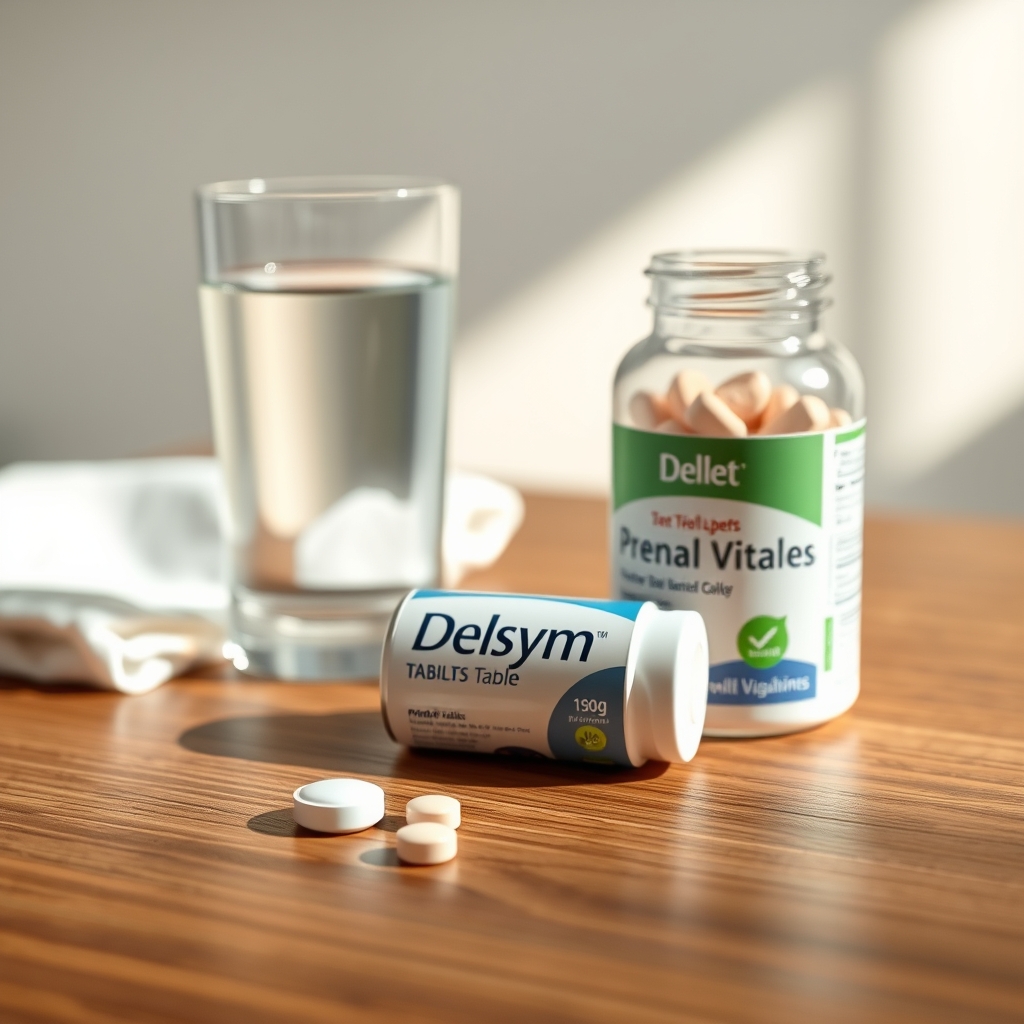
Choosing the extended‑release Delsym tablet can simplify dosing while you’re pregnant.
Safe dosage / amount / brands
Below is a quick reference for the recommended adult dose of Delsym and the brand options that align with pregnancy‑friendly guidelines.
Formulation
Standard dose
Maximum daily amount
Pregnancy‑safe notes
Delsym 30 mg tablet
1 tablet every 12 hours
60 mg per day
Extended‑release; minimizes dosing frequency.
Delsym liquid (10 mg/5 mL)
10 mL every 12 hours
60 mg per day
Same active ingredient; avoid extra flavors.
Generic dextromethorphan immediate‑release
10‑20 mg every 4‑6 hours
60 mg per day
More frequent dosing; higher risk of side effects.
When selecting a product, look for clear labeling that lists dextromethorphan as the sole active ingredient. Avoid formulations that combine it with antihistamines, decongestants, or analgesics unless your provider specifically recommends them.
How to store Delsym safely during pregnancy
Keeping your medication out of reach of children is always wise, but pregnant individuals also benefit from proper storage to maintain potency. Store Delsym at room temperature, away from direct sunlight and moisture. The bottle’s original child‑proof cap should stay tightly sealed, and you should discard any tablets that appear discolored or have an off‑taste. If you’re traveling, keep the medication in a cooler bag rather than a hot car trunk, as extreme heat can degrade the extended‑release matrix.
Side effects and risks
Delsym is generally well tolerated, but like any medication it can cause side effects. The most common are mild and include:
Dizziness or light‑headedness
Nausea or mild stomach upset
Dry mouth
Transient insomnia if taken close to bedtime
These effects are usually short‑lived and not harmful to the fetus. However, more serious concerns—though rare—warrant immediate medical attention:
Severe allergic reaction (hives, swelling, difficulty breathing)
Rapid heartbeat or palpitations
Persistent vomiting that prevents you from staying hydrated
Fetal movement changes (e.g., noticeable decrease in kicks)
If you experience any of the serious symptoms, call your provider or go to the nearest emergency department. Remember, the presence of side effects does not automatically mean the medication is unsafe, but it does signal that you should discuss the experience with your obstetrician.
What to do if you miss a dose
Missing a dose of Delsym is not usually a cause for alarm. Simply take the missed dose as soon as you remember, unless it’s almost time for your next scheduled dose. In that case, skip the missed dose and resume your regular 12‑hour schedule. Do not double‑dose to “catch up,” as exceeding 60 mg per day could increase the risk of side effects for you and your baby.
Can Delsym affect labor or delivery?
Current evidence does not link dextromethorphan to complications during labor or delivery. The drug’s short half‑life (about 3–4 hours) means it clears the system well before the onset of labor in most cases. Nonetheless, if you are approaching your due date and have been using Delsym regularly, a quick check‑in with your provider can reassure you that the timing of your last dose aligns with their recommendations.
Safer alternatives
Robitussin Cough + Chest Congestion (guaifenesin) – Helps clear mucus without suppressing the cough reflex, widely regarded as safe.
Zarbee’s Naturals Cough Relief – Uses honey and natural extracts; suitable for most pregnant users.
Organic honey – A soothing, antimicrobial option that can be taken as a tablespoon mixed with warm water.
Warm lemon‑ginger tea – Anti‑inflammatory and hydrating; safe throughout pregnancy.
Saline nasal spray – Mechanical relief for post‑nasal drip without medication.
Honey‑cinnamon lozenges – Combine the soothing power of honey with a mild cough‑relieving spice.
Steam inhalation – A drug‑free way to loosen mucus; just a bowl of hot water and a towel.
Many of these alternatives also have the added benefit of being safe for breastfeeding mothers, providing a seamless transition if you continue to use them after delivery.
Pseudoephedrine may reduce uterine blood flow; limit use.
Codeine‑containing cough syrups
❌ Best avoided
Opioid component can affect fetal breathing and cause dependence.
Honey‑cinnamon lozenges
✅ Generally safe
Natural soothing agents; avoid if allergic to honey.
Myth vs. fact
Myth: “All cough syrups are unsafe during pregnancy.”
Fact: Many cough medicines, including Delsym, are considered safe when used at the recommended dose and after consulting a healthcare provider.
Myth: “Delsym causes birth defects.”
Fact: Current evidence does not link dextromethorphan at standard doses to birth defects; however, data are limited, so medical guidance is advised.
Myth: “If a medication is OTC, it’s automatically safe for pregnancy.”
Fact: OTC status only means the drug can be sold without a prescription; safety in pregnancy still depends on the ingredient, dose, and trimester.
Myth: “You can’t take any medication in the first trimester.”
Fact: Many medications—including certain antihistamines and vitamins—are safe in the first trimester when used appropriately; each drug must be evaluated individually.
Key takeaways
✅ Delsym can be used in pregnancy at the standard adult dose (30 mg every 12 hours), but discuss it with your provider, especially in the first trimester.
⚖️ Keep total dextromethorphan exposure under 60 mg per day; avoid combining with other DM‑containing products.
🌿 Safer alternatives such as guaifenesin‑based syrups, honey, or warm lemon‑ginger tea often work without medication.
🚨 Seek medical attention if you experience severe dizziness, rapid heartbeat, or notice a change in fetal movements.
🤰 Always confirm any medication—OTC or prescription—with your obstetrician before starting it.
📦 Store Delsym at room temperature, away from heat and moisture, and keep it out of reach of children.
Frequently asked questions
Can I take Delsym while pregnant?
Yes, you can take Delsym while pregnant if you stay within the recommended dose of 30 mg every 12 hours and have consulted your healthcare provider first.
Is dextromethorphan safe during pregnancy?
Dextromethorphan, the active ingredient in Delsym, is generally considered safe at standard adult doses, but the first trimester warrants extra caution and a doctor’s approval.
What are the side effects of Delsym for pregnant women?
Common side effects include mild dizziness, dry mouth, and nausea; serious reactions such as allergic response or rapid heartbeat should prompt immediate medical evaluation.
How much Delsym can I take if I'm pregnant?
The safe limit is 30 mg every 12 hours, not exceeding 60 mg in a 24‑hour period, which aligns with the FDA’s labeling for all adults, including pregnant individuals.
Are there any natural cough remedies safe for pregnancy?
Yes—options like organic honey, warm lemon‑ginger tea, saline nasal spray, and guaifenesin‑based syrups (e.g., Robitussin) are widely regarded as safe and effective.
Does Delsym cause birth defects?
Current research does not show a direct link between Delsym (dextromethorphan) at recommended doses and birth defects, though data are limited, so medical guidance is recommended.
Can Delsym be used in the third trimester?
Yes, Delsym can be used in the third trimester provided you stay within the 30 mg every 12‑hour dosing schedule and monitor for any unusual fetal activity.
What should I avoid while taking Delsym during pregnancy?
Avoid other cough medicines that also contain dextromethorphan, high‑dose acetaminophen, and decongestants like pseudoephedrine unless your provider says otherwise.
Is Delsym safe if I have high blood pressure?
While dextromethorphan itself does not typically raise blood pressure, many combination cough products contain decongestants that can. If you have hypertension, stick with Delsym alone and discuss any concerns with your provider.
Can I use Delsym while breastfeeding?
Yes, small amounts of dextromethorphan pass into breast milk, but the FDA and ACOG consider it generally safe for nursing mothers when used at the standard adult dose.
What should I do if I accidentally exceed the recommended Delsym dose?
If you think you’ve taken more than 60 mg in a 24‑hour period, call your obstetrician or a poison‑control center right away; most mild overdoses resolve on their own, but it’s best to get professional guidance.
Is Delsym appropriate for a chronic cough that lasts longer than two weeks?
For a cough persisting beyond two weeks, it’s important to rule out an underlying infection or condition; your provider may recommend a different medication or further evaluation rather than continued Delsym use.
Natural remedies can complement or replace Delsym when you need relief during pregnancy.
When to call your doctor
If you notice any of the following while taking Delsym, contact your obstetrician or go to urgent care immediately: severe allergic reaction (hives, swelling, trouble breathing), rapid or irregular heartbeat, persistent vomiting that leads to dehydration, or a noticeable decrease in fetal movements. Also reach out if your cough persists for more than two weeks, as this could indicate an underlying infection that needs separate treatment. Remember, this article provides general information and does not replace personalized medical advice.
References
American College of Obstetricians and Gynecologists (ACOG). “Medication Use During Pregnancy.” Updated 2023.
U.S. Food and Drug Administration (FDA). “Dextromethorphan Labeling Information.” Accessed July 2024.
National Health Service (NHS). “Cough Medicines in Pregnancy.” Updated 2022.
Centers for Disease Control and Prevention (CDC). “Pregnancy and Medication Safety.” Accessed 2024.
Mayo Clinic. “Dextromethorphan (Cough Medicine) – Safety in Pregnancy.” Reviewed 2023.
World Health Organization (WHO). “Guidelines for Safe Use of Over‑The‑Counter Medications in Pregnancy.” 2021.
British National Formulary (BNF). “Dextromethorphan.” 2023 edition.
Health Canada. “Over‑The‑Counter Cough & Cold Medications: Pregnancy Considerations.” 2022.
American Academy of Pediatrics (AAP). “Honey Use in Infants and Pregnant Women.” 2023.
National Institute for Health and Care Excellence (NICE). “Management of Cough in Pregnancy.” 2022.
Not sure about the label on Is Delsym Safe During Pregnancy products?
Snap the ingredients list and SafeFilter checks every ingredient for your stage — only 3 free scans this month, then you're locked until reset. Unlimited from $7/mo or $50/yr.
When Shubhra Mishra was expecting her first child in 2016, she was overwhelmed by conflicting food advice — one site said yes, another said never. By the time her second baby arrived in 2019, she realized millions of mothers face the same confusion.
That sparked a five-year journey through clinical nutrition papers, cultural diets, and expert conversations — all leading to BumpBites: a calm, compassionate space where science meets everyday motherhood.
Her long-term vision is to build a global community ensuring safe, supported, and free deliveriesfor every mother — because no woman should face pregnancy alone or uninformed. 🌿
🌍 Stand with mothers, shape safer guidance
Join a small circle of experts who review BumpBites articles so expecting parents everywhere can decide with confidence.