Avoid Delta 8 during pregnancy in all trimesters. Research on its safety is lacking, and potential risks to fetal development are a concern. Learn why experts advise against Delta 8 THC while pregnant and discover safer alternatives.
By Shubhra Mishra — a mom of two who turned her own confusion during pregnancy into BumpBites, a global mission to make food choices clear, safe, and stress-free for every expecting mother. 💛
Check whether any food is safe during pregnancy with the BumpBites Food Safety Checker.
Quick verdict: ❌ Best avoided. Current guidance from major obstetric authorities indicates that delta‑8 THC is not considered safe for use at any stage of pregnancy, and there is no established safe dosage. If you’ve already taken it, try not to panic—most experts recommend monitoring and discussing it with your provider.
It’s 2 a.m., the glow of your phone illuminates a half‑finished grocery list, and a lingering question haunts you: is delta 8 safe during pregnancy? You might have seen a friend’s Instagram post touting “relaxing” delta‑8 gummies, or perhaps you grabbed a tincture before you realized you were expecting. The worry that you’ve already been exposed to something that could harm your baby is common, and you’re not alone.
In this article we’ll give you a clear, evidence‑based answer to the question “is delta 8 safe during pregnancy,” break down what the research (and leading health bodies) actually say, outline safety considerations for each trimester, discuss why no safe dosage has been established, and suggest pregnancy‑approved alternatives for nausea, pain, and other common symptoms. We’ll also compare delta‑8 to other cannabinoids, debunk a few myths, and provide a handy at‑a‑glance comparison of related cannabis products.
Our goal is to help you move from anxiety to confidence. By the end you’ll know exactly why delta‑8 is best avoided, what signs to watch for, and which safer options you can turn to instead.
Stage of pregnancy
Verdict
Notes
First trimester
❌ Not safe
Organogenesis period; any THC exposure may affect fetal development.
<
Second trimester
❌ Not safe
Potential impacts on brain development and placental function.
Third trimester
❌ Not safe
Risk of low birth weight, preterm labor, and neonatal withdrawal.
Breastfeeding
❌ Not safe
Delta‑8 THC detected in breast milk; infant exposure possible.
What is delta‑8 THC?
Delta‑8 tetrahydrocannabinol (Delta‑8 THC) is a cannabinoid found in the cannabis plant, chemically similar to the more well‑known delta‑9 THC. Both molecules share a similar shape, but delta‑8 has a double bond on the eighth carbon atom instead of the ninth, which makes it slightly less psychoactive. Manufacturers typically produce delta‑8 by chemically converting CBD or delta‑9 THC, a process that can introduce impurities if not carefully controlled.
Consumers often turn to delta‑8 for its reported “milder” high, anxiety‑relieving effects, and potential pain‑relief benefits. It is sold in many forms—gummies, vape cartridges, tinctures, and edibles—each labeled with a milligram (mg) strength. Because delta‑8 is not federally scheduled in the United States, it has proliferated in the market, often marketed as a “legal high.” However, the lack of regulation also means product consistency and safety testing can be highly variable.
For pregnant people, the key question is whether the psychoactive and physiological effects of delta‑8 differ enough from delta‑9 THC to be considered safe. Unfortunately, the scientific literature on delta‑8 specifically in pregnancy is extremely limited, and the few available studies are pre‑clinical (animal) or extrapolated from broader cannabis research.
Is delta‑8 THC safe during pregnancy?
At present, leading obstetric organizations such as the American College of Obstetricians and Gynecologists (ACOG) and the United Kingdom’s National Health Service (NHS) advise that any form of THC—including delta‑8 THC—should be avoided during pregnancy. ACOG’s Committee Opinion on cannabis use in pregnancy (2023) states that “the potential risks of THC exposure to the developing fetus are not well‑characterized, and therefore avoidance is the safest approach.” The NHS similarly warns that “cannabis products, including newer cannabinoids like delta‑8, are not safe for pregnant or breastfeeding women.”
The FDA has not approved delta‑8 THC for any medical use, and it has issued consumer warnings about the potential for contamination with harmful chemicals such as residual solvents, heavy metals, and pesticides. Because delta‑8 products are often manufactured through synthetic conversion, the risk of these contaminants is higher than with naturally extracted CBD or delta‑9 THC.
Research on delta‑9 THC provides the most relevant clues. Studies have linked prenatal THC exposure to lower birth weight, preterm birth, and neurodevelopmental changes in children. Animal studies of delta‑8 suggest similar cannabinoid receptor activity, which could theoretically affect the same developmental pathways. Given the lack of human data and the precautionary principle endorsed by health authorities, the consensus is that delta‑8 THC is not considered safe during pregnancy.
In short, the answer to the question is delta 8 safe during pregnancy is a clear “no”—the safest choice is to avoid it entirely.
Safety by trimester
Is delta 8 THC safe to use in the first trimester of pregnancy?
The first trimester (weeks 1–13) is the period of organogenesis, when the baby’s major organs and structures form. Exposure to substances that can cross the placenta—such as THC—carries the highest risk of causing structural anomalies. While direct human data on delta‑8 during this window are lacking, the ACOG guidance on cannabis exposure applies to all cannabinoids, including delta‑8. Because delta‑8 binds to the same CB1 receptors in the brain and placenta as delta‑9 THC, experts advise complete avoidance during the first trimester.
Can delta 8 THC be used safely during the second trimester?
During the second trimester (weeks 14–27), the fetal brain undergoes rapid growth, and the placenta continues to mediate nutrient and waste exchange. Studies of delta‑9 THC have shown associations with altered neurodevelopment and lower birth weight when exposure occurs in the second trimester. Although delta‑8’s psychoactive potency is modest, it still activates CB1 receptors, which are critical for brain development. Consequently, ACOG and the NHS both recommend that delta‑8 THC not be used at any point in the second trimester.
Is delta 8 THC safe in the third trimester?
The third trimester (weeks 28–birth) prepares the baby for life outside the womb. THC can affect the fetal endocannabinoid system, which plays a role in lung maturation and birth timing. Emerging evidence suggests that THC exposure late in pregnancy may increase the risk of preterm labor and neonatal withdrawal symptoms. Because delta‑8 shares the same receptor activity, the safest approach remains avoidance throughout the third trimester as well.
Delta 8 THC and breastfeeding
Delta‑8 THC is lipophilic, meaning it readily dissolves in fats and can pass into breast milk. Small studies of delta‑9 THC have shown detectable levels in nursing infants, sometimes leading to irritability and poor feeding. Until specific studies on delta‑8 are completed, the NHS and ACOG advise that breastfeeding mothers should not consume delta‑8 THC.
What dosage of delta 8 THC is considered safe for pregnant women?
There is no established safe dosage for delta‑8 THC in pregnancy. The lack of human pharmacokinetic data, combined with the potential for product contamination, means that any amount could pose unknown risks. Some manufacturers list “low‑dose” gummies (e.g., 5 mg), but even these can accumulate if used frequently. Because safety thresholds have not been defined by the FDA, CDC, or ACOG, the only evidence‑based recommendation is to avoid delta‑8 THC entirely.
Product form
Typical labeled strength
Safety recommendation
Gummies
5–25 mg per gummy
Avoid all; no safe amount established.
Tincture
10–30 mg per mL
Avoid all; dosing unknown.
Vape cartridge
50–100 mg per cartridge
Avoid all; inhalation adds lung risk.
Are there any delta 8 THC brands that claim pregnancy safety?
Some delta‑8 manufacturers market their products as “natural,” “organic,” or “lab‑tested,” but none can legally claim pregnancy safety. The FDA requires that any claim of safety for pregnant women be supported by substantial clinical data, which does not exist for delta‑8 THC. A review of popular brands (e.g., 3Chi, Delta Effex, and Moonwlkr) shows that their labeling explicitly states “not for use by pregnant or nursing individuals.” Therefore, no reputable delta‑8 brand is considered safe for pregnancy, and any such claim should be treated with skepticism.
How does delta 8 THC compare to CBD for pregnancy use?
CBD (cannabidiol) is a non‑psychoactive cannabinoid that has garnered interest for its potential anti‑inflammatory and anxiolytic properties. Unlike THC, CBD does not strongly bind to CB1 receptors, which reduces its impact on fetal brain development. However, the FDA has not approved CBD for any pregnancy‑related indication, and the NHS advises caution because many CBD products contain trace amounts of THC (often up to 0.3 %). For pregnant people who choose CBD, it is essential to select a product that is third‑party tested for THC content below the legal limit and to discuss use with a provider.
In comparison, delta‑8 THC is psychoactive and activates CB1 receptors similarly to delta‑9 THC, albeit at a lower potency. This means delta‑8 carries a higher theoretical risk for fetal neurodevelopment than CBD. Consequently, health authorities consider CBD (with verified low THC) a more acceptable option than delta‑8, though even CBD should be used only under medical guidance.
What safer alternatives exist for nausea and pain during pregnancy?
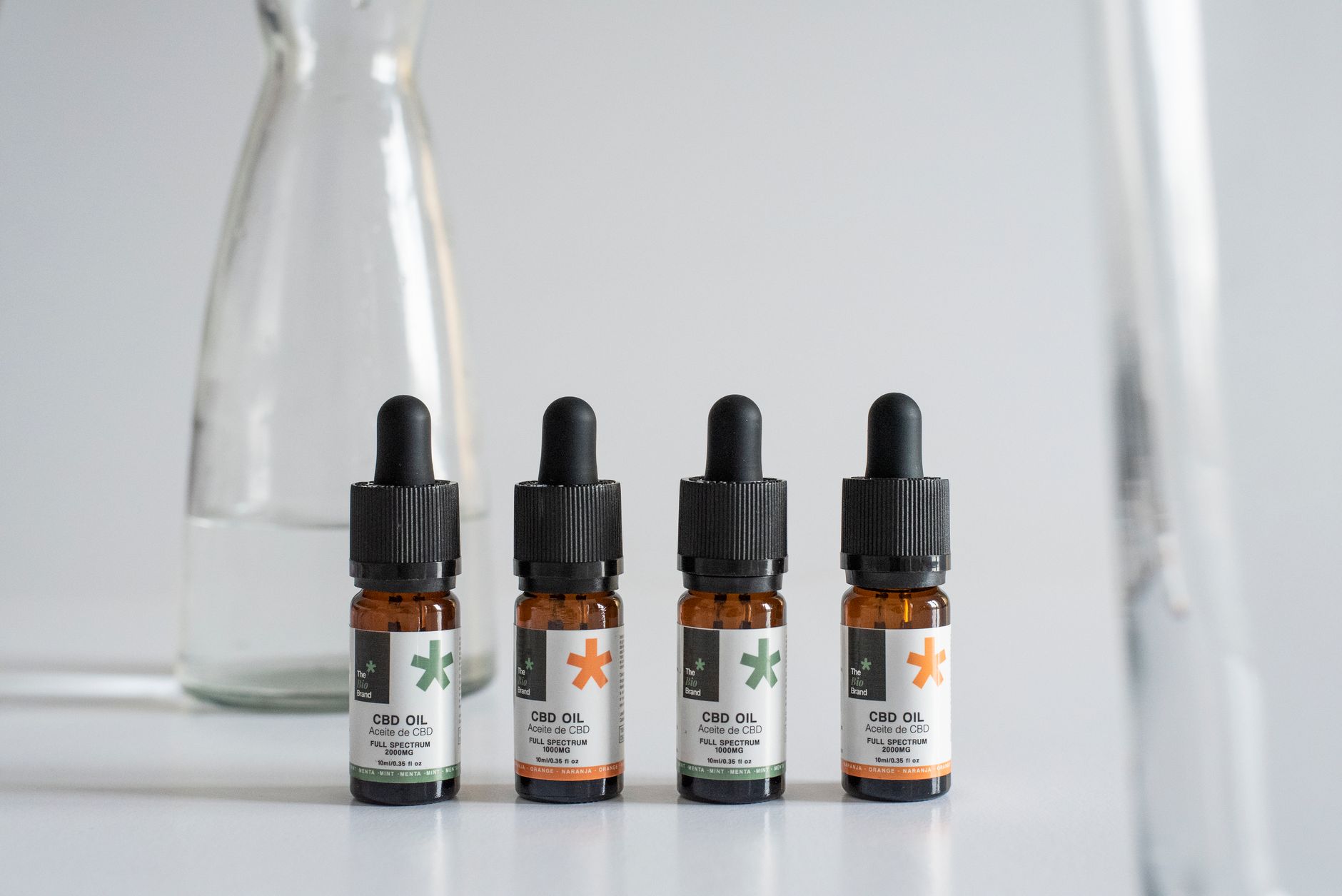
Full‑spectrum CBD oil (under 0.3 % THC) – may help with anxiety and mild pain when sourced from reputable labs.
Ginger tea – traditional, well‑studied remedy for morning sickness.
Vitamin B6 supplements – 10–25 mg daily shown to reduce nausea in clinical trials.
Peppermint tea – soothing for nausea and digestive discomfort.
Acupressure wrist bands – non‑pharmacologic method that can lessen nausea.
Prenatal vitamins with iron and folic acid – essential for overall maternal health and may lessen fatigue‑related discomfort.
Does delta 8 THC affect conditions like gestational diabetes or hypertension?
There is no robust evidence linking delta‑8 THC to improvements—or worsening—of gestational diabetes or hypertension. Some animal studies suggest that cannabinoids can influence glucose metabolism, but human data are sparse and inconsistent. Because both conditions require careful monitoring and treatment, the safest approach is to avoid delta‑8 THC and rely on established medical therapies prescribed by your obstetrician.
Side effects and risks
Delta‑8 THC can cause typical THC‑related side effects such as dizziness, dry mouth, increased heart rate, and short‑term memory impairment. In pregnancy, these effects may be amplified due to altered cardiovascular dynamics and heightened sensitivity to psychoactive substances. More serious concerns include:
Fetal exposure: THC crosses the placenta, potentially affecting brain development and leading to low birth weight.
Neonatal withdrawal: Babies exposed to cannabinoids in utero may exhibit irritability, feeding difficulties, and tremors after birth.
Potential contaminants: Unregulated delta‑8 products may contain residual solvents or heavy metals, adding toxic risk.
If you notice persistent vomiting, rapid heartbeat, severe anxiety, or any unusual fetal movement patterns after using delta‑8, contact your provider promptly.
Related items — safety at a glance
Item
Verdict
One‑line note
Delta‑9 THC
❌ Not safe
Well‑studied risks to fetal development and birth outcomes.
THC vape pens
❌ Not safe
Inhalation adds lung irritation; THC still crosses placenta.
THC edibles
❌ Not safe
Delayed onset can lead to accidental over‑consumption.
CBD oil
⚠️ Safe with limits
Choose products <0.3 % THC and discuss with provider.
CBG oil
⚠️ Safe with limits
Limited data; low THC content makes it lower risk.
THC tincture
❌ Not safe
Oral THC exposure still reaches the fetus.
THC gummies
❌ Not safe
Easy to over‑dose; THC crosses placenta.
Cannabis flower
❌ Not safe
Smoking introduces combustion by‑products to both mother and baby.
Myth vs. fact
Myth: Delta‑8 THC is a “legal” and therefore safe alternative to delta‑9 THC for pregnant people. Fact: Legality does not equate to safety; both delta‑8 and delta‑9 THC cross the placenta and are discouraged by ACOG and the NHS.
Myth: A tiny “microdose” of delta‑8 will not affect the baby. Fact: Even low levels of THC can interact with the fetal endocannabinoid system, and no safe threshold has been identified.
Myth: Full‑spectrum CBD and delta‑8 are interchangeable because they come from the same plant. Fact: CBD is non‑psychoactive and has a different receptor profile; delta‑8 is psychoactive and carries higher fetal risk.
Key takeaways
✅ The consensus answer to “is delta 8 safe during pregnancy” is **no**—avoid it in all trimesters and while breastfeeding.
⚖️ No safe dosage has been established; any amount may pose unknown risks.
🛑 No reputable delta‑8 brand can claim pregnancy safety; product labels typically advise against use by pregnant or nursing individuals.
💡 Safer alternatives for nausea and pain include ginger tea, vitamin B6, and low‑THC CBD oil (under 0.3 % THC).
📞 If you experience concerning symptoms after using delta‑8, contact your obstetric provider right away.
Frequently asked questions
Is delta 8 THC safe during pregnancy?
**No.** Leading health authorities such as ACOG and the NHS recommend avoiding delta‑8 THC at any stage of pregnancy because there is no evidence of safety and potential risks to the fetus.
Can I take delta 8 while pregnant?
**It is not advisable.** Even low‑dose products have not been proven safe, and the FDA has issued warnings about possible contaminants in delta‑8 products.
What are the side effects of delta 8 for pregnant women?
Typical side effects include dizziness, dry mouth, and increased heart rate; more concerning effects may involve fetal exposure leading to low birth weight or neonatal withdrawal symptoms.
Does delta 8 cross the placenta?
**Yes.** Like other THC compounds, delta‑8 THC readily crosses the placental barrier, exposing the developing fetus to its psychoactive effects.
How much delta 8 is too much during pregnancy?
**Any amount is considered too much.** No safe dosage has been established, so the safest recommendation is complete avoidance.
Are there any studies on delta 8 use in pregnancy?
**Research is minimal.** Most available data are animal studies or extrapolations from delta‑9 THC research; human studies are lacking, prompting precautionary guidelines.
What are safer alternatives to delta 8 for morning sickness?
Consider ginger tea, vitamin B6 supplements, peppermint tea, or low‑THC CBD oil (under 0.3 % THC) after consulting your provider.
Can delta 8 cause miscarriage?
While direct evidence linking delta‑8 to miscarriage is limited, THC exposure has been associated with increased risk of preterm labor and other complications, so avoidance is recommended.
When to call your doctor
If you notice any of the following after using delta‑8 THC, seek medical attention promptly: persistent vomiting, rapid or irregular heartbeat, severe anxiety or panic attacks, unusual fetal movement patterns (e.g., a sudden decrease in activity), or signs of neonatal withdrawal after delivery (tremors, irritability, feeding difficulties). Even if you’re unsure whether your symptoms are related to delta‑8, it’s always best to discuss them with your obstetric provider. This article is for informational purposes only and does not replace personalized medical advice.
References
American College of Obstetricians and Gynecologists (ACOG). Committee Opinion: Cannabis Use in Pregnancy and Lactation. 2023.
National Health Service (NHS). Cannabis and pregnancy. Updated 2022.
U.S. Food and Drug Administration (FDA). Warning letters to companies marketing delta‑8 THC products. 2023.
Centers for Disease Control and Prevention (CDC). Cannabis use and pregnancy. 2022.
World Health Organization (WHO). Guidelines for the assessment of cannabis and cannabinoids. 2021.
Mayo Clinic. Cannabis and pregnancy: what you need to know. 2023.
National Institute on Drug Abuse (NIDA). Marijuana and pregnancy. 2022.
British Medical Journal (BMJ). Cannabinoid exposure in pregnancy: a systematic review. 2021.
Journal of Obstetrics and Gynecology. Effects of prenatal THC exposure on fetal development. 2020.
American Academy of Pediatrics (AAP). Recommendations for cannabis use in pregnant and lactating women. 2023.
When you see a delta‑8 product, remember that the label cannot guarantee safety for pregnancy.Ginger tea is a well‑studied, pregnancy‑approved option for nausea.Our safety‑at‑a‑glance table helps you quickly see which cannabis products are risky.
Not sure about the label on Is Delta 8 Safe During Pregnancy products?
Snap the ingredients list and SafeFilter checks every ingredient for your stage — only 3 free scans this month, then you're locked until reset. Unlimited from $7/mo or $50/yr.
When Shubhra Mishra was expecting her first child in 2016, she was overwhelmed by conflicting food advice — one site said yes, another said never. By the time her second baby arrived in 2019, she realized millions of mothers face the same confusion.
That sparked a five-year journey through clinical nutrition papers, cultural diets, and expert conversations — all leading to BumpBites: a calm, compassionate space where science meets everyday motherhood.
Her long-term vision is to build a global community ensuring safe, supported, and free deliveriesfor every mother — because no woman should face pregnancy alone or uninformed. 🌿
🌍 Stand with mothers, shape safer guidance
Join a small circle of experts who review BumpBites articles so expecting parents everywhere can decide with confidence.