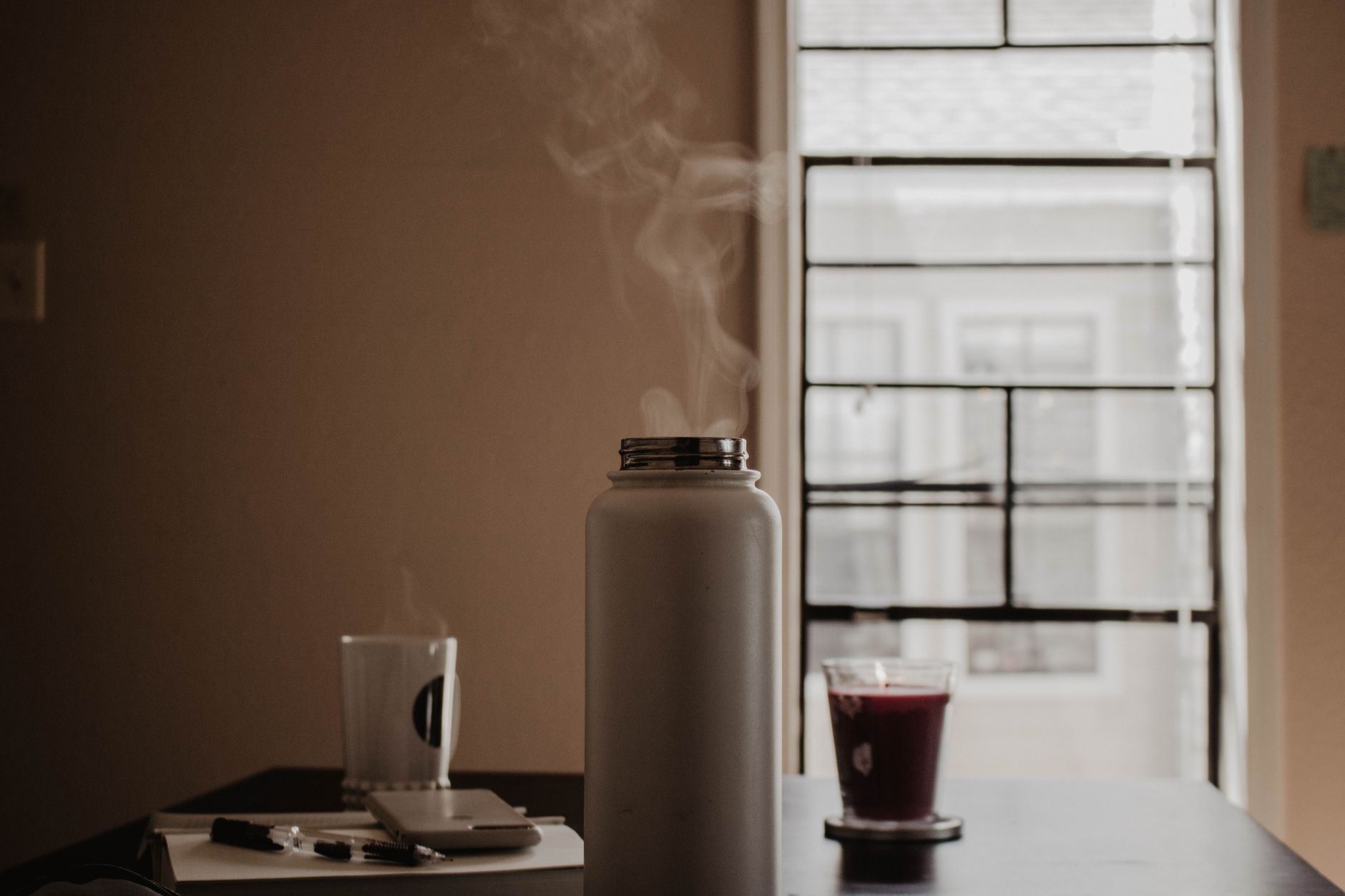
Safe in moderation. Decaf is generally safe during pregnancy, but limit to 200mg caffeine (1-2 cups) daily. Learn trimester-specific guidelines and alternatives.
By Shubhra Mishra — a mom of two who turned her own confusion during pregnancy into BumpBites, a global mission to make food choices clear, safe, and stress-free for every expecting mother. 💛
Check whether any food is safe during pregnancy with the BumpBites Food Safety Checker.
Quick verdict: ⚠️ Safe with limits – decaf coffee is generally considered safe during pregnancy when consumption stays under about 2–3 cups (≈200 mg caffeine) per day, but you should watch for added sugars or additives. Talk to your provider if you have any specific health concerns.
It’s 11 p.m., the kitchen light is on, and you’ve just poured a warm mug of decaf coffee while scrolling through pregnancy forums. “Is decaf safe for pregnancy?” the question echoes in your mind, and a wave of worry washes over you. You’re not alone—many expecting parents wonder if that comforting cup could affect their baby. For many, coffee isn't just a drink; it's a ritual, a moment of calm, or a familiar start to the day. Giving it up entirely during pregnancy can feel like losing a small piece of yourself.
Good news: for most people, decaf coffee is not a red‑flag food. The main issue is caffeine, and decaf contains only a fraction of the caffeine found in regular coffee. In this article we’ll give you a clear, evidence‑based answer to the question “is decaf coffee safe during pregnancy,” break down safety by trimester, discuss how much you can comfortably drink, explore brand considerations, outline potential risks, and suggest gentler alternatives. By the end you’ll know exactly how to enjoy your brew without unnecessary anxiety.
We’ll also compare decaf coffee to other popular caffeinated and non‑caffeinated drinks, so you can see the full picture of what’s safest for you and your growing baby. Remember, our goal at BumpBites is to provide reassuring, accurate information so you can make informed choices with confidence.
Enjoying decaf coffee can be a soothing ritual—just keep the amount moderate.
Trimester / Breastfeeding
Verdict
Notes
1st trimester
⚠️ Safe with limits
Keep caffeine under 200 mg/day (≈2–3 decaf cups). Watch for added sugar. Organogenesis is a sensitive period, so moderation is key.
2nd trimester
⚠️ Safe with limits
Same caffeine limit applies; monitor blood pressure if you have hypertension. Focus on maintaining good sleep and hydration.
3rd trimester
⚠️ Safe with limits
Limit caffeine to avoid potential sleep disruption for both you and baby. Hydration is crucial, so balance with water.
Breastfeeding
⚠️ Safe with limits
Caffeine passes into breastmilk; stay under 200 mg/day to prevent infant irritability or sleep issues.
What is decaf coffee?
Decaf coffee is simply coffee beans that have had most of their caffeine removed. The beans start out like regular coffee beans—grown, harvested, roasted—but then undergo a decaffeination process before they are ground and brewed. The most common methods are the Swiss‑water process, super‑critical CO₂ extraction, and solvent‑based techniques that use food‑grade solvents such as ethyl acetate. Each method aims to strip away caffeine while preserving the bean’s flavor compounds. For anxious parents, understanding these methods can offer peace of mind, as reputable decaffeination processes are designed to be safe and efficient.
Even after decaffeination, a small amount of caffeine typically remains—usually between 2 and 5 mg per 8‑oz cup, compared with 95–165 mg in a regular cup. This minimal residual caffeine is why decaf coffee is generally considered safe within recommended pregnancy limits. Decaf coffee can be served hot or iced, flavored with milk, sugar, or spices, and is enjoyed worldwide as a lower‑caffeine alternative for those who love the coffee taste but want to limit caffeine intake, including pregnant and breastfeeding individuals.
Is decaf coffee safe during pregnancy?
C
urrent guidance from the American College of Obstetricians and Gynecologists (ACOG) and the U.K.’s National Health Service (NHS) states that moderate caffeine consumption—up to 200 mg per day—is acceptable for most pregnant people. This recommendation is based on extensive research showing that at this level, caffeine does not appear to increase the risk of miscarriage, preterm birth, or low birth weight. Because decaf coffee contains only a fraction of the caffeine in regular coffee, it generally falls well within that limit. The U.S. Food and Drug Administration (FDA) also categorizes decaf coffee as “generally recognized as safe” (GRAS) when consumed in typical amounts.
The primary concern with high caffeine intake during pregnancy is that caffeine crosses the placenta and reaches the baby. A baby's developing liver is not fully equipped to metabolize caffeine as efficiently as an adult's, meaning caffeine stays in their system longer. While high doses of caffeine have been linked to potential adverse outcomes, the tiny caffeine residue in decaf coffee is generally not considered sufficient to pose these risks. A 2021 systematic review in the *American Journal of Obstetrics & Gynecology* found no statistically significant association between decaf coffee consumption and adverse pregnancy outcomes, reassuring many expecting parents.
One common misconception is that decaf coffee is completely caffeine‑free, which could lead some to drink it in excess. Even the small caffeine content can add up if you’re sipping multiple cups daily, especially when combined with other sources like tea, chocolate, or certain sodas. Therefore, while decaf coffee is generally safe for pregnancy, the key is moderation and being mindful of your total daily caffeine intake from all sources.
Decaffeination methods and pregnancy safety
Understanding how decaf coffee is made can help alleviate concerns about potential chemical residues. There are several primary methods used to remove caffeine from coffee beans, all of which are regulated for safety.
Swiss Water Process: This is a chemical-free method that uses only water to extract caffeine. Beans are steeped in hot water, which creates a flavorful, caffeine-rich extract. This extract is then passed through activated charcoal filters that trap caffeine molecules, leaving the flavor compounds behind. The caffeine-free flavor extract is then reintroduced to the beans. This method is often preferred by those seeking to avoid any chemical exposure, though it's important to note all FDA-approved methods are considered safe.
CO₂ (Carbon Dioxide) Method: In this process, green coffee beans are soaked in highly pressurized liquid CO₂. The CO₂ acts as a solvent, selectively binding to and extracting caffeine molecules without significantly affecting the flavor compounds. The caffeine is then separated from the CO₂, which can be reused. This is another popular method known for its effectiveness and minimal impact on bean quality, and it leaves no chemical residues in the final product.
Solvent-Based Methods (e.g., Ethyl Acetate, Methylene Chloride): These methods use food-grade solvents to dissolve and remove caffeine. Ethyl acetate is a naturally occurring ester found in fruits, and when used, it's often referred to as "natural decaffeination." Methylene chloride is another solvent, strictly regulated by the FDA. After caffeine extraction, the beans are thoroughly rinsed and steamed to remove any residual solvent, ensuring the final product meets stringent safety standards. While the idea of solvents can sound alarming, the FDA has determined that trace amounts (less than 10 parts per million) found in decaf coffee are safe for consumption, including during pregnancy.
For pregnant individuals, choosing decaf coffee from reputable brands that adhere to strict quality controls, regardless of the method, is the most important factor. Many brands proudly highlight their decaffeination method on their packaging, allowing you to make an informed choice based on your personal preference.
Decaf coffee in first trimester
The first trimester is the period of organogenesis, when the baby’s major organs are forming. Because this stage is most sensitive to teratogens (substances that can cause birth defects), many expectant parents are extra cautious about caffeine. The ACOG recommendation of no more than 200 mg of caffeine per day applies throughout pregnancy, including the first trimester. This limit is generous enough to allow for moderate decaf consumption without concern.
Given that a typical 8‑oz cup of decaf coffee contains about 2–5 mg of caffeine, you could safely enjoy up to 40 decaf cups and still stay under the limit—obviously, that isn’t realistic. In practice, most clinicians advise limiting decaf coffee to 2–3 cups per day, especially if you also consume other caffeinated foods or beverages like chocolate or certain types of tea. This conservative approach helps ensure your total caffeine intake remains well below any potential risk threshold and avoids any unnecessary worry.
If you have a history of miscarriage, hypertension, or are experiencing severe nausea, you might choose to cut back even further. Discuss your individual risk factors with your obstetric provider, who can tailor advice based on your health profile and help you feel confident in your choices.
Decaf coffee in second trimester
During the second trimester, the baby’s brain and nervous system develop rapidly. Caffeine can cross the placenta, but the small amount in decaf coffee is unlikely to affect fetal development when kept within the 200 mg daily ceiling. However, some pregnant people notice that caffeine— even in tiny doses—can trigger heart‑rate spikes or jitteriness, even if these effects are more psychological than physiological with decaf.
Many individuals find their energy levels fluctuate in the second trimester, sometimes experiencing a renewed sense of well-being after the initial fatigue of the first trimester. Decaf coffee can offer a comforting routine without overstimulating your system. If you experience any palpitations, anxiety, or sleep disturbances, consider reducing your decaf intake or switching to a completely caffeine‑free herbal tea. The NHS notes that many pregnant people find decaf coffee a comfortable middle ground, as it satisfies the ritual without the stimulant effect of regular coffee.
Decaf coffee in third trimester
In the third trimester, many expectant mothers worry about caffeine’s impact on labor and delivery. While high caffeine intake has been linked to a modest increase in the risk of preterm birth, the minute amounts found in decaf coffee are far below that threshold. Nonetheless, limiting caffeine can help improve sleep quality, which often declines in the final weeks of pregnancy due to discomfort, frequent urination, and anxiety about labor.
Sticking to the same 2–3‑cup limit is a practical rule of thumb. As your baby grows, there's increased pressure on your bladder, and staying well-hydrated is important. While decaf coffee contributes to fluid intake, it's not a substitute for water. If you’re sensitive to caffeine, you might find that even decaf can interfere with restful sleep, so you may wish to enjoy your cup earlier in the day and switch to water or herbal tea in the evenings.
Decaf coffee and breastfeeding
After delivery, caffeine does pass into breastmilk, and newborns metabolize it more slowly than adults. The same 200 mg daily limit is recommended for breastfeeding parents. Because decaf coffee’s caffeine content is minimal, a couple of cups per day are unlikely to cause irritability or sleep problems for your baby. The World Health Organization (WHO) also supports moderate caffeine intake during lactation, citing no significant adverse effects on the infant.
Many new parents rely on coffee for a much-needed energy boost. Opting for decaf allows you to enjoy the warmth and flavor without the worry of excessive caffeine disrupting your baby's sleep patterns or causing them to be unusually fussy. If you notice fussiness, unusual wakefulness, or digestive upset in your baby after you've had a cup of decaf, try reducing the amount or switching to a completely caffeine‑free beverage to see if there's an improvement. Every baby is different in their sensitivity.
Decaf coffee can fit into a balanced breastfeeding routine when kept moderate.
How much decaf coffee is safe during pregnancy?
Most health authorities agree that the safe caffeine ceiling for pregnancy is 200 mg per day. Since decaf coffee contains roughly 2–5 mg per 8‑oz cup, you can theoretically consume a large quantity before reaching that limit, but realistic consumption is far lower. The practical recommendation is to stay within 2–3 cups of decaf coffee per day, which translates to roughly 8–15 mg of caffeine—well under the daily cap. This amount allows you to enjoy the flavor and ritual without contributing significantly to your overall caffeine intake.
If you also drink tea, chocolate, or soda, it's important to add those caffeine amounts to your total. For example, a typical black tea can add 30–50 mg per cup, and a bar of dark chocolate can contain 20–60 mg. Tracking your overall caffeine intake from all sources helps you stay comfortably below the 200 mg threshold. We recommend checking labels of all packaged foods and beverages to be fully aware of hidden caffeine.
Women with hypertension, gestational diabetes, or a history of preterm labor may be advised to keep caffeine even lower, sometimes under 100 mg per day. Always follow the specific guidance of your obstetric provider, as individual health circumstances can influence recommendations.
Folgers decaf coffee safe for pregnancy
Folgers is a widely available brand that offers several decaf varieties, including “Folgers Classic Decaf” and “Folgers Breakfast Blend Decaf.” These products are produced using a water‑based decaffeination method that leaves minimal solvent residues, which is reassuring for pregnant individuals. The caffeine content per 8‑oz serving is typically listed as ≤5 mg, aligning with the general decaf range.
Because Folgers decaf coffee meets the same safety thresholds as other reputable decaf coffees, it is considered safe for pregnancy when consumed in moderation (2–3 cups per day). It provides the familiar taste and comfort that many people enjoy. However, always read the label for added sugars or flavorings, which can increase caloric intake and affect blood‑sugar levels, especially for those managing gestational diabetes.
Starbucks decaf coffee pregnancy safety
Starbucks offers several popular decaf options, including Decaf Pike Place Roast, Decaf Espresso, and Decaf Caffè Latte. Most of Starbucks' decaf coffees are processed using the Swiss Water Process or a similar water-based method, which ensures minimal residual caffeine and no chemical solvents. An 8-oz serving of Starbucks Decaf Pike Place Roast typically contains about 5-10 mg of caffeine, while a decaf espresso shot has around 5 mg.
These amounts are well within the ACOG-recommended 200 mg daily limit for pregnant individuals, making Starbucks decaf options generally safe for moderate consumption (1-2 decaf lattes or 2-3 cups of decaf brewed coffee per day). Be mindful of added syrups, whipped cream, and other high-sugar additions, which can contribute to unnecessary calories and sugar intake during pregnancy. Opt for plain decaf options or those with minimal, natural sweeteners if you're concerned about sugar.
Risks of drinking decaf coffee while pregnant
While decaf coffee is low in caffeine and generally safe, there are a few potential concerns to keep in mind:
Residual caffeine: Even a small amount can add up if you drink many cups or consume other caffeinated foods. While 2-5mg per cup is low, drinking 5-6 cups could bring you closer to 20-30mg, which, combined with other sources, could edge towards higher overall intake.
Added sugars or artificial sweeteners: Many pre‑flavored decaf coffees, especially instant varieties or specialty drinks, contain sugar or sugar substitutes. Excessive sugar intake can contribute to gestational diabetes or unwanted weight gain, while the long-term safety of artificial sweeteners like sucralose or aspartame during pregnancy is still debated, with many experts recommending moderation.
Acidity: Coffee’s natural acids can exacerbate heartburn or acid reflux, a very common and often uncomfortable pregnancy symptom, especially in the second and third trimesters. If you find decaf coffee triggers heartburn, consider switching to low-acid coffee beans or alternatives like herbal tea.
Potential contaminants: While reputable brands typically meet FDA standards for decaffeination processes, some solvent‑based decaf methods use chemicals like methylene chloride. As discussed, the FDA deems trace amounts safe, but choosing water‑based or CO₂‑based decaf can reduce exposure if you have concerns.
Overall, the risks are low when you choose a reputable brand, limit intake, and avoid excessive sweeteners. Always prioritize your comfort and listen to your body.
Decaf coffee and high blood pressure in pregnancy
Hypertensive disorders, including gestational hypertension and preeclampsia, affect about 10 % of pregnancies and require careful management. Caffeine can cause a temporary rise in blood pressure, but the effect is dose‑dependent. Because decaf coffee contains only trace caffeine, it is highly unlikely to trigger a significant blood‑pressure spike that would be concerning for most pregnant individuals.
However, some studies suggest that even small caffeine amounts can modestly increase systolic pressure in highly caffeine‑sensitive individuals. If you have gestational hypertension or a history of high blood pressure, the safest approach is to monitor your blood pressure regularly and discuss any concerns with your provider. While decaf is generally safe, your doctor may recommend avoiding all caffeine, even trace amounts, as part of a comprehensive management plan. Switching to a completely caffeine‑free herbal tea (such as rooibos) can eliminate any lingering doubt and ensure you're taking every possible precaution.
Decaf coffee and morning sickness relief
Morning sickness, characterized by nausea and sometimes vomiting, can strike at any time of day and affects a significant number of pregnant people. Many pregnant individuals find that a warm beverage helps settle nausea, and the familiar aroma of coffee can be soothing. Decaf coffee’s low caffeine content means it’s less likely to aggravate stomach acidity compared with regular coffee, which can sometimes worsen nausea.
Some women report that sipping decaf with a splash of milk or a small amount of honey (a natural sweetener) reduces morning‑sickness symptoms, as the warmth and mild flavor can be comforting. However, if you notice that coffee, even decaf, seems to worsen your nausea or reflux, it's best to try a milder alternative like ginger tea or peppermint tea—both are known for their anti‑nausea properties and are generally safe in pregnancy. Remember to keep added sweeteners modest, especially if you have gestational diabetes, and opt for a plain or lightly milk‑stirred decaf coffee as the safest route.
Decaf coffee and iron absorption
Iron deficiency anemia is common during pregnancy, as your body needs more iron to support the increased blood volume and the baby's development. Coffee, both regular and decaf, contains compounds called tannins and polyphenols that can interfere with the absorption of non-heme iron (iron found in plant-based foods and supplements). This effect is primarily due to these compounds binding to iron in the digestive tract, making it harder for your body to absorb.
While decaf coffee has a much lower impact than regular coffee, it's still a good practice to separate your decaf coffee consumption from iron-rich meals or iron supplements. We recommend waiting at least an hour before or after drinking decaf coffee when consuming iron-rich foods or taking supplements. Pairing iron-rich foods with vitamin C (like orange juice or bell peppers) can help enhance iron absorption and counteract any minimal inhibitory effects from decaf coffee.
Safe dosage / amount / brands
Based on the 200 mg caffeine guideline, the following dosage chart helps you stay within safe limits, considering an average 8-oz cup of decaf coffee contains 2-5 mg of caffeine:
Number of 8‑oz cups of decaf coffee
Approximate caffeine (mg)
Safety comment
1 cup
2–5
Well under the limit; safe for all trimesters.
2 cups
4–10
Still comfortably below 200 mg; fine for most pregnant people.
3 cups
6–15
Safe for most, but add other caffeine sources cautiously.
4+ cups
≥20
Approaches the limit if you consume other caffeinated items; consider reducing.
When choosing a brand, look for those that disclose caffeine content and use water‑based or CO₂ decaffeination. Popular options that are generally well-regarded for their processing and safety include:
Folgers Classic Decaf – widely available, typically ≤5 mg per cup, uses water-based methods.
Starbucks Decaf Pike Place Roast – often Swiss Water Processed, known for low residual caffeine.
Peet’s Decaf Major Dickason’s Blend – uses the CO₂ method, ensuring minimal solvent residues.
Swiss‑Water Decaf certified brands (various specialty roasters) – explicitly chemical‑free process, often preferred for purity.
Lavazza Dek Classico Decaf – uses a natural CO₂ process, popular for espresso.
Avoid brands that list “flavor‑enhanced” decaf blends with excessive added sugar or artificial sweeteners unless you specifically monitor your sugar intake. Always prioritize plain, unsweetened decaf coffee for the safest option.
Side effects and risks
Most side effects from decaf coffee are mild and stem from the coffee itself rather than caffeine, given its minimal content. However, it's good to be aware of potential reactions:
Heartburn or acid reflux: Coffee’s natural acids can irritate the esophagus, a common issue during pregnancy due to hormonal changes and uterine pressure on the stomach. If you experience frequent heartburn, consider a low‑acid coffee or switch to herbal tea.
Sleep disturbances: Even low caffeine can affect sensitive sleepers. While most people won't experience this with decaf, if you notice trouble falling asleep or disrupted sleep patterns, especially when consumed close to bedtime, reduce evening consumption or switch to a completely caffeine-free drink.
Fetal heart rate changes: There is no evidence showing decaf coffee causes significant or harmful fetal heart rate changes. However, if you are extremely sensitive to caffeine, or have underlying heart conditions, you might theoretically perceive some effect. Monitoring your own heart rate if you feel palpitations is always wise.
Blood‑sugar spikes: Sweetened decaf beverages, especially those with added syrups or large amounts of sugar, can raise glucose levels. This is a significant concern for individuals with gestational diabetes or those at risk. Opt for unsweetened or very lightly sweetened versions to manage this risk.
Digestive upset: Some individuals are sensitive to coffee, even decaf, experiencing stomach upset, bloating, or changes in bowel habits. If you notice these symptoms, it might be the coffee itself, not the caffeine, causing the issue.
If you experience persistent palpitations, severe nausea, sudden swelling (especially in hands or face), severe abdominal pain, or any other concerning symptoms, contact your obstetric provider promptly. These could signal unrelated pregnancy complications that require immediate medical attention.
Safer alternatives
If you decide to cut back on decaf coffee or want other warm, comforting options, there are many safe and delicious alternatives:
Herbal tea: Naturally caffeine‑free and soothing; choose blends without contraindicated herbs (e.g., avoid black cohosh, blue cohosh, dong quai). Popular safe options include ginger, peppermint, and chamomile.
Rooibos tea: Also known as red bush tea, it’s rich in antioxidants, completely caffeine‑free, and has a naturally sweet, earthy flavor. It’s widely considered safe for pregnancy.
Peppermint tea: Known for its ability to help relieve nausea and digestive discomfort without any caffeine.
Ginger tea: A proven anti‑nausea aid, especially useful for morning sickness. You can make it fresh by steeping sliced ginger in hot water.
Chamomile tea: Offers a gentle calming effect, which can be helpful for relaxation and sleep. Safe in moderate amounts.
Warm milk with honey: A soothing, calcium-rich option that can promote relaxation before bed.
Hot cocoa (moderate): A warm, comforting treat, but be mindful of sugar content and the small amount of caffeine (typically 5-10 mg per serving).
Fruit-infused hot water: Slices of lemon, orange, or berries in hot water can provide a flavorful, hydrating, and caffeine-free beverage.
Related items — safety at a glance
Item
Verdict
One‑line note
Caffeinated coffee
⚠️ Safe with limits
Limit to ≤200 mg caffeine per day (≈1‑2 cups).
Espresso
⚠️ Safe with limits
One shot ≈63 mg caffeine; count toward daily total.
Latte
⚠️ Safe with limits
Milk dilutes caffeine but still counts toward limit; watch added sugars.
Cappuccino
⚠️ Safe with limits
Similar caffeine content to a standard coffee; be mindful of size.
Green tea
⚠️ Safe with limits
≈25‑35 mg caffeine per 8‑oz cup; keep within 200 mg total.
Black tea
⚠️ Safe with limits
≈40‑70 mg caffeine per cup; monitor overall intake.
Energy drinks
❌ Best avoided
High caffeine, added stimulants, and other ingredients not recommended.
Guarana
❌ Best avoided
Concentrated caffeine source often in energy drinks; exceeds safe limits easily.
Chocolate (dark)
⚠️ Safe with limits
Contains caffeine (20-60mg per bar); count towards daily total.
Cola soft drinks
⚠️ Safe with limits
Contain caffeine (30-40mg per can); watch sugar content.
Myth vs. fact
Myth: Decaf coffee contains no caffeine at all.
Fact: Decaf coffee typically retains 2–5 mg of caffeine per cup, so it still contributes a tiny amount to your daily caffeine total. It's never 100% caffeine-free, but the amount is negligible for most.
Myth: If decaf coffee is “caffeine‑free,” it’s automatically safe for everyone.
Fact: Safety also depends on added sugars, acidity, and individual health conditions such as hypertension or gestational diabetes. Always consider the full nutritional profile.
Myth: All decaf coffees are processed the same way.
Fact: Decaffeination methods vary (water‑based, CO₂, solvent); water‑based and CO₂ methods avoid chemical residues and are generally preferred for pregnancy by many, though FDA-approved solvent methods are also considered safe.
Myth: Decaf coffee is unhealthy because it's processed with chemicals.
Fact: While some methods use food-grade solvents, rigorous testing ensures that only trace amounts (well below safety thresholds) remain. Water-based and CO₂ methods are chemical-free. All reputable decaf coffee brands meet strict safety standards.
Key takeaways
Decaf coffee is generally safe for pregnancy when kept to 2–3 cups per day (≈8‑15 mg caffeine).
Stay under the 200 mg daily caffeine limit set by ACOG and NHS, accounting for all caffeine sources.
Watch for added sugars, artificial sweeteners, and high‑acid blends that can worsen heartburn or impact blood sugar.
Consider decaffeination methods like Swiss Water Process or CO₂ for chemical-free options if that's a priority for you.
If you have hypertension, gestational diabetes, or severe nausea, consider caffeine‑free herbal teas as primary alternatives.
Always discuss any concerns or unusual symptoms with your obstetric provider for personalized advice.
Frequently asked questions
can I drink decaf coffee while breastfeeding
Yes, you can drink decaf coffee while breastfeeding, but keep it to 2–3 cups per day to stay under the 200 mg caffeine limit and avoid possible infant irritability or sleep disruption, as caffeine does pass into breastmilk.
how much caffeine is in decaf coffee
Decaf coffee typically contains 2–5 mg of caffeine per 8‑oz cup, which is a tiny fraction compared to the 95‑165 mg found in regular coffee, making it a low-caffeine option.
is decaf coffee bad for you
For most people, decaf coffee is not bad for you; it’s considered safe when consumed in moderation. However, excessive intake, added sugars, or sensitivity to its acidity can be problematic, just like with many other beverages.
what are the benefits of decaf coffee
Decaf coffee provides the comforting ritual and rich flavor of coffee drinking, along with antioxidants, without the stimulant effects of caffeine. This can be helpful for managing sleep, anxiety, or caffeine sensitivity during pregnancy.
can I drink decaf coffee with gestational diabetes
You can, but choose unsweetened varieties and keep total caffeine under 200 mg per day. It's crucial to monitor blood‑sugar levels as added sugars in flavored decafs can significantly affect glucose control.
does decaf coffee affect fertility
Current evidence does not link decaf coffee consumption to reduced fertility. The tiny caffeine amount is unlikely to impact reproductive health, and in fact, some studies suggest coffee's antioxidant properties might be beneficial.
can I drink decaf coffee with high blood pressure
Decaf coffee’s low caffeine makes it generally safe for people with high blood pressure during pregnancy. However, always monitor your own response and discuss any concerns or specific recommendations with your doctor.
is decaf coffee safe for toddlers
Decaf coffee is not recommended for toddlers. While caffeine content is low, the acidity and potential added sugars are not appropriate for young children, and water or milk are much healthier beverage choices.
can decaf coffee cause miscarriage
No, current scientific evidence does not support a link between moderate decaf coffee consumption (within the 200 mg daily caffeine limit) and an increased risk of miscarriage. The trace amounts of caffeine are considered safe.
is decaf coffee dehydrating
While regular caffeinated coffee can have a mild diuretic effect, decaf coffee is largely dehydrating. Its minimal caffeine content means it contributes to your daily fluid intake, similar to water or herbal tea.
When to call your doctor
If you notice any of the following after drinking decaf coffee, or at any point during your pregnancy, contact your obstetric provider promptly:
Persistent heart palpitations, rapid heartbeat, or unusual chest discomfort.
Severe or worsening nausea that doesn’t improve with typical remedies, or leads to dehydration.
Sudden swelling of hands, feet, or face (which could be a sign of pre‑eclampsia).
Unexplained insomnia or severe sleep disruption that significantly impacts your well-being.
Signs of high blood sugar (excessive thirst, frequent urination, fatigue) after consuming sweetened decaf beverages.
Any other severe or unusual symptoms that concern you.
These symptoms may indicate a condition unrelated to decaf coffee, but it’s best to get professional guidance to ensure your health and your baby’s well-being. This article provides general information and is not a substitute for personalized medical advice.
References
American College of Obstetricians and Gynecologists. “Committee Opinion No. 720: Moderate Caffeine Consumption During Pregnancy.” ACOG, 2023.
National Health Service (NHS). “Caffeine in pregnancy.” NHS, 2022.
U.S. Food and Drug Administration (FDA). “Caffeine: How much is too much?” FDA, 2021.
Centers for Disease Control and Prevention (CDC). “Pregnancy Nutrition.” CDC, 2022.
American Journal of Obstetrics & Gynecology. “Maternal caffeine intake and pregnancy outcomes: A systematic review.” AJOG, 2021.
Mayo Clinic. “Caffeine and pregnancy.” Mayo Clinic, 2023.
World Health Organization (WHO). “Guidelines on caffeine consumption for pregnant women.” WHO, 2022.
National Institutes of Health (NIH). "Iron and Iron Deficiency." NIH, 2023.
Not sure about the label on Is Decaf Safe During Pregnancy products?
Snap the ingredients list and SafeFilter checks every ingredient for your stage — only 3 free scans this month, then you're locked until reset. Unlimited from $7/mo or $50/yr.
When Shubhra Mishra was expecting her first child in 2016, she was overwhelmed by conflicting food advice — one site said yes, another said never. By the time her second baby arrived in 2019, she realized millions of mothers face the same confusion.
That sparked a five-year journey through clinical nutrition papers, cultural diets, and expert conversations — all leading to BumpBites: a calm, compassionate space where science meets everyday motherhood.
Her long-term vision is to build a global community ensuring safe, supported, and free deliveriesfor every mother — because no woman should face pregnancy alone or uninformed. 🌿
🌍 Stand with mothers, shape safer guidance
Join a small circle of experts who review BumpBites articles so expecting parents everywhere can decide with confidence.