

Quick verdict: ❌ Dabigatran (Pradaxa) is best avoided during pregnancy. Current evidence and guidelines from ACOG, FDA, and NHS recommend against its use due to potential risks to both mother and baby, including bleeding complications and limited safety data. If you're pregnant or planning to conceive, talk to your doctor about switching to a safer blood thinner like enoxaparin (Lovenox) or heparin.
You're staring at the pill bottle at 11 pm, your heart pounding. Maybe you just found out you're pregnant and you've been taking Dabigatran (Pradaxa) for months. Or maybe your doctor mentioned it as an option for your clotting disorder, and now you're Googling frantically to see if it's safe. Take a deep breath—we've got you. The short answer is that Dabigatran isn't recommended during pregnancy, but there are safer alternatives. Let's walk through what you need to know, trimester by trimester, so you can make the best decision for you and your baby.
In this guide, we'll cover everything from how Dabigatran works to which blood thinners are actually safe during pregnancy, what to do if you've already taken it, and when to call your doctor. You're not alone in this—many expecting parents have the same questions, and we're here to give you clear, evidence-based answers so you can stop worrying and start planning.
| Trimester | Verdict | Notes |
|---|---|---|
| First trimester | ❌ Avoid | Limited safety data; potential risk of bleeding and birth defects. Organogenesis (weeks 4-12) is the highest-risk window. |
| Second trimester | ❌ Avoid | No evidence of safety; risks of maternal bleeding and fetal complications outweigh benefits. |
| Third trimester | ❌ Avoid | Increased risk of bleeding during delivery; no proven benefit to justify use. |
| Breastfeeding | ⚠️ Caution advised | Limited data; small amounts may pass into breast milk. Consult your doctor about safer alternatives. |
What is Dabigatran (Pradaxa)?
Dabigatran, sold under the brand name Pradaxa, is a type of blood thinner called a direct oral anticoagulant (DOAC). It works by blocking a specific clotting protein in your blood called thrombin, which helps prevent dangerous blood clots from forming. Doctors typically prescribe it to reduce the risk of stroke in people with a heart condition called atrial fibrillation, or to treat and prevent deep vein thrombosis (DVT) and pulmonary embolism (PE)—conditions where clots form in the legs or lungs.
Unlike older blood thinners like warfarin (Coumadin), Dabigatran doesn’t require frequent blood tests to monitor its effects, and it has fewer food interactions. That makes it a convenient option for many people—but convenience isn’t the same as safety, especially during pregnancy. While Dabigatran is effective for its approved uses, its safety during pregnancy hasn’t been well studied, and the potential risks to both mother and baby are a major concern.
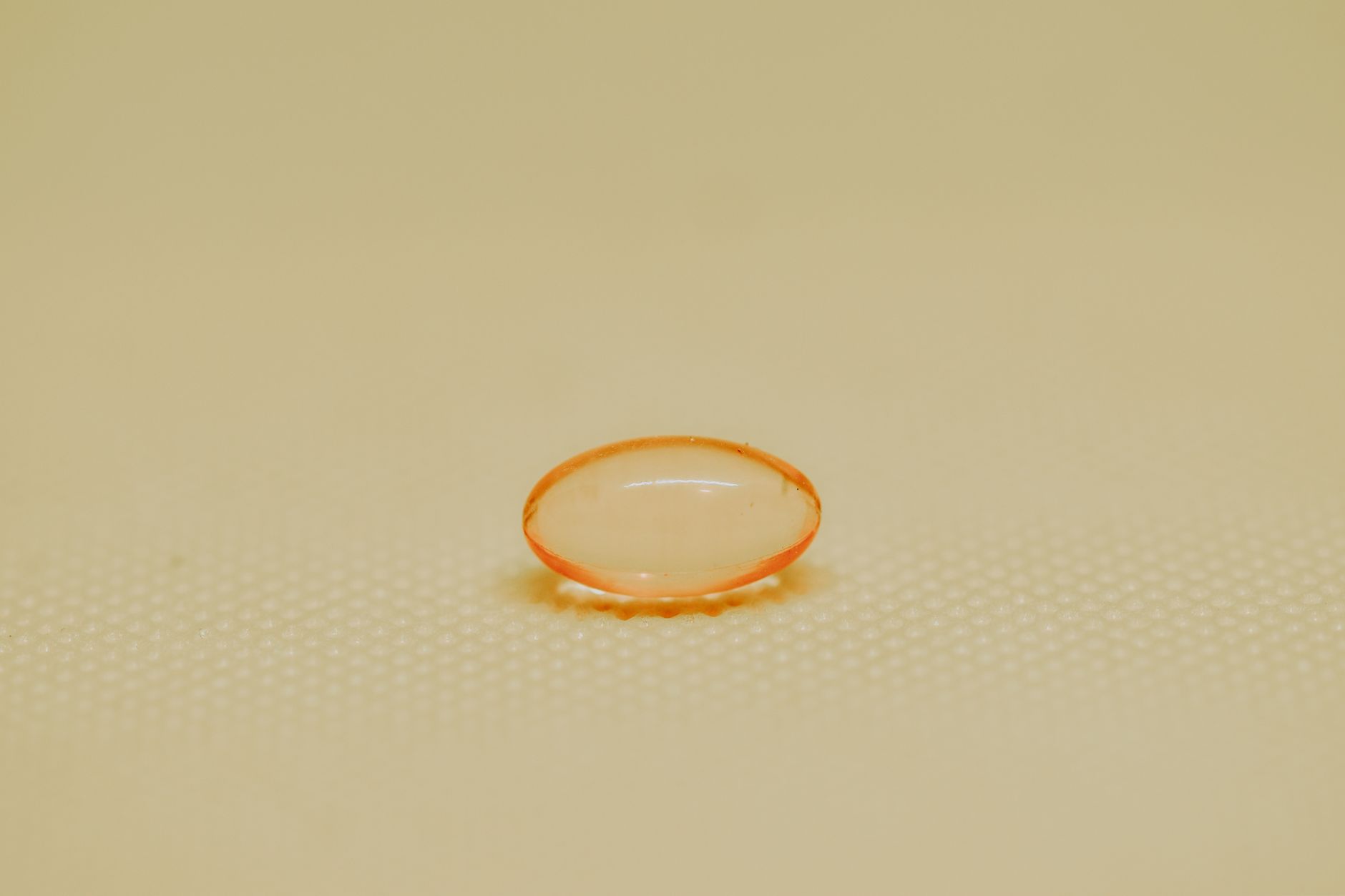
Dabigatran comes in capsule form, usually taken twice a day. The brand-name version, Pradaxa, and generic versions (dabigatran etexilate) work the same way, but as we’ll cover later, the brand itself doesn’t change the pregnancy safety guidelines.
Is Dabigatran (Pradaxa) safe during pregnancy?
- FDA: Dabigatran is classified as Pregnancy Category C, which means animal studies have shown potential risks to the fetus, and there aren’t enough well-controlled studies in humans. The FDA advises that it should only be used if the potential benefit justifies the potential risk to the fetus.
- ACOG (American College of Obstetricians and Gynecologists): ACOG recommends against using Dabigatran during pregnancy due to limited safety data and the availability of safer alternatives like heparin or low-molecular-weight heparin (LMWH).
- NHS (UK): The NHS states that Dabigatran is not recommended during pregnancy because it may harm the baby. They advise switching to a different blood thinner if you're pregnant or planning to conceive.
- EMA (European Medicines Agency): The EMA also cautions against using Dabigatran during pregnancy, citing insufficient data on its safety and potential risks of bleeding.
So why isn’t Dabigatran recommended? The main concerns are:
- Lack of safety data: There simply haven’t been enough studies on pregnant women taking Dabigatran to confirm its safety. Most of what we know comes from animal studies, which showed potential risks like fetal bleeding and developmental issues.
- Bleeding risks: Dabigatran increases the risk of bleeding, which can be especially dangerous during pregnancy and delivery. Severe bleeding can harm both mother and baby.
- Placental transfer: While it’s not yet clear how much Dabigatran crosses the placenta, other DOACs have been shown to reach the fetus, raising concerns about potential effects on fetal development.
If you’re currently taking Dabigatran and you’re pregnant or planning to conceive, don’t stop taking it without talking to your doctor first. Suddenly stopping a blood thinner can increase your risk of dangerous clots. Your provider can help you transition to a safer alternative, like heparin or enoxaparin, which are commonly used during pregnancy and have a much stronger safety record.
Is Dabigatran (Pradaxa) safe to take during the first trimester of pregnancy?
The first trimester (weeks 1-12) is the most critical period for fetal development, when the baby’s organs, brain, and spinal cord are forming. This is also when the risk of miscarriage is highest, and when medications are most likely to cause birth defects. Dabigatran is not considered safe during the first trimester, and here’s why:
Animal studies have shown that Dabigatran can cause fetal harm, including bleeding and developmental abnormalities. While animal studies don’t always predict what will happen in humans, they’re an important warning sign—especially when there’s no strong evidence to suggest it’s safe for pregnant women. The FDA’s Pregnancy Category C classification reflects this uncertainty: the risks can’t be ruled out, and the benefits don’t outweigh them.
If you took Dabigatran before you knew you were pregnant, try not to panic. Many women take medications in early pregnancy before realizing they’re expecting, and most go on to have healthy babies. The key is to talk to your doctor as soon as possible. They can assess your individual risk, monitor your pregnancy closely, and switch you to a safer blood thinner if needed. The sooner you make the switch, the lower the potential risks to your baby.
For women with clotting disorders, the first trimester is also a high-risk time for blood clots, which can lead to miscarriage or other complications. This is why it’s so important to work with your healthcare provider to find a safe and effective alternative to Dabigatran. Options like enoxaparin (Lovenox) or heparin are commonly used during pregnancy and have a much stronger safety profile.
Can I use Dabigatran Pradaxa in the second trimester without harming my baby?
The second trimester (weeks 13-27) is often called the "honeymoon phase" of pregnancy—morning sickness usually fades, energy levels improve, and the risk of miscarriage drops significantly. But when it comes to medication safety, the second trimester isn’t necessarily safer for Dabigatran. Current guidelines still recommend avoiding Dabigatran during this time, and here’s what you need to know:
While the baby’s major organs are already formed by the second trimester, they’re still developing and growing rapidly. The placenta, which acts as a filter between you and your baby, is also fully functional by this stage—but that doesn’t mean it can block all medications. Some drugs, including other direct oral anticoagulants (DOACs), have been shown to cross the placenta and reach the fetus. While we don’t yet have definitive evidence that Dabigatran does the same, the lack of safety data means we can’t rule out potential risks.
Another major concern is maternal bleeding. Pregnancy already increases the risk of bleeding due to changes in your blood vessels and clotting factors. Dabigatran further increases this risk, which can lead to complications like placental abruption (where the placenta separates from the uterus prematurely) or excessive bleeding during delivery. These risks don’t disappear in the second trimester—they’re present throughout pregnancy.
If you’re taking Dabigatran for a clotting disorder, your doctor may recommend switching to a safer alternative like enoxaparin (Lovenox) or heparin. These medications have been used for decades in pregnant women and are considered low-risk for both mother and baby. They’re also easier to monitor and adjust as needed, which is important as your body changes throughout pregnancy.
If you’re already in your second trimester and still taking Dabigatran, don’t stop it abruptly. Suddenly discontinuing a blood thinner can increase your risk of dangerous clots. Instead, schedule an appointment with your healthcare provider as soon as possible to discuss a safe transition plan. They can help you switch to a pregnancy-safe alternative while minimizing risks to you and your baby.
What is the recommended dosage of Dabigatran Pradaxa for pregnant women?
There is no recommended dosage of Dabigatran (Pradaxa) for pregnant women. Because Dabigatran is not considered safe during pregnancy, no official dosage guidelines exist for expecting mothers. The standard dosages used for non-pregnant adults—such as 150 mg twice daily for atrial fibrillation or 110 mg twice daily for DVT prevention—are not approved or recommended for use during pregnancy.
Here’s what you need to know about dosage and pregnancy:
- No safe dose has been established: Unlike medications like heparin or enoxaparin, which have well-studied dosages for pregnant women, Dabigatran lacks safety data in pregnancy. This means there’s no "safe" amount that’s been proven not to harm the baby or increase maternal risks.
- Dosage adjustments won’t make it safer: Some medications can be used in pregnancy if the dose is lowered, but Dabigatran isn’t one of them. The concerns about bleeding risks and fetal exposure aren’t dose-dependent—they’re inherent to how the drug works.
- Switching to a safer alternative: If you’re pregnant or planning to conceive, your doctor will likely recommend switching to a blood thinner with a stronger safety profile, such as:
- Enoxaparin (Lovenox): Typically dosed at 1 mg/kg every 12 hours or 1.5 mg/kg once daily, adjusted based on your weight and clotting risk.
- Unfractionated Heparin (UFH): Dosage is individualized and often given as an injection every 8-12 hours, with frequent monitoring to ensure effectiveness and safety.
- Dalteparin (Fragmin) or Tinzaparin (Innohep): Similar to enoxaparin, these are dosed based on weight and clotting risk, usually once or twice daily.
If you’re currently taking Dabigatran and become pregnant, do not adjust your dosage on your own. Suddenly changing or stopping your medication can increase your risk of blood clots, which can be life-threatening. Instead, contact your healthcare provider immediately to discuss a safe transition plan. They’ll help you switch to a pregnancy-safe alternative while minimizing risks to you and your baby.
For women with clotting disorders, your doctor may also recommend additional monitoring, such as regular ultrasounds or blood tests, to ensure the new medication is working effectively and safely. This is especially important as your body changes throughout pregnancy, which can affect how your blood clots.

Are there safer blood thinner alternatives to Dabigatran for pregnant patients?
Yes, there are several safer blood thinner alternatives to Dabigatran for pregnant women. If you’re pregnant or planning to conceive and need a blood thinner, your doctor will likely recommend one of the following options, all of which have a much stronger safety record during pregnancy:
-
Enoxaparin (Lovenox):
Enoxaparin is a low-molecular-weight heparin (LMWH) and the most commonly recommended blood thinner for pregnant women. It’s given as a daily or twice-daily injection under the skin (subcutaneously) and doesn’t cross the placenta, so it’s considered safe for the baby. Enoxaparin is often used to prevent and treat blood clots during pregnancy, including in women with a history of clotting disorders or recurrent miscarriages. The dosage is typically based on your weight and clotting risk, and your doctor may adjust it as your pregnancy progresses.
-
Dalteparin (Fragmin):
Another LMWH, dalteparin is similar to enoxaparin and is also considered safe during pregnancy. It’s given as a daily injection and is often used for women with a history of blood clots or clotting disorders. Like enoxaparin, dalteparin doesn’t cross the placenta, so it poses minimal risk to the baby. Your doctor will determine the appropriate dosage based on your individual needs.
-
Tinzaparin (Innohep):
Tinzaparin is a third LMWH option that’s sometimes used during pregnancy. It’s given as a daily injection and has a similar safety profile to enoxaparin and dalteparin. Tinzaparin is less commonly prescribed than the other two, but it’s still a safe and effective alternative to Dabigatran for pregnant women.
-
Unfractionated Heparin (UFH):
Unfractionated heparin is an older type of blood thinner that’s given as an injection or IV. It’s been used for decades in pregnant women and is considered safe for the baby because it doesn’t cross the placenta. UFH is often used in hospital settings or for women who need close monitoring of their clotting levels. The dosage is individualized and may require frequent blood tests to ensure it’s working effectively.
-
Low-dose aspirin:
In some cases, your doctor may recommend low-dose aspirin (usually 81 mg daily) to reduce the risk of blood clots or pregnancy complications like preeclampsia. Aspirin is considered safe during pregnancy when used at low doses, but it’s not as strong as other blood thinners, so it’s typically used in combination with other treatments or for women at lower risk of clotting.
-
Fondaparinux (Arixtra):
Fondaparinux is a synthetic blood thinner that’s sometimes used during pregnancy, though it’s less common than LMWHs. It’s given as a daily injection and doesn’t cross the placenta, so it’s considered safe for the baby. Fondaparinux is typically reserved for women who can’t tolerate heparin or have a specific type of clotting disorder.
If you’re currently taking Dabigatran and become pregnant, don’t switch medications on your own. Suddenly stopping or changing your blood thinner can increase your risk of dangerous clots. Instead, talk to your doctor about transitioning to one of these safer alternatives. They’ll help you create a plan that minimizes risks to you and your baby while ensuring your clotting disorder is properly managed.
Here’s a quick comparison of the most common pregnancy-safe blood thinners:
| Medication | Type | How It’s Given | Safety During Pregnancy | Common Uses |
|---|---|---|---|---|
| Enoxaparin (Lovenox) | Low-molecular-weight heparin (LMWH) | Injection under the skin (subcutaneous) | ✅ Generally safe | Prevent/treat blood clots, clotting disorders |
| Dalteparin (Fragmin) | Low-molecular-weight heparin (LMWH) | Injection under the skin (subcutaneous) | ✅ Generally safe | Prevent/treat blood clots, clotting disorders |
| Tinzaparin (Innohep) | Low-molecular-weight heparin (LMWH) | Injection under the skin (subcutaneous) | ✅ Generally safe | Prevent/treat blood clots, clotting disorders |
| Unfractionated Heparin (UFH) | Heparin | Injection or IV | ✅ Generally safe | Prevent/treat blood clots, hospital settings |
| Low-dose aspirin | Antiplatelet | Oral tablet | ✅ Generally safe (low dose) | Preeclampsia prevention, low-risk clotting |
| Fondaparinux (Arixtra) | Synthetic anticoagulant | Injection under the skin (subcutaneous) | ⚠️ Limited data, used with caution | Heparin intolerance, specific clotting disorders |
Does the brand Pradaxa have different safety guidelines compared to generic dabigatran?
No, the brand-name Pradaxa and generic dabigatran have the same safety guidelines during pregnancy. Both contain the same active ingredient—dabigatran etexilate—and work in the exact same way to prevent blood clots. The FDA, ACOG, and other health authorities do not distinguish between the brand and generic versions when it comes to pregnancy safety: both are not recommended during pregnancy due to potential risks to the mother and baby.
Here’s what you need to know about the differences (and similarities) between Pradaxa and generic dabigatran:
-
Same active ingredient:
Pradaxa and generic dabigatran both contain dabigatran etexilate, which is converted to dabigatran in the body. This means they have the same mechanism of action, the same potential side effects, and the same pregnancy risks.
-
Same pregnancy classification:
Both Pradaxa and generic dabigatran are classified as Pregnancy Category C by the FDA, meaning animal studies have shown potential risks to the fetus, and there aren’t enough well-controlled studies in humans. Neither version is considered safe for use during pregnancy.
-
Same recommendations:
ACOG, NHS, and other health authorities recommend against using either Pradaxa or generic dabigatran during pregnancy. If you’re pregnant or planning to conceive, your doctor will likely recommend switching to a safer blood thinner, regardless of whether you’re taking the brand or generic version.
-
Minor differences:
The main differences between Pradaxa and generic dabigatran are in the inactive ingredients (like fillers and coatings) and the cost. Generic versions are typically less expensive, but they’re just as effective as the brand-name drug. Neither version is safer during pregnancy.
If you’re currently taking Pradaxa or generic dabigatran and you’re pregnant or planning to conceive, don’t switch between the brand and generic versions without talking to your doctor first. While the active ingredient is the same, switching medications—even between brand and generic—should always be done under medical supervision, especially during pregnancy. Your doctor can help you transition to a safer alternative, such as enoxaparin or heparin, while minimizing risks to you and your baby.
It’s also worth noting that some women may experience slight differences in how they tolerate the brand versus the generic version, such as differences in side effects like stomach upset. However, these differences don’t affect the pregnancy safety guidelines. If you have concerns about which version you’re taking, discuss them with your healthcare provider—they can help you weigh the pros and cons and make the best decision for your situation.
What are the potential risks of taking Dabigatran Pradaxa while pregnant?
Taking Dabigatran (Pradaxa) during pregnancy comes with several potential risks to both you and your baby. While the full extent of these risks isn’t yet known due to limited human studies, the available evidence—from animal studies and what we know about other blood thinners—suggests the following concerns:
Risks to the Mother
-
Increased bleeding risk:
Dabigatran is a blood thinner, which means it reduces your blood’s ability to clot. During pregnancy, this can increase your risk of:
- Heavy bleeding: Pregnancy already increases the risk of bleeding due to changes in your blood vessels and clotting factors. Dabigatran can make this worse, leading to excessive bleeding that may require medical intervention.
- Placental abruption: This is a serious condition where the placenta separates from the uterus before delivery. It can cause heavy bleeding, deprive the baby of oxygen and nutrients, and may require emergency delivery. Blood thinners like Dabigatran can increase the risk of placental abruption.
- Postpartum hemorrhage: This is excessive bleeding after delivery, which can be life-threatening. Women taking blood thinners are at higher risk for postpartum hemorrhage, and Dabigatran’s lack of a reversal agent (a medication that can quickly stop its effects) makes this risk even more concerning.
-
Lack of reversal agent:
Unlike heparin or warfarin, Dabigatran doesn’t have a widely available reversal agent. This means that if you experience severe bleeding while taking Dabigatran, doctors have fewer options to quickly stop the bleeding. While a reversal agent called idarucizumab (Praxbind) exists, it’s not routinely available in all hospitals, and its safety during pregnancy hasn’t been well studied.
Risks to the Baby
-
Fetal bleeding:
Animal studies have shown that Dabigatran can cross the placenta and reach the fetus, increasing the risk of fetal bleeding. While it’s not yet clear how much Dabigatran crosses the placenta in humans, the potential for fetal bleeding is a major concern, especially during delivery when the baby is already at risk for bleeding complications.
-
Birth defects:
Animal studies have also suggested a potential risk of birth defects with Dabigatran, though the specific types of defects and the level of risk aren’t yet known. The FDA’s Pregnancy Category C classification reflects this uncertainty: the risks can’t be ruled out, and there’s no evidence to suggest it’s safe for the baby.
-
Developmental issues:
Some animal studies have shown that Dabigatran may affect fetal development, including the growth of organs and bones. While these findings don’t necessarily translate to humans, they’re another reason why Dabigatran isn’t recommended during pregnancy.
Other Potential Risks
-
Increased risk of miscarriage:
While there’s no direct evidence linking Dabigatran to miscarriage, the increased risk of bleeding and placental complications could theoretically increase the risk of pregnancy loss, especially in the first trimester.
-
Preterm birth:
Complications like placental abruption or severe bleeding can lead to preterm labor and delivery. Babies born prematurely are at higher risk for health problems, including breathing difficulties, feeding issues, and long-term developmental delays.
-
Stillbirth:
In rare cases, severe bleeding or placental complications can lead to stillbirth (the loss of a baby after 20 weeks of pregnancy). While the risk is low, it’s another reason why Dabigatran isn’t recommended during pregnancy.
If you’re currently taking Dabigatran and you’re pregnant or planning to conceive, don’t stop taking it without talking to your doctor first. Suddenly stopping a blood thinner can increase your risk of dangerous clots, which can be life-threatening. Instead, work with your healthcare provider to transition to a safer alternative, such as enoxaparin or heparin, which have a much stronger safety record during pregnancy.
It’s also important to remember that the risks of Dabigatran during pregnancy are based on limited data, and not every woman who takes it will experience complications. However, because safer alternatives exist, most doctors recommend avoiding Dabigatran during pregnancy to minimize potential risks to you and your baby.
How does Dabigatran Pradaxa affect pregnancy complications like preeclampsia?
Preeclampsia is a serious pregnancy complication characterized by high blood pressure and damage to organs like the liver and kidneys. It typically develops after 20 weeks of pregnancy and can lead to life-threatening complications for both mother and baby, including preterm birth, placental abruption, and seizures (eclampsia). Dabigatran (Pradaxa) is not known to prevent or treat preeclampsia, and its use during pregnancy may actually worsen some of the risks associated with this condition.
Here’s what you need to know about Dabigatran and preeclampsia:
Dabigatran Doesn’t Prevent Preeclampsia
Unlike low-dose aspirin, which is sometimes recommended to reduce the risk of preeclampsia in high-risk women, Dabigatran has no proven benefit for preventing this condition. In fact, Dabigatran isn’t used for any pregnancy-related conditions because its safety and effectiveness during pregnancy haven’t been established. If you’re at high risk for preeclampsia, your doctor may recommend low-dose aspirin (usually 81 mg daily) starting in the first trimester, but this is a separate treatment from blood thinners like Dabigatran.
Dabigatran May Increase Bleeding Risks in Preeclampsia
Preeclampsia itself increases the risk of bleeding complications, particularly if it leads to placental abruption or HELLP syndrome (a severe form of preeclampsia that affects the liver and blood cells). Dabigatran, as a blood thinner, further increases the risk of bleeding, which can make these complications even more dangerous. For example:
- Placental abruption: This is a condition where the placenta separates from the uterus before delivery, causing heavy bleeding. Preeclampsia increases the risk of placental abruption, and Dabigatran can make the bleeding even harder to control.
- HELLP syndrome: This condition involves the breakdown of red blood cells, elevated liver enzymes, and low platelet counts. Platelets are essential for blood clotting, so women with HELLP syndrome are already at higher risk for bleeding. Dabigatran can worsen this risk, making it even more dangerous.
Dabigatran Isn’t Recommended for Women with Preeclampsia
If you develop preeclampsia while taking Dabigatran, your doctor will likely recommend switching to a safer blood thinner, such as enoxaparin (Lovenox) or heparin. These medications are considered low-risk during pregnancy and don’t increase the risk of bleeding complications as much as Dabigatran. They’re also easier to monitor and adjust as needed, which is important for managing preeclampsia.
What About Women with Clotting Disorders and Preeclampsia?
Some women with clotting disorders, such as antiphospholipid syndrome (APS), are at higher risk for both blood clots and preeclampsia. If you have a clotting disorder and develop preeclampsia, your doctor will carefully weigh the risks and benefits of continuing or switching your blood thinner. In most cases, they’ll recommend switching to a safer alternative like enoxaparin or heparin, which can help manage your clotting risk while minimizing the risk of bleeding complications from preeclampsia.
If you’re taking Dabigatran and develop symptoms of preeclampsia—such as severe headaches, vision changes, upper abdominal pain, or sudden swelling—contact your doctor immediately. Preeclampsia can progress quickly, and it’s important to get medical care as soon as possible. Your doctor can help you manage the condition and adjust your medications to keep you and your baby safe.

Is Dabigatran Pradaxa safe for women with a history of clotting disorders during pregnancy?
If you have a history of clotting disorders—such as deep vein thrombosis (DVT), pulmonary embolism (PE), or antiphospholipid syndrome (APS)—you’re at higher risk for blood clots during pregnancy. While Dabigatran (Pradaxa) is an effective blood thinner for many people, it’s not considered safe for pregnant women with clotting disorders. Here’s what you need to know:
Why Dabigatran Isn’t Recommended
Women with clotting disorders need safe and effective blood thinners during pregnancy to prevent dangerous clots, but Dabigatran isn’t the right choice. The main reasons include:
-
Lack of safety data:
There’s very little research on Dabigatran’s safety during pregnancy, especially for women with clotting disorders. Most of what we know

