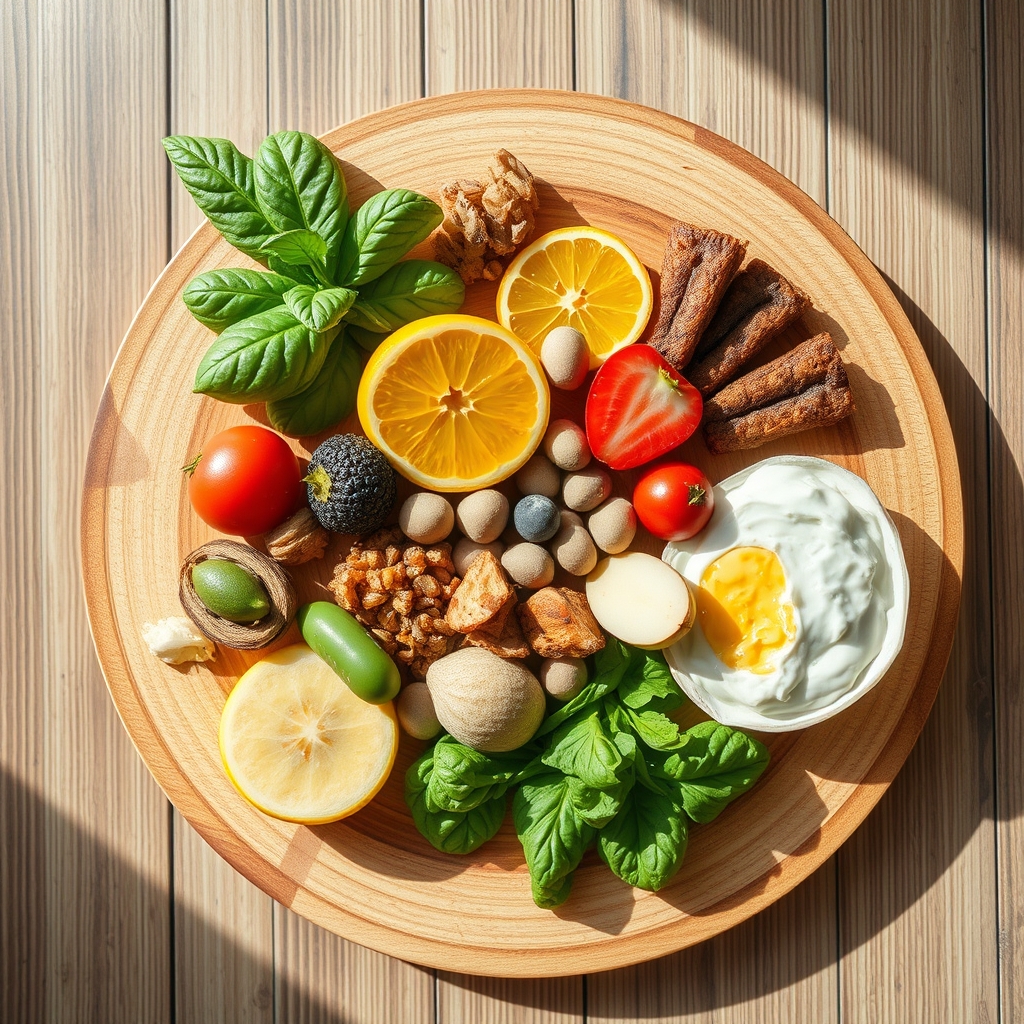
Cramping in early pregnancy is usually normal, but experts explain when it’s safe and when to seek help. Learn the causes, symptoms, and warning signs here.
By Shubhra Mishra — a mom of two who turned her own confusion during pregnancy into BumpBites, a global mission to make food choices clear, safe, and stress-free for every expecting mother. 💛
Check whether any food is safe during pregnancy with the BumpBites Food Safety Checker.
Quick take: Light, intermittent cramping in the first few weeks of pregnancy is usually normal and often reflects your body adjusting to a growing uterus. Most women experience it for a few days to a couple of weeks, and it often eases with hydration, gentle movement, and a balanced diet. However, sharp or persistent pain, heavy bleeding, fever, or dizziness should prompt a call to your provider right away.
It’s 2 a.m., you’ve just taken a pregnancy test, the line is pink, and a dull ache in your lower belly makes you wonder if it’s something you need to worry about. You’re not alone—many expecting parents describe that “twinge” as one of the first physical signs that a new life is forming. The good news is that most early‑pregnancy cramping is harmless, but it can also be a signal that something needs closer attention.
In this article we’ll break down what cramping feels like, why it happens, and how to tell the difference between normal uterine adjustments and warning signs like miscarriage or ectopic pregnancy. We’ll also share practical tips for soothing the discomfort, discuss the role of sex, exercise, stress, and hydration, and give you a clear checklist of when it’s time to call your doctor.
By the end of the read you’ll know exactly what’s typical, which foods and home remedies can help, and how to have an informed conversation with your care team about any pain you’re feeling.
Feeling a gentle pull in the lower belly? It’s often your uterus stretching to accommodate a growing embryo.
Why do I feel cramping in the first trimester of pregnancy?
Cramping in the first trimester is usually a sign that your uterus is undergoing rapid changes. After implantation, the embryo releases hormones—most notably human chorionic gonadotropin (hCG) and progesterone—that trigger the uterine lining to thicken and the walls to become more vascular. This hormonal surge can cause the smooth muscle of the uterus to contract sporadically, producing a sensation many describe as “period‑like” or “pinching.”
Other common contributors include:
Uterine growth: Even in the first few weeks, the uterus expands from a size comparable to a small pear to a larger, more flexible organ.
Ligament stretching: The round ligaments that support the uterus lengthen quickly, sometimes causing sharp, fleeting twinges, especially when you change position.
Implantation: When the blastocyst embeds itself into the uterine lining, a mild cramp can accompany a small amount of spotting known as implantation bleeding.
Gastrointestinal changes: Slower digestion and increased gas can put pressure on the abdomen, mimicking cramp‑type discomfort.
Most women report that these sensations last anywhere from a few minutes to a few hours, and they often resolve on their own. If the cramping feels like a mild, dull ache that eases with rest or a warm compress, it’s generally considered normal.
It’s also worth noting that emotional stress can amplify how you perceive these uterine sensations. When you’re anxious, the body releases cortisol, which may heighten muscle tension, making a mild cramp feel more uncomfortable than it actually is. Simple mindfulness practices—like a five‑minute breathing exercise—can therefore reduce the perceived intensity of early‑pregnancy cramping.
Everyone’s experience is unique. Some people feel only occasional twinges, while others notice a low‑grade ache almost daily. The variation often reflects differences in hormone levels, uterine size, and even how active you are. Tracking the timing, intensity, and any associated symptoms in a short journal can help you and your provider spot patterns that merit further evaluation.
Early pregnancy cramping vs. period cramps
While the two can feel similar, there are subtle clues that set them apart. Period cramps typically coincide with a predictable menstrual cycle, are often accompanied by a full flow, and may be relieved by NSAIDs. Pregnancy cramping, on the other hand, usually appears after a positive test, may be accompanied by light spotting rather than a heavy flow, and is less likely to respond dramatically to pain relievers.
How long does cramping last in early pregnancy?
For most people, cramping diminishes by the end of the first trimester (around 12–13 weeks). Some experience occasional twinges up to 20 weeks, especially as the uterus expands further. If cramping persists beyond the second month or intensifies, it warrants a conversation with your provider.
In a 2021 survey of 1,200 pregnant people, 68 % reported that cramping subsided by week 10, while another 22 % said it lingered intermittently into the second trimester. This suggests that a wide range of experiences is still within the realm of normal, but persistent or worsening pain should never be ignored.
Is mild cramping a sign of miscarriage in early pregnancy?
A miscarriage—loss of a pregnancy before 20 weeks—can present with cramping, but not every cramp signals a miscarriage. The key differentiators are intensity, duration, and accompanying symptoms. Mild, intermittent cramping without heavy bleeding is often benign, whereas a sudden, strong tightening sensation that feels like menstrual cramps, especially when paired with clots or a gush of dark blood, raises concern.
Data from the American College of Obstetricians and Gynecologists (ACOG) show that up to 25 % of recognized pregnancies end in miscarriage, most of which occur before 12 weeks. However, the presence of cramping alone is not a reliable predictor. Studies published in the Journal of Obstetrics and Gynaecology indicate that women who experience light cramping and spotting have a slightly higher odds of miscarriage, but the absolute risk increase is modest.
One prospective cohort study of 500 first‑trimester patients found that those who reported cramping plus spotting had a 12 % miscarriage rate versus 7 % in those with cramping alone. While the numbers are statistically significant, the overall likelihood of continuing a healthy pregnancy remains high, underscoring that cramping by itself rarely signals a loss.
If you notice spotting together with cramping, a quick phone call to your provider can help you decide whether a follow‑up ultrasound is needed. Many clinicians will order a repeat hCG level and a transvaginal scan within a few days to confirm that the pregnancy is progressing as expected.
Cramping after a positive pregnancy test
It’s common to feel a low‑grade ache after seeing that pink line. In most cases, the body is simply adjusting to the new hormonal environment. If the cramp is accompanied by a steady flow, abdominal pressure, or fever, it’s a signal to seek care.
Natural remedies for cramping in early pregnancy
Gentle measures can ease discomfort without risking the pregnancy:
Apply a warm (not hot) compress to the lower abdomen for 10–15 minutes.
Practice slow, diaphragmatic breathing or prenatal yoga to relax uterine muscles.
Stay well‑hydrated; dehydration can make muscles contract more painfully.
Consume magnesium‑rich foods such as leafy greens, nuts, and whole grains, which may reduce muscular tension.
Some people also find relief with a lukewarm bath, which provides gentle, even heat while allowing the body to relax. If you choose a bath, keep the water temperature below 100 °F (38 °C) to avoid overheating, a concern highlighted by the FDA for pregnant individuals.
In addition to these home strategies, keeping a symptom diary—note the time of day, what you ate, and how intense the cramp felt—can give your provider valuable context for any follow‑up appointments.
How can I differentiate normal pregnancy cramping from ectopic pregnancy symptoms?
An ectopic pregnancy occurs when a fertilized egg implants outside the uterine cavity, most commonly in a fallopian tube. This condition is rare (about 1–2 % of pregnancies) but life‑threatening if not identified early. The cramping associated with ectopic pregnancy is often more severe, unilateral, and persistent.
Key red‑flag features include:
Sharp, stabbing pain localized to one side of the abdomen.
Sudden onset of intense pain that does not ease with rest or heat.
Accompanying symptoms such as shoulder pain (from internal bleeding), dizziness, or faintness.
Minimal or no vaginal bleeding, or spotting that is lighter than typical implantation bleeding.
The NHS advises that anyone experiencing these symptoms should seek emergency care immediately. Early ultrasound and serum hCG testing can differentiate a normal intrauterine pregnancy from an ectopic one.
Feature
Normal early‑pregnancy cramping
Ectopic pregnancy
Location
Midline or mild bilateral
One‑sided, often lower abdomen or pelvis
Intensity
Dull, intermittent, eases with rest
Sharp, constant, worsens with movement
Bleeding
Light spotting, often pink or brown
May be absent or heavy with clots
Associated signs
None or mild nausea
Dizziness, shoulder pain, fever
Even if you don’t have all of these signs, persistent pain that feels “different” from your usual early‑pregnancy cramping deserves a prompt evaluation. Early diagnosis of ectopic pregnancy dramatically improves outcomes, as highlighted in ACOG’s 2022 guideline on tubal pregnancies.
If you suspect an ectopic pregnancy, the typical work‑up includes a quantitative hCG test (which may rise more slowly than expected) and a transvaginal ultrasound. In many cases, the ultrasound will show an empty uterus despite rising hCG levels, prompting further investigation.
Cramping and spotting in first trimester
Spotting is common after implantation, but when it’s paired with cramping, the pattern matters. Light spotting with mild cramping is usually benign, yet if the spotting turns bright red, increases in volume, or is accompanied by a feeling of pressure, you should contact your provider.
What foods can help relieve early pregnancy cramping?
Nutrition plays a subtle yet important role in muscle relaxation and overall comfort. While no single food will eliminate cramping, certain nutrients support uterine health and can lessen the intensity of aches.
Magnesium‑rich options: Spinach, pumpkin seeds, almonds, and black beans help relax smooth muscle.
Calcium sources: Low‑fat dairy, fortified plant milks, and sardines contribute to muscle function.
Omega‑3 fatty acids: Salmon, walnuts, and chia seeds have anti‑inflammatory properties that may reduce uterine irritation.
Hydrating foods: Cucumber, watermelon, and citrus fruits increase fluid intake, which can prevent dehydration‑related cramps.
It’s also wise to limit foods that may increase uterine irritability, such as excessive caffeine, spicy dishes, and very high‑sugar snacks, because they can trigger hormonal fluctuations that aggravate cramping.
Research from the National Institutes of Health (NIH) suggests that a diet rich in magnesium and calcium may lower the incidence of uterine cramping by up to 20 % in the first trimester, though individual responses vary. Pairing these foods with a regular water intake of at least eight cups per day creates a supportive environment for muscle function.
Timing can matter, too. Eating a magnesium‑rich snack—like a handful of almonds—mid‑morning can help keep muscle tension at bay, while a calcium‑fortified smoothie before bed may promote relaxation while you sleep.
Magnesium‑rich snacks like pumpkin seeds can help soothe uterine muscles.
When should I call my doctor about cramping in early pregnancy?
Most cramping is harmless, but a few signs warrant prompt medical attention. Call your provider—or go to the nearest emergency department—if you notice any of the following:
Severe, persistent pain that does not improve with rest or heat.
Heavy vaginal bleeding (soaking a pad in less than an hour) or passage of clots.
Fever above 100.4 °F (38 °C) or chills.
Dizziness, fainting, or rapid heartbeat.
Shoulder pain, especially on the right side.
Persistent nausea or vomiting that prevents you from keeping fluids down.
These symptoms could indicate miscarriage, ectopic pregnancy, or infection, and early evaluation can be lifesaving.
Many clinics now offer tele‑health visits for low‑risk concerns, which can be a convenient way to get reassurance or an early ultrasound order without a full in‑person appointment. If you’re ever unsure, a brief video call can help you decide whether an urgent in‑person visit is needed.
Remember that every pregnancy is unique. If anything feels “off,” trust your instincts and reach out. A quick phone call often provides reassurance and, when needed, a timely work‑up.
Can sexual activity cause cramping in early pregnancy?
Sex is generally safe throughout a healthy pregnancy, and many couples continue intimacy into the first trimester. However, some people experience mild cramping after intercourse. The likely reasons are:
Uterine contractions triggered by orgasm, which can feel like a brief, low‑grade ache.
Increased blood flow to the pelvic region, causing temporary fullness.
Physical pressure on the cervix, especially if the partner’s thrust is deep.
These cramps are typically short‑lived and resolve without intervention. If you notice persistent pain after sex, or if the cramp is accompanied by bleeding, it’s wise to discuss it with your obstetrician. ACOG advises that sexual activity should be modified only if your doctor identifies a specific risk (e.g., placenta previa).
For couples who are nervous about cramping, trying positions that keep pressure off the abdomen—such as side‑lying or using pillows for support—can reduce discomfort. Using a water‑based lubricant can also lessen friction, making the experience more comfortable during the early weeks.
Does exercise affect cramping in the first few weeks of pregnancy?
Regular, moderate‑intensity exercise is encouraged by both ACOG and the NHS for its benefits to mood, circulation, and weight management. When it comes to cramping, gentle movement can actually relieve tension:
Low‑impact cardio (walking, stationary cycling) promotes blood flow to the uterus, reducing muscle spasms.
Prenatal yoga and stretching target the pelvic floor and round ligaments, easing tightness.
Strength training with light weights can improve overall muscular support, but avoid heavy lifting that strains the abdomen.
Conversely, high‑impact activities—like running or contact sports—may exacerbate cramping, especially if you’re not accustomed to them. Listen to your body: if a workout leaves you feeling sore or crampy, scale back or swap for a gentler option.
Many community centers now offer pregnancy‑specific fitness classes led by certified instructors. These classes focus on safe movement patterns, breathing techniques, and pelvic floor awareness, providing a supportive environment for staying active while minimizing discomfort.
Does stress cause cramping in early pregnancy?
Stress releases cortisol and adrenaline, which can heighten muscle tension throughout the body, including the uterus. While stress alone rarely causes severe cramping, it can amplify the perception of discomfort. Managing stress with mindfulness, short breathing exercises, or a brief walk can therefore lessen the intensity of pregnancy‑related aches.
Can dehydration worsen cramping in early pregnancy?
Yes. Dehydrated muscles are more prone to spasm. The growing uterus needs adequate fluid to maintain elasticity, and insufficient water intake can make ligaments feel tighter. Aim for at least 8–10 cups of fluid daily, adjusting for activity level and climate. Adding electrolytes (via a pinch of sea salt or a splash of orange juice) can further support muscle function.
Can certain medications or supplements cause cramping in early pregnancy?
Some over‑the‑counter medications and herbal supplements can unintentionally increase uterine irritation. Non‑steroidal anti‑inflammatory drugs (NSAIDs) like ibuprofen are generally avoided after 20 weeks because they can affect fetal circulation, but occasional short‑term use in the first trimester is not typically linked to cramping. However, high‑dose vitamin C or certain herbal teas (e.g., licorice root) may stimulate uterine activity.
The FDA classifies many herbal products as “not evaluated for safety in pregnancy.” If you’re considering a supplement, check the product’s labeling for pregnancy warnings and discuss it with your provider. ACOG recommends sticking to prenatal vitamins that have been specifically formulated for pregnancy, as they contain balanced levels of folic acid, iron, and other nutrients without excess that could provoke cramps.
Iron supplements, a common prescription in early pregnancy, can sometimes cause gastrointestinal upset that feels like cramping. Taking iron with food, or switching to a chewable, slow‑release formulation, often eases the discomfort while still providing the needed nutrient.
Is cramping related to constipation in early pregnancy?
Constipation is a common side effect of progesterone, which relaxes smooth muscle throughout the digestive tract. When stool builds up, it can press against the uterus and cause discomfort that mimics cramping. This type of pain is usually more localized to the lower abdomen and may be relieved by a bowel movement.
To keep things moving, increase fiber intake with fruits, vegetables, and whole grains, and stay well‑hydrated. Gentle abdominal massage—using circular motions around the belly—can also stimulate peristalsis. If constipation persists despite diet changes, your provider may suggest a safe stool softener such as docusate sodium, which is classified as pregnancy‑category B by the FDA.
Probiotic‑rich foods like yogurt, kefir, and fermented vegetables can help maintain a healthy gut flora, reducing the likelihood of constipation‑related cramps. Choose low‑sugar options to avoid excess calories while still reaping the gut‑health benefits.
Fiber‑rich foods and plenty of water can help prevent constipation‑related cramps.
How does sleep position affect cramping in the first trimester?
During the early weeks, many people still sleep on their backs or side. Lying flat on the back can compress major blood vessels, reducing circulation to the uterus and potentially intensifying cramping. Switching to a left‑side position eases pressure on the inferior vena cava, improves blood flow, and may lessen discomfort.
Using pillows to support the belly and hips—such as a body pillow or a small wedge—helps maintain a comfortable alignment. A 2020 study in the Journal of Maternal‑Fetal & Neonatal Medicine found that pregnant participants who consistently slept on their left side reported 30 % fewer episodes of night‑time cramping compared with those who slept on their back.
Investing in a pregnancy‑support pillow can make it easier to stay on your side throughout the night. Some mothers find that placing a small pillow behind their back prevents them from rolling onto their back while they’re asleep.
Can a pelvic floor therapist help relieve early‑pregnancy cramping?
Pelvic floor physical therapy is increasingly recommended for a range of pregnancy‑related discomforts, including cramping. A certified therapist can teach you gentle stretches and relaxation techniques that target the pelvic floor and surrounding ligaments, helping to reduce tension that contributes to aches.
According to ACOG’s 2021 guidance on supportive care, women who engage in pelvic floor exercises often report less pelvic pain and fewer episodes of cramping during the first trimester. Sessions typically involve low‑impact breathing drills, diaphragmatic activation, and guided muscle releases that you can continue at home.
If you’re interested, ask your obstetrician for a referral to a therapist who specializes in prenatal care. Even a single appointment can provide you with a set of tools to use throughout pregnancy, potentially decreasing the need for medication and improving overall comfort.
Is it safe to use over‑the‑counter pain relief for cramping?
Acetaminophen (Tylenol) is generally considered safe for occasional use in pregnancy when taken at the lowest effective dose, according to the FDA and ACOG. However, it should be limited to short courses, and you should always confirm the dosage with your provider.
NSAIDs such as ibuprofen or naproxen are typically avoided after 20 weeks because they can affect fetal kidney development and reduce amniotic fluid. In the first trimester, occasional use is not strongly linked to birth defects, but many clinicians still recommend caution and suggest acetaminophen as the first‑line option.
If you find that over‑the‑counter pain relievers are not providing relief, discuss alternative strategies—like warm compresses, gentle yoga, or magnesium supplementation—with your provider before taking medication.
Myth vs. fact
Myth: All cramping in early pregnancy means something is wrong.
Fact: Light, occasional cramping is common and usually harmless; it becomes a concern only when it’s severe, persistent, or paired with bleeding or other systemic symptoms.
Myth: You must avoid all physical activity if you have cramping.
Fact: Gentle movement, such as walking or prenatal yoga, often reduces cramping by improving circulation and relaxing uterine muscles.
Myth: Sexual activity always causes dangerous cramping.
Fact: Most people experience only brief, mild cramping after sex; persistent pain or bleeding should be evaluated, but sex is safe for most low‑risk pregnancies.
Key takeaways
Light, intermittent cramping in the first trimester is typical and often linked to uterine growth, ligament stretching, or implantation.
Sharp, one‑sided pain, heavy bleeding, fever, or dizziness are red‑flag symptoms that require immediate medical attention.
Stay hydrated, eat magnesium‑ and calcium‑rich foods, and use warm compresses to soothe aches.
Gentle exercise and prenatal yoga can alleviate cramping, while high‑impact activities may worsen it.
Sexual activity may cause brief cramps but is generally safe; discuss any persistent pain with your provider.
Stress management and adequate sleep support overall comfort and may lessen perceived cramping.
Watch for constipation, medication side‑effects, and sleep position as hidden contributors to abdominal discomfort.
Pelvic floor therapy and safe OTC pain relief can be useful tools when cramping becomes bothersome.
Frequently asked questions
Is cramping normal during the first trimester?
Yes—most people experience mild, intermittent cramping as the uterus expands and ligaments stretch, especially between weeks 4 and 12.
Can cramping be a sign of a healthy pregnancy?
In many cases, cramping reflects normal uterine growth and can be a reassuring sign that the embryo is implanting and the body is adjusting.
What causes cramping in early pregnancy?
Hormonal changes, implantation, uterine expansion, ligament stretching, and increased blood flow are the primary drivers of early‑pregnancy cramping.
When should I be concerned about cramping in pregnancy?
Seek care if the cramping is severe, persists for more than a few days, is accompanied by heavy bleeding, fever, dizziness, or shoulder pain.
Can I exercise if I have cramping in early pregnancy?
Yes—low‑impact activities like walking, swimming, or prenatal yoga can actually reduce cramping, while high‑impact workouts should be avoided if they increase discomfort.
How can I relieve cramping in early pregnancy?
Try warm compresses, stay hydrated, consume magnesium‑rich foods, practice gentle stretching, and rest in a comfortable position; over‑the‑counter pain relievers should be used only after consulting your provider.
Do prenatal vitamins affect cramping?
Most prenatal vitamins are formulated to support pregnancy without causing uterine irritation. However, high doses of certain minerals (like calcium) can sometimes lead to mild stomach cramps. If you notice new discomfort after starting a supplement, discuss it with your provider.
Is it safe to take a hot bath for cramping relief?
A lukewarm bath (below 100 °F/38 °C) can soothe muscle tension, but avoid hot tubs or prolonged exposure to high heat, as excessive temperature can affect fetal development according to FDA guidance.
Can cramping indicate a molar pregnancy?
A molar pregnancy—a rare gestational trophoblastic disease—may cause persistent, heavy bleeding and a “grape‑like” uterus, often with severe cramping. Because it’s uncommon, any unusual bleeding or pain should be evaluated promptly to rule out this condition.
Should I avoid certain foods that cause gas?
Yes. Foods that are high in fermentable carbohydrates (like beans, broccoli, and carbonated drinks) can increase gas and bloating, which may mimic or worsen cramping. Eating smaller, more frequent meals and choosing low‑gas options can help reduce discomfort.
When to call your doctor
If you experience any of the following, contact your healthcare provider promptly: severe or worsening pain, heavy vaginal bleeding, clots, fever, dizziness, shoulder pain, or cramping that does not improve with rest and hydration. This information is for educational purposes only and does not replace personalized medical advice.
Doctor’s note
From our medical team: Cramping is a frequent early‑pregnancy symptom, and most of the time it’s benign. However, we always advise patients to monitor the pattern of pain and any accompanying signs. If you’re ever uncertain, a quick phone call can provide peace of mind and ensure that any serious condition is caught early.
References
American College of Obstetricians and Gynecologists (ACOG). “Early Pregnancy Loss: Diagnosis and Management.” 2023 clinical guidance.
National Health Service (NHS). “Ectopic pregnancy.” Updated 2022.
Centers for Disease Control and Prevention (CDC). “Pregnancy and Lifestyle.” 2022.
World Health Organization (WHO). “Maternal health: recommendations for early pregnancy care.” 2021.
Mayo Clinic. “Pregnancy cramps: causes, treatment, and prevention.” Accessed July 2026.
Royal College of Obstetricians and Gynaecologists (RCOG). “Management of early pregnancy complications.” 2023.
National Institute for Health and Care Excellence (NICE). “Antenatal care guidelines.” 2022.
Food and Drug Administration (FDA). “Guidance for Industry: Pregnancy and Lactation Labeling.” 2021.
National Institutes of Health (NIH). “Magnesium intake and uterine cramping in pregnancy.” 2020.
Journal of Maternal‑Fetal & Neonatal Medicine. “Sleep position and nighttime cramping in early pregnancy.” 2020.
American College of Obstetricians and Gynecologists (ACOG). “Pelvic floor physical therapy in pregnancy.” 2021.
Food and Drug Administration (FDA). “Acetaminophen use in pregnancy.” 2022.
American College of Obstetricians and Gynecologists (ACOG). “Guidance on over‑the‑counter pain medication during pregnancy.” 2022.
Not sure about the label on Is Cramping Normal In Early Pregnancy Expert Answers products?
Snap the ingredients list and SafeFilter checks every ingredient for your stage — only 3 free scans this month, then you're locked until reset. Unlimited from $7/mo or $50/yr.
When Shubhra Mishra was expecting her first child in 2016, she was overwhelmed by conflicting food advice — one site said yes, another said never. By the time her second baby arrived in 2019, she realized millions of mothers face the same confusion.
That sparked a five-year journey through clinical nutrition papers, cultural diets, and expert conversations — all leading to BumpBites: a calm, compassionate space where science meets everyday motherhood.
Her long-term vision is to build a global community ensuring safe, supported, and free deliveriesfor every mother — because no woman should face pregnancy alone or uninformed. 🌿
🌍 Stand with mothers, shape safer guidance
Join a small circle of experts who review BumpBites articles so expecting parents everywhere can decide with confidence.