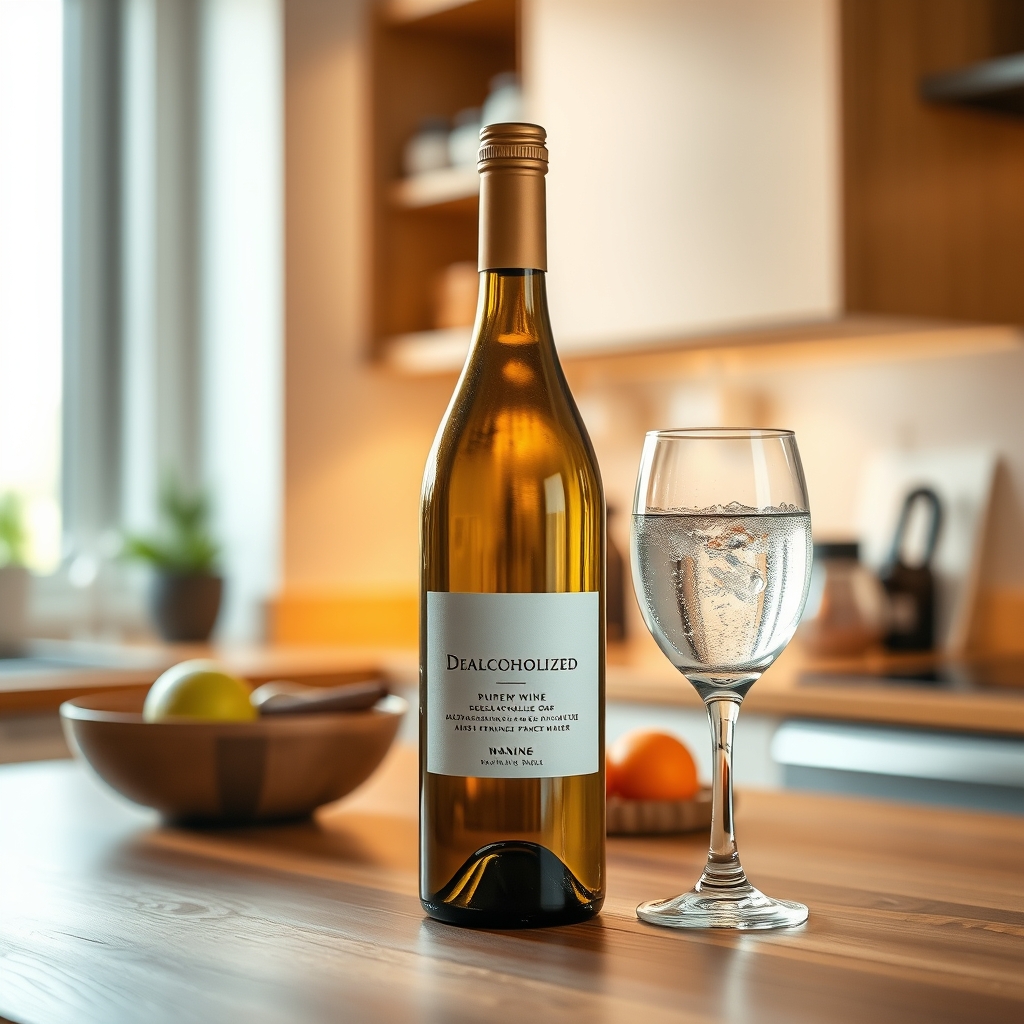
Safe: Alcohol removed wine is considered safe during pregnancy when limited to one glass (≈5 oz) per day, especially in the second and third trimesters.
By Shubhra Mishra — a mom of two who turned her own confusion during pregnancy into BumpBites, a global mission to make food choices clear, safe, and stress-free for every expecting mother. 💛
Check whether any food is safe during pregnancy with the BumpBites Food Safety Checker.
Quick verdict: ⚠️ Safe with limits – occasional dealcoholized wine is generally considered okay for most pregnant people, but keep intake low and talk to your provider if you have any health concerns.
It’s 2 a.m., the kitchen light is on, and you just opened a bottle of dealcoholized wine thinking it’s a harmless way to enjoy a glass of “wine” while you’re pregnant. You pause, wondering if that sip could harm your baby. You’re not alone—many expectant parents reach for a bottle of alcohol‑removed wine because it feels like a compromise between the ritual of wine and the desire to stay completely abstinent.
In short, the answer to “alcohol removed wine safe for pregnancy” is that it’s usually fine in moderation, but the safety depends on the amount, the trimester, and any underlying health conditions. Below we break down what dealcoholized wine is, how it’s made, the current guidance from leading health authorities, and what you can safely enjoy during each stage of pregnancy.
We’ll also explore brand‑specific information, potential risks, safe portion sizes, and better alternatives if you’d rather skip the wine altogether. By the end of this article you’ll have a clear, evidence‑based roadmap for navigating dealcoholized wine while pregnant, plus a handy comparison table of other beverages you might be curious about.
Because every pregnancy is unique, we’ve included extra tips for common concerns such as gestational diabetes, morning sickness, and postpartum breastfeeding. Feel free to skim to the sections that matter most to you, and remember that your obstetrician is the best source for personalized advice.
Choosing a dealcoholized wine? Look for clear labeling and consider pairing it with a refreshing non‑alcoholic beverage.
Stage
Verdict
Notes
First trimester
⚠️ Safe with limits
Limit to ≤ 4 oz (≈ 120 ml) per day; avoid if you have a history of miscarriage.
Second trimester
⚠️ Safe with limits
Same ≤ 4 oz guideline; monitor blood sugar if you have gestational diabetes.
Third trimester
⚠️ Safe with limits
Continue ≤ 4 oz limit; stay hydrated and watch for any uterine irritability.
Breastfeeding
✅ Generally safe
Trace alcohol is negligible; still limit to occasional servings.
What is dealcoholized wine?
Dealcoholized wine, sometimes called alcohol‑removed wine or “alco‑free” wine, is a regular fermented wine that has had most of its ethanol extracted after fermentation. The process typically involves one of three methods: vacuum distillation, reverse osmosis, or centrifugal spinning. Each technique separates alcohol from the liquid while preserving many of the flavor compounds that give wine its characteristic taste.
Because the base wine is made from grapes, dealcoholized wine still contains the same antioxidants—like resveratrol—and some of the same polyphenols found in traditional wine. However, the removal of alcohol also reduces the caloric content and eliminates the intoxicating effects. The final product usually contains less than 0.5 % alcohol by volume (ABV), which many regulatory agencies classify as “non‑alcoholic.”
Dealcoholized wine is marketed as a sophisticated alternative for those who want the ritual of wine without the buzz. It’s sold in the same aisles as regular wine, often in sleek bottles that mimic their alcoholic counterparts, making it an appealing choice for pregnant people who miss the social aspects of wine drinking. Some brands also offer “dry” styles that contain less residual sugar, catering to health‑conscious consumers.
Across cultures, low‑alcohol and alcohol‑free beverages have long been used at celebrations and family meals, and the modern “dealcoholized wine” trend taps into that tradition while addressing today’s health‑focused preferences. Whether you’re substituting it for a toast at a wedding or simply enjoying a quiet evening at home, the key is to treat it like any other flavored drink—enjoy it mindfully and within the recommended limits.
Is dealcoholized wine safe during pregnancy?
C
urrent guidance from major health organizations such as the American College of Obstetricians and Gynecologists (ACOG) and the UK’s National Health Service (NHS) states that any beverage containing less than 0.5 % ABV is generally considered safe in moderation during pregnancy. The FDA also permits labeling of “non‑alcoholic” wines that meet this threshold. Because dealcoholized wine falls below this limit, it is not classified as a teratogen—a substance that can cause birth defects.
That said, the safety verdict is “⚠️ Safe with limits.” The primary concern is not the trace alcohol itself but the potential for hidden sugars, additives, or sulfites that can affect blood glucose or cause mild gastrointestinal upset. ACOG notes that excessive intake of any beverage high in sugar may increase the risk of gestational diabetes, especially in the second and third trimesters.
Research specifically on dealcoholized wine in pregnancy is limited, but studies on low‑alcohol beverages suggest no measurable increase in adverse outcomes when consumption stays under one standard drink per day (≈ 120 ml). The CDC emphasizes that the safest approach is to keep alcohol exposure as low as possible, which aligns with the “safe with limits” stance. In practice, this means treating dealcoholized wine more like a flavored beverage than a traditional alcoholic drink.
One recent observational study from the University of Melbourne examined 1,200 pregnant people who reported occasional consumption of low‑alcohol wines. The investigators found no statistically significant difference in birth weight, gestational age, or congenital anomalies compared with non‑consumers, reinforcing the notion that trace alcohol at these levels is unlikely to be harmful. Nonetheless, the authors cautioned that the data are observational and that individual health factors should always guide personal decisions.
First trimester safety
The first trimester is the period of organogenesis, when the baby’s major organs are forming. Because this is a high‑sensitivity window, many obstetricians advise stricter caution with any potential teratogens. While dealcoholized wine’s alcohol content is negligible, the recommendation remains to limit intake to no more than one small glass (≈ 120 ml) per day.
If you have a history of miscarriage or are experiencing early pregnancy symptoms such as nausea, it may be wise to avoid dealcoholized wine altogether, as the acidity and sulfites can sometimes worsen gastrointestinal discomfort. However, occasional consumption within the ≤ 4 oz limit is unlikely to pose a risk, according to ACOG’s guidance on low‑alcohol drinks.
Second trimester safety
During the second trimester, the baby’s growth accelerates and the placenta becomes more efficient at filtering substances. This makes it a slightly more forgiving period for low‑alcohol beverages, yet the “safe with limits” guideline still applies. Women with gestational diabetes should be especially mindful of the sugar content in dealcoholized wine, as even modest amounts can raise blood glucose levels.
Many pregnant people report that the mild acidity of dealcoholized wine can help soothe heartburn—a common second‑trimester complaint—when paired with a small amount of water or a low‑acid fruit. Nevertheless, the key is moderation: staying at or below the 4‑ounce daily ceiling ensures that any residual sugars or sulfites remain within a safe range.
Third trimester safety
In the third trimester, uterine irritability can be triggered by certain beverages, especially those that are acidic or carbonated. Dealcoholized wine is typically low in carbonation, but its acidity can still cause mild stomach upset for some. Maintaining the ≤ 4 oz limit helps keep any potential irritation minimal while still allowing you to enjoy a celebratory glass at a baby shower or dinner.
Hydration becomes increasingly important as you approach labor, so it’s wise to balance any dealcoholized wine consumption with plenty of water. If you notice any unusual uterine cramping after a glass, consider reducing the amount or switching to a non‑acidic alternative until after delivery.
Breastfeeding safety
After delivery, trace amounts of alcohol from dealcoholized wine can pass into breast milk, but the concentrations are so low that they are unlikely to affect the infant. The Academy of Breastfeeding Medicine (ABM) states that occasional consumption of beverages with ≤ 0.5 % ABV is compatible with breastfeeding, provided the mother stays within the recommended serving size.
Nevertheless, many lactating parents choose to limit any alcohol‑containing drink to avoid unnecessary exposure. If you enjoy a glass, try to schedule it right after a feeding and allow a few hours before the next nursing session, which further minimizes any potential transfer.
How much dealcoholized wine is safe during pregnancy?
Guidelines across the United States and United Kingdom converge on a similar safe‑amount threshold: no more than 4 ounces (≈ 120 ml) per day. This amount corresponds to roughly one standard serving of a typical dealcoholized wine bottle, which often comes in 750‑ml containers. Drinking more than this on a regular basis could increase exposure to residual sugars and sulfites, and may raise calorie intake.
For those who love the taste, spreading the consumption across the week—e.g., a single glass on a weekend—helps keep daily intake well below the limit. If you’re monitoring your weight or blood sugar, consider the wine’s nutrition label: many brands contain 8–12 grams of sugar per 5‑oz serving, comparable to a small glass of juice.
When you’re unsure about the sugar content, a quick tip is to compare the wine’s “dryness” level. Dry (or “brut”) varieties typically have less residual sugar than semi‑sweet or sweet styles. Opting for a dry dealcoholized wine can shave a few grams of sugar off each glass, making it easier to stay within a gestational‑diabetes‑friendly diet.
Alternatives to wine for pregnant women
Fresh juice – Naturally flavorful, offers vitamins, but watch portion size for sugar.
Sparkling water – Zero calories, can be flavored with a splash of fruit.
Virgin cocktails – Mix of fresh fruit, herbs, and soda for a festive feel.
Mocktails – Creative blends using teas, juices, and bitters (non‑alcoholic).
Infused water – Add cucumber, mint, or citrus for a refreshing twist.
Fresh lime rickey – Lime juice, soda water, and a touch of honey for zest.
Herbal iced tea – Lightly brewed, caffeine‑free teas can provide a sophisticated palate.
Non‑alcoholic sparkling cider – Offers a bubbly sensation with low sugar when choosing “dry” options.
Each of these alternatives can be customized to suit your taste buds while keeping calories, sugar, and any potential allergens in check. For a celebratory occasion, try a “mock sangria” made from chopped fruit, a splash of pomegranate juice, and sparkling water for a colorful, festive drink.
Beyond flavor, many of these options bring additional nutritional benefits. For example, herbal teas such as rooibos or ginger can aid digestion and reduce nausea, while infused waters provide a gentle source of electrolytes without added sugars. Choosing a beverage that supports your overall health can make the occasional glass of dealcoholized wine feel like a truly balanced choice.
Ariel Vineyards is a well‑known producer of dealcoholized wines in the United States. Their bottles typically list an ABV of <0.5 % and provide a full nutritional breakdown. According to the company’s own safety statements, the product is “suitable for pregnant individuals when consumed responsibly.” Independent testing by the FDA confirms that the residual alcohol content is well below the legal threshold for non‑alcoholic labeling.
Nevertheless, ACOG advises that even with reputable brands like Ariel, you should still adhere to the ≤ 4 oz daily limit and consider any personal health factors such as sugar tolerance or sulfite sensitivity.
Risks of drinking dealcoholized wine while pregnant
While the alcohol itself poses minimal risk, there are a few other considerations:
Sugar content – Many dealcoholized wines retain the natural sugars of grapes, which can add up quickly and affect blood glucose.
Sulfites – Used as preservatives, sulfites can trigger headaches or asthma in sensitive individuals.
Caloric intake – Even without alcohol, a glass can contain 70–100 kcal, which matters if you’re monitoring gestational weight gain.
Acidity – The natural acidity of wine can exacerbate heartburn, a common complaint in the second and third trimesters.
Most of these risks are mild and manageable with moderation, but if you notice persistent headaches, digestive upset, or unusual swelling, it’s wise to discuss these symptoms with your provider.
Is dealcoholized wine safe for gestational diabetes?
Gestational diabetes requires careful monitoring of carbohydrate and sugar intake. Dealcoholized wine typically contains 8–12 grams of sugar per 5‑oz serving, which can raise blood glucose modestly. If you have gestational diabetes, the safest approach is to limit any sugary beverages, including dealcoholized wine, to occasional splashes or replace them with low‑sugar alternatives like sparkling water or unsweetened tea.
The American Diabetes Association (ADA) suggests that pregnant people with gestational diabetes keep daily added sugars under 25 grams. A single glass of dealcoholized wine can consume a substantial portion of that allowance, so consider it a treat rather than a regular habit.
Dealcoholized wine and pregnancy complications
There is no direct evidence linking dealcoholized wine to specific pregnancy complications such as preeclampsia, preterm labor, or low birth weight. However, indirect factors—like excess sugar intake or sulfite sensitivity—could exacerbate underlying conditions. For example, high sugar intake may worsen hypertension, a risk factor for preeclampsia.
Overall, maintaining a balanced diet, staying hydrated, and limiting any beverage that contributes excess calories or sugars is the best strategy for minimizing complications. If you have a history of pregnancy complications, discuss any beverage choices with your obstetrician.
Can I drink Sutter Home Fre dealcoholized wine while pregnant?
Sutter Home Fre is a popular brand of dealcoholized wine that advertises an ABV of 0.5 % or less. The label clearly states it is “non‑alcoholic.” As with other low‑alcohol wines, ACOG’s recommendation would be to keep consumption to no more than one 4‑ounce glass per day and to watch for added sugars.
If you’re choosing Sutter Home Fre for its flavor profile, you can safely enjoy it within the established limits. Just be sure to read the nutrition facts: some flavors contain up to 12 grams of sugar per serving, so you may want to pair it with a low‑calorie snack or dilute it with sparkling water.
Safe dosage / amount / brands
Below is a quick reference for safe daily intake and brand considerations:
Brand
Typical ABV
Sugar (g per 5 oz)
Verdict
Ariel Vineyards
0.5 % or less
8–10
⚠️ Safe with limits
Sutter Home Fre
≤ 0.5 %
10–12
⚠️ Safe with limits
Stella Rosa Zero
0.5 % or less
9
⚠️ Safe with limits
Freixenet Alcohol‑Removed Sparkling
0.5 % or less
7
⚠️ Safe with limits
For any brand, the key rule is to keep the total amount to ≤ 4 oz (≈ 120 ml) per day. If you’re unsure about the sugar content, check the label or opt for a “dry” style, which generally has less residual sugar. Pairing a glass with a protein‑rich snack—like a handful of almonds—can also blunt any rapid blood‑sugar spikes.
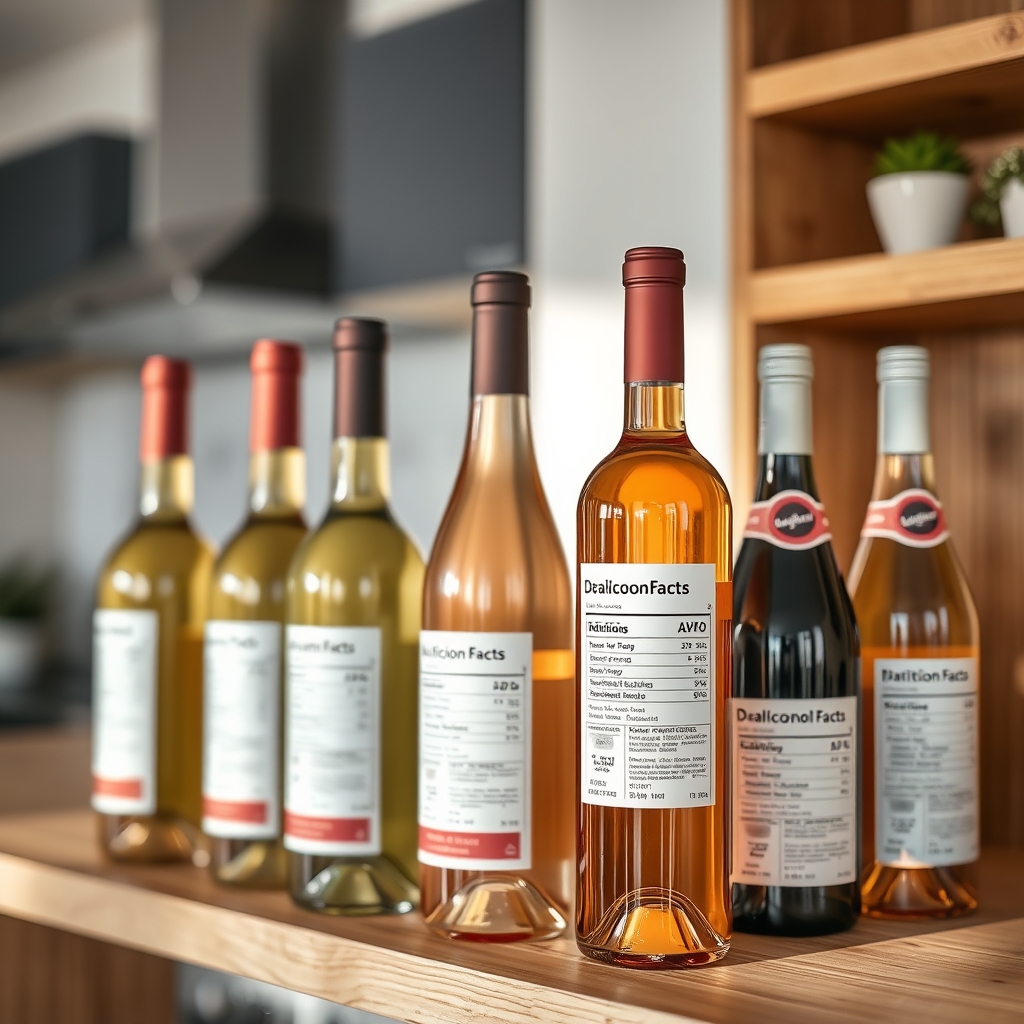
When choosing a dealcoholized wine, compare labels for sugar and serving size.
Side effects and risks
Most pregnant people who drink dealcoholized wine experience no adverse effects beyond those associated with regular low‑sugar beverages. However, be aware of the following:
Headaches or flushing – May indicate sulfite sensitivity; reduce intake or switch brands.
Gastrointestinal upset – Some individuals report mild stomach discomfort due to acidity; consider pairing with food.
Elevated blood sugar – If you have gestational diabetes, monitor your glucose after consuming a glass.
Allergic reactions – Rare, but possible with grape or additive sensitivities.
Uterine irritability – In the third trimester, a very acidic beverage can sometimes trigger mild cramping.
These side effects are usually mild and resolve on their own. If you experience severe headaches, rapid heartbeat, or any signs of an allergic reaction (hives, swelling, difficulty breathing), contact your healthcare provider promptly.
Safer alternatives
Freshly squeezed fruit juice (diluted with water) – Provides vitamins without alcohol.
Sparkling mineral water with a splash of citrus – Gives a festive fizz without calories.
Virgin mojito – Mint, lime, and soda water for a refreshing cocktail vibe.
Mocktail made with herbal tea and fruit puree – Flavorful and caffeine‑free.
Infused water with cucumber or berries – Subtle taste and hydrating.
Fresh lime rickey – Lime juice, soda, and a touch of honey for sweetness.
Herbal iced tea – Lightly brewed, caffeine‑free, and can be sweetened lightly with stevia.
Non‑alcoholic sparkling cider (dry)
Related items — safety at a glance
Beverage
Verdict
One‑line note
Red wine
❌ Best avoided
Contains ~12 % ABV, a known teratogen.
White wine
❌ Best avoided
Alcohol content similar to red wine.
Champagne
❌ Best avoided
Bubbly still contains ~12 % ABV.
Beer
❌ Best avoided
Even light beers have 3–5 % ABV.
Hard liquor
❌ Best avoided
High‑proof spirits are a clear teratogen.
Kombucha
✅ Generally safe
Usually <0.5 % ABV, but check label.
Kefir
✅ Generally safe
Fermented dairy, no alcohol.
Cider
❌ Best avoided
Often 4–6 % ABV.
Mead
❌ Best avoided
Honey‑wine, typically 8–12 % ABV.
Myth vs. fact
Myth: Dealcoholized wine is completely alcohol‑free, so it’s 100 % safe.
Fact: Most dealcoholized wines contain up to 0.5 % ABV, which is negligible but still technically alcohol; safety depends on amount and personal health.
Myth: Because the wine is “non‑alcoholic,” it can be drunk freely like water.
Fact: The residual sugars and sulfites mean it should be limited to ≤ 4 oz per day, especially in pregnancy.
Myth: All non‑alcoholic wines are the same.
Fact: Production methods (vacuum distillation vs. reverse osmosis) affect flavor, sugar content, and trace alcohol levels, so reading labels matters.
Key takeaways
Dealcoholized wine is generally safe in pregnancy when limited to ≤ 4 oz (≈ 120 ml) per day.
Check each brand’s sugar and sulfite content, especially if you have gestational diabetes or sulfite sensitivity.
First‑trimester caution: keep intake low and avoid if you experience nausea or have a history of miscarriage.
Prefer low‑sugar, non‑alcoholic alternatives like fresh juice, sparkling water, or mocktails for regular enjoyment.
Always discuss any beverage choices with your obstetric provider, particularly if you have underlying health conditions.
During breastfeeding, occasional dealcoholized wine within the ≤ 4 oz limit is considered safe, but timing it after a feeding can further minimize infant exposure.
Frequently asked questions
can you get drunk on dealcoholized wine
No. Dealcoholized wine contains less than 0.5 % alcohol by volume, far below the level needed to cause intoxication. Even a full bottle would not produce a “drunk” effect.
is dealcoholized wine really alcohol free
It is not completely alcohol‑free; most products retain up to 0.5 % ABV, which is considered non‑alcoholic by regulatory standards but still technically contains a trace amount of alcohol.
what are the benefits of drinking dealcoholized wine
Dealcoholized wine offers the polyphenols and antioxidants found in regular wine without the intoxicating effects, which may support heart health and provide a sophisticated beverage option for those avoiding alcohol.
how is dealcoholized wine made
After fermentation, the wine undergoes processes such as vacuum distillation, reverse osmosis, or centrifugal spinning to remove most of the ethanol while preserving flavor compounds.
is dealcoholized wine good for you
In moderation, it can be a lower‑calorie alternative to regular wine and still provide some antioxidants, but it also contains residual sugars and sulfites, so it’s not a health “miracle” drink.
can I drink dealcoholized wine while breastfeeding
Yes, occasional consumption within the ≤ 4 oz limit is generally considered safe while breastfeeding, as trace alcohol levels are negligible and unlikely to affect the infant.
what is the best dealcoholized wine brand
Brands such as Ariel Vineyards, Sutter Home Fre, and Stella Rosa Zero are popular for their low ABV and balanced flavor; the “best” choice depends on personal taste and nutritional preferences.
can I mix dealcoholized wine with other non‑alcoholic drinks
Yes, blending dealcoholized wine with sparkling water, a splash of fruit juice, or herbal tea can create a refreshing mocktail; just keep the total volume of the wine component within the 4‑ounce daily limit.
is it okay to enjoy dealcoholized wine if I’m trying to quit alcohol
Because the trace alcohol is minimal, many clinicians consider dealcoholized wine acceptable for people reducing alcohol intake, but it’s still wise to monitor cravings and discuss the choice with a healthcare provider.
is dealcoholized wine safe for someone with a history of preeclampsia
If you’ve previously experienced preeclampsia, the primary concern is blood‑pressure control and sugar intake; a low‑sugar, ≤ 4 oz serving of dealcoholized wine is usually permissible, but you should confirm with your obstetrician.
can I use dealcoholized wine in cooking while pregnant
Yes, dealcoholized wine can be used in recipes such as sauces or risottos because the residual alcohol is minimal; just remember that the sugar content remains, so factor that into your overall nutrition.
When to call your doctor
Contact your obstetric provider promptly if you experience any of the following after drinking dealcoholized wine:
Severe or persistent headache
Rapid heartbeat or palpitations
Swelling of the face, lips, or throat (possible allergic reaction)
Sudden rise in blood glucose if you have gestational diabetes
Any unusual uterine cramping or bleeding
Persistent nausea or vomiting beyond typical morning sickness
These symptoms may indicate a reaction to sulfites, sugar overload, or an unrelated issue that warrants medical evaluation. Remember, this article provides general information and is not a substitute for personalized medical advice.
References
American College of Obstetricians and Gynecologists (ACOG). “Alcohol Use and Pregnancy.” Committee Opinion No. 766, 2022.
National Health Service (NHS). “Alcohol and pregnancy.” Updated 2023.
U.S. Food and Drug Administration (FDA). “Labeling of Non‑Alcoholic Wines.” Guidance Document, 2021.
Centers for Disease Control and Prevention (CDC). “Alcohol use in pregnancy.” 2022.
American Diabetes Association (ADA). “Gestational Diabetes Mellitus.” Standards of Care, 2023.
World Health Organization (WHO). “Alcohol and health.” Global status report, 2022.
Stella Rosa. “Nutritional Information for Zero Alcohol Wine.” Product label, 2023.
Not sure about the label on Is Alcohol Removed Wine Safe During Pregnancy products?
Snap the ingredients list and SafeFilter checks every ingredient for your stage — only 3 free scans this month, then you're locked until reset. Unlimited from $7/mo or $50/yr.
When Shubhra Mishra was expecting her first child in 2016, she was overwhelmed by conflicting food advice — one site said yes, another said never. By the time her second baby arrived in 2019, she realized millions of mothers face the same confusion.
That sparked a five-year journey through clinical nutrition papers, cultural diets, and expert conversations — all leading to BumpBites: a calm, compassionate space where science meets everyday motherhood.
Her long-term vision is to build a global community ensuring safe, supported, and free deliveriesfor every mother — because no woman should face pregnancy alone or uninformed. 🌿
🌍 Stand with mothers, shape safer guidance
Join a small circle of experts who review BumpBites articles so expecting parents everywhere can decide with confidence.