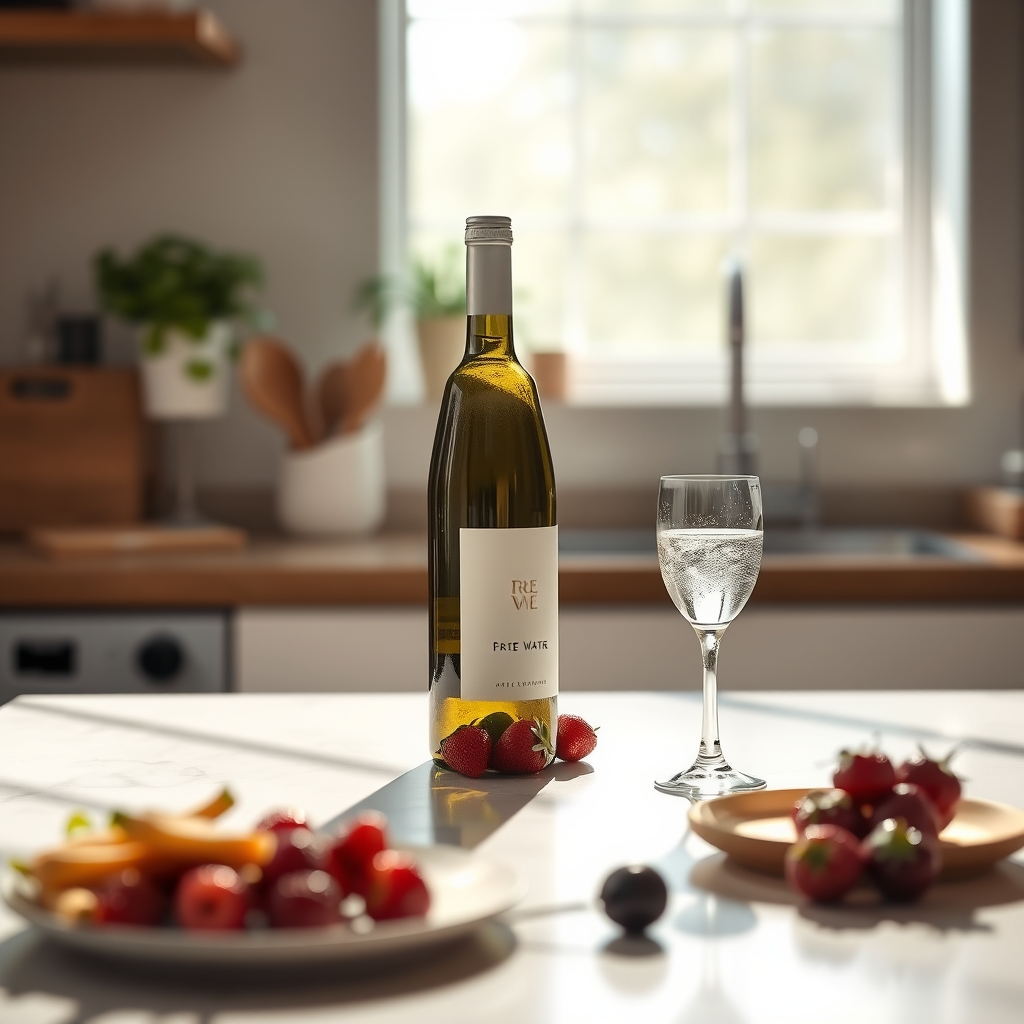
Avoid Fre wine during pregnancy. Experts recommend limiting or avoiding alcohol-free wine due to trace alcohol (0.5% ABV) and unclear trimester-specific risks.
By Shubhra Mishra — a mom of two who turned her own confusion during pregnancy into BumpBites, a global mission to make food choices clear, safe, and stress-free for every expecting mother. 💛
Check whether any food is safe during pregnancy with the BumpBites Food Safety Checker.
Quick verdict: ⚠️ Safe with limits – a single 12‑oz glass of fre wine (≤0.5% alcohol) is generally considered low‑risk, but keep it occasional and discuss any use with your provider.
It’s 2 a.m., the kitchen light is on, and you’ve just uncorked a bottle of fre wine thinking it’s a harmless way to unwind. Suddenly, a wave of anxiety hits: “Is fre wine safe for pregnancy? Did I just put my baby at risk?” You’re not alone—many expecting parents grapple with the same question, especially when the product is marketed as “dealcoholized.” In this article we’ll give you a clear answer, explain how much fre wine you can safely enjoy, break down the risks by trimester, and suggest tasty alternatives that keep the celebration going without worry.
Bottom line: fre wine is a dealcoholized beverage that typically contains less than 0.5 % alcohol by volume. Most health authorities—including ACOG and the NHS—recommend limiting any alcohol exposure during pregnancy, but the trace amounts in fre wine fall well below the thresholds that have been linked to fetal harm. We’ll walk you through the evidence, outline safe consumption limits, and let you know when to call your doctor.
Read on for a quick safety snapshot, details on trimester‑specific guidance, recommended daily limits, potential side‑effects, and a list of safer sip‑options that let you toast your pregnancy without lingering doubt.
Period
Verdict
Notes
First trimester
⚠️ Safe with limits
Occasional (≤1 glass) is unlikely to cause harm; avoid daily consumption.
Second trimester
⚠️ Safe with limits
Same guidance as first trimester; monitor blood sugar if you have gestational diabetes.
Third trimester
⚠️ Safe with limits
Limit to occasional use; be aware of potential heartburn or increased urination.
Breastfeeding
⚠️ Safe with limits
Trace alcohol passes into breast milk; keep to ≤1 glass per week.
Keep a glass of fre wine on hand for a low‑alcohol treat, but remember it’s still a beverage with trace alcohol.
What is fre wine?
Fre wine is a brand of dealcoholized wine that undergoes a specialized removal process to reduce its alcohol content to less than 0.5 % ABV (alcohol by volume). The process typically involves vacuum distillation or reverse osmosis, which extracts most of the ethanol while preserving the grape‑derived flavors, aromas, and antioxidants found in regular wine. Because the alcohol is minimized, fre wine retains many of the polyphenols—such as resveratrol—that are often praised for their antioxidant properties, but without the intoxicating effect of conventional wine.
Consumers often reach for fre wine when they want the ritual of a glass of wine without the buzz, whether at a dinner party, a brunch, or a quiet evening at home. It’s marketed as “non‑alcoholic” or “low‑alcohol” and is sold in the same aisle as other specialty beverages. While the label may read “alcohol‑free,” the FDA requires that any product containing more than 0.5 % ABV be labeled as “alcoholic.” Fre wine stays just under this threshold, which is why it is sometimes called a “dealcoholized” or “reduced‑alcohol” wine.
Beyond its low‑alcohol profile, fre wine can contain a modest amount of natural sugars from the grape concentrate and, like many wines, may include sulfites as preservatives. Some varieties are fortified with additional fruit extracts or botanicals to enhance flavor, so it’s worth checking the ingredient list if you have sensitivities. Nutritionally, a 12‑oz serving typically provides around 80–100 calories, a small amount of potassium, and the same antioxidant benefits you’d find in a regular glass of wine—just without the ethanol.
Is fre wine safe during pregnancy?
C
urrent guidance from the American College of Obstetricians and Gynecologists (ACOG) advises that pregnant individuals abstain from alcohol because no safe threshold has been definitively proven. However, the same organizations acknowledge that trace amounts—such as those found in fre wine—are unlikely to cause the same level of fetal risk as standard alcoholic beverages. The UK’s National Health Service (NHS) similarly recommends complete avoidance of alcohol but notes that occasional consumption of very low‑alcohol drinks (<0.5 % ABV) is considered “low risk” for most pregnant people.
Scientific studies on dealcoholized wine are limited, but the consensus is that the minimal ethanol exposure (roughly the amount in a few sips of grape juice) does not raise the risk of fetal alcohol spectrum disorders (FASD). The CDC emphasizes that the primary concern with alcohol in pregnancy is its dose‑dependent effect on the developing brain and organs; trace exposure is far below the levels linked to measurable harm.
Guidelines differ slightly across regions. In the United States, ACOG’s “as low as possible” stance is interpreted as recommending zero alcohol, yet clinicians often acknowledge that the occasional trace exposure present in fre wine is not equivalent to a full alcoholic drink. In the United Kingdom, the NHS explicitly categorizes drinks under 0.5 % ABV as low‑risk, allowing occasional consumption. The World Health Organization (WHO) still advises complete abstinence but concedes that very low‑alcohol beverages pose a substantially reduced risk.
Therefore, the answer to “is fre wine safe during pregnancy?” is: it is generally regarded as low‑risk when consumed occasionally and within the modest limits outlined below. Nonetheless, the safest route remains to discuss any alcohol‑containing beverage with your obstetric provider, especially if you have underlying health conditions such as gestational diabetes or a history of miscarriage.
Fre wine in first trimester
The first trimester is the period of organogenesis, when the fetus’s major organs form. Because this window is most sensitive to teratogenic (birth‑defect‑causing) agents, many clinicians urge strict avoidance of alcohol. Fre wine’s alcohol content is below 0.5 %, equating to roughly the same amount of ethanol found in a tablespoon of regular grape juice. A single 12‑oz glass of fre wine therefore delivers less than 0.06 g of ethanol—far below the levels associated with fetal harm.
If you’re craving a glass in the first trimester, limit yourself to no more than one glass per week. Keep a record of any consumption and share it with your provider at prenatal visits. The occasional glass is unlikely to affect organ development, but regular intake could accumulate and increase the overall exposure.
Practical tip: pair your fre wine with a protein‑rich snack like cheese or nuts. The protein can help slow gastric absorption, further minimizing any ethanol spikes. Also, stay well‑hydrated with water throughout the day, as adequate hydration supports placental blood flow during this critical developmental stage.
Fre wine safety in second trimester
During the second trimester, the fetus’s brain and nervous system undergo rapid growth. While the risk of structural defects diminishes, the developing brain remains vulnerable to alcohol’s neurotoxic effects. The trace ethanol in fre wine is still well under the levels that have been shown to cause measurable neurodevelopmental issues. Maintaining the same occasional‑use guideline (≤1 glass per week) keeps exposure minimal.
Women with gestational diabetes should monitor carbohydrate intake from any beverage, including fre wine, because it can contain residual sugars from the grape concentrate. Pairing fre wine with a low‑glycemic snack can help avoid spikes in blood glucose.
Another consideration in the second trimester is iron absorption. Some wines contain tannins that can inhibit iron uptake, but the low‑alcohol version of fre wine has reduced tannin levels, making it a safer choice if you’re mindful of iron status. Still, aim to consume iron‑rich foods (like leafy greens or legumes) at a different time of day than your fre wine to maximize absorption.
Fre wine safety in third trimester
In the third trimester, the fetus gains weight and the lungs mature. Alcohol can still affect fetal heart rate and may increase the likelihood of preterm labor if consumed in larger amounts. Again, the negligible alcohol in fre wine means the risk is extremely low, but the same precautionary principle applies: limit to occasional consumption and avoid daily drinking.
Some pregnant people experience increased heartburn or reflux as the pregnancy progresses. The acidity in wine—even dealcoholized—may exacerbate these symptoms, so consider sipping slowly and pairing with food. A small piece of cheese or a slice of avocado can help neutralize acidity and protect your stomach lining.
Finally, as your belly grows, you may notice more frequent urination. The fluid volume in a glass of fre wine contributes to this effect, so stay mindful of timing if you need to limit nighttime bathroom trips. Drinking a glass earlier in the day rather than right before bed can help you get a better night’s sleep.
Fre wine and breastfeeding
Alcohol does pass into breast milk, but the amount that reaches the infant is directly proportional to the mother’s blood alcohol level. A single glass of fre wine contributes less than 0.05 % ABV to the maternal bloodstream, which translates to a negligible amount in breast milk. The Academy of Breastfeeding Medicine suggests that occasional low‑alcohol beverages are unlikely to affect the nursing infant.
For peace of mind, many lactating parents choose to limit fre wine to no more than one glass per week and to wait at least two hours after drinking before nursing. This waiting period allows the body to metabolize the trace alcohol, further reducing any potential exposure to the baby.
If you’re pumping breast milk for later use, consider refrigerating the milk for a few hours after a fre wine glass; the alcohol content in the milk will be minimal and will dissipate further during storage. Always label pumped milk with the time of expression if you’re concerned about any residual alcohol.
Enjoy fre wine alongside fresh fruit for a festive, pregnancy‑friendly toast.
How much fre wine is safe while pregnant?
Because fre wine contains less than 0.5 % ABV, most experts agree that an occasional glass—roughly 12 oz (355 ml)—poses minimal risk. The CDC does not set a specific numeric limit for such low‑alcohol drinks, but they advise that any alcohol consumption should be “as low as possible.” In practice, this translates to no more than one glass per week, and certainly not daily use.
If you’re trying to stay within a strict “zero‑alcohol” plan, you can substitute fre wine with a non‑alcoholic sparkling juice or the alternatives listed below. When you do choose fre wine, aim for a single serving, avoid mixing with other alcoholic beverages, and monitor how your body feels.
To put the ethanol content in perspective, a 12‑oz glass of fre wine contains roughly 0.06 g of ethanol—about the same amount you’d find in a teaspoon of regular grape juice. For comparison, a standard glass of regular wine (5 oz, 12 % ABV) contains about 15 g of ethanol, a dose that has been linked to measurable fetal risk when consumed repeatedly.
Brands of dealcoholized wine safe for pregnancy
Several reputable brands produce dealcoholized wines that meet the <0.5 % ABV threshold and are widely available in grocery stores and online. While the safety of the product hinges on its alcohol content rather than the brand, you may feel more comfortable selecting a brand that adheres to transparent labeling and quality standards. Notable options include:
Fre (the product we’re discussing) – the original dealcoholized wine with a variety of reds and whites.
Le Petit Béret – a French‑style dealcoholized rosé with a crisp finish.
Stella Artois Zero – a low‑alcohol lager‑style beverage that some consider a “wine‑like” alternative.
Oyster Bay Zero Alcohol – a New Zealand brand offering white and rosé varieties.
When shopping, look for the “≤0.5 % ABV” statement on the label. Some brands also carry a “Dealcoholized” certification seal from the International Organization of Dealcoholized Beverages, which can provide additional reassurance about the manufacturing process.
Risks of drinking fre wine while pregnant
While the alcohol content is minimal, there are still a few considerations:
Trace alcohol exposure: Even tiny amounts of ethanol can theoretically affect fetal development, though the risk is considered negligible.
Sugar load: Many dealcoholized wines retain natural grape sugars, which can raise blood glucose levels—particularly relevant for gestational diabetes.
Acidity: The acidity may worsen heartburn, a common pregnancy complaint.
Potential contaminants: Some low‑alcohol wines may contain sulfites or other additives; if you have a sulfite sensitivity, read the ingredient list.
Can I drink fre wine with gestational diabetes?
Yes, but with caution. The carbohydrate content of fre wine can vary, typically ranging from 2–5 g of sugar per 12‑oz serving. If you have gestational diabetes, count the beverage toward your daily carbohydrate allowance and pair it with a protein or healthy fat to blunt any glucose spike. Always discuss your beverage choices with your diabetes educator or obstetrician.
Because the glycemic index of grape‑derived sugars is moderate, pairing fre wine with a high‑fiber snack—such as whole‑grain crackers or a slice of avocado toast—can help slow glucose absorption. Monitoring your blood sugar 30–60 minutes after consumption can also give you a clearer picture of how your body responds.
Fre wine and prenatal vitamins
Some expectant mothers wonder whether the antioxidants in fre wine might interact with prenatal vitamins. The polyphenols in fre wine (like resveratrol) are generally safe and may even complement the antioxidant support provided by prenatal supplements. However, high doses of certain antioxidants can interfere with iron absorption, so it’s best to take your prenatal vitamins at a different time of day than your fre wine glass.
If you’re taking a prenatal vitamin that includes iron, aim to consume the wine at least two hours before or after the supplement. This spacing helps ensure optimal iron uptake while still allowing you to enjoy the modest benefits of the wine’s polyphenols.
Safe dosage / amount / brands
Based on guidance from ACOG, the NHS, and the CDC, the following limits are recommended for fre wine during pregnancy:
Guideline
Recommended limit
Notes
Standard serving
≤12 oz (355 ml) per week
One glass is enough for occasional enjoyment.
Daily intake
None (avoid daily consumption)
Even low‑alcohol drinks can add up.
Brand check
Look for “≤0.5 % ABV” on label
All listed brands meet this criterion.
Alcohol‑equivalent limit
≤0.07 g ethanol per week
Corresponds to one 12‑oz glass of fre wine.
If you prefer a specific flavor profile, choose a fre wine that matches the style you enjoy (red, white, rosé) but stay within the weekly limit. For those who want to avoid any alcohol whatsoever, the alternatives below provide a completely alcohol‑free experience.
Side effects and risks
Most side effects from fre wine are mild and unrelated to its tiny alcohol content. Common, non‑dangerous symptoms include:
Heartburn or acid reflux – especially after a large meal.
Mild bloating – due to carbonation in some varieties.
Increased urination – the fluid volume can lead to more bathroom trips.
Seek immediate medical attention if you experience any of the following after drinking fre wine:
Severe dizziness or faintness.
Rapid or irregular heartbeat.
Unexplained swelling of the hands, feet, or face.
Any signs of preterm labor (e.g., regular contractions before 37 weeks).
These symptoms are unlikely to be caused by the trace alcohol itself, but they may signal an underlying issue that warrants prompt evaluation.
Safer alternatives
Fresh Lime Rickey – a sparkling water with lime juice offers a tangy, celebratory feel without any alcohol.
Virgin Mojito – muddled mint, lime, and soda water give a refreshing cocktail vibe.
Sparkling Pomegranate Juice – rich in antioxidants, it mimics the deep color of red wine.
Ginger Ale – gentle on the stomach and naturally soothing for nausea.
Fresh Berry Spritzer – mixed berries blended with sparkling water for a fruity fizz.
Cranberry Juice Spritzer – tart and festive, perfect for brunch.
Non‑Alcoholic Sangria – chopped fruit steeped in grape juice and sparkling water for a party‑ready punch.
Herbal Iced Tea – brewed hibiscus or rooibos with a splash of citrus for a sophisticated mocktail.
Related items — safety at a glance
Item
Verdict
Note
Cooking wine
❌ Best avoided
Contains 10–15 % alcohol; not safe even in small amounts.
Red wine
❌ Best avoided
Standard alcohol content (12‑14 % ABV) is linked to fetal risk.
White wine
❌ Best avoided
Same concerns as red wine; no safe threshold established.
Champagne
❌ Best avoided
Even higher carbonation can increase fetal exposure.
Beer
❌ Best avoided
Typical ABV (4‑6 %) exceeds low‑risk levels.
Sake
❌ Best avoided
Alcohol content similar to wine; not recommended.
Rum
❌ Best avoided
High‑proof spirit; poses significant fetal risk.
Vodka
❌ Best avoided
Pure spirit; any amount increases risk.
Kombucha
✅ Generally safe
Contains trace alcohol (<0.5 %) but is typically low‑risk; check label.
Non‑alcoholic beer
✅ Generally safe
Often <0.5 % ABV; still best to limit intake.
Myth vs. fact
Myth: “Dealcoholized wine is completely alcohol‑free, so it’s totally safe.”
Fact: Dealcoholized wines like fre wine contain up to 0.5 % alcohol, which is a trace amount but still technically alcohol.
Myth: “One glass of fre wine is the same as a glass of grape juice, so there’s no difference.”
Fact: While the ethanol is minimal, fre wine may still have added sugars and sulfites that can affect blood glucose or cause sensitivities.
Myth: “If I’m not feeling drunk, the wine can’t be harming my baby.”
Fact: Fetal exposure to alcohol does not depend on maternal intoxication; even low levels can cross the placenta.
Key takeaways
Fre wine contains ≤0.5 % alcohol, making it low‑risk but not completely alcohol‑free.
Limit intake to no more than one 12‑oz glass per week and avoid daily consumption.
Discuss any fre wine consumption with your obstetric provider, especially if you have gestational diabetes or other complications.
Consider alcohol‑free alternatives like Fresh Lime Rickey or Sparkling Pomegranate Juice for a worry‑free toast.
Watch for side effects such as heartburn or unusual dizziness; call your doctor if severe symptoms arise.
Frequently asked questions
can pregnant women drink fre wine
Yes, occasional fre wine (≤12 oz per week) is generally considered low‑risk, but you should discuss it with your provider and avoid daily consumption.
is dealcoholized wine safe during pregnancy
Dealcoholized wines that contain ≤0.5 % ABV are viewed as low‑risk, yet most guidelines still recommend limiting any alcohol exposure, so keep intake occasional.
what are the risks of drinking wine while pregnant
Standard wine (12‑14 % ABV) can increase the risk of fetal alcohol spectrum disorders, miscarriage, and low birth weight; trace amounts in fre wine pose far less risk but are not completely risk‑free.
how does alcohol affect a fetus
Alcohol crosses the placenta, can impair brain development, and may cause growth restrictions; the severity depends on dose and timing, with the first trimester being most sensitive.
can i have a glass of wine in my third trimester
Occasional fre wine (≤12 oz) is still considered low‑risk, but regular alcoholic wine should be avoided throughout pregnancy, including the third trimester.
is it safe to drink wine during pregnancy for heart health
There is no evidence that drinking wine during pregnancy provides heart‑health benefits; any alcohol exposure carries potential risks, so it’s best to avoid it.
what is the safest type of wine to drink while pregnant
The safest option is a dealcoholized wine like fre wine (≤0.5 % ABV) or a completely non‑alcoholic alternative such as a sparkling fruit juice.
can drinking wine during pregnancy cause miscarriage
Heavy alcohol consumption is linked to an increased miscarriage risk; occasional trace exposure from fre wine is unlikely to cause miscarriage, but complete abstinence eliminates any potential risk.
what should i do if i accidentally drank more than one glass of fre wine
If you realize you’ve had more than the recommended one glass, stay hydrated, avoid additional alcohol for the rest of the day, and contact your obstetric provider if you feel any unusual symptoms.
is it okay to mix fre wine with other non‑alcoholic drinks
Mixing fre wine with non‑alcoholic mixers (like sparkling water or juice) is generally fine, but remember the total volume still counts toward your weekly limit.
When to call your doctor
If you notice any of the following after drinking fre wine, contact your obstetric provider right away: severe dizziness, rapid heartbeat, unexplained swelling, signs of preterm labor (regular contractions before 37 weeks), or a sudden rise in blood glucose if you have gestational diabetes. Even if symptoms seem mild, it’s always better to check in—your provider can give personalized guidance based on your health history.
All information in this article is for educational purposes only and does not replace professional medical advice. Always consult your healthcare provider before making any changes to your diet or beverage choices during pregnancy.
References
American College of Obstetricians and Gynecologists. “Committee Opinion No. 766: Alcohol Use in Pregnancy.” ACOG, 2020.
National Health Service (NHS). “Alcohol and Pregnancy.” NHS, updated 2022.
U.S. Centers for Disease Control and Prevention. “Alcohol Use in Pregnancy.” CDC, 2021.
Food and Drug Administration (FDA). “Alcohol Content in Non‑Alcoholic Beverages.” FDA Guidance, 2021.
World Health Organization. “Guidelines for Alcohol Consumption During Pregnancy.” WHO, 2019.
Academy of Breastfeeding Medicine. “Alcohol Use While Breastfeeding.” ABM Clinical Protocol #16, 2020.
Not sure about the label on Is Fre Wine Safe During Pregnancy products?
Snap the ingredients list and SafeFilter checks every ingredient for your stage — only 3 free scans this month, then you're locked until reset. Unlimited from $7/mo or $50/yr.
When Shubhra Mishra was expecting her first child in 2016, she was overwhelmed by conflicting food advice — one site said yes, another said never. By the time her second baby arrived in 2019, she realized millions of mothers face the same confusion.
That sparked a five-year journey through clinical nutrition papers, cultural diets, and expert conversations — all leading to BumpBites: a calm, compassionate space where science meets everyday motherhood.
Her long-term vision is to build a global community ensuring safe, supported, and free deliveriesfor every mother — because no woman should face pregnancy alone or uninformed. 🌿
🌍 Stand with mothers, shape safer guidance
Join a small circle of experts who review BumpBites articles so expecting parents everywhere can decide with confidence.