Green tea safe for pregnancy? Yes—limit to 2 cups a day, especially in the first trimester, to avoid caffeine excess.
By Shubhra Mishra — a mom of two who turned her own confusion during pregnancy into BumpBites, a global mission to make food choices clear, safe, and stress-free for every expecting mother. 💛
Check whether any food is safe during pregnancy with the BumpBites Food Safety Checker.
Quick verdict: ⚠️ Safe with limits – moderate green tea (up to 2 cups a day, about 200 mg caffeine) is generally considered okay for most pregnant people, but you should stay within the caffeine ceiling and talk to your provider if you have complications.
It’s 2 a.m., you’re scrolling through the kitchen cupboard, and the comforting aroma of green tea makes you wonder: is green tea safe for pregnancy? You may have already brewed a cup, or you might be deciding whether to add it to your daily routine. The good news is that, for most people, green tea can be enjoyed in moderation, but there are a few nuances to keep in mind.
In this article we’ll break down exactly what the evidence says about green tea safe for pregnancy, how much you can drink each trimester, which brands are reputable, and what safer alternatives exist. We’ll also cover potential risks, side‑effects, and when you should reach out to your doctor. By the end, you’ll have a clear, evidence‑based roadmap for enjoying your favorite brew without unnecessary worry.
We know the 3 a.m. “what‑if” spiral can feel endless, and you’re not alone—many of our readers have shared stories of discovering a new tea habit after learning they’re expecting. Whether you’re sipping a warm cup now or planning a future tea ritual, the information below is designed to help you feel confident, not anxious.
Stage
Verdict
Notes
First trimester
⚠️ Safe with limits
Limit to ≤1 cup (≈100 mg caffeine); avoid excess cate‑kins if high‑risk pregnancy.
Second trimester
✅ Generally safe
Up to 2 cups (≈200 mg caffeine) is acceptable for most.
Third trimester
✅ Generally safe
Same as second trimester; watch for sleep disturbances.
Breastfeeding
✅ Generally safe
Up to 300 mg caffeine per day is fine; monitor infant irritability.
What is green tea?
Green tea comes from the leaves of Camellia sinensis that are harvested and quickly steamed or pan‑fired to prevent oxidation. This minimal processing preserves high levels of catechins—particularly epigallocatechin‑gallate (EGCG)—and a modest amount of caffeine (about 30–45 mg per 8‑oz cup). People drink green tea for its mild flavor, antioxidant properties, and potential health benefits such as supporting metabolism and cardiovascular health. In many cultures, it’s a daily ritual, enjoyed hot or cold, plain or flavored with lemon or honey.
Because green tea contains both caffeine and bioactive compounds, it sits in a unique spot among beverages: it offers more antioxidants than black tea, yet less caffeine than coffee. Pregnant people often wonder whether those antioxidants are beneficial or whether the caffeine component poses a risk to the developing baby. Understanding how the body processes these components during pregnancy helps answer that question.
Beyond the cup, green tea is also found in extracts, powders, and supplements. These concentrated forms can deliver far more catechins and caffeine than a typical brewed cup, which is why most obstetric guidelines distinguish between “green tea as a beverage” and “green‑tea extracts.” The focus of this article is on the brewed beverage, the form most people enjoy daily.
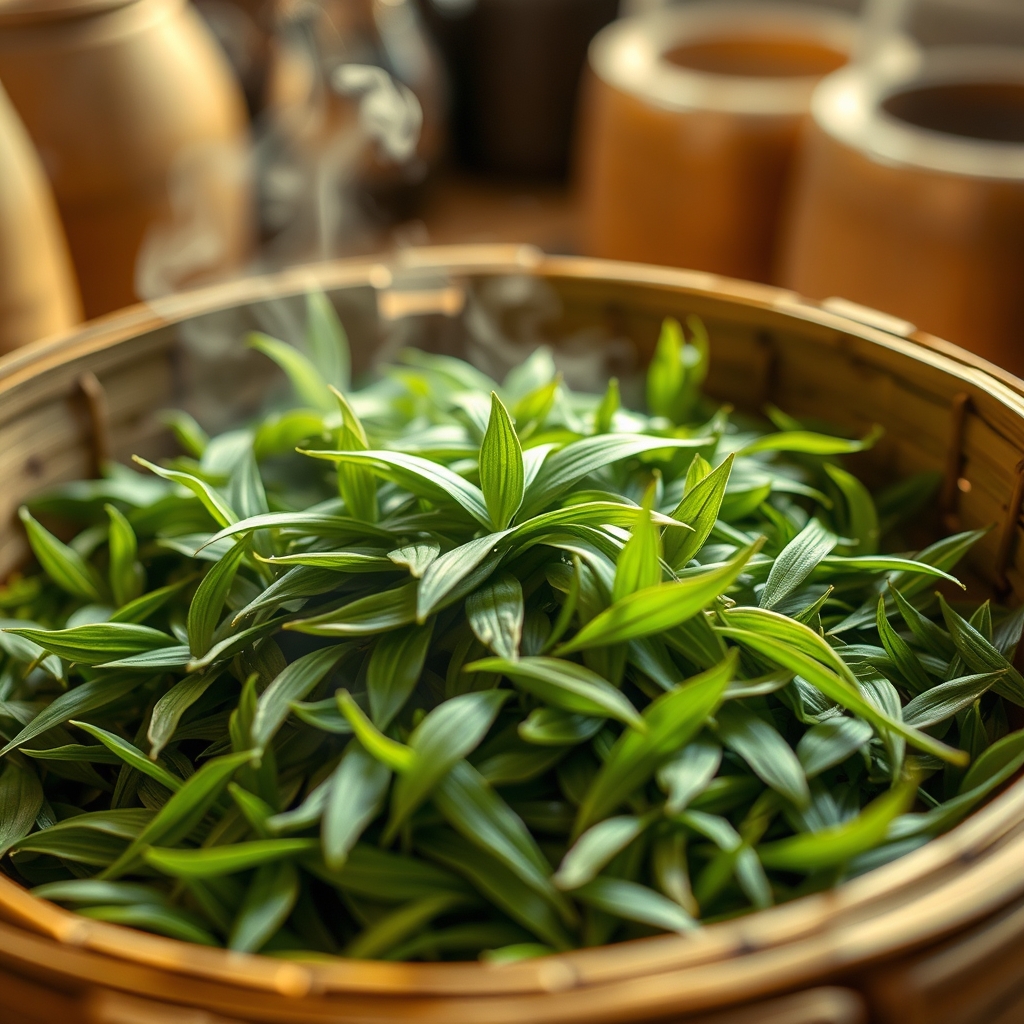
Steaming the leaves preserves the antioxidants that many expectant parents seek.
Is green tea safe during pregnancy?
Current guidance from the American College of Obstetricians and Gynecologists (ACOG) and the UK’s National Health Service (NHS) suggests that moderate caffeine intake—up to 200 mg per day—is safe for most pregnant people. Because an 8‑oz cup of green tea contains roughly 30–45 mg of caffeine, drinking up to 2–3 cups fits comfortably within that limit.
Most studies on green tea in pregnancy focus on caffeine and catechin exposure. The FDA does not list green tea as a teratogen, and the CDC’s Pregnancy Nutrition Surveillance System does not flag it as a risk factor when consumption stays within recommended caffeine limits. However, very high doses of catechins (far beyond what a typical diet provides) have shown animal‑model evidence of reduced folate absorption, which could theoretically affect neural‑tube development. For most people, the amount of catechins in everyday green tea is far lower than those experimental doses.
Overall, the consensus among obstetric authorities is that green tea is safe for pregnancy when consumed in moderation. If you have a history of pre‑eclampsia, anxiety, or are advised to limit caffeine for any reason, you should discuss your intake with your provider.
Safety by trimester
First trimester
The first 12 weeks are the period of organogenesis, when the baby’s major organs form. Because caffeine can cross the placenta and the fetus cannot metabolize it efficiently, many clinicians advise a stricter limit—often ≤1 cup (≈100 mg caffeine) of green tea per day. This cautious approach reduces any theoretical risk of miscarriage or low birth weight. If you’re already in the first trimester, you can continue drinking green tea, just keep the portion small.
Second trimester
During weeks 13–27, the baby’s growth accelerates, and the placenta’s ability to filter substances improves. At this stage, most guidelines (including ACOG) allow up to 200 mg caffeine daily, which translates to about 2 cups of green tea. You can enjoy a warm cup in the morning and a second in the afternoon without exceeding the recommended caffeine ceiling.
Third trimester
In the final months, caffeine can affect sleep patterns for both mother and baby, and high caffeine intake may increase the risk of preterm labor. Staying within the 200 mg limit (≈2 cups) remains advisable. If you notice trouble sleeping, consider switching to a caffeine‑free herbal tea in the evening.
Breastfeeding
After delivery, caffeine does enter breastmilk, but the infant’s ability to process it is still limited. The American Academy of Pediatrics (AAP) recommends keeping maternal caffeine intake below 300 mg per day. Green tea, at 30–45 mg per cup, fits well within this limit, so up to 4 cups daily is generally acceptable, provided the baby shows no signs of irritability.
Enjoy a cup of green tea while reviewing your daily caffeine budget.
How caffeine metabolism changes during pregnancy
Pregnancy slows the clearance of caffeine because liver enzymes (especially CYP1A2) are inhibited by rising estrogen levels. This means that the same amount of caffeine can linger longer in your bloodstream, especially in the third trimester. The extended half‑life reinforces the importance of spacing out caffeine sources and avoiding late‑day consumption to protect sleep quality for both you and your baby.
Green tea and common prenatal supplements
Many prenatal vitamins contain iron, calcium, and folic acid. Catechins in green tea can bind to iron, potentially reducing its absorption if you drink tea with a meal or supplement. To minimize this interaction, enjoy green tea between meals—ideally an hour before or after eating iron‑rich foods or taking your prenatal vitamin. Calcium does not appear to be affected, but maintaining a balanced timing routine helps you get the full benefit of both the tea and your supplements.
Is green tea safe during early pregnancy
“Early pregnancy” usually refers to the first trimester. As outlined above, limiting green tea to one cup (≈100 mg caffeine) keeps you well under the ACOG‑recommended 200 mg caffeine ceiling. If you’ve already sipped a second cup, don’t panic—most studies show that occasional excess does not dramatically increase risk, but aim to reduce intake moving forward.
Green tea safe during second trimester
In the second trimester, you can comfortably enjoy up to two cups of green tea daily. This amount provides the antioxidant benefits of catechins without pushing caffeine beyond the 200 mg threshold. If you’re also consuming other caffeinated beverages (coffee, black tea, soda), be sure to count those toward your total.
How much green tea is safe to drink while pregnant
Most experts agree that 1–2 cups (8 oz each) of brewed green tea per day is safe for most pregnant people. This equates to roughly 30–90 mg of caffeine, well within the 200 mg daily limit. If you prefer stronger brews, keep the steeping time short (2–3 minutes) to avoid extracting excess catechins, which can sometimes interfere with iron absorption.
Daily cups
Caffeine (mg)
Notes
1 cup
30‑45
Safe in all trimesters.
2 cups
60‑90
Safe in 2nd/3rd trimester; limit to 1 cup in 1st.
3+ cups
90‑135+
Approaches caffeine ceiling; consider other sources.
How to brew green tea safely during pregnancy
Brewing technique can influence both caffeine and catechin levels. For a pregnancy‑friendly cup:
Use water that’s just below boiling (≈80 °C or 176 °F). Higher temperatures extract more catechins and caffeine.
Steep for 2–3 minutes. Longer steeping raises caffeine and may increase tannin‑related bitterness.
Consider a “double‑brew” method—brew the first cup, discard it, then brew a second cup with fresh leaves. The second cup contains less caffeine while retaining flavor.
Add a splash of lemon or a slice of ginger for extra flavor without extra caffeine.
These simple steps let you enjoy the taste and antioxidants while staying well within safety limits.
Alternatives to green tea during pregnancy
If you’re looking for a caffeine‑free or lower‑caffeine beverage, the following options are widely regarded as safe and soothing:
Peppermint tea – naturally caffeine‑free and can help ease nausea.
Ginger tea – also caffeine‑free; beneficial for morning‑sickness relief.
Rooibos tea – rich in antioxidants, completely caffeine‑free.
Chamomile tea – mild and calming; avoid if you have a known allergy.
Honey tea – warm water with a spoonful of honey offers gentle sweetness without caffeine.
Decaf coffee – provides the coffee flavor with less than 5 mg caffeine per cup.
Warm milk with turmeric – a comforting, anti‑inflammatory drink that’s caffeine‑free.
Fruit‑infused water – add slices of citrus, berries, or cucumber for flavor without caffeine.
Is matcha green tea safe for pregnant women
Matcha is a powdered form of green tea that delivers a higher concentration of catechins and caffeine because you consume the whole leaf. A typical 1‑gram serving of matcha contains about 70 mg caffeine—roughly double a regular cup of brewed green tea. For pregnant people, this means a single serving of matcha counts as 1‑2 cups of regular green tea. If you enjoy matcha, limit yourself to half a teaspoon (≈35 mg caffeine) per day, and be mindful of other caffeine sources.
Green tea risks during pregnancy
The primary concern with green tea is its caffeine content, which can contribute to increased heart rate, insomnia, and, at very high levels, a modest rise in the risk of low birth weight. A smaller, more nuanced risk involves high catechin intake potentially interfering with iron absorption; this could exacerbate iron‑deficiency anemia, a common concern in pregnancy. To mitigate this, avoid drinking green tea with meals and consider spacing it at least an hour apart from iron‑rich foods or supplements.
Safe dosage / amount / brands
When choosing a green tea product, look for reputable brands that list caffeine content on the label and use organic, pesticide‑free leaves. Some widely trusted options in the U.S. and UK include:
Traditional Medicinals Organic Green Tea – clear labeling, USDA‑organic.
Yogi Green Tea Classic – non‑GMO, contains 30 mg caffeine per tea bag.
Twinings of London Green Tea – widely available, 35 mg caffeine per bag.
Celestial Seasonings Pure Green Tea – caffeine content disclosed, low‑additive.
Regardless of brand, stick to no more than 2 standard 8‑oz servings per day, and avoid “super‑strength” blends that can contain 70 mg caffeine per cup.
Side effects and risks
Most side effects from green tea are mild and stem from caffeine:
Jitters or increased heart rate – reduce intake or switch to caffeine‑free herbal teas.
Sleep disturbances – avoid drinking after 2 p.m.
Stomach upset – steep for a shorter time or add a splash of milk.
Iron‑absorption interference – drink green tea between meals, not with iron‑rich foods.
If you experience persistent palpitations, severe insomnia, or notice your baby becoming unusually fussy after increased caffeine intake, contact your provider promptly.
Safer alternatives
Peppermint tea – caffeine‑free, soothing for digestion.
Chamomile tea – gentle and calming, but avoid if allergic.
Honey tea – warm water with a spoonful of honey offers a sweet, caffeine‑free option.
Decaf coffee – retains coffee flavor with minimal caffeine.
Warm milk with turmeric – anti‑inflammatory and caffeine‑free.
Fruit‑infused water – adds flavor without caffeine or additives.
Related items — safety at a glance
Item
Verdict
Note
Black tea
⚠️ Safe with limits
Higher caffeine (~45‑70 mg per cup); keep total <200 mg.
White tea
✅ Generally safe
Low caffeine (≈15‑30 mg); easy to fit into daily limit.
Oolong tea
⚠️ Safe with limits
Mid‑range caffeine (≈30‑50 mg); watch total intake.
Yerba mate tea
⚠️ Safe with limits
Contains caffeine similar to coffee; limit to ≤1 cup.
Chocolate
⚠️ Safe with limits
Caffeine varies; a typical serving ≈10 mg.
Caffeine (overall)
⚠️ Safe with limits
ACOG recommends ≤200 mg/day during pregnancy.
Matcha powder
⚠️ Safe with limits
Higher caffeine per serving; treat as 1‑2 cups of brewed tea.
Herbal “energy” blends
❌ Best avoided
Often contain undisclosed caffeine or stimulants.
Myth vs. fact
Myth: All green tea is unsafe because of caffeine. Fact: Moderate green tea (1–2 cups) stays well within the recommended caffeine limit for pregnancy.
Myth: The antioxidants in green tea can cause birth defects. Fact: The antioxidant levels in typical servings are far below any dose shown to be harmful in animal studies.
Myth: Decaf green tea is completely risk‑free. Fact: Decaf still contains trace caffeine and catechins; the amounts are negligible, but the same moderation principles apply.
Myth: Drinking green tea will guarantee a healthier baby. Fact: While green tea offers modest antioxidant benefits, it does not replace a balanced diet or prenatal vitamins.
Myth: All herbal teas are safe alternatives. Fact: Some herbs (e.g., licorice root) can affect blood pressure or hormone levels; always verify safety with your provider.
Myth: You can drink unlimited green tea if it’s “organic.” Fact: Organic status doesn’t change caffeine content; the same limits apply regardless of farming practices.
Key takeaways
Green tea safe for pregnancy when limited to ≤2 cups (≈200 mg caffeine) per day.
First‑trimester caution: keep to ≤1 cup to stay under the caffeine ceiling.
Space green tea away from iron‑rich meals to avoid absorption issues.
Choose reputable, organic brands and check the label for caffeine content.
If you need a caffeine‑free option, peppermint, ginger, rooibos, and chamomile teas are excellent alternatives.
Contact your provider if you notice persistent heart‑racing, insomnia, or baby irritability linked to caffeine.
Frequently asked questions
can pregnant women drink green tea
Yes—most obstetric guidelines say up to 2 cups a day is safe, as long as total caffeine stays under 200 mg.
how much caffeine is in green tea
A typical 8‑oz cup of brewed green tea contains about 30–45 mg of caffeine, roughly a third of the amount in a similar cup of coffee.
is green tea good for pregnancy
Green tea provides antioxidants that may support overall health, but its benefits are modest; the primary concern is staying within caffeine limits.
what are the benefits of green tea during pregnancy
Potential benefits include a modest boost of antioxidants, improved mood, and gentle metabolism support, though evidence isn’t strong enough to recommend it as a therapeutic agent.
can green tea cause miscarriage
Current research does not link moderate green tea consumption (≤2 cups/day) with miscarriage; extremely high caffeine intake (>300 mg) may increase risk, so moderation is key.
is it safe to drink green tea in the first trimester
It is safe if limited to one cup (≈100 mg caffeine) per day; exceeding this early on may raise caffeine‑related concerns.
does green tea affect fetal development
When consumed within recommended caffeine limits, green tea does not appear to negatively affect fetal growth or development.
can I use green tea supplements during pregnancy
Most experts advise against concentrated green‑tea extracts or supplements because they can deliver much higher catechin and caffeine doses than a brewed cup. If you’re considering a supplement, discuss it with your provider first.
is iced green tea safe for pregnant people
Iced green tea is safe as long as it’s prepared without added sugars or caffeine‑boosting additives and you stay within the 2‑cup daily limit.
does green tea interact with prenatal vitamins
Green tea can reduce iron absorption if consumed with iron‑rich foods or supplements. To avoid this, drink tea between meals—ideally an hour before or after taking your prenatal vitamin.
are green tea skin products safe while pregnant
Topical green‑tea extracts in creams or serums are generally considered safe because they’re not absorbed in significant amounts. However, if you have sensitive skin or a known allergy, test a small area first and consult your provider.
When to call your doctor
If you experience any of the following, seek medical advice promptly:
Persistent rapid heartbeat or palpitations after drinking green tea.
Severe insomnia that interferes with daily functioning.
Signs of iron‑deficiency anemia (fatigue, pale skin) that may be linked to tea consumption.
Your baby becomes unusually fussy or shows changes in sleep patterns after you increase caffeine.
Any sudden abdominal pain, bleeding, or contractions after consuming a larger‑than‑usual amount of green tea.
Unexplained swelling, hypertension, or pre‑eclampsia symptoms while regularly consuming green tea.
These guidelines are informational only and do not replace personalized medical advice. Always discuss any concerns with your obstetric provider.
References
American College of Obstetricians and Gynecologists. “Committee Opinion No. 720: Moderate Caffeine Consumption During Pregnancy.” ACOG, 2020.
National Health Service (NHS). “Caffeine in pregnancy.” NHS, 2022.
U.S. Food and Drug Administration (FDA). “Food and Drug Administration Guidance on Caffeine Content in Food.” FDA, 2021.
Centers for Disease Control and Prevention (CDC). “Nutrition During Pregnancy.” CDC, 2023.
World Health Organization (WHO). “Nutrition for Health and Development.” WHO, 2021.
Mayo Clinic. “Caffeine and pregnancy: How much is safe?” Mayo Clinic, 2022.
American Academy of Pediatrics (AAP). “Breastfeeding and Maternal Caffeine Intake.” AAP, 2020.
Not sure about the label on Is Green Tea Safe During Pregnancy products?
Snap the ingredients list and SafeFilter checks every ingredient for your stage — only 3 free scans this month, then you're locked until reset. Unlimited from $7/mo or $50/yr.
When Shubhra Mishra was expecting her first child in 2016, she was overwhelmed by conflicting food advice — one site said yes, another said never. By the time her second baby arrived in 2019, she realized millions of mothers face the same confusion.
That sparked a five-year journey through clinical nutrition papers, cultural diets, and expert conversations — all leading to BumpBites: a calm, compassionate space where science meets everyday motherhood.
Her long-term vision is to build a global community ensuring safe, supported, and free deliveriesfor every mother — because no woman should face pregnancy alone or uninformed. 🌿
🌍 Stand with mothers, shape safer guidance
Join a small circle of experts who review BumpBites articles so expecting parents everywhere can decide with confidence.