Is Rooibos Tea Safe for Pregnancy? Dosage, Trimester & What to Know

Is Rooibos Tea Safe for Pregnancy? Dosage, Trimester & What to Know
On this page

Rooibos tea is generally safe for pregnancy. Learn about recommended dosage, its benefits across all trimesters, and potential alternatives to ensure a healthy pregnancy journey.

Shubhra Mishra

By Shubhra Mishra — a mom of two who turned her own confusion during pregnancy into BumpBites, a global mission to make food choices clear, safe, and stress-free for every expecting mother. 💛

Are you a qualified maternal-health or nutrition expert? Join our reviewer circle.

Wondering about another food?

Check whether any food is safe during pregnancy with the BumpBites Food Safety Checker.

Download the Complete Pregnancy Food Guide (10,000 Foods) 📘

Instant PDF download • No spam • Trusted by thousands of moms

💡 Your email is 100% safe — no spam ever.

Quick verdict: ✅ Generally safe. Rooibos tea is widely considered safe for pregnancy due to its caffeine-free nature and antioxidant properties, making it a soothing choice for many expecting parents.
For many expecting parents, the simple act of enjoying a warm cup of tea can become a source of late-night worry. You might be scrolling through forums, wondering, "Is rooibos tea safe for pregnancy?" especially after you've already brewed a mug or are contemplating adding it to your daily routine. We understand that feeling of wanting to do everything right for your baby, and the constant stream of advice (and sometimes misinformation) can be overwhelming. Take a deep breath. When it comes to rooibos tea, the good news is generally reassuring. Rooibos tea, often called "red bush tea," is a popular herbal infusion known for its distinct flavor and lack of caffeine. Many pregnant people seek out caffeine-free alternatives to traditional black or green tea, and rooibos often comes up as a promising option. This article will dive into why rooibos tea is generally considered safe during pregnancy, how much is typically recommended, and what potential benefits and considerations you should be aware of. We’ll also explore safer alternatives and address common concerns to help you make informed choices with confidence. Whether you're looking for a comforting beverage to help with morning sickness, a hydrating option, or simply a delicious caffeine-free drink, understanding the specifics of rooibos tea during pregnancy can bring peace of mind. We'll cover its safety across all trimesters and during breastfeeding, discuss potential interactions, and provide guidance on choosing the best quality products.

A warm mug of red rooibos tea with a slice of lemon and a gentle steam rising, on a cozy wooden surface next to a book.
Rooibos tea is a popular caffeine-free beverage, often enjoyed with a slice of lemon for added flavor.

Rooibos Tea Pregnancy Safety Snapshot

Trimester/Stage Safety Verdict Notes
First Trimester ✅ Generally Safe Caffeine-free, may help with hydration and mild nausea. Consult your doctor if you have specific health concerns.
Second Trimester ✅ Generally Safe Good source of antioxidants, can be a hydrating beverage. Monitor for any unusual symptoms.
Third Trimester ✅ Generally Safe May help with mild heartburn due to its low acidity. Continue to consume in moderation.
Breastfeeding ✅ Generally Safe Considered safe for breastfeeding. Its hydrating properties can be beneficial. No known adverse effects on milk supply or infant.

What is Rooibos Tea?

Rooibos tea, pronounced "ROY-boss," is a herbal infusion derived from the leaves of the *Aspalathus linearis* shrub, native to South Africa. The name "rooibos" means "red bush" in Afrikaans, referring to the plant's distinctive reddish hue when processed. Unlike traditional teas (black, green, oolong) which come from the *Camellia sinensis* plant and contain caffeine, rooibos is naturally caffeine-free. This makes it a popular choice for those looking to reduce their caffeine intake, including pregnant and breastfeeding individuals. There are two main types of rooibos: red rooibos (fermented) and green rooibos (unfermented). Red rooibos is the more common variety, known for its sweet, earthy flavor profile, often described as naturally sweet with hints of vanilla or caramel. Green rooibos, which undergoes less processing, has a lighter, grassier taste and a higher antioxidant content. Both types are rich in antioxidants, including aspalathin and nothofagin, which are unique to the rooibos plant. It's also low in tannins, which means it's less likely to interfere with iron absorption compared to some other teas. Many people enjoy rooibos for its pleasant taste, its hydrating properties, and its potential health benefits, making it a versatile beverage that can be enjoyed hot or cold.

Is Rooibos Tea Safe to Drink During Pregnancy?

Yes,
rooibos tea is widely considered safe for pregnancy and is often recommended as an excellent caffeine-free beverage choice by healthcare providers. The primary reason for its safety is its complete lack of caffeine, which is a key concern for many teas during pregnancy. High caffeine intake has been linked to potential risks like miscarriage and low birth weight, making caffeine-free alternatives like rooibos particularly appealing. Major health organizations like the American College of Obstetricians and Gynecologists (ACOG) and the UK's National Health Service (NHS) generally advise pregnant individuals to limit their caffeine intake. Since rooibos contains no caffeine, it neatly avoids this concern. Furthermore, rooibos is rich in antioxidants, which can support overall health, and it's also a source of minerals like iron, potassium, and calcium, albeit in small amounts. Its low tannin content is another advantage, as high tannins in other teas can sometimes inhibit the absorption of non-heme iron, which is crucial during pregnancy. The gentle nature of rooibos tea, combined with its lack of known contraindications or adverse effects on pregnancy outcomes, makes it a reassuring option. Always discuss any specific dietary concerns with your obstetrician, but for most healthy pregnancies, rooibos tea safe for pregnancy is a well-supported verdict.

Rooibos Tea Safety in Early Pregnancy (First Trimester)

The first trimester is a critical period of development, when your baby's major organs are forming. This is often when pregnant individuals are most cautious about what they consume, and rightfully so. The good news is that rooibos tea is considered very safe during this sensitive time. Its caffeine-free status means you don't have to worry about the potential risks associated with caffeine intake during early pregnancy, such as increased risk of miscarriage or fetal growth restriction, which are more pronounced with higher caffeine consumption. Many pregnant people experience morning sickness, nausea, and fatigue in the first trimester. While rooibos tea is not a specific remedy for these symptoms, its mild, sweet flavor can be soothing and may help with hydration, which is vital during pregnancy. Unlike some other herbal teas, rooibos has a long history of traditional use without reported adverse effects in pregnant populations. Its low acidity can also be gentle on a sensitive stomach, potentially making it easier to tolerate than some acidic beverages. As with any new food or drink, if you have any pre-existing conditions or are taking medications, it's always best to have a quick chat with your healthcare provider to ensure rooibos tea fits into your specific health plan.

Can I Drink Rooibos Tea in My Second and Third Trimester?

Absolutely, rooibos tea continues to be a safe and beneficial beverage choice throughout your second and third trimesters. As your pregnancy progresses, your body's demands for hydration increase, and finding enjoyable, healthy drink options becomes even more important. Rooibos tea can be an excellent way to supplement your water intake without adding unwanted caffeine, sugar, or artificial ingredients. In the second and third trimesters, some pregnant individuals may experience issues like heartburn or indigestion. Rooibos tea is naturally low in acidity, which can make it a more stomach-friendly option compared to coffee or even some fruit juices. Its mild flavor can also be a comforting choice when you're feeling full or uncomfortable. The antioxidants present in rooibos, such as aspalathin and nothofagin, continue to offer their general health benefits, supporting cellular health for both you and your developing baby. As you approach your due date, you might also be looking for ways to relax and unwind. A warm cup of rooibos tea can be a lovely part of an evening routine, helping to promote a sense of calm without any stimulating effects. Rooibos tea safe for pregnancy remains a consistent recommendation throughout all stages.

Rooibos Tea Safety While Breastfeeding

Rooibos tea is also widely regarded as safe to drink while breastfeeding. Its lack of caffeine means there's no concern about caffeine passing into breast milk and potentially affecting your baby's sleep or causing irritability. Hydration is incredibly important for breastfeeding parents, as milk production requires a significant fluid intake. Rooibos tea provides a delicious and healthy way to stay hydrated. There's no scientific evidence to suggest that rooibos tea negatively impacts milk supply or causes any adverse reactions in breastfed infants. In fact, some breastfeeding parents find its mild flavor and comforting warmth to be a welcome addition to their postpartum routine. As always, if you notice any unusual reactions in your baby after consuming rooibos tea (which is highly unlikely), consult your pediatrician. However, for the vast majority, rooibos tea is a wonderful, hydrating, and safe choice during the breastfeeding journey.

How Much Rooibos Tea is Safe for Pregnant Women Daily?

Because rooibos tea is naturally caffeine-free and has no known adverse effects during pregnancy, there isn't a strict upper limit on how much is considered "safe." Most healthcare providers agree that moderate consumption is perfectly fine. For many pregnant individuals, this means enjoying **2-4 cups of rooibos tea per day.** The key is to listen to your body and ensure you're still getting plenty of plain water, which is the most essential beverage for hydration during pregnancy. While rooibos tea contributes to your fluid intake, it shouldn't entirely replace water. Some individuals might find that drinking too much of any beverage, including herbal teas, can lead to frequent trips to the bathroom, which can be inconvenient. When preparing rooibos tea, simply follow the package instructions, usually steeping 1-2 teaspoons or one tea bag per 8 ounces of hot water for 5-7 minutes. There's no need to dilute it or prepare it differently than you would normally. Always opt for pure rooibos tea without added herbs or flavorings unless you've specifically checked those ingredients for pregnancy safety. The guidance for rooibos tea safe for pregnancy doesn't change significantly with quantity within reasonable limits.

Potential Side Effects and Risks of Rooibos Tea During Pregnancy

One of the reasons rooibos tea is so highly recommended during pregnancy is its remarkably low risk profile. Serious side effects are rare. However, like any food or drink, it's possible for some individuals to experience mild reactions or for certain considerations to apply: * **Allergic Reactions:** While uncommon, some people may have an allergic reaction to rooibos. Symptoms could include skin rash, itching, or digestive upset. If you experience any of these, discontinue use and consult your doctor. * **Interactions with Medications:** Although rooibos is generally mild, it's always wise to discuss any regular herbal consumption with your doctor, especially if you are on prescription medications. Some preliminary research (not specific to pregnancy) has suggested that very high doses of rooibos might interact with certain chemotherapy drugs or medications metabolized by the liver, but this is not well-established for typical tea consumption and is not a common concern for most pregnant individuals. * **Iron Absorption (Minimal Risk):** While rooibos tea is low in tannins compared to black or green tea, some sources suggest that any tea, when consumed with iron-rich meals, could theoretically slightly reduce non-heme iron absorption. However, this effect is considered minimal with rooibos due to its low tannin content. If you are concerned about iron deficiency, consider drinking rooibos tea between meals rather than directly with them, or ensure your diet is rich in vitamin C, which enhances iron absorption. * **Diuretic Effect:** While rooibos isn't a strong diuretic, consuming large quantities of any fluid can increase urination. This is generally harmless but something to be aware of, especially if you're already experiencing frequent bathroom trips during pregnancy. Overall, the potential side effects and risks of rooibos tea during pregnancy are very low, making it a safe and favorable choice for most expecting parents.

Benefits of Rooibos Tea for Pregnancy Symptoms (Nausea, Heartburn)

While rooibos tea is not a medicinal treatment for pregnancy symptoms, its gentle properties and nutritional profile can offer some comforting benefits: * **Hydration:** Staying well-hydrated is crucial during pregnancy for maternal health and fetal development. Rooibos tea offers a flavorful, caffeine-free way to increase your fluid intake, which can be especially helpful if plain water is unappealing. * **Antioxidant Support:** Rooibos is rich in powerful antioxidants like aspalathin and nothofagin. These compounds help combat oxidative stress in the body, which contributes to overall health and well-being for both mother and baby. * **Relief from Mild Nausea:** For some pregnant individuals, the mild, slightly sweet, and non-acidic flavor of rooibos tea can be soothing and help settle a queasy stomach, especially during the first trimester. It doesn't have the strong, sometimes overwhelming, flavor of some other herbal teas. * **Heartburn Relief:** Heartburn is a common complaint in the later stages of pregnancy due to hormonal changes and the growing uterus pressing on the stomach. Rooibos tea is naturally low in tannins and acidity, making it less likely to trigger or exacerbate heartburn compared to more acidic beverages or caffeinated teas. Many find a warm cup of rooibos to be quite comforting. * **Mineral Content:** Rooibos contains trace amounts of minerals like iron, potassium, calcium, copper, and magnesium. While not a primary source, these contribute to your overall nutritional intake. * **Caffeine-Free Relaxation:** Pregnancy can be a stressful time, and finding ways to relax without relying on caffeine is important. A warm mug of rooibos tea can be a calming ritual, helping to unwind before bed or during a stressful day, without interfering with sleep. * **Electrolyte Balance:** While not a significant source, some research suggests rooibos may contribute to electrolyte balance due to its mineral content, which is beneficial for overall hydration and cellular function. These benefits make rooibos tea safe for pregnancy and a pleasant addition to a healthy pregnancy diet, supporting comfort and well-being.
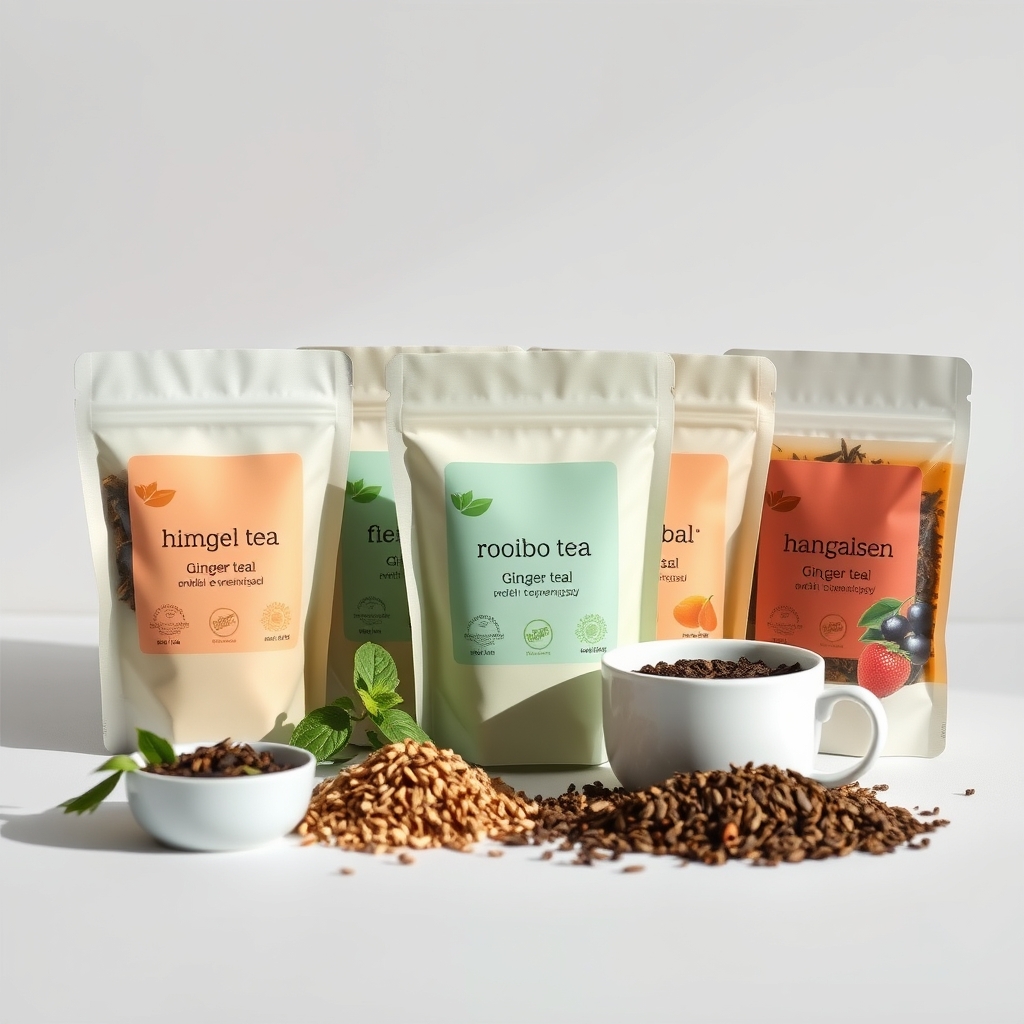
A variety of pregnancy-safe herbal tea bags and loose leaves laid out on a clean white surface, including ginger, peppermint, and rooibos.
Explore a range of caffeine-free herbal teas, like ginger and peppermint, as safe and soothing options during pregnancy.

Safe Herbal Tea Alternatives for Pregnant Women

If rooibos tea isn't quite your cup of tea, or you simply want more variety, there are several other safe and soothing herbal tea alternatives that are generally well-regarded for pregnancy. Always choose pure, unadulterated herbal teas without added ingredients unless you've verified their safety. * Peppermint Tea: Often recommended for mild nausea and digestive discomfort, peppermint tea can be very soothing. Look for pure peppermint leaf tea. * Ginger Tea: A classic remedy for morning sickness and general nausea. Fresh ginger steeped in hot water is very effective, or choose a pure ginger tea bag. * Lemon Water: While not a tea, warm or cold water with fresh lemon slices can be incredibly refreshing, aid digestion, and help with mild nausea. * Decaffeinated Black Tea: If you miss the robust flavor of black tea but need to avoid caffeine, decaffeinated versions are a good option. Ensure it's truly decaffeinated. * Decaffeinated Green Tea: Offers the antioxidant benefits of green tea without the caffeine. Again, verify it's a high-quality decaffeinated variety. * Fruit Infusions: Blends of dried fruits (like apple, berries, orange peel) steeped in hot water offer a naturally sweet and flavorful beverage without caffeine or added sugars. * Warm Milk: A simple, comforting, and calcium-rich option, especially before bed. * Plain Water: Don't forget the most essential beverage! Staying hydrated with plain water is paramount throughout pregnancy. When choosing any herbal tea, check the ingredient list carefully to ensure it doesn't contain other herbs that might not be recommended during pregnancy. For peace of mind, always opt for reputable brands.

Choosing Safe Rooibos Tea Brands During Pregnancy

When selecting rooibos tea, especially during pregnancy, quality matters. Opting for reputable brands and certain certifications can help ensure you're getting a pure product free from unwanted contaminants. Here's what to look for: * **Organic Certification:** Choosing organic rooibos tea can minimize exposure to pesticides and herbicides. Look for certifications like USDA Organic or the EU organic logo. This ensures the tea has been grown and processed without synthetic chemicals. * **Pure Rooibos:** Ensure the ingredient list specifies "100% rooibos" or "pure rooibos." Avoid blends that include other herbs, spices, or artificial flavorings unless you've thoroughly researched the safety of each additional ingredient during pregnancy. For example, some "chai rooibos" blends might contain spices like star anise or licorice root, which have specific considerations during pregnancy. * **Loose Leaf vs. Tea Bags:** Both can be good options. Loose leaf often offers a fresher taste and allows you to see the quality of the leaves. For tea bags, look for brands that use unbleached, compostable, or plastic-free bags to avoid potential chemical exposure from the bag material itself. * **Source and Processing:** Reputable brands are transparent about where their rooibos is sourced from (typically the Cederberg region of South Africa) and their processing methods. This indicates a commitment to quality. * **No Added Sugars or Sweeteners:** Stick to plain rooibos tea to avoid unnecessary sugar intake or artificial sweeteners, which are generally best limited during pregnancy. You can always add a touch of honey or a slice of lemon if you prefer a sweeter or tangier taste. By being mindful of these factors, you can confidently choose a high-quality rooibos tea that is safe for pregnancy and enjoyable.

Rooibos Tea and Iron Absorption: What Pregnant Women Need to Know

Iron is a critical nutrient during pregnancy, essential for producing hemoglobin to carry oxygen to your baby and prevent maternal anemia. Many teas, particularly black and green teas, contain tannins, compounds that can bind to non-heme iron (the type found in plant-based foods and supplements) and reduce its absorption by the body. This is a common concern for pregnant individuals trying to maintain healthy iron levels. The good news is that rooibos tea is naturally very low in tannins compared to other popular teas. This means that its impact on iron absorption is significantly less of a concern. While some sources might suggest a theoretical minimal effect, it's generally not considered clinically significant for rooibos tea when consumed in moderation as part of a balanced diet. However, if you are particularly concerned about iron absorption, or if your doctor has informed you that you are iron deficient, you can take a few simple precautions: * **Drink between meals:** To be extra cautious, consume rooibos tea at least an hour before or after iron-rich meals. * **Pair with Vitamin C:** Vitamin C significantly enhances non-heme iron absorption. If you're having rooibos with a meal, ensure that meal also includes a good source of vitamin C (e.g., bell peppers, oranges, strawberries). * **Listen to your doctor:** Always follow your healthcare provider's specific advice regarding iron supplementation and dietary intake. For most pregnant individuals, the low tannin content of rooibos tea means it's a very safe choice that won't significantly interfere with vital iron absorption. The benefits of rooibos tea safe for pregnancy generally outweigh any minor theoretical concerns in this regard. Understanding the safety of rooibos tea can lead to questions about other popular teas. Here's a quick look at the pregnancy safety of some common related teas:
Tea Type Safety Verdict Notes
Green Tea ⚠️ Safe with limits Contains caffeine (less than black tea, more than decaf). Limit to 1-2 cups/day due to caffeine and high tannin content.
Black Tea ⚠️ Safe with limits Contains caffeine. Limit to 1-2 cups/day to stay within recommended caffeine limits (ACOG suggests under 200 mg/day).
Peppermint Tea ✅ Generally Safe Often recommended for nausea and indigestion. Choose pure peppermint tea.
Ginger Tea ✅ Generally Safe Excellent for morning sickness and nausea. Fresh ginger is also a great option.
Raspberry Leaf Tea ⚠️ Talk to your doctor first Traditionally used in late pregnancy to tone the uterus, but discuss with your provider before consuming, especially in early pregnancy.
Chamomile Tea ⚠️ Safe with limits Generally considered safe in moderation for relaxation. Avoid if you have ragweed allergies. Some sources advise caution with large amounts.
Hibiscus Tea ❌ Best avoided Some studies suggest it may affect estrogen levels or induce menstruation, making it potentially unsafe during pregnancy.
Nettle Tea (Stinging Nettle) ⚠️ Talk to your doctor first Often used as a "nutritive" tea due to mineral content. Some sources recommend avoiding in early pregnancy; others deem safe in later stages. Consult your provider.
Dandelion Tea ⚠️ Talk to your doctor first Often used as a diuretic. While some consider it safe, its diuretic properties could be a concern for some, and it's best to discuss with your doctor.

Myth vs. Fact

When it comes to pregnancy and diet, myths abound. Let's clear up some common misconceptions about rooibos tea: * Myth: Rooibos tea is just like any other herbal tea, and all herbal teas are unsafe during pregnancy. Fact: This is a broad generalization. While some herbal teas should be avoided or consumed with caution during pregnancy, rooibos tea is one of the safest options. Its caffeine-free nature and lack of known contraindications set it apart from many other herbal varieties. Always check individual herbal teas with your doctor. * Myth: Rooibos tea can induce labor. Fact: There is no scientific evidence or traditional use to suggest that rooibos tea can induce labor. This myth might stem from confusion with other herbal teas like red raspberry leaf tea, which is sometimes used in late pregnancy (under medical guidance) to potentially tone the uterus, not induce labor. Rooibos tea has no such known effect. * Myth: Because rooibos tea has antioxidants, it's a "superfood" that can cure all pregnancy ailments. Fact: While rooibos tea is indeed rich in beneficial antioxidants, it's not a magical cure-all. It's a healthy beverage that can contribute to overall well-being and hydration, but it should be part of a balanced diet and healthy lifestyle, not a replacement for medical care or specific treatments for pregnancy-related conditions.

Key Takeaways

  • Rooibos tea is generally considered safe for pregnancy and breastfeeding due to its caffeine-free nature.
  • It can be a good source of hydration and offers beneficial antioxidants without known risks.
  • Enjoy 2-4 cups per day, ensuring you also drink plenty of plain water.
  • Rooibos tea's low acidity and mild flavor can help soothe mild nausea and heartburn.
  • Choose pure, organic rooibos tea from reputable brands to avoid unwanted additives or pesticides.
  • Its low tannin content means it's unlikely to significantly interfere with iron absorption, unlike some other teas.
  • Always consult your doctor about any specific health concerns or before making significant dietary changes.

Frequently Asked Questions

What teas are safe to drink while pregnant?

Many herbal teas are safe during pregnancy, particularly those that are caffeine-free and made from common, well-researched ingredients. Safe options include rooibos tea, peppermint tea, ginger tea, and fruit infusions. Decaffeinated versions of black and green tea are also generally safe in moderation. Always check ingredients and consult your doctor about specific herbal blends.

Does rooibos tea have caffeine?

No, rooibos tea is naturally 100% caffeine-free. This is one of its most significant advantages for pregnant individuals, as it allows you to enjoy a warm, flavorful beverage without worrying about caffeine intake, which should be limited during pregnancy.

Can rooibos tea help with morning sickness?

While rooibos tea isn't a direct remedy for morning sickness, its mild, slightly sweet, and non-acidic flavor can be soothing to a queasy stomach. It also contributes to hydration, which is essential when experiencing nausea. For more direct relief, ginger tea is often recommended.

Is it safe to drink red bush tea while pregnant?

Yes, "red bush tea" is another common name for rooibos tea, and it is widely considered safe to drink during pregnancy. Its caffeine-free nature and beneficial antioxidants make it an excellent choice for expecting parents looking for a healthy, comforting beverage.

What are the benefits of rooibos tea during pregnancy?

Rooibos tea offers several benefits during pregnancy, including excellent hydration, a boost of antioxidants, and potential relief for mild nausea and heartburn due to its low acidity. It's also naturally caffeine-free, promoting relaxation without stimulation.

Are there any risks to drinking rooibos tea during pregnancy?

The risks associated with drinking rooibos tea during pregnancy are very low. It's generally considered safe. Rare potential issues include mild allergic reactions or, theoretically, very slight interference with iron absorption if consumed with meals (though this is minimal). Always consult your doctor if you have specific health concerns.

How much rooibos tea is safe during pregnancy?

Most healthcare providers suggest that 2-4 cups of rooibos tea per day is a safe and moderate amount during pregnancy. Since it's caffeine-free, there isn't a strict upper limit, but it's important to balance tea consumption with plenty of plain water for optimal hydration.

Is organic rooibos tea better for pregnancy?

Choosing organic rooibos tea is generally a good practice for pregnancy. Organic certification ensures the tea is grown without synthetic pesticides and herbicides, minimizing your exposure to these chemicals. This provides an extra layer of reassurance regarding the purity of your beverage.

When to Call Your Doctor

While rooibos tea is generally safe, it's always important to listen to your body and consult your healthcare provider if you have any concerns. Call your doctor or midwife if you experience: * Any symptoms of an allergic reaction after drinking rooibos tea, such as hives, rash, difficulty breathing, or swelling. * Unusual digestive upset, severe nausea, or diarrhea that you suspect is related to tea consumption. * New or worsening symptoms during pregnancy that are not improving, regardless of your tea intake. * If you have a pre-existing medical condition, are on medication, or have been advised to limit certain foods or drinks, and you are unsure if rooibos tea is appropriate for you. This article is for informational purposes only and is not a substitute for professional medical advice, diagnosis, or treatment. Always seek the advice of your physician or other qualified health provider with any questions you may have regarding a medical condition.

References

  1. American College of Obstetricians and Gynecologists (ACOG). (2020). *Nutrition During Pregnancy*.
  2. National Health Service (NHS). (2023). *Foods to avoid in pregnancy*.
  3. Food and Drug Administration (FDA). (General guidance on food safety during pregnancy).
  4. Mayo Clinic. (2023). *Caffeine: How much is too much during pregnancy?*
  5. World Health Organization (WHO). (General guidance on maternal nutrition).
  6. Journal of Ethnopharmacology. (Various studies on *Aspalathus linearis* properties).

Editor's pick for this topic

Shubhra Mishra

About the Author

When Shubhra Mishra was expecting her first child in 2016, she was overwhelmed by conflicting food advice — one site said yes, another said never. By the time her second baby arrived in 2019, she realized millions of mothers face the same confusion.

That sparked a five-year journey through clinical nutrition papers, cultural diets, and expert conversations — all leading to BumpBites: a calm, compassionate space where science meets everyday motherhood.

Her long-term vision is to build a global community ensuring safe, supported, and free deliveriesfor every mother — because no woman should face pregnancy alone or uninformed. 🌿

🌍 Stand with mothers, shape safer guidance

Join a small circle of experts who review BumpBites articles so expecting parents everywhere can decide with confidence.

⚠️ Always consult your doctor for medical advice. This content is informational only.