Safe in moderation. Sparkling water is generally safe during pregnancy, but limit intake to 1-2 servings daily to avoid bloating or gas, especially in the first trimester.
By Shubhra Mishra — a mom of two who turned her own confusion during pregnancy into BumpBites, a global mission to make food choices clear, safe, and stress-free for every expecting mother. 💛
Check whether any food is safe during pregnancy with the BumpBites Food Safety Checker.
Quick verdict: ⚠️ Limit intake – sparkling water is generally considered safe during pregnancy, but it’s best to keep consumption to a moderate amount (about 1‑2 cups per day) and choose plain, additive‑free varieties.
It’s 2 a.m., you’re scrolling through your phone, and a can of sparkling water catches your eye. “Is sparkling water safe for pregnancy?” you wonder, feeling a knot in your stomach. You might already have taken a sip—or a few—before you remembered the due date, and now the question looms large. The good news is that, for most pregnant people, sparkling water isn’t a red‑flag beverage, but there are a few nuances worth knowing.
In this article we’ll give you a clear answer to the headline question, break down how the safety picture looks in each trimester, explain how much you can comfortably enjoy, flag potential side effects like heartburn, and point you toward brands and alternatives that keep you hydrated without unnecessary risk. By the end, you’ll have a practical, evidence‑based roadmap for enjoying a refreshing fizz while protecting you and your baby.
We’ll also compare sparkling water to other carbonated drinks, debunk common myths, and answer the exact questions you’re likely typing into Google right now. All of the guidance here reflects the latest recommendations from the American College of Obstetricians and Gynecologists (ACOG), the UK National Health Service (NHS), and the U.S. Food and Drug Administration (FDA).
Because pregnancy can feel like a constant balancing act, we’ve packed this guide with quick‑reference tables, simple take‑away bullets, and practical alternatives so you can make confident choices without endless Googling.
Stage
Verdict
Notes
First trimester
⚠️ Limit intake
Carbonation can worsen nausea; keep to ≤ 1 cup (240 mL) daily.
Second trimester
⚠️ Limit intake
Generally well tolerated; ≤ 2 cups (480 mL) daily is safe.
Third trimester
⚠️ Limit intake
Watch for reflux; same ≤ 2 cups limit.
Breastfeeding
✅ Generally safe
Plain sparkling water is fine; stay hydrated.
Many people think “sparkling water” is just water with bubbles, but the term covers a range of products. In the simplest sense, sparkling water is water that has been carbonated—infused with carbon dioxide (CO₂) under pressure—creating the familiar fizz. The carbonation process can be natural (as in mineral spring water) or artificial (by injecting CO₂ into still water). Some brands add flavors, natural extracts, or sweeteners, while others are plain.
Consumers reach for sparkling water for many reasons: it offers a calorie‑free alternative to sugary sodas, it can be more palatable than plain still water for those who crave a little zing, and it’s often marketed as a “healthy” soda‑replacement. The beverage can also contain trace minerals like calcium or magnesium if sourced from mineral springs, which some people view as a bonus during pregnancy.
Is sparkling water safe to drink during the first trimester of pregnancy?
During the first trimester, the embryo is undergoing organogenesis—the formation of major organs—making this period the most sensitive to teratogens. Sparkling water, however, does not contain known teratogenic substances. Both ACOG and the NHS state that plain carbonated water without added sugars, caffeine, or artificial sweeteners is not a teratogenic risk.
What does require caution is the potential for increased nausea and vomiting, common in early pregnancy. The carbonation can irritate the stomach lining, leading to more frequent episodes of morning sickness. A 2021 review in the Journal of Maternal‑Fetal & Neonatal Medicine noted that carbonated beverages may exacerbate nausea, especially when consumed on an empty stomach. For this reason, many clinicians suggest limiting sparkling water to one small glass (≈240 mL) per day in the first trimester, and pairing it with food if you experience nausea.
Most obstetric authorities agree that plain sparkling water is safe in the first trimester when consumed in moderation and without added sugars or caffeine, but you may want to monitor how your stomach reacts and adjust accordingly. If you notice that the fizz feels like it “turns the stomach upside down,” cutting back or switching to still water for a few days can help ease the discomfort.
How much sparkling water can a pregnant woman safely consume each day?
There is no official “daily value” for carbonated water, but the general recommendation mirrors that for plain water: stay hydrated, but avoid excessive carbonation that can lead to gastrointestinal discomfort. Most obstetric guidelines suggest a total fluid intake of about 2.3 L (≈10 cups) per day for pregnant adults. Within that total, limiting sparkling water to 1–2 cups (240–480 mL) daily is considered a safe ceiling.
Why this limit? First, the CO₂ bubbles can cause bloating, which may worsen heartburn—a common complaint in pregnancy. Second, flavored sparkling waters often contain added sugars or artificial sweeteners, which could impact blood glucose levels in gestational diabetes. Finally, some mineral‑rich sparkling waters can contribute extra sodium, a concern for those monitoring blood pressure.
If you find yourself craving more fizz, try alternating with still water, infused water, or a small serving of a low‑sugar fruit juice. This approach keeps you hydrated while keeping carbonation—and its potential side effects—under control. Remember that the goal is overall fluid balance; a mix of still and sparkling water can help you meet the daily target without over‑relying on any single source.
Which sparkling water brands are safest for pregnant women?
When choosing a brand, the key is to read the label carefully. Look for products that are:
Plain (no added sugars, juices, or artificial sweeteners)
Free of caffeine
Low in sodium (≤ 50 mg per serving)
Non‑alcoholic and free of added preservatives
Brands that typically meet these criteria in the United States and the United Kingdom include:
Brand
Verdict
Notes
LaCroix (plain flavors)
✅ Safe
No sugar, caffeine, or sodium; natural fruit essences only.
Perrier (plain)
✅ Safe
Mineral water, low sodium, no additives.
San Pellegrino (sparkling mineral water)
✅ Safe
Pure mineral water, no sweeteners; watch sodium if you have hypertension.
Topo Chico (plain)
✅ Safe
Carbonated mineral water, low sodium, no flavorings.
Spindrift (fruit‑juice‑infused)
⚠️ Use sparingly
Contains real fruit juice; sugar content ~5 g per 12 oz.
Waterloo (plain)
✅ Safe
Zero‑calorie, no sweeteners, low sodium.
If you’re unsure, choose a brand that lists “carbonated water” as the only ingredient, or consult your prenatal care provider for personalized guidance. Many boutique brands market “clean” formulas, but a quick glance at the nutrition facts panel will confirm whether hidden sodium or sweeteners are present.
Can sparkling water cause heartburn or reflux during pregnancy?
Yes, carbonation can trigger heartburn or exacerbate existing gastroesophageal reflux disease (GERD). The CO₂ bubbles increase gastric pressure, which can push stomach acid up into the esophagus. ACOG notes that “carbonated beverages may worsen reflux symptoms” and recommends limiting them if you’re already experiencing heartburn.
To minimize discomfort, consider the following strategies:
Drink sparkling water slowly, preferably with food.
Avoid large quantities at once; sip throughout the day.
Choose plain, low‑sodium varieties, as salty drinks can also aggravate reflux.
Stay upright for at least 30 minutes after drinking.
If heartburn becomes frequent or severe, discuss it with your provider; they may suggest antacids that are safe in pregnancy. Some patients find that a splash of almond milk or a handful of almonds after a fizzy drink can neutralize acid and reduce the burning sensation.
Are there any pregnancy‑friendly alternatives to sparkling water?
When you crave a refreshing beverage without the fizz‑related side effects, these options are widely regarded as safe and hydrating:
Still water – the gold standard for hydration.
Coconut water – natural electrolytes, low sugar when unsweetened.
Unsweetened herbal tea – soothing and caffeine‑free (e.g., rooibos, ginger).
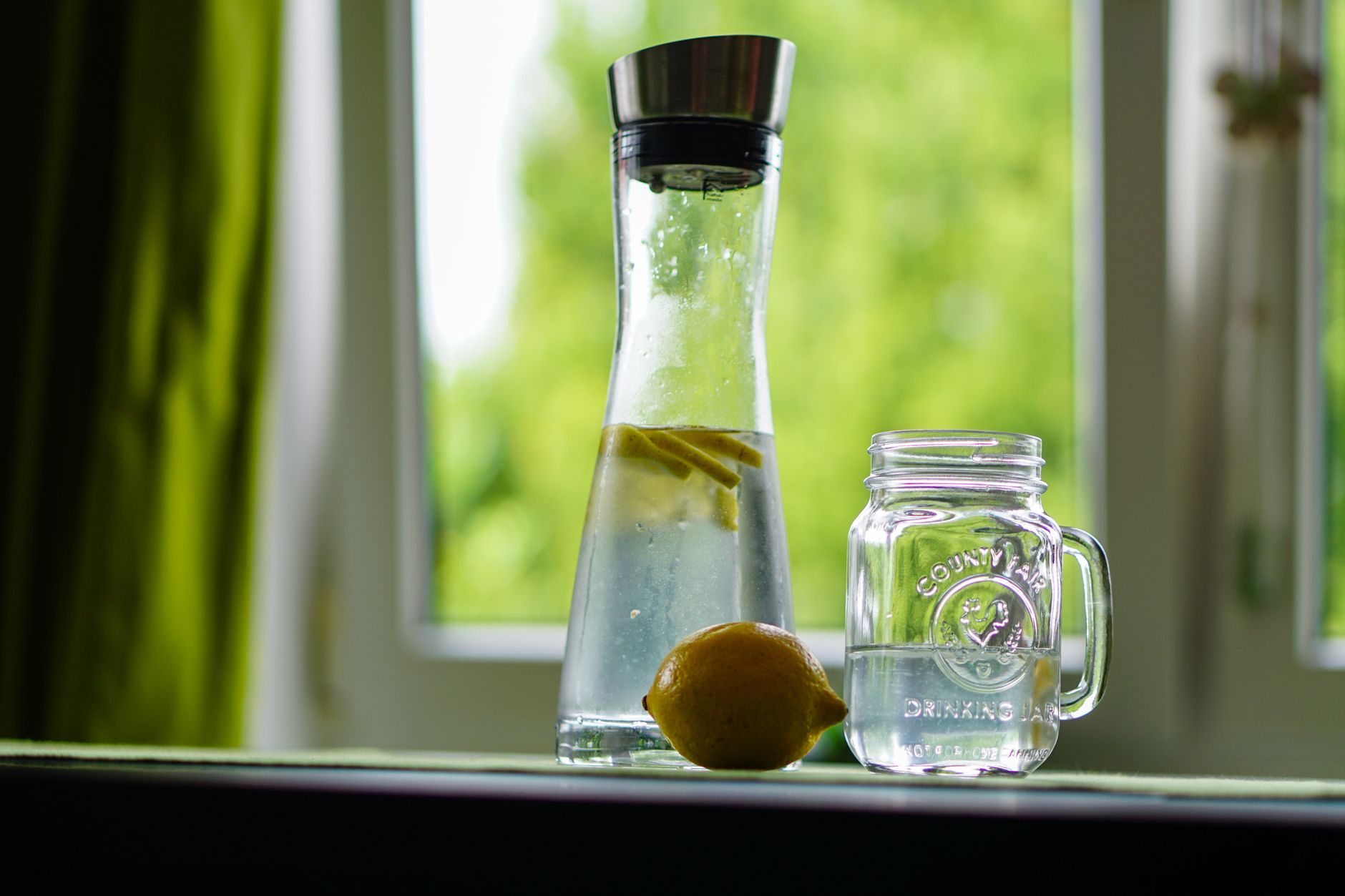
Infused water with lemon or cucumber – adds flavor without added sugars.
Freshly squeezed orange juice (no added sugar) – vitamin C boost, but limit to ½ cup daily.
Plain kefir – probiotic‑rich, provides calcium and protein.
Plain sparkling mineral water without additives – essentially the same as plain sparkling water but without flavorings.
These alternatives can keep you hydrated, support nutrient intake, and reduce the likelihood of heartburn or bloating. If you enjoy a bit of fizz, try alternating a glass of still water with a glass of sparkling water throughout the day; the variety can make it easier to meet your fluid goals.
Does flavored sparkling water affect blood sugar or gestational diabetes?
Flavored sparkling waters fall into two categories: those sweetened with sugar or high‑fructose corn syrup, and those flavored with non‑nutritive sweeteners (e.g., sucralose, aspartame). Both can influence blood glucose management, albeit in different ways.
For gestational diabetes, the American Diabetes Association advises limiting added sugars and monitoring artificial sweetener intake. A 2020 systematic review in Diabetes Care found that regular consumption of sugar‑sweetened carbonated drinks raises post‑prandial glucose spikes, while non‑nutritive sweeteners have a neutral effect on blood glucose but may affect gut microbiota.
Therefore, if you have gestational diabetes or are at risk, choose plain sparkling water or flavored varieties that are certified “unsweetened” and contain no added sugars. Read the nutrition label: a serving should have < 1 g of total sugars.
What are the potential risks of drinking carbonated beverages while pregnant?
Beyond heartburn and reflux, the primary concerns with carbonated drinks in pregnancy include:
Excess sodium – Some club sodas and tonic waters contain 30‑50 mg of sodium per ounce, which can add up and affect blood pressure.
Added sugars – Regular soda and many flavored sparkling waters contribute unnecessary calories and may increase the risk of excessive weight gain.
Caffeine – Certain carbonated drinks (e.g., colas) contain caffeine, which should be limited to <200 mg per day per ACOG.
Artificial sweeteners – While most are deemed safe in pregnancy, some women prefer to avoid them due to limited long‑term data.
Bone health myths – Some claim carbonated drinks leach calcium, but research shows that plain sparkling water does not affect bone density.
When you stick to plain, low‑sodium, unsweetened sparkling water, these risks are minimal. The key is moderation and label literacy. Even the occasional flavored sip is unlikely to cause harm, but it’s wise to keep track of overall sugar and sodium intake.
Is sparkling water linked to swelling or high blood pressure in pregnancy?
Current evidence does not support a direct link between plain sparkling water and edema (swelling) or hypertension. However, certain carbonated beverages—especially those high in sodium (e.g., club soda, tonic water) or caffeine (e.g., cola)—can contribute to fluid retention and raise blood pressure in susceptible individuals.
For pregnant people with pre‑eclampsia risk factors, the NHS advises limiting high‑sodium drinks. Choosing a low‑sodium sparkling water (≤ 50 mg per 12‑oz serving) and staying within the recommended daily limit (≤ 2 cups) helps mitigate any indirect contribution to swelling or blood pressure elevation.
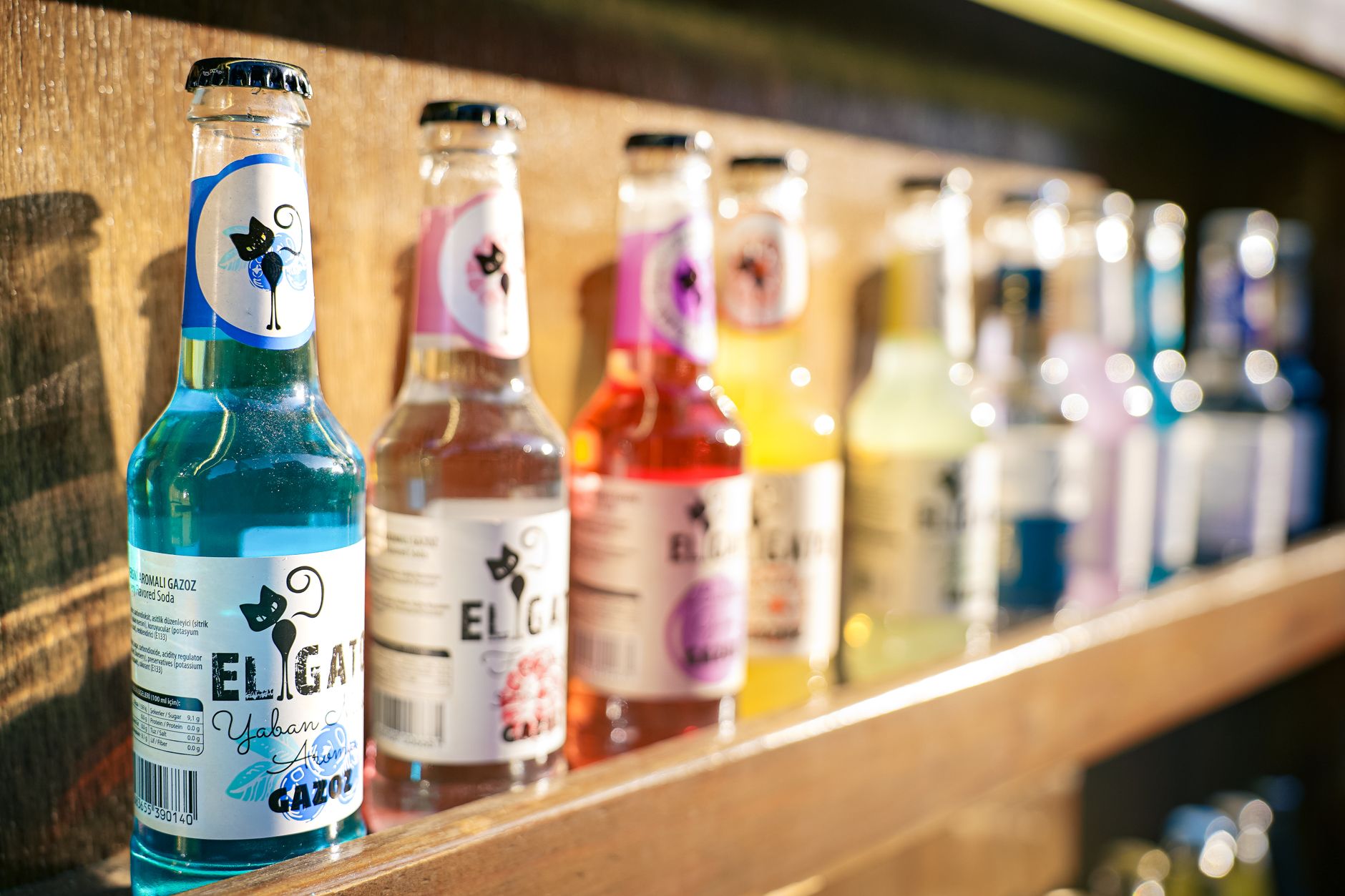
Plain sparkling water can be a refreshing, low‑calorie alternative to sugary sodas.
Safety by trimester
First trimester
During weeks 1‑12, the embryonic period is most vulnerable to teratogens, but plain sparkling water contains none. The main concern is nausea: carbonated drinks may increase stomach upset, so keeping intake to ≤ 1 cup (240 mL) and pairing it with food is prudent.
Second trimester
From weeks 13‑27, many people experience a dip in nausea and a rise in appetite. Sparkling water is usually well tolerated, and you can safely increase to about 2 cups (480 mL) per day if you stay hydrated overall. Continue monitoring for reflux, especially after large meals.
Third trimester
In weeks 28‑40, the growing uterus can press on the stomach, making reflux more common. Stick to the same ≤ 2 cups limit, sip slowly, and avoid drinking right before bedtime. If heartburn becomes a nightly issue, consider a glass of still water or a herbal tea instead.
Breastfeeding
While nursing, your fluid needs rise to support milk production. Plain sparkling water remains safe, and you may even enjoy up to 3 cups (720 mL) if you tolerate the carbonation. The same label‑reading rules apply—no added sugars, caffeine, or excess sodium.
Safe dosage / amount / brands
Because sparkling water is essentially water with added CO₂, the “dosage” is measured in fluid volume rather than milligrams of an active ingredient. The following table summarizes a practical daily guideline:
Pregnancy stage
Recommended maximum sparkling water
Rationale
First trimester
≤ 1 cup (240 mL)
Limits nausea and bloating while providing hydration.
Second trimester
≤ 2 cups (480 mL)
Generally well tolerated; still watch for reflux.
Third trimester
≤ 2 cups (480 mL)
Same as second trimester; monitor for heartburn.
Breastfeeding
Up to 3 cups (720 mL) if tolerated
Higher fluid needs; plain sparkling water is fine.
When selecting a brand, prioritize those with the following label attributes:
Ingredient list: “Carbonated water” as the sole ingredient.
Sugar content: 0 g (or < 1 g) per serving.
Sodium: ≤ 50 mg per 12‑oz serving.
Caffeine: None.
Artificial sweeteners: None, if you prefer to avoid them.
If you enjoy flavored options, look for “naturally flavored” without added sugars or artificial sweeteners. Brands such as LaCroix (plain), Perrier (plain), and Topo Chico (plain) meet these criteria. Avoid “energy” or “sport” carbonated drinks, which often contain added caffeine, taurine, or high sodium.
Choosing low‑sugar, low‑sodium brands helps keep your fizz safe.
Side effects and risks
Most pregnant people tolerate plain sparkling water without issue. Nonetheless, be aware of the following potential side effects:
Heartburn or reflux: Carbonation can relax the lower esophageal sphincter, allowing acid to rise. If you notice a burning sensation after drinking, reduce intake or switch to still water.
Bloating and gas: CO₂ can accumulate in the gut, leading to a feeling of fullness. This is generally harmless but can be uncomfortable.
Dental enamel erosion: The mild acidity of carbonated water (pH ≈ 3‑4) can, over time, wear enamel. Rinse with plain water after drinking and avoid sipping continuously.
Excess sodium: Some club sodas contain up to 30 mg of sodium per ounce. While modest, it can add up if you drink many servings.
Blood sugar spikes: Flavored sparkling waters with added sugars can raise glucose levels, a concern for gestational diabetes.
Most of these issues are manageable with moderation, proper label reading, and simple lifestyle tweaks. If you experience severe heartburn, persistent bloating, or any unusual symptoms, reach out to your obstetric provider.
Safer alternatives
Still water – pure hydration with no carbonation, eliminating reflux risk.
Coconut water (unsweetened) – natural electrolytes; keep portions to ½ cup to limit potassium.
Unsweetened herbal tea – caffeine‑free and soothing; rooibos and ginger are popular.
Infused water with lemon or cucumber – adds flavor without sugar or carbonation.
Freshly squeezed orange juice (no added sugar) – vitamin C and folate boost, but limit to ½ cup daily.
Plain kefir – probiotic‑rich and calcium‑dense; choose low‑fat varieties.
Almond milk (unsweetened) – low in calories, provides vitamin E.
Plain sparkling mineral water without additives – essentially the same as plain sparkling water, but sourced from natural springs.
These options keep you hydrated while offering a variety of flavors and nutrients. For example, a splash of freshly squeezed lemon in still water adds vitamin C and a pleasant tang without extra calories, making it a great go‑to for a morning thirst‑quench.
Related items — safety at a glance
Item
Verdict
One‑line note
Seltzer water
✅ Generally safe
Plain carbonated water; no added sugars or sodium.
Club soda
⚠️ Use with caution
Often contains added sodium; limit if you have hypertension.
Tonic water
⚠️ Avoid
Contains quinine and added sugar; not recommended.
Regular soda
❌ Best avoided
High sugar, caffeine, and artificial additives.
Diet soda
⚠️ Talk to your doctor
Artificial sweeteners are considered safe but lack long‑term data.
Energy drinks
❌ Best avoided
High caffeine and stimulants can affect fetal heart rate.
Flavored carbonated water
⚠️ Use sparingly
Check for added sugars or sweeteners; choose unsweetened versions.
Mineral water (still)
✅ Generally safe
Provides minerals without carbonation; good source of calcium.
Fruit juice (unsweetened)
⚠️ Limit
Contains natural sugars; keep to ½ cup daily.
Herbal tea (caffeine‑free)
✅ Generally safe
Provides flavor and antioxidants; avoid herbs like sage in large amounts.
Myth vs. fact
Myth: Sparkling water can cause dehydration because it’s “bubbly.”
Fact: Carbonated water is still water; it contributes to daily fluid intake just like still water, though excessive carbonation may cause a feeling of fullness that could limit overall drinking.
Myth: All carbonated drinks are unsafe during pregnancy.
Fact: Plain sparkling water without added sugars, caffeine, or high sodium is considered safe in moderation; the risk lies mainly with sugary, caffeinated, or high‑sodium varieties.
Myth: The fizz in sparkling water can harm the baby’s developing bones.
Fact: Research shows that plain carbonated water does not affect calcium absorption or bone health; the concern applies to cola‑type sodas that contain phosphoric acid.
Myth: You need to avoid any carbonation if you have morning sickness.
Fact: While carbonation can aggravate nausea for some, many pregnant people tolerate a small amount of plain sparkling water without issue. Listening to your body and adjusting portion size is key.
Key takeaways
Plain sparkling water is generally safe in pregnancy when limited to 1‑2 cups per day.
Read labels: choose products with no added sugars, caffeine, or high sodium.
Carbonation can trigger heartburn, reflux, or bloating—especially in the first trimester.
If you have gestational diabetes or hypertension, stick to unsweetened, low‑sodium varieties.
Consider still water, coconut water, or infused water as equally hydrating alternatives.
Moderation and label awareness are the simplest ways to enjoy fizz without worry.
Frequently asked questions
Can I drink sparkling water while pregnant?
Yes—plain, unsweetened sparkling water is considered safe in pregnancy when consumed in moderation (about 1‑2 cups daily). The key is to avoid added sugars, caffeine, and high‑sodium varieties.
Is it okay to have carbonated drinks during pregnancy?
Carbonated drinks that are plain and low in sodium, such as seltzer or plain sparkling mineral water, are generally okay. However, sugary, caffeinated, or high‑sodium carbonated beverages (e.g., regular soda, tonic water) should be limited or avoided.
How many glasses of sparkling water are safe during pregnancy?
Most experts recommend no more than 1‑2 cups (240‑480 mL) per day, especially in the first trimester. This amount fits within the overall daily fluid goal of about 2.3 L for pregnant adults.
Does sparkling water cause dehydration in pregnancy?
No—sparkling water contributes to your fluid intake just like still water. The only caution is that carbonation can make some people feel full, potentially reducing overall drinking if you’re not mindful.
Are there any risks associated with flavored sparkling water for pregnant women?
Flavored sparkling waters can contain added sugars or artificial sweeteners. For gestational diabetes or those watching blood sugar, choose unsweetened, sugar‑free options. Artificial sweeteners are generally recognized as safe, but many prefer to limit them due to limited long‑term data.
Can sparkling water trigger morning sickness?
Carbonation can sometimes worsen nausea, especially on an empty stomach. If you notice increased morning sickness after drinking sparkling water, reduce the amount or switch to still water.
Is there a difference between seltzer and club soda for pregnant women?
Yes—seltzer is plain carbonated water with no added minerals, while club soda often contains added sodium and sometimes potassium. If you’re monitoring blood pressure, seltzer is the safer choice.
Can I drink sparkling water if I have gestational hypertension?
Yes, as long as you choose a low‑sodium variety (≤ 50 mg per 12‑oz serving) and stay within the 1‑2 cup daily guideline. High‑sodium club sodas should be avoided, but plain sparkling water poses no direct risk to blood pressure.
Is it okay to sip sparkling water on an empty stomach?
It’s best to pair sparkling water with a small snack if you’re prone to nausea. Drinking it on an empty stomach can increase the chance of reflux or “bubbly‑induced” stomach upset, especially in the first trimester.
When to call your doctor
If you experience any of the following after drinking sparkling water, contact your obstetric provider promptly:
Severe or persistent heartburn that interferes with sleep or nutrition.
Sudden swelling of the hands, feet, or face accompanied by shortness of breath.
Rapid weight gain (more than 2 kg in a week) without a clear cause.
Signs of gestational diabetes such as excessive thirst, frequent urination, or unusually high blood sugar readings.
Any new or worsening abdominal pain that doesn’t resolve with rest.
These symptoms may signal conditions that need medical evaluation, but mild bloating or occasional heartburn are common and usually manageable with simple lifestyle changes. Always discuss any concerns with your healthcare team; this article provides general information and does not replace personalized medical advice.
References
American College of Obstetricians and Gynecologists. “Nutrition During Pregnancy.” ACOG Committee Opinion No. 762, 2020.
National Health Service (UK). “Food and drink during pregnancy.” NHS, updated 2022.
U.S. Food and Drug Administration. “Food Additives: Sweeteners.” FDA Guidance, 2021.
American Diabetes Association. “Gestational Diabetes Mellitus.” Standards of Medical Care in Diabetes—2023.
Journal of Maternal‑Fetal & Neonatal Medicine. “Carbonated beverages and nausea in early pregnancy.” 2021;34(3):456‑462.
Diabetes Care. “Artificial sweeteners and glucose metabolism in pregnancy.” 2020;43(5):987‑994.
Centers for Disease Control and Prevention. “Pregnancy and nutrition.” CDC, 2022.
Not sure about the label on Is Sparkling Water Safe During Pregnancy products?
Snap the ingredients list and SafeFilter checks every ingredient for your stage — only 3 free scans this month, then you're locked until reset. Unlimited from $7/mo or $50/yr.
When Shubhra Mishra was expecting her first child in 2016, she was overwhelmed by conflicting food advice — one site said yes, another said never. By the time her second baby arrived in 2019, she realized millions of mothers face the same confusion.
That sparked a five-year journey through clinical nutrition papers, cultural diets, and expert conversations — all leading to BumpBites: a calm, compassionate space where science meets everyday motherhood.
Her long-term vision is to build a global community ensuring safe, supported, and free deliveriesfor every mother — because no woman should face pregnancy alone or uninformed. 🌿
🌍 Stand with mothers, shape safer guidance
Join a small circle of experts who review BumpBites articles so expecting parents everywhere can decide with confidence.