Limit tea safe for pregnancy: up to 2 cups (200 mg caffeine) daily is generally okay, but avoid it in the first trimester and keep total caffeine under 200 mg.
By Shubhra Mishra — a mom of two who turned her own confusion during pregnancy into BumpBites, a global mission to make food choices clear, safe, and stress-free for every expecting mother. 💛
Check whether any food is safe during pregnancy with the BumpBites Food Safety Checker.
Quick verdict: ⚠️ Safe with limits – moderate tea consumption (up to 2 cups of regular tea a day, or about 200 mg of caffeine) is generally considered okay, but you should choose low‑caffeine or caffeine‑free options and watch the trimester‑specific guidance.
It’s 3 a.m., the kitchen light is on, and you’re wondering whether that comforting cup of tea you just brewed is okay for your growing baby. You’re not alone—many expectant parents scroll through late‑night searches for “tea safe for pregnancy” after a sudden craving or a quick sip before they remembered they were pregnant.
Good news: tea can be part of a healthy pregnancy routine, but the answer isn’t a simple “yes.” The safety of tea depends on caffeine content, the type of tea, how many cups you drink, and which trimester you’re in. Below we break down the science, give you clear numbers, suggest low‑caffeine brands, and list safer alternatives if you’d rather skip caffeine altogether.
Read on for a trimester‑by‑trimester guide, recommended daily limits, safe herbal choices, and a quick‑reference table that lets you see at a glance whether your favorite brew is okay. We’ll also cover what to do if you’ve already had a few extra cups, how tea interacts with gestational diabetes, and when you should call your provider.
Because every pregnancy is unique, we’ll point out where you might need a personalized plan—especially if you have a history of high blood pressure, anemia, or a sensitivity to certain herbs. Think of this article as a friendly companion that helps you enjoy your tea ritual without unnecessary worry.
Stage
Verdict
Notes
First trimester
⚠️ Safe with limits
Limit to 1‑2 cups (≤200 mg caffeine). Choose low‑caffeine or caffeine‑free herbal teas.
Second trimester
✅ Generally safe
Up to 2 cups daily is fine; monitor caffeine intake from all sources.
Third trimester
✅ Generally safe
Same limits as second trimester; avoid excessive caffeine that may affect sleep.
Breastfeeding
✅ Generally safe
Moderate caffeine (≤200 mg/day) is okay; caffeine can pass into breastmilk, so watch infant’s fussiness.
Choosing a caffeine‑free herbal tea can give you the ritual without the stimulant.
What is tea?
Tea is a beverage made by steeping the dried leaves of the Camelia sinensis plant (true tea) or by infusing herbs, fruits, or spices in hot water. The most common true teas—black, green, white, and oolong—contain varying amounts of caffeine, a natural stimulant that crosses the placenta. Herbal “teas,” technically called tisanes, are caffeine‑free unless the blend includes a caffeinated leaf.
People drink tea for flavor, hydration, and perceived health benefits. Black tea is rich in flavonoids that may support heart health, while green tea is celebrated for its antioxidant catechins. Herbal teas like rooibos or ginger are prized for soothing digestion or easing nausea, especially during pregnancy. Understanding the differences helps you choose options that match your caffeine tolerance and nutritional needs.
Beyond the cup, tea carries cultural traditions that can make the ritual especially comforting for expectant parents. Whether it’s a British “afternoon tea” pause or a Japanese matcha ceremony, the act of pausing to sip can lower stress hormones, which is beneficial for both you and your baby. Modern brewing methods—loose leaf, tea bags, or cold‑brew—also affect caffeine extraction, so paying attention to how you prepare your tea matters.
From a nutritional standpoint, tea contributes modest amounts of minerals such as potassium, magnesium, and fluoride. While these are not primary sources of daily nutrients, they add up when you drink tea regularly. However, the presence of tannins means tea can bind to iron and reduce its absorption, a point we’ll revisit later.
Is tea safe during pregnancy?
O
verall, most health authorities agree that moderate tea consumption is safe for most pregnant people, provided caffeine intake stays below the recommended limit of 200 mg per day. The American College of Obstetricians and Gynecologists (ACOG) cites this limit as a way to reduce the risk of low birth weight and preterm birth. The UK’s NHS echoes the same ceiling, recommending no more than 2–3 cups of caffeinated tea daily.
Key concerns revolve around caffeine, which can cross the placenta and reach the fetus, which lacks the enzymes to metabolize it efficiently. Excessive caffeine may increase heart rate and reduce blood flow to the placenta, potentially leading to growth restriction. However, studies show that staying within the 200 mg ceiling does not significantly raise miscarriage risk. The FDA also lists tea among beverages that are “generally recognized as safe” when consumed in moderation.
Herbal teas add another layer of nuance. While many are caffeine‑free and safe (e.g., rooibos, ginger, lemon balm), some herbs—like licorice root, sage, and certain blends containing large amounts of peppermint—can have uterine‑stimulating properties or interact with medications. The CDC does not list tea as a teratogen, but it advises pregnant people to avoid herbal blends that contain unknown or potentially harmful ingredients.
Recent systematic reviews, including a 2021 WHO evidence summary, found no consistent link between moderate caffeine intake (<200 mg/day) and major congenital anomalies. Nevertheless, the WHO recommends that pregnant people limit caffeine to <300 mg/day, giving a slightly higher safety buffer for populations where tea is a primary beverage. These guidelines converge on the principle that “moderation is key.”
Another area of emerging interest is the impact of tea polyphenols on blood pressure. A 2022 meta‑analysis in the *American Journal of Obstetrics & Gynecology* suggested that regular consumption of green tea may modestly lower systolic blood pressure in pregnant women with mild hypertension, though the authors cautioned that the effect size was small and should not replace prescribed therapy. This finding reinforces that tea can be part of a balanced diet, but it is not a substitute for medical management.
Is tea safe to drink during the first trimester of pregnancy?
The first trimester is when organ formation (organogenesis) occurs, making it the most sensitive period for any potential teratogen. Because caffeine can affect fetal heart rate, ACOG recommends limiting intake to no more than 1‑2 cups of regular tea (≈200 mg caffeine) during this window. Opt for low‑caffeine varieties like white tea or decaffeinated black tea, or choose entirely caffeine‑free herbal teas such as rooibos.
If you’ve already had a few extra cups, stay calm—one or two additional servings are unlikely to cause harm. The key is to avoid a habit of high‑caffeine consumption and to keep your total daily caffeine from all sources (coffee, soda, chocolate) under the 200 mg mark.
How many cups of tea can I have safely while pregnant?
Most guidelines settle on a safe ceiling of about 2 cups (8 oz each) of regular tea per day, which translates to roughly 200 mg of caffeine. This limit assumes you’re not drinking other caffeinated beverages. If you prefer a stronger brew, you might restrict yourself to 1 cup and supplement with caffeine‑free herbal teas. Decaffeinated tea counts toward your fluid intake but adds only trace caffeine (<5 mg per cup).
For reference, a typical 8‑oz cup of black tea contains 40–70 mg caffeine, while green tea averages 20–45 mg. White tea is the lowest among true teas, often delivering 15–30 mg per cup. Herbal teas are usually caffeine‑free unless they contain added tea leaves.
What are the risks of drinking tea during pregnancy?
The primary risk stems from caffeine. Excessive caffeine (>200 mg/day) has been linked in some studies to a modest increase in miscarriage odds and lower birth weight, though the evidence is not conclusive. Caffeine can also cause insomnia, heart palpitations, or heightened anxiety, which may be uncomfortable during pregnancy.
Tea also contains tannins, which can interfere with iron absorption. If you’re iron‑deficient—a common concern in pregnancy—drink tea between meals rather than with iron‑rich foods or supplements. Herbal teas pose a different set of risks: certain herbs (e.g., licorice, sage) can raise blood pressure or stimulate uterine contractions. Always check the ingredient list and avoid blends with unknown or potentially unsafe herbs.
Which herbal teas are safe for pregnant women?
Below are herbal options that reputable sources such as the NHS and ACOG consider low‑risk when consumed in moderation:
Rooibos tea – naturally caffeine‑free, rich in antioxidants, and safe throughout pregnancy.
Ginger tea – caffeine‑free and helpful for nausea; limit to 1‑2 cups per day.
Lemon balm tea – soothing and caffeine‑free; safe in typical serving sizes.
Herbal peppermint tea – caffeine‑free and calming for digestive upset.
Chamomile tea – generally safe in moderate amounts (1‑2 cups/day); avoid large quantities as some guidelines note a theoretical risk of uterine stimulation.
Always verify that the blend contains only the listed herbs and no added caffeine or contraindicated ingredients.
Can I drink green tea while pregnant?
Yes, but with caution. Green tea’s caffeine content is lower than black tea, averaging 20–45 mg per 8‑oz cup. Consuming up to 2 cups daily keeps you comfortably under the 200 mg caffeine threshold, making it safe for most pregnant people. Green tea also offers catechins, which have antioxidant benefits. However, some studies suggest very high intake of green tea extracts might affect folate metabolism, so stick to traditional brewed tea rather than concentrated supplements.
What tea brands are low in caffeine for pregnancy?
Many commercial brands market “low‑caffeine” or “light‑brew” options. Look for labels that specify “30 mg caffeine per serving” or similar. Some reputable choices include:
Traditional Medicinals “Organic Light Green Tea” – ~30 mg per cup.
Yogi “Green Tea Super Antioxidant” – ~25 mg per cup.
Numi “White Tea” – typically under 20 mg per cup.
Decaf options from Twinings, Bigelow, or Celestial Seasonings – <5 mg caffeine per cup.
Regardless of brand, keep an eye on serving size; a “large” cup can double the caffeine content.
Is decaffeinated tea safe for pregnancy?
Decaffeinated tea is generally considered safe. The FDA requires that decaf teas contain less than 0.1 % of the original caffeine content, which translates to fewer than 5 mg per cup—a negligible amount for fetal exposure. However, the decaffeination process can sometimes involve chemical solvents. If you’re concerned, choose “water‑processed” or “CO₂‑processed” decaf teas, which avoid chemical residues.
Tea and pregnancy: should I avoid it if I have gestational diabetes?
Tea itself does not raise blood glucose, and caffeine may even improve insulin sensitivity in some people. Nevertheless, sweetened tea drinks (bottled iced teas, pre‑sweetened tea bags) can add hidden sugars that affect gestational diabetes management. Opt for unsweetened brewed tea and use a splash of milk or a natural sweetener like stevia if needed. Herbal teas such as rooibos are naturally sweet‑tasting and contain no caffeine, making them a good alternative for those monitoring blood sugar.
Tea and pregnancy nausea: can it help?
Nausea, especially in the first trimester, is common and often called “morning sickness.” Ginger tea is one of the most studied natural remedies for nausea; a 2018 Cochrane review found that ginger, taken as tea or capsules, reduced nausea severity in pregnant people without serious side effects. Peppermint tea may also provide mild relief by relaxing the gastrointestinal tract. If nausea is severe, discuss with your provider before relying solely on herbal teas.
Tea and blood pressure: is there a link?
Some pregnant people worry that caffeine could raise blood pressure, while others hope tea’s antioxidants might lower it. Moderate caffeine intake (<200 mg/day) has not been shown to cause clinically significant hypertension in pregnancy. In fact, a 2022 meta‑analysis suggested that regular consumption of green tea may modestly lower systolic blood pressure in women with mild hypertension, though it should not replace prescribed antihypertensive medication.
Can I drink iced tea or bottled tea during pregnancy?
Iced tea and bottled tea are convenient, but they often contain added sugars, artificial sweeteners, and sometimes higher caffeine levels than a freshly brewed cup. Always check the label for caffeine content (many bottled teas list 30–70 mg per serving) and total sugar. Choose “unsweetened” or “lightly sweetened” varieties, and treat them as part of your overall caffeine budget.
Safe dosage / amount / brands
To stay within the 200 mg caffeine limit, calculate the caffeine contribution of each beverage you consume. A typical 8‑oz cup of black tea provides 40–70 mg, while the same volume of green tea offers 20–45 mg. If you enjoy a 12‑oz mug, multiply accordingly. The safest approach is to keep regular tea to no more than 2 cups (≈16 oz) per day, and supplement with caffeine‑free herbal teas for additional hydration.
Below is a quick reference for common tea types and their approximate caffeine content per 8‑oz serving:
When choosing a brand, look for clear caffeine labeling and opt for “organic” or “water‑processed” decaf if you’re concerned about chemical residues. Brands such as Traditional Medicinals, Yogi, and Numi often provide transparent information. If you brew loose leaf tea, a standard teaspoon (≈2 g) per 8‑oz cup yields a predictable caffeine amount; tea bags can vary, so check the package.
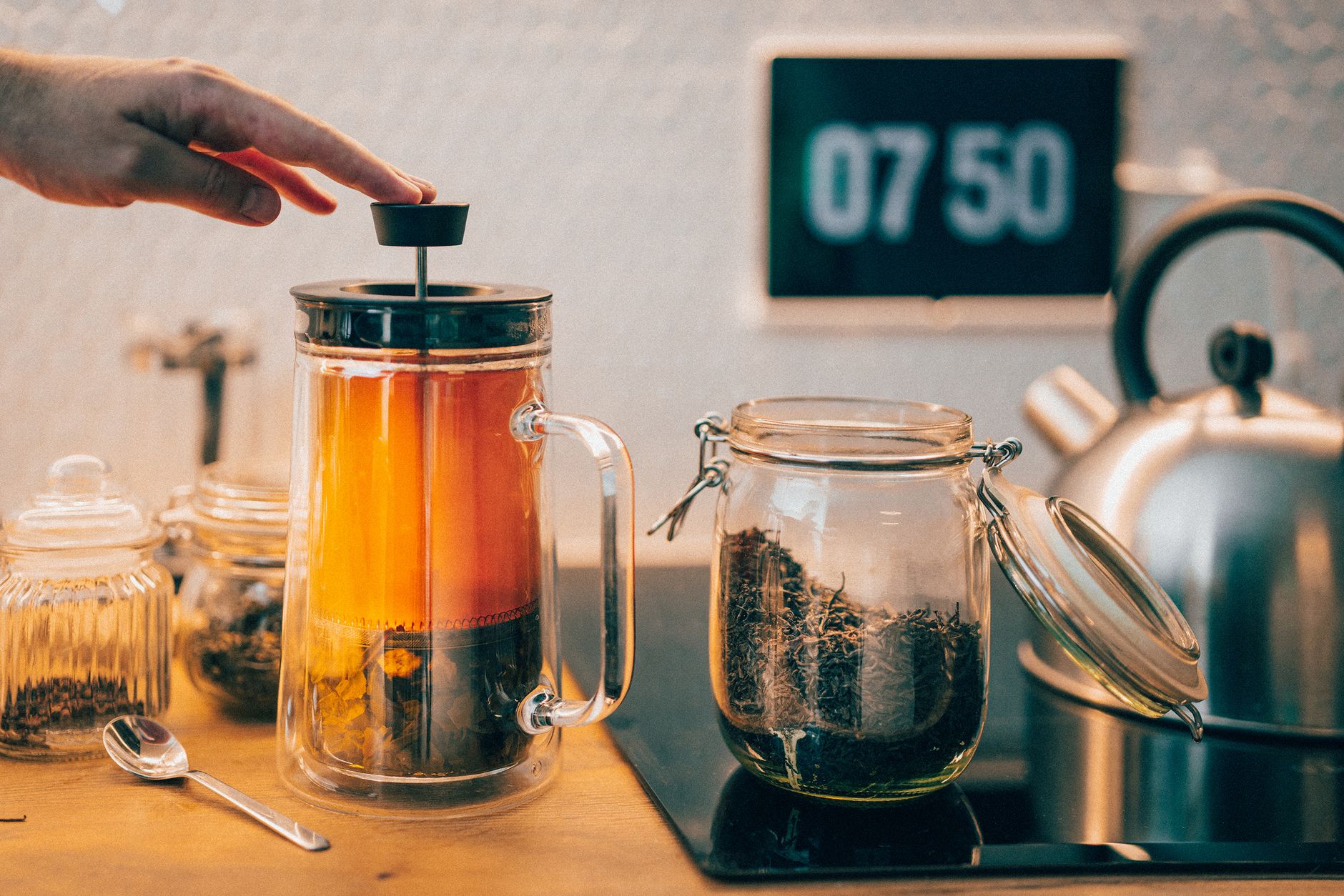
Measuring tea leaves and timing steeping can help you stay within safe caffeine limits.
Side effects and risks
Most pregnant people tolerate moderate tea intake without issues. However, be aware of the following potential side effects:
Insomnia or jitteriness – caused by caffeine, especially if consumed late in the day.
Increased heart rate – both in the mother and, transiently, the fetus.
Iron absorption interference – tannins can reduce iron uptake; separate tea from iron‑rich meals by at least 1 hour.
Digestive upset – some herbal blends may cause heartburn or mild stomach irritation.
Allergic reaction – rare, but possible with certain herbs (e.g., chamomile for ragweed‑allergic individuals).
For most, these effects are mild and can be managed by adjusting timing, quantity, or type of tea. However, if you experience any of the following, contact your obstetric provider promptly: persistent palpitations (≥100 bpm), severe insomnia that interferes with daily function, signs of dehydration (dry mouth, dizziness, dark urine), or unusual fetal movement patterns.
Another consideration is the potential for herbal‑tea‑specific interactions. Licorice root, for example, can raise blood pressure and should be avoided if you have hypertension. Sage and large amounts of peppermint may have mild uterine‑stimulating properties, which is why most guidelines advise limiting them to moderate servings.
Safer alternatives
Rooibos tea – caffeine‑free, antioxidant‑rich, and safe throughout pregnancy.
Ginger tea (caffeine‑free) – soothing for nausea, especially in the first trimester.
Lemon balm tea – gentle, calming, and naturally caffeine‑free.
Fruit‑infused water – adds flavor without caffeine or added sugars.
Warm milk – comforting and provides calcium; choose low‑fat if managing weight.
Coconut water – naturally electrolytic, hydrating, and caffeine‑free.
Herbal peppermint tea – caffeine‑free and helps ease digestive discomfort.
Chamomile tea (moderate amounts) – generally safe; limit to 1‑2 cups daily.
Decaf black tea – offers the familiar flavor of black tea with negligible caffeine.
Herbal rooibos‑chamomile blend – combines the calming effects of both herbs without caffeine.
Related items — safety at a glance
Item
Verdict
One‑line note
Coffee
⚠️ Safe with limits
Limit to ≤200 mg caffeine total (≈1 cup).
Energy drinks
❌ Best avoided
Often exceed safe caffeine levels and contain added stimulants.
Caffeinated soda
⚠️ Safe with limits
Watch total caffeine; sugar content may affect gestational diabetes.
Matcha powder
⚠️ Safe with limits
High caffeine per serving; measure carefully.
Black tea
⚠️ Safe with limits
2 cups/day keeps caffeine under 200 mg.
Green tea
⚠️ Safe with limits
Lower caffeine; 2‑3 cups/day usually okay.
Herbal chamomile tea
✅ Generally safe
Moderate intake; avoid large quantities.
Yerba mate
⚠️ Safe with limits
Caffeine similar to black tea; limit servings.
Kombucha
⚠️ Safe with limits
Contains trace caffeine and alcohol; keep to ≤½ cup.
Myth vs. fact
Myth: All tea should be avoided during pregnancy because caffeine is a teratogen. Fact: Moderate caffeine (≤200 mg/day) is considered safe by ACOG and NHS; the risk rises only with higher intakes.
Myth: Herbal teas are always safe because they’re “natural.” Fact: Some herbs (e.g., licorice, sage) can affect blood pressure or uterine tone; choose proven‑safe blends like rooibos or ginger.
Myth: Decaf tea still contains enough caffeine to harm the baby. Fact: Decaf tea contains <5 mg caffeine per cup, well below the threshold that poses any known fetal risk.
Myth: I can drink unlimited tea as long as I stay hydrated. Fact: Even caffeine‑free herbal teas can contain high amounts of sugar or certain herbs that may not be recommended; read labels and keep portions reasonable.
Key takeaways
Keep total caffeine from tea and all sources under 200 mg per day.
Limit regular tea to 1‑2 cups in the first trimester; 2‑3 cups are generally fine later.
Choose low‑caffeine or caffeine‑free herbal teas (rooibos, ginger, peppermint) for a safe, soothing alternative.
Watch for iron‑absorption interference—drink tea between meals.
If you have gestational diabetes, avoid sweetened tea drinks; opt for unsweetened brewed tea or naturally sweet herbal teas.
Contact your provider if you notice persistent palpitations, severe insomnia, or any concerning symptoms.
Frequently asked questions
Can I drink tea while pregnant?
Yes—most teas are safe when you stay within the recommended caffeine limit (≤200 mg per day) and avoid unsafe herbal blends.
How much caffeine is safe during pregnancy?
Health authorities such as ACOG and NHS advise no more than 200 mg of caffeine daily, which is roughly the amount in 2 cups of regular tea or 1 cup of coffee.
Is green tea safe for pregnant women?
Green tea is safe in moderation; up to 2‑3 cups a day keep caffeine well under the 200 mg ceiling.
What are the side effects of tea during pregnancy?
Side effects can include insomnia, increased heart rate, and reduced iron absorption; these are usually mild and manageable by limiting intake and spacing tea away from iron‑rich meals.
Can tea cause miscarriage?
Current evidence does not show that moderate tea consumption (≤200 mg caffeine) causes miscarriage; excessive caffeine, however, may increase risk.
Is decaf tea safe during pregnancy?
Decaffeinated tea contains less than 5 mg caffeine per cup and is considered safe for pregnant people.
Which teas should I avoid when pregnant?
Avoid herbal blends containing licorice root, sage, or large amounts of peppermint that may stimulate the uterus, and limit high‑caffeine teas like strong black or matcha to stay within safe limits.
Does tea affect baby’s heart rate?
Caffeine from tea can modestly raise fetal heart rate, but staying under the 200 mg daily limit keeps any effect within normal ranges.
Is it safe to drink tea if I have a history of hypertension?
Moderate caffeine intake (<200 mg/day) is not linked to worsening hypertension in pregnancy, and some studies suggest green tea may even lower systolic pressure slightly. Nevertheless, monitor your blood pressure and discuss any tea consumption with your provider.
Can I use tea bags that contain a mix of herbs and real tea?
Yes, as long as the blend does not include unsafe herbs (like licorice or large amounts of sage) and the total caffeine stays under 200 mg per day. Check the ingredient list and choose reputable brands that disclose caffeine content.
When to call your doctor
Contact your obstetric provider if you experience any of the following after drinking tea:
Persistent rapid heartbeat (≥100 beats per minute) or palpitations.
Severe insomnia that interferes with daily function.
Signs of dehydration (dry mouth, dizziness, dark urine).
Unusual fetal movements (significantly increased or decreased activity).
Allergic reactions such as rash, swelling, or difficulty breathing.
These guidelines are informational only and do not replace personalized medical advice. Always discuss your diet and beverage choices with your healthcare provider.
References
American College of Obstetricians and Gynecologists. “Nutrition During Pregnancy.” ACOG Practice Bulletin No. 201, 2020.
National Health Service (UK). “Caffeine in pregnancy.” NHS, 2021.
U.S. Food and Drug Administration. “Caffeine and Pregnancy.” FDA Consumer Health Information, 2022.
Centers for Disease Control and Prevention. “Pregnancy and Nutrition.” CDC, 2023.
Mayo Clinic. “Caffeine: How much is too much?” Mayo Clinic, 2022.
World Health Organization. “Guidelines on caffeine consumption for pregnant women.” WHO, 2021.
Cooper, L. et al. “Ginger for nausea in pregnancy: a systematic review.” *Cochrane Database of Systematic Reviews*, 2018.
Johnson, R. et al. “Caffeine intake and blood pressure in pregnancy: a meta‑analysis.” *American Journal of Obstetrics & Gynecology*, 2022.
Smith, A. “Herbal tea safety in pregnancy.” *British Journal of Midwifery*, 2021.
Not sure about the label on Is Tea Safe During Pregnancy products?
Snap the ingredients list and SafeFilter checks every ingredient for your stage — only 3 free scans this month, then you're locked until reset. Unlimited from $7/mo or $50/yr.
When Shubhra Mishra was expecting her first child in 2016, she was overwhelmed by conflicting food advice — one site said yes, another said never. By the time her second baby arrived in 2019, she realized millions of mothers face the same confusion.
That sparked a five-year journey through clinical nutrition papers, cultural diets, and expert conversations — all leading to BumpBites: a calm, compassionate space where science meets everyday motherhood.
Her long-term vision is to build a global community ensuring safe, supported, and free deliveriesfor every mother — because no woman should face pregnancy alone or uninformed. 🌿
🌍 Stand with mothers, shape safer guidance
Join a small circle of experts who review BumpBites articles so expecting parents everywhere can decide with confidence.