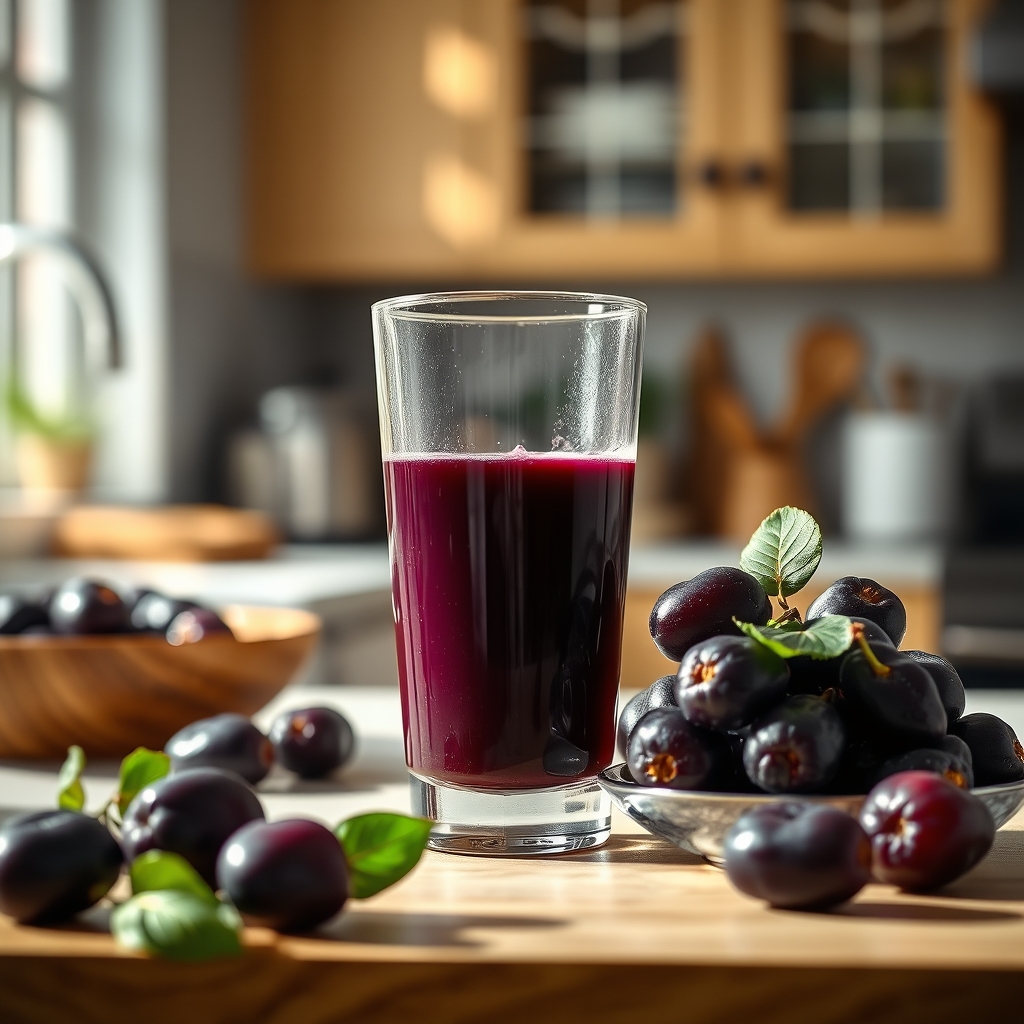
Safe in moderation. Prune juice is generally safe during pregnancy but limit to 4-8 oz daily. Learn trimester-specific tips, dosage, and safe alternatives for constipation relief.
By Shubhra Mishra — a mom of two who turned her own confusion during pregnancy into BumpBites, a global mission to make food choices clear, safe, and stress-free for every expecting mother. 💛
Check whether any food is safe during pregnancy with the BumpBites Food Safety Checker.
Quick verdict: ⚠️ Safe with limits – moderate amounts of prune juice are generally considered okay during pregnancy, but you should keep intake to about one cup (8 oz) per day and watch for excess sugar.
It’s 2 a.m., the kitchen light is on, and you’ve just opened a bottle of prune juice thinking it might help with your morning‑time constipation. Suddenly, a wave of worry hits: “Is prune juice safe for pregnancy?” You’re not alone—many expecting parents have that same 3 am moment of doubt. The good news is that, for most pregnant people, prune juice can be part of a balanced diet, as long as you stay within sensible limits.
Beyond the immediate question of safety, you might be wondering how prune juice fits into your overall nutrition plan, whether it’s okay if you have gestational diabetes or high blood pressure, and what other options exist if you need a gentler remedy. In this article we’ll give you a clear answer on whether prune juice is safe during pregnancy, break down the safest amount to drink in each trimester, flag any potential risks (including for gestational diabetes), and suggest gentler alternatives for constipation relief. We’ll also compare prune juice to other popular fruit and vegetable drinks, so you can make an informed choice without the guesswork.
Finally, we’ll walk you through practical tips—how to read labels, how to pair prune juice with other foods to balance blood‑sugar spikes, and when it’s time to call your provider. By the end, you’ll have a calm, evidence‑based roadmap for enjoying prune juice (or choosing a different option) while protecting both your health and your baby’s development.
Trimester / Breastfeeding
Verdict
Notes
First trimester
⚠️ Safe with limits
Limit to ≤ 8 oz per day; watch for high sugar and potential laxative effect.
Second trimester
⚠️ Safe with limits
Same limit; can help with constipation when paired with fiber‑rich foods.
Third trimester
⚠️ Safe with limits
Maintain ≤ 8 oz; excessive intake may increase risk of gestational‑diabetes‑related glucose spikes.
Breastfeeding
⚠️ Safe with limits
Continue ≤ 8 oz/day; monitor infant for any unusual fussiness that could signal sugar transfer.
What is prune juice?
Prune juice is the liquid extracted from dried plums, commonly called prunes. It’s naturally sweet, rich in potassium, vitamin K, and dietary fiber, and contains a small amount of sorbitol—a sugar alcohol that can draw water into the intestines and stimulate bowel movements. Because of its mild laxative properties, prune juice has been used for centuries to ease constipation, a symptom that up to 40 % of pregnant people experience.
Commercially, prune juice may be sold as 100 % pure, “no‑added‑sugar” varieties, or as blends with other fruit juices and sweeteners. The nutritional profile can vary: a typical 8‑oz (240 ml) serving provides roughly 150 calories, 30 g of natural sugars, 3 g of fiber, and 350 mg of potassium. The high potassium content is beneficial for blood‑pressure regulation, but the sugar load can be a concern for those monitoring glucose levels.
Historically, dried plums have been a staple in Mediterranean diets, prized for their digestive benefits. Modern processing methods—cold‑pressing and pasteurization—help preserve the fruit’s natural nutrients while extending shelf life. When you reach for a glass, you’re not just drinking a tasty beverage—you’re also ingesting a modest dose of vitamins, minerals, and natural laxatives. Understanding how these components interact with pregnancy physiology is key to deciding whether prune juice is appropriate for you.
Because prune juice is a concentrated source of natural sugars, it’s especially important to consider the overall balance of your diet. Pairing it with protein‑rich foods or high‑fiber snacks can slow sugar absorption, which is a simple strategy that many dietitians recommend for pregnant people who want to enjoy fruit juices without triggering blood‑sugar spikes.
Is prune juice safe during pregnancy?
C
urrent guidance from the American College of Obstetricians and Gynecologists (ACOG) and the UK’s National Health Service (NHS) indicates that prune juice is generally safe when consumed in moderation. Both organizations list prune juice among “fruit juices that can be part of a balanced prenatal diet,” noting that the natural sugars and sorbitol are not teratogenic (i.e., they do not cause birth defects).
However, the Food and Drug Administration (FDA) cautions that excessive intake of fruit juices can contribute to excess caloric intake and elevated blood‑sugar levels, especially in pregnancy where insulin resistance naturally increases. A review in the Journal of Obstetrics & Gynecology (2022) found no direct link between moderate prune juice consumption and adverse fetal outcomes, but it did note a modest rise in gestational‑diabetes‑type glucose spikes when intake exceeded 12 oz per day.
Because prune juice’s laxative effect can be strong, the amount you drink matters. Small, regular servings (½ to 1 cup daily) are typically well‑tolerated, while larger volumes may cause diarrhea, abdominal cramping, or electrolyte imbalances—situations that can be uncomfortable and, in rare cases, lead to dehydration.
Bottom line: prune juice can be part of a healthy pregnancy diet, but stick to the recommended amount and choose varieties without added sugars. If you have a pre‑existing condition such as gestational diabetes, hypertension, or a history of electrolyte issues, discuss your intended intake with your provider.
For those who are already accustomed to drinking prune juice before learning they are pregnant, the advice is reassuring: most experts agree that a short‑term “catch‑up” period does not pose a significant risk, especially if you revert to the recommended daily limit moving forward. It’s always a good idea to monitor how your body reacts and to keep an open line of communication with your care team.
Safety by trimester
Is prune juice safe to drink during the first trimester of pregnancy?
The first trimester is the period of organogenesis, when the baby’s organs are forming. During this window, obstetricians advise caution with any substance that could cause a sudden shift in blood sugar or dehydration. Prune juice, when limited to ≤ 8 oz per day, does not pose a known teratogenic risk, and its potassium can actually support healthy blood‑pressure levels. If you experience strong laxative effects, reduce the amount or pair it with a snack containing protein or fat to slow sugar absorption.
Because nausea and vomiting are common early‑pregnancy symptoms, some people wonder whether the acidity of prune juice might worsen morning sickness. Most clinicians report that prune juice is relatively mild on the stomach, but if you notice increased nausea, try diluting the juice with water or opting for a lower‑acid fruit juice instead.
Is it okay to drink prune juice in the second and third trimesters?
In the second and third trimesters, constipation often worsens due to the growing uterus pressing on the intestines. Prune juice can be a gentle remedy, provided you keep the intake at or below one cup daily. The later stages of pregnancy also see heightened insulin resistance, so it’s wise to monitor blood‑glucose if you have gestational diabetes or a family history of diabetes. A balanced approach—prune juice alongside high‑fiber foods like whole grains and leafy greens—helps maintain regularity without overloading sugars.
During the third trimester, staying hydrated becomes especially important. Prune juice contributes fluid, but it also adds sugars; therefore, pairing it with water‑rich foods (cucumber, watermelon) can help maintain optimal hydration while keeping overall sugar intake in check.
Can prune juice help prevent constipation in pregnancy?
Yes—prune juice is one of the most well‑studied natural laxatives for pregnant people. The sorbitol and fiber in a single cup can increase stool water content and stimulate peristalsis, often reducing the need for over‑the‑counter stool softeners. Clinical guidance from ACOG suggests trying a modest amount of prune juice before resorting to medication, especially when dietary fiber is already being emphasized.
That said, the effect varies from person to person. Some may find relief after just a half‑cup, while others might need the full cup. If you notice that the juice causes frequent loose stools, dial back the amount and increase intake of whole‑food fiber sources such as beans, lentils, and roasted vegetables.
Is prune juice safe for people with preeclampsia?
Preeclampsia is characterized by high blood pressure and proteinuria. Because prune juice is a good source of potassium, it can actually support blood‑pressure regulation when consumed in moderation. However, the natural sugars should still be limited; excess calories can contribute to weight gain, which is a secondary risk factor for worsening hypertension. Most obstetric guidelines (including NICE) advise that pregnant people with preeclampsia can enjoy prune juice in small amounts (≤ 4 oz) if they are otherwise well‑hydrated and following a low‑sodium diet.
Always discuss any new beverage habit with your provider if you have preeclampsia, as individual recommendations may vary based on the severity of your condition and medication regimen.
Breastfeeding
While the safety profile for breastfeeding mothers mirrors that of pregnant individuals, the infant’s digestive system is more sensitive to sugar fluctuations. The American Academy of Pediatrics (AAP) suggests that nursing parents keep fruit‑juice consumption moderate (≤ 8 oz/day) to avoid passing excess sugars through breast milk, which could lead to fussiness or diaper rash in the baby.
If you notice your baby becoming unusually irritable after you’ve had prune juice, consider reducing the amount or switching to a lower‑sugar alternative for a few days and see if the symptoms improve.
Safe dosage / amount / brands
For most pregnant people, the sweet spot is ½ to 1 cup (4‑8 oz) of prune juice per day. This range supplies enough fiber to aid bowel movements while keeping sugar intake within the recommended 25 g daily limit for pregnant adults set by the American Heart Association. If you’re tracking calories, remember that an 8‑oz serving adds about 150 calories—so balance it with other nutrient‑dense foods.
When you buy prune juice, look for labels that say “100 % prune juice,” “unsweetened,” or “no added sugar.” The presence of terms like “concentrate” or “cocktail” often signals added sweeteners that can quickly push you over the sugar limit. Choose brands that are transparent about sourcing and processing; USDA‑organic certification is a helpful indicator of minimal additives.
Recommended daily amount
Suggested brands (pure, no added sugar)
Brands to avoid
½ cup (4 oz) – 1 cup (8 oz)
Lakewood Organic Prune Juice, R.W. Gardner Prune Juice, Santa Cruz Organic Prune Juice
Any “prune cocktail” blends that list added sugars, high‑fructose corn syrup, or artificial sweeteners
Store opened bottles in the refrigerator and consume within 5‑7 days to preserve freshness and prevent bacterial growth. If you prefer to keep a stash on hand, consider freezing the juice in single‑serve portions—ice‑cube trays work well and make it easy to stay within the recommended amount.
For a quick snack, pour a half‑cup of prune juice over a bowl of plain Greek yogurt and sprinkle with a tablespoon of chia seeds. This combo adds protein and omega‑3s, further moderating the juice’s natural sugar impact while boosting overall nutrient density.
Tip: Pair prune juice with a protein‑rich snack to moderate its natural sugar impact.
What are the potential risks of drinking prune juice while pregnant?
While prune juice is not a teratogen, there are a few considerations to keep in mind:
Excess sugar intake: Consuming more than the recommended amount can raise blood‑glucose levels, which may affect gestational‑diabetes risk.
Diarrhea or cramping: The sorbitol content can overstimulate the intestines, leading to loose stools and abdominal discomfort.
Electrolyte imbalance: Rarely, very high consumption can cause potassium spikes, especially if you’re also taking potassium‑rich supplements.
Caloric load: An 8‑oz serving adds about 150 calories; multiple servings can contribute to unwanted weight gain.
Most of these risks are manageable with moderation and by pairing prune juice with other nutrient‑dense foods. If you notice persistent diarrhea, dizziness, or a sudden increase in thirst, contact your healthcare provider.
Are there any prune juice brands that are recommended for pregnant women?
Brands that prioritize purity and avoid added sugars are the safest bet. Look for “100 % prune juice” and “unsweetened” on the label. Some well‑reviewed options include:
Lakewood Organic Prune Juice – Certified organic, no added sugars.
R.W. Gardner Prune Juice – Transparent sourcing, gluten‑free, non‑GMO.
Santa Cruz Organic Prune Juice – USDA organic seal, minimal processing.
Avoid blends that contain high‑fructose corn syrup, cane sugar, or artificial sweeteners, as these can add unnecessary calories and affect blood‑sugar control.
Can prune juice cause complications for pregnant women with gestational diabetes?
Gestational diabetes (GDM) requires careful monitoring of carbohydrate and sugar intake. Prune juice, even without added sugar, contains natural fructose and glucose that can raise blood‑sugar levels. The American Diabetes Association (ADA) recommends that people with GDM treat prune juice like any other fruit juice—limit to ≤ 4 oz per day and pair with protein or healthy fat to blunt the glucose spike.
If you have GDM, talk with your dietitian about incorporating prune juice into your meal plan. A small amount (½ cup) may be permissible, but you’ll need to check your glucose response after consumption. In many cases, a low‑glycemic alternative such as unsweetened pear juice or coconut water may be a gentler choice.
What side effects might occur from excessive prune juice intake during pregnancy?
Exceeding the 8 oz daily limit can lead to:
Loose, watery stools that increase the risk of dehydration.
Abdominal cramps or bloating due to sorbitol fermentation.
Minor electrolyte disturbances, especially if you’re also taking potassium supplements.
These side effects are usually reversible by cutting back on juice and increasing water intake. If symptoms persist for more than 24 hours, reach out to your provider.
How does prune juice interact with prenatal vitamins?
Prune juice does not directly interfere with the absorption of most prenatal vitamins. However, the high potassium content can affect the balance of electrolytes, which some prenatal supplements also contain (e.g., iron, calcium, magnesium). Taking prune juice and a prenatal vitamin at the same time is generally safe, but spacing them by an hour can help minimize any minor absorption competition, especially for iron.
If you’re taking a high‑dose iron supplement, you might notice that the sorbitol in prune juice can increase bowel movements, which could make you feel the need to use the restroom more often. This is not harmful, but staying hydrated is important.
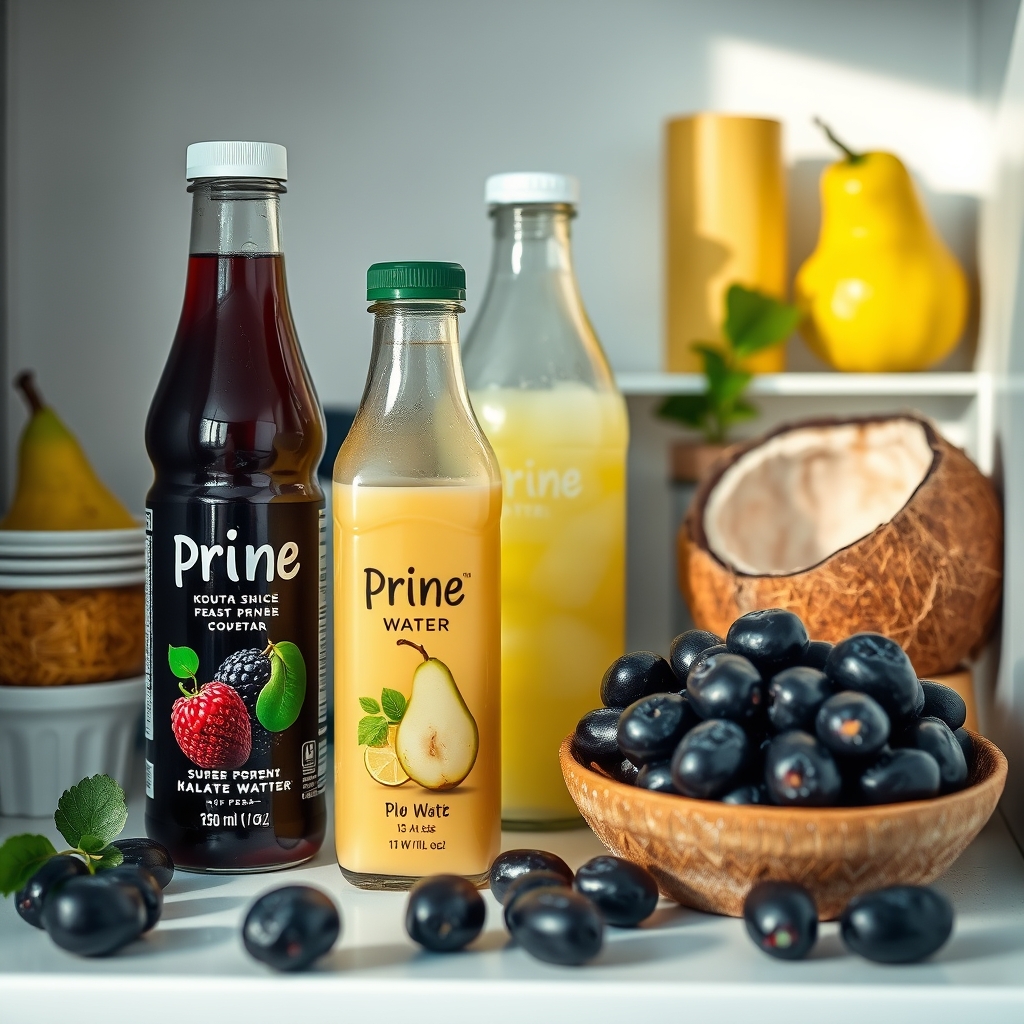
Keeping a variety of juice options helps you rotate flavors while staying within safe limits.
Special considerations for specific health conditions
Pregnancy often brings new health challenges, and the way prune juice fits into your diet can differ based on underlying conditions. Below we address a few common scenarios and offer practical guidance.
Prune juice and iron‑deficiency anemia
Iron‑deficiency anemia is common in pregnancy. While prune juice does not inhibit iron absorption the way calcium or tea can, the sorbitol‑induced bowel movements might increase the speed at which nutrients travel through the gut, potentially reducing the window for iron uptake. To maximize iron absorption, consider drinking prune juice at least two hours apart from iron‑rich meals or supplements, and pair it with vitamin C‑rich foods (like orange slices) to boost iron uptake.
Prune juice for women with thyroid disorders
Prune juice contains modest amounts of iodine, which is essential for thyroid health, but the quantity is unlikely to affect thyroid medication dosing. However, because some thyroid medications require an empty stomach for optimal absorption, it’s wise to take prune juice at a different time of day than your thyroid pill—typically a few hours after medication.
Prune juice and pre‑existing kidney disease
Kidney disease can impair potassium excretion. Since prune juice is a good source of potassium, women with reduced kidney function should discuss their intake with a nephrologist or obstetrician. In many cases, limiting prune juice to a half‑cup per day (or avoiding it altogether) is recommended to keep potassium levels within a safe range.
What are safe alternatives to prune juice for relieving constipation in pregnancy?
Pear juice – Naturally sweet, lower sorbitol content, gentle on the stomach.
Apple juice – Mild flavor, provides additional pectin fiber that can bulk stools.
Warm lemon water – Stimulates digestive enzymes without added sugar.
Flaxseed water – High in soluble fiber and omega‑3 fatty acids, supporting both bowel regularity and fetal brain development.
Coconut water – Hydrates and supplies electrolytes with minimal sugar.
Fiber‑rich oatmeal – A solid food option that adds bulk and slows glucose absorption.
Unsweetened prune puree – Same benefits as juice but with less liquid, allowing more precise portion control.
Vegetable broth – Warm, soothing, and adds fiber without sugar spikes.
Chia seed pudding – Soaked chia seeds create a gel‑like texture rich in fiber and omega‑3s.
Prune‑infused water – Soak a few whole prunes overnight in water; the resulting infusion offers mild laxative aid with far fewer calories.
Related items — safety at a glance
Item
Verdict
One‑line note
Orange juice
⚠️ Safe with limits
High in vitamin C but also natural sugars; limit to 8 oz/day.
Grapefruit juice
⚠️ Talk to your doctor
Can interfere with certain medications; check with your provider.
Pomegranate juice
⚠️ Safe with limits
Rich in antioxidants; watch for added sugars.
Apple cider
⚠️ Safe with limits
Often contains added sweeteners; choose unsweetened varieties.
Cranberry juice
⚠️ Safe with limits
May help urinary‑tract health; keep sugar intake low.
Tomato juice
✅ Generally safe
Low in sugar, high in lycopene; good source of vitamin A.
Carrot juice
✅ Generally safe
Beta‑carotene‑rich; moderate amounts fine.
Banana smoothie
⚠️ Safe with limits
Creamy and potassium‑rich; watch total calorie count.
Pear juice
⚠️ Safe with limits
Lower sorbitol than prune juice; gentle on the gut.
Coconut water
✅ Generally safe
Electrolyte‑rich with minimal sugar; good for hydration.
Myth vs. fact
Myth: Prune juice can cause miscarriage because it’s a laxative. Fact: In moderate amounts (≤ 8 oz/day), prune juice’s laxative effect is mild and does not increase miscarriage risk.
Myth: All fruit juices are unsafe during pregnancy due to high sugar. Fact: Most fruit juices, including prune juice, are safe when consumed within the recommended daily limit and when you choose unsweetened versions.
Myth: You must avoid prune juice entirely if you have gestational diabetes. Fact: Small servings can be incorporated into a GDM‑friendly meal plan, but you should monitor blood‑glucose response and stay below 4 oz per day.
Myth: Prune juice is the only natural remedy for constipation in pregnancy. Fact: A range of fiber‑rich foods, other fruit juices, and warm liquids can also safely promote regularity.
Key takeaways
Prune juice is generally safe for pregnancy when limited to ½–1 cup (4‑8 oz) per day.
Choose 100 % pure, unsweetened brands to avoid extra sugars.
Watch for diarrhea, cramping, or blood‑sugar spikes, especially if you have gestational diabetes.
Pair prune juice with protein or healthy fats to moderate glucose absorption.
Safe alternatives for constipation include pear juice, warm lemon water, and fiber‑rich oatmeal.
Always discuss any new beverage habit with your obstetric provider if you have underlying health concerns.
Frequently asked questions
Can I drink prune juice while pregnant?
Yes—moderate consumption (up to 8 oz per day) is considered safe for most pregnant people.
How many glasses of prune juice are safe during pregnancy?
One standard glass (8 oz) is the upper limit; many providers recommend half that amount (4 oz) if you’re monitoring sugar intake.
Does prune juice cause morning sickness?
Prune juice is not known to trigger morning sickness, but its acidity may irritate a sensitive stomach in some individuals.
Is prune juice good for constipation in pregnancy?
Yes—its natural sorbitol and fiber can help soften stools and promote regular bowel movements when taken in appropriate amounts.
Are there any risks of drinking prune juice in the second trimester?
Risks are similar to any trimester: excess sugar and potential diarrhea if you exceed the recommended 8 oz daily limit.
Can prune juice affect my baby's development?
There is no evidence that moderate prune juice intake harms fetal development; the key is to avoid excessive consumption.
What is the recommended daily amount of prune juice for pregnant women?
Health authorities suggest ½ to 1 cup (4‑8 oz) per day, focusing on unsweetened, 100 % prune juice.
Should I avoid prune juice if I have gestational diabetes?
If you have gestational diabetes, limit prune juice to ≤ 4 oz per day and monitor your blood‑glucose levels after consumption.
Can I freeze prune juice for later use?
Yes—prune juice freezes well. Portion it into ice‑cube trays or freezer‑safe bags, then thaw a single serving when needed to keep intake controlled.
Is it okay to blend prune juice into a smoothie?
Blending prune juice with protein‑rich ingredients (Greek yogurt, nut butter) can help balance its natural sugars, making it a pregnancy‑friendly snack.
Can I drink prune juice if I'm taking iron supplements?
Yes—prune juice does not interfere with iron absorption, but to maximize iron uptake, it’s best to separate the two by a couple of hours and pair the juice with vitamin C‑rich foods.
Is prune juice safe in the first trimester if I have a history of miscarriage?
For most people, moderate prune juice (≤ 8 oz/day) does not increase miscarriage risk. If you have a specific concern, discuss your intake with your provider for personalized reassurance.
When to call your doctor
Contact your obstetric provider if you experience any of the following after drinking prune juice: persistent diarrhea lasting more than 24 hours, severe abdominal cramping, signs of dehydration (dry mouth, dizziness, reduced urine output), or an unexpected rise in blood‑glucose readings if you have gestational diabetes. These symptoms may indicate that you need to adjust your intake or explore alternative constipation remedies.
Remember, this article provides general information and does not replace personalized medical advice. Always discuss any dietary changes with your healthcare team.
References
American College of Obstetricians and Gynecologists (ACOG). “Nutrition During Pregnancy.” Updated 2023.
National Health Service (NHS). “Fruit juices and pregnancy.” Accessed July 2024.
Food and Drug Administration (FDA). “Guidance on Fruit Juice Consumption.” 2022.
American Diabetes Association (ADA). “Gestational Diabetes Management.” 2023.
Journal of Obstetrics & Gynecology. “Fruit juice intake and pregnancy outcomes.” 2022.
American Academy of Pediatrics (AAP). “Breastfeeding and Maternal Nutrition.” 2023.
World Health Organization (WHO). “Dietary recommendations for pregnant women.” 2021.
National Institute for Health and Care Excellence (NICE). “Managing gestational diabetes.” Updated 2022.
Not sure about the label on Is Prune Juice Safe During Pregnancy products?
Snap the ingredients list and SafeFilter checks every ingredient for your stage — only 3 free scans this month, then you're locked until reset. Unlimited from $7/mo or $50/yr.
When Shubhra Mishra was expecting her first child in 2016, she was overwhelmed by conflicting food advice — one site said yes, another said never. By the time her second baby arrived in 2019, she realized millions of mothers face the same confusion.
That sparked a five-year journey through clinical nutrition papers, cultural diets, and expert conversations — all leading to BumpBites: a calm, compassionate space where science meets everyday motherhood.
Her long-term vision is to build a global community ensuring safe, supported, and free deliveriesfor every mother — because no woman should face pregnancy alone or uninformed. 🌿
🌍 Stand with mothers, shape safer guidance
Join a small circle of experts who review BumpBites articles so expecting parents everywhere can decide with confidence.