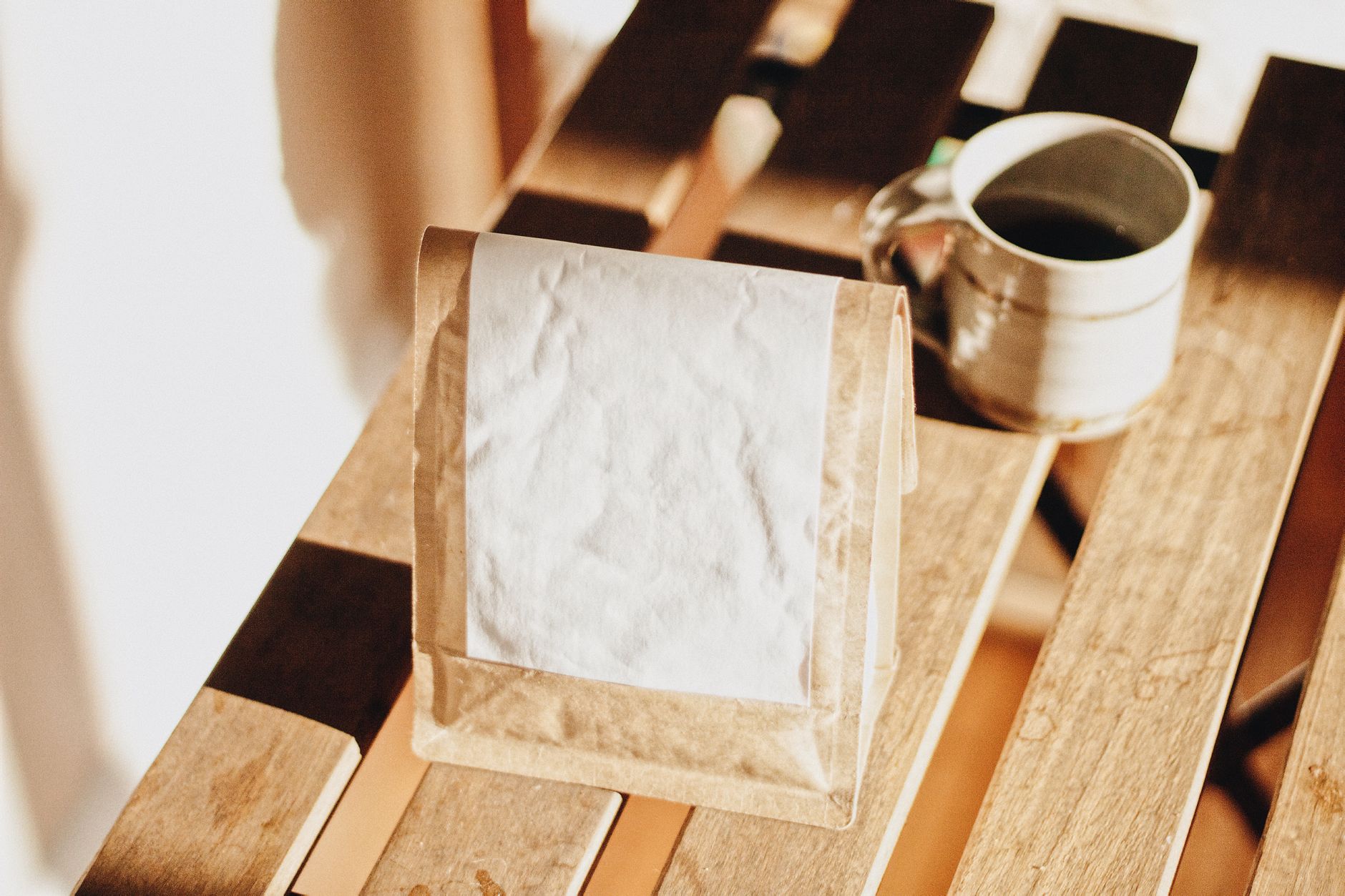
Limit mushroom coffee safe for pregnancy: limit to 1 cup (≈30 ml) daily, especially in the first trimester, to keep caffeine and mushroom extract intake low.
By Shubhra Mishra — a mom of two who turned her own confusion during pregnancy into BumpBites, a global mission to make food choices clear, safe, and stress-free for every expecting mother. 💛
Check whether any food is safe during pregnancy with the BumpBites Food Safety Checker.
Quick verdict: ⚠️ Talk to your doctor first. Mushroom coffee may be okay in modest amounts, but the limited research and possible caffeine‑plus‑bioactive interactions mean you should get personalized guidance before making it a regular habit.
It’s 2 a.m., and you’ve just opened a sleek jar of mushroom coffee, wondering if that trendy brew is a safe pick for your growing baby. You’re not alone—many expecting parents ask, “is mushroom coffee safe for pregnancy?” because the combination of caffeine and medicinal mushrooms feels like a mystery.
Bottom line: most health authorities, including the American College of Obstetricians and Gynecologists (ACOG) and the UK’s NHS, say that moderate caffeine is generally acceptable during pregnancy, but they don’t specifically address mushroom‑infused coffee. Because the mushroom extracts (often reishi, lion’s mane, or cordyceps) haven’t been studied extensively in pregnant people, clinicians usually advise caution.
In this article we’ll break down the current evidence, walk through trimester‑specific guidance, suggest a safe dosage range, compare popular brands, and list gentle alternatives you can enjoy without worry. By the end you’ll know whether mushroom coffee fits into your daily routine—or if you’d feel better reaching for a safer sip.
Trimester / Phase
Verdict
Notes
First trimester
⚠️ Caution
Limited data; limit caffeine to ≤200 mg/day and avoid high‑dose mushroom extracts.
Second trimester
⚠️ Caution
Same caffeine limit; consider reducing mushroom dose if you have any chronic condition.
Third trimester
⚠️ Caution
High caffeine can affect sleep and fetal heart rate; keep total caffeine ≤200 mg.
Breastfeeding
⚠️ Caution
Caffeine passes into breastmilk; limit to ≤200 mg/day and monitor infant’s alertness.
What is mushroom coffee?
Mushroom coffee is a blend of roasted coffee beans (or instant coffee powder) mixed with powdered extracts from medicinal mushrooms such as reishi, lion’s mane, cordyceps, or chaga. The coffee provides the familiar caffeine boost, while the mushroom powders are marketed for their potential adaptogenic benefits—supporting focus, immunity, and stress response.
Manufacturers typically steep the coffee and mushroom blend together, creating a beverage that looks and tastes like regular coffee but with an earthy, slightly nutty flavor. The mushroom component is usually standardized to a certain amount of beta‑glucans or polysaccharides, which are the bioactive compounds thought to influence the immune system and nervous system.
Because the caffeine content comes from the coffee itself, a typical serving of mushroom coffee contains roughly 70–100 mg of caffeine, similar to a small cup of regular coffee. The mushroom dose varies by brand, ranging from 0.5 g to 2 g of dried mushroom powder per serving.
Tip: Keep track of all caffeine sources in a daily log to stay within recommended limits.
Is mushroom coffee safe during pregnancy?
C
urrent guidance from ACOG and the NHS focuses on caffeine, recommending no more than 200 mg of caffeine per day for pregnant people. Because mushroom coffee’s caffeine falls within that range, the caffeine component is considered acceptable when consumed in moderation.
The mushroom extracts, however, are less clear. The FDA classifies many medicinal mushrooms as “dietary supplements,” which are not subject to the same rigorous safety testing as medications. Limited animal studies suggest that high doses of reishi may affect hormone levels, and some case reports note possible liver enzyme elevations, but there is no robust human data linking these mushrooms to birth defects or miscarriage.
Most obstetricians advise treating mushroom coffee like any other supplement: if you’re already taking it, discuss the exact brand and dose with your provider. If you haven’t started, the safest route is to limit mushroom coffee to occasional use, ensuring total caffeine stays below the 200 mg threshold.
Regulatory perspective
The European Food Safety Authority (EFSA) and the U.S. Food and Drug Administration (FDA) both note that while mushrooms are generally recognized as safe when consumed as whole foods, concentrated extracts fall into a gray area. Neither agency has issued a specific pregnancy warning for mushroom coffee, but they both emphasize that “supplements have not been proven safe for pregnant women unless specifically studied.” This regulatory language reinforces the recommendation to proceed with caution and keep a dialogue open with your obstetric care team.
Mushroom coffee vs. regular coffee
From a caffeine standpoint, mushroom coffee is essentially the same as a regular cup of coffee—roughly 70–100 mg per 8‑oz serving. The added mushroom extracts do not neutralize caffeine, nor do they add extra stimulant properties. However, the presence of beta‑glucans and other polysaccharides may affect digestion or immune function in ways that are not yet quantified for pregnancy. For those who love the flavor of coffee but want to avoid additional bioactive compounds, a plain decaf coffee or a caffeine‑free herbal brew may be a simpler, lower‑risk choice.
How to track your caffeine intake while pregnant
Because caffeine is the primary concern, many clinicians recommend keeping a simple log of all caffeinated foods and drinks. A notebook, a notes app, or a printable chart can help you tally coffee, tea, chocolate, soda, and even certain medications. Aim to stay under 200 mg total per day—roughly one 8‑oz cup of mushroom coffee plus one cup of black tea, or two cups of low‑caffeine herbal tea. If you notice you’re nearing the limit, consider swapping one cup for a caffeine‑free option.
Is mushroom coffee safe during early pregnancy?
The first trimester is when the embryo’s organs form, a period known as organogenesis. Because the placenta is still developing, any substance that could potentially interfere with hormone balance or fetal development warrants extra caution.
Given the lack of specific safety data, many clinicians recommend either avoiding mushroom coffee or limiting it to a single cup per week, especially if the mushroom component exceeds 1 g per serving. This approach keeps caffeine within recommended limits while minimizing exposure to higher concentrations of mushroom bioactives.
If you’ve already had a cup, don’t panic. The occasional exposure is unlikely to cause harm, but you should discuss it at your next prenatal visit to ensure it fits within your overall caffeine budget.
Mushroom coffee dosage for pregnant women
To stay within the 200 mg caffeine ceiling, most experts suggest no more than one 8‑oz cup of mushroom coffee per day, assuming the coffee contains ~80 mg of caffeine. For the mushroom component, a conservative dose is 0.5 g to 1 g of dried mushroom powder per serving—roughly the amount found in a “light” blend.
Below is a quick reference for common serving sizes:
Serving size
Caffeine (mg)
Mushroom powder (g)
Verdict
1 cup (8 oz) standard blend
80‑100
0.5‑1.0
✅ Generally safe if total caffeine ≤200 mg
1 cup “strong” blend (extra mushroom)
80‑100
1.5‑2.0
⚠️ Talk to your doctor
2 cups per day
160‑200
1‑2
⚠️ Near caffeine limit; monitor total daily intake
Adjusting dosage for specific health conditions
If you have gestational hypertension, thyroid disease, or a history of anxiety, you may want to err on the lower side of both caffeine and mushroom extract. Some studies suggest reishi can interact with thyroid‑stimulating hormone (TSH) levels, while cordyceps may influence blood pressure. While the evidence is not definitive, clinicians often advise pregnant patients with these conditions to stay under 0.5 g of mushroom powder per serving and to keep caffeine under 150 mg daily.
Can I drink mushroom coffee in my third trimester?
In the third trimester, caffeine can affect fetal heart rate and sleep patterns, and it may also increase the risk of preterm labor if consumed in excess. The same 200 mg daily limit applies, so one cup of mushroom coffee is usually permissible, but you should avoid “strong” blends that push the mushroom dose higher.
Additionally, some pregnant people develop heightened sensitivity to caffeine’s stimulant effects, leading to jitteriness, heart palpitations, or difficulty sleeping. If you notice any of these symptoms, it’s wise to cut back or switch to a caffeine‑free alternative.
Safety by trimester
First trimester (weeks 1‑13)
During organogenesis, the embryo is most vulnerable to teratogens—substances that could cause birth defects. Because there is no direct evidence that mushroom extracts are teratogenic, the primary concern remains caffeine. Keeping caffeine under 200 mg and limiting mushroom powder to ≤0.5 g per serving is a prudent strategy. Some clinicians even suggest a “caffeine holiday” for the first few weeks if you’re prone to anxiety.
Second trimester (weeks 14‑27)
As the placenta becomes fully functional, the fetus can better metabolize small amounts of caffeine, but the maternal liver still processes most of it. Continuing to stay within the 200 mg limit is advisable. If you have a chronic condition such as thyroid disease, discuss the potential hormonal activity of reishi or cordyceps with your endocrinologist, as these mushrooms can have mild estrogen‑like effects in vitro.
Third trimester (weeks 28‑birth)
Late‑pregnancy caffeine can increase fetal heart rate and may interfere with your own sleep, which is already challenged by the baby’s movements. Maintaining the ≤200 mg caffeine ceiling and keeping mushroom extract at ≤1 g per serving helps reduce any theoretical risk. If you experience insomnia, consider switching to decaf mushroom coffee or a caffeine‑free herbal alternative.
Breastfeeding
Caffeine crosses into breastmilk, usually reaching concentrations that are about 1 % of maternal plasma levels. Most infants tolerate this amount, but some newborns become unusually fussy or have trouble sleeping. Limiting total caffeine to ≤200 mg per day and watching for infant irritability are sensible precautions. The mushroom extracts are unlikely to transfer in meaningful amounts, but the same “low‑dose” principle applies.
Keeping a simple caffeine log can help you stay within safe limits.
Mushroom coffee and gestational diabetes
Gestational diabetes (GDM) is managed primarily through diet, exercise, and glucose monitoring. Caffeine can cause a short‑term rise in blood glucose, though the effect is modest and varies between individuals. A 2019 review in Diabetes Care found that moderate caffeine intake (<200 mg/day) does not significantly increase GDM risk, but it may affect glucose spikes in susceptible women.
Medicinal mushrooms such as reishi have been studied for their potential to improve insulin sensitivity in non‑pregnant adults, but those findings have not been replicated in pregnant populations. Until more data are available, the safest approach for a woman with GDM is to treat mushroom coffee as any other caffeinated beverage: keep caffeine low, monitor blood sugar after consumption, and discuss any noticeable changes with your obstetrician or diabetes educator.
Mushroom coffee and prenatal vitamins
Many prenatal vitamins contain iron, folic acid, and vitamin D—nutrients essential for fetal development. There is no known interaction between these vitamins and the mushroom compounds found in coffee blends. However, the acidity of coffee can impair iron absorption if taken simultaneously. To maximize iron uptake, aim to consume mushroom coffee at least an hour before or after your prenatal vitamin, or follow your provider’s timing recommendations.
Choosing a reputable brand
When you decide to try mushroom coffee, look for brands that provide transparent labeling, third‑party testing, and clear dosage information. Certifications such as USDA Organic, NSF Certified for Sport, or USP Verified can add an extra layer of confidence that the product contains what the label claims and is free from contaminants like heavy metals.
Beyond Four Sigmatic, other manufacturers that publish batch‑specific analysis include Orgain, VitaCup, and Moon Juice. Avoid “generic” or “store‑brand” blends that do not list exact mushroom gram amounts, as this makes it impossible to gauge whether you’re staying within the recommended ≤1 g per serving limit.
Side effects and risks
Common, mild side effects (usually related to caffeine): jitteriness, increased heart rate, trouble sleeping, and mild gastrointestinal upset. These are not dangerous but can be uncomfortable, especially in later pregnancy when sleep is already precious.
Potentially concerning signs that warrant a call to your provider include:
Persistent rapid heartbeat (>100 bpm) or palpitations.
New or worsening high blood pressure (≥140/90 mmHg).
Severe nausea or vomiting that interferes with nutrition.
Unexplained bruising or signs of liver strain (yellowing of skin or eyes).
These symptoms could indicate that caffeine or the mushroom extracts are affecting you more than expected, and a professional evaluation is recommended.
Mushroom coffee and common pregnancy symptoms
Some pregnant people wonder whether mushroom coffee might help with fatigue, brain fog, or mood swings. While the adaptogenic claims of lion’s mane and reishi are popular in the wellness community, there is no robust clinical evidence supporting these benefits in pregnancy. In fact, the caffeine in mushroom coffee can sometimes worsen anxiety or heart‑burn, which are already common in the second and third trimesters. If you’re seeking relief from fatigue, consider safe options like short naps, hydration, and iron‑rich foods.
Safer alternatives
Decaf coffee – satisfies coffee cravings while eliminating most caffeine.
Rooibos tea – caffeine‑free, rich in antioxidants, and safe throughout pregnancy.
Ginger tea – helps with nausea and is widely endorsed by the NHS for morning sickness.
Peppermint tea – soothing for digestion without any known risks.
Chamomile tea – calming, though you should avoid blends with added herbs like licorice.
Herbal tea blends (e.g., lemon balm) – choose caffeine‑free options that have no contraindications.
Golden milk (turmeric‑spiced almond milk) – anti‑inflammatory and caffeine‑free, but keep turmeric to ≤1 tsp per day.
Warm milk with honey – a comforting, low‑caffeine bedtime drink that can aid sleep.
Related items — safety at a glance
Item
Verdict
One‑line note
Green tea
⚠️ Caution
Contains caffeine and catechins; limit to ≤200 mg caffeine total.
Black tea
⚠️ Caution
Higher caffeine than green tea; same 200 mg daily limit applies.
White tea
⚠️ Caution
Low caffeine but still contributes to total caffeine count.
Yerba mate
⚠️ Caution
Contains caffeine and potentially higher levels of antioxidants; limit intake.
Guarana coffee
⚠️ Caution
Guarana adds extra caffeine; avoid exceeding 200 mg/day.
Matcha green tea
⚠️ Caution
Provides caffeine and high levels of catechins; moderate consumption only.
Chai tea
⚠️ Caution
Often contains black tea (caffeine) plus spices; keep caffeine under limit.
Kombucha
⚠️ Caution
Fermented; contains trace caffeine and alcohol—choose low‑alcohol versions.
Decaf coffee
✅ Generally safe
Very low caffeine; still monitor for any added ingredients.
Herbal tea (peppermint)
✅ Generally safe
Caffeine‑free and soothing for digestion.
Myth vs. fact
Myth: Mushroom coffee is completely caffeine‑free because of the mushrooms. Fact: The coffee component still provides caffeine; the mushrooms do not remove it.
Myth: All medicinal mushrooms are safe because they’re “natural.” Fact: Natural does not always equal safe for pregnancy; concentrated extracts can have pharmacologic effects.
Myth: One cup of mushroom coffee will boost immunity and prevent pregnancy complications. Fact: There is no clinical evidence that mushroom coffee prevents any pregnancy‑related condition.
Myth: Because mushroom coffee is marketed as an “adaptogen,” it can replace prenatal vitamins. Fact: Adaptogens are not a substitute for essential nutrients like folic acid, iron, and DHA that are critical during pregnancy.
Key takeaways
Limit total caffeine to ≤200 mg per day; one cup of mushroom coffee typically stays within this limit.
Keep mushroom extract to ≤1 g per serving; higher doses lack safety data.
If you have high blood pressure or anxiety, consider caffeine‑free alternatives.
Always discuss any supplement, including mushroom coffee, with your obstetric provider.
Watch for red‑flag symptoms like rapid heartbeat, high blood pressure, or severe nausea.
Maintain a simple caffeine log to help you stay within safe limits throughout pregnancy.
Frequently asked questions
can pregnant women drink coffee with mushrooms
Yes, they can, but only in moderation—stay under 200 mg of caffeine total and keep mushroom extract at ≤1 g per serving. Discuss any regular use with your provider.
what are the benefits of mushroom coffee during pregnancy
There is limited evidence; any claimed benefits such as improved focus or immunity are based on small adult studies, not pregnancy‑specific research. The safest approach is to rely on well‑studied prenatal nutrition.
how much mushroom coffee is safe during pregnancy
One 8‑oz cup containing about 80‑100 mg caffeine and 0.5‑1 g mushroom powder is generally considered safe if your total caffeine intake stays below 200 mg per day.
can mushroom coffee cause miscarriage
Current data do not link mushroom coffee directly to miscarriage, but excessive caffeine (>200 mg/day) has a modest association with higher miscarriage risk, so moderation is key.
is reishi mushroom coffee safe for pregnant women
Reishi‑based blends are likely safe in low doses (≤0.5 g per serving) when combined with caffeine under the 200 mg daily limit, but you should still consult your obstetrician.
can i drink lion's mane mushroom coffee while pregnant
Lion’s mane is considered low‑risk at ≤0.5 g per serving, but the caffeine component still requires you to stay within the 200 mg daily ceiling and discuss use with your provider.
does mushroom coffee affect fetal development
There’s no direct evidence that mushroom coffee harms fetal development when consumed within recommended caffeine limits, but high doses of mushroom extracts have not been studied, so caution is advised.
can mushroom coffee help with pregnancy nausea
While ginger tea is a proven remedy for nausea, mushroom coffee has no scientific support for easing pregnancy‑related nausea and may actually worsen it due to caffeine.
is mushroom coffee safe while breastfeeding
Caffeine passes into breastmilk, so keep total caffeine ≤200 mg per day and watch your baby for signs of irritability. The mushroom component is unlikely to affect the infant, but keeping the dose low (≤1 g per serving) is prudent.
should i switch to decaf mushroom coffee if i’m pregnant
Decaf mushroom coffee removes most caffeine, making it a safer option for those who want the mushroom benefits without the stimulant. Verify that the decaf product still lists the mushroom amount so you can stay within the ≤1 g per serving guideline.
what if i accidentally drank two cups of mushroom coffee
Two cups typically stay under the 200 mg caffeine limit, but the combined mushroom dose may exceed 1 g. Monitor how you feel—if you notice jitteriness, rapid heartbeat, or trouble sleeping, reduce intake and discuss the episode with your provider at your next visit.
can i use mushroom coffee substitutes in recipes
Yes, you can swap mushroom coffee for regular coffee or caffeine‑free alternatives in most recipes. Just remember that the mushroom extract provides flavor and potential bioactives, so the health impact will differ.
When to call your doctor
Contact your obstetric provider promptly if you notice any of the following after drinking mushroom coffee: persistent rapid heartbeat, new or worsening high blood pressure, severe or prolonged nausea/vomiting, unusual fatigue, or any signs of liver trouble such as yellowing of the skin or eyes. These symptoms could indicate that caffeine or the mushroom extracts are affecting you more than expected.
Remember, this article provides general information and is not a substitute for personalized medical advice. Always talk with your healthcare team about any supplement or beverage you plan to include in your pregnancy routine.
References
American College of Obstetricians and Gynecologists. “Committee Opinion No. 720: Moderate Caffeine Consumption During Pregnancy.” ACOG, 2020.
National Health Service (UK). “Caffeine in pregnancy.” NHS, 2021.
U.S. Food and Drug Administration. “Dietary Supplements: What You Need to Know.” FDA, 2022.
Centers for Disease Control and Prevention. “Pregnancy and Caffeine.” CDC, 2023.
World Health Organization. “Maternal health and nutrition.” WHO, 2020.
Obstetrics & Gynecology. “Caffeine intake and risk of miscarriage: a systematic review.” 2020.
National Institute for Health and Care Excellence (NICE). “Antenatal care for uncomplicated pregnancies.” NICE, 2023.
Mayo Clinic. “Caffeine: How much is too much?” Mayo Clinic, 2022.
European Food Safety Authority. “Scientific Opinion on the safety of mushroom extracts as food supplements.” EFSA, 2021.
Diabetes Care. “Caffeine intake and risk of gestational diabetes mellitus.” 2019.
Not sure about the label on Is Mushroom Coffee Safe During Pregnancy products?
Snap the ingredients list and SafeFilter checks every ingredient for your stage — only 3 free scans this month, then you're locked until reset. Unlimited from $7/mo or $50/yr.
When Shubhra Mishra was expecting her first child in 2016, she was overwhelmed by conflicting food advice — one site said yes, another said never. By the time her second baby arrived in 2019, she realized millions of mothers face the same confusion.
That sparked a five-year journey through clinical nutrition papers, cultural diets, and expert conversations — all leading to BumpBites: a calm, compassionate space where science meets everyday motherhood.
Her long-term vision is to build a global community ensuring safe, supported, and free deliveriesfor every mother — because no woman should face pregnancy alone or uninformed. 🌿
🌍 Stand with mothers, shape safer guidance
Join a small circle of experts who review BumpBites articles so expecting parents everywhere can decide with confidence.