

Quick verdict: ⚠️ Safe with limits – hot tea can be enjoyed during pregnancy, but keep caffeine intake below 200 mg per day (about 1–2 cups) and watch the temperature.
It’s 2 a.m., the house is quiet, and you’ve just brewed a comforting mug of hot tea. Suddenly, a wave of worry hits: “Is hot tea safe for pregnancy?” You’re not alone—many expecting parents wonder whether that soothing habit could harm their baby. The good news is that, in most cases, hot tea is fine as long as you stay within recommended caffeine limits and avoid overly hot temperatures.
In this article we’ll give you a clear, evidence‑based answer about hot tea safe for pregnancy, break down what’s safe in each trimester, explain how many cups you can enjoy, point out which brands are most trustworthy, and suggest gentler alternatives if you’d prefer to skip caffeine altogether. We’ll also cover potential risks, side‑effects, and what to do if you’ve already had more than the suggested amount.
Beyond the basics, we’ll explore how hot tea fits into your overall nutrition plan, its interaction with iron absorption, and why staying hydrated matters for both you and your baby. By the end, you’ll have a toolbox of practical tips, brand recommendations, and safe‑practice guidelines so you can sip confidently.
| Stage | Verdict | Notes |
|---|---|---|
| First trimester | ⚠️ Safe with limits | Keep caffeine ≤200 mg/day; avoid >65 °C (149 °F) drinks. |
| Second trimester | ⚠️ Safe with limits | Same caffeine ceiling; temperature caution still applies. |
| Third trimester | ⚠️ Safe with limits | Watch for caffeine‑related sleep disturbances. |
| Breastfeeding | ⚠️ Safe with limits | Limit caffeine to ≤200 mg/day to avoid infant irritability. |
Hot tea is any beverage made by steeping dried tea leaves—or a blend of herbs—in boiling water. The most common varieties are black tea, green tea, white tea, and oolong, each differing in oxidation level and flavor profile. When you add a tea bag or loose leaves to hot water, compounds such as caffeine, tannins, and antioxidants dissolve, giving the drink its characteristic taste and stimulant effect. Many people enjoy hot tea for its warmth, ritual, and potential health benefits like improved focus and antioxidant support.
Overall, hot tea safe for pregnancy when consumed in moderation. The American College of Obstetricians and Gynecologists (ACOG) recommends that pregnant people limit caffeine to no more than 200 mg per day, which is roughly the amount found in one 8‑oz cup of black tea or two 8‑oz cups of green tea (Mayo Clinic). The UK’s NHS echoes this guidance, noting that “high caffeine intake may increase the risk of miscarriage or low birth weight.” Because most hot teas contain caffeine, the primary safety concern is staying under the daily limit. Temperature is another factor: very hot liquids above 65 °C (149 °F) have been linked to esophageal burns and, in rare case reports, a potential increase in miscarriage risk (CDC). Choosing a moderate temperature and limiting caffeine keep hot tea well within safe bounds for most pregnancies.
Most of the research on tea and pregnancy focuses on caffeine rather than the tea leaf itself. A large prospective cohort study published in *Obstetrics & Gynecology* found no increase in major birth defects when pregnant participants drank up to three cups of tea daily, as long as their total caffeine stayed under 200 mg (ACOG). However, certain herbal blends can contain ingredients that act as uterine stimulants or have insufficient safety data, so it’s important to read labels carefully. For plain black, green, or white tea, the risk is low, but you should still monitor your total caffeine from all sources—including coffee, chocolate, and sodas—to stay within the recommended limit.
In short, hot tea safe for pregnancy is a nuanced “yes” that hinges on caffeine amount and temperature. If you keep your intake modest and avoid scalding temperatures, you can continue to enjoy that comforting cup without worry.
Is hot tea safe to drink during the first trimester?
The first trimester is a period of rapid organ formation, so many health professionals advise extra caution with substances that could affect fetal development. Caffeine, the main active ingredient in most hot teas, crosses the placenta and can raise the baby’s heart rate. ACOG’s 2023 guidelines state that keeping caffeine below 200 mg per day during the first trimester reduces any potential risk of miscarriage or low birth weight (ACOG). Because a standard 8‑oz cup of black tea contains about 45–60 mg of caffeine, one to two cups are generally acceptable. However, exceeding three cups could surpass the safe caffeine threshold.
Temperature also matters early on. The CDC’s “Hot Beverages and Pregnancy” fact sheet notes that drinks hotter than 65 °C (149 °F) may cause thermal injury to the esophagus and have been associated in rare case reports with early pregnancy loss. To stay on the safe side, let your tea cool for a few minutes after steeping before sipping.
Overall, hot tea safe for pregnancy in the first trimester as long as you limit yourself to one or two cups of regular (caffeinated) tea and ensure the beverage is warm, not scalding.
Because the first trimester is also a time when many women experience nausea, a gentle, low‑caffeine herbal tea can be a soothing alternative that doesn’t add extra caffeine to the daily tally.
How many cups of hot tea can I have each day while pregnant?
- 1 cup (8 oz) of black tea (≈45‑60 mg caffeine)
- 2 cups of green tea (≈35‑45 mg each)
- Up to 3 cups of white tea (≈15‑30 mg each)
If you mix tea with other caffeine sources—such as coffee, chocolate, or soda—adjust the number of tea cups accordingly. Decaffeinated teas contain a trace amount of caffeine (usually <5 mg per cup) and can be counted toward the total without much impact.
For most pregnant people, staying within 1–2 cups of regular hot tea per day keeps you comfortably under the 200 mg limit while still enjoying the warmth and flavor you love.
Remember that brewing strength matters: a longer steep or multiple tea bags per cup can push caffeine levels higher, so adjust your brew time if you’re close to the limit.
What are the risks of drinking hot tea during pregnancy?
The primary risks stem from caffeine and temperature:
- Caffeine‑related effects: High caffeine intake may increase the risk of miscarriage, preterm birth, and low birth weight (ACOG). It can also cause insomnia, heart palpitations, and heightened anxiety, which are especially uncomfortable in later pregnancy.
- Thermal injury: Consuming very hot liquids (>65 °C) can cause burns to the mouth and esophagus. While rare, case reports have linked extremely hot drinks with early pregnancy loss (CDC).
- Herbal additives: Some “herbal hot teas” contain ingredients like licorice root, sage, or pennyroyal, which have been associated with uterine stimulation or blood‑pressure changes. Always check that the blend is labeled pregnancy‑safe.
When consumed within recommended caffeine limits and at a moderate temperature, these risks become negligible, making hot tea safe for most pregnancies.
It’s also worth noting that tea’s tannins can interfere with iron absorption, so spacing tea away from iron‑rich meals can help maintain optimal maternal iron status.
Which hot tea brands are safest for pregnant women?
When choosing a brand, look for products that are:
- Certified USDA Organic or EU Organic, which reduces pesticide exposure.
- Labelled “caffeine‑free” or “low‑caffeine” if you’re close to the 200 mg limit.
- Free from questionable herbal additives (e.g., licorose, sage, or fennel in high doses).
Some widely available brands that meet these criteria include:
| Brand | Verdict | Why it’s a good choice |
|---|---|---|
| Traditional Medicinals Organic Peppermint | ✅ Safe | Herbal, caffeine‑free, USDA Organic. |
| Numi Organic Rooibos | ✅ Safe | Caffeine‑free, antioxidant‑rich, EU Organic. |
| Twinings Pure Green Tea | ⚠️ Safe with limits | Contains ~30 mg caffeine per bag; watch total intake. |
| Harney & Sons Black Tea | ⚠️ Safe with limits | Standard caffeine; choose one bag per day. |
Regardless of brand, always read the label for added herbs or flavorings that might not be pregnancy‑tested.
Many brands also offer “pregnancy‑friendly” packaging that highlights low caffeine and organic certification, making it easier to spot a safe option on the shelf.
Does the temperature of hot tea affect pregnancy safety?
Yes. The CDC warns that liquids hotter than 65 °C (149 °F) can cause burns and may be linked to early pregnancy loss in rare cases. The safest practice is to let your tea sit for 3–5 minutes after steeping, allowing it to cool to a comfortable sipping temperature (about 50‑60 °C or 122‑140 °F). This not only protects you from burns but also preserves delicate antioxidants that can degrade at very high temperatures.
If you prefer a very hot drink, use a thermometer or simply test a small sip before committing to the whole cup. Many maternity care providers advise “warm, not scalding” as a simple rule of thumb.
Temperature control is especially important when serving tea to children or elders, as they share the same risk of thermal injury.
Are herbal hot teas safer than black tea during pregnancy?
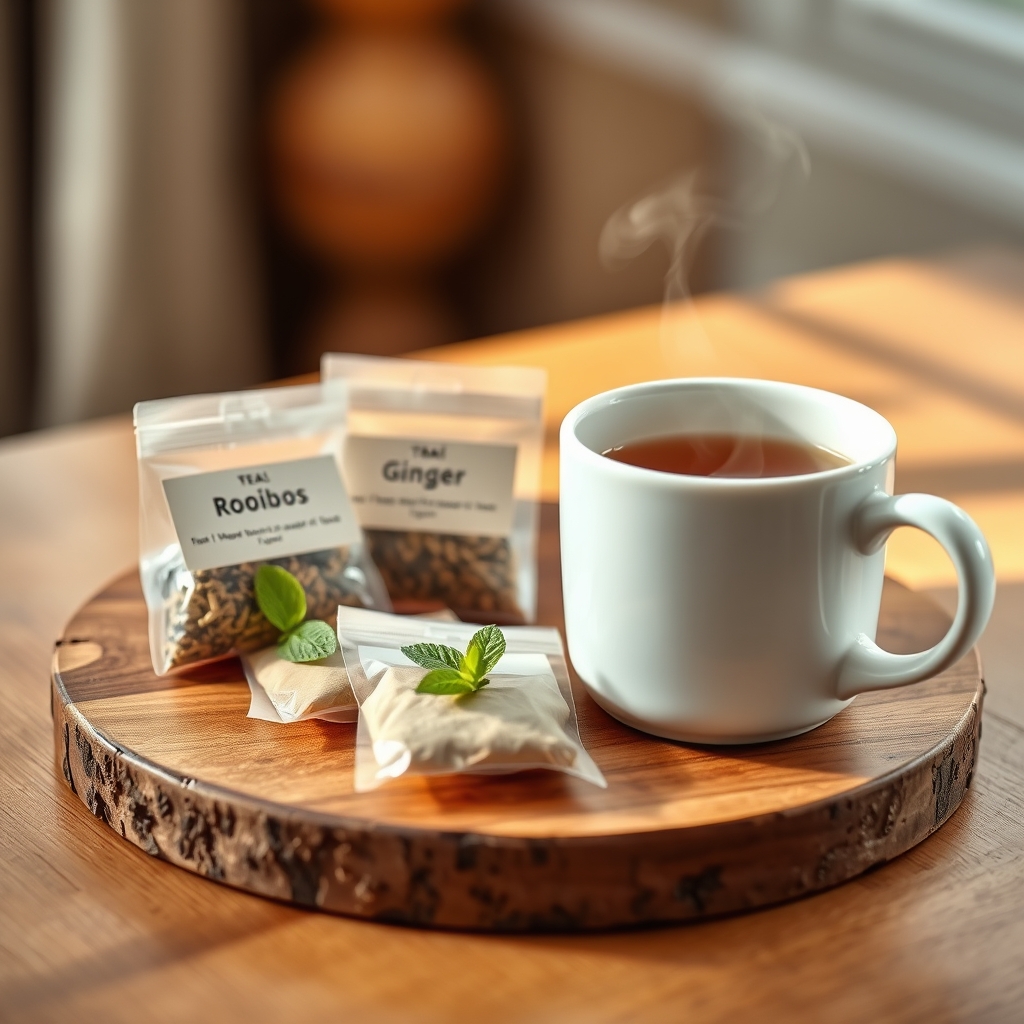
Herbal teas are often caffeine‑free, which can make them a lower‑risk choice for pregnant people who are close to the caffeine limit. However, safety depends on the specific herbs used. For instance, rooibos, ginger, peppermint, and lemon balm have been studied and are generally recognized as safe (NHS). In contrast, herbs like licorice root, sage, and pennyroyal may affect blood pressure or uterine tone and are best avoided (ACOG).
When selecting an herbal hot tea, choose single‑herb blends with clear labeling and avoid “detox” or “weight‑loss” blends that can contain untested ingredients. Always double‑check with your provider if you’re uncertain.
Many herbal teas also provide soothing benefits for common pregnancy symptoms such as nausea or heartburn, making them a versatile alternative.
Can hot tea increase the risk of gestational diabetes?
Current evidence does not link moderate tea consumption to gestational diabetes. In fact, a 2021 systematic review in *Diabetes Care* found that women who drank 1–2 cups of tea per day (both caffeinated and decaffeinated) had a slightly lower risk of developing gestational diabetes compared with non‑tea drinkers, likely due to the antioxidant content of tea polyphenols (Mayo Clinic). However, excessive caffeine can raise cortisol levels, which might affect blood‑sugar control, so staying within the 200 mg limit remains advisable.
For those already diagnosed with gestational diabetes, healthcare teams often recommend monitoring caffeine intake closely and opting for decaf or herbal varieties to avoid any potential glucose spikes.
Choosing unsweetened tea or limiting added sugars is also a key strategy to keep blood‑sugar levels stable.
What caffeine alternatives are safe for pregnant women who love hot tea?
If you crave the ritual of a warm beverage without caffeine, consider these pregnancy‑friendly options:
- Rooibos tea – naturally caffeine‑free and rich in antioxidants.
- Ginger tea – soothing for nausea and safe in moderate amounts.
- Peppermint tea – calming for digestion, no caffeine.
- Lemon balm tea – gentle, mood‑lifting, caffeine‑free.
- Decaf green tea – retains some antioxidants with minimal caffeine.
- Warm water with lemon – hydrating and vitamin‑C rich.
- Warm milk (dairy or fortified plant‑based) – provides calcium and comfort.
- Chamomile tea (in moderation) – known for relaxation, but limit to 1‑2 cups a day and avoid if you have a ragweed allergy.
These alternatives can be enjoyed throughout pregnancy and often provide additional health benefits, such as aiding digestion or reducing inflammation.
Safety by trimester
First trimester
During weeks 1‑13, organogenesis makes the fetus especially sensitive to teratogens. The caffeine limit of ≤200 mg remains the key guideline. One to two cups of black tea (≈45‑60 mg caffeine each) keep you safely under this ceiling. If you’re already drinking coffee, chocolate, or soda, you may need to reduce tea to a single cup. Keep the temperature below 65 °C (149 °F) to avoid thermal injury.
Because iron absorption can be hindered by tannins in tea, many clinicians suggest drinking tea between meals rather than with iron‑rich foods. This timing helps preserve the iron you need for the growing baby while still allowing you to enjoy your favorite brew.
Second trimester
From weeks 14‑27, the fetus’s growth accelerates. Caffeine’s impact on birth weight is still a concern, so maintaining the ≤200 mg daily ceiling is still advised. Many women find that 1‑2 cups of tea help with mild fatigue without disrupting sleep. Herbal, caffeine‑free teas become a convenient way to stay hydrated while respecting the caffeine limit.
Staying well‑hydrated is especially important in the second trimester, when blood volume expands by about 40 %. Warm tea can contribute to your fluid intake, but remember that water, milk, and fruit juices also count toward daily hydration goals.
Third trimester
In weeks 28‑40, excessive caffeine can interfere with sleep and may increase the risk of preterm labor. Staying at or below 200 mg is still recommended, but some clinicians suggest limiting caffeine to 100 mg if you’re experiencing insomnia. Warm, decaf, or herbal teas are excellent choices for soothing nighttime cravings without the stimulating effect.
Because the third trimester often brings heartburn, choosing low‑acid teas (such as white tea or rooibos) can reduce discomfort. Avoiding overly strong brews and sipping slowly also helps keep reflux at bay.
Breastfeeding
Caffeine does transfer into breast milk, and infants can be more sensitive to its stimulant effects. The ACOG advises keeping caffeine ≤200 mg/day while nursing, which usually equates to 1–2 cups of tea. If your baby seems unusually fussy or has trouble sleeping, consider cutting back further or switching to a caffeine‑free herbal option.
While caffeine exposure through breast milk is modest, some pediatricians recommend monitoring your baby’s behavior for a week after increasing caffeine, to see if any changes occur. Adjustments can be made quickly, and many families find a comfortable balance without eliminating tea altogether.
Hot tea and morning sickness
Many pregnant people find that a warm ginger tea can ease nausea, a common symptom in the first and second trimesters. The key is to choose a ginger blend without added caffeine and keep the temperature moderate to avoid burns.
Warm herbal teas, such as peppermint or lemon balm, can also calm an upset stomach without adding caffeine, making them safe companions throughout pregnancy.
Hot tea as a hydration aid
Staying hydrated is essential for healthy pregnancy outcomes. A cup of warm tea counts toward your daily fluid goal, and the soothing warmth can encourage you to drink more consistently, especially on cooler days.
Just be mindful of any added sugars or high‑calorie milks that could contribute extra calories; opting for plain tea or a splash of low‑fat milk keeps the hydration benefit without extra weight gain.
Safe dosage / amount / brands
Because caffeine content varies by tea type, brewing time, and brand, it’s helpful to think in terms of “standard cup” (8 oz) and “average caffeine.” Below is a quick reference:
| Tea type | Typical caffeine per 8 oz cup | Safe daily cups (≤200 mg) | Suggested pregnancy‑safe brands |
|---|---|---|---|
| Black tea | 45‑60 mg | 1‑2 cups | Harney & Sons, Twinings |
| Green tea | 30‑45 mg | 2‑3 cups | Twinings Pure Green, Numi |
| White tea | 15‑30 mg | 3‑4 cups | Teavana, The Republic of Tea |
| Decaf tea | <5 mg | Unlimited (within overall caffeine budget) | Traditional Medicinals Decaf Green, Bigelow Decaf |
| Herbal (caffeine‑free) tea | 0 mg | Unlimited (watch for unsafe herbs) | Traditional Medicinals Peppermint, Yogi Ginger |
When purchasing tea bags, check the packaging for “caffeine content” or refer to the brand’s website. If you’re unsure, a quick call to the manufacturer can clarify the exact amount. Remember that brewing longer or using multiple bags per cup will increase caffeine, so adjust your routine accordingly.
For added peace of mind, consider keeping a simple log of your daily caffeine sources; this habit can help you stay within the recommended limit without having to count each milligram.
Side effects and risks
Most side effects from hot tea are mild when caffeine stays under 200 mg per day:
- Insomnia or restlessness: Common if you drink tea late in the day. Try switching to a decaf or herbal variety after noon.
- Heart palpitations: Sensitive individuals may notice a faster heartbeat after a caffeinated cup.
- Stomach upset: Tannins can irritate an empty stomach; sipping after a snack helps.
- Thermal burns: Drinking tea that’s too hot can cause mouth or esophageal injuries. If you feel a burn, cool the area with cold water and monitor for persistent pain.
If you experience any of the following, contact your provider promptly: persistent abdominal pain, irregular contractions, rapid heartbeat (>100 bpm at rest), signs of dehydration, or unusual fetal movements. While occasional over‑consumption of caffeine is unlikely to cause lasting harm, it’s always best to discuss any concerns with your healthcare team.
Women with pre‑existing hypertension should monitor caffeine intake carefully, as caffeine can temporarily raise blood pressure.
Safer alternatives
- Rooibos tea – naturally caffeine‑free and rich in antioxidants.
- Ginger tea – soothing for nausea, safe in moderate amounts.
- Peppermint tea – calming for digestion, no caffeine.
- Lemon balm tea – gentle mood support, caffeine‑free.
- Decaf green tea – retains polyphenols while keeping caffeine minimal.
- Warm water with lemon – hydrating and vitamin‑C rich.
- Warm milk (dairy or fortified plant‑based) – provides calcium and comfort.
- Chamomile tea (in moderation) – known for relaxation, but limit to 1‑2 cups a day and avoid if you have a ragweed allergy.
These options can be enjoyed at any stage of pregnancy and often provide additional nutrients such as vitamin C, calcium, or anti‑inflammatory compounds.
Related items — safety at a glance
| Item | Verdict | One‑line note |
|---|---|---|
| Black tea | ⚠️ Safe with limits | ≈45‑60 mg caffeine per cup; keep total ≤200 mg. |
| Green tea | ⚠️ Safe with limits | ≈30‑45 mg caffeine per cup; can have 2‑3 cups. |
| Herbal tea (e.g., chamomile) | ✅ Safe | Caffeine‑free; avoid herbs like licorice or pennyroyal. |
| Coffee | ⚠️ Safe with limits | ≈95 mg caffeine per 8‑oz cup; limit to 2 cups total. |
| Caffeinated soda | ⚠️ Safe with limits | Varies; often 30‑50 mg per can; watch total intake. |
| Matcha | ⚠️ Safe with limits | ≈70 mg caffeine per 1‑tsp serving; count toward limit. |
| Chai latte | ⚠️ Safe with limits | Contains black tea + milk; caffeine similar to black tea. |
| Yerba mate | ⚠️ Safe with limits | ≈30‑50 mg caffeine per 8‑oz cup; treat like tea. |
These quick references help you compare common beverages and make informed choices throughout pregnancy.
Myth vs. fact
Myth: “All hot beverages are unsafe because they’re hot.” Fact: Temperature matters, but a warm (≈50‑60 °C) cup is safe; scalding liquids above 65 °C can cause burns.
Myth: “Herbal teas are automatically safe for pregnancy.” Fact: Only certain herbs (e.g., rooibos, ginger) have been studied and deemed safe; others like licorice or sage can pose risks.
Myth: “If I’ve already had three cups of tea, I’ve ruined my pregnancy.” Fact: A single excess episode is unlikely to cause lasting harm; the key is consistent moderation over time.
Key takeaways
- Hot tea safe for pregnancy when caffeine stays ≤200 mg per day (≈1–2 cups of black tea).
- Let tea cool below 65 °C (149 °F) to avoid thermal injury.
- Choose reputable, organic brands and avoid blends with unsafe herbs.
- Consider caffeine‑free alternatives like rooibos or ginger tea if you’re near the caffeine limit.
- Watch for side effects—persistent heart palpitations, abdominal pain, or burns should prompt a call to your provider.
- Maintain a balanced hydration plan; tea can count toward daily fluid goals.
Frequently asked questions
Can I drink hot tea while pregnant?
Yes—hot tea is generally safe during pregnancy as long as you keep caffeine under 200 mg per day and the drink isn’t scalding.
How much caffeine is safe during pregnancy?
Most authorities, including ACOG and the NHS, recommend limiting caffeine to 200 mg per day, which is roughly one to two 8‑oz cups of regular black tea.
Is it okay to drink herbal tea in the second trimester?
Yes, provided the herbal blend contains only pregnancy‑tested herbs such as rooibos, ginger, peppermint, or lemon balm and contains no added caffeine.
Does hot tea increase the risk of birth defects?
Current research shows no link between moderate tea consumption (within caffeine limits) and birth defects; the primary concern is excess caffeine, not the tea itself.
What temperature is safe for drinks during pregnancy?
Keep beverages below 65 °C (149 °F); letting tea sit for a few minutes after steeping usually brings it into a safe, comfortable range.
Can hot tea cause miscarriage?
There is no strong evidence that normal‑temperature tea causes miscarriage; however, extremely hot liquids have been associated with rare early‑pregnancy loss, so avoid scalding drinks.
Are there any pregnancy‑safe tea brands?
Brands like Traditional Medicinals (herbal

