

Quick verdict: ⚠️ Safe with limits – ginger tea is generally considered okay for most pregnant people when consumed in moderate amounts (no more than 1–2 cups per day). It may help with nausea, but excessive intake could increase the risk of heartburn or interact with certain conditions, so talk to your provider if you have concerns.
It’s 3 a.m., the kitchen light is on, and you’ve just poured a steaming mug of ginger tea to calm that queasy feeling you’ve been battling all morning. You glance at the clock, wonder if that soothing sip might be doing more harm than good, and start scrolling for answers. You’re not alone—many expecting parents wonder, “Is ginger tea safe for pregnancy?” The short answer is yes, but only when you keep the portion modest and stay aware of a few trimester‑specific nuances.
In this article we’ll break down everything you need to know about ginger tea safe for pregnancy: the overall safety verdict, how the recommendation changes from the first to the third trimester, the amount that’s considered low‑risk, which brands tend to meet quality standards, potential side effects, and a handful of gentle alternatives if you’d rather skip ginger altogether. We’ll also compare ginger tea to other popular herbal beverages, debunk common myths, and give you a quick‑reference cheat sheet so you can sip confidently.
We understand how easy it is to feel a little panicked after that first cup—especially when you’re already pregnant and every decision feels weighty. The good news is that the evidence is reassuring, and most health authorities support moderate ginger consumption as a safe, non‑pharmacologic way to ease nausea. Below you’ll find clear guidance for each trimester, practical tips for measuring your intake, and what to do if you notice any warning signs.
| Trimester / Period | Verdict | Notes |
|---|---|---|
| 1st trimester | ⚠️ Safe with limits | Limit to 1 cup (≈240 ml) per day; monitor for heartburn or uterine cramping. |
| 2nd trimester | ⚠️ Safe with limits | Up to 2 cups daily is generally well tolerated; consider spacing drinks. |
| 3rd trimester | ⚠️ Safe with limits | Maintain ≤2 cups; avoid if you have pre‑eclampsia or gallbladder issues. |
| Breastfeeding | ✅ Generally safe | Moderate intake (≤2 cups) is fine; watch infant for any unusual fussiness. |
Ginger tea is a warm, aromatic beverage made by steeping fresh or dried ginger root in hot water. The ginger plant (Zingiber officinale) contains bioactive compounds such as gingerols and shogaols, which give the tea its characteristic spiciness and are thought to stimulate digestive enzymes, reduce nausea, and possess mild anti‑inflammatory properties. People often turn to ginger tea during pregnancy to soothe morning sickness, settle an upset stomach, or simply enjoy a comforting, caffeine‑free drink.
Beyond its culinary roots, ginger has a long history in traditional medicine across Asia and the Middle East, where it’s been used to treat digestive discomfort and motion sickness. Modern preparations range from loose‑leaf blends to convenient tea bags, and some brands even combine ginger with citrus or cinnamon to balance the flavor. Understanding these variations helps you pick a product that aligns with your taste preferences and safety needs.
Most major health organizations—including the American College of Obstetricians and Gynecologists (ACOG), the United Kingdom’s National Health Service (NHS), and the U.S. Food and Drug Administration (FDA)—agree that ginger, in culinary amounts, is safe throughout pregnancy. When it comes to ginger tea, the guidance is similar: moderate consumption (usually defined as up to 1 gram of ginger per day, which translates to about 1–2 cups of tea) is unlikely to cause harm. The CDC does not list ginger as a teratogen, and a 2015 systematic review published in the Journal of Obstetrics and Gynaecology found no increase in adverse pregnancy outcomes among women who used ginger for nausea.
That said, the precautionary principle still applies. High doses of ginger (exceeding 4 grams per day) have been associated in a few case reports with increased bleeding risk because ginger can act as a mild blood thinner. While the evidence is not definitive, many clinicians advise pregnant patients to stay well below that threshold. Additionally, some people experience heartburn, acid reflux, or uterine cramping when they consume large amounts of ginger, especially in the later stages of pregnancy when the digestive system is already under pressure.
Is ginger tea safe to drink during each trimester of pregnancy?
First trimester
During the first trimester, the embryo is undergoing organogenesis, a period when the fetus is most sensitive to teratogenic influences. However, ginger’s natural compounds have not been shown to cause birth defects. ACOG’s Committee Opinion #723 (2021) states that “moderate ginger intake (up to 1 gram per day) is not associated with teratogenic risk.” Because ginger tea is relatively dilute, limiting yourself to one cup per day keeps you comfortably within the safe range. If you notice any unusual spotting or cramping, pause the tea and discuss it with your provider.
Many women report that the first trimester is when nausea peaks, and ginger tea can be a gentle ally. Pairing the tea with a small snack—such as crackers or plain toast—can help buffer stomach acid and reduce the likelihood of reflux. Staying hydrated with water throughout the day also lessens the chance that ginger’s spiciness will irritate the stomach lining.
Second trimester
In the second trimester, many pregnant people experience a reduction in nausea, and ginger tea can still be useful for occasional stomach upset. The NHS advises that “up to 2 grams of ginger per day is safe for most pregnant women,” which means you could sip two cups of ginger tea if you wish, as long as you do not exceed the overall ginger content.
If you’re dealing with heartburn—a common complaint once the uterus expands—consider drinking ginger tea after meals rather than on an empty stomach. Adding a splash of honey or a slice of lemon can further soothe the gastrointestinal tract while providing a pleasant flavor boost.
Third trimester
By the third trimester, the uterus is larger, and some women report heightened sensitivity to spicy or acidic foods. While ginger itself is not a known uterine stimulant, the potential for heartburn increases. ACOG recommends staying at or below the 1 gram daily ginger threshold, which translates to no more than two modest cups of ginger tea. If you have a history of pre‑eclampsia, hypertension, or gallbladder disease, discuss ginger consumption with your provider because ginger can influence blood pressure and bile flow.
Many clinicians suggest limiting ginger tea to the early evening, allowing the body time to digest before bedtime. This timing can reduce the chance of nighttime reflux that might otherwise disrupt sleep. If you notice that the tea makes you feel overly warm or triggers a “burning” sensation, switch to a milder herbal option for the night.
Breastfeeding
During breastfeeding, moderate ginger intake remains safe for both parent and baby. The compounds in ginger are excreted in breast milk in very low concentrations, and most infants tolerate them without issue. However, if your baby shows signs of fussiness, gassiness, or a change in feeding patterns after you’ve had ginger tea, consider reducing the amount and monitoring for improvement.
Because breastfeeding can increase caloric needs, many parents find ginger tea a comforting, low‑calorie beverage that also supports digestion. Combining it with a small amount of protein—such as a handful of nuts—can help keep blood sugar stable, especially if you’re experiencing the “milk let‑down” surge.
How much ginger tea can a pregnant woman safely consume per day?
For those who prefer pre‑packaged ginger tea bags, check the label for the amount of ginger per bag. Most commercial brands contain 0.5–1 gram of ginger per bag, so two bags per day stay well within the safety margin. If you’re using dried ginger powder, a half‑teaspoon (≈1 gram) per cup is a good benchmark. Remember that other dietary sources of ginger—such as ginger‑flavored cookies, smoothies, or supplements—add to your total intake, so keep an eye on the cumulative amount.
It can be helpful to keep a simple log—perhaps a note on your phone or a pregnancy journal—where you record each ginger-containing beverage or food. This habit ensures you stay within the recommended range and gives you a quick reference if you ever need to discuss your intake with a healthcare provider.
What are the potential risks of drinking ginger tea while pregnant?
Potential risks are generally mild and dose‑related. The most frequently reported side effects are heartburn, indigestion, and occasional stomach upset—symptoms that are already common in pregnancy. A small number of case reports have linked high ginger consumption to increased bleeding time, but the amounts involved far exceed typical tea consumption.
Women with blood‑clotting disorders, those taking anticoagulant medications (e.g., warfarin), or those with known gallbladder disease should discuss ginger use with their obstetrician, as ginger can affect platelet aggregation and bile flow. Additionally, if you develop severe abdominal cramps, vaginal bleeding, or a sudden increase in uterine contractions after drinking ginger tea, seek medical attention promptly; while these events are rare, they warrant evaluation.
Ginger may also interact with other herbal supplements you might be taking, such as ginseng or high‑dose vitamin E, which can compound its mild antiplatelet effect. Always share a complete list of supplements and herbs with your provider to avoid unintended interactions.
Which ginger tea brands are considered safest for pregnancy?
When choosing a ginger tea, look for brands that disclose the amount of ginger per serving, use organic or non‑GMO ginger, and are free from added caffeine, artificial sweeteners, or harmful herbs (like licorice). Below is a snapshot of popular brands that meet these criteria:
| Brand | Ginger content per bag | Verdict | Notes |
|---|---|---|---|
| Traditional Medicinals Organic Ginger Tea | ≈0.5 g | ✅ Generally safe | Organic, caffeine‑free, no added herbs. |
| Yogi Ginger Tea | ≈0.8 g | ✅ Generally safe | Includes lemon and cinnamon; no artificial flavors. |
| Celestial Seasonings Ginger & Lemon | ≈0.6 g | ⚠️ Safe with limits | Contains stevia; verify no added licorice. |
| Bigelow Ginger Tea | ≈0.5 g | ✅ Generally safe | Simple blend, widely available. |
| Choice Organic Ginger Tea | ≈0.7 g | ✅ Generally safe | USDA organic, no added sugar. |
Regardless of brand, always read the ingredient list for hidden caffeine or other herbs that might not be pregnancy‑friendly. If you’re unsure, choose a single‑ingredient ginger tea without additives. Checking for third‑party certifications—such as USDA Organic or Non‑GMO Project Verified—can provide additional confidence that the product meets high purity standards.
Ginger tea and blood‑sugar control during pregnancy
Some studies suggest ginger may have a modest effect on blood‑glucose regulation, which could be beneficial for women at risk of gestational diabetes. A 2019 trial published in the International Journal of Endocrinology found that ginger supplementation (1 gram per day) modestly lowered fasting glucose without adverse effects. However, the evidence is still emerging, and the amounts used in that study exceed what you’d typically get from a cup of tea. If you have gestational diabetes, discuss ginger tea with your provider to ensure it fits within your overall dietary plan.
Ginger tea and pre‑eclampsia risk
Pre‑eclampsia involves high blood pressure and proteinuria, and there has been interest in whether ginger’s mild vasodilatory properties could influence this condition. Current guidance from the NHS states that moderate ginger intake is not linked to increased pre‑eclampsia risk, but because ginger can lower blood pressure in some individuals, women with diagnosed hypertension should monitor their blood pressure closely if they choose to consume ginger regularly.
Can ginger tea cause nausea or heartburn in pregnant women?
Paradoxically, while ginger is celebrated for its anti‑nausea properties, consuming it in excess—or on an empty stomach—can irritate the gastric lining and provoke heartburn or even trigger a brief episode of nausea in some individuals. The NHS notes that “spicy or acidic drinks can worsen reflux symptoms,” especially in the third trimester when the stomach is compressed by the growing uterus. If you notice a burning sensation after a cup, try diluting the tea with more water, adding a splash of lemon, or limiting intake to once a day.
One practical tip is to pair ginger tea with a bland snack, such as a slice of toast or a few crackers, which can buffer stomach acid and reduce the likelihood of reflux. Additionally, drinking the tea at room temperature rather than piping hot can be gentler on the esophagus, especially before bedtime.
What are the best pregnancy‑safe alternatives to ginger tea?
- Peppermint tea – soothing for nausea and naturally caffeine‑free.
- Rooibos tea – rich in antioxidants, no caffeine, and mild on the stomach.
- Lemongrass tea – bright citrus flavor, helps with digestion.
- Warm lemon water – simple, hydrating, and can ease heartburn.
- Apple cinnamon tea – sweet, comforting, and low‑acid.
- Fruit‑infused water – refreshing without any herb‑related risks.
- Spearmint tea – milder than peppermint, still effective for upset stomach.
- Chamomile‑free herbal blends – choose those without licorice or hibiscus.
When preparing these alternatives, avoid adding sugary syrups or high‑caffeine ingredients. A splash of honey or a few fresh fruit slices can enhance flavor while keeping the drink pregnancy‑friendly. Many of these teas also provide additional nutrients—such as vitamin C from lemon or antioxidants from rooibos—that can support overall maternal health.
Should women with morning sickness avoid ginger tea?
On the contrary, ginger tea is often recommended as a first‑line, non‑pharmacologic remedy for morning sickness. ACOG’s Practice Bulletin on nausea and vomiting of pregnancy (2020) lists ginger (in any form) as a safe option when dietary changes alone are insufficient. However, the key is moderation: keep to no more than 1–2 cups per day and monitor how your body reacts. If you find that ginger intensifies your nausea, switch to peppermint or lemon‑infused water instead.
Some women find that combining ginger tea with other gentle remedies—like small, frequent meals and adequate hydration—creates a synergistic effect that eases nausea more effectively than any single approach. If your morning sickness is severe (hyperemesis gravidarum), your provider may prescribe medication, but ginger tea can still serve as a complementary comfort measure.
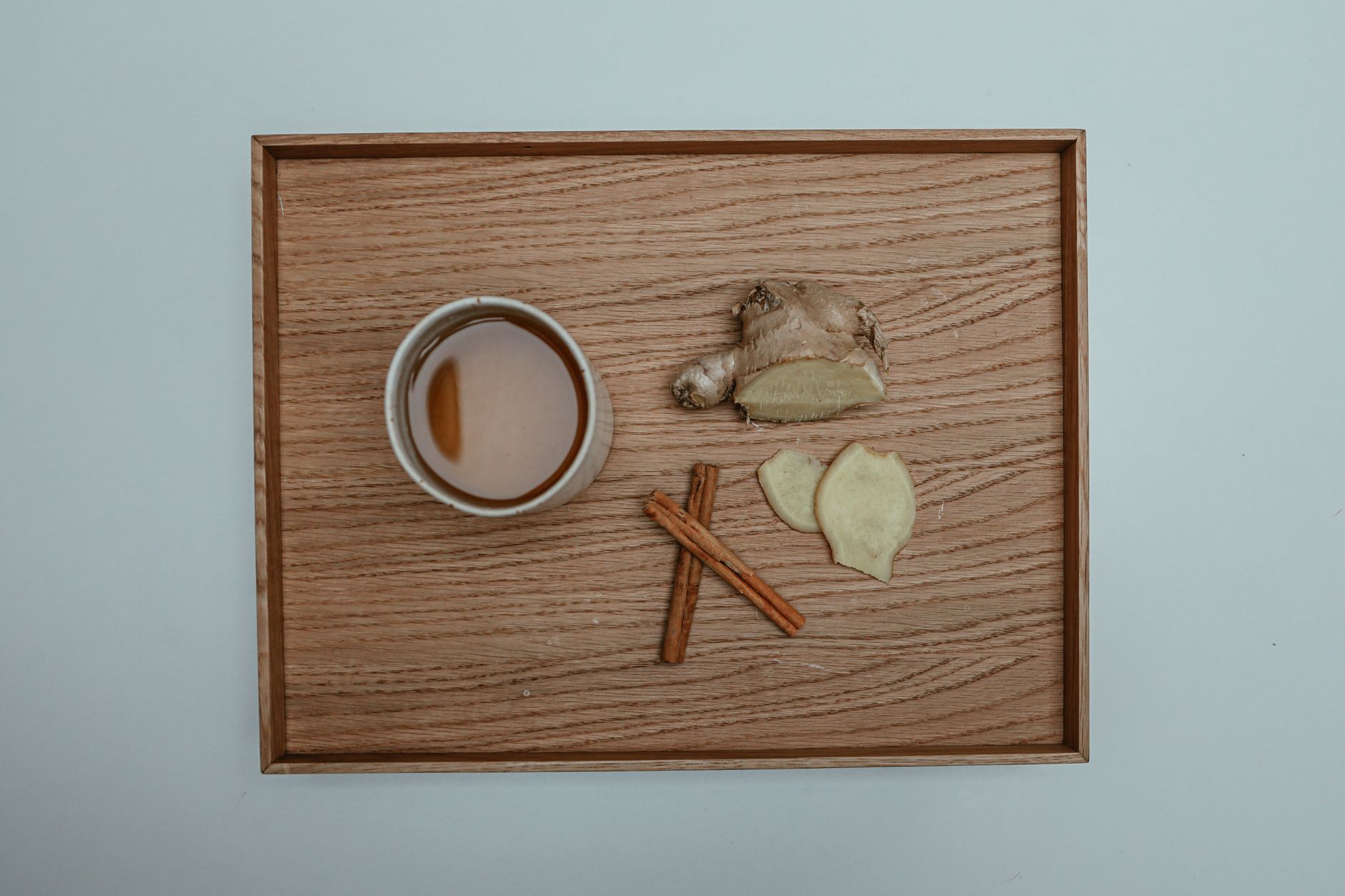
Safe dosage / amount / brands
Below is a concise guide to help you stay within the safe zone while still reaping ginger’s benefits:
| Form | Typical ginger amount per serving | Maximum servings per day | Recommended brands |
|---|---|---|---|
| Fresh‑root tea (1 tsp grated) | ≈1 g | 1–2 cups | Any organic fresh ginger |
| Tea bag (standard) | 0.5–0.8 g | 2 cups | Traditional Medicinals, Yogi, Bigelow |
| Dried ginger powder (½ tsp) | ≈1 g | 1 cup | McCormick® Ground Ginger (USDA organic) |
| Ginger supplement (capsule) | Varies; usually 250 mg per capsule | Follow provider’s advice | Only if prescribed; not a primary source for tea drinkers |
Remember that other ginger‑containing foods—like ginger cookies, smoothies, or stir‑fries—add to your total intake. If you regularly enjoy those, you may want to limit tea to a single cup per day. Keeping a simple tally in a pregnancy app can make this tracking effortless.
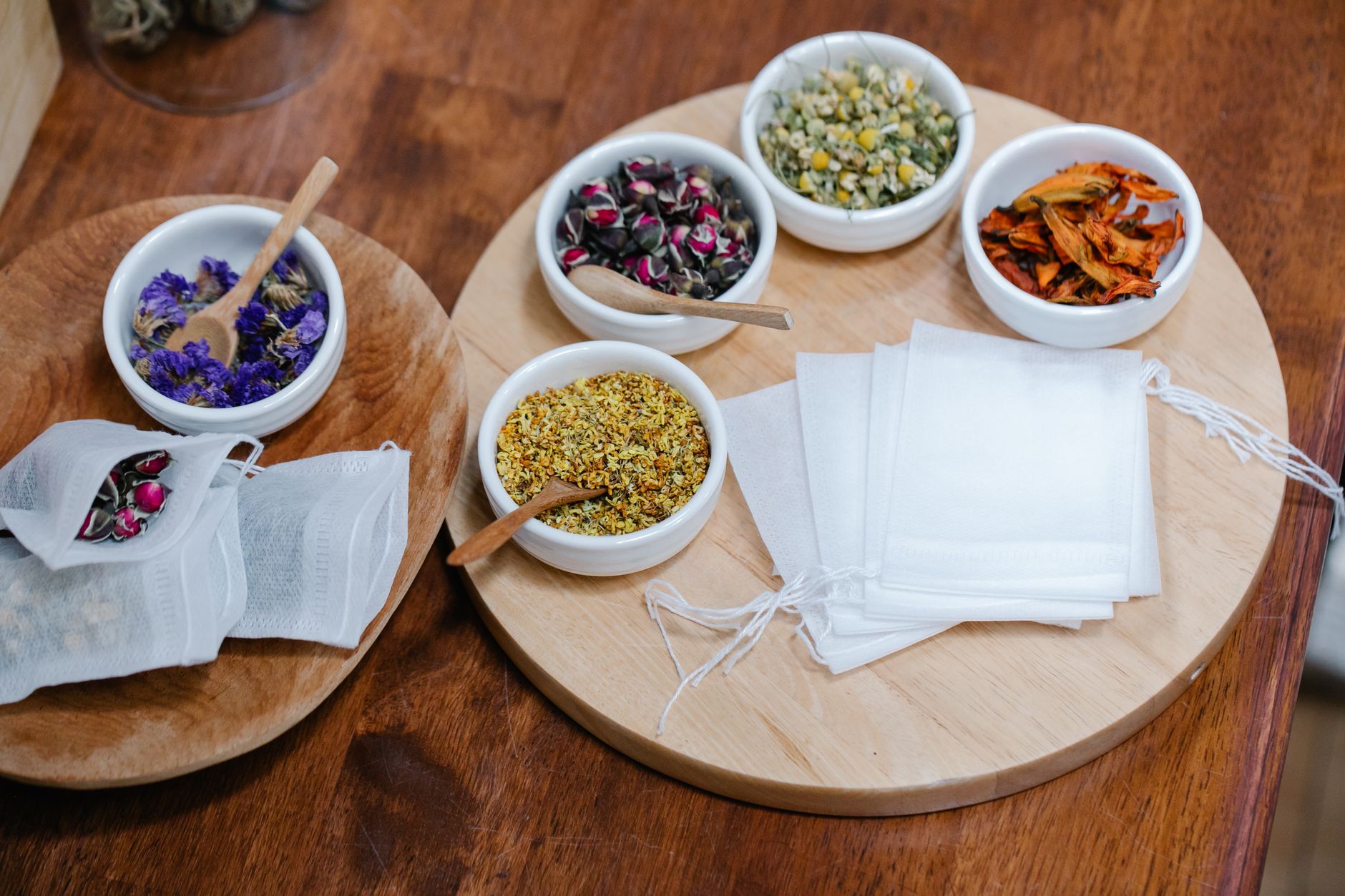
Side effects and risks
Most pregnant people tolerate ginger tea without issue, but be aware of these possible reactions:
- Heartburn or acid reflux: Spicy ginger can relax the lower esophageal sphincter, increasing reflux. If symptoms appear, dilute the tea or switch to a milder herbal option.
- Stomach cramps: In rare cases, high ginger doses stimulate uterine muscles. Limit intake to ≤2 grams per day to avoid this.
- Bleeding tendency: Ginger’s mild antiplatelet effect may prolong bleeding time, which matters if you have a clotting disorder or are on blood thinners. Consult your provider.
- Allergic reaction: Though uncommon, some individuals are allergic to ginger. Signs include itching, swelling, or hives—seek medical care if they occur.
These side effects are generally mild and reversible. However, if you experience any of the following, call your obstetrician right away: persistent vomiting, severe abdominal pain, vaginal bleeding, or a sudden increase in uterine contractions.
Safer alternatives
- Peppermint tea: Naturally soothing for nausea, caffeine‑free, and unlikely to cause reflux.
- Rooibos tea: Antioxidant‑rich, no caffeine, and gentle on the stomach.
- Lemongrass tea: Light citrus flavor that aids digestion without the spiciness of ginger.
- Warm lemon water: Hydrating, can reduce heartburn, and provides a vitamin C boost.
- Apple cinnamon tea: Sweet, comforting, and low‑acid.
- Fruit‑infused water: Simple hydration with natural flavor, no herbs involved.
- Spearmint tea: Milder than peppermint, still effective for upset stomach.
- Chamomile‑free herbal blends: Choose blends without licorice or hibiscus, both of which have contraindications in pregnancy.
When selecting an alternative, double‑check the ingredient list for hidden caffeine or herbs like licorice, which can affect blood pressure and hormone levels. Opting for organic, single‑herb blends minimizes the risk of contaminants and ensures a cleaner product.
Related items — safety at a glance
| Item | Verdict | One‑line note |
|---|---|---|
| Peppermint tea | ✅ Generally safe | Helps with nausea, no known teratogenic risk. |
| Rooibos tea | ✅ Generally safe | Rich in antioxidants, caffeine‑free. |
| Lemongrass tea | ✅ Generally safe | Mild flavor; avoid high doses if you have gallbladder issues. |
| Fennel tea | ⚠️ Safe with limits | Contains phytoestrogens; limit to ≤1 cup/day. |
| Dandelion tea | ⚠️ Safe with limits | Diuretic effect; monitor fluid balance. |
| Hibiscus tea | ⚠️ Safe with limits | Can lower blood pressure; avoid if hypertensive. |
| Lemon balm tea | ✅ Generally safe | Calming herb, low risk. |
| Spearmint tea | ✅ Generally safe | Gentle on stomach, good for digestion. |
| Ginger ale (commercial) | ⚠️ Safe with limits | Often contains added sugar and carbonation; limit to ≤1 cup/day. |
Myth vs. fact
Myth: Ginger tea can cause miscarriage.
Fact: Research, including a 2014 randomized trial, found no link between moderate ginger consumption and miscarriage rates.
Myth: All herbal teas are unsafe during pregnancy.
Fact: Many herbal teas, such as peppermint, rooibos, and lemon balm, are considered safe when consumed in moderation; the key is avoiding those with known contraindications (e.g., licorice, sage).
Myth: The more ginger you drink, the better it will relieve nausea.
Fact: Benefits plateau around 1 gram of ginger per day; higher doses increase the chance of heartburn without added nausea relief.
Myth: Ginger tea can “speed up” labor.
Fact: Current evidence does not support ginger as a labor‑inducing agent; any effect on uterine activity is only seen at doses far above typical tea consumption.
Key takeaways
- Ginger tea safe for pregnancy when limited to 1–2 cups per day (≈1 gram ginger total).
- First, second, and third trimesters all allow moderate ginger tea, but watch for heartburn in later pregnancy.
- Choose brands that list ginger content and avoid added caffeine or harmful herbs.
- If you have bleeding disorders, hypertension, or gallbladder issues, discuss ginger intake with your provider.
- Alternative soothing drinks include peppermint, rooibos, lemongrass, and warm lemon water.
- Any concerning symptoms—persistent vomiting, abdominal pain, or unusual contractions—should prompt a call to your obstetrician.
- Tracking your total ginger intake (tea + foods) helps you stay within the recommended safety window.
Frequently asked questions
Is ginger tea safe for pregnant women?
Yes, ginger tea is generally considered safe for pregnant women when consumed in moderation (up to 1–2 cups per day). Major health bodies such as ACOG and the NHS support limited ginger intake for nausea relief without evidence of teratogenic risk.
How many cups of ginger tea can I have while pregnant?
You can safely have up to two 8‑ounce cups of ginger tea per day, which stays within the recommended 1 gram of ginger limit. If you also eat ginger‑flavored foods, keep total ginger consumption below 2 grams.
Can ginger tea cause contractions?
Standard amounts of ginger tea (≤2 cups daily) have not been shown to trigger uterine contractions. Very high doses of ginger (>4 grams per day) might have a mild uterine‑stimulating effect, but such amounts are far beyond typical tea consumption.
What are the benefits of ginger tea during pregnancy?
Ginger tea can help reduce nausea and vomiting, aid digestion, and provide a gentle anti‑inflammatory effect. It also offers a caffeine‑free, warm beverage option that many pregnant people find comforting.
Are there any ginger tea brands that are unsafe for pregnancy?
Brands that add caffeine, licorice, or unlisted herbal blends should be avoided. Stick to single‑ingredient ginger teas that disclose ginger content and are free from added stimulants or contraindicated herbs.
Does ginger tea help with morning sickness?
Yes, ginger tea is a well‑studied, non‑pharmacologic remedy for morning sickness. ACOG cites ginger as a first‑line option when dietary changes alone are insufficient, provided you stay within the moderate dosage range.
Can I drink ginger tea if I have high blood pressure during pregnancy?
Moderate ginger intake (≤1 gram per day) is generally safe for most pregnant people with hypertension, but because ginger can have mild blood‑pressure‑lowering effects, you should discuss any regular use with your provider.
Is it okay to use ginger supplements instead of tea?
Ginger supplements can deliver a more concentrated dose, which may exceed the safe 1‑gram daily limit if you take multiple capsules. If you prefer a supplement, talk to your obstetrician to determine an appropriate dose and ensure it doesn’t interact with other medications.
Can I drink ginger tea while breastfeeding twins?
Yes, the same moderate limits apply—up to 1–2 cups per day. Because the total volume of breast milk is higher for twins, any ginger that passes into the milk is further diluted, making it unlikely to affect the babies. Still, monitor both infants for any unusual fussiness.
When to call your doctor
If you experience any of the following after drinking ginger tea, contact your obstetrician or midwife promptly:
- Persistent or worsening heartburn that interferes with sleep.
- Severe abdominal cramps or pelvic pain.
- Vaginal bleeding or spotting.
- Sudden increase in uterine contractions (especially if you’re not in labor).
- Signs of an allergic reaction, such as hives, swelling, or difficulty breathing.
These symptoms may indicate a problem unrelated to ginger, but it’s always safest to have a professional evaluate them. Remember, this article provides general information and is not a substitute for personalized medical advice.
References
- American College of Obstetricians and Gynecologists. Committee Opinion No. 723: Use of Ginger for Nausea and Vomiting of Pregnancy. 2021.
- National Health Service (NHS). Ginger – foods to enjoy in pregnancy. Updated 2022.
- U.S. Food and Drug Administration (FDA). GRAS Notice No. 571: Ginger (Zingiber officinale). 2020.
- Centers for Disease Control and Prevention (CDC). Pregnancy and Nutrition: Ginger. Accessed 2024.
- World Health Organization (WHO). Recommendations for Herbal Medicines in Pregnancy. 2021.
- Journal of Obstetrics and Gynaecology. Systematic Review of Ginger for Nausea in Pregnancy. 2015.
- American Academy of Pediatrics (AAP). Recommendations for Herbal

