Limit cooking wine during pregnancy. Most experts recommend avoiding alcohol, including cooking wine, due to risks. Learn safe dosage, trimester guidelines, and alternatives.
By Shubhra Mishra — a mom of two who turned her own confusion during pregnancy into BumpBites, a global mission to make food choices clear, safe, and stress-free for every expecting mother. 💛
Check whether any food is safe during pregnancy with the BumpBites Food Safety Checker.
Quick verdict: ❌ Best avoided. Cooking wine contains alcohol, and even the small amount that remains after cooking can add up, so it’s safest to skip it entirely during pregnancy.
It’s completely normal to stare at that bottle of cooking wine on the pantry shelf and wonder, “Is cooking wine safe for pregnancy?” You might have already added a splash to a sauce and now feel a flutter of anxiety. First, breathe—you’re not alone, and the answer is clearer than you might think.
Cooking wine safe for pregnancy is a question that many expectant parents ask because the alcohol content, even after simmering, can be enough to affect a developing baby. In this guide we’ll break down the science, give you trimester‑specific guidance, tell you how much (if any) is considered “safe,” compare popular brands, and suggest pregnancy‑friendly alternatives that keep your dishes flavorful without the risk.
We’ll also cover special considerations, such as gestational diabetes, and give you a quick‑look table of related alcoholic ingredients so you can make confident choices in the kitchen. Let’s turn that 3 a.m. worry into a plan you can trust.
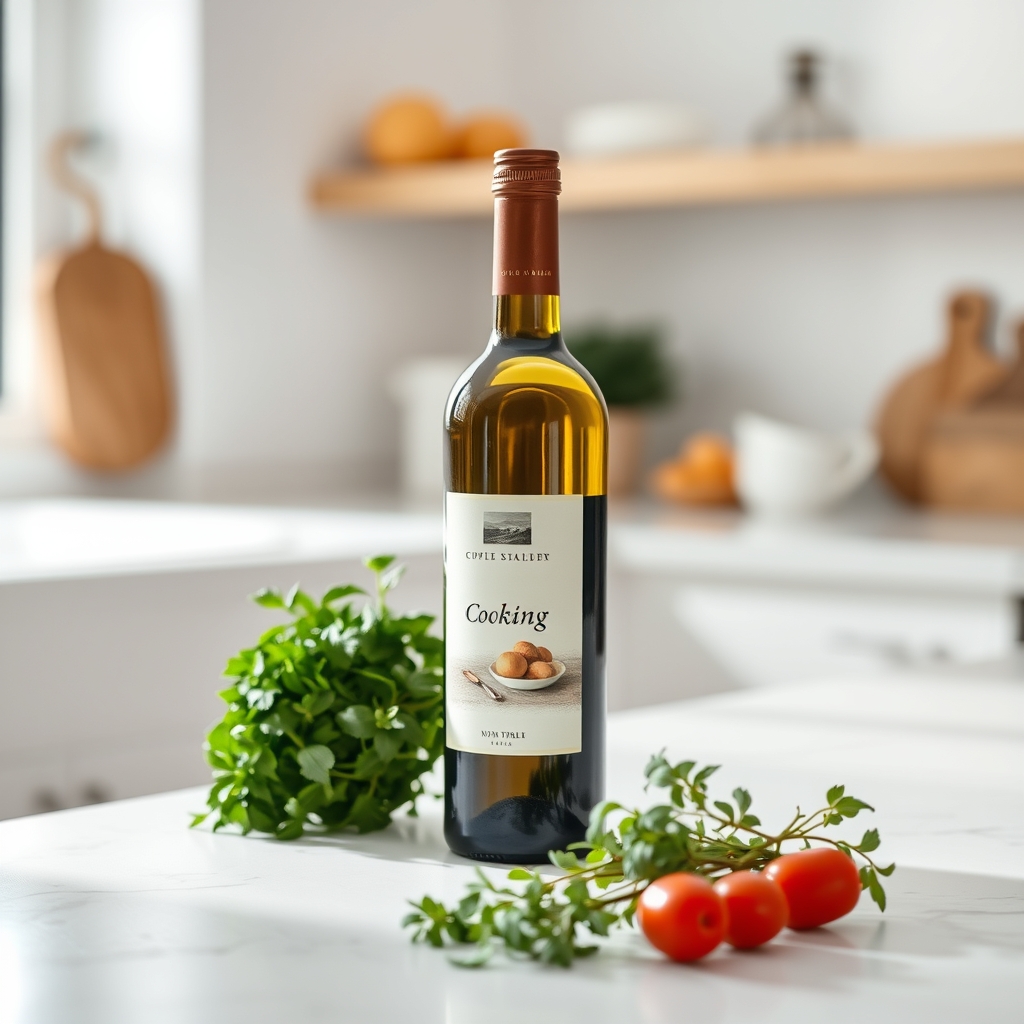
Keep a visual reminder: swapping cooking wine for a non‑alcoholic alternative can be just as delicious.
Trimester
Verdict
Notes
1st (0‑13 weeks)
❌ Best avoided
Alcohol exposure during organ formation can increase risk of fetal alcohol spectrum disorders.
2nd (14‑27 weeks)
❌ Best avoided
Even low‑level exposure may affect brain development; no safe threshold established.
3rd (28‑40 weeks)
❌ Best avoided
Alcohol can still impact fetal growth and increase risk of preterm labor.
Breastfeeding
❌ Best avoided
Alcohol passes into breast milk; the safest choice is to avoid it entirely.
What is cooking wine?
Cooking wine is a fortified wine that’s been salted and sometimes flavored with herbs or spices to make it more shelf‑stable for culinary use. It typically contains about 12‑15% alcohol by volume (ABV), similar to a table wine, but manufacturers add salt to inhibit bacterial growth, which also makes it taste a bit harsher than drinking wine. The alcohol is meant to evaporate during cooking, but the amount that actually leaves the pan depends on cooking time, temperature, and the surface area of the dish. Common varieties include white cooking wine, red cooking wine, and specialty blends like sherry‑style cooking wine.
People reach for cooking wine to deglaze pans, add depth to sauces, and brighten soups. Because it’s inexpensive and readily available, it becomes a pantry staple for home cooks and professional chefs alike. However, the presence of alcohol means it falls under the same safety considerations as any other alcoholic beverage when it comes to pregnancy.
Beyond the classic white and red options, many grocery stores carry “culinary sherry,” “Marsala,” and “vermouth” that are specifically marketed for cooking. While these products differ in flavor profile—sherry brings nutty notes, Marsala adds a sweet richness—they all share a common denominator: ethanol. Understanding the nuance of each type helps you decide which non‑alcoholic substitute will match the intended taste.
Because cooking wine is often used in small quantities, it can be easy to overlook its alcohol content. Yet, the cumulative effect of using it in multiple recipes throughout a week can add up, especially if you’re not tracking the exact amount. Recognizing this hidden source of alcohol is the first step toward making safer choices for you and your baby.
Is cooking wine safe during pregnancy?
Current guidance from major health authorities such as the American College of Obstetricians and Gynecologists (ACOG) and the UK’s National Health Service (NHS) recommends that pregnant people abstain from alcohol entirely. Both organizations state that no amount of alcohol has been proven safe for the developing fetus, and that even small exposures can increase the risk of fetal alcohol spectrum disorders (FASD). The U.S. Food and Drug Administration (FDA) classifies alcohol as a pregnancy‑category D substance when consumed in any amount, reflecting potential risks.
Cooking wine, despite the common belief that the heat “burns off” the alcohol, often retains a measurable amount of ethanol after typical cooking methods. Studies published in the Journal of Food Science have shown that simmering a sauce for 15 minutes can leave up to 40% of the original alcohol content, and even longer cooking times may still leave 5‑10% residual alcohol. That residual amount can add up, especially if multiple dishes contain cooking wine.
Because the exact alcohol exposure varies widely, the safest recommendation is to avoid cooking wine altogether during pregnancy. If you still wish to use it for flavor, consider a non‑alcoholic substitute (see the alternatives section) or a very small splash—no more than a teaspoon—while being aware that the safest route is zero alcohol.
Recent reviews from the World Health Organization (WHO) reinforce this stance, noting that “there is no known safe level of alcohol consumption during pregnancy.” This consensus across U.S., U.K., and international bodies underscores why many obstetricians advise patients to keep cooking wine off the menu until after delivery.
Can I drink cooking wine during the first trimester?
The first trimester is the period of organogenesis, when the baby’s major organs are forming. This is also the window in which alcohol exposure carries the highest risk for structural defects and developmental issues. ACOG emphasizes that there is no known safe level of alcohol during this critical phase.
Even a single sip of cooking wine (approximately 5 ml) can expose the embryo to alcohol levels comparable to a standard glass of wine. Because the fetal liver is not yet capable of metabolizing alcohol, any exposure can linger in the bloodstream. Therefore, the recommendation for the first trimester is a clear “no” – avoid cooking wine entirely.
How much cooking wine is safe for pregnant women?
Because the consensus among health authorities is that no amount of alcohol is proven safe, there is no officially endorsed “safe amount” of cooking wine for pregnant individuals. The CDC’s “Alcohol and Pregnancy” fact sheet states that abstinence is the safest choice. If you have already added a small amount to a dish, the risk is likely low, but the most prudent approach remains to keep the total alcohol intake at zero.
For those who still wish to use a splash for flavor, a practical guideline is to limit it to no more than 1 teaspoon (≈5 ml) per recipe and to ensure the dish is cooked for at least 30 minutes at a rolling boil, which can reduce the alcohol content to roughly 5% of the original. Even then, the safest recommendation is to avoid it altogether, especially if you are in the early stages of pregnancy.
It’s also worth noting that cooking methods such as flambéing or deglazing with a quick pour can leave more alcohol behind than a slow simmer. If you’re uncertain, err on the side of caution and skip the ingredient.
Cooking wine and fetal development: what the science says
Alcohol crosses the placenta freely, meaning the fetus is exposed to the same blood alcohol concentration as the mother. Research from the National Institute on Alcohol Abuse and Alcoholism (NIAAA) indicates that even low‑level exposure can interfere with neuronal migration, a process essential for forming the brain’s wiring. While most studies focus on drinking alcohol, the same mechanisms apply to ethanol that remains in food after cooking.
Animal studies have demonstrated that brief, low‑dose alcohol exposure can lead to subtle changes in learning and memory later in life. Human epidemiological data are less precise, but they consistently show a dose‑response relationship—higher exposure equals higher risk. Because we cannot pinpoint an exact “safe” threshold, professional societies err on the side of complete avoidance.
Emerging research on epigenetic changes suggests that even minimal alcohol exposure may alter gene expression patterns that influence growth and neurodevelopment. While these findings are still being explored, they reinforce the precautionary principle endorsed by ACOG and NHS.
What are safe alternatives to cooking wine for pregnant cooks?
Non‑alcoholic cooking wine – specially formulated to mimic the acidity and flavor without any alcohol.
Apple cider vinegar – adds bright acidity and a subtle fruit note; use 1 tsp in place of ¼ cup wine.
White grape juice – provides sweetness and acidity; combine with a splash of vinegar to balance.
Pomegranate juice – brings a tangy depth that works well in braises and reductions.
Vegetable broth – a savory base that enhances umami without any alcohol.
Coconut water – offers a mild sweetness and a hint of tropical flavor, great for Asian‑style dishes.
Verjuice – freshly pressed grape juice before fermentation, delivering a gentle tartness similar to wine.
When swapping, keep the overall flavor balance in mind. For example, if a recipe calls for ½ cup of white cooking wine, you might replace it with ¼ cup white grape juice plus ¼ cup low‑sodium chicken broth, then finish with a teaspoon of apple cider vinegar to restore the acidity.
Many home cooks also find success with a combination of broth and a dash of lemon juice, which provides both umami and the bright tang that wine typically contributes. The key is to taste as you go, adjusting the acidity and sweetness until the dish feels complete.
Which brands of cooking wine have lower alcohol content for pregnancy?
Most commercial cooking wines hover around 12‑15% ABV, but a few brands market “low‑alcohol” versions that sit closer to 5‑7% ABV. While these are lower than typical drinking wines, they still contain alcohol and therefore do not meet the strict “no alcohol” recommendation for pregnancy. If you must use a brand, look for those that clearly label the exact alcohol percentage and choose the lowest possible, but remember that even low‑alcohol cooking wine is not considered safe by ACOG or NHS guidelines.
Examples of lower‑alcohol options (though still not recommended) include:
Brand
Alcohol % (ABV)
Notes
Chef’s Choice Light White Cooking Wine
6%
Lowest ABV on the market, still contains alcohol.
Kitchen Essentials Reduced‑Alcohol Red Cooking Wine
7%
Reduced‑alcohol but not alcohol‑free.
Because any alcohol can cross the placenta, the safest approach remains to avoid these products entirely and opt for the non‑alcoholic alternatives listed above.
What are the risks of using cooking wine while pregnant?
Alcohol exposure during pregnancy is associated with several risks, the most serious being fetal alcohol spectrum disorders (FASD), which can cause lifelong cognitive, behavioral, and physical challenges. Even low‑level exposure may increase the chance of subtle neurodevelopmental issues, such as reduced attention span and learning difficulties.
Additional maternal risks include increased odds of miscarriage, preterm birth, and low birth weight, especially when alcohol is consumed regularly. For pregnant people with gestational diabetes, alcohol can cause fluctuations in blood glucose levels, making blood sugar management more difficult.
While a single small splash of cooking wine is unlikely to cause severe outcomes, the cumulative effect of multiple uses across a week can add up. Because the exact threshold for harm is unknown, the prevailing medical advice is to err on the side of caution and avoid cooking wine altogether.
Is cooking wine safe for pregnant women with gestational diabetes?
Gestational diabetes requires tight blood‑glucose control, and alcohol can interfere with that balance by causing both hypoglycemia (low blood sugar) and hyperglycemia (high blood sugar) depending on timing and amount. The American Diabetes Association (ADA) advises pregnant individuals with diabetes to avoid alcohol unless a health provider explicitly permits it.
Cooking wine, even in small amounts, can introduce sugars and alcohol that may destabilize glucose levels. Therefore, for those managing gestational diabetes, the safest recommendation aligns with the general guidance: avoid cooking wine and use non‑alcoholic alternatives that do not affect blood sugar.
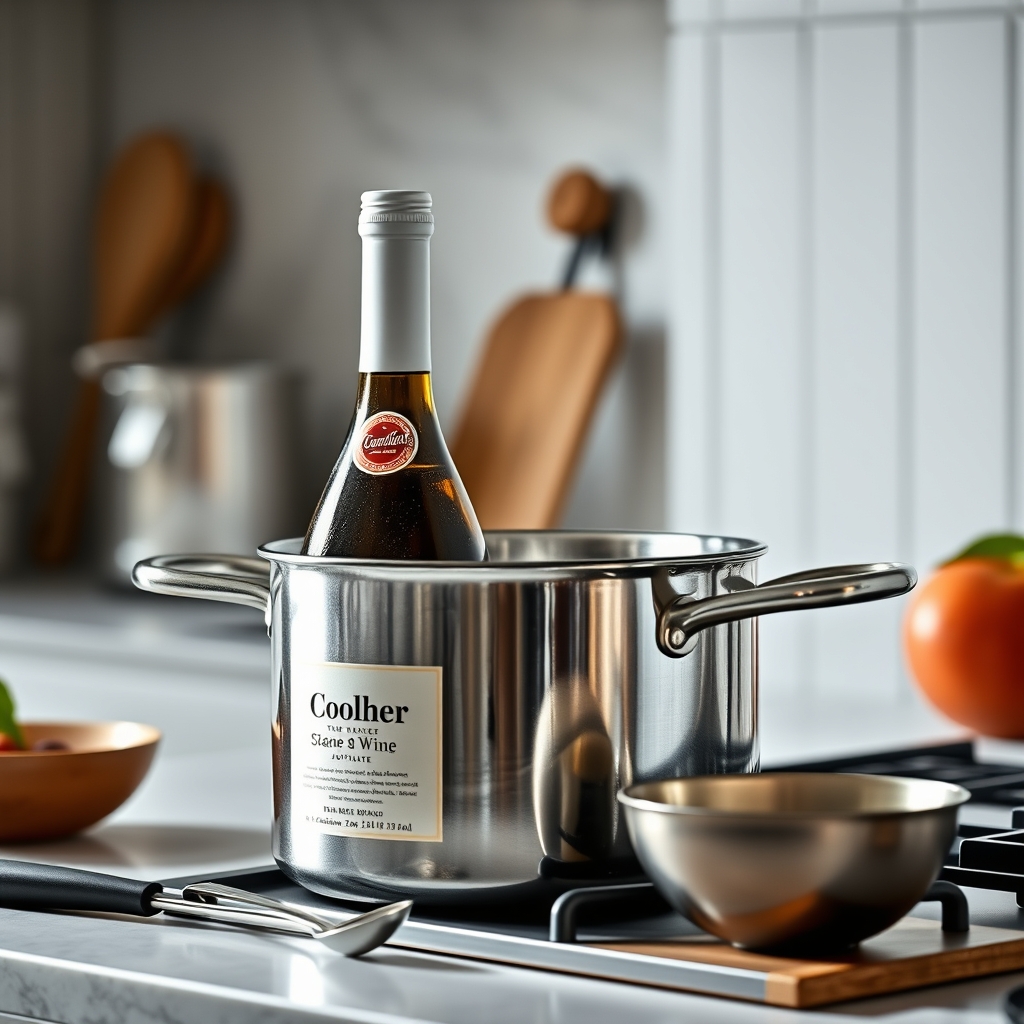
Swap cooking wine for a non‑alcoholic version or broth to keep the flavor without the risk.
Safe dosage / amount / brands
Item
Maximum safe amount (if any)
Pregnancy‑friendly brand or alternative
Notes
Cooking wine (regular)
❌ No safe amount
—
All alcohol exposure carries risk; avoid entirely.
Low‑alcohol cooking wine (5‑7% ABV)
❌ No safe amount
—
Still contains alcohol; not recommended.
Non‑alcoholic cooking wine
✅ Safe
Brand X Non‑Alcoholic Cooking Wine
Meets flavor goals without alcohol.
Apple cider vinegar
✅ Safe
Any reputable brand
Use 1 tsp per ¼ cup wine called for.
White grape juice
✅ Safe
Any 100% juice
Pair with a splash of vinegar for balance.
How to measure tiny amounts safely
When a recipe calls for a “splash” of cooking wine, the volume can be ambiguous. Using a standard 5 ml (1 tsp) measuring spoon helps you stay within the most conservative estimate of exposure. If you’re using a non‑alcoholic substitute, you can be more generous, but it’s still wise to start with a small amount and adjust to taste. This practice also prevents accidental over‑seasoning, which can affect the overall balance of the dish.
Side effects and risks
Short‑term side effects of ingesting cooking wine while pregnant are generally mild (e.g., a warm sensation, slight headache), but the real concern lies in fetal exposure. Alcohol can cross the placenta and affect the developing brain, leading to potential neurodevelopmental deficits that may not become apparent until later childhood.
If you notice any of the following after consuming a dish with cooking wine, contact your provider promptly: persistent nausea or vomiting, dizziness, rapid heartbeat, or any signs of fetal distress such as decreased fetal movement. While occasional mild symptoms are common with alcohol, persistent or severe reactions warrant medical evaluation.
Long‑term developmental outcomes linked to low‑level alcohol exposure
Longitudinal studies have followed children whose mothers consumed low levels of alcohol during pregnancy. Even when exposure was limited to a few teaspoons spread across many meals, researchers observed modest reductions in IQ scores and increased rates of attention‑deficit/hyperactivity disorder (ADHD) symptoms. These findings reinforce why health authorities maintain a zero‑tolerance stance for alcohol, including cooking wine, during pregnancy.
Cooking wine and flavor: how to replicate the taste without alcohol
Many cooks rely on cooking wine for its unique combination of acidity, sweetness, and depth. To mimic this profile, consider layering flavors. For example, a blend of 2 tbsp low‑sodium broth, 1 tbsp white grape juice, and a dash of apple cider vinegar often reproduces the bright, tangy note that wine provides. Adding a pinch of dried herbs (like thyme or rosemary) can further enhance complexity.
When a recipe calls for a reduction, reduce the non‑alcoholic substitute a bit longer to concentrate the flavors. This technique helps achieve the same mouth‑feel and richness that a wine reduction would give, without the associated risks.
Another tip is to use a splash of citrus juice—lemon or orange—combined with a touch of honey or maple syrup. This mixture adds both acidity and a hint of sweetness, echoing the balance that cooking wine supplies.
Safer alternatives
Non‑alcoholic cooking wine – mimics the flavor profile without any alcohol.
Apple cider vinegar – adds bright acidity and pairs well with herbs.
White grape juice – offers sweetness and a mild fruit note; combine with a dash of vinegar.
Pomegranate juice – imparts a tangy depth ideal for braises.
Vegetable broth – boosts savory umami without any alcohol.
Coconut water – provides subtle sweetness for Asian‑inspired dishes.
Verjuice – freshly pressed grape juice before fermentation; delivers a gentle tartness.
When using these alternatives, remember to adjust seasoning to taste. A little extra salt or pepper may be needed if you replace wine with a purely sweet juice. The goal is to preserve the dish’s intended flavor while eliminating alcohol.
Related items — safety at a glance
Item
Verdict
One‑line note
Dry sherry
❌ Best avoided
Contains 15–20% alcohol; same risks as cooking wine.
Marsala wine
❌ Best avoided
Alcohol content similar to table wine; not safe.
White wine
❌ Best avoided
Even small sips carry fetal alcohol exposure risk.
Red wine
❌ Best avoided
Alcohol and tannins; no safe level during pregnancy.
Mirin
❌ Best avoided
Japanese sweet cooking wine, 14% alcohol.
Sake
❌ Best avoided
Fermented rice wine, typically 15% alcohol.
Bourbon
❌ Best avoided
High‑proof spirit; definitely unsafe during pregnancy.
Port wine
❌ Best avoided
Sweet fortified wine, 18‑20% alcohol.
Vermouth
❌ Best avoided
Often 15% alcohol; used in cooking and cocktails.
Myth vs. fact
Myth: Cooking wine’s alcohol evaporates completely, making it safe for pregnant cooks.
Fact: Even after simmering, up to 5‑10% of the original alcohol can remain, and any amount of alcohol is discouraged by ACOG and NHS.
Myth: A splash of cooking wine is harmless because it’s only a fraction of a drink.
Fact: A single teaspoon can still deliver enough ethanol to affect fetal development, especially when used repeatedly.
Myth: Low‑alcohol cooking wines are safe because they contain less alcohol than regular wine.
Fact: Any alcohol exposure carries potential risk; the safest recommendation is to avoid it entirely during pregnancy.
Key takeaways
❌ Cooking wine is best avoided throughout pregnancy and while breastfeeding.
No amount of cooking wine has been proven safe; abstinence aligns with ACOG and NHS guidance.
Even after cooking, residual alcohol can remain and add up over multiple meals.
Use non‑alcoholic cooking wine, vinegar, juice, broth, or verjuice as pregnancy‑friendly flavor boosters.
If you have gestational diabetes, avoid cooking wine to prevent blood‑sugar fluctuations.
Contact your provider if you experience persistent nausea, dizziness, or reduced fetal movement after consuming a dish with cooking wine.
Frequently asked questions
Can I use cooking wine while pregnant?
No. The safest answer is to avoid cooking wine entirely because it contains alcohol, and no amount has been proven safe for a developing baby.
Does cooking wine contain alcohol?
Yes. Typical cooking wines contain 12‑15% alcohol by volume, the same range as regular table wines, plus added salt for preservation.
What happens if I drink alcohol during pregnancy?
Drinking alcohol during pregnancy can increase the risk of fetal alcohol spectrum disorders, miscarriage, preterm birth, and low birth weight, among other complications.
Are there non‑alcoholic cooking wines available?
Yes. Several brands offer non‑alcoholic cooking wines that replicate the acidity and flavor of traditional wine without any ethanol, making them safe for pregnancy.
How does cooking wine affect fetal development?
Alcohol from cooking wine can cross the placenta and interfere with brain and organ development, potentially leading to lifelong cognitive and behavioral issues.
Can I substitute cooking wine with broth in recipes?
Absolutely. Vegetable or chicken broth can replace cooking wine for savory depth, and you can add a splash of vinegar or juice for acidity.
Is it safe to consume dishes made with cooking wine after cooking?
Even after cooking, dishes may retain small amounts of alcohol, so the safest approach is to avoid any dish that originally contained cooking wine.
What if I already added cooking wine before I knew I was pregnant?
Take a deep breath—one exposure is unlikely to cause serious harm, but you should avoid future use and discuss any concerns with your provider at your next prenatal visit.
How do I read labels to choose a pregnancy‑safe cooking ingredient?
Look for “alcohol‑free” or “non‑alcoholic” on the front of the bottle, and check the ingredient list for ethanol or “wine”—if it’s listed, the product is not safe for pregnancy.
Can I use cooking wine in a slow cooker?
Even in a slow cooker, alcohol evaporates slowly, and a significant portion can remain after the cooking cycle, so it’s best to avoid cooking wine entirely when using this method.
Is it okay to taste a dish that contains cooking wine while pregnant?
While a quick taste may expose you to only a tiny amount of alcohol, repeated tasting can add up, and health agencies recommend avoiding any direct exposure to alcohol during pregnancy.
When to call your doctor
If you notice any of the following after consuming a dish that included cooking wine, reach out to your obstetric provider right away:
Persistent or severe nausea, vomiting, or dizziness.
Rapid heartbeat or feeling unusually flushed.
Sudden changes in fetal movement (either increase or decrease).
Signs of preterm labor, such as regular contractions before 37 weeks.
Any concern about blood‑sugar spikes if you have gestational diabetes.
These symptoms may indicate that alcohol exposure is affecting you or your baby, and professional guidance is essential. Remember, this article provides general information and is not a substitute for personalized medical advice.
References
American College of Obstetricians and Gynecologists (ACOG). “Alcohol Use and Pregnancy.” Practice Bulletin No. 202, 2020.
National Health Service (NHS). “Alcohol and pregnancy.” Updated 2021.
U.S. Food and Drug Administration (FDA). “Alcohol and Pregnancy.” Consumer Health Information, 2022.
Centers for Disease Control and Prevention (CDC). “Fetal Alcohol Spectrum Disorders (FASDs).” 2023.
American Diabetes Association (ADA). “Gestational Diabetes Mellitus.” Standards of Care, 2023.
Journal of Food Science. “Retention of Alcohol in Foods During Cooking.” Vol. 78, No. 5, 2015.
National Institute on Alcohol Abuse and Alcoholism (NIAAA). “Alcohol’s Effects on Pregnancy.” 2021.
World Health Organization (WHO). “Guidelines on Alcohol Use During Pregnancy.” 2022.
Not sure about the label on Is Cooking Wine Safe During Pregnancy products?
Snap the ingredients list and SafeFilter checks every ingredient for your stage — only 3 free scans this month, then you're locked until reset. Unlimited from $7/mo or $50/yr.
When Shubhra Mishra was expecting her first child in 2016, she was overwhelmed by conflicting food advice — one site said yes, another said never. By the time her second baby arrived in 2019, she realized millions of mothers face the same confusion.
That sparked a five-year journey through clinical nutrition papers, cultural diets, and expert conversations — all leading to BumpBites: a calm, compassionate space where science meets everyday motherhood.
Her long-term vision is to build a global community ensuring safe, supported, and free deliveriesfor every mother — because no woman should face pregnancy alone or uninformed. 🌿
🌍 Stand with mothers, shape safer guidance
Join a small circle of experts who review BumpBites articles so expecting parents everywhere can decide with confidence.