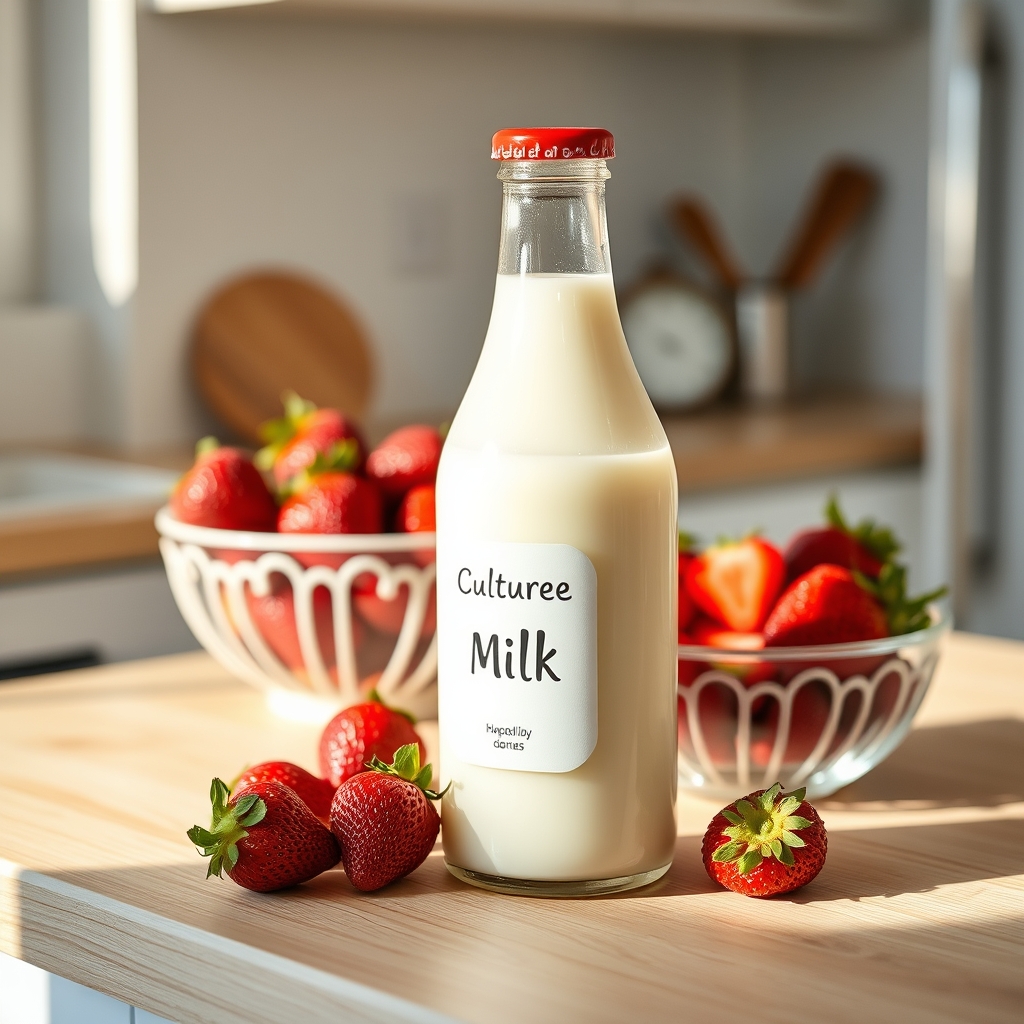
Safe in moderation. Cultured milk is generally safe during pregnancy if pasteurized and consumed in recommended amounts (1-2 servings daily), especially after the first trimester.
By Shubhra Mishra — a mom of two who turned her own confusion during pregnancy into BumpBites, a global mission to make food choices clear, safe, and stress-free for every expecting mother. 💛
Check whether any food is safe during pregnancy with the BumpBites Food Safety Checker.
Quick verdict: ⚠️ Safe with limits – pasteurized cultured milk is generally considered safe for pregnancy when consumed in moderation, but raw or unpasteurized versions should be avoided. Check labels, keep portions reasonable, and talk to your provider if you have specific health concerns.
It’s 2 a.m., the kitchen light is on, and you’ve just opened the fridge to find a bottle of cultured milk. “Is cultured milk safe for pregnancy?” you wonder, heart racing. You’re not alone—many expecting parents have that same midnight question, especially when a favorite beverage sits on the shelf. The short answer is that most pasteurized cultured milk products are safe to enjoy during pregnancy, but there are important nuances around how much you drink, which trimester you’re in, and whether the milk is raw or flavored. In this article we’ll break down the evidence, give you clear dosage guidelines, explore trimester‑specific considerations, and suggest safer alternatives if you’d rather skip cultured milk altogether.
We’ll also walk you through how to read labels, identify reputable brands, and recognize red‑flag symptoms that warrant a call to your provider. By the end, you’ll have a concise, evidence‑based answer to the question “cultured milk safe for pregnancy” and feel confident making the best choice for you and your baby.
Because every pregnancy is unique, we’ll also touch on special scenarios—such as gestational diabetes, lactose intolerance, and high‑risk pregnancies—so you can tailor the guidance to your own health profile. If you’ve already taken a sip before you knew you were pregnant, don’t panic; we’ll explain what really matters and when you might need a quick check‑in with your doctor.
Stage
Verdict
Notes
First trimester (weeks 1‑13)
⚠️ Safe with limits
Pasteurized cultured milk is fine; avoid raw versions. Limit to 1‑2 servings (≈250 ml each) per day.
Second trimester (weeks 14‑27)
✅ Generally safe
Same limits apply; calcium and probiotic benefits may support gut health.
Third trimester (weeks 28‑40)
✅ Generally safe
Maintain portion limits; watch added sugars if you have gestational diabetes.
Breastfeeding
✅ Generally safe
Continue with pasteurized products; ensure baby tolerates dairy.
What is cultured milk?
Cultured milk is a dairy beverage that has been fermented with live bacteria, typically Lactobacillus or Bifidobacterium strains. The fermentation process thickens the milk slightly, adds a tangy flavor, and boosts its probiotic content. Common types include kefir, drinkable yogurt, and certain “drinkable” cheese products. The bacteria help break down lactose, which can make cultured milk easier to digest for people with mild lactose intolerance. In many countries, the product is sold in cartons or bottles and may be flavored with fruit, honey, or vanilla. Because the live cultures are added after pasteurization, the final product is safe from most pathogenic bacteria—provided the manufacturer follows proper hygiene standards.
Beyond probiotics, cultured milk is a good source of calcium, vitamin D, protein, and B‑vitamins. A typical 250 ml serving delivers roughly 200 mg of calcium (about 15 % of the daily recommended intake for pregnant adults) and 5‑7 grams of protein, making it a nutrient‑dense snack that can help meet the increased demands of pregnancy. The fermentation also produces short‑chain fatty acids that may support gut health, an area of growing interest for maternal immunity and fetal development.
In the United States, the FDA regulates cultured milk under the “cultured dairy product” category, requiring that the final product contain at least 10⁶ colony‑forming units (CFU) per gram of the specified probiotic strains. The UK’s Food Standards Agency (FSA) and NHS similarly require pasteurization before fermentation, and they advise against consuming raw or unpasteurized cultured milk during pregnancy due to the heightened risk of foodborne illness.
Enjoying a modest serving of pasteurized cultured milk can add probiotics and calcium to your pregnancy diet.
Is cultured milk safe during pregnancy?
C
urrent guidance from the American College of Obstetricians and Gynecologists (ACOG) and the UK’s National Health Service (NHS) states that pasteurized cultured dairy products are safe for most pregnant people when consumed in moderation. The FDA’s “Food Safety Modernization Act” also classifies pasteurized cultured milk as a low‑risk food, provided it is kept refrigerated and not past its “use‑by” date.
The primary safety concern revolves around raw or unpasteurized cultured milk, which can harbor Listeria monocytogenes, Salmonella, or E. coli – bacteria that are especially dangerous during pregnancy. Listeriosis, though rare, can lead to miscarriage, stillbirth, or severe illness in newborns. Because these pathogens are eliminated during pasteurization, the risk drops dramatically for commercially produced, pasteurized cultured milk.
Evidence from observational studies, such as a 2019 CDC report on listeriosis outbreaks, shows that the majority of cases linked to dairy were associated with raw milk products. No large‑scale studies have demonstrated a direct teratogenic effect (birth‑defect‑causing) from the probiotic strains themselves. In fact, some research suggests that probiotic‑rich foods may help maintain a healthy gut microbiome, which can be beneficial for digestion and immune function during pregnancy. The American Academy of Pediatrics (AAP) echoes this view, noting that probiotic foods are generally appropriate for pregnant and lactating individuals when pasteurized.
Nevertheless, because each pregnancy is unique, ACG recommends that anyone with a compromised immune system, a high‑risk pregnancy, or a history of listeriosis discuss dairy choices with their obstetric provider. If you’re uncertain whether a specific brand is truly pasteurized, it’s safest to err on the side of caution and choose a product that explicitly states “pasteurized” on the label.
Safety by trimester
First trimester (weeks 1‑13)
The first trimester is a period of rapid organ formation, known as organogenesis, and the fetus is most vulnerable to infections. During this window, the ACOG and NHS both advise that only pasteurized cultured milk should be consumed. Raw cultured milk carries a higher risk of transmitting listeria, which can cause miscarriage or severe fetal infection. Limit intake to 1‑2 servings (about 250 ml each) per day, and always check that the product is labeled “pasteurized.”
Because nausea and food aversions are common in early pregnancy, some people find the tangy flavor of cultured milk soothing. If you’re experiencing severe morning sickness, a small sip of a mild, plain cultured milk can be easier on the stomach than heavier dairy foods, but always stay within the recommended serving limit.
Second trimester (weeks 14‑27)
By the second trimester, the placenta is more developed, providing a better barrier against many pathogens. Pasteurized cultured milk remains safe, and the probiotic content may help alleviate common pregnancy complaints like constipation or mild nausea. The dosage recommendation stays the same—no more than 2 servings daily—to avoid excess calories and added sugars, especially if you’re monitoring weight gain.
Calcium needs increase sharply during this phase, and cultured milk can contribute up to 15 % of the daily calcium requirement per serving. Pairing it with a source of vitamin D (such as fortified orange juice) can further enhance calcium absorption, supporting both maternal bone health and fetal skeletal development.
Third trimester (weeks 28‑40)
In the final trimester, calcium needs increase dramatically as the baby’s bones harden. Cultured milk can be a convenient source of calcium and vitamin D. However, if you have gestational diabetes, watch for flavored varieties that contain added sugars. Stick with plain, low‑fat, pasteurized options and keep portions to 1‑2 servings per day to maintain balanced blood glucose levels.
Many women report that the probiotic strains in cultured milk help reduce late‑pregnancy heartburn, a symptom that can be aggravated by the hormonal relaxation of the lower esophageal sphincter. A modest daily serving can therefore serve a dual purpose: nutrition and digestive comfort.
Breastfeeding
After delivery, the same safety standards apply. Pasteurized cultured milk is fine for nursing parents, and the probiotics may even support the infant’s developing gut microbiome. If your baby shows signs of dairy intolerance (e.g., eczema flare‑ups, digestive upset), consider switching to a lactose‑free or plant‑based alternative.
Because breastfeeding mothers need slightly more calories, cultured milk can be a nutrient‑dense addition to a balanced diet, especially when paired with whole‑grain toast or a handful of nuts for a satisfying snack.
Look for the “pasteurized” label to ensure the product is safe for pregnancy.
How much cultured milk can a pregnant woman consume daily?
Moderation is key. Most nutrition experts, including the Academy of Nutrition and Dietetics, suggest that 1‑2 servings (≈250–500 ml total) of pasteurized cultured milk per day fits comfortably within a balanced pregnancy diet. This amount provides roughly 200‑400 mg of calcium and 1‑2 billion CFU of probiotics, supporting bone health and gut function without overloading calories.
If you’re drinking flavored or sweetened varieties, be mindful of added sugars. The American Diabetes Association recommends that pregnant people with gestational diabetes keep added sugar intake below 10 % of total daily calories. In practice, that often means limiting sweetened cultured milk to the lower end of the serving range (about 250 ml per day) and opting for plain or low‑sugar options whenever possible.
When choosing a brand, look for the following on the label:
“Pasteurized” or “Heat‑treated” prominently displayed.
Live and active cultures listed (e.g., Lactobacillus acidophilus or Bifidobacterium bifidum).
Clear expiration or “use‑by” date.
Low‑fat or non‑fat versions if you’re watching saturated fat intake.
Calcium and vitamin D fortification amounts (aim for ≥ 150 mg calcium per serving).
What are the risks of unpasteurized cultured milk in pregnancy?
Unpasteurized, or “raw,” cultured milk bypasses the heat‑kill step that eliminates harmful bacteria. The CDC reports that listeriosis rates are 20‑30 times higher among pregnant people who consume raw dairy. Symptoms can include fever, muscle aches, and gastrointestinal distress, but the infection can silently cross the placenta, leading to miscarriage, stillbirth, or severe neonatal infection.
Raw cultured milk may also contain Campylobacter or Salmonella, which cause food poisoning. While most healthy adults recover without complications, pregnant people are more susceptible to dehydration and severe illness. Therefore, ACOG advises that anyone who is pregnant, planning a pregnancy, or breastfeeding should strictly avoid unpasteurized cultured milk and any other raw dairy products.
Historical outbreaks illustrate the danger: a 2015 listeriosis outbreak linked to raw goat milk in the United States resulted in 5 pregnancy‑related cases, three of which ended in stillbirth. Such cases underscore why pasteurization is a non‑negotiable safety step for expectant families.
Which brands of cultured milk are safe for pregnant women?
Brands that clearly label their products as pasteurized and adhere to strict manufacturing standards are considered safe. In the United States, examples include:
Organic certification can indicate stricter sourcing standards, though it does not replace the need for pasteurization.
Low‑sugar or “no‑added‑sugar” variants are preferable if you’re monitoring carbohydrate intake.
Fortified versions that add extra vitamin D and calcium can help you meet prenatal nutrient goals.
Can cultured milk cause complications for pregnant women with lactose intolerance?
Many people with lactose intolerance can tolerate cultured milk better than regular milk because the fermentation process breaks down some of the lactose. The live cultures produce lactase, the enzyme needed to digest lactose, reducing symptoms like bloating, gas, and diarrhea. However, tolerance varies.
If you experience persistent discomfort after drinking cultured milk, consider switching to a lactose‑free version or a plant‑based alternative (see the safer alternatives section). It’s also wise to discuss your symptoms with your obstetric provider, who may recommend a lactase enzyme supplement or a dietary plan to ensure you still meet calcium needs without unnecessary gut upset.
What are safe alternatives to cultured milk for pregnant women?
Pasteurized plain yogurt – offers similar probiotics with higher protein.
Greek yogurt (pasteurized) – thick texture, extra calcium, and protein.
Kefir (pasteurized) – a drinkable probiotic with a tangy flavor.
Buttermilk (pasteurized) – low‑fat, calcium‑rich, and easy on the stomach.
Almond milk (fortified) – plant‑based, dairy‑free, and often calcium‑fortified.
Soy milk (fortified) – provides protein and calcium without lactose.
Coconut yogurt – dairy‑free, creamy, and can be fortified with vitamin D.
Lactose‑free yogurt – same probiotic benefits without the lactose.
Is cultured milk safe for people with a dairy allergy?
For individuals who have a true dairy allergy, any dairy‑derived product—including cultured milk—can trigger an immune response ranging from mild hives to severe anaphylaxis. In such cases, even pasteurized cultured milk is not safe. Instead, consider fortified plant‑based milks (almond, soy, or oat) that provide comparable calcium and vitamin D without dairy proteins. Always discuss allergy management with your obstetric provider to ensure you’re meeting nutrient needs safely.
Can vegans drink cultured milk during pregnancy?
Traditional cultured milk is a dairy product, so it does not fit a vegan diet. However, many vegans choose fortified plant‑based “cultured” drinks—such as soy‑based kefir or almond‑based probiotic drinks—that mimic the probiotic and calcium benefits of dairy cultured milk while remaining free of animal ingredients. When selecting a vegan option, verify that the product is pasteurized, contains live cultures, and is fortified with calcium and vitamin D to support pregnancy nutrition.
Is cultured milk safe for pregnant women with gestational diabetes?
For those managing gestational diabetes, the primary concern is the carbohydrate and sugar content of flavored cultured milk. Plain, low‑fat, pasteurized cultured milk contains about 5‑7 grams of carbs per 250 ml serving, which can fit into a balanced meal plan. Flavored varieties may have 10‑15 grams of added sugars, potentially spiking blood glucose.
The American Diabetes Association recommends counting carbs and choosing low‑glycemic index foods. If you love the tangy taste, opt for an unsweetened version and add fresh berries for flavor without excessive sugar. Always monitor your blood glucose after consumption and discuss portion sizes with your diabetes educator or obstetrician.
Does cultured milk affect the baby's development in the second trimester?
During the second trimester, the fetus undergoes rapid growth, especially of the brain and skeletal system. The calcium, vitamin D, and probiotic content of pasteurized cultured milk can support these processes. Studies published in the journal Nutrition Reviews have linked adequate calcium intake to improved bone mineralization in the newborn.
There is no evidence that the probiotic strains themselves directly influence fetal development, but a healthy maternal gut microbiome can affect immune development. As long as the product is pasteurized and consumed within the recommended serving limits, cultured milk can be a beneficial addition to a second‑trimester diet.
Are there any side effects of drinking cultured milk while pregnant?
Most pregnant people tolerate pasteurized cultured milk well. Mild side effects may include:
Transient bloating or gas – often due to the live cultures.
Allergic reactions – rare, but possible if you have a dairy allergy.
Excessive calorie intake – if you consume large, flavored servings daily.
Serious red‑flag symptoms that require immediate medical attention include fever, severe abdominal cramps, or vomiting after consuming a product that might be unpasteurized. These could signal a listeriosis or food‑borne infection and should prompt a call to your provider right away.
Safer alternatives
Pasteurized plain yogurt – provides probiotics and calcium with minimal added sugar.
Greek yogurt (pasteurized) – higher protein, excellent for satiety.
Kefir (pasteurized) – similar probiotic profile, often lower in calories.
Buttermilk (pasteurized) – low‑fat, calcium‑rich, and easy on the stomach.
Almond milk (fortified) – dairy‑free, calcium‑fortified, suitable for lactose intolerance.
Soy milk (fortified) – offers protein and calcium without dairy.
Coconut yogurt – dairy‑free, can be fortified with vitamin D.
Lactose‑free yogurt – retains probiotic benefits without lactose.
Related items — safety at a glance
Item
Verdict
One‑line note
Yogurt
✅ Generally safe
Pasteurized varieties are fine; watch added sugars.
Kefir
✅ Generally safe
Choose pasteurized kefir; raw kefir carries listeria risk.
Buttermilk
✅ Generally safe
Pasteurized buttermilk provides calcium with low fat.
Skyr
✅ Generally safe
Icelandic cultured milk; ensure it’s pasteurized.
Probiotic milk drinks
⚠️ Safe with limits
Check for pasteurization; limit to 1‑2 servings daily.
Acidophilus milk
⚠️ Safe with limits
Same guidelines as other cultured milks.
Drinkable cultured cheese
⚠️ Safe with limits
Only if pasteurized; watch sodium content.
Plant‑based probiotic drinks (soy kefir)
✅ Generally safe
Fortified, non‑dairy option for vegans.
Lactose‑free cultured milk
✅ Generally safe
Provides probiotic benefits without lactose.
Raw goat milk
❌ Best avoided
High listeria risk for pregnant people.
Myth vs. fact
Myth: All cultured milk is probiotic and therefore automatically healthy for pregnancy. Fact: Only pasteurized, probiotic‑rich cultured milk is considered safe; raw versions can harbor harmful bacteria.
Myth: You can drink unlimited flavored cultured milk because it’s “good for you.” Fact: Added sugars in flavored varieties can contribute to excess calories and affect blood glucose, especially in gestational diabetes.
Myth: If you’re lactose intolerant, you must avoid all dairy. Fact: Many pregnant people with lactose intolerance tolerate pasteurized cultured milk well, thanks to the lactase produced during fermentation.
Myth: Probiotic drinks are a cure‑all for pregnancy nausea. Fact: While some women find relief, probiotics are not a guaranteed remedy; overall diet and hydration play larger roles.
Key takeaways
Pasteurized cultured milk is generally safe for pregnancy when limited to 1‑2 servings (≈250‑500 ml) per day.
Never consume raw or unpasteurized cultured milk; the listeria risk is too high.
Check labels for “pasteurized,” live cultures, and expiration dates.
If you have lactose intolerance, you may still enjoy cultured milk, but monitor symptoms.
For gestational diabetes, choose plain, low‑sugar varieties and keep portions modest.
Safer alternatives include pasteurized plain yogurt, kefir, buttermilk, and fortified plant‑based milks.
People with a dairy allergy should avoid cultured milk entirely and opt for fortified non‑dairy alternatives.
Frequently asked questions
Can I drink cultured milk while pregnant?
Yes—pasteurized cultured milk is considered safe for most pregnant people when consumed in moderation (1‑2 servings per day). Avoid raw or unpasteurized versions.
Is unpasteurized kefir safe during pregnancy?
No—unpasteurized kefir can contain listeria and other pathogens, which pose a serious risk to the developing fetus. Stick to pasteurized kefir only.
How much yogurt is safe to eat during pregnancy?
One to two cups (≈250‑500 ml) of pasteurized yogurt per day is generally safe, providing calcium and probiotics without excess calories.
What are the benefits of cultured milk for pregnant women?
Pasteurized cultured milk offers calcium, vitamin D, and probiotic bacteria that can support bone health, immune function, and digestive comfort during pregnancy.
Does cultured milk increase the risk of foodborne illness in pregnancy?
Only if the product is raw or unpasteurized. Pasteurized cultured milk has a very low risk of foodborne illness when stored properly.
Can cultured milk cause morning sickness?
Generally not; in fact, the probiotics may help ease nausea for some women. However, if you’re sensitive to dairy, a small amount may trigger discomfort.
Are there any probiotic drinks safe for pregnancy?
Yes—pasteurized probiotic drinks such as kefir, drinkable yogurts, and fortified soy or almond milks are safe when they clearly state “pasteurized” and are consumed within recommended serving limits.
Should I avoid cultured milk if I have a high‑risk pregnancy?
If you have a high‑risk pregnancy (e.g., immunocompromised, history of listeriosis), discuss dairy choices with your provider; they may advise stricter avoidance of any cultured dairy.
What if I already drank unpasteurized cultured milk before I knew I was pregnant?
Take a breath—most single exposures do not lead to infection. Monitor for fever, abdominal cramps, or flu‑like symptoms over the next few days. If any red‑flag signs appear, contact your obstetric provider promptly.
Can I freeze cultured milk for later use during pregnancy?
Yes—pasteurized cultured milk can be frozen for up to 2 months. Thaw it in the refrigerator and give it a gentle shake before drinking; some texture change is normal, but safety remains intact.
Is cultured milk a good source of protein for pregnant women?
Yes—each 250 ml serving supplies about 5‑7 grams of high‑quality protein, which contributes to the increased protein needs of pregnancy while also delivering calcium and probiotics.
How long can opened cultured milk stay fresh in the fridge?
Once opened, pasteurized cultured milk should be kept refrigerated and consumed within 5‑7 days, as long as it remains within the “use‑by” date and shows no off‑odor or spoilage.
When to call your doctor
Contact your obstetric provider promptly if you experience any of the following after consuming cultured milk:
Severe abdominal pain, persistent vomiting, or diarrhea lasting more than 24 hours.
Signs of an allergic reaction, such as hives, swelling, or difficulty breathing.
Sudden onset of flu‑like symptoms within a few days of eating a product you suspect may be raw.
These symptoms could indicate a foodborne infection like listeriosis, which requires immediate medical evaluation. Remember, this article provides general information and is not a substitute for personalized medical advice.
References
American College of Obstetricians and Gynecologists (ACOG). “Nutrition During Pregnancy.” Updated 2023.
National Health Service (NHS). “Food safety for pregnant women.” Updated 2022.
U.S. Food and Drug Administration (FDA). “Food Safety Modernization Act.” 2021.
Centers for Disease Control and Prevention (CDC). “Listeriosis – Pregnancy.” 2022.
Academy of Nutrition and Dietetics. “Probiotics and Pregnancy.” Position Paper, 2020.
American Diabetes Association. “Gestational Diabetes Management.” 2023.
World Health Organization (WHO). “Guidelines on Food Safety.” 2021.
Nutrition Reviews. “Calcium intake and fetal bone development.” 2019.
American Academy of Pediatrics (AAP). “Probiotic Foods for Pregnant and Lactating Individuals.” 2022.
Not sure about the label on Is Cultured Milk Safe During Pregnancy products?
Snap the ingredients list and SafeFilter checks every ingredient for your stage — only 3 free scans this month, then you're locked until reset. Unlimited from $7/mo or $50/yr.
When Shubhra Mishra was expecting her first child in 2016, she was overwhelmed by conflicting food advice — one site said yes, another said never. By the time her second baby arrived in 2019, she realized millions of mothers face the same confusion.
That sparked a five-year journey through clinical nutrition papers, cultural diets, and expert conversations — all leading to BumpBites: a calm, compassionate space where science meets everyday motherhood.
Her long-term vision is to build a global community ensuring safe, supported, and free deliveriesfor every mother — because no woman should face pregnancy alone or uninformed. 🌿
🌍 Stand with mothers, shape safer guidance
Join a small circle of experts who review BumpBites articles so expecting parents everywhere can decide with confidence.