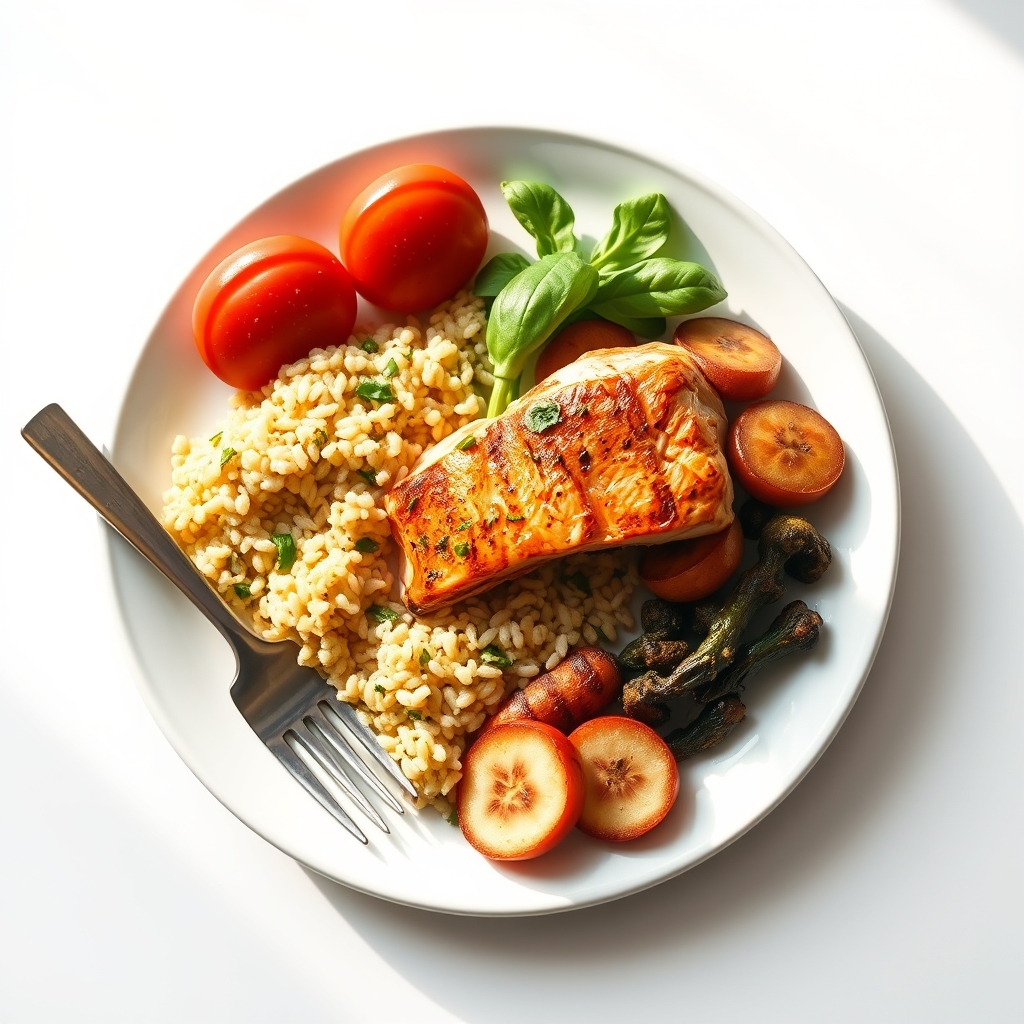
If you're underweight or overweight before pregnancy, your recommended weight gain differs. Learn how much weight to gain based on your pre-pregnancy BMI for a healthy pregnancy and baby. Get the facts.
By Shubhra Mishra — a mom of two who turned her own confusion during pregnancy into BumpBites, a global mission to make food choices clear, safe, and stress-free for every expecting mother. 💛
Check whether any food is safe during pregnancy with the BumpBites Food Safety Checker.
Quick take: If you’re underweight before pregnancy, aim to gain about 28–40 lb (12½–18 kg). If you’re overweight, target 15–25 lb (7–11½ kg). These ranges are based on your body‑mass index (BMI) and help protect both your health and your baby’s growth. Talk with your provider early, monitor progress, and adjust nutrition and activity as needed.
It’s 2 a.m., you’re scrolling through pregnancy forums, and a new question pops up: “I’m already thin/overweight—how much weight should I actually put on?” You feel a mix of anxiety and curiosity, because the numbers on a chart feel abstract, yet the reality of a growing belly feels very real. You’re not alone. Thousands of expecting parents face the same dilemma, and the answer isn’t “one size fits all.” It depends on where you start, how your body responds, and what your provider recommends.
🔢 Calculate it for your situation: Use our Pregnancy Weight Gain for a personalized result in seconds.
Bottom line: Your pre‑pregnancy BMI determines a healthy weight‑gain range, and staying within that range reduces the risk of complications for both you and your baby. In this article we’ll break down the guidelines, explain why they matter, and give you practical nutrition, lifestyle, and monitoring tips. We’ll also cover special situations like gestational diabetes, and point you to the Pregnancy Weight Gain calculator so you can see your personalized numbers.
Read on to learn exactly how much weight you should aim for, what the risks are if you gain too little or too much, and how to make each pound count toward a healthy pregnancy.
Understanding healthy weight gain during pregnancy
During pregnancy your body is building a new life, a placenta, amniotic fluid, extra blood, and storing energy for labor and breastfeeding. The Institute of Medicine (IOM) and the American College of Obstetricians and Gynecologists (ACOG) recommend weight‑gain ranges based on pre‑pregnancy BMI because body‑size influences how much reserve is needed without overburdening the cardiovascular and metabolic systems.
Here’s the BMI‑based framework most clinicians use (rounded for simplicity):
BMI category
Pre‑pregnancy BMI
Recommended total gain
Weekly gain after week 13
Underweight
< 18.5
28–40 lb (12½–18 kg)
≈ 1 lb (0.5 kg)
Normal weight
18.5–24.9
25–35 lb (11½–16 kg)
≈ 1 lb (0.5 kg)
Overweight
25.0–29.9
15–25 lb (7–11½ kg)
≈ 0.5 lb (0.25 kg)
Obese
≥ 30
11–20 lb (5–9 kg)
≈ 0.5 lb (0.25 kg)
These numbers are not arbitrary; they reflect the amount of fetal tissue, placenta, amniotic fluid, and maternal stores needed for a healthy pregnancy. The weekly gain after the first trimester is usually modest because the baby’s growth accelerates, but the mother’s blood volume and uterine tissue continue expanding.
Guidelines from the UK’s National Institute for Health and Care Excellence (NICE) align closely, recommending 10–15 kg for women with a BMI < 25 kg/m² and 5–9 kg for those with a BMI ≥ 25 kg/m². The consistency across US and UK bodies underscores the robustness of the evidence.
Tracking your belly and weight early can help you stay on target.
Weight‑gain recommendations for underweight women
If yo
ur pre‑pregnancy BMI is under 18.5, you’re classified as underweight. This doesn’t mean you’re unhealthy, but it does signal that you have less energy reserve for the demands of pregnancy. The IOM recommends a total gain of 28–40 lb (12½–18 kg), which translates to roughly 0.5 kg (1 lb) per week after the first trimester.
Why the higher range? A growing fetus needs adequate protein, iron, calcium, and fatty acids. Underweight mothers are at higher risk for delivering low‑birth‑weight infants, preterm birth, and postpartum anemia. Gaining within the recommended window helps mitigate those risks.
Practical steps to reach the goal:
Eat frequent, balanced meals. Aim for three main meals plus two to three nutrient‑dense snacks daily. Each snack should combine protein (Greek yogurt, nuts, cheese) with complex carbs (whole‑grain crackers, fruit).
Boost calorie density safely. Add healthy fats like avocado, olive oil, or nut butter to smoothies, salads, and oatmeal. A tablespoon of olive oil adds about 120 kcal without increasing volume dramatically.
Prioritize iron‑rich foods. Lean red meat, fortified cereals, lentils, and spinach help prevent anemia, a common concern for underweight mothers.
Include prenatal vitamins. A prenatal supplement with 27 mg of iron and 1000 IU of vitamin D fills nutritional gaps, but it’s not a replacement for food.
Gentle strength training. Light resistance work (body‑weight squats, resistance bands) preserves lean muscle, which supports a healthy weight gain pattern.
Remember that “weight gain” isn’t just fat—it includes blood, uterine expansion, and the baby’s growth. If you’re gaining a pound a week after week 13, you’re likely on track.
It can also be helpful to keep a simple food log. Note the time of each meal, the main protein source, and the added healthy fats. Over a week you’ll see patterns you can adjust—like swapping a low‑fat cheese for a richer feta that adds both flavor and calories without a big volume increase.
Weight‑gain recommendations for overweight and obese women
For a pre‑pregnancy BMI of 25–29.9 (overweight) the guideline is 15–25 lb (7–11½ kg). If you’re obese (BMI ≥ 30), the target narrows further to 11–20 lb (5–9 kg). The goal is to avoid excessive fetal growth (macrosomia) and maternal complications such as gestational hypertension, pre‑eclampsia, and cesarean delivery.
Many people wonder if they should lose weight during pregnancy. The consensus from ACOG, the CDC, and NICE is clear: active weight loss is not recommended once you’re pregnant. Instead, focus on **steady, modest** weight gain within the lower end of the recommended range.
Strategies for staying within the range include:
Choose nutrient‑dense, lower‑calorie foods. Fill half your plate with non‑starchy vegetables, a quarter with lean protein (chicken, fish, tofu), and a quarter with whole grains (quinoa, brown rice).
Control portion sizes. Use the “hand” method: a palm‑sized portion of protein, a fist of carbohydrates, and two fists of vegetables.
Limit sugary drinks and high‑fat snacks. Swap soda for sparkling water with a splash of citrus, and replace chips with roasted chickpeas.
Stay active. The ACOG advises at least 150 minutes of moderate‑intensity aerobic activity per week (e.g., brisk walking, swimming). Exercise helps regulate appetite and improves circulation.
Mindful eating. Pay attention to hunger cues, avoid eating while distracted, and keep a short food journal to spot patterns.
Even a modest reduction—aiming for the lower end of the 15–25 lb range—has been linked to lower rates of large‑for‑gestational‑age (LGA) infants and reduced need for induction.
In addition to diet, consider the timing of meals. A study highlighted by the NHS found that spreading calories across four to five smaller meals can help prevent the post‑meal glucose spikes that often trigger excess fat storage. Pairing carbs with protein or healthy fats also steadies blood sugar, which is especially valuable if you develop gestational diabetes later in pregnancy.
Risks of gaining too little or too much weight
Both extremes carry measurable risks. Below is a concise overview:
Inadequate gain (below the recommended range): Higher chance of preterm birth, low‑birth‑weight infants, and maternal anemia. Underweight mothers who gain < 20 lb may also experience slower fetal growth and increased NICU admissions.
Excessive gain (above the recommended range): Greater likelihood of gestational diabetes, hypertensive disorders, and cesarean delivery. Overweight mothers who exceed 30 lb are more prone to delivering babies > 4,000 g, which raises shoulder‑dystocia risk.
Long‑term implications: Babies born large are at higher risk for childhood obesity, while those born small face higher rates of metabolic syndrome later in life. For the mother, excessive postpartum weight retention can persist for years, influencing future pregnancies.
Because these outcomes are dose‑dependent, staying within the recommended range is a tangible way to reduce risk. Your provider will monitor weight at each prenatal visit, but you can also track it at home using a reliable scale and a simple weight‑gain chart.
When you notice a trend—whether it’s a steady climb or a plateau—write it down. A small notebook or a notes app on your phone works fine. Having concrete data makes it easier to discuss concerns with your provider, and it gives you a sense of control over the process.
Nutrition and diet tips for underweight and overweight pregnant women
Food is the most powerful tool you have to shape how much weight you gain and what that weight consists of. Below are tailored suggestions for both ends of the BMI spectrum.
For underweight mothers
Start the day with a calorie‑rich breakfast: whole‑grain toast topped with avocado and a poached egg, plus a glass of fortified orange juice.
Incorporate “protein‑plus‑fat” combos: cottage cheese with pineapple, almond butter on banana, or salmon salad with olive oil dressing.
Snack wisely: trail mix (nuts, dried fruit, dark chocolate chips) provides healthy fats and iron‑rich dried apricots.
Stay hydrated, but choose nutrient‑filled drinks: low‑fat milk, fortified soy milk, or a smoothie with Greek yogurt, berries, and a scoop of whey protein.
For overweight or obese mothers
Emphasize high‑fiber foods: legumes, whole grains, and vegetables keep you full while limiting calories.
Choose lean protein sources: skinless poultry, fish (low‑mercury), and plant proteins like lentils.
Limit added sugars: read labels, avoid pastries, and replace sugary desserts with fresh fruit topped with a dollop of low‑fat yogurt.
Mindful fat intake: use small amounts of olive oil, nuts, or seeds for flavor rather than large portions of cheese or butter.
Both groups benefit from a daily intake of about 25–30 g of protein, 2 g of calcium per kilogram of body weight, and 600–800 IU of vitamin D. These numbers align with ACOG’s prenatal nutrition recommendations.
A balanced plate supplies protein, fiber, healthy fats, and micronutrients.
Importance of prenatal care and monitoring weight gain
Regular prenatal visits are your safety net. At each appointment, your provider will:
Measure your weight and plot it on a gestational‑weight‑gain chart.
Check blood pressure, urine protein, and blood counts to catch early signs of pre‑eclampsia or anemia.
Discuss nutritional intake and adjust the target range if you have conditions like gestational diabetes.
Provide referrals to dietitians, physical‑therapy specialists, or mental‑health counselors if needed.
If you’re tracking your own weight, aim for a consistent pattern rather than day‑to‑day fluctuations. A brief “weight‑gain log” can look like this:
Week of pregnancy
Weight (lb)
Gain since week 13
13
140
0
20
147
7
28
155
15
36
162
22
These numbers assume a mid‑range target. Adjust the chart according to your specific recommendation (underweight, overweight, etc.). If you notice a sharp deviation—more than 2 lb (1 kg) in a single week or a plateau that lasts several weeks—bring it up at your next visit.
In addition to weight, your provider may use ultrasound measurements of fetal growth to confirm that the baby is developing on track. This dual approach—weight monitoring plus imaging—offers a comprehensive view of maternal‑fetal health.
Managing weight gain with gestational diabetes or other health conditions
Gestational diabetes (GDM) changes the equation because blood‑sugar spikes can fuel excess fat storage. The American Diabetes Association (ADA) advises a modest weight‑gain goal: 30–35 lb (13.5–16 kg) for women with a normal BMI, but the emphasis shifts to carbohydrate quality and timing.
Key tactics for GDM include:
Spread carbohydrate intake evenly across meals (30–45 g per meal, 15–20 g per snack).
Choose low‑glycemic‑index foods: whole‑grain breads, legumes, berries, and non‑starchy vegetables.
Pair carbs with protein or healthy fat to blunt glucose spikes.
Monitor blood glucose as directed (usually fasting and 1‑hour post‑meal).
Work with a registered dietitian who can craft a personalized meal plan that meets both weight‑gain and glucose‑control goals.
Other conditions—such as hypertension, thyroid disorders, or a history of preterm birth—may also affect the optimal weight‑gain range. Your provider will tailor the recommendation, but the core principle remains: aim for gradual, steady gain, focus on nutrient density, and keep open lines of communication with your care team.
How BMI is calculated and why it matters
BMI (body‑mass index) is a simple, widely used metric that compares weight to height. It’s calculated by dividing your weight in kilograms by the square of your height in meters (kg/m²). For example, a person who weighs 65 kg and is 1.65 m tall has a BMI of 65 ÷ (1.65 × 1.65) ≈ 23.9, placing them in the “normal weight” category.
While BMI doesn’t distinguish between muscle and fat, it provides a practical screening tool for pregnancy counseling. Studies from the WHO and ACOG have shown that BMI correlates with risks for gestational diabetes, pre‑eclampsia, and delivery complications. Because the guidelines are anchored to BMI categories, knowing your exact BMI before conception (or as early as possible) helps you and your provider set realistic, evidence‑based weight‑gain goals.
If you’re unsure of your BMI, many reputable health sites—including the NHS and CDC—offer free online calculators. You can also ask your provider to calculate it during your first prenatal visit. Having that number in hand makes the conversation about “how much should I gain?” much clearer.
Supporting healthy weight gain with lifestyle habits
Nutrition is only one side of the equation. Lifestyle habits—sleep, stress management, and safe physical activity—play a crucial role in how your body processes calories and stores weight.
Prioritize sleep. Aim for 7–9 hours of quality rest each night. Poor sleep can disrupt hormones like leptin and ghrelin, increasing appetite and cravings for high‑calorie foods.
Manage stress. Chronic stress elevates cortisol, which can promote fat deposition in the abdominal area. Gentle practices such as prenatal yoga, deep‑breathing exercises, or short walks can keep stress in check.
Stay hydrated. Dehydration sometimes masquerades as hunger. Drinking water throughout the day supports circulation and helps your kidneys handle the increased blood volume of pregnancy.
Safe exercise. The ACOG recommends at least 150 minutes of moderate‑intensity activity per week, unless contraindicated. Activities like walking, swimming, and stationary cycling are low‑impact and easy on joints.
Monitor portion cues. Use smaller plates, and pause halfway through meals to assess fullness. This “mindful eating” approach can prevent overeating, especially when hormonal changes increase appetite.
When you combine these habits with the dietary strategies discussed earlier, you create a supportive environment for steady, healthy weight gain. Small, sustainable changes—like swapping a sugary latte for a plain herbal tea with a splash of milk—add up over weeks and months.
Postpartum weight management and what to expect
After delivery, many parents wonder how quickly the pregnancy weight will come off. The first six weeks are a period of rapid fluid loss, but the body also needs time to recover from labor, rebuild blood volume, and support breastfeeding. On average, mothers lose about 10–12 lb (4.5–5.5 kg) in the first month, largely from water and uterine shrinkage.
Long‑term weight retention is influenced by the amount of weight gained during pregnancy, pre‑pregnancy BMI, and postpartum habits. A study cited by the NHS found that women who exceeded the upper limit of the IOM recommendations were more likely to retain at least half of the excess weight a year after birth.
Practical postpartum tips include:
Continue eating nutrient‑dense foods; your body still needs calories for milk production if you’re breastfeeding.
Gradually re‑introduce higher‑intensity exercise once cleared by your provider (usually around six weeks postpartum).
Use the same weight‑tracking tools you used during pregnancy to monitor progress without obsessing over the scale.
Seek support if you feel overwhelmed—postpartum mood changes can affect eating patterns, and a mental‑health professional can help.
Remember that the goal is health, not a specific number. If you maintain a balanced diet and stay active, most mothers naturally return to a weight close to their pre‑pregnancy baseline within a year.
From our medical team: The most reliable way to stay on target is a partnership between you, your provider, and a qualified nutritionist. We recommend checking your weight at home weekly, noting any sudden changes, and discussing them promptly. Remember, the goal isn’t just a number on a scale—it’s a healthy environment for your baby’s growth.
🔢 Ready to crunch your numbers? Use our Pregnancy Weight Gain for a personalized result in seconds.
Myth vs. fact
Myth: “If I’m overweight, I should lose weight during pregnancy to protect the baby.”
Fact: Weight loss is not advised once pregnancy begins. Instead, aim for a modest gain within the lower end of the recommended range and focus on balanced nutrition and safe activity.
Myth: “Underweight women can’t have a healthy baby.”
Fact: With appropriate weight gain, prenatal vitamins, and regular monitoring, most underweight mothers deliver healthy, full‑term infants. The key is gaining enough to support fetal development.
Myth: “All pregnancy weight is baby weight.”
Fact: Only about 7 lb (3 kg) of the total gain is the baby itself. The rest includes placenta, amniotic fluid, blood volume, uterine tissue, and maternal fat stores.
Key takeaways
Calculate your pre‑pregnancy BMI and use the IOM chart to set a personalized weight‑gain range.
Underweight: aim for 28–40 lb (12½–18 kg); Overweight/obese: aim for 15–25 lb (7–11½ kg) or 11–20 lb (5–9 kg) respectively.
Focus on nutrient‑dense calories—healthy fats, lean protein, and fiber—rather than empty calories.
Track weight weekly, compare to a gestational‑weight‑gain chart, and discuss any rapid changes with your provider.
If you have gestational diabetes or another condition, work with a dietitian to balance carbohydrate intake and weight goals.
Stay active with moderate‑intensity exercise (e.g., brisk walking) unless your provider advises otherwise.
After birth, continue balanced eating and gentle activity; most women return to their pre‑pregnancy weight within a year.
Frequently asked questions
How much weight should I gain during pregnancy if I'm underweight?
Women with a BMI < 18.5 should aim for a total gain of 28–40 lb (12½–18 kg), which averages about 0.5 lb (0.25 kg) per week after the first trimester.
Is it safe to lose weight during pregnancy if I'm overweight?
No. Current guidance from ACOG and NICE advises against weight loss once pregnant; instead, aim for a modest gain within the lower end of the recommended 15–25 lb (7–11½ kg) range.
What is a healthy weight range for pregnancy?
Healthy total gain varies by BMI: underweight 28–40 lb, normal 25–35 lb, overweight 15–25 lb, obese 11–20 lb. Weekly gain after week 13 should be about 0.5‑1 lb depending on the category.
How does being underweight or overweight affect pregnancy?
Being underweight raises the risk of low‑birth‑weight and preterm birth, while overweight or obesity increases chances of gestational diabetes, hypertension, and delivering a larger‑for‑gestational‑age infant.
Can being underweight or overweight during pregnancy affect my baby's health?
Yes. Inadequate gain can limit fetal growth, while excessive gain can lead to macrosomia, which may cause delivery complications and later childhood obesity.
What are the risks of not gaining enough weight during pregnancy?
Insufficient gain is linked to anemia, preterm birth, low‑birth-weight infants, and higher rates of NICU admission. It may also affect your own recovery postpartum.
Can I use a fitness tracker to monitor my weight gain?
Yes. Many fitness trackers let you log daily weight and view trends over time, which can be a handy visual aid. Just remember to calibrate the scale regularly and discuss any notable changes with your provider.
What should I do if I’m gaining weight too quickly?
If you notice a gain of more than 2 lb (1 kg) in a single week after the first trimester, note it and bring it up at your next prenatal visit. Your provider may adjust your nutrition plan or suggest a modest increase in physical activity.
When to call your doctor
If you notice any of the following, contact your provider promptly: sudden weight loss after the first trimester, gain of more than 2 lb (1 kg) in a single week, swelling of hands/feet with rapid weight increase, severe nausea or vomiting that prevents eating, or any signs of pre‑eclampsia such as severe headache, vision changes, or sudden swelling. This article is for informational purposes only and does not replace personalized medical advice.
References
American College of Obstetricians and Gynecologists (ACOG). “Weight Gain During Pregnancy.” Clinical Guidance, 2022.
Institute of Medicine (IOM). “Weight Gain During Pregnancy: Reexamining the Guidelines.” National Academies Press, 2009.
National Institute for Health and Care Excellence (NICE). “Weight Management in Pregnancy.” Clinical Guidelines, 2021.
Centers for Disease Control and Prevention (CDC). “Gestational Diabetes.” 2023.
World Health Organization (WHO). “Maternal Nutrition and Weight Gain.” 2020.
Mayo Clinic. “Pregnancy Weight Gain.” 2023.
American Diabetes Association (ADA). “Management of Diabetes in Pregnancy.” Standards of Care, 2023.
Food and Drug Administration (FDA). “Prenatal Vitamin Guidelines.” 2022.
Royal College of Obstetricians and Gynaecologists (RCOG). “Obesity in Pregnancy.” 2022.
National Health Service (NHS). “Weight Gain in Pregnancy.” 2022.
U.S. Department of Agriculture (USDA). “Choose MyPlate.” 2023.
British Nutrition Foundation. “Nutrition for Pregnant Women.” 2021.
National Health Service (NHS). “Gestational Diabetes and Weight Management.” 2023.
American College of Obstetricians and Gynecologists (ACOG). “Physical Activity and Exercise During Pregnancy.” 2020.
Not sure about the label on I M Underweight Overweight Before Pregnancy How Much Should I Gain products?
Snap the ingredients list and SafeFilter checks every ingredient for your stage — only 3 free scans this month, then you're locked until reset. Unlimited from $7/mo or $50/yr.
When Shubhra Mishra was expecting her first child in 2016, she was overwhelmed by conflicting food advice — one site said yes, another said never. By the time her second baby arrived in 2019, she realized millions of mothers face the same confusion.
That sparked a five-year journey through clinical nutrition papers, cultural diets, and expert conversations — all leading to BumpBites: a calm, compassionate space where science meets everyday motherhood.
Her long-term vision is to build a global community ensuring safe, supported, and free deliveriesfor every mother — because no woman should face pregnancy alone or uninformed. 🌿
🌍 Stand with mothers, shape safer guidance
Join a small circle of experts who review BumpBites articles so expecting parents everywhere can decide with confidence.