Discover the essential micronutrients for pregnancy, including iron, folate, calcium, and DHA, and learn how they support a healthy pregnancy and baby
By Shubhra Mishra — a mom of two who turned her own confusion during pregnancy into BumpBites, a global mission to make food choices clear, safe, and stress-free for every expecting mother. 💛
Check whether any food is safe during pregnancy with the BumpBites Food Safety Checker.
Quick take: You need about 27 mg of iron, 600 µg of folate, 1,000 mg of calcium, and 200 mg of DHA each day during pregnancy. Most of these can be met with a balanced diet, but a prenatal vitamin or targeted supplements help fill gaps, especially for iron and DHA. Start early, keep doses consistent, and talk to your provider if you notice any warning signs.
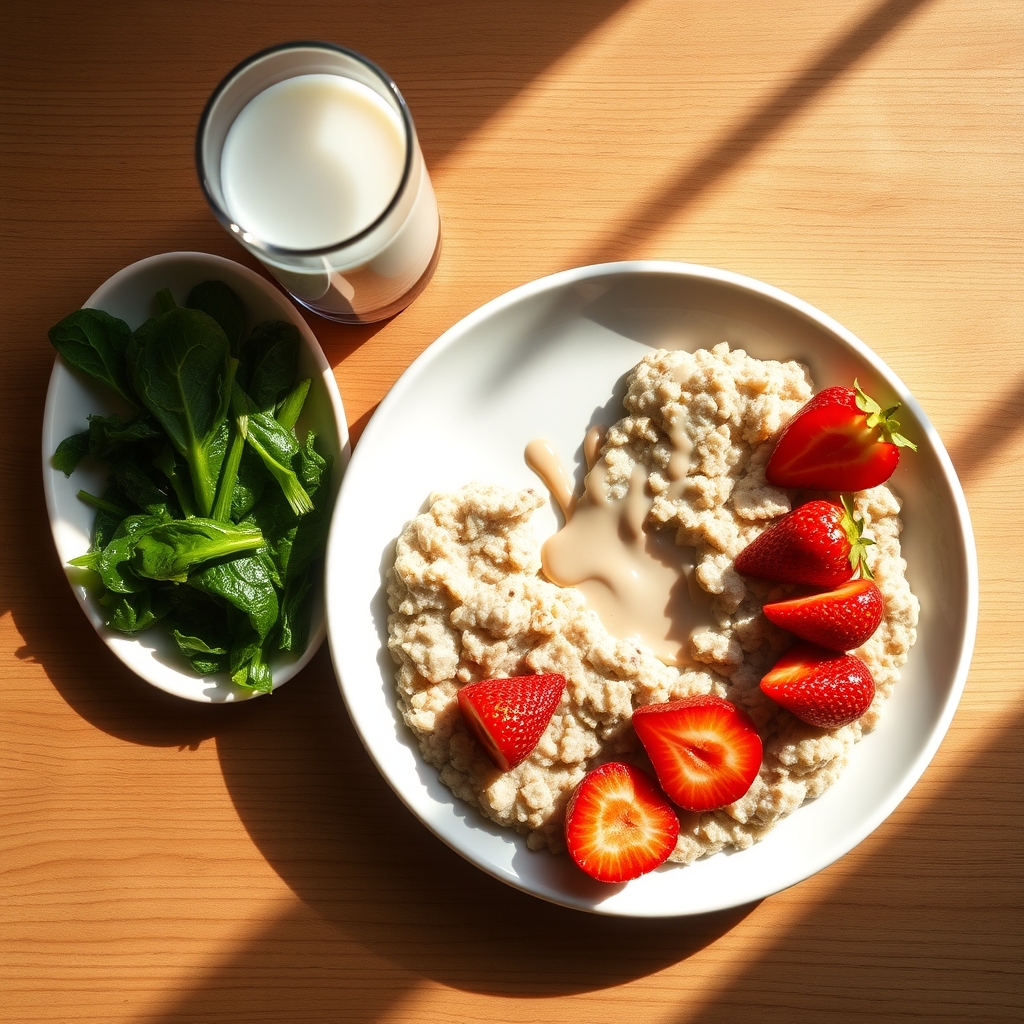
It’s 2 a.m., you’re curled up on the couch, a half‑finished bowl of oatmeal in front of you, and a sudden question pops into your mind: “Do I need more iron, folate, calcium, or DHA right now?” You’re not alone. Many expecting parents find themselves juggling cravings, appointments, and a flood of nutrition advice, all while trying to protect the tiny life growing inside.
In this guide we break down exactly how much of each key micronutrient you need, why they matter, where to get them, and how to use supplements safely. We’ll walk through each trimester, give you practical meal ideas, and point out red‑flag symptoms that merit a call to your provider. By the end you’ll have a clear, actionable plan to keep you and your baby thriving.
We’ll also show you how to personalize the numbers with our Pregnancy Nutrition Calculator, so you can see exactly where you stand each day.
What are the recommended amounts of iron, folate, calcium, and DHA in each trimester?
Understanding the specific daily recommendations helps you target gaps before they become problems. Below is a concise overview, followed by a detailed table that you can bookmark or print.
Iron
First trimester: 27 mg per day (same as non‑pregnant adult women).
Second trimester: 27 mg per day – the demand stays steady, but your blood volume expands, increasing the need for iron to support red blood cell production.
Third trimester: 27 mg per day – the iron requirement remains constant, but absorption may be challenged by increased calcium intake.
Folate (synthetic folic acid or natural folate)
First trimester: 600 µg dietary folate equivalents (DFE) per day – critical for neural‑tube closure.
Second trimester: 600 µg DFE per day.
Third trimester: 600 µg DFE per day.
Calcium
All trimesters: 1,000 mg per day – the fetus draws calcium primarily in the third trimester, so consistent intake is essential throughout pregnancy.
DHA (docosahexaenoic acid, an omega‑3 fatty acid)
All trimesters: 200 mg per day – the amount linked to optimal brain and retinal development.
Micronutrient
First Trimester
Second Trimester
Third Trimester
Upper Intake Limit (UL)
Iron (mg)
27
27
27
45 (from supplements only)
Folate (µg DFE)
600
600
600
1,000 (synthetic folic acid)
Calcium (mg)
1,000
1,000
1,000
2,500
DHA (mg)
200
200
200
1,000 (combined EPA/DHA)
These numbers reflect guidance from the American College of Obstetricians and Gynecologists (ACOG), the UK’s National Institute for Health and Care Excellence (NICE), and the World Health Organization (WHO). They are the baseline for a healthy pregnancy; individual needs may vary based on anemia, pre‑existing conditions, or dietary restrictions.
Because pregnancy is a dynamic state, many clinicians will re‑check your labs each trimester. If your iron or folate levels dip, a short‑term boost in supplementation can bring you back into the safe range without overshooting the upper limits.
Why each micronutrient matters for you and your baby
Knowi
ng the “what” is only half the story. The “why” helps you stay motivated when cravings shift or when a supplement feels like a hassle.
Iron – powering blood, preventing fatigue
Iron is the core component of hemoglobin, the protein that carries oxygen in red blood cells. During pregnancy, maternal blood volume expands by up to 50 %, so iron stores are taxed heavily. Adequate iron supports:
Maternal energy levels and reduces the risk of iron‑deficiency anemia, which can cause severe fatigue, shortness of breath, and dizziness.
Fetal brain development and immune function; low iron has been linked to lower IQ scores and impaired motor skills in later childhood (ACOG, 2022).
Iron also plays a subtle role in hormone synthesis, helping keep progesterone levels stable—a factor that can indirectly influence mood and sleep quality during pregnancy.
Folate – building the baby’s neural tube
Folate is essential for DNA synthesis and cell division. Its most celebrated role is preventing neural‑tube defects (NTDs) such as spina bifida. Even a modest deficiency can increase NTD risk by 70 %.
Supports rapid cell growth in the first 4 weeks, often before you know you’re pregnant.
Helps reduce homocysteine levels, a marker linked to pre‑eclampsia.
Works with vitamin B12 to keep red blood cells healthy.
Beyond the early weeks, folate continues to aid in the formation of the placenta and supports the mother’s own red‑cell production, which is essential for carrying oxygen to the growing fetus.
Calcium – building bones and teeth
Calcium is the main mineral in the fetal skeleton. While the mother’s bones act as a reservoir, the fetus draws most calcium during the third trimester. Adequate calcium helps:
Maintain maternal bone density, reducing osteoporosis risk later in life.
Regulate blood pressure; low calcium intake has been associated with higher rates of pre‑eclampsia (NICE, 2021).
Support proper muscle contraction and nerve transmission for both mother and baby.
Calcium also works with vitamin D to facilitate absorption; without sufficient vitamin D, even a diet rich in calcium may not be fully utilized.
DHA – feeding the baby’s brain and eyes
DHA is a long‑chain omega‑3 fatty acid concentrated in the retina and cerebral cortex. It’s the building block for:
Neural membrane fluidity, which enhances signal transmission.
Visual acuity – infants whose mothers took DHA show better eye‑tracking and contrast sensitivity.
Potentially longer gestation; some studies suggest DHA reduces pre‑term birth risk (CDC, 2020).
For mothers, DHA’s anti‑inflammatory properties can ease joint discomfort and may help stabilize mood, which is particularly valuable during the hormonal fluctuations of pregnancy.
Best food sources and how to incorporate them into everyday meals
Whole foods provide a matrix of nutrients that work synergistically. Below are the top sources for each micronutrient, plus simple ways to weave them into breakfast, lunch, dinner, and snacks.
Iron‑rich foods
Red meat (lean beef, lamb) – 2.5 mg iron per 3‑oz serving. Grill a steak and slice thinly for a salad topping.
Poultry (dark‑meat turkey, chicken) – 1.1 mg per 3‑oz. Add shredded chicken to a quinoa bowl.
Legumes (lentils, chickpeas, black beans) – 3 mg per ½‑cup cooked. Toss lentils into a warm vegetable soup.
Fortified cereals – 4–18 mg per serving, depending on brand. Pair with a vitamin‑C‑rich fruit to boost absorption.
Spinach and kale – 0.8 mg per cooked cup. Sauté with garlic and a squeeze of lemon.
Folate‑rich foods
Dark leafy greens (spinach, romaine, collard greens) – 60 µg per cup raw. Blend into a green smoothie.
Legumes (lentils, peas) – 180 µg per ½‑cup cooked. Use as a base for a hearty stew.
Avocado – 81 µg per half. Mash on whole‑grain toast for a quick snack.
Citrus fruits (orange, grapefruit) – 40 µg per medium fruit. Squeeze fresh juice over breakfast oatmeal.
Fortified breads and pastas – 140 µg per slice or cup. Choose these when you need a quick nutrient boost.
Calcium‑rich foods
Dairy (milk, yogurt, cheese) – 300 mg per cup of milk or yogurt. Keep a glass of low‑fat milk at your bedside.
Fortified plant milks (almond, soy) – 300 mg per cup. Use in smoothies or cereal.
Leafy greens (bok choy, kale) – 150 mg per cooked cup. Stir‑fry with tofu for a calcium‑boosted dinner.
Sardines with bones – 325 mg per 3‑oz can. Add to a mixed greens salad.
Calcium‑set tofu – 200 mg per ½‑cup. Marinate and bake for a savory snack.
DHA‑rich foods
Fatty fish (salmon, sardines, mackerel) – 1,000 mg DHA per 3‑oz serving of wild salmon. Grill and serve over quinoa.
Eggs enriched with DHA – 200 mg per two large eggs. Scramble with spinach for a nutrient‑dense breakfast.
Algal oil supplements – plant‑based DHA source for vegetarians. Add a capsule to your morning routine.
Walnuts – 250 mg DHA per ¼‑cup. Sprinkle on yogurt or oatmeal.
Pair iron‑rich foods with vitamin C (e.g., orange slices with iron‑fortified cereal) to double absorption. Conversely, avoid taking iron and calcium together, as calcium can inhibit iron uptake.
Start your day with a nutrient‑packed breakfast that hits iron, folate, calcium, and DHA in one sitting.
Supplementation guidelines: timing, dosage, and potential interactions
Even the most diligent eaters may fall short, especially for iron and DHA. Here’s how to supplement safely.
Iron supplements
When to start: As soon as pregnancy is confirmed, especially if you have a history of anemia.
Typical dose: 27 mg elemental iron per day (often 1 tablet of ferrous sulfate 325 mg). Some providers recommend a slightly higher dose if labs show low ferritin.
Timing tips: Take on an empty stomach with water for best absorption, but if you experience stomach upset, a small snack of fruit or toast is acceptable.
Interaction caution: Separate iron from calcium (including dairy) by at least 2 hours, and avoid taking with high‑dose zinc or magnesium.
Folate (folic acid) supplements
When to start: Ideally at least 4 weeks before conception, but starting anytime in the first trimester still offers protection.
Typical dose: 400–800 µg of synthetic folic acid daily; many prenatal vitamins already contain 600 µg.
Natural folate vs. folic acid: Foods provide folate (the natural form), while supplements give folic acid, which is more stable and better absorbed when taken in the recommended amounts (CDC, 2020).
Calcium supplements
When to start: If dietary calcium consistently falls below 1,000 mg per day, begin a supplement in the second trimester.
Typical dose: 500–600 mg per tablet; split into two doses if you need more, to improve absorption.
Timing tip: Take with meals to enhance uptake; avoid taking at the same time as iron.
DHA supplements
When to start: Around the end of the first trimester, once you’ve settled into prenatal care.
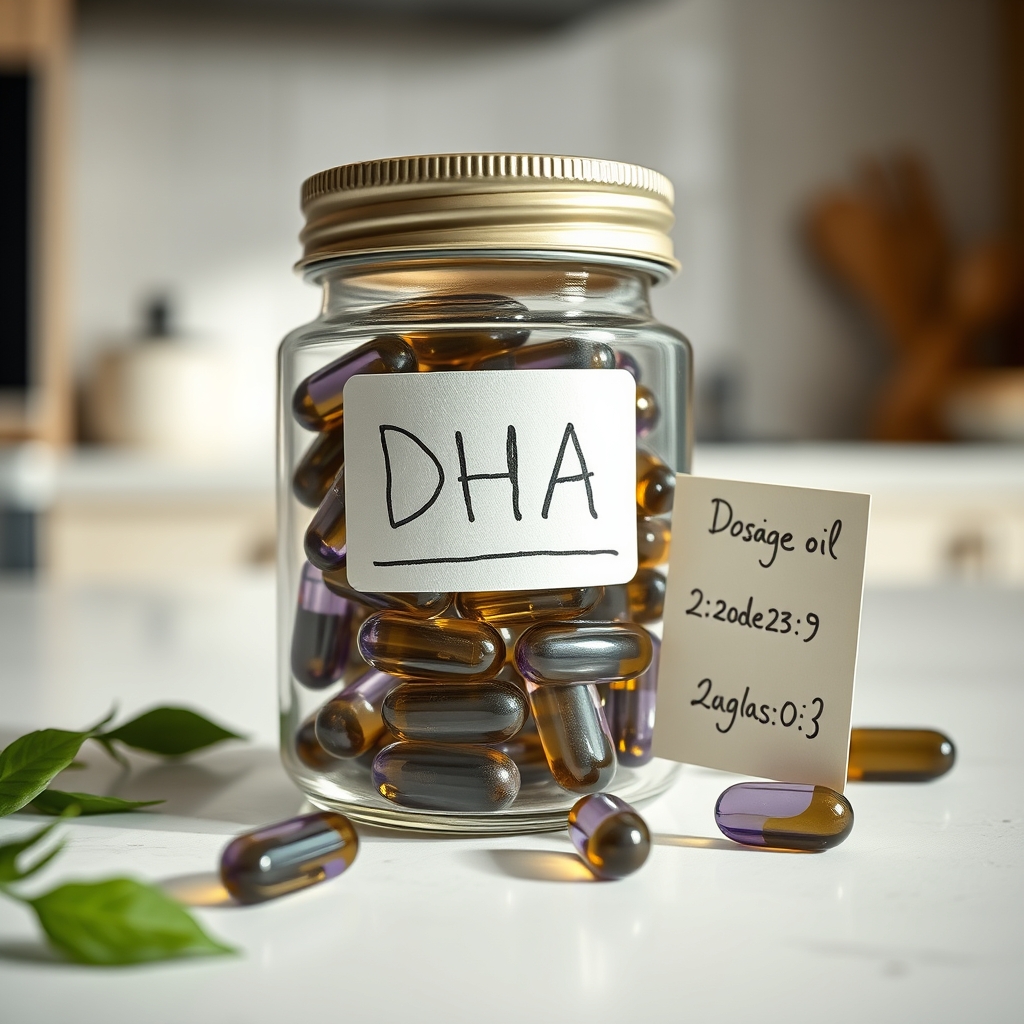
Typical dose: 200 mg DHA per day, often delivered via 2 soft‑gel capsules of fish oil or a single algal oil capsule.
Safety note: Choose products that are purified to remove mercury and PCBs; reputable brands will display “IFOS” or “GOED” certification.
Combining nutrients in a prenatal vitamin
Most prenatal multivitamins already include 27 mg iron, 600 µg folic acid, 1,000 mg calcium (often as calcium carbonate), and 200 mg DHA. However, dosages can vary, and some formulations use calcium citrate, which may interfere less with iron. Look for a label that lists each nutrient separately and check for “chelated” iron forms (ferrous bisglycinate) if you experience constipation.
Algal oil offers a vegetarian source of DHA that meets the 200 mg daily recommendation.
Risks, symptoms, and safety limits for each micronutrient
Knowing what to watch for helps you avoid both deficiency and excess, each of which can have serious consequences.
Iron
Deficiency signs: Fatigue, pale skin, shortness of breath, restless legs, and frequent infections. Severe deficiency can lead to anemia, increasing the risk of preterm birth and low birth weight.
Excess risks: Iron overload (above 45 mg from supplements) may cause gastrointestinal distress, constipation, and, in rare cases, oxidative damage to the placenta. If you experience black stools, severe nausea, or abdominal pain, reduce the dose and contact your provider.
Folate
Deficiency signs: Megaloblastic anemia (large red blood cells), mouth ulcers, and increased homocysteine levels. Uncorrected deficiency early in pregnancy raises NTD risk.
Excess risks: Intake above 1,000 µg of synthetic folic acid can mask a vitamin B12 deficiency, leading to neurological issues. Stay within the recommended upper limit unless specifically advised by a specialist.
Calcium
Deficiency signs: Tingling in fingers, muscle cramps, and, over time, loss of bone density. In pregnancy, low calcium can contribute to hypertensive disorders.
Excess risks: Consuming over 2,500 mg per day may cause kidney stones and impair absorption of iron and zinc. Symptoms include constipation and a feeling of “fullness.”
DHA
Deficiency signs: Lower visual acuity in the infant, potential learning delays, and shorter gestation length. Mothers may notice dry skin or difficulty concentrating.
Excess risks: Very high doses (>1,000 mg EPA/DHA combined) can thin blood, increasing bleeding risk during delivery. Stick to the 200 mg recommendation unless your provider suggests otherwise.
Choosing a prenatal vitamin that covers iron, calcium, and DHA
When shopping for a prenatal multivitamin, keep these checkpoints in mind:
Ingredient transparency: The label should list each nutrient with its exact amount (e.g., “Iron (ferrous bisglycinate) 27 mg”).
Form of iron: Chelated forms tend to be gentler on the stomach.
Calcium type: Calcium citrate or calcium lactate are less likely to interfere with iron absorption than calcium carbonate.
DHA source: Look for “fish oil” or “algal oil” with a purity guarantee; some brands combine DHA with EPA, which is fine as long as total omega‑3 stays under 1,000 mg.
Additional nutrients: Vitamin D (800–1,000 IU), iodine (150 µg), and B‑vitamins complement the core four micronutrients.
Allergen considerations: If you’re vegan, choose a plant‑based DHA and a folate source without synthetic folic acid if you prefer.
Many expectant parents find that a single, well‑formulated prenatal vitamin meets most needs, while targeted supplements fill any remaining gaps. If you’re unsure whether your diet covers calcium or iron, our Pregnancy Nutrition Calculator can help you pinpoint shortfalls.
Practical tips for tracking intake and staying on target
Consistency beats perfection. Here are simple habits that turn nutrition into a routine rather than a chore.
Meal‑prep with a purpose: When you batch‑cook a quinoa‑lentil salad, add a handful of chopped kale and a squeeze of lemon. Portion into containers and label with “Iron + Vitamin C.”
Use a nutrition app: Log your meals and watch the iron, folate, calcium, and DHA tallies. Many apps let you set custom micronutrient goals.
Set a daily reminder: A quick phone alarm at breakfast can cue you to take your prenatal vitamin or DHA capsule.
Pair foods strategically: Combine a spinach omelet (iron + folate) with a glass of fortified orange juice (vitamin C) to boost iron absorption.
Keep supplements visible: Store them next to your toothbrush or coffee maker so they become part of your morning ritual.
Remember, the goal isn’t to hit exact numbers every single day but to stay in the healthy range over the course of the trimester. Small variations are normal, and your body will buffer short‑term dips.
Understanding nutrient timing and interactions
Even when you’re eating a nutrient‑dense diet, the timing of meals and supplements can influence how well your body absorbs each mineral. Iron and calcium compete for the same transport pathways in the gut, so spacing them apart by at least two hours maximizes absorption of both. Vitamin C, on the other hand, acts as a powerful enhancer for non‑heme iron (the plant‑based form), turning ferric iron into the more absorbable ferrous state.
For DHA, taking the supplement with a meal that contains some fat improves bioavailability because omega‑3 fatty acids are fat‑soluble. A small amount of healthy oil—think olive oil drizzle or a few avocado slices—can boost uptake without adding excess calories.
Special dietary considerations and plant‑based alternatives
If you follow a vegetarian, vegan, or gluten‑free diet, you can still meet all four micronutrient targets, but you’ll need to be more intentional. Legumes, fortified cereals, and leafy greens become your primary iron and folate sources, while calcium‑set tofu, fortified plant milks, and almonds supply calcium. For DHA, algal oil capsules provide a marine‑free option that delivers the same amount of DHA as fish oil.
Women on restrictive diets should discuss a tailored prenatal vitamin with their provider, ensuring it contains methylated folate (instead of folic acid) if they have a known MTHFR gene variant, and that the iron form is gentle on the stomach. Regular blood work can confirm that you’re staying within safe ranges.
From our medical team: “If you’re feeling unusually fatigued, notice persistent muscle cramps, or have trouble sleeping despite a balanced diet, it’s worth checking your iron and calcium levels. A simple blood test can guide whether you need a higher‑dose supplement or an adjustment to your eating plan. Always discuss any new supplement with your obstetrician, especially if you have a history of thyroid or kidney issues.”
Let’s clear up a few common misconceptions that often pop up in prenatal forums.
Myth: You can get all the calcium you need from dairy alone, so supplements are unnecessary.
Fact: While dairy is a great source, many pregnant women don’t consume enough servings daily. If you’re lactose‑intolerant or prefer plant‑based foods, a calcium supplement ensures you consistently meet the 1,000 mg target (NHS, 2022).
Myth: Iron supplements cause severe constipation for everyone.
Fact: Side effects vary. Using a chelated iron form, taking the supplement with food, or splitting the dose can reduce GI upset. If constipation persists, talk to your provider about a stool softener or alternative formulation.
Myth: DHA is only important for the baby’s brain, so moms don’t benefit.
Fact: DHA also supports maternal heart health, reduces inflammation, and may improve mood stability during pregnancy (American Heart Association, 2021).
Key takeaways
Aim for 27 mg iron, 600 µg folate, 1,000 mg calcium, and 200 mg DHA each day—consistent intake across all trimesters is essential.
Pair iron‑rich foods with vitamin C and keep calcium separate from iron supplements to maximize absorption.
Choose a prenatal vitamin that lists each nutrient, prefers chelated iron, calcium citrate, and includes DHA from fish or algal oil.
Track your meals with an app or the Pregnancy Nutrition Calculator to spot gaps before they become deficiencies.
Watch for warning signs—persistent fatigue, muscle cramps, or gastrointestinal distress—and contact your provider promptly.
Frequently asked questions
How much iron do I need during pregnancy?
During all three trimesters, the recommended intake is 27 mg of elemental iron per day, which can be met through diet and a prenatal supplement (ACOG, 2022). The upper limit from supplements is 45 mg to avoid toxicity.
Why is folate important for pregnant women?
Folate is crucial for building the baby’s neural tube in the first weeks of pregnancy; a daily 600 µg DFE reduces the risk of spina bifida by up to 70 % (CDC, 2020). It also supports maternal red‑blood‑cell production and helps keep homocysteine levels low.
Can I get enough calcium from food alone while pregnant?
Yes, if you regularly consume calcium‑rich foods such as dairy, fortified plant milks, leafy greens, and calcium‑set tofu. However, many women fall short of the 1,000 mg daily goal, so a supplement may be needed, especially if you avoid dairy.
What are the benefits of DHA for the baby?
DHA contributes to the development of the baby’s brain, eyes, and nervous system. Studies link 200 mg daily DHA to better visual acuity at 6 months and modest improvements in cognitive scores later in childhood (American Academy of Pediatrics, 2021).
Is it safe to take separate iron and calcium supplements together?
Taking them at the same time can reduce iron absorption. Space them at least two hours apart—iron on an empty stomach in the morning, calcium with a meal later in the day—to keep both nutrients effective.
When should I start taking DHA supplements in pregnancy?
Most experts recommend beginning DHA supplementation around the end of the first trimester (about 12–14 weeks) once you’ve confirmed your pregnancy and begun prenatal care. Starting earlier is fine if you’re already taking a prenatal vitamin that includes DHA.
Can vegetarians meet DHA needs without fish?
Yes. Algal oil capsules provide a plant‑based source of DHA that matches the 200 mg daily recommendation. Look for products certified by the International Fish Oil Standards (IFOS) to ensure purity and potency.
What should I do if I’m diagnosed with iron‑deficiency anemia during pregnancy?
Work with your provider to choose a higher‑dose iron supplement (often 60–120 mg elemental iron) and schedule follow‑up blood tests every 4–6 weeks. Pair the supplement with vitamin C‑rich foods, and consider a gentle iron form like ferrous bisglycinate if constipation becomes an issue.
When to call your doctor
If you experience any of the following, reach out to your obstetrician or midwife promptly:
Persistent fatigue, shortness of breath, or pale skin that doesn’t improve with rest.
Severe abdominal cramping, constipation, or black, tarry stools after starting iron.
Muscle twitches, tingling, or unexplained bone pain that may signal calcium imbalance.
Unusual bruising, bleeding gums, or prolonged bleeding after minor cuts.
Any sudden visual changes in the baby’s eye movements once they’re born.
These guidelines are for informational purposes only and do not replace personalized medical advice.
References
American College of Obstetricians and Gynecologists (ACOG). “Iron Deficiency Anemia in Pregnancy.” Clinical Guidance, 2022.
Centers for Disease Control and Prevention (CDC). “Folic Acid Recommendations for Women of Reproductive Age.” Updated 2020.
National Health Service (NHS). “Calcium and Pregnancy.” UK Health Guidance, 2022.
World Health Organization (WHO). “Guidelines on Micronutrient Supplementation in Pregnancy.” 2021.
American Heart Association. “Omega‑3 Fatty Acids and Pregnancy.” Position Statement, 2021.
National Institute for Health and Care Excellence (NICE). “Maternal Nutrition During Pregnancy.” Clinical Guidelines, 2021.
U.S. Food and Drug Administration (FDA). “Dietary Supplement Labeling Guide.” 2020.
American Academy of Pediatrics (AAP). “Nutrition for Infants and Young Children.” Policy Statement, 2021.
Not sure about the label on Iron Folate Calcium Dha Pregnancy Micronutrient Needs Simplified products?
Snap the ingredients list and SafeFilter checks every ingredient for your stage — only 3 free scans this month, then you're locked until reset. Unlimited from $7/mo or $50/yr.
When Shubhra Mishra was expecting her first child in 2016, she was overwhelmed by conflicting food advice — one site said yes, another said never. By the time her second baby arrived in 2019, she realized millions of mothers face the same confusion.
That sparked a five-year journey through clinical nutrition papers, cultural diets, and expert conversations — all leading to BumpBites: a calm, compassionate space where science meets everyday motherhood.
Her long-term vision is to build a global community ensuring safe, supported, and free deliveriesfor every mother — because no woman should face pregnancy alone or uninformed. 🌿
🌍 Stand with mothers, shape safer guidance
Join a small circle of experts who review BumpBites articles so expecting parents everywhere can decide with confidence.