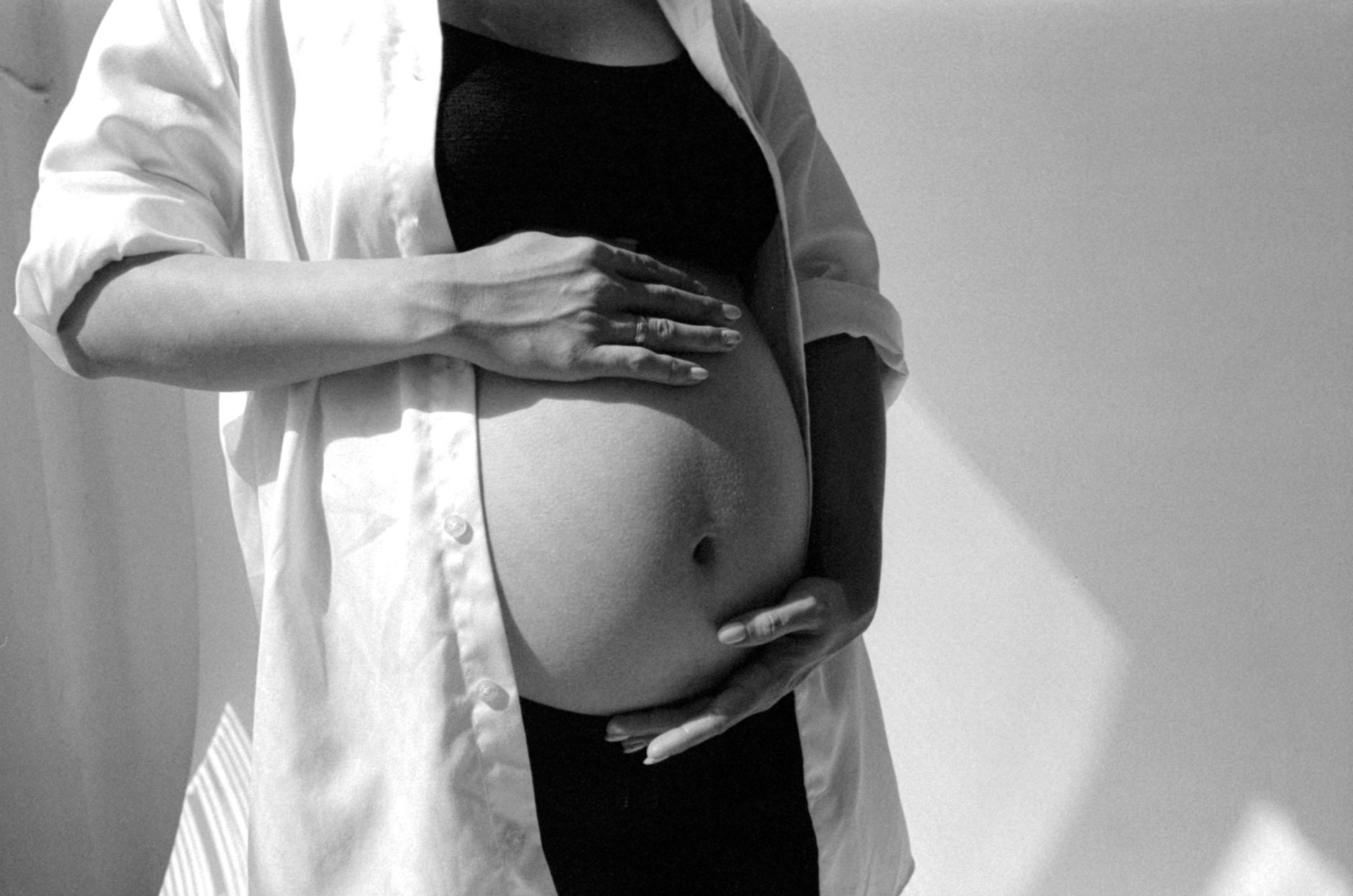
Yes, mild cramping can be normal in early pregnancy as the uterus expands, but sharp or persistent pain may signal a problem. Learn when to seek care.
By Shubhra Mishra — a mom of two who turned her own confusion during pregnancy into BumpBites, a global mission to make food choices clear, safe, and stress-free for every expecting mother. 💛
Check whether any food is safe during pregnancy with the BumpBites Food Safety Checker.
Quick take: Light, intermittent cramping in the first few weeks of pregnancy is usually normal and often linked to implantation or the uterus beginning to stretch. However, cramping that’s sharp, persistent, or accompanied by bleeding, fever, or severe pain warrants a call to your provider right away.
It’s 2 a.m., you’ve just taken a test that turned bright pink, and a gentle, knot‑like ache settles in your lower belly. You wonder if it’s a good sign, a warning sign, or just a random twitch. You’re not alone—many expecting moms experience similar sensations and turn to the internet for reassurance.
In most cases, early‑pregnancy cramping is harmless, but it can also be the body’s way of flagging something that needs attention. This article breaks down what’s typical, what’s not, and what you can do to soothe the discomfort while staying safe.
We’ll cover why cramping happens, how to differentiate normal aches from red‑flag symptoms, lifestyle tweaks that may help, and exactly when you should pick up the phone. By the end, you’ll have a clear roadmap for navigating those first‑trimester twinges.
What causes cramping in the first trimester of pregnancy?
Cramping in early pregnancy is usually a result of the body’s rapid hormonal and structural changes. The hormone progesterone relaxes smooth muscle, which can make the uterus feel a little “looser” and more sensitive. At the same time, the uterus itself begins to expand to accommodate the growing embryo.
Three main physiological processes are behind most first‑trimester aches:
Implantation: When the blastocyst embeds into the uterine lining (usually 6‑12 days after conception), the surrounding tissue can contract, producing a mild, cramp‑like sensation.
Uterine growth: Even before the baby is visible on an ultrasound, the uterine muscles stretch, which can cause pulling or “stretch” pains.
Hormonal shifts: Rising estrogen and progesterone affect the gastrointestinal tract, sometimes leading to gas, bloating, and mild cramping.
Other contributors include:
Increased blood flow to the pelvis, which can make the area feel throbbier.
Early changes in the cervix as it softens in preparation for labor later in pregnancy.
Physical activity or sudden movements that cause the uterus to shift.
These mechanisms are all part of the normal adaptation process. The uterus is a muscular organ that needs to remodel quickly, and those remodelings often manifest as brief, low‑grade cramps.
Early uterine stretching can feel like a mild, rhythmic ache.
Is light cramping a sign of miscarriage in early pregnancy?
M
ost women who experience light, intermittent cramping do not miscarry. In fact, many obstetricians note that mild cramping can be a sign that the uterus is responding normally to the growing embryo.
That said, certain patterns raise concern:
Cramping that is sudden, intense, and persistent (lasting more than a few minutes).
Cramping accompanied by heavy bleeding (soaking a pad in under an hour) or clots.
Severe abdominal pain that radiates to the back or lower pelvis.
If you notice any of these signs, especially in combination, it could indicate a miscarriage and you should contact your provider promptly.
Statistically, about 10‑20 % of recognized pregnancies end in miscarriage, but the presence of mild cramping alone is not a reliable predictor. The best approach is to monitor the intensity, duration, and any associated symptoms.
In practice, most clinicians advise keeping a simple symptom diary for the first few weeks. Recording the time, length, and any accompanying bleeding helps your provider determine whether the cramps are benign or warrant further evaluation.
How to tell if cramping is normal or a symptom of ectopic pregnancy?
An ectopic pregnancy occurs when a fertilized egg implants outside the uterine cavity, most commonly in a fallopian tube. Early cramping can be a symptom, but there are distinguishing features.
Red‑flag indicators for ectopic pregnancy include:
Sharp, unilateral (one‑sided) pain that intensifies over time.
Pain that does not subside with rest or changes in position.
Shoulder pain (referred pain from internal bleeding).
Light to moderate vaginal bleeding that is not typical of a period.
Dizziness, fainting, or signs of shock (pale skin, rapid heartbeat).
In contrast, normal early‑pregnancy cramping is usually bilateral, mild, and may come and go. If you’re ever unsure, it’s safest to seek medical evaluation; a simple ultrasound can quickly differentiate between a healthy intrauterine pregnancy and an ectopic one.
Because ectopic pregnancies are a medical emergency, many providers recommend an early ultrasound (usually around 6‑8 weeks) if any of the red‑flag symptoms appear, even if a positive pregnancy test has already confirmed conception.
Feature
Typical early pregnancy cramping
Possible ectopic pregnancy
Location
Both sides, low abdomen
One side, often right
Intensity
mild‑moderate, intermittent
Sharp, constant, worsening
Bleeding
Spotting or none
Unusual bleeding, may be dark
Associated symptoms
None or mild nausea
Dizziness, shoulder pain, faintness
When should I call my doctor about cramping during early pregnancy?
Knowing when to reach out can reduce anxiety and protect your health. Call your provider if you experience any of the following:
Cramping that is severe, persistent (more than 30 minutes), or worsening.
Bleeding heavier than spotting, especially if you soak a pad in under an hour.
Fever (≥38 °C/100.4 °F), chills, or foul‑smelling vaginal discharge.
Sudden weakness, dizziness, or fainting.
Severe nausea or vomiting that prevents you from staying hydrated.
Any new pain that radiates to the shoulder or back.
Even if none of these signs appear, you can still schedule a routine check‑in if the cramping feels unusual for you. Your provider may want to do an ultrasound or blood test to confirm that everything is progressing as expected.
Many clinics now offer a “same‑day” or “rapid‑response” line for pregnant patients. Keeping that number handy can make it easier to get prompt advice without waiting for a scheduled appointment.
Can sexual activity cause cramping in the first few weeks of pregnancy?
Sexual activity itself does not cause miscarriage, but the physical act can sometimes lead to temporary uterine cramping. During intercourse, the uterus may contract in response to orgasm, and the cervix can become more sensitive.
Most clinicians consider light cramping after sex to be normal, especially if it resolves quickly and isn’t accompanied by bleeding. However, if you notice persistent pain or spotting after sex, it’s wise to discuss it with your provider.
To minimize discomfort:
Choose comfortable positions that don’t put pressure on the abdomen.
Use plenty of lubrication to reduce friction.
Communicate with your partner about any pain or pressure you feel.
Remember, every body is different; if sex feels uncomfortable, it’s okay to pause and revisit it later in the pregnancy.
In addition to physical factors, the surge of hormones after intercourse can sometimes heighten uterine sensitivity, so a brief ache after sex is often just a physiological response rather than a warning sign.
Does cramping indicate implantation versus ovulation timing?
Implantation cramping usually occurs 6‑12 days after ovulation, when the embryo burrows into the uterine lining. Many women describe this as a mild, localized ache or a “pinching” sensation, sometimes accompanied by light spotting (often called “implantation bleeding”).
Ovulation itself can cause mid‑cycle cramping, known as mittelschmerz, which typically happens on one side of the lower abdomen and lasts a few hours. Distinguishing the two can be tricky, but a few clues help:
Timing: If you’re tracking ovulation (via basal body temperature or LH kits), you can estimate when implantation might occur.
Location: Implantation cramping is often central or bilateral, whereas mittelschmerz is unilateral.
Associated signs: Implantation may have light spotting; ovulation cramping rarely does.
In practice, most women don’t need to pinpoint the exact cause—if the cramping is mild and not accompanied by concerning symptoms, it’s generally safe to consider it a normal part of early pregnancy.
Some providers suggest keeping a brief “pregnancy symptom” journal during the first two months. Noting the day of ovulation, any mid‑cycle pain, and later implantation aches can help you and your clinician see patterns that reassure you both.
What foods, supplements, or activities can reduce early pregnancy cramping?
While you can’t eliminate all uterine sensations, certain lifestyle choices may ease discomfort:
Hydration: Drinking enough water (about 2‑3 L per day) helps prevent uterine muscle spasms that can be triggered by dehydration.
Magnesium‑rich foods: Leafy greens, nuts, seeds, and whole grains support muscle relaxation.
Calcium and Vitamin D: Dairy, fortified plant milks, and safe sunlight exposure aid uterine stability.
Gentle movement: Light stretching, prenatal yoga, or short walks can improve circulation and reduce cramp intensity.
Warm compresses: Applying a warm (not hot) water bottle to the lower abdomen for 10‑15 minutes can relax muscles.
Avoid heavy meals and gas‑producing foods: Beans, carbonated drinks, and fried foods can increase bloating, which may amplify cramping.
If you’re taking supplements, stick to prenatal vitamins that contain the recommended daily amounts of folic acid, iron, and iodine. High‑dose magnesium or herbal remedies should only be used under medical guidance, as some can interfere with pregnancy.
In addition to diet, consider the timing of meals. Smaller, more frequent meals can reduce gastric distention, which in turn lessens pressure on the uterus and may lower cramp frequency.
Magnesium‑rich snacks can help ease uterine muscle tension.
Early pregnancy cramping after IVF treatment
Women who conceive via in‑vitro fertilization (IVF) often experience cramping similar to natural conception, but the timing and intensity can differ. Hormonal medications used in IVF (like progesterone supplements) may cause uterine sensitivity, leading to more noticeable aches.
Key points for IVF‑conceived pregnancies:
Cramping often starts around the time of embryo transfer (day 5‑6) and may be felt as a “tugging” sensation.
Because IVF cycles are closely monitored, any new pain should be reported promptly—your fertility clinic will usually have a protocol for urgent evaluation.
Many patients report that cramping eases once the placenta takes over hormone production (around 8‑10 weeks).
Overall, the same rules apply: mild, intermittent cramping is usually fine, but sharp pain, heavy bleeding, or fever warrant immediate contact with your specialist.
Because IVF patients often have more frequent blood work, a sudden increase in cramping can be cross‑checked with hormone levels, giving both you and your provider an extra data point for reassurance.
Cramping and spotting in the first month of pregnancy
Spotting alongside cramping can be reassuring or worrisome, depending on the context. Light spotting (often pink or brown) that lasts a few hours and is not heavy is common during implantation and early cervical changes.
When spotting is paired with mild cramping, it often signals a healthy implantation process. However, if spotting becomes heavier, changes to bright red, or is accompanied by clots, it could indicate a miscarriage or ectopic pregnancy.
Tracking the amount, color, and duration of any bleeding can help your provider assess the situation. Keep a simple log: date, time, size of pad, and any associated pain.
Some clinicians recommend using a panty liner rather than a full pad during the first weeks, as this can make it easier to notice subtle changes in flow without causing unnecessary alarm.
How long does cramping typically last in early pregnancy?
For most women, early‑pregnancy cramping is intermittent and may last from a few seconds to several minutes. Some experience a low‑grade ache for a few days after a positive test, while others notice occasional twinges throughout the first trimester.
In a typical pregnancy, cramping peaks around weeks 5‑7 (the time of rapid uterine growth) and then diminishes. If you’re still feeling regular cramps beyond week 12, especially if they’re increasing, it’s worth discussing with your provider to rule out other causes such as urinary tract infection or constipation.
Remember that every pregnancy is unique. Some people report almost no cramping at all, while others feel mild aches daily. The key is consistency: sudden changes in pattern should prompt a conversation with your care team.
Is cramping normal after a positive home pregnancy test?
Yes, many women report a subtle cramp after receiving a positive home test. The surge in hCG (human chorionic gonadotropin) hormone can cause the uterus to contract slightly, producing a brief, mild ache. This is typically harmless and resolves within a day or two.
If the cramping is sharp, lasts longer than a few hours, or is accompanied by heavy bleeding, you should seek medical advice. Otherwise, treat it as you would any other mild discomfort: rest, hydrate, and monitor.
Some providers suggest a gentle pelvic rest—avoiding heavy lifting or intense core workouts—for the first 48 hours after a positive test, simply to give the uterus a chance to settle.
Cramping with constipation during the first trimester
Pregnancy hormones slow gastrointestinal motility, leading to constipation for many expecting moms. A full colon can press against the uterus, intensifying cramping sensations.
To ease both constipation and cramping:
Increase fiber intake (fruits, vegetables, whole grains) and drink plenty of water.
Consider a gentle stool softener after consulting your provider.
Engage in light activity, such as walking or prenatal yoga, to stimulate bowel movements.
Relieving constipation often reduces the pressure on the uterus and can lessen the frequency of cramp episodes.
When choosing a fiber supplement, look for products that are low in added sugars and contain natural ingredients like psyllium husk, which is generally considered safe in pregnancy.
Difference between Braxton Hicks and early pregnancy cramping
Braxton Hicks contractions are “practice” uterine tightenings that typically appear after the second trimester, but some women notice them as early as week 12. They differ from early cramping in several ways:
Timing: Early cramping occurs in weeks 4‑10, while Braxton Hicks usually begins later.
Pattern: Braxton Hicks are regular, become stronger with a full bladder, and often subside when you change position.
Sensation: Braxton Hicks feel like a tightening band, whereas early cramping is more of a dull ache or pulling.
Understanding these differences can help you communicate more clearly with your provider if you ever have concerns.
When Braxton Hicks start, many clinicians advise staying well‑hydrated and practicing relaxation techniques, as dehydration and stress can make these “false labor” pains feel more intense.
Can a urinary tract infection cause cramping in early pregnancy?
Urinary tract infections (UTIs) are more common in pregnancy because hormonal changes relax the urinary tract’s muscles, making bacteria easier to ascend. Early‑pregnancy UTIs can present with lower‑abdominal cramping that mimics normal pregnancy aches.
Key signs that cramping might be infection‑related include a burning sensation during urination, increased frequency, cloudy or foul‑smelling urine, and fever. If you notice any of these alongside cramping, it’s important to get a urine culture and start appropriate antibiotics—most of which are safe in pregnancy according to the CDC.
Prompt treatment not only relieves discomfort but also reduces the risk of kidney infection, which can be serious for both you and the developing baby.
How does stress influence early‑pregnancy cramping?
Stress triggers the release of cortisol and adrenaline, hormones that can cause muscle tension throughout the body, including the uterus. While stress alone doesn’t cause miscarriage, heightened tension can amplify the perception of cramping.
Research from the American Psychological Association (APA) shows that pregnant women who practice regular relaxation—such as deep‑breathing, meditation, or gentle yoga—report fewer and less intense cramp episodes. Managing stress can also improve sleep, which in turn reduces overall muscle fatigue.
Practical ways to lower stress include setting aside a few minutes each day for mindfulness, keeping a gratitude journal, and leaning on a support network of partner, family, or prenatal groups.
Can I use a heating pad for early‑pregnancy cramping?
Yes, a warm (not hot) heating pad can help relax uterine muscles and ease mild cramping. Apply the pad to your lower abdomen for no more than 15‑20 minutes at a time, and always place a thin cloth between the pad and your skin to avoid burns.
If the cramping is accompanied by fever, avoid heat therapy, as it can mask a rising temperature. When in doubt, check with your provider before using any heat source, especially if you have a history of pregnancy‑related complications.
Is cramping related to round‑ligament pain in early pregnancy?
Round‑ligament pain typically begins in the second trimester, when the ligaments that support the uterus stretch to accommodate growth. However, some women feel a mild version of this pulling sensation as early as the late first trimester, especially if they’re active.
The key differences are location (round‑ligament pain is usually felt on the side of the uterus, near the hips) and trigger (it often occurs with sudden movements, such as standing up quickly). Early cramping is more centrally located and less tied to movement.
If you’re unsure which sensation you’re experiencing, a brief discussion with your obstetrician can clarify the source and reassure you that both are generally normal.
From our medical team: Light, intermittent cramping in the first trimester is common and usually harmless. Keep an eye on any changes in pain intensity, bleeding, or accompanying symptoms, and don’t hesitate to reach out if anything feels off. Simple self‑care—hydration, gentle movement, and a balanced diet—can make a big difference in comfort.
Myth vs. fact
Myth: All cramping in early pregnancy means a miscarriage is coming.
Fact: Mild, occasional cramping is often normal and linked to implantation or uterine growth. Only cramping with heavy bleeding, severe pain, or fever suggests a miscarriage risk.
Myth: You must avoid all sexual activity once you feel any cramp.
Fact: Light cramping after intercourse is typical and usually harmless. If cramping is persistent or accompanied by spotting, discuss it with your provider.
Myth: Cramping always signals a problem that needs medication.
Fact: Most early‑pregnancy cramping resolves with rest, hydration, and gentle movement. Pain relievers like acetaminophen can be used safely, but always confirm with your provider before taking any medication.
Key takeaways
Light, intermittent cramping in weeks 4‑12 is generally normal and often linked to implantation or uterine stretching.
Seek medical care if cramping is sharp, persistent, or accompanied by heavy bleeding, fever, or severe pain.
Stay hydrated, eat magnesium‑rich foods, and move gently to reduce discomfort.
Sexual activity can cause temporary cramping, but it’s usually safe unless pain or spotting persists.
Track any spotting, pain intensity, and duration to help your provider assess any concerns.
Know the differences between normal cramping, Braxton Hicks, and warning signs of miscarriage or ectopic pregnancy.
UTIs and stress can mimic or worsen cramping; treat infections promptly and practice stress‑reduction techniques.
Frequently asked questions
Can cramping be a sign of a healthy pregnancy?
Yes. Mild cramping often indicates that the uterus is adapting to the growing embryo, and many obstetricians view it as a normal early‑pregnancy sign.
What is the difference between normal cramping and a miscarriage?
Normal cramping is usually light, intermittent, and not accompanied by heavy bleeding. Miscarriage‑related cramping tends to be more intense, persistent, and paired with significant bleeding or clots.
Is it safe to exercise when experiencing cramping in early pregnancy?
Gentle exercise, such as walking or prenatal yoga, is generally safe and can actually lessen cramp intensity. Avoid high‑impact or strenuous activities that cause sharp pain.
How much cramping is normal in the first trimester?
Most women report cramping lasting a few seconds to several minutes, occurring a few times a week. If cramping lasts longer than 30 minutes or becomes severe, contact your provider.
Can dehydration cause cramping in early pregnancy?
Yes. Inadequate fluid intake can lead to uterine muscle spasms, so drinking 2‑3 L of water daily can help prevent or lessen cramping.
Should I take pain relievers for cramping during early pregnancy?
Acetaminophen (Tylenol) is considered safe in pregnancy when taken at the lowest effective dose. Always check with your provider before using any medication.
Is a heating pad safe for relieving early‑pregnancy cramping?
Applying a warm (not hot) heating pad for 15‑20 minutes can relax uterine muscles. Use a cloth barrier and discontinue if you develop a fever or the pain worsens.
Can stress make cramping feel worse?
Stress increases muscle tension and can heighten the perception of cramping. Mind‑body practices like deep breathing, meditation, or gentle yoga often reduce both stress and cramp intensity.
When to call your doctor
Contact your provider immediately if you experience any of the following: severe or persistent cramping, heavy bleeding (soaking a pad in under an hour), fever, chills, foul‑smelling discharge, dizziness, fainting, or cramping that radiates to the shoulder or back. This information is for educational purposes only and does not replace personalized medical advice.
References
American College of Obstetricians and Gynecologists (ACOG). “Early Pregnancy Loss.” Practice Bulletin No. 150, 2015.
National Health Service (NHS). “Early signs of pregnancy.” Updated 2023.
Centers for Disease Control and Prevention (CDC). “Pregnancy and Birth.” 2022.
Mayo Clinic. “First trimester bleeding and cramping.” 2023.
World Health Organization (WHO). “Recommendations for antenatal care.” 2022.
Royal College of Obstetricians and Gynaecologists (RCOG). “Ectopic pregnancy.” Clinical guideline, 2021.
American Pregnancy Association. “Implantation cramps.” 2023.
National Institute for Health and Care Excellence (NICE). “Pregnancy: management of nausea and vomiting.” NG45, 2022.
American Academy of Pediatrics (AAP). “Nutrition during pregnancy.” 2022.
Food and Drug Administration (FDA). “Acetaminophen use during pregnancy.” 2023.
Centers for Disease Control and Prevention (CDC). “Urinary tract infection in pregnancy.” 2022.
American Psychological Association (APA). “Stress and pregnancy outcomes.” 2021.
Not sure about the label on Is Cramping Normal In Early Pregnancy products?
Snap the ingredients list and SafeFilter checks every ingredient for your stage — only 3 free scans this month, then you're locked until reset. Unlimited from $7/mo or $50/yr.
When Shubhra Mishra was expecting her first child in 2016, she was overwhelmed by conflicting food advice — one site said yes, another said never. By the time her second baby arrived in 2019, she realized millions of mothers face the same confusion.
That sparked a five-year journey through clinical nutrition papers, cultural diets, and expert conversations — all leading to BumpBites: a calm, compassionate space where science meets everyday motherhood.
Her long-term vision is to build a global community ensuring safe, supported, and free deliveriesfor every mother — because no woman should face pregnancy alone or uninformed. 🌿
🌍 Stand with mothers, shape safer guidance
Join a small circle of experts who review BumpBites articles so expecting parents everywhere can decide with confidence.