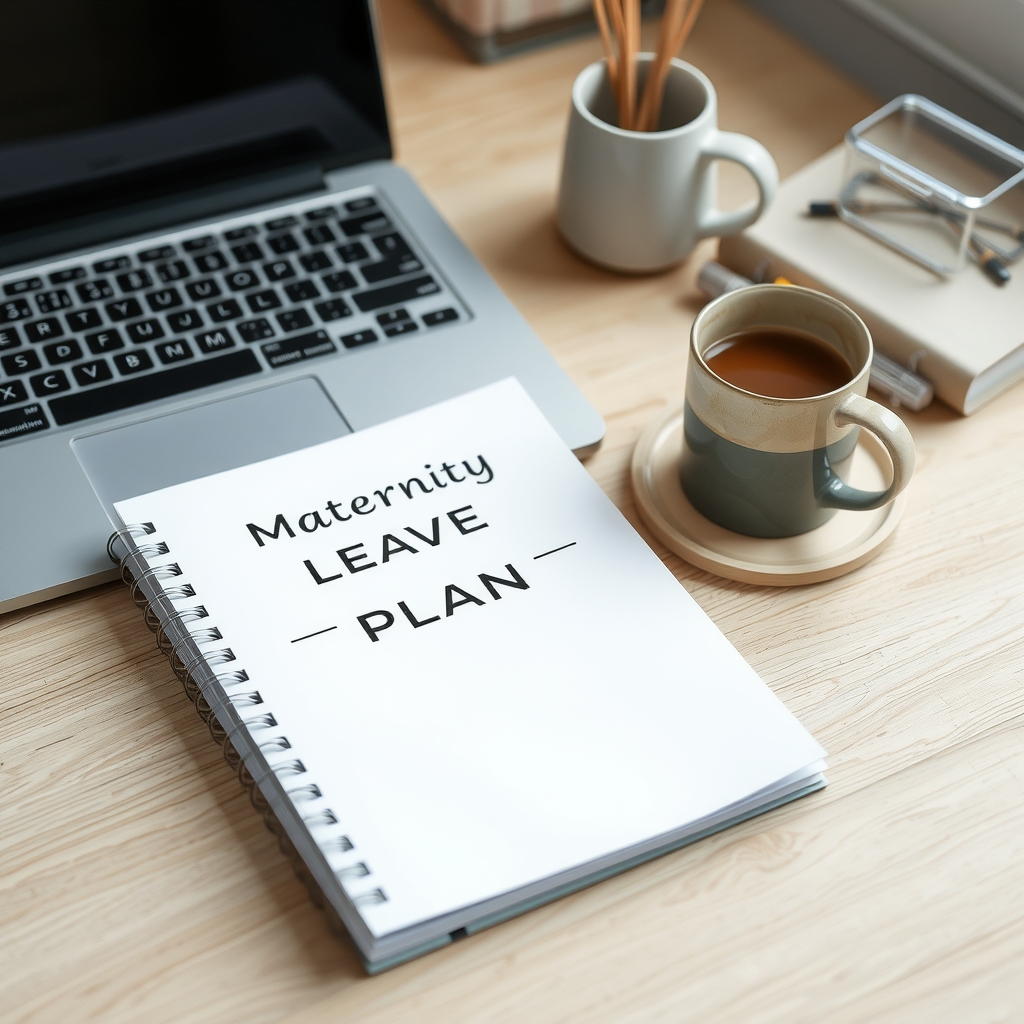
Documentation does two jobs: it proves eligibility and it clarifies expectations. Gather these items before you meet with HR or your manager:
- Company policy handbook – the section on parental leave, including any paid or unpaid extensions.
- FMLA eligibility proof – usually a completed Form WH‑4 (or your HR’s equivalent) confirming you’ve met the 12‑month employment threshold.
- Medical certification – a note from your OB‑GYN confirming your due date and any recommended recovery period. This is often required for FMLA and paid leave (American College of Obstetricians and Gynecologists, 2022).
- Performance data – recent metrics, project timelines, or client testimonials that illustrate your value to the organization.
- Transition plan – a one‑page outline of who will cover your duties, key deadlines, and any training you’ll provide before you depart.
Having these documents on hand shows professionalism and reduces back‑and‑forth. If your employer requests additional paperwork, ask for a clear deadline so the process stays on schedule.
When you submit medical certification, double‑check that it includes the physician’s signature and the expected duration of recovery. The NHS guidance on maternity leave in the UK stresses that a clear, dated note helps avoid unnecessary delays (NHS, 2023).
Performance reviews are a natural moment to align your career goals with personal needs. If your review is upcoming, prepare a brief “career roadmap” that includes:
- Short‑term objectives (e.g., completing a major project by Q3).
- Mid‑term milestones (e.g., leading a new initiative after your return).
- Long‑term vision (e.g., moving into a senior leadership role).
When the reviewer asks about upcoming plans, segue into your maternity timeline. For example:
“I’m thrilled about the upcoming project, and I also want to ensure a smooth transition as I prepare for my baby’s arrival in June. I’d like to discuss extending my maternity leave to 16 weeks, along with a phased return that aligns with the project’s timeline.”
By linking the request to concrete business outcomes, you demonstrate that you’re thinking about the team’s continuity, not just personal time off.
Additionally, ask for a written summary of any agreed‑upon adjustments. Having a documented record protects both you and your manager if staffing changes occur later in the year.
Tips for negotiating maternity leave when you’re a new employee
New hires often worry that asking for extra leave early on could jeopardize their standing. The key is to balance honesty with a proactive plan.
1. Review the offer letter carefully. Many companies include a “probationary period” clause that may affect eligibility for paid leave. If the clause exists, ask HR for clarification before you sign.
2. Highlight your commitment. Emphasize that you’re eager to contribute and that a well‑planned leave will help you return fully focused.
3. Offer a transition timeline. Even if you haven’t started a major project yet, propose a short handover of knowledge (e.g., a one‑hour knowledge‑transfer session) and a point person for any early‑stage tasks.
4. Suggest a trial period. If the employer hesitates, propose a “pilot” of a shorter extension (e.g., two extra weeks) and agree to revisit after the first quarter.
These tactics show that you’re a team player while still advocating for your family’s needs.
Remember, the Department of Labor’s guidance allows employers to set eligibility requirements for paid leave, but they cannot discriminate based on pregnancy (EEOC, 2022). Knowing this can give you confidence when you raise the issue.
Many organizations embed flexible‑work provisions that can be combined with maternity leave. Look for these policy “hooks”:
- Paid family leave (PFL) – Some states provide up to 12 weeks of partially paid leave beyond FMLA.
- Unlimited vacation – If your company offers “unlimited PTO,” you can request additional weeks as paid time off, subject to manager approval.
- Work‑from‑home or remote‑work options – Propose a remote phase after your paid leave ends, which can extend your effective time at home without extra paid days.
- Short‑term disability (STD) – In many plans, STD covers a portion of your salary for a medically necessary recovery period.
- Job‑sharing or part‑time return – A phased return can be negotiated as a formal arrangement, reducing the need for a full‑time schedule.
When you cite a specific policy, you give your request a built‑in justification. For example:
“Our employee handbook notes that unlimited PTO can be used for parental leave. I’d like to apply 4 additional weeks of PTO to extend my maternity leave to 16 weeks.”
Referencing the exact clause shows you’ve done your homework and that you’re not making an ad‑hoc ask.
In the UK, many employers follow the statutory right to 52 weeks of “ordinary” and “additional” maternity leave, with the first 39 weeks paid at a statutory rate (NHS, 2023). Understanding those benchmarks can help you negotiate comparable benefits if you’re an expatriate or working for a multinational.
A promotion often comes with a salary bump and new responsibilities—perfect timing to revisit your leave plans. Here’s a three‑step approach:
- Align the ask with the new role. Explain how a longer leave will allow you to start the promotion refreshed, reducing the risk of burnout.
- Show the ROI. Use data from your recent performance review (e.g., “Delivered $1.2 M in revenue”) to illustrate that your contributions outweigh the temporary absence.
- Propose a structured return. Offer a specific phased schedule (e.g., two weeks part‑time, then full‑time) that matches the expectations of the new position.
Because the promotion already signals the company’s investment in you, they’re more likely to view extended leave as a strategic retention move rather than a cost.
When you discuss the raise, you can also ask whether the new compensation package includes a “salary continuation” option for extended leave—a benefit some firms add for senior staff. The FDA’s guidance on employer‑provided health benefits underscores the importance of clear written agreements for any supplemental pay.
How to handle a denied request for additional maternity leave
Even with careful preparation, an employer may say “no” due to staffing constraints or policy limits. If that happens, stay calm and focus on problem‑solving.
1. Ask for clarification. “Could you share which specific policy or business need is limiting the extension?” This opens a dialogue rather than a dead‑end.
2. Explore alternatives. Suggest unpaid leave, a remote work trial, or a flexible schedule that still meets your family’s needs.
3. Document the conversation. Send a follow‑up email summarizing the discussion and any agreed‑upon next steps. This creates a paper trail and may be useful if you later need to reference the decision.
4. Know your rights. In the U.S., while FMLA guarantees up to 12 weeks, it does not require employers to provide additional paid leave. However, state PFL programs may have different rules, and discrimination based on pregnancy is illegal under the Pregnancy Discrimination Act (PDA) and the Equal Employment Opportunity Commission (EEOC) guidelines.
If you suspect discrimination or retaliation, consider consulting an employment attorney or filing a complaint with the EEOC.
Below is a polished version you can copy‑paste and tailor to your situation.
Subject: Request for Extended Maternity Leave – [Your Name]
Dear [Manager’s Name],
I am delighted to share that my partner and I are expecting a baby due around [Due Date]. I appreciate the company’s standard maternity leave of 12 weeks, which I plan to use fully. After reviewing my upcoming project commitments and considering my recovery needs, I would like to request an additional four weeks of leave, extending my total time away to 16 weeks.
To ensure continuity, I have prepared a transition plan (attached) that outlines coverage for my current responsibilities, including a handover to [Colleague’s Name] and a detailed timeline for deliverables. I am also open to discussing a phased return—starting with part‑time remote work—to ease back into my role.
I believe this approach supports both my family’s health and the team’s success. Could we schedule a brief meeting next week to discuss the details?
Thank you for your understanding and support.
Warm regards,
[Your Name]
[Title]
[Phone]

Legal rights for extended maternity leave in the US
The baseline protection comes from the Family and Medical Leave Act (FMLA), which applies to employers with 50+ employees and to employees who have worked at least 1,250 hours in the past 12 months. FMLA guarantees 12 weeks of unpaid, job‑protected leave for qualifying medical reasons, including pregnancy and childbirth.
Beyond federal law, several states have their own paid family leave (PFL) programs:
- California – Up to 8 weeks of partial wage replacement.
- New York – Up to 12 weeks of partially paid leave.
- Washington – Up to 12 weeks of paid leave.
- Massachusetts – Up to 12 weeks of paid family leave.
These state programs can be stacked with employer‑provided leave, effectively extending the total time you can stay home while still receiving some income.
Importantly, the Pregnancy Discrimination Act (PDA) prohibits employers from treating a pregnant employee less favorably than other employees with similar abilities. If you request additional leave and are denied solely because of pregnancy, that could be a violation.
Realistic expectations depend on three factors:
- Company culture – Organizations with generous parental benefits (e.g., tech firms, academic institutions) often approve extensions of 2–6 weeks beyond the standard package.
- State benefits – If you live in a PFL state, you can combine state‑paid weeks with employer‑paid weeks, effectively adding 4–8 weeks.
- Project timeline – If a major deliverable lands shortly after your_return, you may negotiate a shorter extension to keep the project on track.
Based on industry surveys (Society for Human Resource Management, 2023), the most common additional request is 2–4 weeks. Requests for 6 weeks or more are less frequent but still approved in companies that prioritize retention and employee wellness.
When you frame your ask, cite the specific policy you’re leveraging—whether it’s “unlimited PTO” or a state PFL provision—to demonstrate that the extra weeks are not arbitrary but grounded in existing benefits.
Negotiating maternity leave for remote workers
Remote work adds flexibility but also blurs boundaries. When you’re not physically in the office, you can propose a “virtual phased return” that keeps you home while still contributing.
Key points to discuss:
- Technology needs – Confirm you’ll have access to VPN, secure communication platforms, and any equipment needed.
- Availability schedule – Define clear work hours (e.g., 9 am–12 pm) and response expectations.
- Performance metrics – Agree on deliverables that can be tracked remotely, such as project milestones or client updates.
By framing the request as a structured remote arrangement, you demonstrate that you can maintain productivity while extending your leave.
Note that the FDA’s guidance on remote work and occupational health stresses the importance of a written agreement that outlines ergonomics, data security, and reasonable accommodations for new parents.
How to balance career growth and longer maternity leave
Many women worry that taking extra time off will stall promotions or affect future raises. Here are three strategies to protect your trajectory:
- Document achievements before you leave. Create a “career dossier” that lists recent successes, revenue impact, and stakeholder testimonials.
- Set a post‑leave development plan. Outline the skills you’ll focus on after returning (e.g., a new certification) and discuss it with your manager during the leave‑request meeting.
- Maintain low‑frequency touchpoints. A brief monthly check‑in email (e.g., “Happy holidays! I’m looking forward to the upcoming Q1 project”) keeps you visible without demanding much time.
When you combine a solid pre‑leave performance record with a forward‑looking plan, you signal that the extended leave is a temporary pause, not a career detour.
Understanding paid family leave in the UK and other Commonwealth countries
If you’re based in the United Kingdom, the statutory right to maternity leave is 52 weeks, split into 39 weeks of “Ordinary Statutory Maternity Pay” (SMP) and 13 weeks of “Additional SMP.” The first 6 weeks are paid at 90 % of your average weekly earnings, and weeks 7–39 are paid at the lower of £172.48 per week (2024 rate) or 90 % of earnings (NHS, 2023). Some employers offer “enhanced” maternity packages that add extra weeks of full pay.
Australia, Canada, and New Zealand have similar frameworks: each provides a statutory minimum of 12–18 weeks of paid maternity leave, with the possibility of topping up through employer‑funded schemes. Knowing the baseline in your jurisdiction lets you benchmark your request against what is legally required versus what is customary.
When negotiating, reference the specific statutory language—e.g., “According to the UK’s Statutory Maternity Pay regulations, the employer provides 39 weeks of SMP. I would like to discuss adding an additional four weeks of paid leave to align with my recovery needs.” This demonstrates that you’re informed and that your ask is rooted in existing law.
How to request salary continuation or short‑term disability during extended leave
Some companies pair maternity leave with short‑term disability (STD) benefits that cover a portion of your salary for a medically necessary recovery period. Review your employee handbook for language such as “disability benefits for childbirth” or “salary continuation during medical leave.”
If STD is available, you can structure your ask as follows:
- Use the first 12 weeks of FMLA for job protection.
- Apply STD benefits for weeks 13–16 to receive a percentage of your salary (often 60‑70 %).
- Combine any state PFL payments for additional income.
When you present the request, include a brief summary table (see example below) that shows how the different pay sources overlap, making it clear that the total compensation package remains within budgetary limits.
Clarify that you’ll provide any required medical certification promptly, and ask HR to confirm the exact payout schedule. The FDA’s guidance on employer‑provided health benefits advises that all compensation arrangements be documented in writing to avoid misunderstandings.
Maternity leave considerations for self‑employed or gig workers
If you’re self‑employed, traditional FMLA protections don’t apply, but you still have options:
- Private maternity insurance. Companies like Nationwide and Aflac offer policies that provide a lump‑sum payout for childbirth.
- State disability programs. Some U.S. states (e.g., California) extend disability benefits to self‑employed individuals who contribute to the state’s disability insurance.
- Business continuity plan. Outline how you’ll hand off client work, schedule automated email responses, and set a return‑to‑work date.
Document your plan in a “client transition memo” and share it with key partners at least 30 days before your due date. This not only maintains professional relationships but also gives you peace of mind that income streams are protected.
For gig platforms (e.g., rideshare or delivery apps), explore any “parental leave” or “family support” programs they may offer. While many lack formal policies, some provide temporary income guarantees for drivers who take a leave of absence.
Myth vs. fact
Myth: “Employers can legally refuse any request for extra maternity leave.”
Fact: While employers are not required to grant more than the statutory minimum, many choose to do so to retain talent and avoid discrimination claims. Knowing your state’s PFL and company policies gives you leverage.
Myth: “Taking extra leave automatically harms promotion prospects.”
Fact: If you proactively outline a return‑to‑work plan and document your contributions, most organizations view extended leave as a personal health investment, not a performance deficit.
Myth: “You must wait until after a performance review to discuss leave.”
Fact: The best time to raise the conversation is when you have a clear timeline (ideally 3–4 months before your due date) and when you can present a transition plan. Early discussion gives both you and your manager ample time to prepare.
Key takeaways
- Know the legal baseline (FMLA, state PFL) and your company’s written policy before you ask.
- Build a business case with performance data and a concrete transition plan.
- Pick the right timing—ideally 3–4 months before your due date and aligned with project milestones.
- Use clear, solution‑focused language; propose flexible options like remote work or phased return.
- Document every agreement in writing and keep copies of all policy references.
- If denied, ask for clarification, explore alternatives, and know your legal rights under the PDA and EEOC.
- For self‑employed workers, consider private maternity insurance or state disability programs to protect income.
Frequently asked questions
Can I ask for more than the standard maternity leave?
Yes. While the federal FMLA caps unpaid leave at 12 weeks, many employers voluntarily offer additional paid weeks, and state PFL programs can add further time. You can request extra weeks, especially if you present a solid transition plan.
Start with a brief congratulatory note, reference the existing policy, state the exact amount you’re requesting, and outline how you’ll ensure coverage (e.g., “I’d like to add four weeks, and I’ve arranged for [Colleague] to handle X, Y, Z during my absence”). Offer flexible alternatives like unpaid leave or remote work.
Do employers have to grant additional maternity leave?
No. Employers are not obligated to exceed the statutory minimum, but denying reasonable requests can raise discrimination concerns under the Pregnancy Discrimination Act. Many companies grant extensions to retain talent and avoid legal risk.
How far in advance should I discuss extended maternity leave?
Ideally 3–4 months before your due date. This gives your manager enough time to adjust staffing, and it aligns with most companies’ planning cycles. If you need more time for recovery, start the conversation as early as possible.
Not necessarily. If you demonstrate a clear plan for covering your duties, maintain communication during leave, and outline a post‑leave development strategy, most managers see the request as a responsible personal decision rather than a career impediment.
Focus on three pillars: (1) your proven performance (e.g., revenue generated, projects delivered), (2) the business impact of a well‑planned transition, and (3) the long‑term benefit of returning refreshed and fully engaged. Cite any relevant company policies or state PFL benefits to back your ask.
Yes. Many employers are open to a phased return, part‑time remote work, or job‑sharing. Propose a specific schedule (e.g., two days per week for the first month) and outline how you’ll stay productive.
How do self‑employed mothers protect their income during maternity leave?
Consider purchasing a private maternity insurance policy that provides a lump‑sum benefit, or enroll in a state disability program if you’re eligible. Additionally, create a client transition memo that details how work will be handed off and when you expect to resume services.
What if my employer’s policy seems unclear or contradictory?
Request a written clarification from HR. Keep a copy of the response for your records, and if the explanation still leaves gaps, you may consult an employment attorney to ensure the policy complies with federal and state law.
When to consult HR or legal counsel
If you encounter any of the following, seek professional guidance:
- Denial of leave that appears to be based on pregnancy rather than business need.
- Conflicting information between your manager and HR about policy eligibility.
- Requests for documentation that seem unrelated to leave (e.g., medical history beyond pregnancy).
- Potential retaliation after you file a request (e.g., sudden performance review downgrade).
Remember, this article provides general information and is not a substitute for personalized legal advice. Contact your HR department for policy clarification, and consider speaking with an employment attorney if you suspect discrimination.
References
- U.S. Department of Labor, Family and Medical Leave Act (FMLA) guidelines.
- Equal Employment Opportunity Commission (EEOC), Pregnancy Discrimination Act (PDA) enforcement.
- Society for Human Resource Management (SHRM), “Parental Leave Policies: Trends and Benchmarks,” 2023.
- National Partnership for Women & Families, “Paid Family Leave State Summaries,” 2024.
- American College of Obstetricians and Gynecologists (ACOG), “Maternity Leave: Clinical Considerations,” 2022.
- Harvard Business Review, “How to Negotiate Parental Leave with Your Manager,” 2023.
- U.S. Census Bureau, “Employees Covered by FMLA,” 2022.
- National Institute for Occupational Safety and Health (NIOSH), “Work‑Family Balance and Employee Health,” 2021.
- National Health Service (NHS), “Maternity Leave and Pay,” 2023.
- U.S. Food and Drug Administration (FDA), “Employer‑Provided Health Benefits Guidance,” 2022.