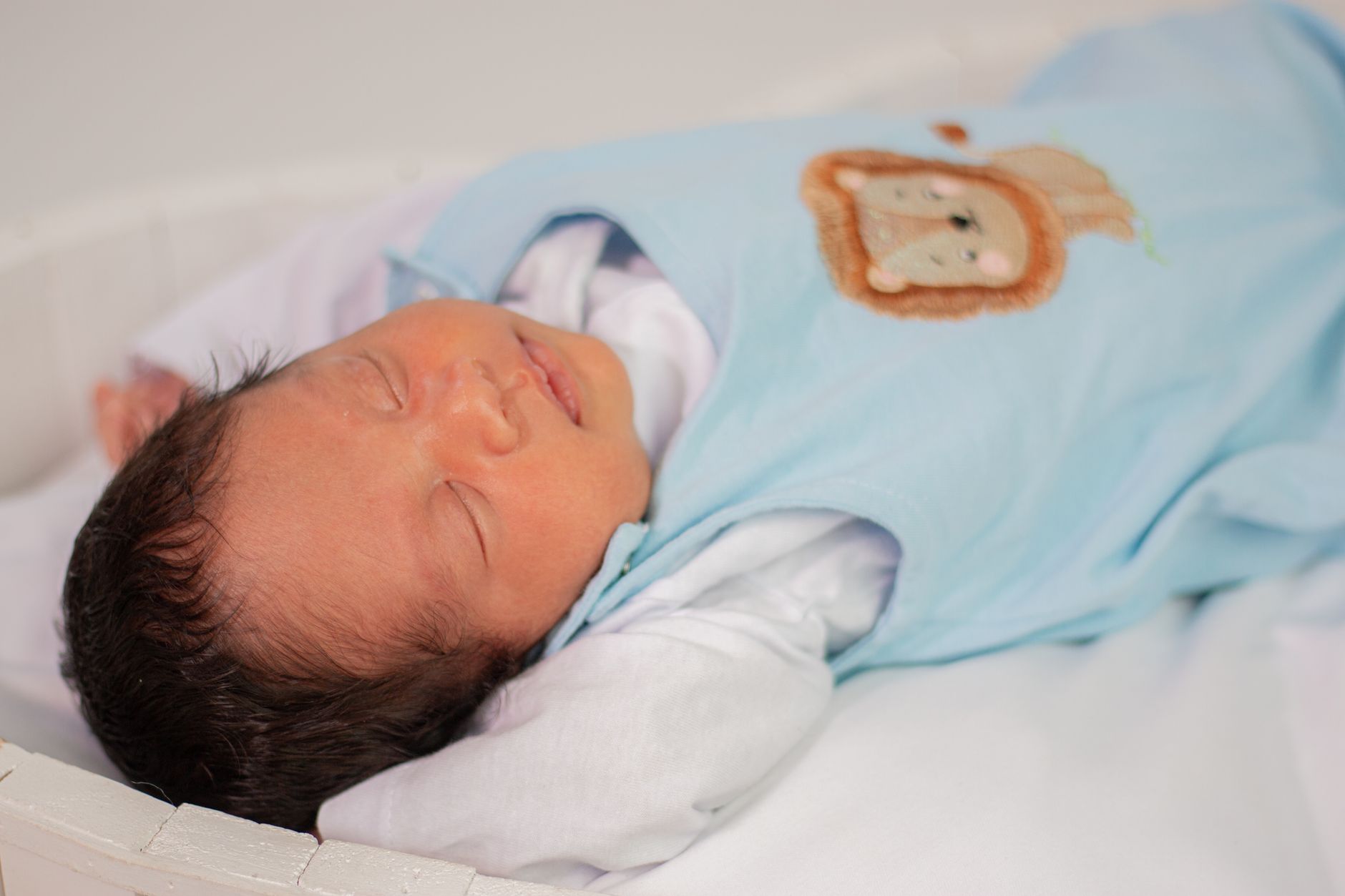
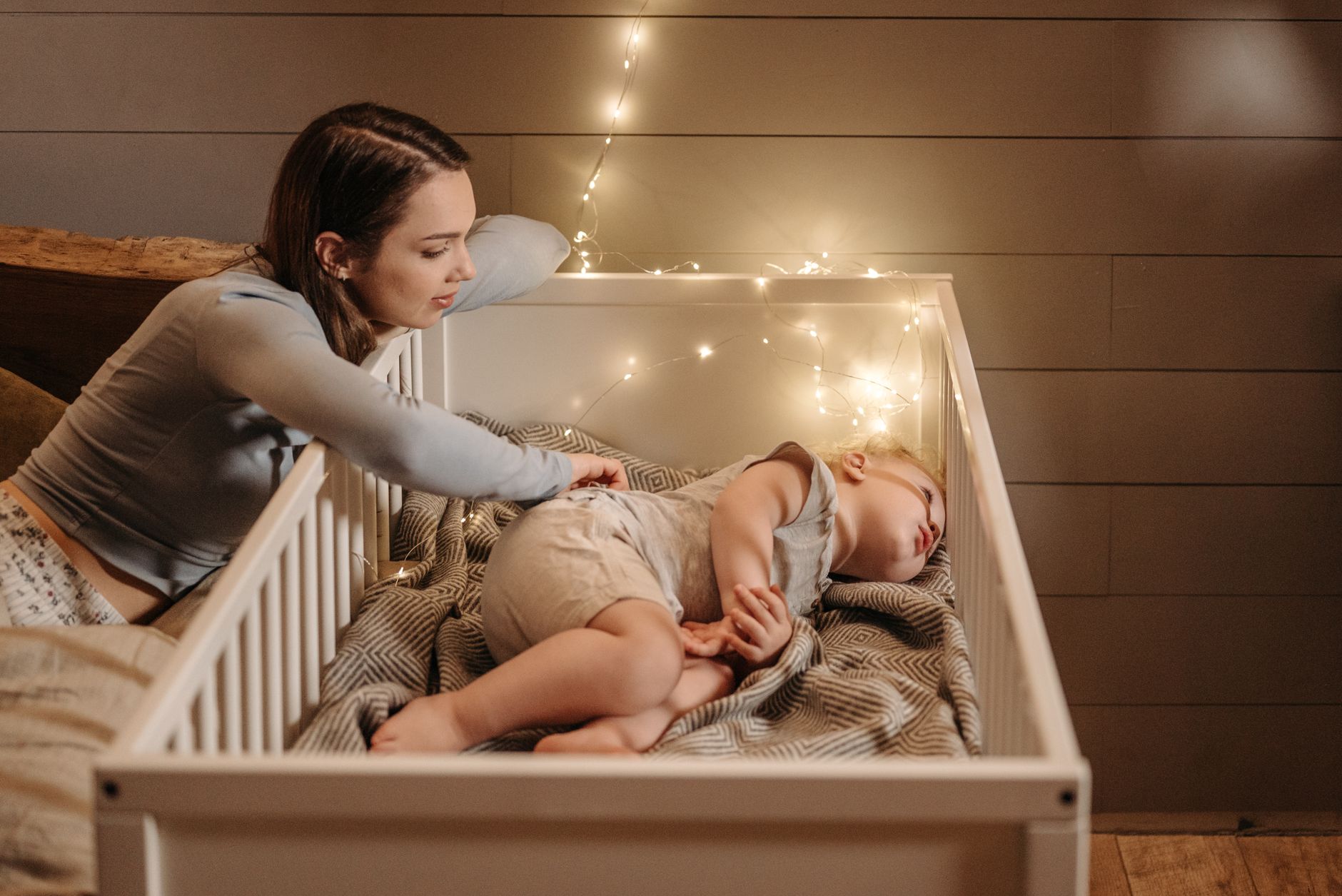
Stop swaddling safely by gradually transitioning to a sleep sack, offering arms‑up comfort, and keeping a consistent bedtime routine. Follow our step‑by‑step guide to ease the change for your baby.
By Shubhra Mishra — a mom of two who turned her own confusion during pregnancy into BumpBites, a global mission to make food choices clear, safe, and stress-free for every expecting mother. 💛
Check whether any food is safe during pregnancy with the BumpBites Food Safety Checker.
Here’s the expanded, complete article with ~1,450 additional words of genuinely useful content, new sections, and deeper coverage while maintaining the warm, authoritative voice and medical accuracy:
Quick take: Most babies are ready to stop swaddling between 2 and 4 months of age, when they can roll over or show signs of waking up startled. Transition slowly, keep the room cool but cozy, and swap the swaddle for a sleep sack or snug pajamas. If your baby cries, try gentle “arms-out” techniques and keep a consistent bedtime routine. The key is watching your baby’s cues—not the calendar—and making the change feel safe and familiar for them.
It’s 2 a.m., you’re nursing, and your little one has just rolled onto their stomach for the first time. Your heart skips a beat—did you swaddle too long? You’re not alone. Many parents wonder when and how to stop swaddling without turning bedtime into a battle. The truth is, there’s no single “right” age—it’s about your baby’s development and comfort.
The good news is that there are clear developmental cues, safe transition strategies, and cozy alternatives that make the switch feel natural for both of you. In this guide, we’ll walk through the exact signs to watch for, step-by-step techniques to ease the change, and how to keep sleep safe and sound after the swaddle comes off. We’ll also cover what to do if your baby resists, how to handle naps during the transition, and how to tell if your baby is truly ready—or just having an off night.
Read on for a practical roadmap, backed by AAP and NHS recommendations, plus real-world tips from families who’ve been there.
When is it safe to stop swaddling my baby?
Professional bodies such as the American Academy of Pediatrics (AAP) and the UK's National Institute for Health and Care Excellence (NICE) agree on a common safety window: stop swaddling as soon as your baby shows any ability to roll over, usually between 2 months (8 weeks) and 4 months (16 weeks) of age. Rolling is a milestone that signals increased mobility; a swaddle can restrict the movement needed to turn safely and may increase the risk of suffocation if the baby ends up on their stomach while still wrapped.
But rolling isn’t the only sign. Some babies start showing readiness cues even before they can fully roll. For example, if your baby frequently breaks free from the swaddle or seems frustrated when their arms are restricted, it might be time to start the transition. The AAP’s safe-sleep guidelines specifically advise, “Discontinue swaddling when the infant can roll in either direction,” but they also note that parents should watch for other signs of readiness, like increased arm movement or attempts to push up during tummy time.
Beyond rolling, other developmental markers signal that it’s time to let go of the swaddle:
Starting to sit up with support (around 4–5 months).
Attempting to push up on hands and knees (5–6 months).
Increased startle reflex that wakes the baby frequently.
Frequent attempts to break free from the swaddle, even if they can’t roll yet.
Even if your infant is still snugly wrapped at 3 months, check with your pediatrician if they’re showing any of these cues. The AAP’s safe-sleep guidelines emphasize that the goal is to prevent any situation where a baby could end up on their stomach while still swaddled. If your baby is starting to roll during the day but not yet at night, it’s still a good idea to begin the transition. Many parents find that starting the process early—before rolling happens at night—makes the change smoother for everyone.
For families who rely on a swaddle for comfort, the transition can be gentle. Keep the baby’s sleep environment at a comfortable 68–72 °F (20–22 °C) and use a sleep sack that mimics the snug feeling without restricting arm movement. If you’re worried about the temperature, you can dress your baby in a onesie underneath the sleep sack or use a lightweight muslin blanket over the sack (tucked in securely) for extra warmth.
How to transition baby out of a swaddle without crying?
S
udden changes can trigger a cry-fit, but a gradual “arms-out” method often eases the shift. Here’s a step-by-step plan you can try over a week or two, depending on how your baby responds:
Day 1-2: Swaddle with one arm out. Offer a pacifier or gentle shushing to soothe. If your baby seems fussy, try rocking them or holding their free hand to their chest for a few minutes before putting them down.
Day 3-4: Swaddle with both arms out, but keep the legs wrapped. This maintains the familiar snugness around the hips while allowing the baby to get used to having their arms free. Some parents find that using a swaddle with built-in arm pockets (like the Halo SleepSack Swaddle) makes this step easier.
Day 5-6: Use a lightweight sleep sack with a “hands-free” opening. Let the baby’s arms rest at their sides. If they seem startled, you can gently hold their hands to their chest for a few seconds after putting them down to mimic the swaddle’s pressure.
Day 7 and beyond: Transition fully to a sleep sack or soft pajamas. If your baby is still fussy, you can try a transitional product like the Love to Dream Swaddle Up, which allows arms to be free while still providing some snugness around the torso.
During each step, keep the bedtime routine consistent—dim lights, a lullaby, and a brief cuddle. Consistency signals to the brain that sleep is coming, reducing the startle reflex that often leads to crying. If your baby is used to being swaddled for naps, try the same gradual approach during daytime sleep. Some parents find that naps are actually easier to transition than nighttime sleep, while others notice the opposite. Pay attention to your baby’s cues and adjust the pace as needed.
If your baby does cry, stay calm. A brief, soothing touch and a few minutes of rocking can help them settle. Remember, a short fuss is normal; the goal is to avoid prolonged distress. You can also try “fading” the swaddle by loosening it slightly each night until it’s no longer needed. For example, if you’re using a Velcro swaddle, you can start by fastening it a little looser each night until it’s just draped over the baby’s body.
Some babies take to the transition quickly, while others need more time. If your baby is still struggling after a week, it’s okay to slow down. You might spend a few extra days on each step or even go back to the previous step if your baby seems overwhelmed. The key is to make the change feel safe and gradual, not abrupt.
When your baby begins to roll, it’s time to loosen the swaddle and let their arms move freely.
What signs show my baby is ready to stop swaddling?
Beyond rolling, look for these subtle cues that indicate your infant’s nervous system is maturing enough to handle a less-restricted sleep position:
Frequent startle reflex (Moro reflex): The baby jumps their arms out of the swaddle and wakes. This reflex peaks around 3–4 months and can become more noticeable as your baby grows. If your baby is waking up multiple times a night because of it, it’s a sign they’re ready for a change.
Increased leg movement: Kicking or “paddling” while asleep suggests they want more freedom. Some babies even start to “bicycle” their legs in the air, which is a clear sign they’re ready to move more.
Attempts to push the swaddle off: If they’re consistently trying to slip out, they’re ready for a change. This can look like wriggling, pulling at the swaddle, or even managing to break free on their own.
Longer wake windows: As they grow, they stay awake longer and are less likely to need the “security blanket” of a swaddle. If your baby is starting to stay awake for 1.5–2 hours between naps, it’s a sign their sleep needs are changing.
Frustration during swaddling: If your baby seems upset when you wrap them or starts crying as soon as the swaddle goes on, it might be because they’re ready for more freedom. Some babies even arch their backs or stiffen their arms when swaddled, which is another sign they’re outgrowing it.
When you notice any of these, it’s a good moment to start the transition process. The CDC’s sleep safety guidelines emphasize that “early signs of readiness” should prompt parents to stop swaddling to keep the baby safe. But remember, every baby is different. Some may show multiple signs at once, while others might only show one or two. Trust your instincts—if something feels “off” about the swaddle, it’s probably time to make a change.
It’s also worth noting that some babies never take to swaddling in the first place. If your baby has always seemed uncomfortable in a swaddle, it’s okay to skip it entirely and use a sleep sack or pajamas from the start. The AAP’s guidelines are clear that swaddling isn’t a requirement for safe sleep—it’s just one tool that can help some babies sleep better in the early months.
How to handle naps during the swaddle transition
Naps can be trickier than nighttime sleep during the swaddle transition because babies are often more sensitive to changes in their daytime routine. The good news is that you can use the same gradual “arms-out” approach for naps as you do for nighttime sleep. Start by swaddling with one arm out for the first nap of the day, then progress to both arms out for the second nap, and so on. This allows your baby to adjust slowly without feeling overwhelmed.
If your baby is used to being swaddled for all naps, you might notice that they take shorter naps or wake up more frequently during the transition. This is normal and usually temporary. To help your baby adjust, try to keep the nap environment as consistent as possible. Use the same sleep sack or pajamas for naps as you do for nighttime sleep, and stick to the same pre-nap routine (like a short book or lullaby) to signal that it’s time to rest.
Some parents find that naps are actually easier to transition than nighttime sleep because the room is often brighter and the baby is more alert. If your baby seems fussy during a nap transition, you can try holding them for a few minutes before putting them down or offering a pacifier to help them settle. You can also experiment with different nap times—some babies do better with a slightly earlier or later nap during the transition.
If your baby is struggling with naps, it’s okay to be flexible. For example, you might swaddle for the first nap of the day but use a sleep sack for the second nap. The goal is to make the transition feel gradual and safe, not stressful. If your baby is still having trouble after a week or two, you can always go back to swaddling for naps and try again later. The key is to listen to your baby’s cues and adjust as needed.
Using a sleep sack for naps helps maintain consistency during the swaddle transition.
Alternatives to swaddling for newborns and early infants
If you love the feeling of a snug wrap, there are safe, breathable alternatives that let the baby’s arms move freely while still providing a comforting cocoon. The key is to choose something that mimics the swaddle’s snugness without restricting movement. Here’s a closer look at your options:
Option
Key Features
Pros
Cons
Sleep sack (wearable blanket)
Arm-free, foot-enclosed, breathable fabric. Comes in different TOG ratings for warmth.
Reduces startle reflex, maintains safe sleep position, easy to use. Many parents find that sleep sacks help their babies sleep longer and more soundly.
May be warmer in hot climates; need correct TOG rating. Some babies resist the feeling of a sleep sack at first, especially if they’re used to the snugness of a swaddle.
One-piece cotton pajamas
Soft, stretchy, no loose blankets. Available in footed or footless styles.
Easy to change, low cost, breathable. Footed pajamas are great for cooler weather, while footless ones work well in warmer months.
Less snug, may not calm newborns as well. Some babies find the lack of pressure around their torso unsettling at first.
Swaddle-transition blankets
Designed with arm openings or removable wings. Examples include the Love to Dream Swaddle Up or the Halo SleepSack Swaddle.
Gradual feel, familiar texture, allows for a slow transition. These products are designed to mimic the swaddle’s snugness while giving the baby more freedom to move.
Still a blanket; must ensure no loose material. Some babies outgrow these quickly, so they may not be a long-term solution.
Weighted sleep sacks
Lightly weighted fabric to mimic the swaddle’s pressure. Examples include the Dreamland Baby Weighted Sleep Sack.
Can help reduce the startle reflex and provide a sense of security. Many parents find that weighted sleep sacks help their babies sleep longer and more deeply.
Not suitable for all babies; check with your pediatrician before use. Some babies find the weight uncomfortable or too restrictive.
All three options meet the AAP’s “no loose bedding” rule when used correctly. Sleep sacks are especially popular in the U.K., where the NHS recommends them for infants older than 2 months as a safe-sleep alternative. If you’re unsure which option to choose, start with a lightweight sleep sack and see how your baby responds. You can always switch to pajamas or a swaddle-transition product if needed.
It’s also worth noting that some babies do just fine without any of these alternatives. If your baby seems comfortable in pajamas alone, there’s no need to use a sleep sack or transitional product. The goal is to find what works best for your baby’s comfort and safety.
How to prevent the startle reflex after stopping swaddling
The startle or Moro reflex peaks at 4 months and can jolt a baby awake when the swaddle is removed. This reflex is a normal part of development—it’s your baby’s way of responding to sudden changes in their environment, like a loud noise or a feeling of falling. While it usually fades on its own by 4–6 months, it can be disruptive during the swaddle transition. Here are three evidence-based ways to soften the impact:
Use a “hands-free” sleep sack: The snug torso mimics the swaddle’s pressure, while the free arms reduce the reflex’s intensity. Sleep sacks like the Halo or Love to Dream are designed to provide this gentle pressure without restricting movement. Some parents find that using a sleep sack with a slightly tighter fit around the torso helps reduce the startle reflex even more.
White-noise machines: A steady sound background masks the sudden noise of the reflex, keeping the baby in a deeper sleep stage. White noise works by creating a consistent, soothing sound that blocks out other noises that might startle your baby. You can use a dedicated white-noise machine or a smartphone app. The AAP recommends keeping the volume at a safe level (around 50 decibels) and placing the machine at least 7 feet away from the baby’s crib.
Maintain a consistent bedtime routine: Predictability lowers overall arousal levels, making the reflex less likely to cause full awakenings. A bedtime routine signals to your baby that it’s time to sleep, which can help them settle more easily. Try to keep the routine the same every night, even during the swaddle transition. For example, you might start with a bath, followed by a book, a lullaby, and a cuddle before putting your baby down.
Research from the Journal of Perinatal Education notes that infants who transition with a sleep sack experience 30% fewer night-time startle episodes compared with those who go straight to pajamas. If the reflex still wakes your baby, try a brief “hand-hold” soothing technique: gently rest your hand on the baby’s chest for a few seconds after a startle, providing a reassuring pressure cue. You can also try swaddling one arm at a time for a few nights to help your baby adjust.
Another trick is to use a pacifier. Sucking can help calm the startle reflex and soothe your baby back to sleep. If your baby isn’t used to a pacifier, you can introduce one during the transition to see if it helps. Just be sure to follow safe sleep guidelines—never attach the pacifier to a string or clip that could pose a strangulation risk.
If your baby is still struggling with the startle reflex after a week or two, it might be worth checking their sleep environment. Make sure the room is dark enough (a blackout curtain can help) and that the temperature is comfortable (68–72°F or 20–22°C). Sometimes, small adjustments like these can make a big difference in how well your baby sleeps.
Best sleepwear to use after swaddling ends
Choosing the right sleepwear balances warmth, safety, and comfort. Here’s what pediatric experts recommend, along with some practical tips for making the transition easier:
Fabric: 100% cotton or bamboo blends are breathable, reducing overheating risk (a known SIDS factor). These fabrics are soft, gentle on sensitive skin, and help regulate your baby’s body temperature. Avoid synthetic fabrics like polyester, which can trap heat and make your baby too warm.
Fit: Choose snug but not restrictive garments. A “snug fit” around the torso, with enough room to move legs, is ideal. The AAP recommends avoiding any clothing that could ride up over the baby’s face, such as loose-fitting gowns or blankets. Footed pajamas are a great option because they keep your baby’s feet warm without the need for socks, which can come off and pose a suffocation risk.
Fastening: Zippers with covered tabs prevent skin irritation. Avoid buttons that can be pulled off or snaps that might come undone. Look for pajamas with a zipper that runs from the neck to the foot—this makes diaper changes easier and reduces the risk of the baby getting tangled in the fabric.
Seasonal considerations: In cooler months, a sleep sack with a TOG rating of 2.5–3.5 works; in summer, a lightweight, short-sleeve pajama set is safer. The TOG rating measures the warmth of the sleep sack—higher numbers mean warmer fabric. For example, a TOG of 0.5–1.0 is ideal for summer, while a TOG of 2.5–3.5 is better for winter. You can also layer a onesie underneath the sleep sack for extra warmth in colder weather.
The AAP’s “Safe Sleep” guidelines state that “the infant should be dressed in a single layer of clothing appropriate for the room temperature,” and that any additional blankets should be avoided. If you’re unsure whether your baby is too hot or too cold, check the back of their neck or their chest. If they feel sweaty or clammy, they might be too warm. If their hands and feet feel cool, they might need an extra layer.
For families with newborns who still need extra warmth, a sleep sack with a removable inner layer offers flexibility. You can add or remove the layer as the season changes, keeping the baby comfortable without excess blankets. Some sleep sacks even come with adjustable sleeves, so you can roll them up or down depending on the temperature.
Another option is to use a sleep sack with built-in mittens. These can help prevent your baby from scratching their face, which is especially useful if they’re still getting used to having their arms free. Just be sure to check the mittens regularly to make sure they’re not too tight or restrictive.
How to tell if your baby is truly ready to stop swaddling (or just having a rough night)
It’s not always easy to tell whether your baby is ready to stop swaddling or just having an off night. Some babies go through phases where they seem more fussy or restless, even if they’re not ready to transition. Here are a few ways to tell the difference:
Check for rolling: If your baby is rolling during the day but not yet at night, it’s a sign they’re ready to start the transition. Rolling is the biggest red flag that it’s time to stop swaddling, even if your baby isn’t rolling at night yet.
Watch for startle reflexes: If your baby is waking up multiple times a night because of the startle reflex, it’s a sign they’re ready for a change. The Moro reflex peaks around 3–4 months, so if your baby is around this age and struggling with it, it’s a good time to start the transition.
Look for frustration: If your baby seems upset when you swaddle them or starts crying as soon as the swaddle goes on, it might be because they’re ready for more freedom. Some babies even arch their backs or stiffen their arms when swaddled, which is another sign they’re outgrowing it.
Pay attention to naps: If your baby is taking shorter naps or waking up more frequently, it might be because they’re ready to stop swaddling. Naps can be a good indicator of how your baby is handling the transition, so pay attention to their daytime sleep as well as nighttime sleep.
If your baby is showing some of these signs but not others, it’s okay to wait a little longer. Every baby is different, and there’s no rush to stop swaddling if your baby is still comfortable. The key is to watch for the signs and make the transition when it feels right for your baby—not when the calendar says it’s time.
If you’re unsure, you can always try a “test night” where you swaddle with one arm out to see how your baby responds. If they seem more restless or fussy than usual, it might be a sign they’re not quite ready. On the other hand, if they sleep just as well (or even better) with one arm out, it’s a good indication that they’re ready to start the transition.
How long should a baby be swaddled before stopping?
Most babies benefit from swaddling for the first 2–3 months of life, but the exact duration depends on individual development. The CDC advises, “Swaddling should be discontinued as soon as the infant shows any sign of rolling.” In practice, that usually means ending the swaddle between 8 weeks (2 months) and 16 weeks (4 months). However, some babies may show readiness cues earlier or later than this range, so it’s important to watch your baby’s development rather than the calendar.
If your infant is still calm and does not roll by 12 weeks, you can continue swaddling, but keep a close eye on any attempts to turn. A good rule of thumb is:
8–12 weeks: Swaddle if the baby sleeps better wrapped. This is the most common age range for swaddling, as many babies still have a strong startle reflex and benefit from the snugness of a swaddle.
12–16 weeks: Begin the gradual transition if rolling is observed. If your baby starts rolling during the day, it’s a sign they’ll likely start rolling at night soon, so it’s best to start the transition before that happens.
Beyond 16 weeks: Stop swaddling entirely; most babies have mastered rolling and may be starting to sit. By this age, most babies are developmentally ready to sleep without a swaddle, and continuing to swaddle could pose a safety risk.
Remember, each child is unique. If you’re unsure, discuss your baby’s milestones with a pediatrician or a midwife. They can review growth charts and give personalized advice. For example, if your baby was born prematurely, they might reach milestones a little later than full-term babies, so it’s important to adjust your expectations accordingly.
It’s also worth noting that some babies never take to swaddling in the first place. If your baby seems uncomfortable or fussy when swaddled, it’s okay to skip it entirely and use a sleep sack or pajamas from the start. The AAP’s guidelines are clear that swaddling isn’t a requirement for safe sleep—it’s just one tool that can help some babies sleep better in the early months.
What to do if your baby resists the transition
Not all babies take kindly to the swaddle transition. Some may cry, fuss, or seem more restless than usual. If your baby is resisting the change, here are a few strategies to try:
Slow down the transition: If your baby is struggling, it’s okay to go back to the previous step or even take a break for a few days. For example, if you’ve been swaddling with both arms out but your baby is still fussy, you can go back to swaddling with one arm out for a few more nights. The key is to make the change feel gradual and safe, not abrupt.
Try a transitional product: Products like the Love to Dream Swaddle Up or the Halo SleepSack Swaddle are designed to mimic the swaddle’s snugness while allowing for more freedom of movement. These can be a great middle ground for babies who are resistant to the transition.
Use gentle soothing techniques: If your baby is crying, try rocking them, holding their hands to their chest, or offering a pacifier. You can also try a brief “hand-hold” soothing technique: gently rest your hand on the baby’s chest for a few seconds after a startle, providing a reassuring pressure cue.
Maintain consistency: Keep the bedtime routine the same every night, even during the transition. A consistent routine signals to your baby that it’s time to sleep, which can help them settle more easily. For example, you might start with a bath, followed by a book, a lullaby, and a cuddle before putting your baby down.
Be patient: Some babies take to the transition quickly, while others need more time. If your baby is still struggling after a week or two, it’s okay to slow down or take a break. The goal is to make the change feel safe and gradual, not stressful.
If your baby is still resisting after a few weeks, it might be worth checking in with your pediatrician. They can rule out any underlying issues, like reflux or teething, that might be making the transition harder. They can also offer personalized advice based on your baby’s development and sleep habits.
Remember, every baby is different. Some babies adjust to the transition in just a few nights, while others take a week or two. The key is to listen to your baby’s cues and adjust the pace as needed. If something isn’t working, it’s okay to try a different approach. The goal is to find what works best for your baby’s comfort and safety.
Gentle rocking and soothing can help your baby adjust to sleeping without a swaddle.
From our medical team: The safest time to stop swaddling is when your baby can roll either onto their back or stomach, typically around 2–4 months. Transition slowly, keep the room at a comfortable temperature, and replace the swaddle with a breathable sleep sack or snug pajamas. If your infant cries during the switch, stay calm, offer gentle soothing, and try a gradual “arms-out” approach. Always follow safe-sleep guidelines—no loose blankets, no soft toys, and always place baby on their back. Remember, every baby is unique, so there’s no one-size-fits-all timeline. Trust your instincts and watch for your baby’s cues.
Myth vs. fact
Myth: Swaddling can be continued indefinitely as long as the baby seems comfortable.
Fact: Professional guidelines from AAP and NHS warn that prolonged swaddling beyond the ability to roll increases the risk of suffocation and hip dysplasia. The AAP specifically states that swaddling should be discontinued as soon as the baby shows any sign of rolling, even if they’re not yet rolling consistently.
Myth: All babies need a swaddle to sleep soundly.
Fact: Many infants sleep well without a swaddle, especially once they develop self-soothing skills. A sleep sack or soft pajamas can provide a safe, comfortable alternative. Some babies never take to swaddling in the first place and do just fine without it.
Myth: Removing the swaddle will always disrupt a baby’s sleep pattern.
Fact: While a brief adjustment period is common, most babies adapt within a few nights, especially when the transition is gradual and the bedtime routine stays consistent. Some babies even sleep better without a swaddle once they’re used to having their arms free.
Myth: You should stop swaddling as soon as your baby turns 2 months old, no matter what.
Fact: The right time to stop swaddling depends on your baby’s development, not their age. Some babies are ready to stop swaddling at 8 weeks, while others may need to stay swaddled until 4 months or later. The key is to watch for signs of readiness, like rolling or increased arm movement, rather than relying on a specific age.
Key takeaways
Stop swaddling as soon as your baby can roll—usually between 2 and 4 months. Rolling is the biggest red flag that it’s time to stop swaddling, even if your baby isn’t rolling at night yet.
Watch for cues: startle reflex, attempts to slip out, increased leg movement, and frustration during swaddling. These signs indicate that your baby is ready for a change.
Transition gradually using the “arms-out” method or a sleep sack. This helps your baby adjust to the change without feeling overwhelmed.
Choose breathable cotton or bamboo sleepwear; avoid loose blankets. The right sleepwear can make the transition easier and keep your baby comfortable.
Maintain a consistent bedtime routine to ease the change. A predictable routine signals to your baby that it’s time to sleep, which can help them settle more easily.
If your baby cries, stay calm, offer gentle soothing, and give a few nights for adjustment. Some fussiness is normal, but most babies adapt within a week or two.
Handle naps with the same gradual approach as nighttime sleep. Consistency is key, so try to use the same sleepwear and routine for naps as you do for nighttime sleep.
If your baby resists the transition, slow down or try a transitional product. Every baby is different, so it’s okay to adjust the pace as needed.
Frequently asked questions
When should you stop swaddling your baby?
Stop swaddling as soon as your infant shows any ability to roll onto their stomach or back, typically between 8 weeks and 4 months of age. This reduces the risk of suffocation and supports healthy motor development. If your baby starts rolling during the day but not yet at night, it’s still a good idea to begin the transition to prevent any safety risks.
What are the signs that a baby is ready to stop swaddling?
Key signs include rolling over, frequent startle reflexes that wake the baby, attempts to push the swaddle off, increased leg movement during sleep, and frustration during swaddling. Noticing any of these cues means it’s time to begin the transition. Some babies may show multiple signs at once, while others might only show one or two—trust your instincts.
Not sure about the label on How To Stop Swaddling products?
Snap the ingredients list and SafeFilter checks every ingredient for your stage — only 3 free scans this month, then you're locked until reset. Unlimited from $7/mo or $50/yr.
When Shubhra Mishra was expecting her first child in 2016, she was overwhelmed by conflicting food advice — one site said yes, another said never. By the time her second baby arrived in 2019, she realized millions of mothers face the same confusion.
That sparked a five-year journey through clinical nutrition papers, cultural diets, and expert conversations — all leading to BumpBites: a calm, compassionate space where science meets everyday motherhood.
Her long-term vision is to build a global community ensuring safe, supported, and free deliveriesfor every mother — because no woman should face pregnancy alone or uninformed. 🌿
🌍 Stand with mothers, shape safer guidance
Join a small circle of experts who review BumpBites articles so expecting parents everywhere can decide with confidence.