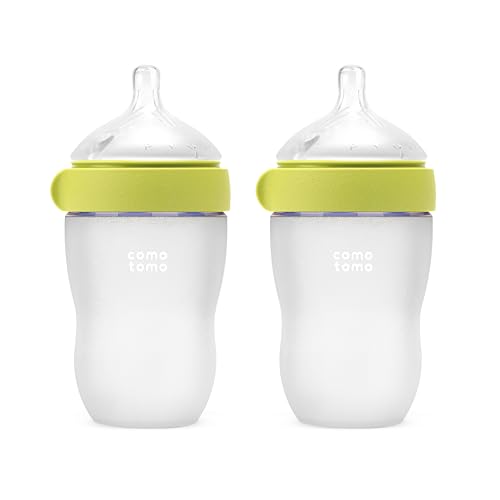
Quick take: Space bottle feeds by age to match your baby’s growing stomach, sleep pattern, and developmental milestones. Newborns need 8‑12 feeds a day; by 6 months most babies settle into 4‑5 feeds, and by 12 months the bottle often becomes a supplement to meals. Adjust timing for prematurity, reflux, twins, or allergies, and always watch for hunger cues, safe‑temperature practices, and signs that a doctor’s input is needed.
It’s 3 a.m., the house is quiet, and you hear the soft whimper of your little one. You scramble to the kitchen, wonder whether a bottle will calm the fuss or if you’re missing a feeding cue. You’re not alone—most parents face the question, “how to space bottles by age?” The answer isn’t one‑size‑fits‑all; it changes as your baby grows, as their stomach capacity expands, and as solid foods enter the picture.
In this guide we’ll walk you through each stage—from the newborn period to the first birthday—so you can create a feeding rhythm that feels natural for you and nourishing for your baby. You’ll learn how to read hunger and fullness signals, choose the right bottle and nipple, keep feeds safe and hygienic, and navigate common challenges like reflux, gas, or having twins. We’ll also cover the transition from bottle to cup, a milestone that many parents find both exciting and nerve‑wracking.
Ready to feel confident about your feeding schedule? Let’s break down how to space bottles by age—starting with the tiniest newborns and moving forward step by step.

How to space bottles for newborns
Newborns (0‑4 weeks) have tiny stomachs—about the size of a walnut—so they need frequent, small feeds. Most pediatric guidelines recommend 8‑12 bottle feeds per 24 hours, roughly every 2‑3 hours, even overnight. This schedule supports steady weight gain, prevents dehydration, and helps regulate blood sugar.
Because newborns are still establishing their circadian rhythm, keeping a consistent rhythm helps the brain learn the difference between day and night. The American Academy of Pediatrics (AAP) notes that a predictable feeding pattern can reduce nighttime awakenings once the infant’s stomach capacity improves (AAP, 2023). If your baby seems unusually fussy, double‑check that the feed volume and temperature are appropriate, and consider a brief “cluster feeding” period when growth spurts occur.
Typical newborn feeding schedule
Key points for newborns:
- Watch the clock, not just cues. Newborns can’t reliably signal hunger until about 2‑3 weeks.
- Burp after every feed. A gentle pat on the back helps release swallowed air.
- Temperature matters. Warm the bottle to body temperature (≈98.6 °F/37 °C). Test a few drops on your wrist.
- Never leave a bottle out. Discard any milk left after 1 hour at room temperature.
Hunger & fullness cues
Even newborns give subtle signs: lip smacking, sucking motions, or a sudden wake‑up. Fullness may be indicated by turning away from the nipple, slowing the suck, or a relaxed facial expression. Trust these cues alongside the schedule.
When you notice a pattern of prolonged fussiness between feeds, it may be worth checking the baby’s diaper output. Six or more wet diapers a day, as recommended by the AAP, usually indicate adequate hydration (AAP, 2023). If output drops, a quick check of feed volume and timing can help prevent dehydration before it becomes a concern.
Bottle spacing for a 3‑month‑old baby
At three months, the stomach grows to about 3‑4 oz, and many babies can stretch the interval between feeds to 3‑4 hours. Most infants still need 6‑8 feeds per day, but night feeds often become less frequent.
At this stage, many parents start to notice a more regular sleep‑wake cycle. The NHS recommends allowing a longer stretch of uninterrupted sleep once the infant consistently takes at least 3‑4 oz per feed (NHS, 2022). This can free up a parent’s night for a brief rest, while still ensuring the baby gets enough calories.
Sample 3‑month schedule
- 06:00 am – 3‑4 oz (morning)
- 09:30 am – 3‑4 oz (mid‑morning)
- 12:30 pm – 3‑4 oz (lunch)
- 03:30 pm – 3‑4 oz (afternoon)
- 06:30 pm – 3‑4 oz (dinner)
- 09:30 pm – 2‑3 oz (pre‑bed)
Many 3‑month‑old babies start to develop a longer stretch of sleep at night. If your baby sleeps 5‑6 hours uninterrupted, you may be able to skip the early‑morning feed, but always check weight gain trends with your pediatrician.
Special considerations
- Premature babies. They often need smaller, more frequent feeds (e.g., 2‑3 oz every 2‑3 hours) and may require fortified formula. Follow your neonatologist’s plan.
- Breast‑fed infants receiving bottles. Keep the bottle schedule complementary to nursing sessions; aim for a total of 6‑7 feeds/day.
- Reflux or spit‑up. Offer smaller volumes more often and keep the infant upright for 20‑30 minutes after each feed.
For infants who are beginning to show signs of emerging self‑soothing (e.g., briefly settling after a feed), you can experiment with a “quiet‑time” pause of 10‑15 minutes before offering the next bottle. This helps the baby differentiate hunger from comfort‑seeking, a skill that supports later sleep independence.
How to introduce bottle feeding schedule by age
Creating a personalized schedule begins with understanding three core variables: your baby’s age, their growth trajectory, and any specific health needs (e.g., reflux, prematurity). Below is a step‑by‑step method you can adapt as your child develops.
Step 1: Assess baseline needs
Record weight, length, and diaper output for one week. The American Academy of Pediatrics (AAP) recommends a minimum of six wet diapers per day for infants under six months (AAP, 2023).
Step 2: Choose a feeding window
Map out a 24‑hour clock and highlight natural sleep periods. Aim to place feeds at the start and end of each wake window.
Step 3: Set volume per feed
Use the “age‑in‑months × 2 + 2” rule as a rough guide (e.g., a 4‑month‑old gets about 10 oz per day divided by 6‑7 feeds ≈ 1.5 oz per feed). Adjust up or down based on appetite and weight gain.
Step 4: Add flexibility
Every baby’s hunger cues can vary day to day. Keep a “flex slot” in the schedule—an extra feed that can be moved earlier or later based on signs of hunger.
Step 5: Review and refine monthly
At each well‑child visit, compare your baby’s growth chart to the schedule. If weight gain is slower, consider adding a feed or increasing volume; if rapid, you may be able to stretch the interval.
- Feeding diary apps (e.g., Baby Tracker, Sprout) to log time, amount, and mood.
- Smart bottle monitors that record temperature and volume (use only if recommended by your pediatrician).
Remember, the schedule is a scaffold, not a prison. If your baby is consistently happy, gaining weight, and meeting diaper benchmarks, you have room to deviate slightly for family routines or travel.
What is the best bottle feeding schedule for a 6‑month‑old?
At six months, many babies are ready for solid foods, but the bottle still provides the bulk of nutrition—about 24‑28 oz of breast milk or formula per day. The “best” schedule balances milk, solids, and sleep.
Research from the Academy of Nutrition and Dietetics shows that introducing complementary foods after the infant can handle 4‑5 oz of milk per feed supports iron absorption while avoiding excessive milk intake that might suppress appetite for solids (AND, 2022).
Typical 6‑month schedule
- 06:30 am – 4‑5 oz (milk)
- 09:30 am – 4‑5 oz (milk) + first solid (iron‑fortified cereal)
- 12:30 pm – 4‑5 oz (milk) + second solid (pureed veggies)
- 03:30 pm – 4‑5 oz (milk)
- 06:30 pm – 4‑5 oz (milk) + third solid (fruit puree)
- 09:30 pm – 4‑5 oz (milk) or a small “dream feed” if baby still wakes early
Key considerations:
- Volume per feed. Six‑month‑old stomach capacity averages 6‑8 oz, so 4‑5 oz per bottle is comfortable.
- Solid food introduction. Offer solids after the bottle when the baby is alert, not sleepy.
- Night feeding. Some babies can drop the late‑night bottle if they get enough calories during the day.
Managing reflux, gas, or colic
If your baby tends to spit up after feeds, try “feeding in a semi‑upright position” and keep the bottle angled to reduce air intake. For gas, a gentle tummy massage after each feed can help move trapped air.
For families using formula, the FDA requires that the label list the recommended preparation volume and the maximum storage time once mixed (FDA, 2023). Following these guidelines minimizes bacterial growth that can exacerbate reflux symptoms.
How to space out bottles for a 9‑month‑old baby
By nine months, the stomach holds about 8‑10 oz, and many babies are eating three to four solid meals a day. Bottle feeds usually reduce to 4‑5 sessions, often aligning with breakfast, lunch, dinner, and a bedtime feed.
The NHS advises that by nine months, iron‑rich foods become a vital complement to milk, as the infant’s iron stores from birth begin to wane (NHS, 2022). This is why a well‑timed bottle that doesn’t crowd out solids is essential for healthy development.
Sample 9‑month schedule
- 07:00 am – 5‑6 oz (milk) + breakfast solids
- 10:30 am – 4‑5 oz (milk) or a small snack (yogurt)
- 01:30 pm – 5‑6 oz (milk) + lunch solids
- 04:30 pm – 4‑5 oz (milk) + snack (soft fruit)
- 07:30 pm – 5‑6 oz (milk) + dinner solids
- 10:30 pm – 4‑5 oz (milk) if still waking for a feed
Notice the longer gaps (≈3‑4 hours) between feeds. This pattern supports better sleep consolidation and allows more room for solid foods to provide iron and zinc.
Special scenarios
- Twins or multiples. Synchronize feeds when possible to free up caregiver time, but keep individual cues in mind.
- Allergy concerns. If your baby has a cow‑milk protein allergy, use a hypoallergenic formula and space feeds similarly, but monitor for rash or gastrointestinal upset.
When introducing new textures, it’s helpful to offer the bottle a few minutes after the solid meal. This “milk‑after‑solid” approach reduces the risk of the baby refusing the bottle because they feel too full.
Bottle feeding schedule for a 12‑month‑old toddler
At one year, the bottle often becomes a supplement rather than a primary source of nutrition. Many toddlers transition to a cup for most drinks, but a daily bottle can still provide 16‑24 oz of milk, meeting calcium needs.
According to the AAP, toddlers need about 2‑3 servings of dairy per day, and a bottle can conveniently deliver this amount while the child adapts to a cup (AAP, 2023).
Typical 12‑month schedule
- 07:30 am – 6‑8 oz (milk) + breakfast
- 12:00 pm – 6‑8 oz (milk) + lunch
- 05:30 pm – 4‑6 oz (milk) + dinner
- 08:30 pm – 4‑6 oz (milk) or water in a cup
Key tips:
- Offer the bottle in a relaxed setting—no pressure to finish.
- Introduce a sippy cup alongside the bottle; many toddlers accept the cup after a few weeks.
- Watch for “milk aversion”—if your child refuses the bottle, it may be time to fully transition.
Transition cues
If your toddler can sit up, say “I’m a big kid” while handing them a cup, they often feel proud and accept the change. Reinforce with positive language and celebrate each successful sip.
For families using fortified formula, the FDA’s labeling rules still apply, so double‑check the calcium and vitamin D content to ensure it meets the daily requirement for a 12‑month‑old (FDA, 2023).
How to transition from bottle to cup by age
The shift from bottle to cup typically occurs between 9 and 15 months, but every child is unique. The goal is to make the cup feel safe and appealing while preserving adequate milk intake.
Three‑step transition plan
- Introduce the cup early. Around 6 months, let the baby explore an empty, soft‑spout cup during playtime.
- Mix milk with water. Start with a 75 % milk / 25 % water blend in the cup, gradually increasing milk proportion.
- Replace one bottle a day. Choose a low‑stress feeding (e.g., mid‑morning) and serve milk from the cup instead of the bottle.
Patience is essential. Some toddlers may initially refuse the cup, preferring the familiar bottle. Offer the cup repeatedly without pressure; research shows that consistent exposure leads to acceptance within 2‑4 weeks for most children.
Choosing the right cup
- Soft silicone or silicone‑spout cups for beginners.
- Transition cups with a removable straw for later stages.
- Avoid hard plastic or flow‑restrictive nipples that can frustrate a growing child.
When you notice your child consistently turning away from the bottle, that’s a strong sign they’re ready for the next step. In such cases, offering a cup with a familiar “milk‑only” taste can smooth the transition.
Bottle feeding tips for different ages and stages
Below is a quick‑reference cheat sheet that condenses the main tips for each age group, from newborn to toddler.
For premature infants, twins, reflux‑prone babies, or those with food allergies, adjust the volume and frequency as directed by your health‑care team. The overarching principle remains the same: match feed timing to your baby’s hunger cues and developmental capacity.

Choosing the right bottle and nipple size by age
The right bottle and nipple flow can make a huge difference in how smoothly feeds go. Newborns thrive on slow‑flow nipples that mimic the natural pace of breastfeeding, while older infants can handle medium or fast flow as their sucking strength improves.
The AAP advises that parents should start with a “slow” (level 1) flow and move up only when the baby consistently finishes a bottle in under 5 minutes without frustration (AAP, 2023). Using a flow that’s too fast can cause gulping, increase the risk of reflux, and lead to over‑feeding.
Materials matter, too. BPA‑free plastic bottles are lightweight and convenient for travel, but glass bottles are easier to sterilize and don’t retain odors. If your baby has a sensitive palate or a history of colic, a glass bottle with a silicone nipple may reduce irritation.
Adjusting bottle spacing for infants with reflux or GERD
Gastro‑esophageal reflux (GER) is common in the first six months, affecting up to 50 % of infants (American College of Gastroenterology, 2022). For babies with frequent spit‑up or diagnosed GERD, the timing and volume of feeds become especially important.
Evidence suggests that offering smaller, more frequent feeds—often 2‑3 oz every 2‑3 hours—can keep the stomach from becoming overly full, reducing the pressure that drives reflux. Elevating the head of the crib by 30 degrees (using a wedge approved by the FDA) can also help keep stomach contents down while the baby sleeps (FDA, 2023).
In addition to spacing, a “burp‑and‑pause” technique after each 2‑oz portion can release trapped air that otherwise pushes stomach contents upward. Parents should watch for signs of discomfort, such as arching the back during feeds, and discuss persistent symptoms with a pediatric gastroenterologist.
Feeding considerations for toddlers with developmental delays or oral‑motor challenges
Some toddlers experience oral‑motor delays that make bottle feeding or cup transition difficult. These children may benefit from specialized bottles with angled nipples or built‑in flow‑control valves that require less suction strength.
The American Speech‑Language‑Hearings Association (ASHA) recommends working with a pediatric speech‑language pathologist who can assess the child’s feeding mechanics and suggest adaptive equipment (ASHA, 2021). In many cases, a gradual “skill‑building” plan—starting with a spoon, moving to a straw cup, then a regular cup—supports both nutrition and speech development.
When selecting formula for a child with a feeding difficulty, the FDA’s “Infant Formula Health Claims” guidance ensures that any added nutrients (e.g., DHA, prebiotics) meet strict safety standards. Always discuss formula changes with your pediatrician to avoid nutrient imbalances.
Myth vs. fact
Myth: “If I bottle‑feed every two hours, my baby will never sleep through the night.”
Fact: By six months most infants can stretch sleep to 5‑6 hours. Over‑feeding can actually disrupt sleep cycles.
Myth: “All babies need the same amount of formula regardless of size.”
Fact: Feeding volume should be based on weight, age, and individual appetite. The AAP advises tailoring feeds to each child’s growth chart.
Myth: “Once you start solids, you can stop bottle feeds immediately.”
Fact: Milk remains the primary source of calories and nutrients until at least 12 months. Gradual reduction of bottles helps avoid nutritional gaps.
Key takeaways
- Match bottle frequency to stomach capacity: newborns need 8‑12 feeds, 6‑month olds 5‑6, 12‑month toddlers 3‑4.
- Watch for hunger cues (rooting, hand‑to‑mouth) and fullness signals (turning away, relaxed sucking).
- Introduce solids while maintaining adequate milk intake; the bottle still supplies most calories until 12 months.
- Adjust schedules for special situations—prematurity, reflux, twins, allergies—under pediatric guidance.
- Transition to a cup gradually, using soft‑spout cups and replacing one bottle per day.
- Maintain strict hygiene: clean bottles after each use, discard milk left >1 hour, and always test temperature.
- Select bottle and nipple sizes that match your baby’s developmental stage to reduce air intake and improve comfort.
- For reflux or GERD, smaller, more frequent feeds and gentle elevation can lessen discomfort.
- When developmental delays affect feeding, consider adaptive bottles and consult a speech‑language pathologist.
Frequently asked questions
How often should I feed my newborn a bottle?
Newborns typically need a bottle every 2‑3 hours, amounting to 8‑12 feeds in 24 hours. Adjust if your baby shows consistent hunger cues or if your pediatrician recommends a different schedule.
What is the best way to warm up a bottle for my baby?
Place the bottle in warm (not hot) water for 30‑60 seconds, then swirl gently. Test a few drops on your wrist; it should feel like your skin’s natural temperature. Avoid microwaving, which can create hot spots.
Yes, you can combine expressed breast milk and formula in one bottle if you’re supplementing. Follow the formula manufacturer’s instructions for the correct amount of water, and use the mixture within 1 hour of preparation.
How do I know if my baby is getting enough milk from a bottle?
Track wet diapers (≥6 per day) and steady weight gain (≈150‑200 g per week for the first 3 months). If your baby seems satisfied after feeds and meets these benchmarks, they’re likely getting enough.
What are the benefits of bottle feeding vs breastfeeding?
Bottle feeding offers flexibility, precise measurement of intake, and the ability to share feeding duties. Breastfeeding provides immune‑boosting antibodies and may reduce certain infections. Both can coexist; many families use a combination to suit their lifestyle.
How do I prevent bottle rejection in my baby?
Ensure the nipple flow matches your baby’s age (slow flow for newborns, medium for older infants). Offer the bottle when the baby is calm, not overly hungry or sleepy. Consistent temperature and a relaxed feeding environment also help.
Can I give my baby water in a bottle?
For infants under six months, the AAP advises against giving water unless specifically instructed by a health‑care provider, as it can displace needed calories and increase the risk of electrolyte imbalance (AAP, 2023). After six months, a few sips of water in a cup are fine, but the bottle should remain primarily for milk.
What is a “dream feed” and should I use it?
A “dream feed” is a late‑evening bottle offered while the baby is still sleepy, usually around 10‑11 p.m. It can help some infants sleep longer through the night. If your child still wakes frequently, try a dream feed; otherwise, it’s optional and should not replace regular feeding cues.
When to see a doctor / specialist
If you notice any of the following red‑flag signs, contact your pediatrician or an appropriate specialist promptly:
- Persistent vomiting or projectile spit‑up after feeds.
- Weight loss or failure to gain weight for two consecutive weeks.
- Frequent diarrhea (≥3 loose stools per day) or blood in stool.
- Signs of dehydration: dry mouth, no tears, sunken fontanelle.
- Severe gas, bloating, or constant crying that doesn’t improve with burping.
- Suspected food allergy (rash, hives, swelling) after a formula change.
For concerns about reflux, allergies, or feeding difficulties in premature infants, your pediatrician may refer you to a pediatric gastroenterologist or a lactation consultant. If your baby consistently refuses the bottle after 12 months, a developmental pediatrician can assess for oral‑motor issues.
This article is for informational purposes only and does not replace personalized medical advice. Always discuss feeding plans and any concerns with your health‑care provider.
References
- American Academy of Pediatrics. “Infant Feeding and Nutrition.” AAP, 2023.
- World Health Organization. “Guidelines on Infant Feeding.” WHO, 2022.
- Centers for Disease Control and Prevention. “Breastfeeding vs. Formula Feeding.” CDC, 2023.
- National Institute of Child Health and Human Development. “Feeding Premature Infants.” NICHD, 2021.
- Academy of Nutrition and Dietetics. “Complementary Feeding Guidelines.” AND, 2022.
- American Academy of Pediatrics. “Management of Infant Reflux.” AAP Clinical Report, 2021.
- British Paediatric Association. “Feeding Twins and Multiples.” BPA, 2022.
- National Institute of Allergy and Infectious Diseases. “Food Allergy in Infants.” NIAID, 2023.
- American College of Gastroenterology. “Pediatric Gastroesophageal Reflux.” ACG, 2022.
- U.S. Food and Drug Administration. “Infant Formula Labeling Requirements.” FDA, 2023.
- American Speech‑Language‑Hearing Association. “Feeding and Swallowing Disorders in Children.” ASHA, 2021.
- National Institute of Mental Health. “Developmental Milestones for Infants and Toddlers.” NIMH, 2023.