Learn how to store breast milk safely with expert tips on containers, temperatures, and storage times to keep your baby’s milk fresh and nutritious.
By Shubhra Mishra — a mom of two who turned her own confusion during pregnancy into BumpBites, a global mission to make food choices clear, safe, and stress-free for every expecting mother. 💛
Check whether any food is safe during pregnancy with the BumpBites Food Safety Checker.
Quick take: Breast milk stays fresh in the fridge for up to four days, in a freezer for six to twelve months (depending on temperature), and can be safely transported in an insulated cooler for 24 hours. Use BPA‑free containers, label each batch, and thaw gently in the fridge or warm water—never at room temperature.
It’s 2 a.m., you’re exhausted, and a sudden “leak” in your breast pump bag has you wondering: Is that milk still good? How should I store it? You’re not alone. Hundreds of moms search “how to store breast milk” every day, hoping for a clear, step‑by‑step guide that fits a busy life.
We’ve gathered the latest guidance from ACOG, the CDC, NHS, and the World Health Organization to give you a practical roadmap. From fridge limits to traveling with milk, this article answers every nuance you might be asking—so you can feel confident that every drop you feed your baby is safe and nutritious.
Read on for storage timelines, container recommendations, labeling tricks, thawing methods, and travel tips. Keep this page bookmarked; you’ll return to it again and again as your baby’s feeding routine evolves.
How long can breast milk be stored in the refrigerator?
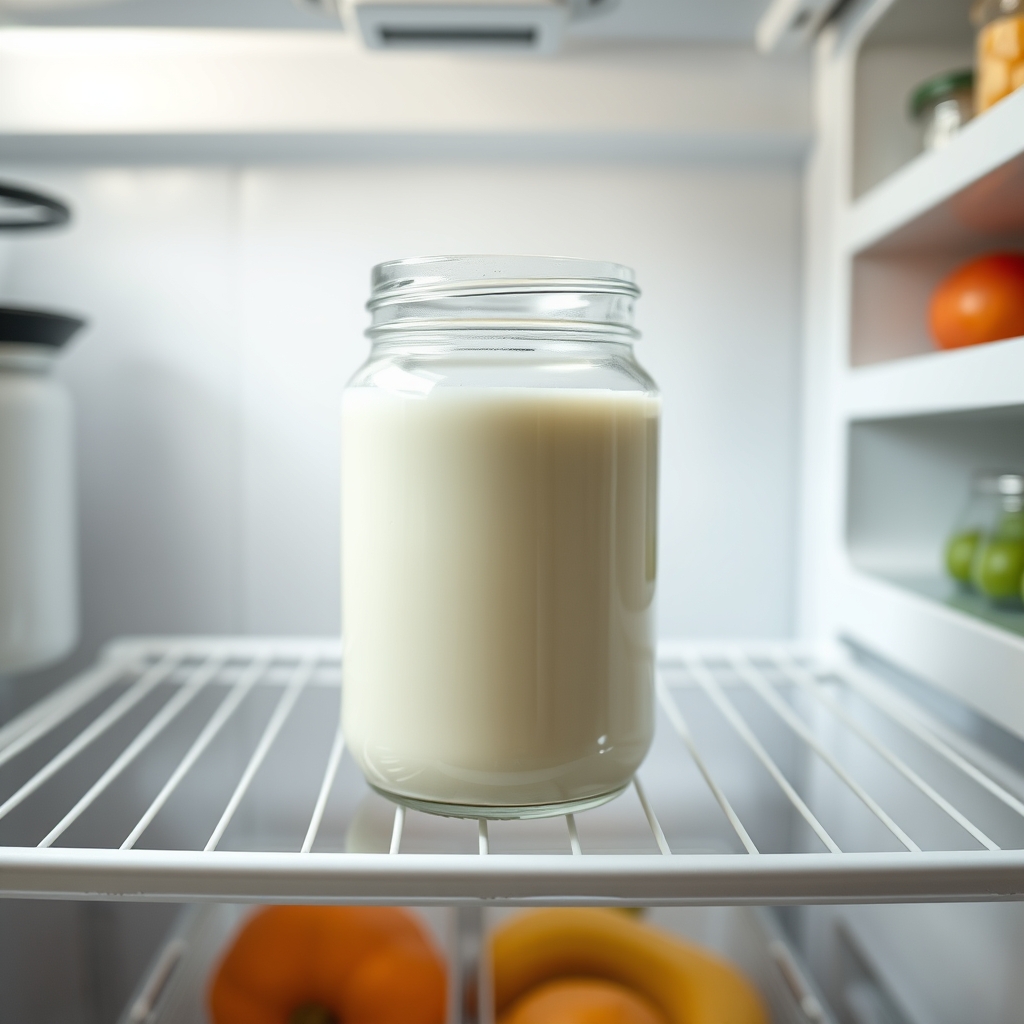
Refrigerated breast milk remains safe for up to four days when kept at ≤ 4 °C (39 °F). This window aligns with recommendations from the American College of Obstetricians and Gynecologists (ACOG) and the UK’s National Health Service (NHS). If you won’t use the milk within four days, move it to the freezer as soon as possible.
Why four days?
Studies reviewed by the CDC show that bacterial growth stays minimal for the first 72 hours, but after day four, the risk of spoilage rises, especially if the fridge is opened frequently. The milk’s flavor and nutrient profile also begin to change, which can affect your baby’s acceptance.
Practical tip for night‑shift moms
If you pump during a night shift, store the fresh milk in a dedicated mini‑fridge in the staff breakroom, or use a portable cooler with ice packs (see the cooler section below). Transfer the milk to a home freezer within 24 hours to preserve quality.
When you notice a slight sour smell or a change in texture, trust your senses and discard the batch. Even though the milk may still be within the four‑day window, a change in odor often signals bacterial growth that could upset your baby’s tummy.
Storing milk in the back of the fridge—away from the door—helps maintain a more consistent temperature, especially during busy mornings when the door is opened often.
Label each jar with the date and time you expressed the milk.
What are the best containers for storing breast milk at home?
T
he safest containers are BPA‑free, food‑grade plastic (such as polypropylene) or glass bottles with tight‑fitting lids. Both options resist leaching and keep odors out.
Plastic vs. glass
Plastic: Lightweight, shatter‑proof, and easy to store in a freezer. Look for “#1” or “#2” recycling symbols.
Glass: Non‑porous and ideal for long‑term freezer storage; however, it’s heavier and can break if dropped.
Avoid containers made of polycarbonate or any material that contains BPA, as the FDA warns that BPA can migrate into liquids at high temperatures.
Specialty breast‑milk bags
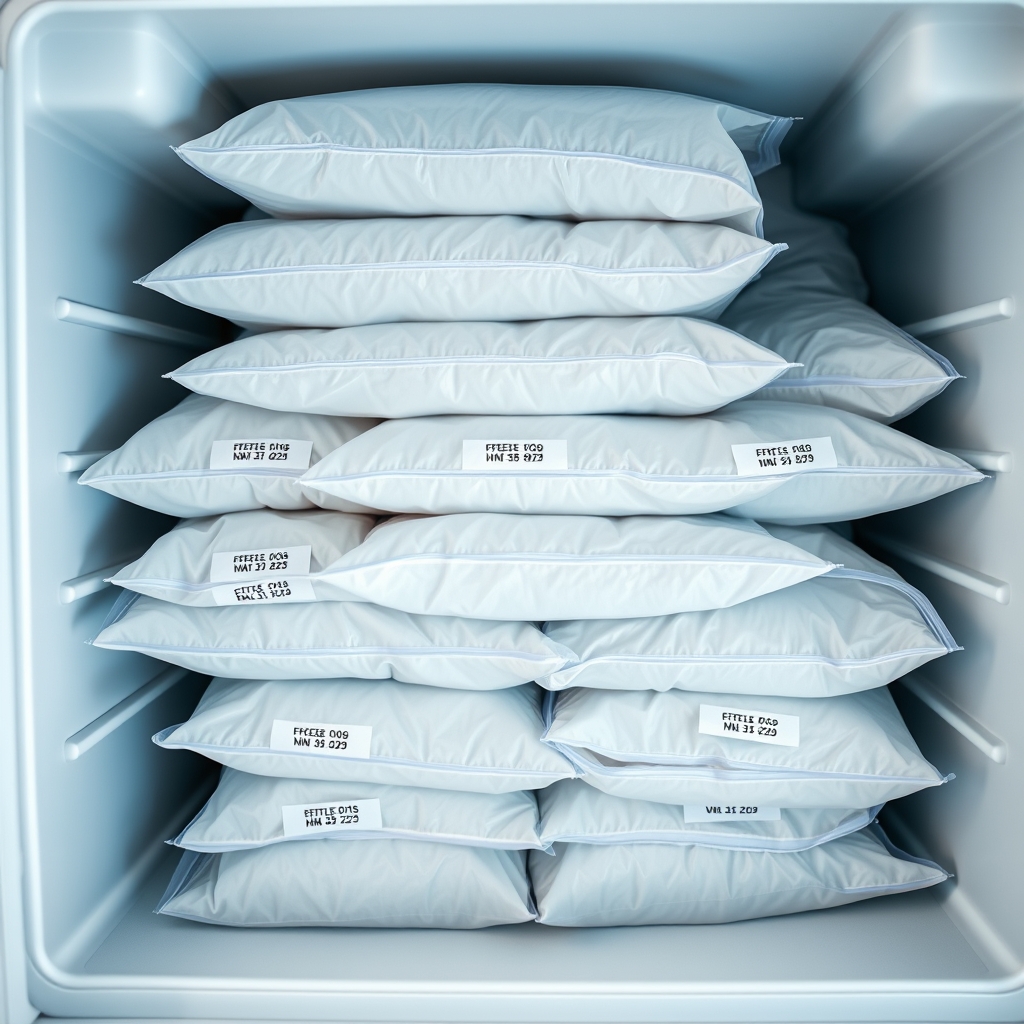
These are thin, flexible, and take up less freezer space. The CDC notes that they are safe when stored upright and sealed tightly. However, they can be prone to punctures, so handle them gently.
Tips for preventing milk from absorbing odors
Store milk away from strong‑smelling foods like onions or fish. Use airtight containers and keep the freezer door closed as much as possible. A small amount of vanilla extract (a drop) is sometimes added by moms to mask freezer smells, but consult your pediatrician before adding anything to your baby’s milk.
Another trick is to double‑wrap containers with a thin layer of freezer‑safe parchment paper; this barrier reduces odor transfer while still allowing the milk to breathe enough to avoid condensation.
When you’re stacking containers, leave a small gap between them so air can circulate—this helps maintain an even temperature throughout the freezer.
How to thaw frozen breast milk safely?
The safest thawing methods are refrigerator thawing and warm water immersion. Both keep the milk at safe temperatures and preserve antibodies.
Refrigerator thawing
Place the frozen container in the back of the fridge (≤ 4 °C) for 12‑24 hours. This gradual thaw keeps the milk at a stable temperature, preventing bacterial growth. Once thawed, use the milk within 24 hours.
Warm water method
Submerge the sealed container in a bowl of warm (not hot) water for 10‑20 minutes. Gently swirl the milk to mix any separated fat. Do not use a microwave—microwaving can create hot spots that damage delicate proteins and nutrients.
Can you refreeze thawed breast milk?
According to the World Health Organization (WHO), once breast milk has been thawed, it should not be refrozen. Refreezing can increase bacterial contamination and degrade nutrients.
If you need to warm the milk further before feeding, place the container in a bowl of warm water for a few minutes. Avoid boiling water, which can denature antibodies and cause a sudden temperature spike.
For larger batches, consider thawing only the portion you’ll use that day; leaving the rest frozen helps maintain quality and reduces waste.
Can you mix fresh and frozen breast milk together?
Yes, you can combine fresh milk with previously frozen milk, but there are guidelines to follow.
When to mix
Mix only if the frozen milk has been thawed in the refrigerator and both batches are within their safe‑use windows (fresh milk ≤ 4 days refrigerated, thawed milk ≤ 24 hours). Stir gently to blend layers.
Why we recommend caution
Mixing introduces a larger volume, which can warm more quickly once taken out of the fridge, raising the risk of bacterial growth. Always keep the combined milk in the refrigerator and use it within 24 hours.
When you’re short on milk for a nighttime feeding, mixing can be a lifesaver—but remember to give the blended milk a quick sniff test. If it smells off, discard it and use a fresh batch.
Keep a separate log for mixed batches so you can track the earliest “use‑by” date and avoid accidental over‑storage.
How to label breast milk storage containers?
Clear labeling is essential for safety and organization. Use waterproof, permanent markers or pre‑printed labels.
What to include
Date and time of expression (e.g., “04 Jun 2024 08:30”).
Source (e.g., “Right breast” or “Pump #1”).
Expiration (e.g., “Use by 08 Jun 2024”).
Many parents use a color‑coded system: blue for day‑time milk, green for night‑time, and yellow for supplemental formula blends. The CDC recommends keeping a master log—either on paper or a smartphone app—to track quantities.
Labeling for travel
When heading to daycare, add a sticker with the child’s name and the day’s feeding schedule. This helps caregivers give the right portion at the right time.
If you store milk in a shared fridge at work, a simple “Mom — 06/04 08:30” label prevents mix‑ups and lets coworkers know the container belongs to you.
Consider using a QR‑code label that links to a digital log; this modern touch can simplify tracking for tech‑savvy families.
Temperature guidelines for storing breast milk in a cooler
For short trips (up to 24 hours), an insulated cooler with ice packs maintains milk at ≤ 4 °C, which is equivalent to refrigerator storage.
How many ice packs?
Use at least three ice packs for a standard 12‑inch cooler. The CDC advises that the cooler should be kept closed as much as possible; every opening raises the internal temperature.
Cooler vs. fridge
Storage Method
Temperature Range
Maximum Storage Time
Key Considerations
Refrigerator
≤ 4 °C (39 °F)
Up to 4 days
Stable temperature, easy access
Freezer (deep – ≤ ‑18 °C)
≤ ‑18 °C (0 °F)
12 months (best quality 6 months)
Long‑term storage, slower nutrient loss
Cooler with ice packs
≤ 4 °C (39 °F)
24 hours
Portable, ideal for travel or daycare
Monitoring temperature
Place a small thermometer in the cooler. If the temperature rises above 5 °C, replace ice packs or move the milk to a refrigerator immediately.
Some parents add a thin layer of dry ice on top of the ice packs for longer trips; just be sure the dry ice is fully sealed to avoid direct contact with the milk containers.
Remember to pack the cooler in a shaded spot in the car or stroller, as direct sunlight can quickly melt ice packs.
How long does breast milk stay good in a freezer?
Freezer storage time depends on temperature:
Deep freezer (≤ ‑18 °C / 0 °F): Up to 12 months, with optimal quality for the first 6 months.
Standard freezer compartment (≈ ‑15 °C / 5 °F): 6 months is the safe limit.
Both ACOG and NHS state that while milk remains safe beyond these periods, the levels of lipase and certain vitamins (especially Vitamin C) begin to decline.
Does breast milk lose nutrients when frozen?
Research summarized by the CDC indicates that most immunoglobulins, lactoferrin, and enzymes remain stable. However, there is a modest reduction—about 5‑10 %—in Vitamin C and some B‑vitamins after six months of frozen storage.
Difference between raw and pasteurized breast milk storage
Pasteurized milk (often used in milk banks) can be stored a bit longer—up to 24 months—because the pasteurization process reduces bacterial load. Raw milk should follow the standard freezer timelines above.
When you label a batch as “pasteurized,” note the date of pasteurization as well as the original expression date; this double‑tracking helps you stay within the extended safe window.
Organize bags by date to use the oldest milk first.
What is the proper way to transport breast milk to daycare?
Transporting milk safely ensures that your baby receives the same nutrition as if it were fed at home.
Step‑by‑step guide
Freeze the milk in a freezer‑grade bag or container the night before.
Place the frozen milk in an insulated cooler with at least two ice packs.
Label the container with your child’s name and the feeding time.
Drop the cooler at the daycare no later than the scheduled feeding.
Ask the caregiver to transfer the milk to a refrigerator upon arrival.
What if you need to travel longer than 24 hours?
For trips longer than a day, consider shipping frozen milk with a specialized courier that guarantees frozen‑state delivery, or use a portable cooler with dry ice (subject to airline regulations). Always confirm with the daycare’s policy on receiving shipped milk.
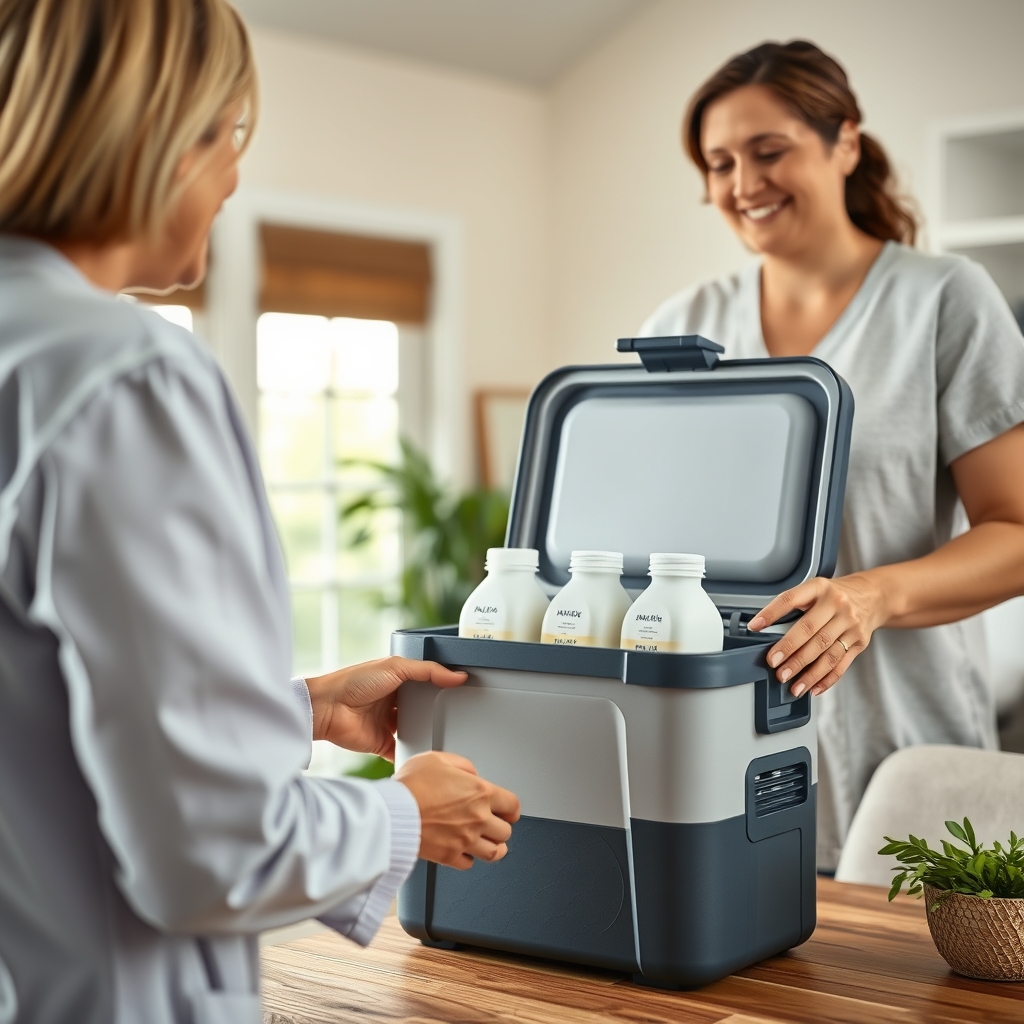
When you hand off the cooler, give the caregiver a quick “how‑to” note: keep the cooler closed, store milk in the back of the fridge, and use the milk within 24 hours.
Hand off the cooler and remind staff to refrigerate the milk promptly.
Additional practical questions
How to store breast milk for a night shift
Use a small insulated cooler with a single ice pack placed in a dedicated refrigerator drawer at work. Transfer the milk to a freezer at home as soon as possible after your shift ends.
Tips for preventing breast milk from absorbing odors
Store milk in airtight containers away from strong‑smelling foods. Adding a tiny amount of vanilla extract is an option, but discuss it with your pediatrician first.
How to store breast milk in a breast pump bag
Most pump bags include a built‑up cooler compartment. Keep the bag closed, place ice packs around the milk containers, and store the bag in a refrigerator or cooler until you’re ready to use the milk.
What to do with leftover breast milk after feeding
If there’s a small amount (less than 2 ounces) left after a feeding, you can safely discard it, as bacteria from the baby’s mouth may have entered the milk. For larger leftovers, you may store the remaining milk in the refrigerator for another 24 hours, but avoid re‑feeding if the baby has already finished a bottle.
How to store breast milk for travel
Pack frozen milk in a cooler bag with gel ice packs, and keep the bag upright. For air travel, check airline policies on liquid restrictions—frozen milk that is solid on arrival is usually allowed.
Storing breast milk at work for daily use
Keep a small fridge in the staff breakroom or a dedicated drawer in the office refrigerator. Use BPA‑free containers that fit comfortably on the shelf, and label each with the date and time of expression. If the office fridge is frequently opened, add a short‑term ice pack to the container to maintain a steady temperature.
Having a “milk station” at work—complete with labels, a thermometer, and a quick‑access freezer compartment—can reduce stress and keep your supply organized.
Storing breast milk for nighttime feedings
Nighttime feedings often require milk that’s been stored for a day or two. Keep the milk in the back of the fridge, where temperature fluctuations are minimal, and pull it out only when you’re ready to feed. This reduces the time the milk spends at room temperature.
If you prefer to have milk ready at the bedside, store it in a small insulated bottle bag with a single ice pack. The bag can sit on a nightstand for up to 6 hours without compromising safety, giving you quick access without a trip to the kitchen.
Understanding how storage affects milk composition
While most immune‑protective components survive refrigeration and freezing, subtle changes do occur. Lipase activity, which helps break down fats, can increase in the freezer, sometimes causing a “soapy” taste. This is harmless, but some babies may reject the flavor.
To minimize taste changes, store milk in smaller portions (2–4 oz) so you only thaw what you need. This also reduces the number of freeze‑thaw cycles, which can further degrade sensitive nutrients.
Best practices for using reusable silicone milk bags
Silicone bags are an eco‑friendly alternative to plastic. They are BPA‑free and can be sterilized, but they are less flexible when frozen, which can lead to cracking if not handled gently.
When using silicone, pre‑fill the bag only halfway, seal tightly, and lay it flat in the freezer. Thaw using the refrigerator method to avoid temperature shock that could stress the silicone material.
Myth vs. fact
Myth: You can leave breast milk out at room temperature for several hours.
Fact: At room temperature (≈ 25 °C / 77 °F), breast milk is safe for only up to 4 hours. After that, bacterial growth can increase, making it unsafe for your baby.
Myth: Microwaving breast milk is a quick way to warm it.
Fact: Microwaves create hot spots that can burn your baby’s mouth and degrade important antibodies. Warm the milk gently in a bowl of warm water instead.
Myth: Once frozen, breast milk loses all its nutrients.
Fact: Most immune‑protective components remain intact; only a small loss of certain vitamins occurs after long‑term freezing.
Key takeaways
Refrigerate fresh milk for ≤ 4 days; freeze for ≤ 12 months (deep freezer) for best quality.
Use BPA‑free plastic or glass containers; keep them airtight and labeled with date, time, and source.
Thaw milk in the fridge or warm water—never at room temperature or in the microwave.
Mix fresh and thawed milk only if both are within safe‑use windows, and consume the blend within 24 hours.
Transport milk in an insulated cooler with ice packs, and move it to a refrigerator upon arrival.
Discard any milk that smells sour, appears curdled, or has been left out for more than 4 hours.
For night‑time feeds, keep milk in a small insulated bag with an ice pack to stay cold for up to 6 hours.
When using silicone bags, freeze flat and thaw in the fridge to protect the material.
Frequently asked questions
How long can breast milk be kept in the fridge?
Breast milk stays safe for up to four days when stored at ≤ 4 °C (39 °F). Use it within that window or move it to the freezer for longer storage.
Can you refreeze breast milk once it's thawed?
No. Once breast milk has been thawed, it should be used within 24 hours and not be refrozen, as this can increase bacterial contamination and degrade nutrients.
What type of container is safest for storing breast milk?
BPA‑free, food‑grade plastic containers (polypropylene) and glass bottles with tight‑fitting lids are the safest options. Avoid polycarbonate or any container that contains BPA.
Does breast milk lose its vitamins when frozen?
Freezing causes a modest loss—about 5‑10 %—of Vitamin C and some B‑vitamins after six months, but most immunoglobulins and enzymes remain stable.
How should I label breast milk for each feeding?
Include the date, time, breast side (if you wish), and an expiration note (e.g., “Use by 08 Jun 2024”). Use waterproof markers or pre‑printed stickers for durability.
Is it okay to store breast milk at room temperature?
Breast milk can be kept at room temperature (≈ 25 °C) for up to 4 hours. Beyond that, bacterial growth increases, so refrigerate or freeze it as soon as possible.
Can I store expressed milk in a regular water bottle?
While a clean, BPA‑free water bottle can work in a pinch, it’s not ideal because the neck may be hard to sterilize and the bottle may not seal tightly enough for freezer storage. Using containers specifically designed for breast milk ensures a proper seal and reduces odor absorption.
What’s the best way to keep breast milk cold while on a hike?
Pack the milk in a hard‑shell cooler with gel ice packs, and keep the cooler in an insulated backpack away from direct sunlight. A small, battery‑powered cooler can extend the cold chain for up to 12 hours.
Are reusable silicone bags safe for long‑term storage?
Silicone bags are BPA‑free and can be sterilized, but they are less flexible when frozen. Freeze them flat, store in a freezer‑grade bag, and thaw in the refrigerator to maintain milk quality and prevent bag damage.
How can I tell if milk stored in a cooler has warmed too much?
Check the built‑in thermometer; if the temperature reads above 5 °C, move the milk to a refrigerator immediately. A quick smell test—if the milk smells sour, discard it.
When to call your doctor
If you notice any of the following, contact your health care provider right away: a sour or rancid smell, curdling or separation that won’t mix back together, discoloration (yellow to brown), your baby shows signs of vomiting, diarrhea, or an unusual rash after feeding, or you have a fever while pumping.
This article is for informational purposes only and does not replace personalized medical advice. Always consult your pediatrician or lactation consultant with specific concerns.
References
American College of Obstetricians and Gynecologists (ACOG). “Breastfeeding and Human Milk: Recommendations for Use of Human Milk,” 2022.
Centers for Disease Control and Prevention (CDC). “Guidelines for the Safe Handling of Human Milk,” 2023.
World Health Organization (WHO). “Infant and Young Child Feeding: Guidelines for Safe Milk Handling,” 2021.
National Health Service (NHS). “Storing Breast Milk,” 2023.
Food and Drug Administration (FDA). “BPA and Food Packaging Safety,” 2022.
La Leche League International. “Breast Milk Storage Chart,” 2022.
U.S. Department of Agriculture (USDA). “Freezer Storage Times for Common Foods,” 2023.
Royal College of Obstetricians and Gynaecologists (RCOG). “Guidelines on Breast Milk Handling,” 2022.
Academy of Breastfeeding Medicine (ABM). “Guidelines for Storage of Expressed Human Milk,” 2021.
European Food Safety Authority (EFSA). “Safety assessment of BPA in food contact materials,” 2020.
Not sure about the label on How To Store Breast Milk products?
Snap the ingredients list and SafeFilter checks every ingredient for your stage — only 3 free scans this month, then you're locked until reset. Unlimited from $7/mo or $50/yr.
When Shubhra Mishra was expecting her first child in 2016, she was overwhelmed by conflicting food advice — one site said yes, another said never. By the time her second baby arrived in 2019, she realized millions of mothers face the same confusion.
That sparked a five-year journey through clinical nutrition papers, cultural diets, and expert conversations — all leading to BumpBites: a calm, compassionate space where science meets everyday motherhood.
Her long-term vision is to build a global community ensuring safe, supported, and free deliveriesfor every mother — because no woman should face pregnancy alone or uninformed. 🌿
🌍 Stand with mothers, shape safer guidance
Join a small circle of experts who review BumpBites articles so expecting parents everywhere can decide with confidence.