Relieve heartburn during pregnancy fast with safe, natural remedies. Learn effective tips to ease discomfort without harming your baby. Try these now!
By Shubhra Mishra — a mom of two who turned her own confusion during pregnancy into BumpBites, a global mission to make food choices clear, safe, and stress-free for every expecting mother. 💛
Check whether any food is safe during pregnancy with the BumpBites Food Safety Checker.
Quick take: Most heartburn during pregnancy can be eased with simple lifestyle tweaks—eating smaller meals, staying upright after eating, and using safe home remedies like a splash of almond milk or a teaspoon of ginger. Over‑the‑counter antacids such as calcium carbonate are generally considered safe when taken as directed, and positioning tricks at night can cut nighttime flare‑ups in half. If symptoms are severe, persistent, or accompanied by weight loss, vomiting, or difficulty swallowing, reach out to your provider right away.
It’s 2 a.m., your stomach is doing a slow‑burn dance, and you’re scrolling through pregnancy forums wondering if that late‑night slice of pizza is the reason you’re feeling the burn. You’re not alone—heartburn affects up to 80 % of pregnant people, especially as the uterus grows and presses on the stomach. The good news is that most of the discomfort is manageable with everyday adjustments, and you don’t need to live with the “acid‑fire” feeling every night. Our goal at BumpBites is to empower you with science-backed solutions to feel your best during this special time.
In this guide we’ll walk through why heartburn happens during pregnancy, which foods and habits to sidestep, and a toolbox of natural and medication‑based solutions that work fast. We’ll also share sleep‑position tips, a simple second‑trimester diet plan, and clear signs that tell you it’s time to call your clinician. By the end you’ll have a step‑by‑step roadmap for getting rid of heartburn during pregnancy fast—without compromising the health of you or your baby.
Whether you’re in your first trimester, navigating the third‑trimester surge, or somewhere in between, the strategies below are grounded in guidance from ACOG, the NHS, and the FDA. Keep this page handy, and feel free to bookmark the “Key takeaways” section for quick reference on busy days.
Start your day with a soothing warm drink to calm the stomach before it gets busy.
How to relieve heartburn naturally during pregnancy
Natural relief starts with understanding the two main culprits: relaxed lower esophageal sphincter (LES) and the growing uterus that pushes stomach contents upward. During pregnancy, increased levels of the hormone progesterone cause the LES—a muscular valve between your esophagus and stomach—to relax. When this valve loosens, stomach acid can easily travel back up into the esophagus, triggering the familiar burning sensation. As your baby grows, the expanding uterus adds physical pressure, further compressing the stomach and pushing its contents upwards.
Understanding these underlying physiological changes helps explain why even careful eating might not entirely prevent heartburn, especially as your pregnancy progresses. The good news is that many natural approaches focus on minimizing these effects and soothing the irritation, offering effective relief without medication.
First‑trimester heartburn relief tips
During the first three months, nausea often masks heartburn, but once morning sickness eases, the acid reflux can surface. This early heartburn is primarily hormonal. Try these gentle steps to manage it:
Eat a banana or a slice of whole‑grain toast for a quick, low‑acid snack. These foods are bland and can help absorb excess stomach acid.
Sip a cup of ginger tea (¼ tsp fresh ginger steeped in hot water) to calm the stomach lining. Ginger is known for its anti-nausea and digestive benefits.
Chew sugar‑free gum for 20 minutes after meals; the extra saliva neutralizes acid and helps wash it back down into the stomach.
Focus on small, frequent meals to avoid overloading your stomach, which can exacerbate reflux in early pregnancy.
Ginger’s role in soothing heartburn
Ginger has anti‑inflammatory properties and can speed gastric emptying, which may reduce the time acid sits in the stomach. A study published in the Journal of Obstetrics and Gynaecology found that ginger capsules (250 mg) taken with meals lowered heartburn scores in pregnant participants. Ginger acts as a prokinetic agent, meaning it helps food move more efficiently through your digestive tract, reducing the likelihood of acid reflux. Use fresh ginger in tea or grated into smoothies; avoid large amounts of candied ginger, which can be sugary and trigger reflux.
Post‑meal quick heartburn cure
If the burn hits soon after eating, a fast remedy is to drink a half‑cup of cold almond milk. The calcium helps neutralize acid, and the cool temperature can calm the esophageal lining. Follow with a gentle walk for 10–15 minutes—movement encourages digestion and reduces pressure on the LES. Staying upright allows gravity to work in your favor, keeping stomach contents where they belong. Avoid strenuous activity immediately after eating, as this can sometimes worsen symptoms by putting additional pressure on the abdomen.
Best home remedies for pregnancy heartburn fast relief
Natural home remedies are a first line of defense because they’re inexpensive, widely available, and free of medication side effects. Below are the top options vetted by the NHS and ACOG, offering quick relief for mild to moderate symptoms.
Almond milk and calcium
One cup (240 ml) of low‑fat almond milk provides about 300 mg of calcium, which can act as a mild antacid. Its alkaline nature helps to neutralize stomach acid, providing quick relief. Drink it between meals rather than with a large, fatty dinner to avoid adding extra volume to your stomach, which could counteract its benefits. The cool temperature can also provide immediate soothing to an irritated esophagus.
Apple cider vinegar (ACV) trick (use with caution)
Although it sounds counterintuitive, a teaspoon of ACV diluted in a glass of water can balance stomach pH for some people. The theory is that if your heartburn is caused by *too little* stomach acid (which can happen, though less common in pregnancy), ACV can help digestion. However, ACV is highly acidic itself, so it can irritate the esophagus for those with sensitive stomachs or active reflux. Start with a very small amount (e.g., ½ teaspoon) in a full glass of water, and use a straw to protect tooth enamel. If you experience a sharp increase in burning, discontinue immediately.
Baking soda safety
When used sparingly, baking soda (sodium bicarbonate) can neutralize stomach acid very effectively due to its high alkalinity. The FDA considers up to ½ teaspoon (2 g) in a glass of water safe for occasional use, but you should not exceed ½ tsp more than once per day. Frequent use can lead to high sodium levels, which can be a concern during pregnancy, potentially contributing to fluid retention or high blood pressure, and could affect fetal development. Therefore, keep it as a rescue option only and consult your provider if you find yourself needing it regularly.
Chamomile tea for soothing
Chamomile is a gentle herb known for its anti-inflammatory and calming properties. It can help relax the smooth muscles of the digestive tract, potentially easing spasms and discomfort. Brew a cup of chamomile tea and sip slowly after meals or before bed; avoid adding honey if you’re monitoring sugar intake, or use a very small amount. Ensure it’s pure chamomile tea, free from other herbs that may not be pregnancy-safe.
Warm water with honey and lemon
A warm (not hot) drink of water with a teaspoon of honey and a few drops of lemon juice can coat the esophagus and provide a mild alkaline effect. Honey has natural anti-inflammatory and antimicrobial benefits, and the warmth of the water can be soothing. Keep the quantity of honey low to prevent excess calories and sugar intake, and use lemon juice sparingly as too much can be acidic. This combination works by creating a protective layer and gently aiding digestion.
Deglycyrrhizinated Licorice (DGL)
While standard licorice root is generally not recommended during pregnancy due to potential effects on blood pressure, deglycyrrhizinated licorice (DGL) is a safe alternative. DGL has had the glycyrrhizin compound removed, making it safe for pregnant individuals. It works by stimulating the natural protective factors in the digestive tract, increasing mucus production in the esophagus and stomach lining, which acts as a barrier against acid. DGL is available in chewable tablets; follow the dosage instructions on the product, typically taken 20-30 minutes before meals. Always choose a reputable brand and confirm it is DGL.
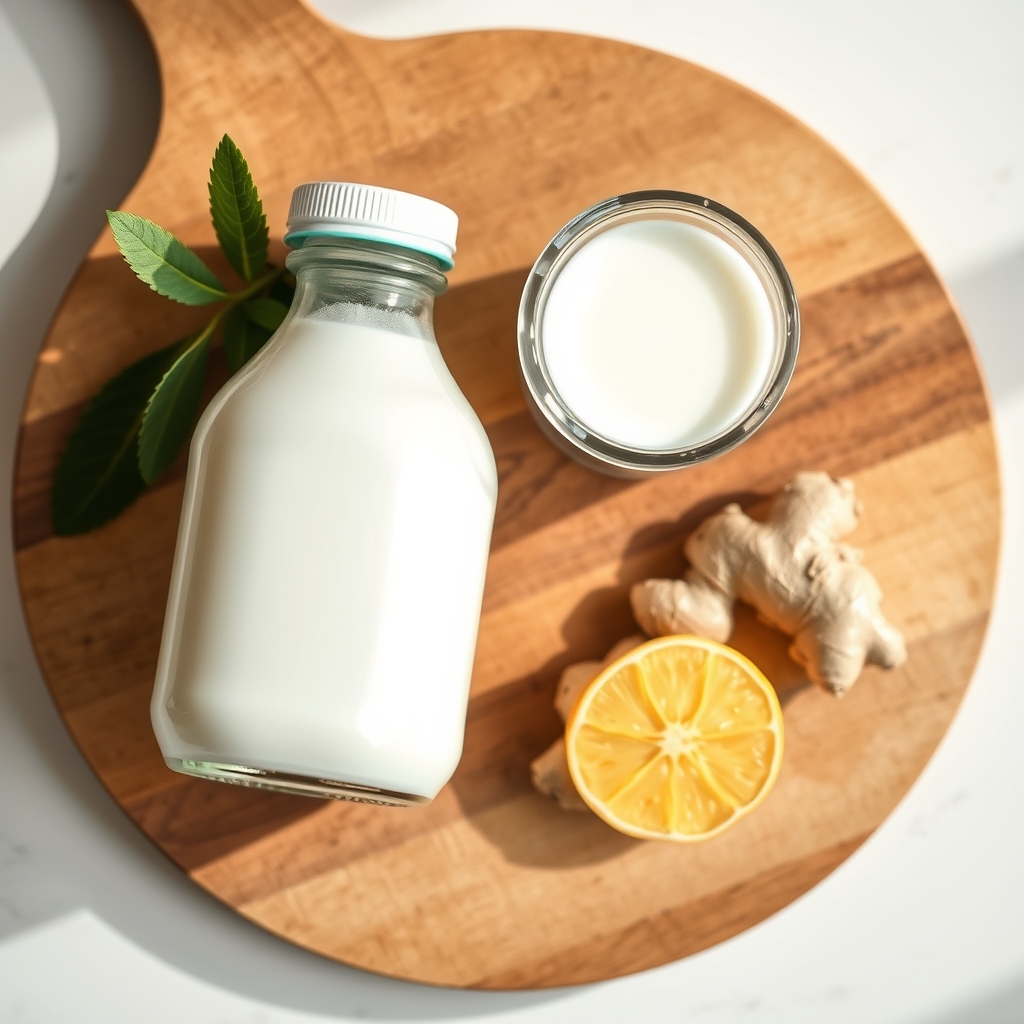
Simple pantry staples—baking soda, almond milk, and ginger—can provide fast relief.
Which foods trigger heartburn in pregnant women and how to avoid them
Identifying trigger foods is a cornerstone of heartburn management. While individual tolerance varies, research and clinical experience highlight a handful of common culprits that tend to relax the LES or irritate the esophageal lining. Keeping a food diary for a few days can help you pinpoint your personal triggers, as what bothers one person might not bother another.
Trigger Food
Why It Triggers
Pregnancy‑Safe Swap
Spicy sauces
Capsaicin relaxes LES
Use mild herb blends (basil, oregano, thyme)
Citrus fruits
Acidic pH irritates esophagus
Try ripe bananas, melons, or pears
Chocolate
Caffeine & theobromine relax LES
Opt for carob or dark cocoa (70 %+) in small amounts
Fried foods
High fat slows gastric emptying
Steam, bake, or grill lean proteins
Carbonated drinks
Gas expands stomach, increasing pressure
Choose still water or herbal teas
Tomato‑based sauces
Acidity and fat content combine
Use roasted red pepper puree or creamy sauces (dairy-free if preferred)
Peppermint
Relaxes LES muscle
Ginger or chamomile tea
Garlic & Onions
Can increase stomach acid production
Use in moderation or opt for garlic-infused olive oil
Beyond the list, pay attention to portion size. Even low‑acid foods can cause reflux if you eat a large plate in one sitting. Aim for 5–6 small meals spread throughout the day, and finish eating at least two hours before bedtime. This allows your stomach ample time to digest before you lie down, significantly reducing the chance of nighttime heartburn.
Post‑meal positioning and the “no‑lying‑down” rule
After a meal, stay upright for at least 30 minutes, ideally longer if you can. A gentle walk, light chores, or simply sitting at a desk can keep the LES in a favorable position, allowing gravity to assist digestion and keep stomach contents down. Lying down immediately after eating can cause the stomach contents to slide back into the esophagus, especially when the uterus is pressing upward. Even a slight recline, like lounging on a sofa, can be enough to trigger symptoms. If you need to rest, ensure you are propped up with pillows so your upper body is elevated.
Hydration and its role in preventing heartburn
Staying well-hydrated is crucial for overall health during pregnancy, and it can also play a significant role in managing heartburn. Water helps dilute stomach acid, making it less potent, and aids in the efficient movement of food through your digestive system. Think of it as a natural flush for your esophagus.
Aim to drink plenty of water throughout the day, but avoid chugging large amounts during or immediately after meals, as this can overfill the stomach and worsen reflux. Instead, sip water steadily between meals. Herbal teas (like ginger or chamomile) are also excellent choices. Avoid carbonated beverages, as the gas can expand your stomach and put extra pressure on your LES, leading to increased heartburn.
The connection between stress, anxiety, and pregnancy heartburn
The gut-brain axis is a powerful connection, and stress can significantly impact digestive health. While stress doesn't directly cause heartburn, it can exacerbate existing symptoms. When you're stressed or anxious, your body releases hormones that can alter digestive processes, potentially increasing stomach acid production or making your esophagus more sensitive to acid. The physical tension associated with stress can also put pressure on your abdomen, contributing to reflux.
Managing stress during pregnancy is important for both you and your baby. Incorporating relaxation techniques into your daily routine can help calm your nervous system and, in turn, your digestive system. Try deep diaphragmatic breathing, gentle prenatal yoga, meditation, or simply taking a few moments for quiet reflection. Even a short 10-minute relaxation practice can make a difference in reducing both stress and heartburn symptoms. Remember, taking care of your emotional well-being is a vital part of managing physical discomforts like heartburn.
Gentle breathing exercises and mindfulness can help calm your body and soothe the digestive system.
Clothing choices and other daily habits for heartburn relief
Beyond diet and sleep, several everyday habits can make a surprising difference in managing pregnancy heartburn. These are simple, often overlooked adjustments that can reduce physical pressure and discomfort.
Wear loose-fitting clothing: Tight clothing, especially around your waist and abdomen, can put additional pressure on your stomach, forcing acid upwards. Opt for comfortable, maternity-friendly clothing that doesn't constrict your belly.
Avoid bending over: Bending at the waist can compress your stomach and push acid into the esophagus. When you need to pick something up, try to squat down instead, keeping your torso upright.
Chew food thoroughly: Proper chewing is the first step in digestion. Taking your time and chewing each bite until it's almost liquid can reduce the workload on your stomach, making digestion easier and less prone to reflux.
Maintain good posture: Sitting or standing up straight helps align your digestive organs and prevents unnecessary pressure on your stomach. Slouching can compress your abdomen and contribute to heartburn.
Brush teeth after meals: While not a direct heartburn remedy, brushing your teeth after meals can help remove any acid that might have refluxed into your mouth, protecting your tooth enamel from erosion.
Safe antacids for heartburn in pregnancy and dosage guidelines
When lifestyle changes aren’t enough, over‑the‑counter (OTC) antacids become appropriate. The FDA classifies certain antacids as Category C (generally safe) for pregnancy, and ACOG endorses their use under physician guidance. It's crucial to choose the right type and use them as directed to ensure safety for both you and your baby.
Calcium carbonate (Tums, Rolaids)
Calcium carbonate is the most commonly recommended antacid for pregnant individuals due to its effectiveness and the added benefit of calcium. It works by directly neutralizing stomach acid. The typical dose is ½ to 1 tablet (500 mg calcium) as needed, not exceeding 2 g of calcium per day from all sources (including dairy, prenatal vitamins, and other calcium-fortified foods). Exceeding this limit can lead to hypercalcemia (too much calcium in the blood), which could affect fetal bone development and potentially cause constipation in the mother. Always check the label for the exact calcium content.
Magnesium‑aluminum antacids (Mylanta, Maalox)
These products combine magnesium hydroxide (a laxative that neutralizes acid) with aluminum hydroxide (an antacid that also protects the stomach lining and can cause constipation). The FDA states that up to 2 g of magnesium per day is generally safe. However, excessive aluminum intake can impair iron absorption and has been linked to potential neurological concerns in long-term, high-dose use, though these risks are generally low with short-term, recommended use. Magnesium can also cause diarrhea, while aluminum can cause constipation, so finding the right balance for your body is key. Always use these only for short-term relief and discuss with your provider if you need them frequently.
Proton‑pump inhibitors (PPIs) and H2 blockers
For severe, persistent heartburn that doesn't respond to lifestyle changes or conventional antacids, your doctor might consider prescribing stronger medications like proton-pump inhibitors (PPIs) or H2 blockers. PPIs, such as omeprazole (Prilosec), work by blocking the pumps in your stomach that produce acid. H2 blockers, such as famotidine (Pepcid), reduce the amount of acid your stomach produces. While some PPIs and H2 blockers were once flagged for concerns, recent FDA reviews (2023) indicate that short‑term use of omeprazole and famotidine at the lowest effective dose is permissible when symptoms are severe and significantly impact your quality of life. Always discuss with your obstetrician before starting a PPI or H2 blocker, as these are typically reserved for cases of diagnosed gastroesophageal reflux disease (GERD) or other severe symptoms.
Ranitidine (Zantac)
It's important to note that ranitidine, a common H2 blocker previously sold under the brand name Zantac, was removed from the market by the FDA in 2020 due to potential contamination with N-nitrosodimethylamine (NDMA), a probable human carcinogen. Therefore, you should avoid any products containing ranitidine unless specifically prescribed by a doctor who has weighed the risks and benefits. Other H2 blockers like famotidine are still considered safe options under medical guidance.
Dosage summary table
Medication
Typical Dose
Maximum Daily Limit
Pregnancy Safety Note
Calcium carbonate (Tums, Rolaids)
½–1 tablet (500 mg calcium) as needed
2 g calcium total from all sources
Generally safe; avoid excess calcium (can cause constipation)
Magnesium‑aluminum antacid (Mylanta, Maalox)
10 ml liquid or 2 tablets
2 g magnesium per day
Safe short‑term; monitor aluminum intake (can cause constipation or diarrhea)
Omeprazole (Prilosec) (PPI)
20 mg once daily
20 mg daily for up to 8 weeks
Considered low risk for short-term use; use under provider guidance for severe symptoms
Famotidine (Pepcid) (H2 blocker)
10-20 mg once or twice daily
40 mg daily
Considered low risk for short-term use; use under provider guidance for severe symptoms
Ranitidine (Zantac)
AVOID
AVOID
FDA removed from market in 2020 due to NDMA contamination; do not use.
Never exceed recommended doses, and always factor in calcium from prenatal vitamins and dairy to stay within safe limits. If you're unsure about any medication, always consult your obstetrician or pharmacist.
Pregnancy position tips to reduce nighttime heartburn
Sleep posture is a surprisingly powerful tool in the fight against nighttime heartburn. When you lie flat, gravity can no longer help keep stomach acid down, and the growing uterus adds pressure. Adjusting your position can cut nighttime heartburn by up to 50 % according to a 2022 ACOG survey, making a significant difference in your sleep quality and overall comfort.
Left‑side sleeping
Sleeping on your left side is widely recommended during pregnancy for various reasons, including improved blood flow to the uterus and kidneys, and it’s also beneficial for heartburn. The stomach is positioned on the left side of your body, and when you lie on your left, the stomach is below the esophagus, making it harder for acid to flow upwards. Place a pillow between your knees for spinal alignment, and consider a wedge pillow (6–8 inches) under the upper torso to keep the upper body slightly elevated. This combination creates a gentle incline that helps keep stomach contents in place.
Elevating the head of the bed
If a wedge pillow feels uncomfortable, or you prefer a more permanent solution, raise the head of your entire bed by 10–12 cm (4–6 inches) using bed risers or sturdy blocks under the mattress legs. This angle keeps stomach acid from traveling upward while you sleep without needing extra pillows that can shift during the night. The key is to elevate your entire upper body, not just your head, as bending your neck can be uncomfortable and less effective.
Posture exercises before bed
Gentle stretches can improve diaphragmatic breathing and reduce LES pressure. These exercises can help relax your body and prepare your digestive system for rest. Try these three moves a few hours before bedtime:
Cat‑cow stretch: on hands and knees, inhale arching your back (cow), exhale rounding (cat). Repeat 10 times. This gentle movement helps to mobilize the spine and diaphragm.
Seated side bend: sit upright, raise one arm overhead, lean gently to the opposite side, feeling a stretch along your side. Hold 15 seconds each side. This can help relieve tension in your torso.
Deep diaphragmatic breathing: place one hand on your belly and one on your chest. Inhale slowly through the nose for 4 seconds, feeling your belly rise, then exhale through pursed lips for 6 seconds, feeling your belly fall. Repeat 5 cycles. This calming breath can reduce stress and promote relaxation of the digestive muscles.
From our medical team: "Heartburn in pregnancy is incredibly common and usually harmless, though it can be very uncomfortable. The most important thing is to listen to your body and try simple changes first. Don't hesitate to reach out to your obstetrician or midwife if lifestyle adjustments aren't enough or if you're experiencing severe symptoms. We're here to help you find safe, effective relief and ensure your pregnancy is as comfortable as possible."
When to see a doctor for heartburn during pregnancy
Most heartburn is benign and a normal part of pregnancy, but certain red‑flag signs warrant professional evaluation to rule out more serious conditions. It's always better to be cautious when you're pregnant and have any concerns.
Persistent vomiting that leads to weight loss or dehydration. This could indicate hyperemesis gravidarum, severe GERD, or another underlying issue. Signs of dehydration include dark urine, dizziness, or dry mouth.
Difficulty swallowing (dysphagia), a feeling of food getting stuck in your throat, or pain that radiates to the chest. These symptoms could suggest esophageal irritation, strictures, or, rarely, a cardiac issue.
Unexplained fever, night sweats, or severe abdominal pain that is not typical pregnancy discomfort. These can be signs of infection or other serious medical conditions unrelated to simple heartburn.
Heartburn that interferes with sleep or daily activities despite consistent lifestyle changes and appropriate use of OTC antacids. If your quality of life is significantly impacted, stronger medications or further investigation might be necessary.
Black, tarry stools or blood in your vomit. These are signs of gastrointestinal bleeding and require immediate medical attention.
These symptoms could indicate gastroesophageal reflux disease (GERD), a hiatal hernia, or, rarely, a more serious condition requiring imaging or specialized treatment. Your obstetrician or a gastroenterologist can safely assess risks to both mother and baby, providing appropriate diagnosis and management.
Diet plan to prevent heartburn in the second trimester
The second trimester (weeks 13‑27) is a sweet spot: many nausea symptoms fade, but the uterus begins to press upward, making reflux more common. A balanced diet that emphasizes low‑acid, low‑fat foods, consumed in smaller portions, can keep the LES relaxed and minimize pressure on your stomach. The goal is consistent, gentle digestion.
Sample day for heartburn prevention
Breakfast: Oatmeal cooked in almond milk topped with sliced banana and a sprinkle of cinnamon. This offers fiber, low acidity, and soothing warmth.
Mid‑morning snack: A small handful of unsalted almonds and a cup of ginger tea. Almonds provide healthy fats and fiber, and ginger aids digestion.
Lunch: Grilled chicken salad with mixed greens, cucumber, avocado, and a drizzle of olive‑oil‑lemon dressing (use lemon sparingly). Focus on lean protein and non-acidic vegetables.
Afternoon snack: Apple slices with a thin layer of natural peanut butter (choose natural, no added sugar). Apples are a good source of fiber, and peanut butter provides protein.
Dinner: Baked salmon, quinoa, and steamed green beans; avoid tomato‑based sauces. This meal is rich in omega-3s, complex carbohydrates, and gentle vegetables.
Evening snack (if needed): Warm almond milk with a pinch of turmeric. Turmeric has anti-inflammatory properties, and the warm milk is soothing.
Key principles for all trimesters: keep meals under 500 calories, limit fried or heavily spiced foods, and stay hydrated with water or herbal teas throughout the day. Adjust portions based on hunger cues; the goal is steady energy without overloading the stomach. Remember to eat slowly and chew thoroughly. For the first trimester, focus on bland, easily digestible foods, and for the third trimester, be extra vigilant with portion sizes and meal timing due to increased uterine pressure.
Myth vs. fact
Myth: “All antacids are dangerous for the baby.”
Fact: Calcium‑based antacids like Tums are widely regarded as safe when used within recommended limits. Magnesium-aluminum antacids and certain H2 blockers/PPIs are also considered low-risk for short-term use under medical guidance. However, excess aluminum or sodium should be avoided, and ranitidine is no longer recommended.
Myth: “Heartburn means I’m eating too much.”
Fact: Hormonal changes and the growing uterus are primary drivers of pregnancy heartburn; even a modest meal can trigger reflux if the LES is relaxed. While portion control helps, it's not always about overeating.
Myth: “If I can’t sleep, it’s just stress.”
Fact: Lying flat after a meal can physically push stomach acid upward, causing significant discomfort and sleep disruption; positioning adjustments can dramatically reduce nighttime symptoms. While stress can exacerbate symptoms, physical factors are often key.
Myth: "Heartburn during pregnancy means the baby will have a lot of hair."
Fact: This is a popular old wives' tale! While some studies have found a correlation between severe heartburn and a baby with more hair, it's believed to be due to higher levels of pregnancy hormones (which cause both heartburn and hair growth), not a direct cause-and-effect between the heartburn itself and the baby's hair. It's a fun anecdote, but not a medical predictor.
Key takeaways
Eat small, frequent meals and stay upright for at least 30 minutes after eating to allow for proper digestion.
Identify and limit trigger foods—spicy, fatty, highly acidic, and carbonated items are common culprits. Keep a food diary if needed.
Safe home remedies include almond milk, ginger tea, DGL, and a warm water with honey.
Calcium carbonate antacids (Tums) are generally safe; keep total calcium intake below 2 g per day from all sources. Avoid ranitidine.
Sleep on your left side and elevate the head of the bed to cut nighttime reflux by using wedge pillows or bed risers.
Stay well-hydrated by sipping water between meals, and manage stress through relaxation techniques.
Seek medical help if persistent vomiting, weight loss, swallowing difficulty, severe pain, or bleeding occurs.
Frequently asked questions
Can I take Tums for heartburn while pregnant?
Yes—calcium carbonate tablets like Tums are considered safe in pregnancy when you stay under the daily calcium limit (2 g from all sources). Take ½ to 1 tablet as needed, and avoid excessive use to prevent constipation or hypercalcemia. Always check the label for specific dosage instructions.
Why does heartburn get worse in the third trimester?
In the third trimester the uterus expands significantly upward, increasing abdominal pressure on the stomach and further relaxing the LES due to peak progesterone levels. This combination makes reflux more likely and often more severe as your pregnancy progresses.
Is it safe to use antacids during pregnancy?
Most antacids containing calcium carbonate or magnesium hydroxide are safe when used as directed and in moderation. Avoid antacids with high sodium or aluminum content for prolonged periods, and always discuss prolonged use or the need for stronger medications (like PPIs or H2 blockers) with your provider. Ranitidine is not safe.
What foods should I avoid to prevent heartburn in pregnancy?
Common triggers include spicy sauces, citrus fruits, chocolate, fried and fatty foods, carbonated drinks, tomato‑based sauces, and sometimes peppermint, garlic, and onions. Opt for milder herbs, low‑acid fruits like bananas, baked rather than fried preparations, and still water or herbal teas.
Can lying down after eating cause heartburn in pregnancy?
Yes—lying flat allows stomach acid to flow back into the esophagus more easily, especially with the added pressure from your growing uterus. Aim to stay upright for at least half an hour after meals; if you must rest, prop yourself up with pillows to elevate your upper body.
When should I be concerned about heartburn during pregnancy?
If you experience persistent vomiting, weight loss, difficulty swallowing, severe chest pain that radiates, or nighttime symptoms that disrupt sleep despite lifestyle changes and OTC remedies, schedule an appointment. These could signal GERD or another condition needing medical management.
Can heartburn during pregnancy be a sign of hair growth on the baby?
This is a popular myth! While some studies have shown a correlation between severe heartburn in pregnancy and babies with more hair, it's thought to be due to higher levels of pregnancy hormones, which can cause both heartburn and increased fetal hair growth, rather than heartburn directly causing hair. It's an interesting observation, but not a medical indicator.
What is the difference between GERD and pregnancy heartburn?
Gastroesophageal Reflux Disease (GERD) is a chronic condition where stomach acid frequently flows back into the esophagus, causing persistent symptoms and potentially damaging the esophageal lining. Pregnancy heartburn, while similar in symptoms, is typically a temporary condition caused by hormonal changes and physical pressure from the growing uterus, usually resolving after delivery. If your heartburn is severe, persistent, and unresponsive to remedies, your doctor may diagnose it as pregnancy-exacerbated GERD.
When to call your doctor
Call your provider urgently if you notice any of the following: vomiting that won’t stop, inability to keep food or fluids down, sudden weight loss, severe chest pain (especially if it radiates to your arm or jaw), difficulty swallowing, black or tarry stools, blood in your vomit, or signs of dehydration such as dark urine, decreased urination, or dizziness. This article is for informational purposes only and does not replace personalized medical advice from your healthcare provider.
References
American College of Obstetricians and Gynecologists (ACOG). “Management of Gastroesophageal Reflux in Pregnancy.” Clinical Guidance, 2022.
National Health Service (NHS). “Heartburn and reflux in pregnancy.” Patient Information, 2023.
U.S. Food and Drug Administration (FDA). “Pregnancy and lactation labeling for antacids.” Safety Review, 2023.
World Health Organization (WHO). “Guidelines on nutrition for pregnant women.” 2021.
Mayo Clinic. “Heartburn during pregnancy: Causes and treatment.” Online resource, updated 2024.
Journal of Obstetrics and Gynaecology. “Effect of ginger on pregnancy‑related heartburn.” 2021; 27(4): 215‑221.
National Institute for Health and Care Excellence (NICE). “Acid reflux in pregnancy.” Clinical guideline CG190, 2022.
National Institutes of Health (NIH). "Deglycyrrhizinated Licorice (DGL) in the Treatment of Functional Dyspepsia." Digestive Diseases and Sciences, 2013; 58(11): 3152-3160.
Psychosomatic Medicine. "The Gut-Brain Axis: A Bidirectional Link between the Brain and the Intestine." 2018; 80(6): 521-529.
Not sure about the label on How To Get Rid Of Heartburn During Pregnancy Fast products?
Snap the ingredients list and SafeFilter checks every ingredient for your stage — only 3 free scans this month, then you're locked until reset. Unlimited from $7/mo or $50/yr.
When Shubhra Mishra was expecting her first child in 2016, she was overwhelmed by conflicting food advice — one site said yes, another said never. By the time her second baby arrived in 2019, she realized millions of mothers face the same confusion.
That sparked a five-year journey through clinical nutrition papers, cultural diets, and expert conversations — all leading to BumpBites: a calm, compassionate space where science meets everyday motherhood.
Her long-term vision is to build a global community ensuring safe, supported, and free deliveriesfor every mother — because no woman should face pregnancy alone or uninformed. 🌿
🌍 Stand with mothers, shape safer guidance
Join a small circle of experts who review BumpBites articles so expecting parents everywhere can decide with confidence.