Avoiding sickness in pregnancy is possible with easy steps: eat small frequent meals, stay hydrated, get rest, and try ginger or vitamin B6 supplements.
By Shubhra Mishra — a mom of two who turned her own confusion during pregnancy into BumpBites, a global mission to make food choices clear, safe, and stress-free for every expecting mother. 💛
Check whether any food is safe during pregnancy with the BumpBites Food Safety Checker.
Quick take: Most nausea in pregnancy is harmless and can be eased with simple diet tweaks, steady hydration, ginger, prenatal vitamins, and gentle movement. If you’re unable to keep fluids down, feel faint, or lose >5 % of your pre‑pregnancy weight, call your provider right away.
It’s 2 a.m., you’ve just rolled out of bed, and the sour smell of coffee that usually wakes you up feels like a punch to the gut. You glance at the clock, wonder whether the queasy feeling you’ve had since breakfast is “normal,” and start scrolling for answers. You’re not alone—nearly 80 % of pregnant people experience nausea, especially in the first trimester, and the internet is full of advice that can feel overwhelming.
We’re here to cut through the noise. Below you’ll find evidence‑based steps to calm nausea, from the foods that help to the safe medications you can consider. We’ll also point out red‑flag signs that mean it’s time to call your doctor. By the end of this guide, you’ll have a practical toolkit you can start using tonight.
What foods reduce morning sickness during pregnancy
The foods you choose can make a big difference in how your stomach feels. ACOG notes that small, frequent meals that are low in fat and high in protein tend to settle the stomach better than large, heavy meals. Here are some specific options that many pregnant people find soothing:
Plain crackers or toast: Simple carbohydrates are easy to digest and can help absorb stomach acid.
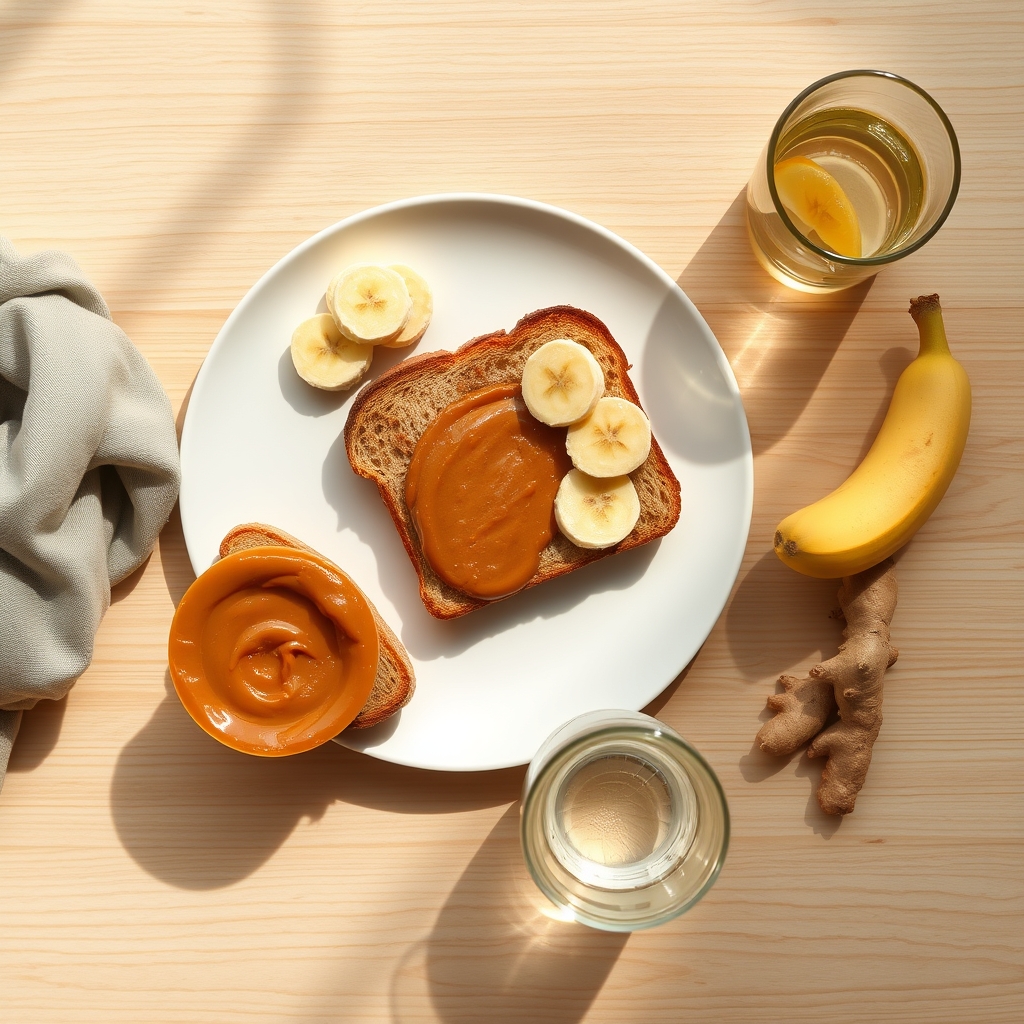
Bananas: Rich in potassium, they replenish electrolytes lost if you’ve been vomiting.
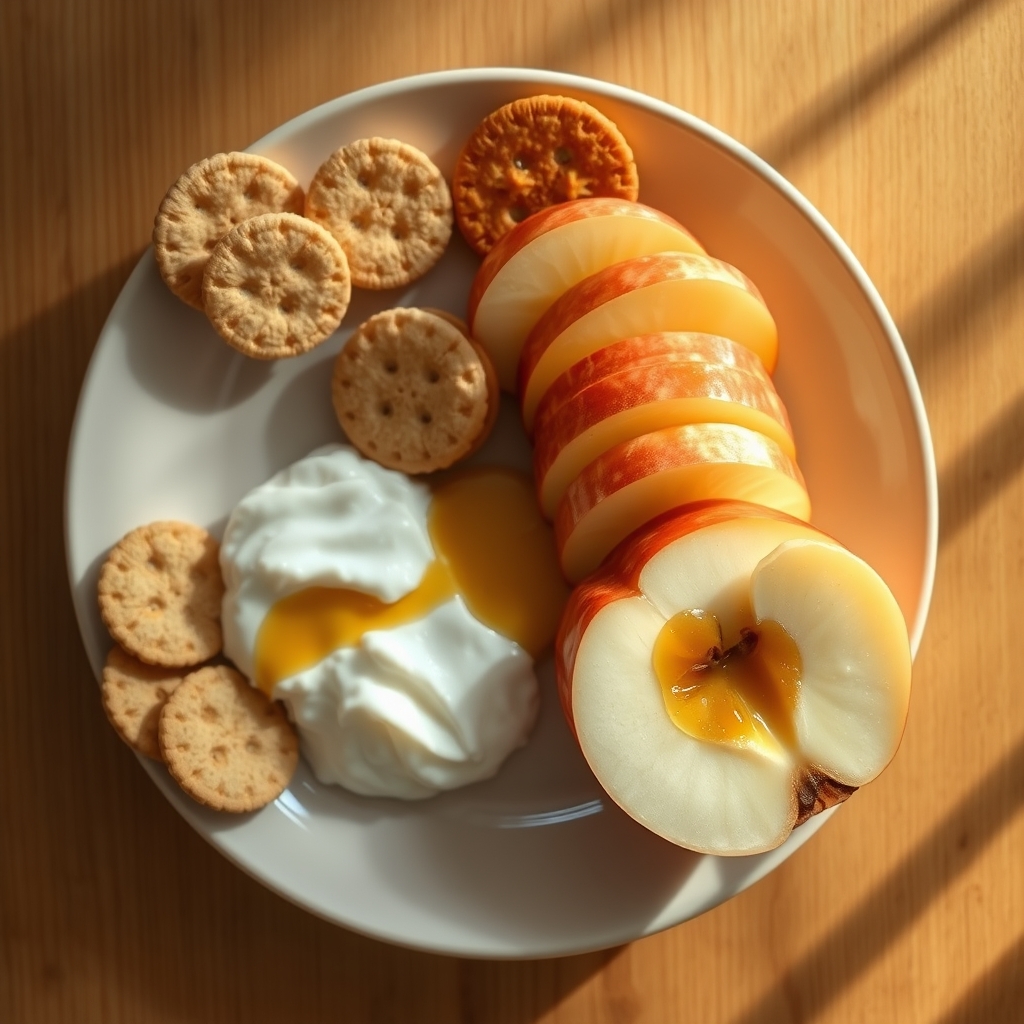
Greek yogurt with a drizzle of honey: Protein and a touch of sweetness keep blood sugar stable.
Applesauce or peeled apples: The fiber is gentle, and the natural sweetness can curb cravings without overwhelming the stomach.
Cold meals: Warm foods often release stronger aromas that can trigger nausea; a chilled salad or sushi‑style rice bowl may be better tolerated.
When you’re choosing a snack, aim for a balance of protein, complex carbs, and a little fat (like a handful of almonds). This combination slows gastric emptying, reducing the spikes that can trigger nausea. The timing matters too—eating something within 30 minutes of waking can prevent the empty‑stomach feeling that fuels morning sickness.
Beyond the specific foods listed, the way you present meals can also matter. Keeping plates simple, using muted colors, and avoiding strong-smelling sauces can reduce sensory overload. Many cultures have traditional “comfort” foods for early pregnancy—such as rice porridge in East Asia or plain toast with butter in the UK—that align with the low‑fat, low‑odor principle and can be incorporated into a modern diet.
Foods to avoid to prevent morning sickness
Some foods are notorious nausea triggers. Spicy dishes, fried foods, and anything with a strong odor (like garlic or onions) can aggravate a sensitive stomach. Citrus fruits are a mixed bag; while some find the acidity soothing, others experience heightened nausea. If a particular food consistently makes you feel worse, give it a break for a few weeks and see if symptoms improve.
Why does pregnancy cause vomiting and loss of appetite?
The hormonal surge of human chorionic gonadotropin (hCG) and estrogen during early pregnancy slows gastric motility and raises sensitivity to smells. The body is also adapting to support the developing placenta, which can shift how nutrients are processed. This combination explains why many people describe a “sour‑milk” feeling in the morning and why appetite can fluctuate dramatically.
Gentle, bland foods are often the most soothing when nausea strikes.
How to manage nausea with ginger while pregnant
Ginger has been studied for nausea relief in pregnancy, and the evidence is reassuring. A 2020 systematic review in the Journal of Obstetrics and Gynaecology found that 1 g of ginger daily reduced nausea scores by about 30 % compared with placebo, without increasing adverse outcomes. The key is using it in a form that’s easy on the stomach.
Fresh ginger tea: Slice 1–2 cm of root, steep in hot water for 5 minutes, and sip slowly. Add a splash of lemon for flavor if you tolerate citrus.
Ginger chews or lozenges: Look for products that contain ≤ 250 mg ginger per serving; the slow release can help throughout the day.
Ginger capsules: If you dislike the taste, a 250 mg capsule taken with food is an alternative, but stay under 1 g total per day.
It’s safe for most pregnant people, but if you have a history of gallstones or are on blood‑thinning medication, check with your provider first. The NHS advises that ginger is a “low‑risk” option for nausea, making it a go‑to home remedy for many.
When incorporating ginger, remember that the total daily intake should stay below 1 g, as higher doses have not been studied extensively in pregnancy. Ginger can also be blended into smoothies, mixed into oatmeal, or added to stir‑fries for a subtle flavor boost. If you experience heartburn, choose milder preparations like ginger tea rather than raw slices, which can be more irritating.
Best prenatal vitamins to prevent pregnancy sickness
Not all prenatal supplements are created equal. The nutrients most linked to reducing nausea are vitamin B6 (pyridoxine) and iron, though iron can sometimes worsen nausea if taken on an empty stomach. ACOG recommends a prenatal vitamin that contains at least 10 mg of B6 and 30 mg of iron, taken with food.
Vitamin
Key Nausea‑Reducing Ingredient
Typical Dose
Best Time to Take
Vitamin B6 (pyridoxine)
Supports neurotransmitter balance that calms the vomiting center
10–25 mg
With mid‑morning snack
Iron (ferrous sulfate)
Prevents anemia but can irritate stomach lining
30 mg
With dinner, preferably with a source of vitamin C
Folate (folic acid)
Essential for neural‑tube development; neutral effect on nausea
400 µg
Any time with food
Choosing a chewable or “gentle‑release” formula can lessen the metallic taste that sometimes worsens nausea. If you find the iron component too harsh, ask your provider about a separate iron supplement taken later in the day, or a prenatal that uses “iron bisglycinate,” a form that’s easier on the gut.
In addition to B6 and iron, many prenatal formulas now include vitamin D and omega‑3 DHA, which support bone health and fetal brain development. While these nutrients don’t directly affect nausea, they can improve overall energy levels, making you feel better equipped to handle a queasy day. Always read labels for added calcium, which can sometimes cause constipation—a side effect that may indirectly aggravate nausea.
Tips for staying hydrated to avoid nausea in pregnancy
Dehydration amplifies nausea, and vomiting can quickly drain fluids. The CDC recommends at least 2.7 L (≈ 10 cups) of total water per day for pregnant adults, but many find sipping small amounts throughout the day more manageable than trying to drink large glasses at once.
Flavor your water: Add slices of cucumber, mint leaves, or a few berries for a subtle taste that encourages more sipping.
Cold beverages: Cool drinks are often less aromatic and can feel soothing on a queasy stomach.
Electrolyte solutions: Low‑sugar sports drinks or oral rehydration salts (e.g., Pedialyte) replenish sodium and potassium lost through vomiting.
Set a timer: A gentle 15‑minute reminder on your phone to take a few sips can add up to a full glass by bedtime.
How much water should you drink? A simple rule is to aim for ½ cup every hour you’re awake. If you’re actively vomiting, the ACOG advises adding an extra 1–2 L of fluid (including soups and broths) until symptoms improve.
Beyond plain water, herbal teas such as rooibos or ginger‑infused chamomile (kept caffeine‑free) can add variety without triggering nausea. Using a straw can also reduce the amount of air you swallow, which sometimes lessens bloating. For night‑time hydration, a warm broth with a pinch of salt can be soothing and help replace lost electrolytes.
Flavored water can make staying hydrated feel less like a chore.
When is morning sickness normal and when should I see a doctor?
Morning sickness is considered “normal” when it’s mild, sporadic, and doesn’t interfere with daily life. Most people experience it between weeks 4 and 12, and it usually eases by the start of the second trimester. However, certain signs signal that medical evaluation is needed:
Vomiting more than three times in a 24‑hour period.
Inability to keep down any fluids for 24 hours.
Weight loss of > 5 % of pre‑pregnancy weight.
Severe dehydration symptoms—dry mouth, dizziness, dark urine.
Persistent high fever or abdominal pain.
If any of these occur, the condition may be hyperemesis gravidarum, a serious complication that requires treatment such as IV fluids and anti‑emetic medication. The NICE guideline recommends that clinicians assess severity using a validated scoring system and intervene promptly.
Even when symptoms fall within the “normal” range, it’s worth noting that some people experience persistent nausea beyond 20 weeks. In those cases, a follow‑up appointment can help rule out underlying gastrointestinal issues, thyroid abnormalities, or medication side effects. Keeping a simple symptom diary—recording meals, fluid intake, and nausea intensity—can give your provider a clearer picture.
Natural home remedies for pregnancy nausea
Beyond ginger, a handful of other home remedies have modest evidence and are widely used by pregnant people:
Acupressure wrist bands: Applying pressure to the P6 (Neiguan) point on the inner forearm can reduce nausea for up to 30 minutes, according to a 2018 review in Complementary Therapies in Medicine.
Apple cider vinegar drink: Dilute 1 tsp of raw apple cider vinegar in a cup of water with a teaspoon of honey; the slight acidity can settle the stomach for some.
Chamomile tea: A small cup (≤ 150 ml) can calm the digestive tract, but avoid large quantities in the third trimester due to potential uterine stimulation.
Vitamin B6 supplements: As noted earlier, 10–25 mg taken 2–3 times daily is often enough to cut nausea.
Stress reduction is another often‑overlooked factor. Simple techniques such as deep‑breathing (4‑7‑8 method), guided meditation, or prenatal yoga can lower cortisol levels, which in turn can reduce nausea intensity. The Mayo Clinic highlights that anxiety can amplify the perception of nausea, so a calm mind is a practical tool.
Additional low‑risk options include peppermint oil inhalation—placing a few drops on a cotton ball near your bedside—or sucking on a lemon wedge. While the scientific backing is limited, many pregnant people find the fresh scent or mild sourness distracting enough to lessen queasiness. As always, test any new remedy in small amounts first.
Diet changes to prevent sickness in the first trimester
The first trimester is when hormonal changes are strongest, so dietary adjustments can have a big impact. Here are practical steps you can start today:
Eat before you lie down: A small snack (e.g., a few crackers) before bedtime can prevent nighttime reflux that triggers morning nausea.
Choose bland, low‑fat meals: Steamed chicken, rice, and boiled vegetables are gentle on the stomach.
Space meals every 2–3 hours: This keeps blood sugar stable and avoids the “empty‑stomach” feeling that fuels nausea.
Limit strong odors: Keep windows open, use a vent fan, and ask family members to prepare meals out of sight if smells trigger you.
Include probiotic foods: Yogurt or kefir can support gut health, which may indirectly improve nausea.
Why does nausea often subside after the first trimester? As hCG levels plateau and the placenta takes over hormone production, the digestive system gradually returns to its pre‑pregnancy rhythm. Most people find that the strategies they built in the first months become less necessary by weeks 16‑20.
Beyond the basics, consider swapping refined carbs for complex grains like quinoa or rolled oats, which provide steady energy without overloading the stomach. Small portions of protein‑rich legumes (e.g., lentils) can also help, provided they’re well‑cooked and not heavily seasoned.
Exercise and movement tips to reduce nausea during pregnancy
Gentle activity can boost circulation and improve digestion, both of which help calm nausea. The ACOG advises at least 150 minutes of moderate‑intensity aerobic activity per week for uncomplicated pregnancies. Here are safe ways to move without worsening symptoms:
Short walks after meals: A 10‑minute stroll can aid gastric emptying.
Prenatal yoga or stretching: Focus on poses that open the abdomen (e.g., cat‑cow) without deep inversions.
Light resistance training: Using body‑weight squats or resistance bands can increase blood flow without causing overheating.
Breathing exercises: Practice diaphragmatic breathing for 5 minutes twice a day to reduce stress‑related nausea.
Regarding medication, many wonder if ibuprofen can help nausea. The FDA and ACOG advise against using ibuprofen for nausea relief; it’s an anti‑inflammatory, not an anti‑emetic, and can pose risks to fetal kidney development in the third trimester. Safer over‑the‑counter options include:
Medication
Active Ingredient
Typical Dose for Nausea
Pregnancy Safety (US)
Do Don't Eat (OTC)
Dimenhydrinate
25 mg every 6 h
Category B (generally safe)
Bonine
Meclizine
25 mg every 24 h
Category B (acceptable)
Ginger tablets (standardized)
Ginger extract
250 mg up to 3 times/day
Category A (safe)
These medications should only be used after consulting your provider, especially if you have pre‑existing conditions or are taking other prescription drugs.
Other low‑impact activities—such as swimming in a temperature‑controlled pool or prenatal Pilates—can be especially soothing because the buoyancy reduces pressure on the abdomen while still promoting circulation. The key is to listen to your body: stop if you feel light‑headed, overheated, or if nausea worsens.
From our medical team: “Most nausea in early pregnancy responds well to lifestyle tweaks—small meals, ginger, and steady fluids. If symptoms persist beyond the first 12 weeks or you notice signs of dehydration, we’ll discuss safe medication options and monitor you for hyperemesis gravidarum.”
Understanding hyperemesis gravidarum (HG) and treatment options
Hyperemesis gravidarum is the severe end of the nausea spectrum, affecting roughly 1–3 % of pregnancies. Unlike typical morning sickness, HG is characterized by persistent vomiting, weight loss, and electrolyte imbalance. The condition can begin as early as 4 weeks gestation and often requires hospitalization for intravenous (IV) fluids, anti‑emetics such as ondansetron, and sometimes nutritional support.
Current ACOG guidance recommends a stepwise approach: first, try dietary modifications and safe home remedies; if those fail, move to prescription anti‑emetics; and finally, consider inpatient care for refractory cases. Early identification is crucial because prolonged dehydration can affect both maternal health and fetal growth. If you suspect HG, contact your provider promptly—early treatment improves outcomes and may reduce the need for more intensive interventions.
Safe snack ideas for nausea relief
Snacks that combine protein, a little fat, and a bland carbohydrate can keep blood sugar stable while soothing the stomach. Good choices include a slice of whole‑grain toast with a thin spread of almond butter, a small bowl of plain oatmeal topped with a drizzle of maple syrup, or a rice cake topped with avocado. Pair these with a glass of cold water or a ginger‑infused drink for added comfort.
When cravings strike, keep a “snack stash” on hand: pre‑portion crackers in a zip‑top bag, freeze‑store banana slices for quick smoothies, and have a small container of plain Greek yogurt ready. These ready‑made options reduce the temptation to reach for greasy or highly seasoned foods that might aggravate nausea.
Simple, protein‑rich snacks can keep nausea at bay.
How sleep position and nighttime habits influence nausea
Sleeping on the left side—often recommended in pregnancy to improve uterine blood flow—can also lessen reflux that triggers morning nausea. Elevating the head of the bed by a few inches using pillows can reduce acid back‑flow, especially if you tend to eat dinner later in the evening.
Establishing a calming bedtime routine—dim lighting, a short meditation, and avoiding screens for at least 30 minutes—helps regulate cortisol levels. Lower stress at night can translate into fewer nausea episodes the next morning. If you notice that a particular pillow or mattress firmness worsens your symptoms, try a firmer surface or a pregnancy‑specific pillow that supports the belly and hips.
Myth vs. fact
Myth: You must avoid all solid food if you’re nauseous.
Fact: Eating small, bland solids can actually reduce nausea by keeping the stomach from becoming empty.
Myth: Ginger will cause miscarriage.
Fact: Clinical studies up to 2022 show ginger, in typical dietary doses (< 1 g/day), does not increase miscarriage risk.
Myth: Only prescription drugs can stop severe morning sickness.
Fact: Over‑the‑counter options like dimenhydrinate, along with B6 supplementation and lifestyle changes, are effective for many people and are endorsed by ACOG.
Key takeaways
Eat small, protein‑rich snacks every 2–3 hours; plain crackers and bananas are especially soothing.
Incorporate ginger (tea, chews, or capsules) up to 1 g daily for natural nausea relief.
Choose a prenatal vitamin with at least 10 mg B6 and 30 mg iron, taken with food to minimize stomach upset.
Stay hydrated by sipping flavored water, broth, or electrolyte drinks—aim for ½ cup each hour.
Gentle movement—walks after meals and prenatal yoga—helps digestion and reduces nausea.
Seek medical care if you vomit > 3 times a day, lose > 5 % weight, or can’t keep fluids down.
Consider left‑side sleeping and a slightly elevated headboard to reduce nighttime reflux.
Frequently asked questions
What causes morning sickness in pregnancy?
Morning sickness is primarily driven by rising hCG and estrogen levels, which slow stomach emptying and heighten sensitivity to smells; most people experience it between weeks 4–12.
Is ginger safe to use for nausea during pregnancy?
Yes—up to 1 g of ginger per day is considered safe by the NHS and has been shown in studies to reduce nausea without increasing miscarriage risk.
Can I take over‑the‑counter medication for morning sickness?
OTC options like dimenhydrinate or meclizine are generally regarded as safe (Category B) by the FDA and ACOG, but you should confirm with your provider before starting them.
When should I be concerned about vomiting while pregnant?
If vomiting occurs more than three times in 24 hours, you’re unable to keep any fluids down, or you notice rapid weight loss, contact your healthcare provider immediately.
How much water should I drink to prevent dehydration from nausea?
Aim for at least 2.7 L (≈ 10 cups) of total fluids daily, plus an extra 1–2 L if you’ve been vomiting; sipping ½ cup every hour is a practical rule of thumb.
Are there specific foods that trigger morning sickness?
Strong‑smelling or high‑fat foods—like fried snacks, garlic, onions, and spicy dishes—often worsen nausea, while bland carbs, bananas, and plain yogurt are usually better tolerated.
Can I eat spicy foods if I have morning sickness?
Spicy foods are not universally prohibited, but many pregnant people find that capsaicin can irritate the stomach lining and increase nausea. If you want to try mild spices, start with a small amount and see how your body reacts; if symptoms worsen, it’s safer to stick with bland options.
Are antacids safe for nausea relief?
Many over‑the‑counter antacids (e.g., calcium carbonate) are considered safe in pregnancy and can help neutralize stomach acid that contributes to nausea. However, avoid antacids that contain sodium bicarbonate in large doses, as they may affect fluid balance. Always check the label and discuss regular use with your provider.
When to call your doctor
Call your provider right away if you experience any of the following: vomiting more than three times in 24 hours, inability to keep down fluids, rapid weight loss (> 5 % of pre‑pregnancy weight), signs of dehydration (dry mouth, dizziness, dark urine), severe abdominal pain, or a fever over 38 °C (100.4 °F). This information is for educational purposes only and does not replace personalized medical advice.
References
American College of Obstetricians and Gynecologists (ACOG). “Nausea and Vomiting of Pregnancy.” Practice Bulletin No. 189, 2020.
National Health Service (NHS). “Ginger and Pregnancy.” Updated 2022.
World Health Organization (WHO). “Guidelines on Antenatal Care for a Positive Pregnancy Experience.” 2016.
Centers for Disease Control and Prevention (CDC). “Hydration Recommendations for Pregnant Women.” 2021.
Mayo Clinic. “Stress Management During Pregnancy.” 2023.
National Institute for Health and Care Excellence (NICE). “Hyperemesis Gravidarum.” Clinical Guideline NG156, 2021.
Journal of Obstetrics and Gynaecology. “Efficacy of Ginger in Reducing Pregnancy‑Related Nausea: A Systematic Review.” 2020.
Complementary Therapies in Medicine. “Acupressure for Nausea in Pregnancy.” 2018.
Food and Drug Administration (FDA). “Pregnancy Category for Dimenhydrinate and Meclizine.” 2022.
British Dietetic Association. “Nutrition Recommendations for Pregnant Women.” 2020.
American College of Obstetricians and Gynecologists (ACOG). “Hyperemesis Gravidarum.” Committee Opinion No. 771, 2020.
National Health Service (NHS). “Healthy eating during pregnancy.” Updated 2023.
U.S. Food & Drug Administration (FDA). “Guidance for industry: Pregnancy safety labeling for OTC products.” 2021.
Not sure about the label on How To Avoid Sickness In Pregnancy products?
Snap the ingredients list and SafeFilter checks every ingredient for your stage — only 3 free scans this month, then you're locked until reset. Unlimited from $7/mo or $50/yr.
When Shubhra Mishra was expecting her first child in 2016, she was overwhelmed by conflicting food advice — one site said yes, another said never. By the time her second baby arrived in 2019, she realized millions of mothers face the same confusion.
That sparked a five-year journey through clinical nutrition papers, cultural diets, and expert conversations — all leading to BumpBites: a calm, compassionate space where science meets everyday motherhood.
Her long-term vision is to build a global community ensuring safe, supported, and free deliveriesfor every mother — because no woman should face pregnancy alone or uninformed. 🌿
🌍 Stand with mothers, shape safer guidance
Join a small circle of experts who review BumpBites articles so expecting parents everywhere can decide with confidence.