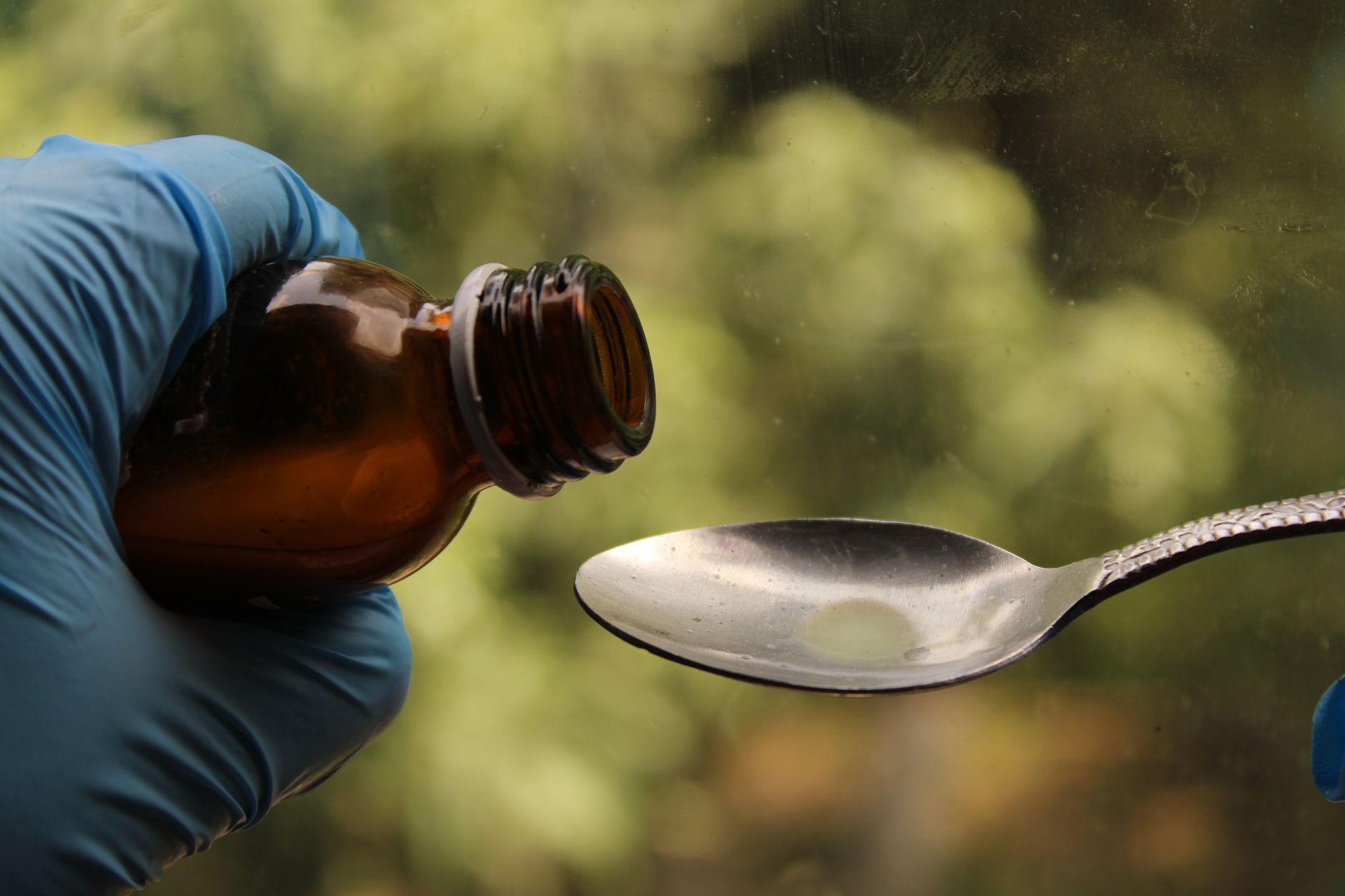
Iron is essential, but excess iron can be harmful. The most common sign of an overdose is gastrointestinal distress—vomiting, abdominal pain, or diarrhea. In larger amounts, iron can cause iron toxicity, which may lead to lethargy, rapid heartbeat, or even seizures. This is a medical emergency that requires immediate attention.
Most cases of toxicity in infants result from accidental ingestion of a full bottle rather than a dosing error. To prevent this, store iron drops out of reach, and use a dedicated dropper for each dose.
According to the CDC, the toxic dose for infants is roughly 20 mg of elemental iron per kilogram of body weight. That would be about 140 mL of a 1 mg/mL solution for a 7‑kg infant—far more than the prescribed daily dose.
If you suspect an overdose, call emergency services right away. Early treatment with chelation agents, such as deferoxamine, can prevent serious complications, but it must be administered under medical supervision.
Keep the bottle capped tightly after each use.
Can iron drops be given to newborn babies?
Newborns (0–2 months) typically receive enough iron from maternal stores and breast milk. The AAP recommends routine iron supplementation only for infants who are exclusively breastfed and not receiving iron‑fortified formula, starting at four months of age. For preterm infants, iron drops may be introduced earlier—often at one month—because they have lower iron stores at birth.
If your baby was born before 37 weeks, your neonatal team will likely schedule iron level checks and suggest a specific supplement dose. For term infants, wait until the four‑month well‑child visit before starting drops, unless your pediatrician identifies a deficiency earlier.
Guidelines from the UK’s National Health Service (NHS) echo this approach, advising supplementation for preterm infants at one month and for exclusively breastfed term infants at four months, with careful monitoring of hemoglobin and ferritin levels.
Always discuss timing with your provider.
How often should I give iron drops to my baby?
Most pediatricians advise giving iron drops **once daily** with a meal or a bottle of breast milk. Splitting the dose into two smaller administrations (morning and evening) can improve tolerance, but consistency is key: give the drops at the same time each day to develop a routine.
Because iron is best absorbed on an empty stomach, you might be tempted to give the drops before a feeding. However, infants often experience nausea if the drops aren’t mixed with something. The compromise is to give the drops **right after a feeding**—the stomach is not completely full, and the iron is still absorbed efficiently.
If your baby is on other medications (e.g., antibiotics or vitamin D drops), give iron at least **two hours apart** to avoid potential interactions that could reduce absorption. This spacing also helps you keep track of each supplement’s timing.
Stick to the schedule your doctor recommends.
What are the side effects of iron drops in babies?
Side effects are usually mild, especially when the dose follows pediatric guidance. Common reactions include:
- Darkened stool: Iron can turn stools green or black—this is harmless and often a sign the supplement is working.
- Constipation: A small amount of extra water or a fruit puree (like pear) can help keep stools soft.
- Upset stomach: Giving drops with a feeding reduces nausea.
- Metallic taste: Not usually an issue for infants who swallow the drops.
Rarely, infants may develop an allergic reaction (rash, swelling, or difficulty breathing). If any of these occur, stop the supplement and seek medical care right away.
Most side effects resolve within a few days.
How to give iron drops to a breastfed baby?
Breast milk contains iron‑binding proteins that limit absorption, so giving iron drops with a small amount of breast milk can actually improve uptake. Here’s a step‑by‑step guide:
- Wash your hands and prepare a clean dropper.
- Measure the prescribed dose (e.g., 7 mL) into the dropper.
- Place the baby in a comfortable position—like a semi‑upright hold on your lap.
- Gently squeeze the dropper to release the drops onto the inside of the cheek, allowing the baby to swallow.
- Offer a small breastfeed (1–2 oz) immediately after to help the iron settle.
- Burp your baby gently to release any trapped air.
For babies who dislike the taste, you can mix the drops with a teaspoon of pureed fruit (apple or banana) or a tiny amount of formula. Just be sure the total volume stays within the daily dosage.
Consistent technique helps your baby accept the drops.
Yes, you can combine iron drops with a small amount (no more than 2 oz) of formula or breastmilk. Mixing helps mask the metallic taste and reduces the chance of stomach upset. However, avoid adding the drops to a large bottle of milk—excess calcium can inhibit iron absorption.
When mixing, use a clean spoon or syringe to add the drops to the milk, stir gently, and feed the baby promptly. Do not store the mixed bottle for later use; iron can oxidize and lose potency after a few hours.
Use fresh milk each time you dose.
How long does it take for iron drops to work in babies?
Improvement in iron status typically begins within 2–4 weeks of consistent supplementation. Hemoglobin levels usually rise noticeably after about a month, while iron stores (Ferritin) may take 6–8 weeks to normalize. You may see a reduction in symptoms such as irritability or pallor during this period.
Follow‑up labs are usually scheduled at the 3‑month mark after starting drops to confirm that iron levels are improving. If levels remain low, your pediatrician may adjust the dose or explore other causes of deficiency.
Patience and regular testing are important.

Iron supplements for infants: types and what to look for
Liquid iron supplements come in two main forms: ferrous sulfate and ferrous gluconate. Ferrous sulfate provides the highest elemental iron per milliliter, but it can be harsher on the stomach. Ferrous gluconate is gentler but may require a slightly larger volume to deliver the same dose.
When choosing a product, consider:
- Clear dosing instructions: Look for a dropper with clear markings (mL) rather than “drops.”
- Flavoring: Unflavored or lightly fruit‑flavored drops are easier for infants.
- Preservative‑free: Reduces risk of allergic reactions.
- FDA‑registered: Ensures quality and safety standards.
Some trusted brands endorsed by pediatricians include Fer‑In‑S® (ferrous sulfate) and Iron‑Drop® (ferrous gluconate). Always verify the product’s expiration date and store it in a cool, dry place.
Choosing a reputable brand simplifies dosing.
Best iron drops for babies: a quick comparison
All three products meet the safety standards set by the FDA and the American Academy of Pediatrics. Your pediatrician can help you decide which brand aligns best with your baby’s tolerance and your family’s preferences.
Check the label for exact concentration before dosing.
Symptoms checklist: spotting iron deficiency in infants
- Pale skin, especially on the face and palms.
- Persistent fatigue or excessive sleepiness.
- Irritability or prolonged crying spells.
- Reduced appetite or difficulty feeding.
- Developmental delays (motor or cognitive).
- Rapid heartbeat or breathing during activity.
If you notice several of these signs, it’s worth discussing iron testing with your pediatrician. Early detection makes treatment faster and less disruptive.
Keep a symptom diary to share with your doctor.
Treatment options: iron drops vs dietary iron vs fortified cereals
For most infants with confirmed deficiency, liquid iron drops are the fastest way to restore adequate stores. Once levels normalize, many clinicians transition to iron‑rich foods and fortified cereals to maintain health.
Combining approaches often yields the best outcome.
Natural remedies with evidence: boosting iron without pills
While supplements are the gold standard for treating deficiency, certain foods and practices can enhance iron absorption:
- Vitamin C‑rich foods: Pureed strawberries, oranges, or mashed peas increase non‑heme iron absorption by up to 30 %.
- Cook with cast‑iron: Preparing pureed carrots or sweet potatoes in a cast‑iron skillet adds a small amount of iron to the food.
- Limit calcium at the same time: Calcium can block iron absorption, so avoid giving iron drops with large amounts of dairy (e.g., formula) in the same feeding.
These strategies are supportive, not replacements for prescribed iron drops when a deficiency is present.
Even small dietary tweaks can make a difference.
When to start iron drops for babies
Guidelines differ slightly between the U.S. and U.K., but the consensus is:
- Term infants (0–6 months): No routine supplementation unless at risk (e.g., exclusive breastfeeding beyond 4 months).
- Preterm infants: Start iron supplementation at 1 month, dose 2–3 mg/kg/day, as advised by neonatology.
- Infants 6–12 months: Begin iron drops if dietary intake is insufficient, especially if solid foods are low in iron.
Always confirm the exact timing with your pediatrician, who will consider your baby’s growth chart, birth history, and lab results.
Early initiation prevents later deficits.
How to check iron levels in babies
Blood tests are the most reliable way to assess iron status. The typical panel includes:
- Hemoglobin (Hb): Detects anemia; normal for infants 6–12 months is 11–13 g/dL.
- Serum ferritin: Reflects iron stores; values < 12 µg/L suggest deficiency.
- Mean corpuscular volume (MCV): Low MCV can indicate microcytic anemia due to iron deficiency.
These tests are usually performed at the 4‑month well‑child visit if the infant is exclusively breastfed, and again at 12 months to verify adequacy.
Laboratory results guide dosing adjustments.
How to transition off iron drops as your baby grows
Most infants only need iron supplementation for a limited period—typically 3 to 6 months—until dietary sources catch up. Your pediatrician will recommend a gradual taper once blood work shows normal ferritin and hemoglobin levels. The transition often looks like this:
- Week 1–2: Reduce the daily dose by 25 % while introducing iron‑rich pureed meats or fortified cereals at each meal.
- Week 3–4: Cut the dose in half and monitor stool color and bowel movements for any changes.
- Week 5‑6: Stop drops entirely if labs remain stable and the infant tolerates iron‑rich foods well.
During the taper, keep an eye on the symptoms checklist. If pallor or fatigue returns, contact your pediatrician—re‑starting drops may be necessary.
Gradual reduction minimizes rebound deficiency.
Iron supplementation and brain development: what the research says
Iron plays a critical role in myelination, neurotransmitter synthesis, and overall brain growth. A longitudinal study by the National Institute of Child Health and Human Development (NICHD) found that infants with iron deficiency in the first year showed lower scores on language and motor development tests at age 2 years, even after iron levels were corrected.
Conversely, a meta‑analysis published in the Journal of Pediatrics (2021) reported that timely iron supplementation in at‑risk infants reduced the risk of developmental delays by 30 %. While iron alone cannot guarantee optimal cognition, ensuring adequate intake during the rapid growth window (6‑12 months) is a simple, evidence‑based step to support neurodevelopment.
These findings reinforce why routine screening and appropriate supplementation are recommended by both the AAP and the British National Formulary for Children (BNFC).
Optimal iron supports both body and mind.
Many reputable pediatric websites host free iron‑dose calculators that ask for your baby’s weight and age, then output the exact milliliters of drops needed per day. The calculation follows the formula:
Dose (mL) = (Weight in kg × 1 mg elemental iron) ÷ (Concentration = 1 mg/mL)
Because the dropper’s volume per drop can vary between brands, using the calculator helps you avoid “guess‑work” dosing. When you print or save the result, you can also note the next refill date, which keeps you from running out unexpectedly.
Remember that these tools are for guidance only. Always double‑check the result with your pediatrician, especially if your baby has a medical condition that alters iron needs (e.g., chronic blood loss or hemolytic disease).
How to store iron drops safely at home?
Proper storage preserves potency and prevents accidental ingestion. Keep the bottle in a high cabinet or locked drawer, away from sunlight and heat, and always replace the cap tightly after each use.
The FDA recommends discarding any liquid supplement after 30 days once opened, as microbial growth can occur even in refrigerated conditions.
Safe storage reduces the risk of accidental overdose.
What to do if my baby refuses iron drops?
Refusal is common, especially if the taste is metallic. Try mixing the prescribed dose with a teaspoon of fruit puree (apple, banana, or pear) or a small amount of formula. Offering the mixture with a favorite spoon or syringe can also help.
If refusal persists, discuss alternative formulations (e.g., iron‑fortified cereal) with your pediatrician. They may suggest a different brand or a chewable tablet for older infants.
Patience and creativity usually win the battle.
Can iron drops interfere with vaccinations?
Current guidance from the CDC indicates that iron supplementation does not diminish the effectiveness of routine childhood vaccines. However, some studies suggest that high‑dose iron given on the same day as certain live vaccines could theoretically affect immune response, though evidence is limited.
To be cautious, many clinicians advise spacing iron drops at least two hours away from vaccine administration, especially for live attenuated vaccines like rotavirus.
Follow your provider’s timing recommendations for best protection.
Myth vs. fact
Myth: “If my baby looks healthy, they don’t need iron.”
Fact: Iron deficiency can be silent; many infants appear well yet have low ferritin. Routine screening helps catch it early.
Myth: “Breast milk provides enough iron forever.”
Fact: Breast milk’s iron is highly bioavailable but low in quantity. After six months, additional sources become important.
Myth: “All iron drops are the same, so price is the only factor.”
Fact: Formulation (ferrous sulfate vs. gluconate), flavoring, and dosing accuracy differ. Choose a product that matches your baby’s tolerance and your ability to measure doses precisely.
Key takeaways
- Infants 0–6 months need 0.27 mg/day; 7–12 months need 11 mg/day of iron.
- Typical dosing: 1 mg of elemental iron per kilogram of body weight per day.
- Give iron drops once daily, preferably after a feeding, and split the dose if needed.
- Watch for dark stools, constipation, or vomiting—common, mild side effects.
- Too much iron can cause toxicity; keep supplements out of reach and follow dosing guidelines.
- Symptoms of deficiency include pallor, fatigue, and irritability; test with hemoglobin and ferritin labs.
- Transition off drops after labs normalize, using iron‑rich foods to maintain levels.
- Evidence links adequate iron in infancy to better brain development and motor milestones.
- Safe storage and consistent routine support successful supplementation.
Frequently asked questions
What are the symptoms of iron deficiency in babies?
Common signs include pale skin, especially on the face and palms, persistent fatigue, irritability, reduced appetite, and slower growth. If you notice these, ask your pediatrician about checking iron levels.
How can I increase my baby's iron levels without pills?
Introduce iron‑rich foods such as pureed beef or lamb, chicken liver, lentil puree, and iron‑fortified oatmeal once solid foods are appropriate (around 6 months). Pair these with vitamin C‑rich foods like mashed strawberries to boost absorption.
What are the best foods for babies to get iron?
Top choices are pureed beef or lamb, chicken liver, lentil puree, iron‑fortified oatmeal, and mashed beans. Small amounts of tofu and spinach are also helpful, especially when mixed with fruit puree for flavor.
Can I give my baby iron drops with other medications?
Yes, but separate them by at least two hours. Iron can bind with antibiotics, thyroid meds, and vitamin D drops, reducing effectiveness. Always check with your pediatrician or pharmacist.
How long do babies need to take iron drops?
Most infants require supplementation for 3–6 months, until blood work shows normal ferritin and hemoglobin. After that, a diet rich in iron can maintain adequate levels without continued drops.
What are the risks of giving babies too much iron?
Excess iron may cause nausea, vomiting, constipation, and in severe cases, iron toxicity, which can be life‑threatening. Keep doses within the pediatrician‑recommended range and store supplements safely.
Mixing a small amount (≤ 2 oz) of formula with iron drops is fine and can help mask taste. Avoid mixing with large volumes, as calcium in formula may impair absorption.
What should I do if I miss a dose of iron drops?
If you miss a single dose, simply give it as soon as you remember—unless it’s close to the next scheduled dose. Do not double‑dose to make up for the missed amount; extra iron can increase gastrointestinal upset.
Can iron drops cause constipation, and how can I prevent it?
Constipation is a common side effect. Offer extra fluids, such as a small amount of water or fruit puree, and consider adding a fiber‑rich food like pureed pears or prunes. If constipation persists, talk to your pediatrician about adjusting the dose or trying a different formulation.
How do I know if my baby’s iron level is improving?
Follow‑up labs typically show a rise in hemoglobin within 4 weeks and a steady increase in ferritin over 6–8 weeks. Your pediatrician will interpret the results and advise if the dose needs adjustment.
Is there a safe way to give iron drops if my baby is teething?
During teething, babies may reject drops due to gum discomfort. Try mixing the dose with a cool fruit puree or offering it after a soothing teething toy session. Always keep the total volume within the prescribed limit.
When to see a doctor / specialist
If your baby shows any of the following, contact your pediatrician promptly:
- Persistent vomiting or diarrhea after iron dosing.
- Dark, tar‑like stools that do not improve with diet changes.
- Signs of anemia: pallor, rapid heartbeat, or unexplained fatigue.
- Suspected overdose (e.g., bottle opened and left within reach).
- Failure to thrive despite adequate feeding.
In cases of confirmed iron deficiency, your pediatrician may refer you to a pediatric hematologist for further evaluation, especially if the deficiency is severe or does not respond to standard supplementation.
References
- American Academy of Pediatrics. “Iron Deficiency in Infancy.” AAP Clinical Report, 2022.
- Centers for Disease Control and Prevention. “Iron Deficiency in Infants and Young Children.” CDC, 2023.
- World Health Organization. “Guidelines on Iron Supplementation in Infants.” WHO, 2021.
- National Institutes of Health. “Iron – Fact Sheet for Health Professionals.” NIH, 2023.
- American Academy of Pediatrics. “Preterm Infant Nutrition.” AAP, 2020.
- Harvard T.H. Chan School of Public Health. “Iron and Health.” Harvard, 2022.
- British National Formulary for Children. “Iron Supplements.” BNFC, 2023.
- National Institute of Child Health and Human Development. “Long‑Term Effects of Infant Iron Deficiency.” NICHD, 2020.
- Journal of Pediatrics. “Iron Supplementation and Developmental Outcomes: A Meta‑Analysis.” 2021.
- American College of Obstetricians and Gynecologists. “Nutritional Recommendations for Pregnant and Lactating Women.” ACOG, 2022.
- U.S. Food and Drug Administration. “Guidance for Industry: Storage and Stability of Liquid Dietary Supplements.” FDA, 2021.
- American Academy of Pediatrics. “Managing Supplement Refusal in Infants.” AAP Clinical Tips, 2023.
- Centers for Disease Control and Prevention. “Vaccination and Nutritional Interactions.” CDC, 2022.