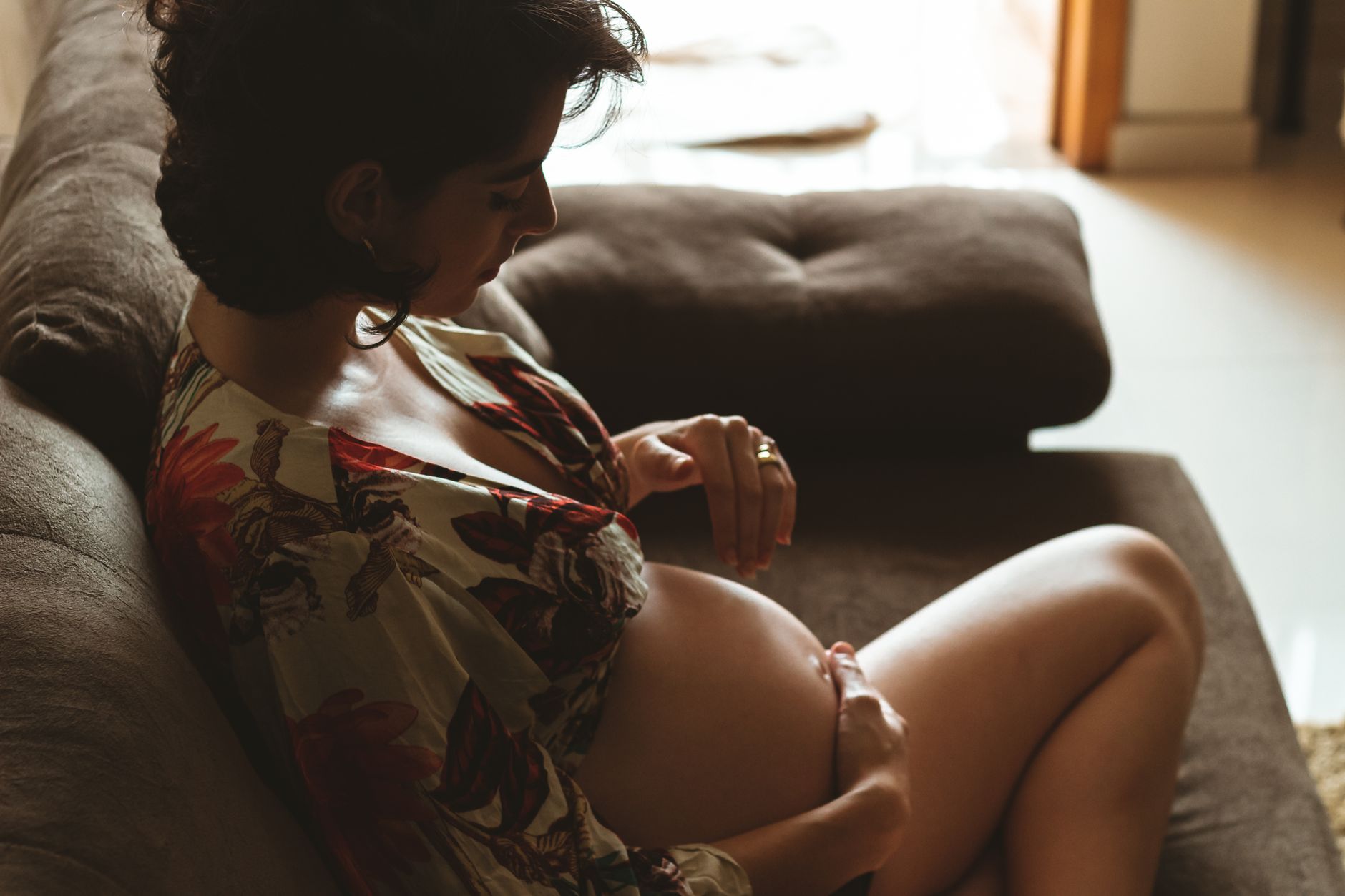
Normal bleeding in early pregnancy can vary, but most women experience light spotting, how much is normal bleeding in early pregnancy is a common concern
By Shubhra Mishra — a mom of two who turned her own confusion during pregnancy into BumpBites, a global mission to make food choices clear, safe, and stress-free for every expecting mother. 💛
Check whether any food is safe during pregnancy with the BumpBites Food Safety Checker.
Quick take: Experiencing some spotting or light bleeding in early pregnancy can be incredibly unsettling, but it's often a normal occurrence. While it's always wise to contact your healthcare provider about any bleeding, many women experience mild, temporary spotting that isn't a cause for concern and doesn't indicate a problem with the pregnancy.
It's 2 a.m., you're exhausted, and you've just noticed a spot of blood. Your heart races. Is this normal? Is something wrong? This exact scenario plays out for countless pregnant women, and if you're experiencing it, please know you're not alone. Bleeding in early pregnancy, particularly during the first trimester, is a surprisingly common experience, affecting up to 1 in 4 pregnant people.
While any bleeding can be alarming, it's not always a sign of a serious problem. In fact, many pregnancies continue without issue after some light spotting. Understanding what's considered "normal" and when to seek medical advice can help ease your mind and empower you to make informed decisions for your health and your baby's.
At BumpBites, we understand the anxiety that comes with every new symptom during pregnancy. In this article, we'll dive deep into what constitutes normal bleeding in early pregnancy, how to tell the difference between typical spotting and something more concerning, and when it’s crucial to contact your doctor or midwife.
Experiencing spotting or bleeding in early pregnancy can be worrying, but it's often a normal and harmless occurrence.
What is a normal amount of spotting during the first trimester?
When we talk about "normal" spotting in the first trimester, we're generally referring to very light bleeding that's less than a period and typically doesn't require a pad or tampon (though you should avoid tampons in pregnancy). It might be just a few drops, or appear as a streak when you wipe. The key is its volume and how it compares to your usual menstrual flow.
Normal early pregnancy spotting is usually light pink, red, or brown. It's often inconsistent, meaning it might appear once and then stop, or occur intermittently over a few days. Crucially, it typically doesn't come with severe cramping, clots larger than a pea, or a heavy, continuous flow. The most common cause of this type of spotting is implantation bleeding, which we'll discuss in more detail shortly.
It's important to remember that "normal" is a spectrum, and what one person experiences might differ from another. However, if the bleeding is heavy enough to soak a pad in an hour, contains large clots, or is accompanied by severe pain, it moves beyond the realm of typical spotting and requires immediate medical attention.
What do different colors of early pregnancy bleeding mean?
The color of the blood can sometimes offer clues, though it's not a definitive diagnostic tool. Here's what different colors might indicate:
Pink: Often a sign of fresh, light bleeding that's mixed with cervical fluid. It can be very common, especially after intercourse or a cervical exam, due to increased blood flow to the cervix. It can also be an early sign of implantation.
Bright Red: Fresh blood. This can be alarming, but it's not always serious. Implantation bleeding can sometimes be bright red, as can spotting after sex or a pelvic exam. However, bright red blood that is heavy, continuous, or accompanied by pain should always be checked by your doctor.
Brown: Usually indicates older blood that has taken some time to exit the body. This is often considered the least concerning color, as it suggests the bleeding isn't active. It could be residual blood from implantation, a resolving subchorionic hematoma, or simply old blood from a harmless irritation.
While these color guidelines can be helpful, they aren't foolproof. The most important factors are the amount of bleeding, its duration, and any accompanying symptoms like pain or clots. Always err on the side of caution and reach out to your provider for any bleeding, regardless of color.
How much bleeding is considered heavy in early pregnancy?
Heavy bleeding in early pregnancy is generally defined as bleeding that:
Soaks through one or more sanitary pads in an hour for several hours in a row.
Passes blood clots larger than a quarter or a grape.
Is accompanied by severe abdominal pain, back pain, or shoulder pain.
Causes dizziness, fainting, or signs of shock (rapid pulse, cold, clammy skin).
This type of bleeding is *not* considered normal and warrants immediate medical attention. It could be a sign of a miscarriage, ectopic pregnancy, or other serious complication. The American College of Obstetricians and Gynecologists (ACOG) advises contacting your doctor right away if you experience bleeding this heavy.
How many days can early pregnancy bleeding last before it’s a concern?
The duration of early pregnancy bleeding can vary widely, and it's one of the factors that often causes concern. For most cases of "normal" spotting, like implantation bleeding, it tends to be very brief, lasting anywhere from a few hours to a couple of days. It's usually intermittent and light, not a continuous flow.
However, some women might experience spotting that comes and goes for a week or even longer. For instance, a subchorionic hematoma (a collection of blood between the uterine wall and the chorionic membrane, which is the outer membrane of the gestational sac) can cause intermittent brown or red spotting for weeks. While these can sometimes resolve on their own, they do require monitoring by your healthcare provider.
The key factor in determining concern isn't just the number of days, but the *nature* of the bleeding. If the bleeding is light, painless, and not increasing in volume or severity, your doctor may advise monitoring it. However, if the bleeding becomes heavier, more painful, or is accompanied by other symptoms like severe cramping, dizziness, or passing tissue, then its duration becomes less relevant than its character. In such cases, contact your provider immediately, regardless of how many days it has been occurring.
The NHS (National Health Service) in the UK often advises that if light bleeding lasts for more than a few days, or if you are worried, you should seek medical advice. It's about getting reassurance and ruling out any potential issues. Many moms tell us the same thing: the uncertainty is the hardest part, and a quick check-in with a medical professional can provide invaluable peace of mind.
Is light bleeding a sign of miscarriage or a normal implantation bleed?
This is perhaps the most common and terrifying question for anyone experiencing bleeding in early pregnancy. The truth is, light bleeding can be a symptom of both a normal implantation bleed and an early miscarriage, which is why medical consultation is so important. However, it's crucial to understand that bleeding does not automatically mean miscarriage.
Implantation Bleeding: This is a completely normal and harmless phenomenon. It occurs when the fertilized egg attaches itself to the lining of the uterus. This process can sometimes dislodge a small amount of blood, resulting in light spotting. It typically happens 6 to 12 days after conception, often around the time your period would normally be due. Implantation bleeding is usually:
Very light, often just a few spots or a streak.
Pinkish or brownish in color.
Brief, lasting a few hours to up to two days.
Not accompanied by heavy cramping or clots.
Bleeding as a Sign of Miscarriage: Unfortunately, bleeding can also be the first sign of a miscarriage, particularly in the first trimester. Early pregnancy loss affects about 10-20% of known pregnancies, and bleeding is a common symptom. However, it's vital to know that many women who experience bleeding in early pregnancy go on to have healthy pregnancies. Current evidence suggests that about half of all women who experience first-trimester bleeding will continue to have a viable pregnancy. This is why it's so important not to panic and to seek medical advice for evaluation.
Bleeding indicative of a potential miscarriage often:
Is heavier than implantation bleeding, similar to or heavier than a period.
Is bright red and continuous.
Contains blood clots and/or tissue.
Is accompanied by moderate to severe cramping, back pain, or pelvic pressure.
One reader described feeling a dull ache and then seeing bright red blood, much like the start of her period, which unfortunately did lead to an early loss. Another shared her anxiety when she saw a tiny pink spot, only to be reassured by her doctor that it was likely implantation, and her pregnancy progressed normally. These stories highlight the wide range of experiences and the need for personalized medical assessment.
The Mayo Clinic emphasizes that while bleeding can be a sign of miscarriage, it doesn't always mean the worst. A healthcare provider can perform an ultrasound and blood tests (like hCG levels) to determine the cause of the bleeding and the viability of the pregnancy.
Implantation bleeding often occurs around the time your period would be due, making it easy to confuse with a light period.
What's the difference between implantation bleeding and a regular period bleed?
Differentiating between implantation bleeding and a regular period is one of the most common early pregnancy puzzles. They can occur around the same time, leading to confusion. Here's a breakdown to help you tell the difference:
Feature
Implantation Bleeding
Regular Period
Timing
6-12 days after conception (often around expected period)
Starts around expected monthly cycle
Color
Usually light pink, brown, or rust-colored
Bright red, darkening to brown later
Flow/Volume
Very light spotting, few drops, not enough to soak a pad
Early pregnancy signs (nausea, breast tenderness, fatigue)
PMS symptoms (bloating, mood swings, headaches)
One helpful tip is to consider your other symptoms. If you're experiencing breast tenderness, increased fatigue, or morning sickness alongside very light spotting, it might be worth taking a pregnancy test. Remember, a positive pregnancy test after bleeding, even light, means you are pregnant and should contact your doctor.
Bleeding after IVF embryo transfer: Is it normal?
If you've undergone IVF, seeing any blood after embryo transfer can be particularly nerve-wracking. However, light spotting or bleeding after an IVF embryo transfer is quite common and often normal. It can be due to several factors:
Implantation: Just like naturally conceived pregnancies, the embryo implanting into the uterine wall can cause light bleeding.
Cervical irritation: The cervix can be sensitive after procedures. The speculum used during the transfer, or even the catheter itself, can cause minor irritation and subsequent spotting.
Hormone support: Many IVF protocols involve progesterone supplements, which can sometimes cause cervical changes that lead to spotting.
The Royal College of Obstetricians and Gynaecologists (RCOG) acknowledges that light bleeding is not uncommon after IVF and does not necessarily indicate a failed cycle or a problem with the pregnancy. However, because of the emotional and financial investment in IVF, any bleeding should always be reported to your fertility clinic or doctor immediately for guidance and peace of mind.
When should you call your doctor for bleeding in early pregnancy?
While light spotting can be normal, it's always best practice to inform your healthcare provider about any bleeding you experience during pregnancy. They can assess your individual situation and provide the most accurate advice. However, certain symptoms warrant an immediate call or even an emergency visit:
Heavy bleeding: If you're soaking through one or more pads per hour, or if the bleeding is as heavy as or heavier than a period.
Passing clots or tissue: Any clots larger than a pea or any identifiable tissue passed vaginally.
Severe pain: Intense cramping, sharp abdominal pain, persistent back pain, or shoulder pain.
Dizziness or fainting: Feeling lightheaded, dizzy, or actually fainting.
Fever or chills: These could indicate an infection.
Sudden increase in bleeding: If light spotting suddenly becomes heavy.
These symptoms could be signs of a miscarriage, an ectopic pregnancy (where the fertilized egg implants outside the uterus, a serious and potentially life-threatening condition), or other complications that require urgent medical attention. Don't wait to see if it gets better; contact your provider right away.
Understanding other causes of early pregnancy bleeding
Beyond implantation bleeding and miscarriage, other factors can cause bleeding in the first trimester:
Ectopic Pregnancy: This occurs when a fertilized egg implants outside the uterus, most commonly in a fallopian tube. It's a medical emergency. Symptoms often include vaginal bleeding, sharp, one-sided abdominal pain, shoulder pain, and dizziness.
Molar Pregnancy: A rare complication where an abnormal growth of cells develops in the uterus instead of a healthy pregnancy. Symptoms can include bright red or brown vaginal bleeding, severe nausea and vomiting, and rapid uterine growth.
Cervical Changes: During pregnancy, the cervix becomes softer and develops more blood vessels. This makes it more prone to bleeding, especially after sexual intercourse, a pelvic exam, or even straining during a bowel movement. This type of bleeding is usually light, pink, or red, and resolves quickly.
Infection: Vaginal or cervical infections (like yeast infections, bacterial vaginosis, or sexually transmitted infections) can cause inflammation and irritation, leading to spotting.
Subchorionic Hematoma (SCH): This is a collection of blood between the uterine wall and the chorion (the outer fetal membrane). It's a relatively common cause of first-trimester bleeding. While some SCHs can be associated with higher risks, many resolve on their own with no impact on the pregnancy. The bleeding can range from light brown spotting to heavier red bleeding, and its duration can vary. Your doctor will monitor this with ultrasound.
Because there are multiple potential causes, some harmless and some serious, it's why medical evaluation is always recommended for any bleeding during pregnancy. Your doctor can help determine the cause and appropriate course of action.
Can sexual intercourse cause bleeding in early pregnancy?
Yes, light spotting or bleeding after sexual intercourse is a relatively common and usually harmless occurrence in early pregnancy. It's often due to the increased blood flow to the cervix and vagina during pregnancy. The cervix becomes softer and more sensitive, making the tiny blood vessels in the area more prone to rupturing with friction or penetration.
This type of bleeding is typically:
Very light, often just a few spots.
Pink or light red in color.
Occurs immediately after sex or within a few hours.
Resolves quickly and doesn't continue.
Not accompanied by pain or cramping.
If you experience this, try not to panic. It's usually nothing to worry about and doesn't harm the baby, who is safely cushioned in the uterus. However, it's still a good idea to mention it to your healthcare provider at your next appointment or give them a call if you're concerned. They might advise a pelvic exam to rule out any cervical polyps or other non-pregnancy-related causes of bleeding.
Unless your doctor has specifically advised against it due to a diagnosed complication (like placenta previa or a large subchorionic hematoma), sexual activity is generally safe throughout pregnancy. If you find that intercourse consistently causes bleeding, you might consider adjusting positions or frequency, and always discuss it with your doctor.
Staying hydrated and resting can be helpful when experiencing mild spotting in early pregnancy.
How can you manage mild bleeding in the first trimester safely?
If you're experiencing mild, light spotting and your healthcare provider has assured you it's not a cause for immediate concern, there are a few practical steps you can take to manage it and support your well-being:
Rest: While not always medically necessary, many women find that taking it easy and resting can help reduce anxiety and may lessen the spotting. Avoid strenuous activities or heavy lifting during this time.
Avoid intercourse: If you're experiencing spotting, especially after sex, your doctor might recommend abstaining from intercourse until the bleeding has completely stopped. This allows any irritated cervical tissues to heal.
No tampons or douching: Never use tampons during pregnancy, especially if you're bleeding. They can introduce bacteria and increase the risk of infection. Stick to sanitary pads or panty liners to monitor the amount and color of the bleeding. Douching is also not recommended during pregnancy.
Stay hydrated: Drinking plenty of water is always important during pregnancy and can help with overall comfort.
Monitor your symptoms: Keep a close eye on the color, amount, and frequency of the bleeding. Note any accompanying symptoms like pain or clots. This information will be crucial if you need to report back to your doctor.
Manage stress: This is easier said than done, but stress can exacerbate anxiety. Engage in calming activities like deep breathing, gentle stretching, or listening to soothing music. Remember, you're doing everything you can by staying informed and communicating with your provider.
Remember, these tips are for managing *mild* spotting that your doctor has already evaluated. If bleeding becomes heavier, or new concerning symptoms arise, always contact your doctor immediately.
What activities or foods might increase the risk of early pregnancy bleeding?
This is an area often surrounded by myths and misinformation. For the most part, common daily activities and a healthy, balanced diet do not increase the risk of early pregnancy bleeding. Your baby is incredibly well-protected inside your uterus.
Let's address some common concerns:
Exercise: Moderate exercise, like walking, swimming, or prenatal yoga, is generally safe and encouraged throughout pregnancy, provided you have no complications. It does not cause miscarriage or bleeding in a healthy pregnancy. However, intense, high-impact activities or those with a risk of abdominal trauma might be advised against. If you're spotting, your doctor might recommend temporarily pausing exercise until the bleeding stops.
Lifting: Heavy lifting can put strain on your body. While it's unlikely to directly cause bleeding or miscarriage, it's wise to avoid very heavy lifting during pregnancy to prevent back strain and other injuries.
Diet: There's no scientific evidence that specific foods (like spicy foods, certain fruits, or herbs) cause early pregnancy bleeding or miscarriage in a healthy pregnancy. Focus on a balanced, nutritious diet. Always avoid foods known to be unsafe in pregnancy, such as unpasteurized dairy, raw meat, or certain types of fish, due to infection risks.
Stress: While chronic stress is not good for overall health, there's no direct scientific evidence to suggest that emotional stress or anxiety *causes* early pregnancy bleeding or miscarriage. However, stress can certainly heighten your perception of symptoms and make any bleeding experience feel more intense and worrying. Managing stress is important for your mental well-being during pregnancy.
The Centers for Disease Control and Prevention (CDC) and World Health Organization (WHO) emphasize that most miscarriages are due to chromosomal abnormalities in the fetus, not due to anything the pregnant person did or didn't do. Blaming yourself for early pregnancy bleeding or miscarriage is common but rarely accurate.
From our medical team: "It's completely natural to feel anxious when you see any bleeding during pregnancy. My advice to patients is always the same: if you're worried, call us. We'd much rather you reach out for reassurance than sit at home and worry. Often, it's nothing serious, but getting it checked allows us to rule out complications and provide you with the peace of mind you deserve during this special time."
Myth vs. fact
Navigating pregnancy information can be tricky, especially when it comes to bleeding. Let's clear up some common misconceptions:
Myth: Any bleeding in early pregnancy means you're having a miscarriage. Fact: Absolutely not. While bleeding *can* be a symptom of miscarriage, many women experience light spotting in the first trimester and go on to have healthy, full-term pregnancies. Implantation bleeding, cervical irritation, and subchorionic hematomas are common, often harmless causes.
Myth: If you're bleeding, you should stay on strict bed rest. Fact: Unless specifically advised by your doctor for a particular medical reason (like a significant subchorionic hematoma or threatened miscarriage), strict bed rest is generally not recommended. There's little evidence it prevents miscarriage, and it can increase the risk of blood clots. Light activity is usually fine, but always follow your provider's specific instructions.
Myth: Eating certain "hot" or "cold" foods can cause bleeding. Fact: This is a cultural myth in some regions. There's no scientific basis to suggest that specific foods, based on traditional "hot" or "cold" classifications, cause bleeding in pregnancy. A balanced, safe diet is key.
Key takeaways
Light spotting in early pregnancy is common and often not a cause for concern.
Normal spotting is typically light pink, brown, or light red, and less than a period.
Implantation bleeding is a common, harmless cause of early spotting.
Always contact your healthcare provider about any bleeding in pregnancy for evaluation.
Seek immediate medical attention for heavy bleeding, large clots, severe pain, or dizziness.
Sexual intercourse can cause harmless spotting due to increased cervical sensitivity.
Most activities and foods do not increase the risk of early pregnancy bleeding.
Frequently asked questions
Is spotting in early pregnancy normal?
Yes, light spotting is quite normal in early pregnancy, affecting about 1 in 4 pregnant women. It can be due to implantation of the fertilized egg, cervical changes, or other minor irritations. While normal, it's still important to report any bleeding to your healthcare provider for assessment and peace of mind.
How much bleeding is considered heavy in early pregnancy?
Heavy bleeding is defined as soaking through one or more sanitary pads in an hour for several hours, or passing blood clots larger than a quarter. This is not normal and requires immediate medical attention, as it could indicate a serious complication like a miscarriage or ectopic pregnancy.
Can implantation bleeding be mistaken for a period?
Yes, implantation bleeding can often be mistaken for a very light or early period because it typically occurs around the time your period would be due. However, implantation bleeding is usually much lighter, shorter, and often pink or brown, without the heavy flow and cramping of a regular menstrual period.
When should I be concerned about bleeding in the first trimester?
You should be concerned and seek immediate medical attention if bleeding is heavy (soaking pads quickly), bright red and continuous, accompanied by severe cramping or pain, involves passing large clots or tissue, or if you feel dizzy or faint. These symptoms warrant urgent evaluation by a doctor.
Does sex cause bleeding in early pregnancy?
Yes, light spotting after sexual intercourse is common in early pregnancy. This happens because increased blood flow makes the cervix more sensitive and prone to minor irritation, causing small blood vessels to rupture. It's usually harmless and doesn't affect the baby, but mention it to your doctor.
Can a blood clot indicate a miscarriage?
Passing blood clots, especially if they are larger than a pea and accompanied by heavy bleeding and cramping, can be a sign of miscarriage. However, small clots can sometimes occur with heavy non-miscarriage bleeding. Any blood clots during pregnancy should be reported to your healthcare provider immediately for evaluation.
When to call your doctor
While some light spotting is common in early pregnancy, it's always best to contact your healthcare provider about any bleeding you experience. Call your doctor or midwife immediately if you notice:
Heavy bleeding (soaking through more than one pad an hour).
Passing blood clots or tissue.
Severe abdominal pain, cramping, or back pain.
Dizziness, lightheadedness, or fainting.
Fever or chills.
This article is for informational purposes only and is not a substitute for professional medical advice, diagnosis, or treatment. Always seek the advice of your physician or other qualified health provider with any questions you may have regarding a medical condition.
References
American College of Obstetricians and Gynecologists (ACOG). Early Pregnancy Loss.
National Health Service (NHS) UK. Vaginal bleeding in pregnancy.
Mayo Clinic. Vaginal bleeding during pregnancy.
Royal College of Obstetricians and Gynaecologists (RCOG). Bleeding in early pregnancy.
Centers for Disease Control and Prevention (CDC). Pregnancy Complications.
World Health Organization (WHO). Miscarriage.
American Academy of Pediatrics (AAP). Early Pregnancy Loss.
Not sure about the label on How Much Is Normal Bleeding In Early Pregnancy products?
Snap the ingredients list and SafeFilter checks every ingredient for your stage — only 3 free scans this month, then you're locked until reset. Unlimited from $7/mo or $50/yr.
When Shubhra Mishra was expecting her first child in 2016, she was overwhelmed by conflicting food advice — one site said yes, another said never. By the time her second baby arrived in 2019, she realized millions of mothers face the same confusion.
That sparked a five-year journey through clinical nutrition papers, cultural diets, and expert conversations — all leading to BumpBites: a calm, compassionate space where science meets everyday motherhood.
Her long-term vision is to build a global community ensuring safe, supported, and free deliveriesfor every mother — because no woman should face pregnancy alone or uninformed. 🌿
🌍 Stand with mothers, shape safer guidance
Join a small circle of experts who review BumpBites articles so expecting parents everywhere can decide with confidence.