Normal early pregnancy bleeding typically ranges from light spotting to a few days of light flow; anything heavier or lasting longer may need medical attention. Learn what’s typical.
By Shubhra Mishra — a mom of two who turned her own confusion during pregnancy into BumpBites, a global mission to make food choices clear, safe, and stress-free for every expecting mother. 💛
Check whether any food is safe during pregnancy with the BumpBites Food Safety Checker.
Quick take: Light spotting or a few drops of pink‑ish discharge is common in early pregnancy and usually isn’t a sign of trouble. Heavy, bright‑red bleeding that clots or is accompanied by strong cramping deserves prompt medical attention. Trust your instincts, keep a record, and reach out to your provider if anything feels out of the ordinary.
It’s 2 a.m., you’ve just taken a pregnancy test, the line turned pink, and now you notice a faint pink‑red smear on your underwear. Your mind races: “Is this normal? Am I losing the baby?” You’re not alone—many expectant parents experience bleeding in the first weeks and wonder whether it’s safe.
In this guide we’ll break down what “normal” bleeding looks like, how much is typical, when the bleeding may signal a problem, and what you can do to stay calm and healthy. We’ll cover spotting versus heavier flow, the role of implantation bleeding, what to expect at five, six or eight weeks, and practical steps to manage anxiety and physical symptoms.
By the end you’ll have a clear checklist of what to watch for, how to talk to your provider, and how to protect both your peace of mind and your pregnancy.
What is considered normal bleeding during early pregnancy?
The phrase “normal bleeding” can feel vague, but clinicians use a few concrete criteria. Typical early‑pregnancy bleeding is:
Light in volume—often just a few drops or a spot the size of a pinhead.
Pink, brown, or rust‑colored rather than bright red.
Short‑lived, usually stopping within a few hours to a couple of days.
Not accompanied by severe cramping, fever, or clots larger than a few millimeters.
When these features line up, the bleeding is most often benign and related to the uterus adjusting to the growing embryo. The most common benign cause is implantation bleeding, which occurs when the embryo embeds itself into the uterine lining (the endometrium). This process can cause tiny blood vessels to break, releasing a small amount of blood that mixes with cervical mucus.
Other non‑concerning sources include:
Hormonal fluctuations, especially the surge of human chorionic gonadotropin (hCG) that supports the pregnancy.
Cervical irritation from intercourse, a pelvic exam, or a recent Pap smear.
Minor infections or inflammation of the cervix (cervicitis), which usually produce a watery or pink discharge rather than frank blood.
Most women who experience these mild symptoms go on to have healthy pregnancies, according to data from the American College of Obstetricians and Gynecologists (ACOG) and the UK’s National Institute for Health and Care Excellence (NICE).
The uterine lining becomes significantly more vascular and sensitive during early pregnancy, making it more prone to minor bleeds from even slight irritation. This increased blood flow is essential for supporting the developing embryo but can also mean that tiny blood vessels are more easily disturbed. Understanding these physiological changes can help demystify why some light bleeding is so common and often not a cause for alarm.
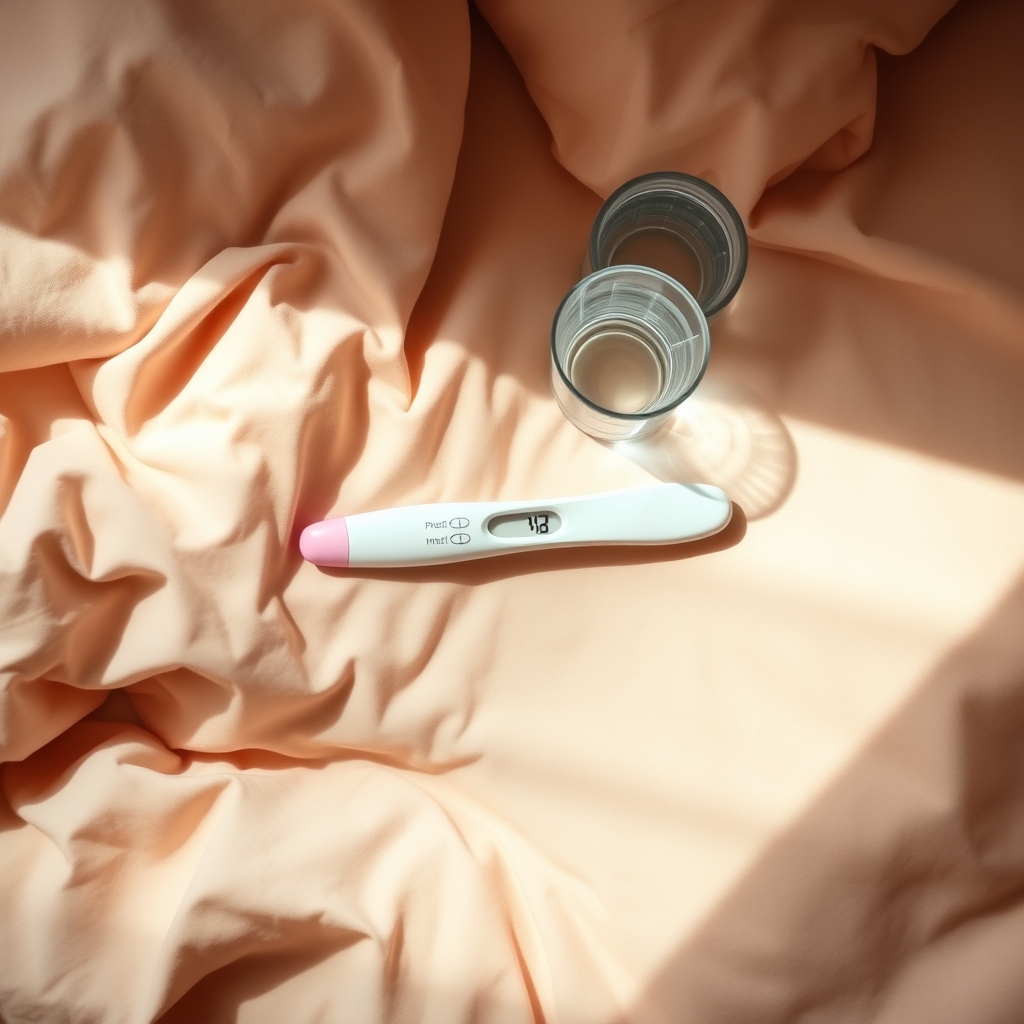
Morning light and a positive test—your first clue that something new is beginning.
How much bleeding is normal in the first trimester?
T
he first trimester (weeks 1‑12) is the most variable period for bleeding. Studies that followed thousands of pregnant people found that up to 20‑30 % reported spotting at some point, but only about 5‑7 % had bleeding heavy enough to require medical evaluation.
In practical terms, “normal” bleeding in the first trimester usually falls into one of these categories:
Bleeding type
Typical volume
Color
Duration
Spotting
One to three small drops (≈ 0.5 ml total)
Pink, brown, or rust
Minutes to a few hours
Light flow
Up to a teaspoon (≈ 5 ml)
Light red to brown
One to two days
Heavy flow (concern)
More than a tablespoon (≈ 15 ml) or clots larger than a pea
Bright red
Persistent > 24 hours
Most clinicians advise that any bleeding that exceeds the “light flow” description, especially if it is bright red, soaking a pad within an hour, or accompanied by clots, should be evaluated promptly. These signs can indicate a subchorionic hemorrhage (a small bleed between the uterine wall and the placenta) or a miscarriage.
While the statistics can offer reassurance, it’s important to remember that every pregnancy is unique. What might be considered “light flow” for one person could feel alarming to another. The key is to pay attention to your body and how the bleeding progresses. For example, a single incident of light pink spotting that quickly stops is very different from persistent light brown discharge that lasts for several days, even if both are technically within the "normal" volume range. Always communicate these details to your healthcare provider, who can offer personalized guidance based on your specific situation.
Is spotting a normal part of early pregnancy?
Yes—spotting is one of the most common early‑pregnancy symptoms. A 2022 ACOG review of 12 000 pregnancies reported that about one in five people noticed spotting before 12 weeks. The majority (≈ 80 %) described it as harmless and resolved without intervention.
Spotting can appear in several contexts:
Implantation spotting: Usually occurs 6‑12 days after ovulation, often before a positive test.
Hormonal spotting: As hCG rises, the uterine lining may become more vascular, leading to minor leaks.
Cervical spotting: Gentle sex or a Pap test can irritate the cervix, causing a few drops of blood.
Because spotting is often painless and not associated with cramping, many people dismiss it. However, keeping a simple diary—date, amount, color, any pain—helps your provider spot patterns that may need attention.
Spotting is often so subtle that you might only notice it when wiping after using the restroom. It's distinct from a menstrual period because it's significantly lighter, doesn't typically require a pad, and doesn't increase in flow. While it can be unsettling to see any blood during pregnancy, remembering that your body is undergoing immense changes can help temper immediate worry. The cervix, in particular, becomes highly sensitive due to increased blood flow, making it prone to light bleeding after activities like intercourse or even vigorous exercise. The key is its limited duration and minimal volume.
What does normal implantation bleeding look like?
Implantation bleeding is a specific type of early spotting that occurs when the blastocyst burrows into the uterine lining. It typically:
Appears 6‑12 days after conception (often before a pregnancy test turns positive).
Is light, lasting a few hours to two days.
Shows a pinkish or brown hue; bright red is less common.
Often mixes with cervical mucus, creating a “spotty” or “sticky” discharge.
Because the volume is so small, many people never notice it. When it does happen, it’s usually a reassuring sign that the embryo has successfully attached. A 2021 systematic review in the Journal of Obstetrics & Gynecology found that implantation bleeding, when reported, did not correlate with higher miscarriage rates.
Many women describe implantation bleeding as being lighter and shorter than a typical period, sometimes just a smudge or faint streak. It doesn't usually involve clots, nor is it accompanied by the heavy cramping often associated with menstruation. If you're trying to conceive, tracking your ovulation and potential implantation window can help you recognize this type of spotting, distinguishing it from an early period. However, since the timing can overlap with when a period would normally be due, it’s understandable to feel confused. A positive pregnancy test remains the most reliable indicator.
When does bleeding typically occur in early pregnancy?
Bleeding in early pregnancy can happen at various stages of the first trimester, and the timing can sometimes offer clues about its cause. While it's most commonly observed around the time of implantation or a missed period, it can also occur later, closer to the first ultrasound appointment.
Weeks 3-4 (Implantation): This is when implantation bleeding typically occurs, around 6-12 days post-conception, often before a positive pregnancy test. It's usually very light and brown or pink.
Weeks 5-8 (Hormonal shifts & cervical changes): As hCG levels rapidly rise and the uterus begins to expand, the cervix becomes more vascular. Light spotting can occur due to these hormonal changes or after activities like intercourse or a pelvic exam.
Weeks 9-12 (Subchorionic hemorrhage or other causes): While less common, some women experience bleeding later in the first trimester due to conditions like a subchorionic hemorrhage or polyps. This might be noticed during routine activities or before a scheduled scan.
The timing is one piece of the puzzle. Always consider the amount, color, and any accompanying symptoms to get a fuller picture. Your provider will use this information to determine if further investigation is needed.
Can I have a normal pregnancy with bleeding at 6 weeks?
Bleeding at six weeks—around the time many first‑trimester scans are scheduled—can be unsettling, but it is not automatically a red flag. At six weeks the embryo is roughly the size of a pea, and the placenta is still forming, making the uterine lining especially delicate.
Research from the Mayo Clinic indicates that among pregnancies with bleeding at six weeks, about 70 % continue to term without complications. The remaining 30 % may experience a miscarriage or develop a subchorionic hemorrhage that resolves on its own.
Key factors that influence outcomes include:
Bleeding amount: Light spotting is far more likely to be benign than a heavy flow.
Presence of pain: Mild cramping is common; severe, worsening cramping may signal trouble.
Ultrasound findings: A single, healthy heartbeat seen on a 6‑week scan is reassuring, even if spotting persists.
If you’re at six weeks and notice spotting, note the characteristics, stay hydrated, and schedule a prenatal appointment. Most providers will order a transvaginal ultrasound to confirm the location of the pregnancy and check for any subchorionic bleed.
At this stage, an ultrasound is crucial. It can confirm whether the pregnancy is located within the uterus, rule out an ectopic pregnancy, and often detect a fetal heartbeat. Seeing a strong heartbeat, even with some bleeding present, is a significant positive indicator. Your provider may also monitor your hCG levels over 48 hours to ensure they are rising appropriately, which provides further reassurance about the viability of the pregnancy. Remember, your medical team is there to help distinguish between normal early pregnancy changes and potential complications.
Is heavy bleeding in early pregnancy a cause for concern?
Heavy bleeding—defined as a flow that soaks a pad in an hour, produces clots larger than a pea, or lasts more than 24 hours—is a clear warning sign. While some heavy bleeds are caused by subchorionic hemorrhage that resolves, others may indicate a miscarriage or an ectopic pregnancy (a pregnancy that develops outside the uterus, most often in a fallopian tube).
According to the Royal College of Obstetricians and Gynaecologists (RCOG), heavy bleeding in the first trimester warrants an urgent evaluation, which typically includes:
A pelvic exam to assess the cervix.
Transvaginal ultrasound to locate the gestational sac and check for fetal heartbeat.
Blood tests measuring hCG levels over 48 hours.
If the ultrasound shows a viable pregnancy but there is a subchorionic bleed, many providers recommend bed rest and close monitoring because most small bleeds resolve on their own. However, if the bleeding is accompanied by severe pain, dizziness, or fainting, emergency care is needed.
Heavy bleeding can also sometimes be a sign of a less common but serious condition called a molar pregnancy, where abnormal tissue grows in the uterus instead of a healthy embryo. While rare, it's another reason why prompt medical evaluation is essential to accurately diagnose the cause of heavy bleeding and ensure you receive the appropriate care. Your provider will conduct a thorough assessment to rule out all potential serious causes and develop a tailored management plan.
How to distinguish between normal and abnormal bleeding in early pregnancy?
Distinguishing “normal” from “abnormal” bleeding hinges on three main dimensions: volume, color, and accompanying symptoms.
Volume: Light spotting (a few drops) is usually benign. Anything that fills a pad within an hour, or that continues for more than a day, should be evaluated.
Color: Pink, brown, or rust‑colored blood suggests older blood, typical of implantation or cervical irritation. Bright red blood indicates fresh bleeding, which may be more concerning.
Symptoms: Cramping is common, but severe lower‑abdominal pain, shoulder pain, fever, or a feeling of “pressure” can signal complications.
Below is a quick reference you can keep on your nightstand:
Feature
Normal
Potentially abnormal
Amount
Spotting, ≤ 2 drops
Heavy flow, > 1 pad/hour
Color
Pink/brown
Bright red
Duration
Minutes‑hours, < 2 days
Persistent > 24 h
Associated pain
Mild cramping
Severe, radiating, or constant pain
Clots
None or very small
Clots > pea‑size
If any of the “potentially abnormal” markers appear, contact your provider right away. Even if the bleed is “normal,” you deserve reassurance and a plan.
It's also helpful to consider the consistency of the bleeding. Normal spotting tends to be intermittent and irregular, while abnormal bleeding, especially from a miscarriage, often becomes more continuous and heavy over time. If you notice a sudden change in any of these characteristics, such as an increase in volume or a shift from brown to bright red, it's a good prompt to reach out to your healthcare team. They can help interpret these signs and guide you on the next steps.
What are the differences between normal bleeding and a miscarriage?
A miscarriage (spontaneous abortion) is the loss of a pregnancy before 20 weeks. Early‑pregnancy bleeding can be part of a miscarriage, but not all bleeding leads to loss. Key differences include:
Bleeding pattern: Miscarriage often begins with heavier bleeding that becomes progressively more intense, sometimes turning into a gush of blood.
Clot size: Large clots (larger than a pea) are more typical of miscarriage.
Pain: Miscarriage is frequently accompanied by sharp, cramp‑like pain that may radiate to the back or thighs.
Pregnancy tissue: The passage of tissue (grayish‑white material) is a hallmark of miscarriage.
Ultrasound findings: No fetal heartbeat or a “empty” gestational sac on ultrasound confirms miscarriage.
Even with these signs, some pregnancies with early bleeding can still result in a healthy baby. A 2020 CDC report showed that 60 % of pregnancies with early bleeding continued to term, underscoring the importance of individualized assessment rather than assumptions.
The emotional impact of differentiating between normal bleeding and a potential miscarriage cannot be overstated. It's a period of intense anxiety, and it's vital to seek compassionate and clear communication from your healthcare provider. They will perform tests like ultrasounds and hCG level checks to provide a definitive diagnosis, helping you understand what's happening and what to expect next, offering support no matter the outcome. Remember, experiencing a miscarriage is not your fault, and support resources are available.
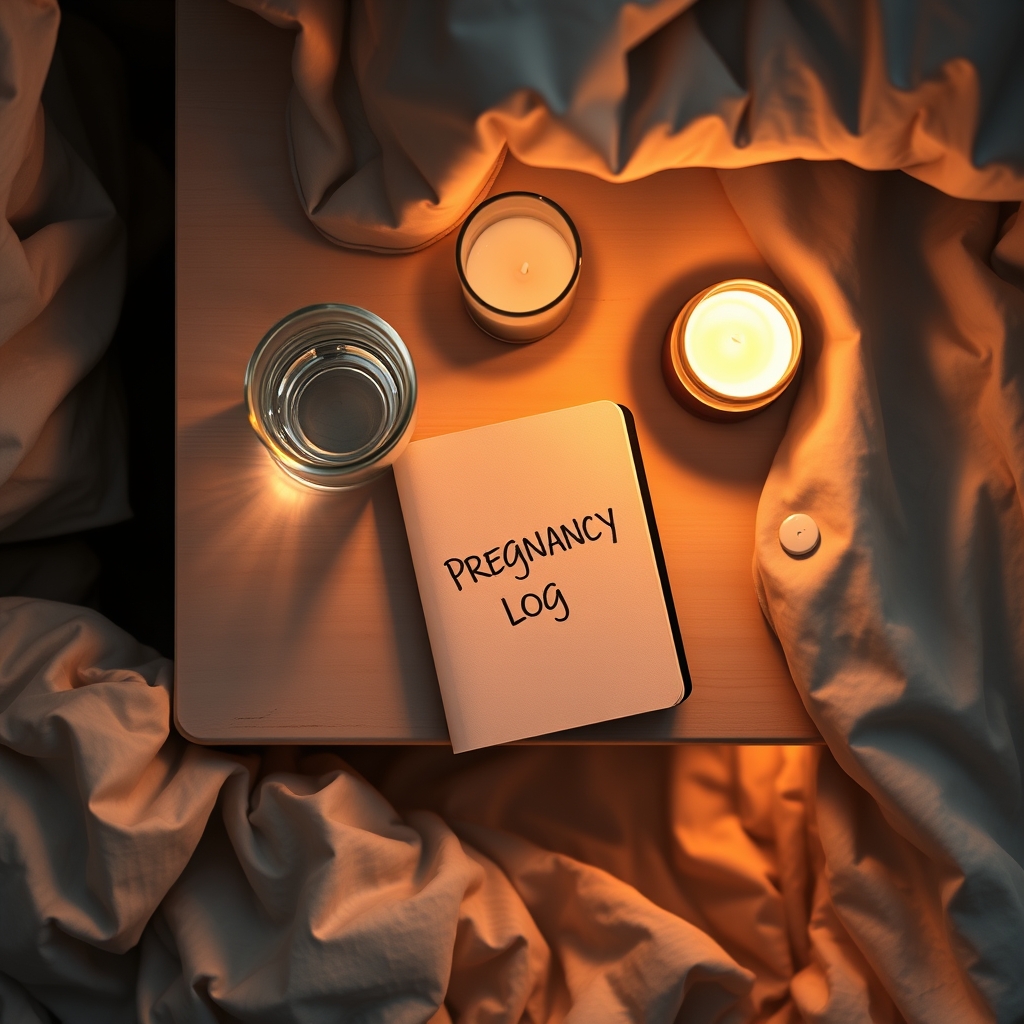
Keeping a simple bleeding log helps you and your provider track patterns.
Specific causes of non-miscarriage bleeding in early pregnancy
While miscarriage is often the first concern with early pregnancy bleeding, several other conditions can cause bleeding without threatening the pregnancy. Understanding these can help ease anxiety and provide context for your provider's diagnosis.
Subchorionic Hemorrhage (SCH): This is a collection of blood between the chorion (outermost fetal membrane) and the uterine wall. It's one of the most common causes of bleeding in the first trimester, affecting 1-3% of pregnancies. SCH can range from small to large and often resolves on its own without intervention. Your provider might recommend rest and monitoring if an SCH is identified via ultrasound.
Cervical Ectropion (Erosion): Sometimes called "cervical erosion," this condition occurs when the delicate glandular cells from inside the cervical canal are present on the outer surface of the cervix. These cells are more fragile and prone to bleeding, especially after intercourse, a pelvic exam, or even straining. It's harmless to the pregnancy but can cause recurrent light spotting.
Cervical Polyps: These are benign (non-cancerous) growths on the cervix that can become irritated and bleed easily due to increased blood flow during pregnancy. They are usually harmless and often left alone during pregnancy unless they are causing significant symptoms.
In all these cases, a thorough examination and ultrasound are essential to differentiate them from more serious causes of bleeding. Your healthcare provider will be able to provide a diagnosis and specific guidance for managing these conditions.
Early pregnancy bleeding and cramping: what’s normal?
Cramping often co‑occurs with bleeding, especially as the uterus expands or the placenta implants. Mild, intermittent cramping—described as a “period‑like” ache—affects up to 70 % of people in the first trimester.
When cramping is mild (1‑2 on a pain‑scale of 10), short‑lived (a few minutes), and not worsening, it is typically benign. However, intense or persistent cramping, especially if it’s sharp, radiates to the shoulder, or is accompanied by dizziness, may signal a subchorionic bleed or miscarriage.
Tips to soothe mild cramping:
Apply a warm (not hot) compress to the lower abdomen.
Stay hydrated; dehydration can aggravate uterine muscle contractions.
Take short walks; gentle movement can reduce tension.
Consider a prenatal vitamin with magnesium, which may help relax muscles (check with your provider).
Many women describe normal early pregnancy cramping as a dull ache or a stretching sensation, often in the lower abdomen or groin. This is your uterus beginning to grow and adapt to its new tenant! It’s different from the sharp, intense, or rhythmic contractions associated with more serious issues. If you’re ever unsure, trust your gut feeling and contact your provider. They can assess your symptoms and offer reassurance or further investigation.
How to stop bleeding during early pregnancy?
There is no proven “stop‑the‑bleed” medication safe for early pregnancy, and self‑medicating can be risky. Instead, focus on supportive measures:
Rest: Reduce physical activity for a day or two. Lying on your left side improves uterine blood flow.
Pelvic support: Wearing a supportive maternity bra and avoiding tight waistbands can lessen pressure on the cervix.
Hydration and nutrition: Drink plenty of water and eat iron‑rich foods (spinach, lentils) to replace any blood loss.
Monitor: Keep a daily log of bleeding amount, color, and any pain. Share this with your provider at the next visit.
If bleeding does not subside within 24 hours, or if it becomes heavier, contact your provider. In rare cases, a small office-based procedure called “cervical cerclage” may be recommended, but only under specialist guidance.
These supportive measures are designed to reduce strain on your body and promote healing, especially if the bleeding is due to a minor irritation or a subchorionic hemorrhage. Avoiding heavy lifting, strenuous exercise, and sexual activity can help prevent further irritation to the cervix and uterus. While these steps won't "stop" bleeding from a more serious cause, they provide comfort and allow you to monitor the situation closely, ensuring you're ready to communicate any changes to your medical team. Always prioritize your comfort and well-being.
Is it normal to bleed after a positive pregnancy test?
Yes—many people notice spotting after confirming pregnancy. A positive test indicates rising hCG, but the uterine lining is still adjusting. Bleeding that begins within a day or two of a positive test, is light, and fades quickly is generally considered normal. However, persistent bleeding beyond a few days should be evaluated to rule out a subchorionic hemorrhage.
The excitement of a positive pregnancy test can quickly turn to worry with the sight of blood. It’s important to remember that this timing often coincides with when a period would typically be due, leading to confusion. Hormonal shifts are significant after conception, and these changes can make the uterine lining more prone to shedding a small amount of blood. If the bleeding is light, brown or pink, and doesn't progress to a heavier flow, it's often just another part of your body adapting to pregnancy.
Bleeding during pregnancy at 5 weeks: what should I expect?
At five weeks, the embryo is still a tiny cluster of cells, and the gestational sac is just forming. Bleeding at this stage is often the first sign that implantation has occurred. It may appear as:
Light spotting that is brownish (old blood) or pink (fresh but minimal).
A single day of light flow, often mistaken for a late period.
Accompanied by mild cramping and a slight increase in basal body temperature.
Most clinicians recommend a urine hCG test at around eight weeks and a transvaginal ultrasound at 6‑8 weeks to confirm a viable pregnancy. If bleeding continues past two weeks or becomes heavier, an ultrasound will help determine if a subchorionic bleed is present.
At five weeks, the embryo is roughly the size of a sesame seed, and it's still very early in development. The uterine lining is undergoing rapid changes to support this new life, which can sometimes lead to minor blood vessel rupture. If you experience bleeding at this stage, your provider may want to confirm the pregnancy's location and viability, potentially through blood tests for hCG and eventually an ultrasound. This early assessment helps ensure everything is progressing as it should, or identifies any issues promptly.
Emotional impact and coping strategies for early pregnancy bleeding
Seeing blood during early pregnancy can be incredibly frightening and emotionally draining. It's common to feel anxious, scared, or even guilty, wondering if you did something wrong. It's crucial to acknowledge these feelings and understand that they are normal reactions to an uncertain situation.
Here are some ways to cope with the emotional toll:
Talk about it: Share your feelings with a trusted partner, friend, family member, or a support group. You don't have to carry this worry alone.
Limit "Dr. Google": While research can be empowering, endless scrolling through forums and conflicting information can increase anxiety. Stick to reputable sources like BumpBites and your healthcare provider.
Practice mindfulness: Gentle meditation, deep breathing exercises, or spending time in nature can help calm a racing mind. Focus on what you can control in the present moment.
Distract yourself: Engage in activities you enjoy that take your mind off the worry, such as reading, watching a movie, or a gentle hobby.
Rest and self-care: Prioritize sleep, eat nourishing foods, and stay hydrated. Taking care of your physical body can positively impact your mental state.
Prepare for appointments: Write down all your questions and observations before talking to your provider. Feeling prepared can give you a sense of control.
Remember, your emotional well-being is just as important as your physical health during pregnancy. Don't hesitate to ask your provider for resources or referrals to mental health professionals if you're struggling to cope.
What to do if you experience heavy bleeding during early pregnancy?
Heavy bleeding can be alarming, but a clear action plan can reduce anxiety and protect health:
Stay calm and sit or lie down. This reduces blood flow to the uterus.
Apply a clean, cool compress to the lower abdomen for 15‑20 minutes.
Use a sanitary pad, not a tampon, to avoid introducing bacteria.
Call your provider immediately. Explain the amount, color, and any pain.
Seek emergency care if you feel faint, have a rapid heartbeat, or pass large clots.
While waiting for care, avoid strenuous activity, heavy lifting, or intercourse. Bring a list of your last menstrual period, any medications, and a sample of the blood (if safe) to aid the clinician.
When you contact your provider or emergency services, be prepared to describe your symptoms in detail: when the bleeding started, its color and consistency, how many pads you’ve soaked, the size of any clots, and the nature and location of any pain. This precise information is crucial for them to quickly assess your situation and advise you on the best course of action, whether it's monitoring at home or coming in for an immediate evaluation.
From our medical team: Light spotting early in pregnancy is usually harmless, but we always encourage you to keep a simple log of any bleeding—date, amount, color, and pain level. Bring that log to your next prenatal visit; it helps your provider spot trends and decide if an ultrasound is needed. If bleeding suddenly worsens, or you develop a fever, sharp pain, or feel dizzy, call or go to the nearest emergency department right away. Your peace of mind matters as much as the pregnancy itself.
Myth vs. fact
Myth: Any bleeding means you’re going to miscarry.
Fact: Light spotting is common and does not automatically indicate miscarriage; only heavy bleeding with clots and pain raises that concern.
Myth: You should avoid all physical activity if you see any blood.
Fact: Gentle activity, like short walks, is usually safe; the key is to avoid strenuous exertion and listen to your body.
Myth: Bleeding always means something is wrong with the placenta.
Fact: Early bleeding often stems from implantation or cervical irritation, not placental problems. Only a detailed ultrasound can assess placental health.
Myth: Stress or anxiety can cause bleeding in early pregnancy.
Fact: While stress can impact your overall health, there's no direct scientific evidence that emotional stress alone causes vaginal bleeding in early pregnancy. However, stress can heighten your perception of symptoms and make you feel more worried, so managing it is still important for your well-being.
Key takeaways
Light spotting (a few drops, pink or brown) is normal for many pregnancies.
Heavy, bright‑red bleeding, clots larger than a pea, or lasting > 24 hours requires prompt medical evaluation.
Track bleeding details—date, amount, color, pain—to help your provider assess risk.
Stay hydrated, rest, and avoid tampons; use pads to keep the area clean.
If you experience severe pain, dizziness, or large clots, call your provider or go to the emergency department.
Most early‑pregnancy bleeds resolve without affecting the outcome; a supportive care plan and reassurance can ease anxiety.
Acknowledge and manage the emotional impact of bleeding; talk to trusted individuals and limit excessive online research.
Frequently asked questions
What are the causes of bleeding during early pregnancy?
Bleeding can result from implantation, cervical irritation, hormonal shifts, subchorionic hemorrhage, or early miscarriage. Light spotting is usually benign, while heavy bleeding may signal a more serious issue.
Is bleeding during pregnancy a sign of a miscarriage?
Not always. Light spotting is common and often harmless, but heavy bleeding with clots, intense pain, or a loss of fetal heartbeat on ultrasound can indicate miscarriage.
Can I still have a healthy baby if I experience bleeding during early pregnancy?
Yes—most studies show that 70‑80 % of pregnancies with early bleeding continue to term. The outcome depends on the amount and cause of the bleeding, not merely its presence.
How long does bleeding during early pregnancy last?
Typical spotting lasts a few hours to two days. If bleeding continues beyond a week or becomes heavier, it warrants medical assessment.
What should I do if I experience bleeding during early pregnancy?
Record the bleed’s details, rest, avoid tampons, and contact your provider—especially if the flow is heavy, bright red, or accompanied by pain.
Is it normal to bleed after a positive pregnancy test?
Yes, many people notice light spotting after a positive test due to implantation. Persistent or heavy bleeding should still be evaluated.
Can stress cause bleeding in early pregnancy?
While stress can affect overall health, there's no direct medical evidence that emotional stress directly causes vaginal bleeding in early pregnancy. Bleeding usually has a physical cause, but stress can exacerbate anxiety around the symptoms.
What is a subchorionic hemorrhage?
A subchorionic hemorrhage is a collection of blood between the uterine wall and the chorion (outer fetal membrane). It's a common cause of bleeding in early pregnancy that usually resolves on its own and often doesn't harm the pregnancy, though it requires monitoring by your provider.
When to call your doctor
If you experience any of the following, seek medical care right away: heavy bleeding that soaks a pad in under an hour, clots larger than a pea, severe or worsening abdominal/cramp pain, faintness, dizziness, fever, or a sudden drop in blood pressure. This information is for educational purposes only and does not replace personalized medical advice from your health care provider.
References
American College of Obstetricians and Gynecologists (ACOG). “Early Pregnancy Bleeding.” Clinical Guidance, 2022.
National Institute for Health and Care Excellence (NICE). “Bleeding in Early Pregnancy.” Guideline NG147, 2021.
Royal College of Obstetricians and Gynaecologists (RCOG). “Management of Early Pregnancy Bleeding.” Green-top Guideline No. 43, 2020.
Mayo Clinic. “Implantation Bleeding: What to Expect.” Patient Education, 2023.
Centers for Disease Control and Prevention (CDC). “Pregnancy Outcomes and Early Bleeding.” Surveillance Report, 2020.
World Health Organization (WHO). “Recommendations for Antenatal Care.” WHO Guidelines, 2022.
Journal of Obstetrics & Gynecology. “Implantation Bleeding and Miscarriage Risk: A Systematic Review.” 2021.
National Health Service (NHS). “Bleeding in Early Pregnancy.” Patient Information, 2022.
American Pregnancy Association. “Subchorionic Hemorrhage.” Patient Information, 2023.
Not sure about the label on How Much Is Normal Bleeding In Early Pregnancy Guide products?
Snap the ingredients list and SafeFilter checks every ingredient for your stage — only 3 free scans this month, then you're locked until reset. Unlimited from $7/mo or $50/yr.
When Shubhra Mishra was expecting her first child in 2016, she was overwhelmed by conflicting food advice — one site said yes, another said never. By the time her second baby arrived in 2019, she realized millions of mothers face the same confusion.
That sparked a five-year journey through clinical nutrition papers, cultural diets, and expert conversations — all leading to BumpBites: a calm, compassionate space where science meets everyday motherhood.
Her long-term vision is to build a global community ensuring safe, supported, and free deliveriesfor every mother — because no woman should face pregnancy alone or uninformed. 🌿
🌍 Stand with mothers, shape safer guidance
Join a small circle of experts who review BumpBites articles so expecting parents everywhere can decide with confidence.