Discover effective, safe ways to get rid of heartburn during pregnancy fast. Learn about dietary changes, lifestyle adjustments, and safe remedies to find quick relief and comfort during your pregnancy journey. Say goodbye to discomfort today!
By Shubhra Mishra — a mom of two who turned her own confusion during pregnancy into BumpBites, a global mission to make food choices clear, safe, and stress-free for every expecting mother. 💛
Check whether any food is safe during pregnancy with the BumpBites Food Safety Checker.
Quick take: Heartburn in pregnancy is incredibly common and often starts in the first trimester, worsening as your baby grows. For fast relief, try immediate steps like standing upright, sipping water, or chewing gum. Adjusting your diet, elevating your head when sleeping, and choosing safe over-the-counter antacids can also offer significant comfort. Always talk to your healthcare provider before starting any new medication or if your symptoms are severe.
You’ve just enjoyed a meal, maybe even a small one, and suddenly that familiar burning sensation creeps up from your stomach, behind your breastbone, and into your throat. If you're pregnant, you're not alone. Heartburn, also known as acid reflux, is one of the most common and uncomfortable symptoms many expecting moms experience, often starting in early pregnancy and getting more intense in the second and third trimesters.
It can feel like a fiery dragon has taken up residence in your chest, making it hard to eat, sleep, and sometimes even breathe comfortably. The good news is that while it's rarely harmful to you or your baby, there are many effective strategies to find relief, both quickly in the moment and for long-term management. We understand you're looking for answers, and fast.
Here at BumpBites, we've gathered the most up-to-date, doctor-reviewed advice to help you understand why pregnancy heartburn happens and, more importantly, how to soothe that burn. Let's dive into practical, science-backed ways to get rid of heartburn and reclaim some comfort during your pregnancy journey.
What are the fastest ways to relieve pregnancy heartburn right now?
When heartburn strikes, you want relief, and you want it *now*. That sudden, searing feeling can be overwhelming, especially if it hits you in the middle of the night or during an important moment. The good news is that several quick fixes can help calm the burn almost immediately, buying you time to implement more long-term strategies.
The primary cause of heartburn in pregnancy is a combination of hormonal changes and physical pressure. Progesterone, the "pregnancy hormone," relaxes muscles throughout your body, including the lower esophageal sphincter (LES) – the valve between your esophagus and stomach. When the LES relaxes, stomach acid can easily flow back up into your esophagus, causing that burning sensation. As your pregnancy progresses, your growing uterus also puts increasing pressure on your stomach, pushing acid upwards. This is why many women find heartburn relief pregnancy third trimester can be particularly challenging, though some experience it as early as the first trimester due to hormonal shifts.
Immediate Actions for Rapid Relief
Stand Up Straight: If you're lying down or slouching, gravity isn't on your side. Standing upright allows gravity to help keep stomach acid where it belongs. If you're sitting, straighten your posture and avoid bending over.
Loosen Tight Clothing: Any pressure on your abdomen can push stomach contents upwards. Unbuttoning your pants or changing into loose, comfortable clothes can provide instant relief.
Small Sips of Water: Drinking a small amount of plain water can help wash acid back down into your stomach and soothe your esophagus. Avoid gulping, as this can introduce air and worsen bloating.
Chew Gum: Chewing gum stimulates saliva production, which is a natural acid buffer. Saliva can help neutralize stomach acid and wash it back down, offering surprisingly quick comfort. Opt for sugar-free gum to protect your teeth.
Eat a Small, Bland Snack: Sometimes, a small amount of food can help absorb stomach acid. Think a few plain crackers, a small piece of banana, or a slice of whole-wheat toast. This isn't about filling up, but about providing a buffer.
Avoid Lying Down: If you've just eaten and heartburn strikes, resist the urge to lie down immediately. Try to stay upright for at least 2-3 hours after meals to give your stomach time to digest.
Many moms tell us the same thing: "I woke up in a panic, feeling like my throat was on fire!" One reader described feeling instant relief just by sitting up in bed and slowly sipping some water she kept on her nightstand. These small, simple actions can make a huge difference in the moment, helping you manage the discomfort without reaching for medication right away.
Understanding what causes heartburn in early pregnancy – mainly those hormonal shifts – means recognizing that it's a normal, albeit unpleasant, part of the process. While these quick fixes won't cure the underlying cause, they can certainly provide welcome immediate comfort.
Staying upright and having a small, bland snack can offer quick relief from that burning sensation.
Are there natural remedies for heartburn during pregnancy that actually work?
When you're pregnant, the idea of using natural solutions can be very appealing, especially if you're trying to minimize medication use. Thankfully, several natural remedies for heartburn during pregnancy have stood the test of time and are generally considered safe and effective, offering relief without medication. It’s important to remember that "natural" doesn't always mean "safe for pregnancy," so always double-check with your provider, but the options below are widely accepted.
Trusted Natural Options
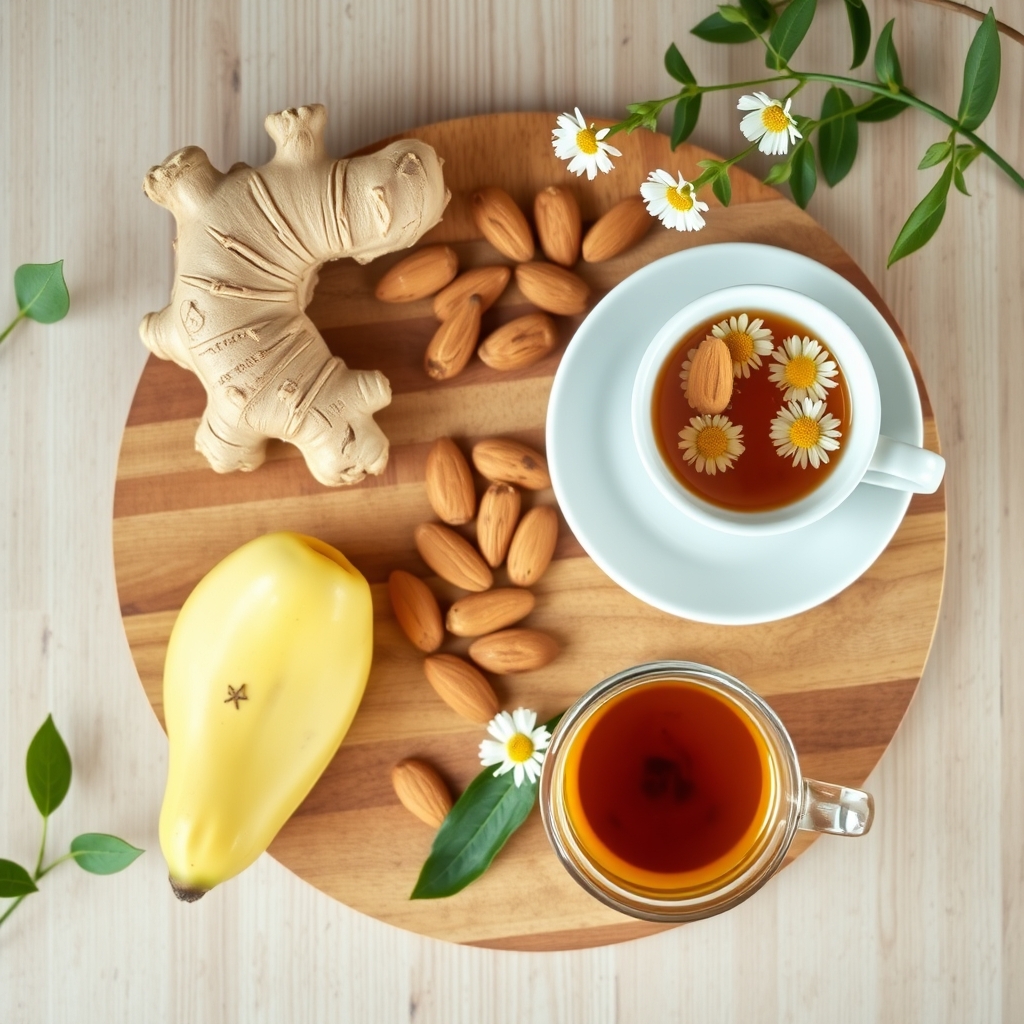
Ginger: This incredible root is a well-known digestive aid and anti-nausea remedy. It can help calm an upset stomach and reduce inflammation.
How to use: Sip on ginger tea (look for caffeine-free varieties), chew on a small piece of fresh ginger, or try ginger lozenges or chews. Aim for small amounts, as too much ginger can sometimes worsen heartburn for some individuals.
Ripe Papaya: Not to be confused with unripe papaya (which can be risky in pregnancy due to papain content), ripe papaya is a fantastic choice. It contains enzymes like papain and chymopapain that aid digestion and can help soothe the stomach.
How to use: Eat small servings of ripe, deep-orange papaya. You can find papaya enzyme tablets specifically formulated for digestion, but check with your doctor before taking any supplements.
Almonds: A handful of raw almonds can sometimes provide quick relief. They are alkaline-forming and can help neutralize stomach acid.
How to use: Chew a small handful (around 10-15) of raw, unsalted almonds thoroughly.
Bananas: This mild, low-acid fruit is often recommended for soothing an irritated digestive tract. They coat the esophageal lining and can help neutralize acid.
How to use: Eat a ripe banana as a snack.
Herbal Teas: Certain herbal teas can be very soothing.
Chamomile Tea: Known for its calming properties, chamomile can also help relax digestive muscles and reduce inflammation.
Fennel Tea: Fennel seeds have long been used to aid digestion and reduce gas and bloating, which can contribute to heartburn.
Licorice Root Tea: While traditionally used for digestive issues, licorice root should be used with caution during pregnancy, as excessive amounts can affect blood pressure. Deglycyrrhizinated licorice (DGL) is a safer option, but still, consult your provider.
Always choose caffeine-free varieties and check with your provider about specific herbal teas, as some are not recommended during pregnancy.
Milk or Yogurt: A small glass of milk or a spoonful of plain yogurt can sometimes temporarily coat the esophagus and neutralize acid. However, for some, dairy can actually trigger heartburn, so pay attention to how your body responds. Low-fat or non-fat options might be better if you choose to try this.
What to be Cautious About
While many natural remedies are helpful, it’s crucial to exercise caution with certain popular suggestions:
Apple Cider Vinegar (ACV): Some people swear by diluted ACV for heartburn, believing it helps balance stomach acid. However, for many pregnant women, ACV can actually worsen symptoms by irritating an already sensitive esophagus. Major medical bodies like ACOG do not recommend ACV for pregnancy heartburn, and we advise against it unless specifically recommended by your healthcare provider.
Baking Soda: While baking soda (sodium bicarbonate) can neutralize acid, it's very high in sodium. Excessive sodium intake during pregnancy isn't advisable, and it can also lead to gas and bloating. It's generally better to avoid baking soda as a regular heartburn remedy.
Peppermint: Although often used for digestive upset, peppermint can sometimes relax the lower esophageal sphincter, making heartburn worse for some individuals. Pay attention to your personal triggers.
The beauty of natural remedies is that they often come with additional health benefits and can be integrated into your daily routine. Experiment with these options to see what works best for you, always prioritizing your comfort and safety.
Which over-the-counter medications are safe for pregnancy heartburn?
Sometimes, natural remedies and lifestyle changes just aren't enough to quell that burning fire. When you need stronger relief, certain over-the-counter (OTC) medications are generally considered safe for use during pregnancy. However, it's absolutely vital to discuss any medication, even OTC options, with your doctor or midwife before you start taking it. They can confirm safety, recommend appropriate dosages, and ensure there are no interactions with other medications you might be taking.
Safe OTC Options
Most healthcare providers recommend starting with antacids, then moving to H2 blockers if antacids aren't sufficient, and finally considering proton pump inhibitors (PPIs) under medical guidance.
1. Antacids
Antacids work by neutralizing stomach acid, providing relatively quick, temporary relief. They are often the first line of defense for occasional heartburn.
Calcium Carbonate and Magnesium Hydroxide: These are the most common and generally safest types of antacids for pregnancy.
Examples: Tums, Rolaids, Maalox, Mylanta.
Benefits: Calcium carbonate also provides a dose of calcium, which is beneficial during pregnancy. Magnesium hydroxide can help with constipation, a common pregnancy complaint.
Important considerations:
Aluminum-containing antacids: Avoid antacids that contain aluminum (e.g., some forms of Maalox or Mylanta) if they are the *only* active ingredient, as aluminum can cause constipation and, in very high doses, may be toxic. However, many combination antacids that include aluminum along with calcium or magnesium are generally considered safe when used as directed. Always check the label.
Sodium bicarbonate: As mentioned in the natural remedies section, antacids containing sodium bicarbonate (like Alka-Seltzer) should generally be avoided due to their high sodium content.
Dosage: Follow the package directions or your doctor's advice. While Tums everyday for heartburn during pregnancy is generally considered safe, excessive use can lead to constipation (from calcium) or diarrhea (from magnesium), so balance is key.
2. H2 Blockers (Histamine-2 Receptor Blockers)
If antacids aren't providing enough relief, your doctor might suggest an H2 blocker. These medications work by reducing the amount of acid your stomach produces. They take a bit longer to work than antacids (typically 30-60 minutes) but provide longer-lasting relief.
Benefits: Effective for more persistent heartburn and can be taken before meals to prevent symptoms.
Important considerations: Generally considered safe in pregnancy, but always consult your provider for dosage and duration.
3. Proton Pump Inhibitors (PPIs)
For severe, persistent heartburn that isn't controlled by antacids or H2 blockers, your doctor might prescribe a PPI. These are the most powerful acid reducers and work by blocking the "pumps" in your stomach that produce acid. PPIs usually take a few days to reach their full effect.
Benefits: Highly effective for chronic heartburn and GERD (gastroesophageal reflux disease).
Important considerations: While generally considered safe for short-term use in pregnancy, PPIs are typically reserved for severe cases and should only be used under the direct supervision and recommendation of your healthcare provider.
OTC Heartburn Medication Comparison
This table summarizes common OTC options and their key features for quick reference, but remember, always consult your doctor.
Reserved for severe, persistent cases. Use only under direct medical supervision.
The bottom line is that you don't have to suffer in silence. There are safe and effective medications available, but your healthcare provider is your best resource for personalized advice.
What foods should I avoid to prevent heartburn while pregnant?
Diet plays a huge role in managing pregnancy heartburn. While individual triggers can vary widely, certain foods and drinks are notorious for causing or worsening heartburn symptoms. The key is to pay attention to your body and identify what foods trigger heartburn in pregnancy for *you*.
Many foods contribute to heartburn by one of two mechanisms: either they relax the lower esophageal sphincter (LES), allowing acid to flow back up, or they increase the amount of acid your stomach produces, or both.
Common Heartburn Triggers to Consider Limiting or Avoiding
Fatty and Fried Foods: These take longer to digest, staying in the stomach for extended periods. This increases the chance of acid reflux and can cause the LES to relax. Think greasy fast food, fried chicken, french fries, and rich sauces.
Spicy Foods: While delicious, spicy ingredients can irritate the lining of your esophagus and stomach, exacerbating that burning sensation. This includes hot peppers, chili powder, and heavily spiced dishes.
Acidic Foods and Drinks: These can directly irritate your esophagus and increase stomach acid.
Citrus Fruits and Juices: Oranges, grapefruits, lemons, and their juices.
Tomatoes and Tomato-Based Products: Marinara sauce, ketchup, salsa, and fresh tomatoes can be major culprits.
Caffeine: Coffee, tea (especially black tea), energy drinks, and some sodas contain caffeine, which can relax the LES and increase stomach acid. Reducing your caffeine intake is often a helpful step.
Chocolate: Sad, but true for many! Chocolate contains compounds like methylxanthines that can relax the LES. It's also often high in fat, which further contributes to heartburn.
Peppermint: While sometimes used for general digestive upset, peppermint can relax the LES, making it easier for stomach acid to escape. This is why many heartburn sufferers find peppermint-flavored items (like gum or candies) problematic.
Carbonated Beverages: The bubbles in sodas, sparkling water, and other fizzy drinks can cause bloating and increase pressure in your stomach, pushing acid upwards.
Onions and Garlic: Especially raw, these can be significant triggers for many people, causing both heartburn and gas.
How to Identify Your Personal Triggers
Since everyone is different, what triggers heartburn in one person might be perfectly fine for another. We recommend keeping a "heartburn diary" for a week or two. Jot down everything you eat and drink, and note when you experience heartburn and how severe it is. Over time, you'll start to see patterns and identify your specific culprits.
For example, one BumpBites reader shared that she could eat spicy food pre-pregnancy without an issue, but during pregnancy, even a mild curry would set off her heartburn. She discovered that by avoiding it, along with her morning coffee, she felt significantly better.
Focus on a balanced diet of whole, unprocessed foods. Lean proteins, plenty of vegetables (especially non-acidic ones like leafy greens, broccoli, carrots), whole grains, and low-acid fruits (like bananas, melons, apples) are generally well-tolerated and provide essential nutrients for your pregnancy.
How can lifestyle changes reduce heartburn symptoms during pregnancy?
Beyond what you eat, *how* you eat and your daily habits can significantly impact your heartburn symptoms. These lifestyle adjustments are often among the most effective non-medicinal strategies for managing heartburn during pregnancy.
Smart Eating Habits
Eat Small, Frequent Meals: Instead of three large meals, try eating 5-6 smaller meals throughout the day. This prevents your stomach from becoming overly full, which reduces pressure on your LES and minimizes the amount of acid produced at any one time. This is especially helpful for heartburn relief pregnancy third trimester when your uterus is at its largest.
Eat Slowly and Chew Thoroughly: Rushing your meals or not chewing properly means your digestive system has to work harder. Take your time, savor your food, and chew until your food is almost liquid before swallowing.
Don't Eat Close to Bedtime: Aim to finish eating at least 2-3 hours before you lie down for sleep or a nap. This gives your stomach ample time to empty and digest, preventing acid from refluxing when you're horizontal.
Stay Hydrated Between Meals: Drink plenty of water throughout the day, but try to avoid drinking large amounts *with* meals. Filling your stomach with liquids and solids simultaneously can increase pressure and lead to reflux. Sip water between meals instead.
Posture and Clothing
Maintain Good Posture While Eating and After: Sit upright while you eat, and remain upright for at least an hour or two afterward. Slouching or bending over can compress your stomach and push acid upwards.
Wear Loose-Fitting Clothing: Tight clothing, especially around your abdomen and waist, puts pressure on your stomach. Opt for maternity wear or comfortable, loose clothes that don't constrict your midsection.
Stress Management
While stress doesn't directly cause heartburn, it can definitely exacerbate digestive symptoms. Pregnancy is a time of many changes and anxieties, and managing stress can have a positive ripple effect on your overall well-being, including your digestion.
Practice Deep Breathing: Simple deep breathing exercises can calm your nervous system and promote relaxation.
Gentle Exercise: Regular, moderate exercise like walking or prenatal yoga can aid digestion and reduce stress. Just avoid exercises that involve bending over or putting pressure on your abdomen.
Mindfulness and Meditation: Even a few minutes of quiet reflection or guided meditation can help reduce stress levels.
Implementing these lifestyle changes might seem like a lot to remember, but even incorporating one or two new habits can make a noticeable difference in how often and how severely you experience heartburn. It's about finding what works for your body and your routine, and building sustainable habits for comfort.
Gentle exercise, like prenatal yoga, can support digestion and help manage stress, reducing heartburn symptoms.
What are the best sleeping positions to avoid heartburn when pregnant?
Heartburn often feels worse at night because lying flat makes it easier for stomach acid to flow back into your esophagus. Finding the right sleeping position can make a significant difference in getting a good night's rest without the fiery interruption.
Optimal Sleeping Strategies
Elevate Your Head and Upper Body: This is arguably the most effective sleeping strategy for preventing nighttime heartburn. Gravity works in your favor when your upper body is elevated, helping to keep stomach acid down.
How to do it: Use a wedge pillow specifically designed for acid reflux, or prop up the head of your bed by placing sturdy blocks (like wooden blocks or bed risers) under the legs of your bed frame. Simply using extra pillows under your head isn't usually enough, as it can just bend your neck and not sufficiently elevate your torso. You need to elevate your entire upper body from the waist up.
Sleep on Your Left Side: While sleeping on your back is generally discouraged in late pregnancy (due to pressure on a major blood vessel, the vena cava), sleeping on your left side is often recommended for pregnant women for several reasons, and it's also beneficial for heartburn.
Why the left side? The esophagus enters the stomach on the right side. When you lie on your left side, the stomach and its contents are positioned below the esophagus, making it harder for acid to reflux upwards. Sleeping on your right side can actually worsen heartburn for some, as it places the stomach higher than the esophagus.
Comfort: A pregnancy pillow can help you maintain this position comfortably throughout the night.
Avoid Lying Flat on Your Back: As mentioned, lying flat on your back is generally not recommended in the second and third trimesters of pregnancy anyway, but it's particularly bad for heartburn as it removes gravity's assistance entirely, allowing acid to flow freely.
One mom shared her frustration: "I tried everything during the day, but as soon as I lay down, the burn would start again!" She found that a combination of a wedge pillow and sleeping on her left side was a game-changer, allowing her to get precious, uninterrupted sleep.
Combine these sleeping positions with the lifestyle changes mentioned earlier – especially avoiding eating close to bedtime – for the best chance at a heartburn-free night. Getting adequate rest is crucial during pregnancy, and managing nighttime heartburn is a big part of that.
When should I be concerned about severe heartburn during pregnancy?
While heartburn is a common and usually benign symptom of pregnancy, there are instances when it could signal something more serious or require medical intervention. It's important to understand the difference between typical pregnancy heartburn and symptoms that warrant a call to your doctor or midwife.
Most standard heartburn (also sometimes called acid reflux pregnancy, though the terms are often used interchangeably) feels like a burning sensation behind the breastbone, sometimes accompanied by a sour taste in the mouth or a feeling of food coming back up. It usually occurs after eating or when lying down and responds to antacids or dietary changes. However, if your symptoms are severe, persistent, or accompanied by other concerning signs, it's time to seek professional medical advice.
Red Flags: When to Call Your Doctor or Midwife
Severe or Unrelenting Pain: If the pain is intense, radiates to your back, neck, or arm, or doesn't improve with usual remedies, it needs to be checked out. This could be more than just heartburn.
Difficulty Swallowing (Dysphagia) or Painful Swallowing (Odynophagia): If you feel like food is getting stuck, or if swallowing becomes painful, it could indicate irritation or damage to your esophagus.
Unexplained Weight Loss: If you're losing weight without trying, especially during pregnancy, it's a cause for concern and needs investigation.
Vomiting Blood or "Coffee Ground" Vomit: Any sign of blood in your vomit (which can look red, black, or like coffee grounds) is an emergency and requires immediate medical attention.
Black, Tarry Stools: This can be a sign of bleeding in the upper digestive tract.
Chest Pain Unrelated to Eating: While heartburn can cause chest pain, if you experience severe chest pain, shortness of breath, dizziness, or sweating, especially if it's not related to meals, seek emergency medical care. These could be signs of a heart condition or other serious issues.
Symptoms Not Responding to Treatment: If you've tried lifestyle changes and safe OTC medications as recommended by your doctor, and your heartburn is still severe and significantly impacting your quality of life, your provider might need to investigate further or prescribe stronger medication.
Heartburn Accompanied by Other Pregnancy Complications: Sometimes, severe upper abdominal pain (epigastric pain) can be a symptom of pre-eclampsia, a serious pregnancy complication characterized by high blood pressure and protein in the urine. If your heartburn-like pain is accompanied by symptoms like severe headache, vision changes, swelling, or sudden weight gain, contact your doctor immediately.
It's also important to distinguish heartburn vs acid reflux pregnancy (they are essentially the same condition, with reflux being the mechanism and heartburn being the symptom) from other pregnancy discomforts, such as gallstones (which can cause severe pain in the upper right abdomen, often after fatty meals) or normal indigestion. Your doctor can help determine the exact cause of your discomfort.
Remember, "can heartburn hurt my baby?" is a common worry, and rest assured, typical heartburn itself does not harm your baby. It's an uncomfortable symptom for *you*. However, if your heartburn is so severe that it prevents you from eating or sleeping properly, it can indirectly affect your well-being, which is why managing it effectively is important. Always err on the side of caution and reach out to your healthcare provider with any concerns.
From our medical team: "Heartburn is incredibly prevalent during pregnancy, affecting up to 80% of expectant mothers. While it's usually harmless, it can be quite distressing. Our priority is to help you manage your symptoms safely and effectively. Don't hesitate to discuss your heartburn with us – there are many strategies, both lifestyle and medical, that we can explore together to bring you relief and ensure your comfort throughout your pregnancy."
Myth vs. fact
Myth vs. Fact: Heartburn in Pregnancy
Myth: Heartburn means your baby will have a lot of hair. Fact: This is a popular old wives' tale! While some studies have shown a correlation between severe heartburn and a baby born with more hair, it's not a cause-and-effect relationship. The likely connection is that higher levels of estrogen, which can cause both heartburn (by relaxing the LES) and potentially influence fetal hair growth, are at play. So, while your baby might have a luscious mane, it's not because you're suffering from heartburn.
Myth: All over-the-counter heartburn medications are safe during pregnancy. Fact: Not all OTC medications are created equal for pregnant women. While many are safe, some contain ingredients like high levels of aluminum or sodium bicarbonate that are best avoided. Always check labels carefully and, most importantly, consult with your doctor or pharmacist before taking any new medication, even if it's over-the-counter.
Myth: You just have to "tough it out" until the baby is born. Fact: Absolutely not! While heartburn is common, you don't have to suffer through it. There are numerous safe and effective strategies, from dietary changes and lifestyle adjustments to appropriate medications, that can provide significant relief. Your comfort and well-being are important during pregnancy, and managing symptoms like heartburn is a key part of that.
Myth: Heartburn is a sign of labor. Fact: Heartburn is not a sign of labor. While it can persist right up until delivery, it's not an indicator that labor is imminent. Labor signs include contractions, water breaking, or the loss of your mucus plug. If you experience severe upper abdominal pain that feels different from your usual heartburn, especially if accompanied by other symptoms like swelling or headache, it could be a sign of pre-eclampsia and warrants immediate medical attention, but it's not a sign of labor itself.
Key takeaways
Heartburn during pregnancy is common and caused by hormonal changes (progesterone relaxing the LES) and physical pressure from your growing uterus.
For immediate relief, try standing upright, sipping water, chewing gum, or wearing loose clothing.
Natural remedies like ginger, ripe papaya, almonds, bananas, and certain herbal teas can be effective for many pregnant women.
Safe over-the-counter medications include calcium/magnesium-based antacids (like Tums) and H2 blockers (like famotidine), but always check with your doctor first.
Identify and avoid personal trigger foods, which often include fatty/fried foods, spicy items, acidic fruits/vegetables, caffeine, and chocolate.
Lifestyle changes like eating small, frequent meals, staying upright after eating, and sleeping on your left side with an elevated head are crucial for prevention.
Contact your doctor if you experience severe pain, difficulty swallowing, vomiting blood, unexplained weight loss, or if your heartburn is accompanied by symptoms like high blood pressure or vision changes.
Many natural options like ginger, bananas, and almonds can help soothe pregnancy heartburn.
Frequently asked questions
Why is heartburn so bad during pregnancy?
Heartburn is particularly bad during pregnancy due to two main factors: hormonal changes and physical pressure. The hormone progesterone relaxes the lower esophageal sphincter (the valve preventing acid reflux), and as your baby grows, the expanding uterus puts increased pressure on your stomach, pushing acid upwards into your esophagus more easily. This combination makes it a very common and often intense symptom.
What helps heartburn during pregnancy instantly?
For instant relief, try standing or sitting upright to let gravity help keep acid down. Sip small amounts of water to wash acid back into your stomach, or chew sugar-free gum to increase saliva, which neutralizes acid. Loosening any tight clothing around your abdomen can also provide immediate comfort by reducing pressure on your stomach.
Can I take Tums everyday for heartburn during pregnancy?
Yes, calcium carbonate antacids like Tums are generally considered safe for daily use during pregnancy, as they also provide beneficial calcium. However, it's important not to exceed the recommended dosage on the package or your doctor's advice. Excessive use can sometimes lead to constipation. Always discuss regular medication use with your healthcare provider to ensure it's appropriate for your individual needs.
What foods trigger heartburn in pregnancy?
Common food triggers for heartburn during pregnancy include fatty and fried foods, spicy dishes, acidic foods (like citrus fruits, tomatoes), caffeine, chocolate, and peppermint. Carbonated beverages, onions, and garlic can also be problematic for many. Keeping a food diary can help you identify your specific triggers, as they vary from person to person.
Does heartburn mean baby has hair?
No, heartburn does not directly mean your baby has hair. This is a common myth. While some studies show a correlation, it's believed to be due to higher levels of certain hormones (like estrogen) during pregnancy, which can both relax the esophageal sphincter (causing heartburn) and influence fetal hair growth. So, while they might coincide, one doesn't cause the other.
When does pregnancy heartburn usually start?
Pregnancy heartburn can start as early as the first trimester due to the initial surge in progesterone, which relaxes the lower esophageal sphincter. For many women, it often worsens in the second and third trimesters as the growing uterus puts more physical pressure on the stomach, pushing acid upwards. It can persist right up until delivery.
When to call your doctor
While heartburn is a common pregnancy symptom, certain signs warrant immediate medical attention. Call your doctor or midwife right away if you experience:
Severe, persistent pain that doesn't improve with remedies.
Difficulty or pain when swallowing.
Unexplained weight loss.
Vomiting blood (which may look red or like "coffee grounds").
Black, tarry stools.
Severe chest pain, especially if accompanied by shortness of breath, dizziness, or sweating, or if it's unrelated to eating.
Heartburn-like pain accompanied by other symptoms of pre-eclampsia (like severe headache, vision changes, sudden swelling, or high blood pressure).
This article is for informational purposes only and is not a substitute for professional medical advice, diagnosis, or treatment. Always seek the advice of your physician or other qualified health provider with any questions you may have regarding a medical condition.
Not sure about the label on How To Get Rid Of Heartburn During Pregnancy Fast Guide products?
Snap the ingredients list and SafeFilter checks every ingredient for your stage — only 3 free scans this month, then you're locked until reset. Unlimited from $7/mo or $50/yr.
When Shubhra Mishra was expecting her first child in 2016, she was overwhelmed by conflicting food advice — one site said yes, another said never. By the time her second baby arrived in 2019, she realized millions of mothers face the same confusion.
That sparked a five-year journey through clinical nutrition papers, cultural diets, and expert conversations — all leading to BumpBites: a calm, compassionate space where science meets everyday motherhood.
Her long-term vision is to build a global community ensuring safe, supported, and free deliveriesfor every mother — because no woman should face pregnancy alone or uninformed. 🌿
🌍 Stand with mothers, shape safer guidance
Join a small circle of experts who review BumpBites articles so expecting parents everywhere can decide with confidence.