Intrauterine Pregnancy What This Diagnosis Means, learn what it entails and how it affects your health, get answers to your questions about this condition
By Shubhra Mishra — a mom of two who turned her own confusion during pregnancy into BumpBites, a global mission to make food choices clear, safe, and stress-free for every expecting mother. 💛
Check whether any food is safe during pregnancy with the BumpBites Food Safety Checker.
Quick take: An intrauterine pregnancy (IUP) means the embryo or fetus is developing inside the uterus, which is the normal location for pregnancy. It is confirmed with ultrasound and rising hCG levels, and for most women it signals a healthy start, though occasional complications can arise. If you’ve just heard the diagnosis, breathe—your care team will guide you through next steps and what to watch for.
It’s 2 a.m., your phone buzzes with a test result, and you’re trying to make sense of the words “intrauterine pregnancy.” The term can feel clinical, but it’s simply the medical way of saying the pregnancy is growing where it should—inside your uterus. Most people who receive this news feel a mix of relief, excitement, and a dash of anxiety about what comes next.
In this article we’ll break down exactly what an intrauterine pregnancy means, how it’s confirmed, the early signs you might notice, how it differs from an ectopic (or tubal) pregnancy, and what risks—if any—are associated. We’ll also cover treatment options, prognosis, and how this diagnosis can affect future fertility. By the end you’ll have a clear roadmap for the weeks ahead and know exactly which questions to ask your provider.
What does an intrauterine pregnancy mean for my health?
An intrauterine pregnancy (IUP) is the medical term for a pregnancy that is located inside the uterine cavity. This is the normal, expected location for a fertilized egg to implant and develop into a fetus. When an ultrasound shows a gestational sac, yolk sac, and fetal pole within the uterus, clinicians can confidently label the pregnancy as intrauterine.
For most women, an IUP signals a healthy start. The uterus provides a protected environment with a rich blood supply, allowing the embryo to receive oxygen and nutrients. The majority of IUPs progress to term without major complications, especially when prenatal care begins early.
However, “normal” does not guarantee that every pregnancy will be complication‑free. Certain factors—such as high maternal age, pre‑existing medical conditions, or a previous ectopic pregnancy—can increase the chance of problems like miscarriage, pre‑eclampsia, or preterm labor. Understanding your personal risk profile helps your care team tailor monitoring and interventions.
Intrauterine pregnancy definition and explanation
Medically, “intra‑uterine” combines “intra” (inside) and “uterine” (relating to the uterus). The diagnosis is made when an embryo implants within the thickened lining (endometrium) of the uterus, as opposed to outside the uterine cavity (e.g., in the fallopian tube). This definition is consistent across guidelines from the American College of Obstetricians and Gynecologists (ACOG) and the UK’s National Health Service (NHS).
Intrauterine pregnancy early signs and symptoms
Early symptoms often overlap with typical early‑pregnancy changes: light spotting (implantation bleeding), mild cramping, breast tenderness, and a subtle rise in basal body temperature. Some women notice a heightened sense of smell or food cravings, while others feel no change at all. These signs are not diagnostic on their own but can clue you in that a pregnancy is progressing.
Intrauterine pregnancy hCG level interpretation
Human chorionic gonadotropin (hCG) is the hormone produced by the placenta after implantation. In a healthy IUP, hCG levels roughly double every 48–72 hours in the first trimester. A single hCG value isn’t enough to confirm location, but a pattern of rapid rise supports an intrauterine gestation. The CDC and WHO both recommend serial hCG testing when the ultrasound is inconclusive.
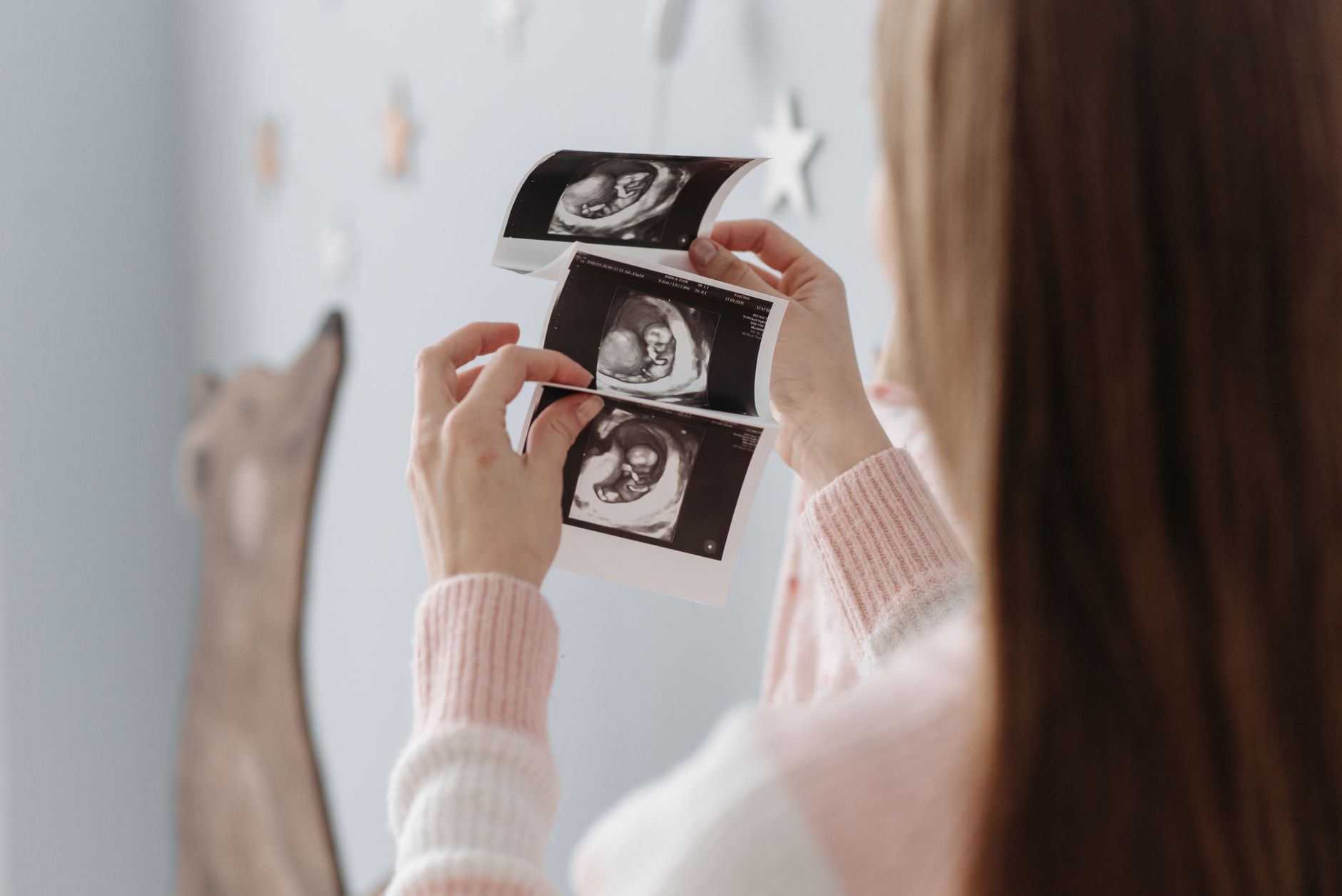
Early‑trimester ultrasound often reveals the gestational sac that confirms an intrauterine pregnancy.
Beyond the hormone, the pattern of hCG rise can hint at the pregnancy’s viability. A plateau or slower increase may signal a non‑viable intrauterine pregnancy or an ectopic location, prompting repeat imaging. Your provider will usually order a second hCG measurement 48 hours after the first if the initial level is low or the ultrasound is equivocal.
How is an intrauterine pregnancy diagnosed with ultrasound?
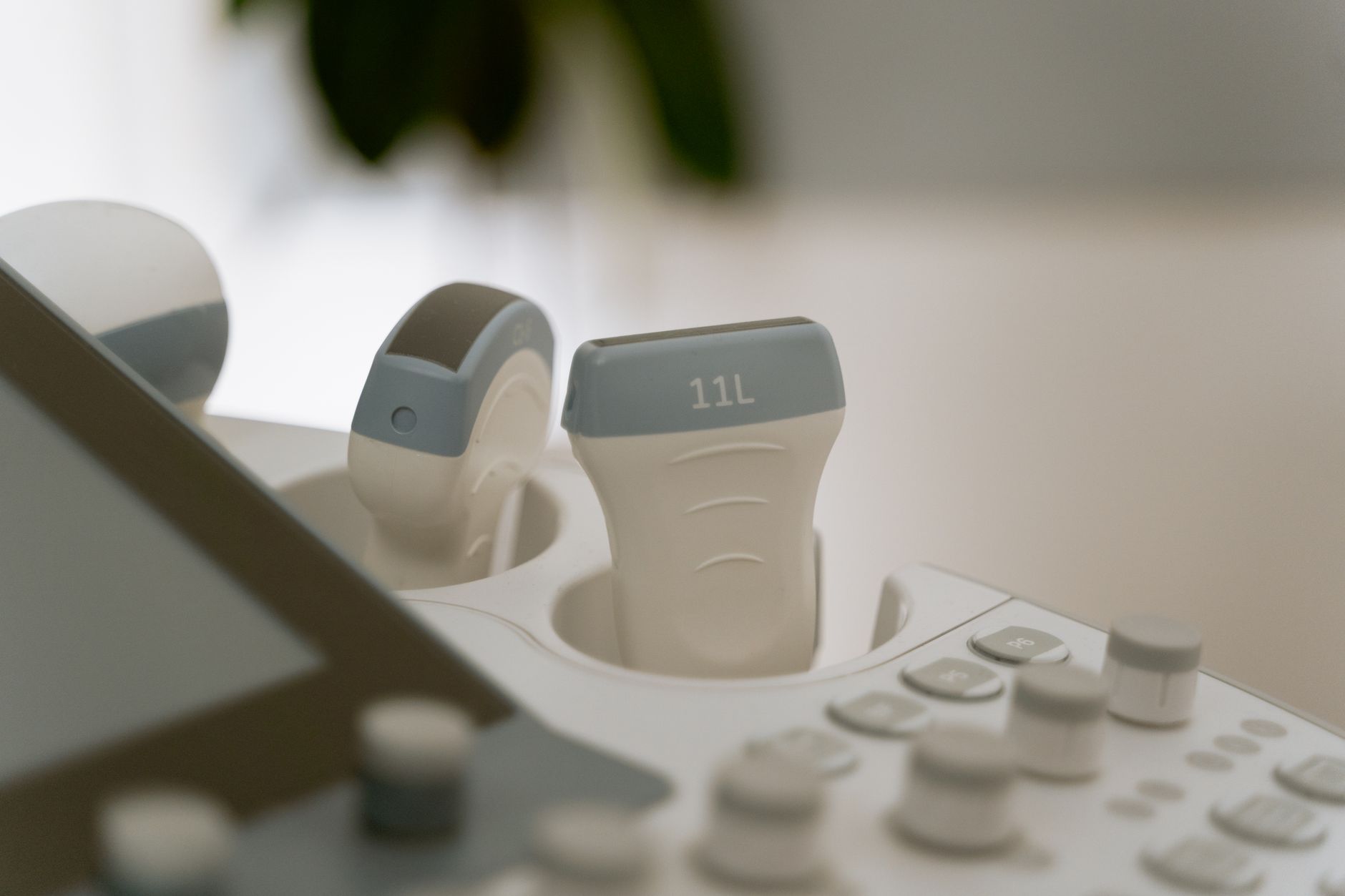
Ultrasound is the gold‑standard tool for confirming an IUP. A transvaginal probe, inserted gently into the vagina, provides high‑resolution images of the uterus as early as 5 weeks gestation. The first hallmark sign is a gestational sac—a fluid‑filled structure within the endometrium.
When the sac reaches about 6–7 mm, a yolk sac (the embryo’s first nutrient source) becomes visible. By 7–8 weeks, a fetal pole and cardiac activity (a tiny “heartbeat”) can be seen. The presence of a fetal heartbeat is the most reassuring indicator of a viable intrauterine pregnancy, according to ACOG.
In some cases—especially after assisted reproductive technologies (ART) like IVF—the embryo may be detected even earlier. The American Society for Reproductive Medicine (ASRM) notes that a “positive” ultrasound finding after IVF correlates with a roughly 40 % chance of an ongoing intrauterine pregnancy.
Ultrasound findings that confirm an intrauterine pregnancy
Key ultrasound criteria for a confirmed IUP include:
Gestational sac within the uterine cavity, not outside the uterine contour.
Yolk sac attached to the inner wall of the gestational sac.
Fetal pole with a crown‑rump length (CRL) consistent with gestational age.
Detectable fetal cardiac activity (usually >100 bpm by 7 weeks).
If any of these structures are absent or if the sac appears irregular, clinicians may suspect an ectopic or a non‑viable pregnancy and order additional testing.
In addition to structural signs, modern ultrasound machines can assess blood flow with Doppler imaging. A robust blood flow signal around the gestational sac further supports a healthy intrauterine environment, while absent flow may raise concern for a non‑viable gestation.
Intrauterine pregnancy vs ectopic pregnancy: key differences
An ectopic pregnancy occurs when the fertilized egg implants outside the uterine cavity, most commonly in a fallopian tube (tubal pregnancy). While an IUP is safe and expected, an ectopic pregnancy can be life‑threatening because the surrounding tissue cannot stretch to accommodate a growing embryo.
Both conditions can present with similar early symptoms—abdominal pain, spotting, and mild cramping—making imaging essential for differentiation. The following table highlights the most important clinical distinctions.
Feature
Intrauterine Pregnancy (IUP)
Ectopic (Tubal) Pregnancy
Location of gestational sac
Inside uterine cavity
Outside uterus (tube, ovary, abdomen)
Ultrasound appearance
Gestational sac, yolk sac, fetal pole, heartbeat
Empty uterus, adnexal mass, “tubal ring” sign
hCG rise
Doubling every 48‑72 hrs
Slower rise or plateau
Typical pain pattern
Mild cramping, often bilateral
Sharp unilateral pain, may radiate to shoulder
Risk of rupture
None
High—can cause internal bleeding
Because an ectopic pregnancy can cause sudden hemorrhage, prompt diagnosis is critical. If you experience severe abdominal pain, faintness, or shoulder pain, seek emergency care immediately.
Differences between intrauterine and tubal pregnancy
Beyond location, management differs dramatically. An IUP is monitored with routine prenatal visits, while an ectopic pregnancy often requires medical (methotrexate) or surgical (laparoscopy) intervention. The overall success rate for treating an ectopic pregnancy is high when identified early, but the condition remains a leading cause of first‑trimester maternal mortality.
Even after treatment of an ectopic pregnancy, many women go on to have successful intrauterine pregnancies. Follow‑up care typically includes a repeat hCG series to confirm complete resolution before attempting another conception.
What are the early symptoms of an intrauterine pregnancy?
Early pregnancy symptoms vary widely. Some women feel nothing until weeks later; others notice subtle changes as soon as implantation occurs. Common early signs include:
Implantation spotting: Light pink or brown discharge lasting a few hours to a couple of days.
Mild cramping: Similar to menstrual cramps, often in the lower abdomen.
Breast changes: Tenderness, swelling, or darkening of the areola.
Fatigue: Hormonal shifts, especially rising progesterone, can cause sleepiness.
Nausea or “morning sickness”: Can start as early as 4–6 weeks.
Increased urination: The growing uterus puts pressure on the bladder.
While these symptoms are common, none alone confirm an intrauterine pregnancy. When they appear together with a positive home pregnancy test, they increase the likelihood that an IUP is developing.
Risk factors for intrauterine pregnancy complications
Even with an early IUP, certain factors raise the chance of complications. Advanced maternal age (≥35 years), a history of miscarriage, uncontrolled diabetes, hypertension, or smoking all increase risk for miscarriage, preterm birth, or placental problems. The NHS cites these as the most common contributors to adverse outcomes.
Psychological stress and poor nutrition can also influence outcomes, though the evidence is less definitive. Maintaining a balanced diet, adequate hydration, and moderate activity can help mitigate some of these risks.
Intrauterine pregnancy after IVF success rates
When IVF is used, the implantation rate per transferred embryo is roughly 30‑45 % according to the CDC’s 2023 ART success report. Successful implantation after IVF is, by definition, an intrauterine pregnancy, and most of these pregnancies progress similarly to naturally conceived IUPs, once confirmed by ultrasound.
Because IVF cycles involve controlled ovarian stimulation, clinicians often monitor hormone levels more closely and schedule an early “confirmatory” scan at 5‑6 weeks to verify that the embryo has implanted within the uterus.
Can an intrauterine pregnancy be dangerous for the mother?
For the vast majority of women, an IUP is not dangerous. The uterus expands dramatically, and the placenta takes over many functions, keeping the mother’s system stable. However, certain complications can arise, and awareness of warning signs is essential.
Potential maternal complications include:
Hyperemesis gravidarum: Severe, persistent vomiting leading to dehydration and electrolyte imbalance.
Preeclampsia: High blood pressure and organ dysfunction after 20 weeks, which can be life‑threatening if untreated.
Placental previa or abruption: Abnormal placental placement or early separation, both of which cause bleeding.
Gestational diabetes: Elevated blood sugar that can affect both mother and baby.
These conditions are monitored closely with routine prenatal visits, blood tests, and occasional repeat ultrasounds. Early detection and management dramatically improve outcomes.
Intrauterine pregnancy miscarriage risk factors
Miscarriage occurs in about 10‑20 % of recognized pregnancies. Risk factors include chromosomal abnormalities (the most common cause), advanced maternal age, previous miscarriage, and certain uterine anomalies. The ACOG notes that lifestyle factors like heavy caffeine intake (>300 mg/day) and smoking also modestly increase risk.
Emotional support and early medical evaluation are key. If a miscarriage is suspected, your provider may perform an ultrasound and repeat hCG testing to determine whether the pregnancy is still viable.
What treatment options are available after an intrauterine pregnancy diagnosis?
Once an IUP is confirmed, treatment typically means “watchful waiting” coupled with standard prenatal care. This includes scheduled visits, blood work, and vitamins. However, specific circumstances may require targeted interventions.
Vitamin D and prenatal supplements: Folic acid (400–800 µg daily) and iron help prevent neural‑tube defects and anemia.
Medication adjustments: If you’re on chronic medications (e.g., thyroid hormone, epilepsy drugs), your provider will fine‑tune doses to keep both mother and fetus safe.
Management of pre‑existing conditions: Hypertension, diabetes, or autoimmune disorders often need tighter control early in pregnancy.
Assisted reproductive technology follow‑up: After IVF, clinicians may monitor hCG more closely and schedule an earlier ultrasound (around 5 weeks) to confirm implantation.
If complications develop—for example, a threatened miscarriage or severe hyperemesis—treatment may involve progesterone supplementation, anti‑emetics, or hospital admission for IV fluids. All interventions follow evidence‑based guidelines from ACOG, NICE, and the WHO.
Management guidelines for intrauterine pregnancy
Standard prenatal care begins with a 10‑week dating scan, followed by a 20‑week anatomy scan. Blood pressure, weight, and urine protein are checked at each visit. The CDC recommends a minimum of eight prenatal visits for a low‑risk pregnancy, while higher‑risk pregnancies may require more frequent monitoring.
Nutrition counseling, mental‑health screening, and discussion of lifestyle habits (smoking, alcohol, caffeine) are also part of routine care. Your provider will tailor the schedule based on your health history and any emerging concerns.
What is the prognosis for an intrauterine pregnancy and future fertility?
When an IUP is confirmed and no complications arise, the prognosis for both mother and baby is excellent. Over 90 % of intrauterine pregnancies result in a live birth when appropriate prenatal care is received. The timeline typically follows established milestones: first‑trimester fetal heartbeat detection, second‑trimester growth checks, and third‑trimester readiness for delivery.
Future fertility is generally unaffected by a single uncomplicated intrauterine pregnancy. However, if a miscarriage occurs or if you required surgical intervention (e.g., dilation & curettage), a brief recovery period (usually 4–6 weeks) is advised before attempting another conception.
Women who have experienced an ectopic pregnancy in the past are counseled to wait at least three months before trying again, because the fallopian tube needs time to heal. In contrast, after a normal IUP, many clinicians say you can try again as soon as you feel physically and emotionally ready.
Impact on future pregnancy planning
Having an IUP does not increase the odds of a future ectopic pregnancy. In fact, the overall risk of ectopic pregnancy in the general population is about 1‑2 %, and prior intrauterine pregnancies are not a risk factor. If you’re planning additional children, continue with regular preconception counseling—especially if you have underlying health conditions.
For couples who used fertility treatments to achieve the IUP, many wonder whether repeat cycles are needed. Studies from the ASRM show that once a successful intrauterine pregnancy occurs, the chance of natural conception in subsequent cycles improves, likely because the underlying reproductive anatomy has proven functional.
Seeing the heartbeat on an early ultrasound often turns anxiety into confidence.
From our medical team: An intrauterine pregnancy is the baseline expectation for a healthy gestation, but every pregnancy is unique. We encourage you to keep a symptom diary, stay on top of scheduled appointments, and bring any new or worsening symptoms to your provider promptly. Early, open communication is the best way to ensure both you and your baby thrive.
When should I have my first prenatal visit after an intrauterine pregnancy diagnosis?
Most providers recommend scheduling your first prenatal appointment within one week of confirming an intrauterine pregnancy. This early visit allows your clinician to review your medical history, begin baseline labs (including blood type, CBC, and infectious disease screening), and discuss lifestyle modifications.
During that visit, you’ll also receive a personalized prenatal schedule, which typically includes a dating scan around 8‑10 weeks, a detailed anatomy scan at 18‑20 weeks, and periodic glucose testing between 24‑28 weeks. If you have risk factors such as hypertension, diabetes, or a prior miscarriage, your provider may add extra visits or earlier testing.
How do early ultrasound measurements help date my pregnancy?
Crown‑rump length (CRL) measured on the first‑trimester ultrasound is the most accurate way to estimate gestational age. A CRL of 5 mm corresponds roughly to 5 weeks of gestation, while a CRL of 20 mm aligns with about 9 weeks. Accurate dating is crucial for timing prenatal screenings, such as the nuchal translucency assessment for chromosomal anomalies.
Because menstrual cycle length can vary, many women discover that their due date shifts after the early scan. This is normal and helps your care team plan appropriate timing for growth ultrasounds and delivery planning.
Safe activities and travel during the first trimester of an intrauterine pregnancy
Most low‑impact activities—like walking, swimming, and prenatal yoga—are safe and even beneficial in early pregnancy. Exercise can reduce back pain, improve mood, and support cardiovascular health. The American College of Obstetricians and Gynecologists (ACOG) advises pregnant people to aim for at least 150 minutes of moderate‑intensity aerobic activity per week, unless contraindicated.
Travel is generally safe in the first trimester, but there are a few considerations. Long flights can increase the risk of deep‑vein thrombosis, so it’s wise to move your legs every hour and stay hydrated. If you’re traveling to a region with limited medical facilities, bring a copy of your prenatal records and know the nearest hospital’s location.
Always discuss any planned adventure—whether it’s a hiking trek or a beach vacation—with your provider, especially if you have a history of miscarriage or a high‑risk pregnancy.
Simple, nutrient‑dense snacks support early fetal development and keep you energized.
Myth vs. fact
Myth: An intrauterine pregnancy guarantees a completely risk‑free pregnancy.
Fact: While an IUP is the normal location, it does not eliminate the possibility of complications such as miscarriage, preeclampsia, or gestational diabetes. Regular prenatal care helps catch and manage these issues early.
Myth: If you have an intrauterine pregnancy, you can’t have an ectopic pregnancy at the same time.
Fact: Rarely, a “heterotopic” pregnancy can occur, where one embryo implants intrauterinely and another implants ectopically. This condition is more common after IVF but still very uncommon (≈1 in 30,000 pregnancies). Prompt ultrasound evaluation is essential if symptoms are atypical.
Myth: High caffeine intake always causes miscarriage.
Fact: Moderate caffeine (up to 200 mg per day, about one 12‑oz coffee) is considered safe by the FDA and ACOG. Excessive consumption (>300 mg) may increase risk, but the evidence is not conclusive. Discuss your caffeine habits with your provider.
Key takeaways
An intrauterine pregnancy means the embryo is developing inside the uterus, the normal and safest location.
Confirmation relies on a transvaginal ultrasound showing a gestational sac, yolk sac, and fetal heartbeat, plus rising hCG levels.
Early symptoms—light spotting, cramping, breast tenderness—are common but not definitive without imaging.
Differences from ectopic pregnancy include location, ultrasound appearance, hCG trends, and risk of rupture.
Most IUPs progress without serious issues; regular prenatal visits, vitamin supplementation, and monitoring for hypertension or diabetes are key.
Future fertility is usually unaffected; plan any subsequent conception after a short recovery if you experience a miscarriage or surgery.
Schedule your first prenatal appointment within a week of diagnosis, and use early ultrasound measurements to accurately date your pregnancy.
Safe, moderate exercise and mindful travel can be part of a healthy first trimester, but always check with your provider if you have specific risk factors.
Frequently asked questions
What is an intrauterine pregnancy?
An intrauterine pregnancy (IUP) is a pregnancy where the fertilized egg implants inside the uterine cavity, the normal site for fetal development. It is confirmed by ultrasound and a rising hCG pattern.
How is an intrauterine pregnancy confirmed?
Confirmation typically involves a transvaginal ultrasound that visualizes a gestational sac, yolk sac, and fetal pole with a heartbeat, along with serial hCG levels that double every 48‑72 hours.
What are the signs of an intrauterine pregnancy?
Early signs may include light spotting, mild cramping, breast tenderness, fatigue, nausea, and frequent urination. These symptoms are not diagnostic on their own but often accompany a growing IUP.
Is an intrauterine pregnancy always safe?
Most IUPs are safe and lead to healthy births, but complications such as miscarriage, preeclampsia, or gestational diabetes can still occur. Regular prenatal care helps detect and manage these risks early.
What should I do after being told I have an intrauterine pregnancy?
Schedule a prenatal appointment promptly, begin prenatal vitamins with folic acid, avoid smoking and excessive caffeine, and discuss any medications with your provider. Follow‑up ultrasounds will track growth and confirm viability.
Can an intrauterine pregnancy become ectopic?
Once an embryo implants in the uterus, it cannot become ectopic. However, a rare heterotopic pregnancy can involve simultaneous intrauterine and ectopic implants, most often after IVF. If you develop new unilateral pain, seek medical evaluation.
Can I exercise safely with an intrauterine pregnancy?
Yes—moderate, low‑impact exercise such as walking, swimming, or prenatal yoga is generally safe and recommended by ACOG. Avoid activities with a high risk of falling or abdominal trauma, and listen to your body’s signals.
Is it normal to have cramping after a positive pregnancy test?
Mild cramping can be normal and may result from uterine expansion or implantation. If the cramping is sharp, persistent, or accompanied by heavy bleeding, contact your provider right away.
When to call your doctor
If you experience any of the following, contact your obstetrician, midwife, or go to the nearest emergency department immediately: severe abdominal or pelvic pain, heavy vaginal bleeding, faintness or dizziness, sudden shoulder pain, high fever, or signs of preeclampsia (severe headache, vision changes, swelling). This article is for informational purposes only and does not replace personalized medical advice.
References
American College of Obstetricians and Gynecologists (ACOG). “Management of Early Pregnancy.” 2023 clinical guidance.
National Health Service (NHS). “Early Pregnancy: Symptoms and Care.” Updated 2024.
Centers for Disease Control and Prevention (CDC). “Assisted Reproductive Technology Success Rates.” 2023 report.
World Health Organization (WHO). “Guidelines on Antenatal Care for a Positive Pregnancy Experience.” 2022.
American Society for Reproductive Medicine (ASRM). “IVF Success and Pregnancy Rates.” 2023 data summary.
Mayo Clinic. “Ectopic Pregnancy.” Review of clinical presentation and diagnosis. 2024.
National Institute for Health and Care Excellence (NICE). “Preeclampsia: Diagnosis and Management.” 2023 guideline.
U.S. Food and Drug Administration (FDA). “Caffeine and Pregnancy.” Consumer health information. 2022.
American College of Obstetricians and Gynecologists (ACOG). “Physical Activity and Exercise During Pregnancy.” 2022 clinical bulletin.
Centers for Disease Control and Prevention (CDC). “Prenatal Care Guidelines.” 2024 update.
Not sure about the label on Intrauterine Pregnancy What This Diagnosis Means products?
Snap the ingredients list and SafeFilter checks every ingredient for your stage — only 3 free scans this month, then you're locked until reset. Unlimited from $7/mo or $50/yr.
When Shubhra Mishra was expecting her first child in 2016, she was overwhelmed by conflicting food advice — one site said yes, another said never. By the time her second baby arrived in 2019, she realized millions of mothers face the same confusion.
That sparked a five-year journey through clinical nutrition papers, cultural diets, and expert conversations — all leading to BumpBites: a calm, compassionate space where science meets everyday motherhood.
Her long-term vision is to build a global community ensuring safe, supported, and free deliveriesfor every mother — because no woman should face pregnancy alone or uninformed. 🌿
🌍 Stand with mothers, shape safer guidance
Join a small circle of experts who review BumpBites articles so expecting parents everywhere can decide with confidence.