A balanced iron diet in pregnancy supports healthy blood volume and fetal growth; learn the essential foods and supplements that deliver daily needed iron.
By Shubhra Mishra — a mom of two who turned her own confusion during pregnancy into BumpBites, a global mission to make food choices clear, safe, and stress-free for every expecting mother. 💛
Check whether any food is safe during pregnancy with the BumpBites Food Safety Checker.
Quick take: An iron‑rich diet is essential for a healthy pregnancy. Aim for 27 mg of iron daily, focus on heme sources like lean meat and fortified grains, pair non‑heme foods with vitamin C, and consider a supplement only after talking with your provider. Most women can meet their needs through food, but a well‑chosen supplement can fill any gap safely.
It’s 2 a.m., you’re curled up on the couch, a half‑finished pregnancy book on your lap, and you’ve just realized the spinach salad you ate for dinner didn’t feel as “iron‑packed” as the cravings suggested. You scroll, you wonder: “Am I getting enough iron?” You’re not alone. Many expectant parents worry about iron because the nutrient fuels the blood volume that supports both you and your growing baby.
Below is a practical, evidence‑based guide that walks you through everything you need to know about building an iron‑rich diet during pregnancy—from the foods that pack the most iron, to how to boost absorption, to safe supplement practices. We’ll also answer the most common questions that pop up in prenatal appointments, so you can feel confident that you and your baby are getting the iron you need.
Read on for a week‑long meal plan, cooking tips, and a clear roadmap for talking with your provider about iron‑related concerns.
What are the best iron‑rich foods for pregnant women?
When you look at a grocery list, the foods that top the iron charts are surprisingly diverse. Here are the most reliable sources, grouped by category, with typical iron amounts per standard serving:
Lean red meat (beef, lamb) – 2.7 mg per 3‑oz cooked serving
Chicken and turkey (dark meat) – 1.1 mg per 3‑oz serving
Organ meats (liver) – 5.0 mg per 3‑oz serving (use sparingly because of vitamin A)
Seafood (clams, oysters, mussels) – 3.0–4.5 mg per 3‑oz serving
Legumes (lentils, chickpeas, black beans) – 2.5 mg per ½‑cup cooked
Fortified cereals and grains – 4.5–18 mg per cup, depending on brand
Leafy greens (spinach, kale, collard greens) – 0.8 mg per cup cooked
Tofu (calcium‑set) – 3.0 mg per ½‑cup
Nuts and seeds (pumpkin, sesame) – 1.5 mg per ounce
These numbers come from USDA FoodData Central and are echoed in ACOG’s nutrition guidelines. Prioritising heme iron (the type found in animal foods) is especially helpful because it’s absorbed up to 20 % more efficiently than non‑heme iron.
Seasonal produce can also help you stay on budget. For example, frozen peas and canned beans retain most of their iron and are often cheaper than fresh cuts. When buying meat, look for sales on lean cuts and freeze portions for later use; a well‑planned freezer inventory keeps you stocked with iron‑dense options without breaking the bank.
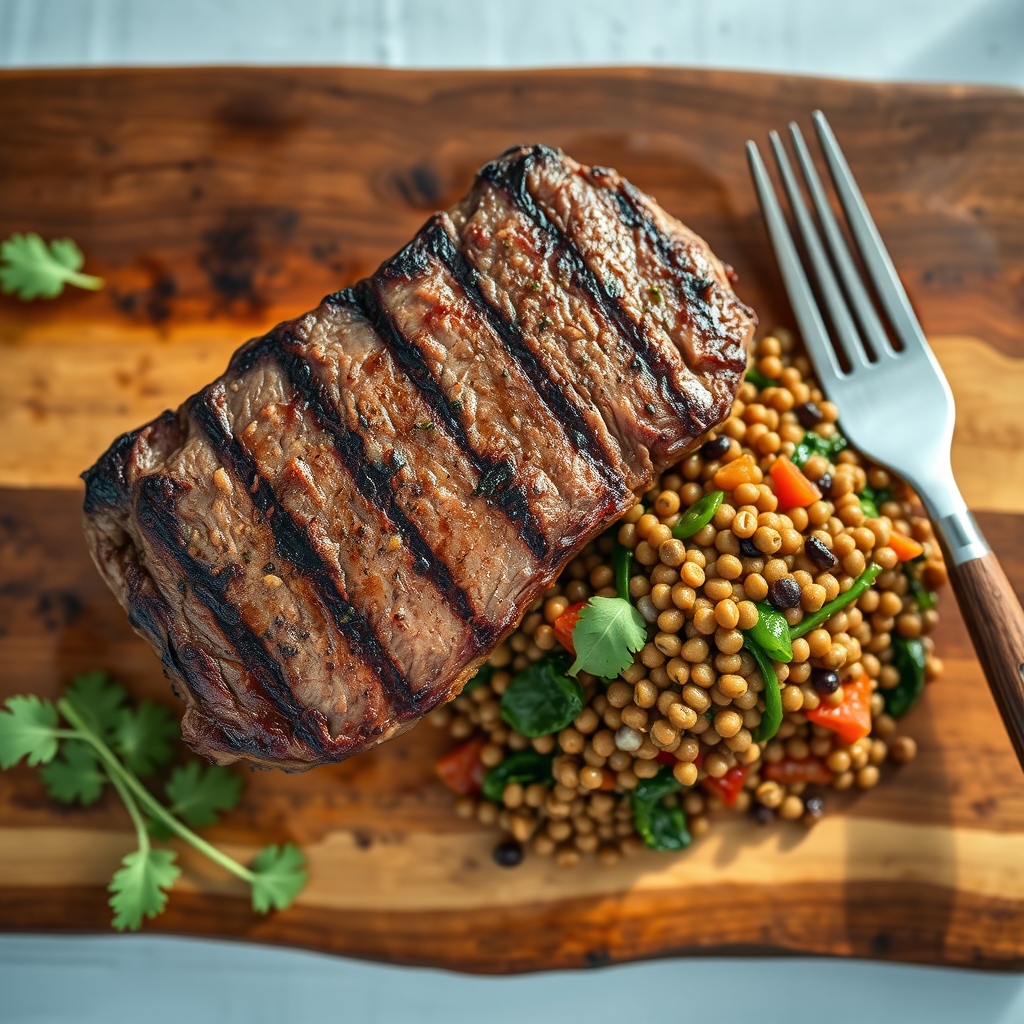
Combine heme and non‑heme sources on one plate for balanced iron intake.
How much iron do I need during pregnancy?
T
he recommended dietary allowance (RDA) for iron rises sharply once you conceive. According to the National Institutes of Health (NIH) and the UK’s NHS:
First trimester: 27 mg per day (same as the non‑pregnant adult female RDA, because iron stores are still being tapped).
Second trimester: 27 mg per day (the peak requirement as maternal blood volume expands).
Third trimester: 27 mg per day (maintained to support rapid fetal growth and placenta development).
These values are consistent across ACOG, WHO, and NICE guidelines. If you have a diagnosed iron deficiency, your provider may temporarily prescribe a higher dose, but that should always be monitored with blood tests.
Women carrying twins or multiples often need a little extra iron because their blood volume expands even more dramatically. The ACOG Committee Opinion on multiple gestations suggests that clinicians monitor ferritin more closely and may recommend a modestly higher supplement dose, but the baseline 27 mg target remains the reference point.
Are iron supplements safe for the first trimester?
Iron supplementation in early pregnancy is generally considered safe, but the key is “under medical supervision.” The American College of Obstetricians and Gynecologists (ACOG) notes that most prenatal vitamins contain 30–60 mg of elemental iron, which is within the safe range for most women. However, excess iron can cause gastrointestinal upset and, rarely, oxidative stress on the placenta.
In practice, many clinicians start a low‑dose supplement (e.g., 30 mg) only if your hemoglobin falls below 11 g/dL or if you have documented iron deficiency anemia. The supplement is usually taken with food to minimise nausea, and the timing (morning vs. evening) is adjusted based on personal tolerance.
For those who experience persistent stomach irritation, iron bisglycinate (often marketed as “Gentle Iron”) is a chelated form that is less likely to cause constipation. Even with gentler formulations, regular bloodwork is essential to avoid hidden overload.
What vegetarian iron sources are best during pregnancy?
Vegetarian and vegan diets can meet iron needs, but they rely entirely on non‑heme iron, which is less readily absorbed. Pairing these foods with vitamin C boosts absorption dramatically—by up to 2‑fold.
Top plant‑based iron foods include:
Lentils and split peas – 3 mg per cup cooked
Chickpeas & black beans – 2.5 mg per cup cooked
Quinoa – 2.8 mg per cup cooked
Fortified oatmeal – up to 12 mg per serving (check label)
Pumpkin seeds – 2.5 mg per ounce
Dark leafy greens (Swiss chard, beet greens) – 0.7 mg per cup cooked
Combine these with a source of vitamin C—think citrus wedges, strawberries, bell peppers, or a splash of orange juice—to maximise uptake. For example, a lentil soup finished with a squeeze of lemon can provide more usable iron than the same soup without acid.
Phytates in whole grains and legumes can inhibit iron absorption. Soaking beans overnight, discarding the soaking water, and cooking them in fresh water can reduce phytate content by up to 30 %, making the iron more bioavailable.
What are the signs of iron deficiency in pregnancy?
Iron deficiency can be subtle, especially early on. Typical symptoms include:
Unexplained fatigue or weakness
Shortness of breath on mild exertion
Pale skin, especially on the inner eyelids
Headaches or dizziness
Cold hands and feet
Cravings for ice, dirt, or starch (known as pica)
If you notice any of these, especially persistent fatigue, ask your provider for a complete blood count (CBC). A hemoglobin level below 11 g/dL in the first trimester, or below 10.5 g/dL later, signals anemia that may need treatment.
Beyond hemoglobin, clinicians look at ferritin—a storage protein. Ferritin below 30 ng/mL typically indicates depleted iron stores, even if hemoglobin is still normal. This early marker helps providers intervene before anemia becomes symptomatic.
How can I increase iron absorption with my pregnancy diet?
Beyond pairing iron with vitamin C, there are a few practical tricks:
Cook in cast‑iron cookware. Research from the University of Toronto shows that cooking acidic foods (tomato sauce, chili) in a cast‑iron skillet can add 2–3 mg of iron per serving.
Avoid calcium at the same meal. Calcium competes with iron for absorption. Keep calcium‑rich foods (milk, cheese) or supplements at least two hours apart from iron‑rich meals.
Limit coffee and tea. Polyphenols in coffee and tea bind iron. ACOG advises waiting 1 hour after an iron‑rich meal before drinking these beverages.
Include a modest amount of meat or fish. Even a small serving of chicken or fish can trigger the “meat factor,” improving non‑heme iron uptake by 30 %.
These steps are simple to incorporate and can make a noticeable difference in how much iron your body actually uses.
Which iron‑rich snacks are good for pregnant women?
When cravings strike between meals, reach for snacks that combine iron with vitamin C or a little protein. Here are five ideas that are quick, portable, and pregnancy‑friendly:
Trail mix with pumpkin seeds, dried apricots, and a few dark chocolate chips (vitamin C from apricots).
Whole‑grain toast topped with mashed avocado and a sprinkle of hemp seeds.
Greek yogurt parfait layered with fortified cereal and fresh strawberries.
Hummus with red‑bell‑pepper strips and whole‑grain crackers.
Hard‑boiled egg and a slice of orange.
These snacks deliver 2–5 mg of iron each, helping you stay on track without feeling hungry.
What’s the difference between heme and non‑heme iron in pregnancy?
Understanding the two forms of iron is key to planning meals that maximize absorption.
Because heme iron is absorbed more efficiently, including even a modest amount of animal protein each day can raise overall iron status, especially for those who rely heavily on plant sources.
How much iron should I take in the second trimester, and when is the best time of day?
For most pregnant people, the second trimester continues to require 27 mg of iron daily. If you’re using a prenatal vitamin that already contains 30 mg, you’re likely covered. If you need an extra supplement, the standard dose is 30–60 mg of elemental iron.
Timing matters for tolerance and absorption. Most clinicians recommend taking iron on an empty stomach (30 minutes before breakfast) to maximise uptake, but that can cause nausea for some. A practical compromise is to take the supplement with a small amount of food that is low in calcium and polyphenols—think a slice of toast with jam, or a banana. Evening doses are acceptable if they don’t interfere with sleep; just avoid taking iron within two hours of a calcium‑rich dinner.
Can I combine vitamin C with iron supplements while pregnant?
Yes, and it’s actually encouraged. A 500 mg dose of vitamin C (approximately one orange or a half‑cup of strawberries) can boost iron absorption by up to 2‑fold. Some prenatal formulas already include vitamin C for this reason. If you’re taking a separate iron tablet, consider pairing it with a small glass of orange juice or a vitamin‑C‑rich snack.
What are the signs of too much iron during pregnancy?
Iron overload is rare in pregnancy, but excessive supplementation can cause:
Severe constipation or dark‑black stools
Abdominal pain or nausea that doesn’t improve with food
Joint pain or unexplained swelling
Elevated serum ferritin (>300 ng/mL) on lab testing
If you experience any of these, especially gastrointestinal distress that persists, contact your provider. They may adjust the dose or switch you to a gentler formulation such as iron polysaccharide.
Iron‑rich meal plan for a week of pregnancy nutrition
Below is a sample seven‑day menu that hits the 27 mg daily target without relying on a single large supplement. Portions are based on typical adult servings; adjust for personal hunger cues.
Monday: Breakfast – fortified oatmeal (12 mg) with sliced kiwi (vit C). Lunch – grilled chicken salad with spinach and orange segments (3 mg + vitamin C). Dinner – lentil stew cooked in a cast‑iron pot with carrots and tomatoes (4 mg). Snack – pumpkin‑seed trail mix (2 mg).
Tuesday: Breakfast – whole‑grain toast, scrambled eggs, and a glass of orange juice (2 mg + vitamin C). Lunch – quinoa bowl with black beans, roasted red pepper, and avocado (5 mg). Dinner – baked salmon (2.5 mg) with steamed broccoli. Snack – Greek yogurt with fortified cereal (6 mg).
Wednesday: Breakfast – smoothie with spinach, banana, and fortified soy milk (4 mg). Lunch – turkey wrap with lettuce and bell pepper (2 mg). Dinner – beef stir‑fry with bell peppers, served over brown rice (3 mg). Snack – dried apricots and a handful of almonds (1.5 mg).
Thursday: Breakfast – fortified cereal with milk (8 mg). Lunch – chickpea salad with tomatoes, cucumber, and lemon dressing (3 mg + vitamin C). Dinner – pork tenderloin (3 mg) with sweet potato mash. Snack – pumpkin seeds (2 mg).
Friday: Breakfast – chia‑seed pudding made with fortified almond milk (5 mg). Lunch – sardines on whole‑grain crackers with a side of coleslaw (2 mg). Dinner – tofu stir‑fry with bok choy and orange sauce (3 mg + vitamin C). Snack – cheese stick (low iron, but good calcium – keep separate from iron meals).
Saturday: Breakfast – eggs benedict on whole‑grain English muffin, side of sautéed kale (2 mg). Lunch – beef and barley soup cooked in cast‑iron pot (4 mg). Dinner – grilled shrimp (2 mg) with quinoa salad and lime (vit C). Snack – dark chocolate (small amount of iron, 0.5 mg).
Sunday: Breakfast – smoothie bowl with fortified oatmeal, berries, and a drizzle of honey (6 mg). Lunch – lentil and beet salad with feta (3 mg). Dinner – roasted chicken thighs (2 mg) with roasted Brussels sprouts. Snack – a small orange and a handful of walnuts (1 mg).
This plan provides an average of 27–30 mg of iron per day, while also delivering vitamin C at each meal to aid absorption. Feel free to swap proteins or plant sources based on preferences or dietary restrictions.
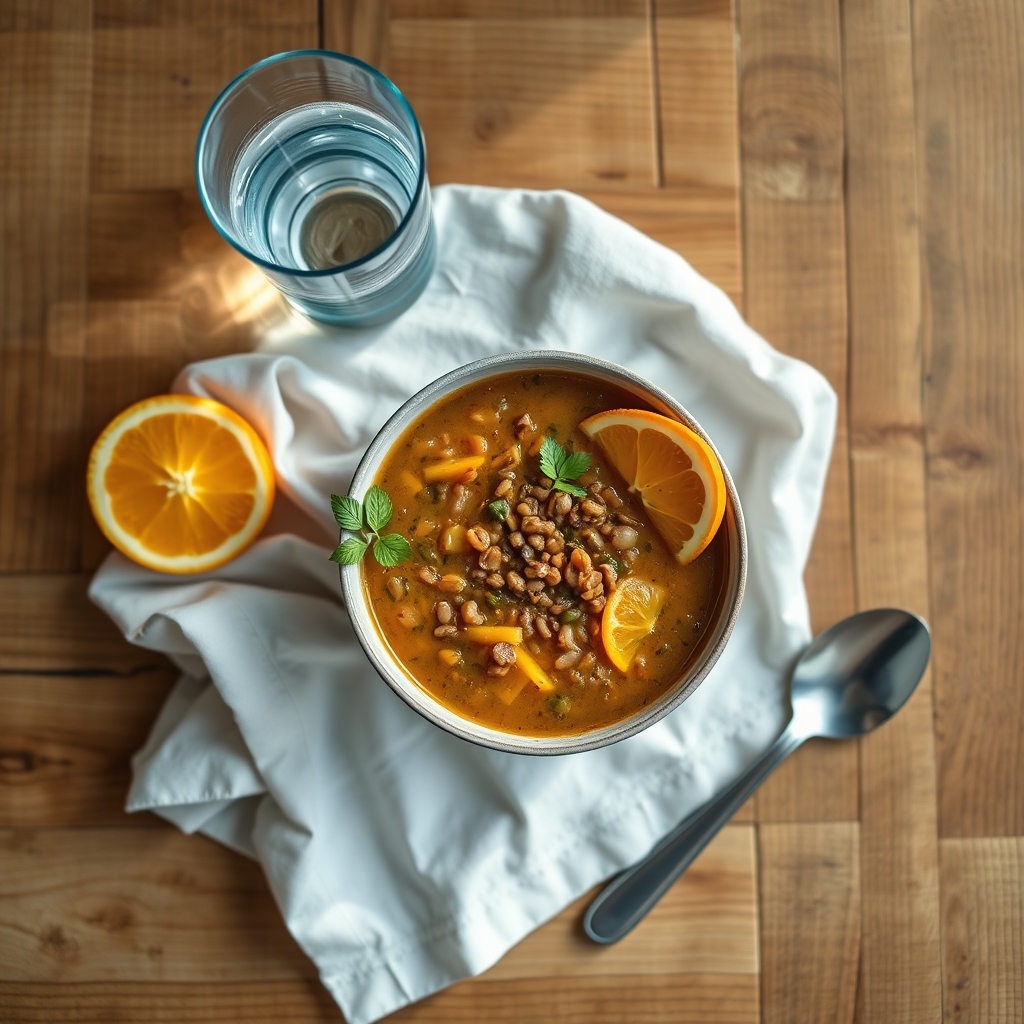
One of the week’s meals combines lentils (non‑heme iron) with orange (vitamin C) for optimal absorption.
Iron tablets side effects and how to manage them
Common side effects of oral iron include constipation, dark stools, nausea, and occasional stomach cramps. Strategies to reduce discomfort:
Start low, go slow. Begin with a half tablet (15 mg) and increase as tolerated.
Take with food. A small amount of fruit or a piece of toast can buffer stomach irritation.
Stay hydrated. Plenty of water helps move iron through the digestive tract.
Use a stool softener. A fiber supplement or psyllium husk can alleviate constipation.
Consider alternative forms. Iron polysaccharide (Ferrous bisglycinate) or liquid iron may cause fewer GI issues.
If side effects persist beyond a few weeks, speak with your provider about switching formulations or checking for underlying gastrointestinal conditions.
Iron‑fortified cereals for a pregnant diet
Many commercial cereals are fortified with iron, sometimes providing more than half the daily requirement in a single bowl. Look for labels that list ≥10 mg of iron per serving and avoid those with added sugars exceeding 10 g per cup if you’re watching blood‑sugar spikes.
Pair fortified cereal with a vitamin‑C‑rich fruit (e.g., strawberries, kiwi) to boost absorption. A typical serving of iron‑fortified whole‑grain cereal (12 mg) plus a cup of orange juice (100 mg vitamin C) can deliver close to half of your daily iron need in a quick breakfast.
Cooking tips to preserve iron in foods for pregnancy
Iron can be lost during cooking, especially when boiling or over‑cooking leafy greens. Here are evidence‑backed methods:
Steam rather than boil. Steaming retains up to 80 % of the iron in spinach compared with boiling, which can leach up to 30 % into the water.
Use minimal water. When you do boil legumes, use just enough water to cover them and keep the cooking liquid for soups to recycle the leached iron.
Cook in cast‑iron pans. As mentioned earlier, acidic foods benefit most from the iron leached from the pan itself.
Don’t over‑cook. Excessive heat can convert iron to forms that are less bioavailable. Aim for al‑dente textures for vegetables.
Combining iron with other nutrients: Vitamin C, calcium, and coffee/tea
Vitamin C is the most powerful enhancer. Pair iron‑rich meals with citrus, strawberries, bell peppers, or a glass of fortified juice. Calcium, on the other hand, can compete for the same transport channels in the intestine. To avoid interference, schedule calcium‑rich foods (milk, cheese, yogurt) at least two hours apart from iron sources.
Coffee and tea contain polyphenols that bind iron. If you love your morning cup, enjoy it at least an hour after an iron‑rich meal, or switch to a caffeine‑free herbal tea that lacks strong polyphenols (e.g., rooibos).
What to ask your provider about iron during pregnancy
Coming to your next prenatal visit armed with questions can make the conversation more productive. Consider asking:
“What is my current hemoglobin and ferritin level, and do they indicate a need for supplementation?”
“If I need a supplement, which formulation do you recommend for my stomach tolerance?”
“Can we schedule a follow‑up CBC in four weeks to monitor progress?”
“Are there any foods I should prioritize or avoid based on my lab results?”
“How does my prenatal vitamin’s iron content fit into my overall daily intake?”
Iron and blood type: Does your blood type affect iron needs?
Some studies suggest that people with blood type A or AB may have slightly lower baseline ferritin levels, while type O individuals often have higher iron absorption efficiency. The evidence is not strong enough for specific dietary prescriptions, but it can be useful background when discussing labs with your provider. If you have a known blood‑type‑related iron issue, your clinician may monitor ferritin more closely and tailor supplement dosing accordingly (CDC, 2022).
Regardless of blood type, the core recommendation remains: aim for 27 mg of iron daily, pair iron‑rich foods with vitamin C, and avoid inhibitors like calcium at the same meal. Personalizing intake based on lab trends rather than blood type alone ensures safety and effectiveness.
Iron‑rich foods for the postpartum period
After delivery, iron needs may stay elevated, especially if you experienced blood loss during birth. The American College of Obstetricians and Gynecologists (ACOG) advises continuing to meet the 27 mg daily goal for at least six weeks postpartum, unless your provider recommends a different amount based on your recovery.
Post‑partum meals can lean on quick, nourishing options: a warm bowl of iron‑fortified lentil soup, a salmon salad with citrus dressing, or a smoothie with fortified plant milk, spinach, and frozen berries. Including a handful of pumpkin seeds as a snack can help replenish iron stores while also providing magnesium for muscle recovery.
From our medical team: Iron needs are higher in pregnancy, but most women can meet them through a balanced diet that includes both heme and non‑heme sources. If you’re experiencing fatigue, shortness of breath, or pica, it’s worth checking your iron status with a simple blood test. Supplements are safe when used under guidance, and timing them with vitamin C‑rich foods can improve absorption while minimizing side effects.
Myth vs. fact
Myth: You must take iron supplements from the moment you find out you’re pregnant.
Fact: Not every pregnant person needs a supplement. If your dietary intake meets the 27 mg daily goal and blood tests are normal, a supplement may be unnecessary.
Myth: Iron‑rich foods cause constipation for everyone.
Fact: While iron can slow bowel movements, adequate fluid intake, fiber‑rich foods, and gradual dietary increases usually prevent constipation.
Myth: You can’t get enough iron on a vegetarian diet.
Fact: With careful planning—combining legumes, fortified grains, nuts, and vitamin C‑rich fruits—you can meet or exceed the recommended iron intake without animal products.
Key takeaways
Target 27 mg of iron daily throughout pregnancy; adjust only under medical supervision.
Prioritise heme iron (meat, fish, poultry) for higher absorption, but pair non‑heme sources with vitamin C.
Use cast‑iron cookware and avoid calcium, coffee, or tea at the same meal to maximise uptake.
Consider a low‑dose iron supplement only if blood tests show deficiency; take it with a small, low‑calcium snack.
Vegetarians can meet needs by combining legumes, fortified cereals, nuts, and vitamin C‑rich fruits.
Watch for fatigue, pale skin, or pica as early signs of iron deficiency, and contact your provider if they appear.
Frequently asked questions
Can I take iron supplements on an empty stomach during pregnancy?
Yes, iron is best absorbed on an empty stomach, but many women experience nausea. If that happens, take the tablet with a small amount of food that’s low in calcium and polyphenols, such as a slice of toast or a banana.
What foods should I avoid to improve iron absorption while pregnant?
Avoid pairing iron‑rich meals with high‑calcium foods (milk, cheese), strong coffee or tea, and large amounts of whole‑grain bread that contain phytates. Space these foods at least two hours apart from iron sources.
How long does it take for iron supplements to raise hemoglobin levels in pregnancy?
Most women see a measurable increase in hemoglobin within 2–4 weeks of starting a supplement, but full correction of anemia can take 6–8 weeks depending on severity and adherence.
Is it safe to take prenatal vitamins with extra iron?
Generally, yes, but you should not exceed the total recommended daily iron (27 mg) without a doctor’s order. Some prenatal vitamins already contain 30 mg, so an additional supplement may push you above the safe limit.
Can a vegetarian diet provide enough iron for pregnancy?
Absolutely. By combining iron‑rich plant foods with vitamin C sources and, if needed, a low‑dose supplement, most vegetarians meet the 27 mg target. Regular blood monitoring ensures you stay on track.
What are the signs of too much iron during pregnancy?
Excess iron can cause severe constipation, abdominal pain, dark‑black stools, and elevated ferritin levels. If you notice these symptoms, talk to your provider promptly.
Can I get enough iron from prenatal vitamins alone?
Many prenatal vitamins provide 30 mg of iron, which meets the 27 mg daily recommendation for most pregnant people. However, if you have higher needs or poor absorption, you may still require an additional supplement; your provider can confirm based on lab results.
Is it okay to drink tea if I take iron supplements at night?
Tea contains polyphenols that inhibit iron absorption, so it’s best to wait at least an hour after your iron dose before sipping tea. If you prefer a bedtime beverage, choose a caffeine‑free herbal tea low in tannins, such as chamomile.
When to call your doctor
If you experience any of the following, seek medical attention promptly: sudden or severe fatigue, shortness of breath at rest, palpitations, dizziness, fainting, pale or yellow‑tinged skin, persistent nausea despite dietary changes, or dark‑black stools accompanied by abdominal pain. This article is for general information only and does not replace personalized medical advice.
References
American College of Obstetricians and Gynecologists (ACOG). “Iron Deficiency Anemia in Pregnancy.” 2023 Clinical Guidance.
National Institutes of Health (NIH). “Dietary Reference Intakes for Iron.” 2022.
World Health Organization (WHO). “Guideline: Iron Supplementation in Pregnancy.” 2022.
National Health Service (NHS). “Iron and Pregnancy.” Updated 2023.
Centers for Disease Control and Prevention (CDC). “Maternal Iron Deficiency.” 2022.
Mayo Clinic. “Iron deficiency anemia.” 2023.
U.S. Department of Agriculture (USDA) FoodData Central. Nutrient Database, 2023.
University of Toronto. “Cooking in Cast‑Iron: Impact on Dietary Iron.” Journal of Nutrition, 2021.
British National Formulary (BNF). “Iron Supplements – Dosing in Pregnancy.” 2023.
Nutrition Reviews. “Vitamin C as an Enhancer of Non‑heme Iron Absorption.” 2020.
CDC. “Blood Type and Iron Metabolism.” 2022.
American College of Obstetricians and Gynecologists (ACOG). “Postpartum Iron Management.” 2023.
Not sure about the label on Iron Diet For Pregnancy Essential Foods And Supplements products?
Snap the ingredients list and SafeFilter checks every ingredient for your stage — only 3 free scans this month, then you're locked until reset. Unlimited from $7/mo or $50/yr.
When Shubhra Mishra was expecting her first child in 2016, she was overwhelmed by conflicting food advice — one site said yes, another said never. By the time her second baby arrived in 2019, she realized millions of mothers face the same confusion.
That sparked a five-year journey through clinical nutrition papers, cultural diets, and expert conversations — all leading to BumpBites: a calm, compassionate space where science meets everyday motherhood.
Her long-term vision is to build a global community ensuring safe, supported, and free deliveriesfor every mother — because no woman should face pregnancy alone or uninformed. 🌿
🌍 Stand with mothers, shape safer guidance
Join a small circle of experts who review BumpBites articles so expecting parents everywhere can decide with confidence.