The short answer: generally no. Whole milk contains about 3.5 % fat, which supplies the calories and essential fatty acids toddlers need for brain growth. Most pediatric nutrition guidelines, including those from the Academy of Nutrition and Dietetics, advise staying with whole milk until the child is at least 2 years old.
That said, there are exceptions. If a child is overweight, has a family history of high cholesterol, or a pediatrician has specifically recommended a reduced‑fat option, 2 % milk may be appropriate. In those cases, the reduced fat should be compensated with other healthy fats (like avocado, nut butters, or oily fish) to meet the child’s needs.
When switching to 2 % milk, do it gradually—mix one part 2 % with one part whole milk, then increase the proportion of 2 % over a week. Watch for any changes in appetite, energy levels, or weight gain, and discuss them with your pediatrician.
Some families also rely on the NHS guidance (2022) that suggests a “watchful waiting” approach: if a toddler’s growth curve stays steady and they’re meeting developmental milestones, there’s usually no urgency to lower fat content before age 2. Always keep the conversation open with your health‑care provider, especially if you have concerns about cholesterol or weight.
What type of milk is best for a 1‑year‑old (including almond, soy, and cow’s milk)?
Choosing the right milk can feel overwhelming with so many options on the shelf. Below is a comparison of the most common milks for toddlers, focusing on nutrient content, suitability, and typical concerns.
Key takeaways:
- Whole cow’s milk remains the first choice for most toddlers.
- Fortified soy milk is the most nutritionally comparable dairy‑free alternative, provided your child has no soy allergy.
- Almond milk should be a supplement, not a primary source, because of its low protein.
- Any plant‑based milk should be unsweetened and fortified with calcium and vitamin D.
When you’re scanning product labels, the FDA requires that any “calcium‑fortified” claim be supported by at least 15 % of the Daily Value per serving. Look for the “Calcium (mg)” line on the Nutrition Facts panel to be sure you’re getting the intended boost.
How to transition from breast milk to cow’s milk at 1 year?
Many parents wonder when and how to make the shift from breast milk to a bottle or cup of cow’s milk. The transition is less about a single moment and more about a gradual, reassuring process.
Step‑by‑step guide:
- Start with a small amount. Mix ½ cup of whole cow’s milk with ½ cup of expressed breast milk for several days.
- Observe acceptance. Offer the mixture in a familiar cup or sippy cup. If your child refuses, try a different temperature—some toddlers prefer warm milk, others like it cold.
- Increase cow’s milk proportion. Over 7‑10 days, shift the ratio to ¾ cow’s milk and ¼ breast milk, then to 100 % cow’s milk.
- Maintain feeding routine. Keep the timing consistent—often after a snack or before bedtime—to help your child anticipate the change.
- Watch for digestive cues. Mild gas or changes in stool are common; however, persistent diarrhea or vomiting may signal intolerance and should be discussed with a pediatrician.
During this period, continue offering breast milk on demand if you’re still lactating. The goal is to ensure your toddler feels secure while you meet the nutritional guidelines for a 1‑year‑old.
ACOG’s 2021 breastfeeding guidelines note that a gradual reduction in breast‑milk volume helps preserve the mother’s supply and reduces the risk of engorgement. If you’re planning to wean, consider a “milk‑only” day each week to ease the transition for both you and your child.
How much milk should a 1‑year‑old drink before bedtime?
Many families use a nighttime milk bottle to soothe a toddler before sleep. While a small amount can be comforting, it’s important not to overdo it.
Guidelines suggest no more than 4‑6 oz (½‑¾ cup) of milk within the hour before bedtime. Larger quantities can increase the risk of nighttime reflux, dental caries, and interfere with appetite for the next day’s meals.
If your child needs a bedtime ritual, consider these alternatives:
- Warm water with a dash of cinnamon (no sugar).
- A brief story or lullaby paired with a sip of milk.
- Gradually wean to a “goodnight cup” of water once your toddler is comfortable.
For toddlers who are still nursing, a brief breastfeed before sleep is fine, but keep the overall fluid intake within the daily milk limit. The NHS (2022) also recommends brushing teeth after any milk consumption at night to protect against cavities.
How much milk for a 1‑year‑old with constipation, and what can help?
Constipation is a common complaint in toddlers, and milk intake can play a role. While adequate calcium is essential, excessive milk—especially if it replaces fiber‑rich foods—can worsen constipation.
For a constipated 1‑year‑old, keep milk at the lower end of the recommended range (about 16 oz (2 cups) per day) and pair it with high‑fiber foods like pureed pears, prunes, peas, and whole‑grain cereals.
Additional tips:
- Offer a small glass of warm water after each milk serving to aid digestion.
- Introduce a probiotic‑rich yogurt (plain, full‑fat) a few times per week.
- Ensure your child is drinking enough fluids overall—about 4‑6 oz of water per day for toddlers.
If constipation persists for more than a week despite dietary changes, consult your pediatrician. They may recommend a mild stool softener or further evaluation. The American Academy of Pediatrics (2021) emphasizes that persistent constipation should be investigated to rule out underlying disorders.
Recommended daily milk intake for a 1‑year‑old baby (including boys and girls)
Both boys and girls have similar nutritional needs at 12 months. The AAP’s recommendation of 16‑24 oz of whole milk per day applies universally, regardless of gender.
Here’s a simple daily schedule that many parents find helpful:
This schedule totals 16‑24 oz, meeting the daily recommendation while spreading intake to support steady nutrition and prevent over‑reliance on milk.
For families following MyPlate guidelines, milk counts as one of the “Dairy” servings. The USDA (2022) lists 1 cup of milk as a single dairy portion for toddlers, reinforcing the 2‑3‑cup daily target.
Tips to get a picky 1‑year‑old to drink more milk and how to serve it (cup, cold milk, schedule)
Getting a toddler to drink enough milk can feel like a daily battle. The trick is to make milk a fun, predictable part of the routine.
Practical strategies:
- Use a colorful, spill‑proof cup. Many toddlers prefer a cup with a favorite cartoon character.
- Offer milk at the same times each day. Consistency creates habit; a “milk‑time” cue (like a song) signals it’s coming.
- Try different temperatures. Some kids enjoy milk straight from the fridge, while others prefer it warmed to body temperature.
- Blend milk with fruit. A quick puree of banana or berries mixed into milk creates a mild smoothie that can entice a reluctant drinker.
- Pair milk with a favorite snack. Serve a small piece of cheese or a cracker alongside the cup to make the experience rewarding.
- Lead by example. Sit down and sip your own milk or water; toddlers love to mimic.
If your child still resists, try offering a “milk cup” after a favorite activity like a short walk or a story time. Consistency, patience, and a bit of creativity usually win the day.
Another tip endorsed by the NHS is to let the toddler help “prepare” the milk—pouring it from a small pitcher into a cup can give them a sense of control and increase willingness to drink.
Signs of milk allergy or intolerance in a 1‑year‑old and when to seek help
Milk allergy is different from lactose intolerance. An allergy involves the immune system and can manifest quickly, while intolerance usually causes digestive discomfort after a few hours.
Common allergy symptoms (usually within minutes to a few hours):
- Hives, rash, or eczema flare‑ups.
- Swelling of the lips, face, or eyes.
- Vomiting or severe diarrhea.
- Trouble breathing, wheezing, or coughing.
- Sudden, unexplained irritability or lethargy.
Lactose intolerance signs (often 30 minutes‑2 hours after milk):
- Bloated stomach, gas, or cramps.
- Loose stools or diarrhea.
- Fussiness after milk consumption.
If you notice any of the allergy signs, especially swelling or breathing difficulty, call emergency services (911 in the U.S.) right away. For milder reactions or persistent intolerance symptoms, schedule an appointment with your pediatrician or a pediatric allergist.
The AAP (2021) advises that any suspected food allergy be evaluated with skin‑prick or serum IgE testing. For lactose intolerance, a hydrogen breath test performed by a pediatric gastroenterologist can confirm the diagnosis.

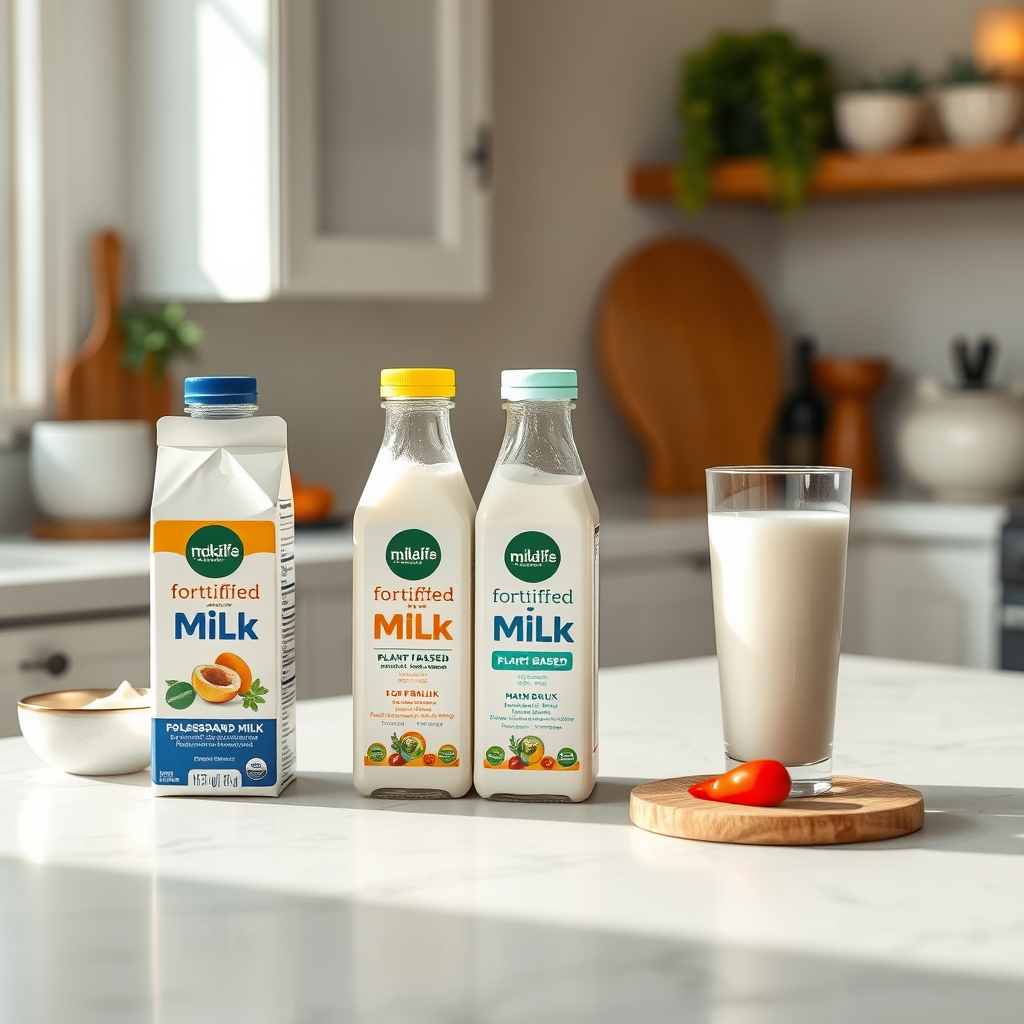
Milk and iron absorption: balancing calcium and iron for toddlers
Calcium is essential for bone health, but it can interfere with iron absorption when consumed in large amounts at the same time. For toddlers, this interaction matters because iron deficiency is one of the most common nutrient gaps.
To optimize both minerals, the Academy of Nutrition and Dietetics recommends serving iron‑rich foods (like meat, beans, or iron‑fortified cereals) at a different meal than a large glass of milk. A simple schedule might be: iron‑rich breakfast with a small amount of milk, then a larger milk serving at lunch or dinner. This pattern helps the gut absorb iron more efficiently while still meeting calcium needs.
Some parents wonder whether adding vitamin C‑rich foods (such as orange slices or strawberries) to a milk‑containing meal can offset the calcium‑iron competition. Research cited by the National Institutes of Health (2022) suggests that vitamin C does improve non‑heme iron absorption, but the effect is modest when calcium is high. So, the safest approach is still to separate iron‑dense meals from large milk servings.
Milk for toddlers with special dietary needs (vegan, gluten‑free, allergy‑friendly)
Increasingly, families are choosing dairy‑free or allergen‑free diets for ethical, health, or allergy reasons. For a 1‑year‑old, the key is to select a plant‑based milk that matches the child’s nutritional profile.
Fortified soy milk is the most comparable to cow’s milk in protein (about 7‑8 g per cup) and calcium. Look for “unsweetened” and “calcium‑fortified” labels, and verify that the product meets the FDA’s minimum of 120 IU vitamin D per cup. If soy is an allergen, fortified pea‑protein milk (now available from several brands) offers a similar protein content and is generally well‑tolerated.
Almond, rice, or oat milks can be used as supplemental beverages, but they typically provide less than 2 g of protein per cup. Pair them with other protein sources—such as tofu, beans, or cheese—to ensure your toddler meets daily protein needs.
For gluten‑free families, all the milks listed above are naturally gluten‑free, but always check the ingredient list for added flavors or thickeners that might contain wheat starch. The FDA’s “gluten‑free” labeling rule (2020) ensures that any product with that claim contains less than 20 ppm gluten.
Myth vs. fact
Myth: “A toddler can drink as much milk as they want—more is better for calcium.”
Fact: Excessive milk (> 24 oz per day) can displace iron‑rich foods and lead to anemia. Stick to the 16‑24 oz range.
Myth: “Low‑fat or skim milk is healthier for toddlers.”
Fact: Whole milk provides essential fats for brain development. Low‑fat milks are recommended only after age 2 years, unless a doctor advises otherwise.
Myth: “Plant‑based milks are automatically safer for toddlers with a dairy allergy.”
Fact: Not all plant milks are fortified, and many lack sufficient protein. Choose fortified soy milk as the best dairy‑free alternative, and always discuss options with your pediatrician.
Key takeaways
- Aim for 16‑24 oz (2‑3 cups) of whole milk daily for most 1‑year‑olds.
- Whole cow’s milk is the preferred choice; 2 % milk may be used after age 2 or under medical guidance.
- Fortified soy milk is the most nutritionally comparable dairy‑free option; almond milk should be a supplement, not a primary source.
- Transition from breast milk gradually, mixing with cow’s milk over 7‑10 days.
- Limit bedtime milk to 4‑6 oz to protect teeth and prevent reflux.
- Watch for allergy signs—hives, swelling, vomiting—and seek immediate care if they appear.
- Use consistent routines, fun cups, and mild flavorings to encourage adequate milk intake.
- Separate iron‑rich meals from large milk servings to optimize nutrient absorption.
- For special diets, choose fortified soy or pea‑protein milks and pair low‑protein milks with other protein sources.
Frequently asked questions
How much milk should a 1‑year‑old drink per day?
The AAP recommends 16‑24 oz (about 2‑3 cups) of whole milk daily for toddlers aged 12‑24 months. This range supports growth, bone health, and brain development while preventing excess calorie intake.
What type of milk is best for a 1‑year‑old?
Whole cow’s milk is the top choice because it provides essential fats and calcium. If a dairy allergy is present, fortified soy milk is the next best alternative. Almond, rice, or oat milks are low in protein and should only supplement, not replace, dairy.
Can a 1‑year‑old have 2 % milk?
Generally, no. Whole milk’s higher fat content is crucial for brain development. A pediatrician may recommend 2 % milk after age 2 or for specific health concerns, but it’s not the standard for a 12‑month‑old.
How do I transition my 1‑year‑old from breast milk to cow’s milk?
Gradually mix expressed breast milk with whole cow’s milk, starting with a ½‑½ ratio and increasing the cow’s milk portion over a week or two. Offer the mixture in a familiar cup, maintain consistent feeding times, and monitor for any digestive changes.
What are the signs of a milk allergy in a 1‑year‑old?
Symptoms can include hives, swelling of the lips or face, vomiting, wheezing, or difficulty breathing. These reactions may appear within minutes to a few hours after milk exposure and require immediate medical attention.
Can a 1‑year‑old drink almond milk or soy milk?
Yes, but only if the milk is fortified with calcium and vitamin D. Soy milk (unsweetened) is the most comparable to cow’s milk in protein content. Almond milk is low in protein and should be used as a supplement, not a primary source.
Is it okay to give cold milk to a 1‑year‑old?
Cold milk is safe, but some toddlers prefer it warmed to body temperature. Choose the temperature your child enjoys; just avoid adding sugar or honey.
How can I make sure my toddler gets enough iron if they’re drinking a lot of milk?
Serve iron‑rich foods (meat, beans, iron‑fortified cereal) at meals separate from large milk servings. Adding a vitamin C source like strawberries or orange slices can modestly improve iron absorption, but the most reliable method is to space calcium‑rich milk away from iron‑dense meals.

When to see a doctor / specialist
If your toddler shows any of the following, contact a pediatrician promptly:
- Persistent constipation despite dietary changes.
- Signs of a milk allergy: hives, swelling, vomiting, wheezing, or trouble breathing.
- Frequent loose stools or diarrhea after milk consumption.
- Noticeable weight loss or poor growth while consuming the recommended amount of milk.
- Excessive thirst or urination, which could signal an underlying issue.
For allergy concerns, your pediatrician may refer you to a pediatric allergist for testing. For ongoing digestive problems, a pediatric gastroenterologist can help identify lactose intolerance or other gut issues.
Remember, this article provides general information and is not a substitute for personalized medical advice. Always discuss your child’s nutrition and any concerns with your health care provider.
References
- American Academy of Pediatrics. “Nutrition: Breastfeeding and the Use of Human Milk.” Pediatrics, 2022.
- Academy of Nutrition and Dietetics. “Nutrition Guidance for Infants and Young Children.” 2023.
- U.S. Department of Agriculture. “Choose MyPlate Food Group Servings.” 2022.
- World Health Organization. “Infant and Young Child Feeding.” WHO Guidelines, 2021.
- American Academy of Pediatrics. “Management of Cow’s Milk Protein Allergy.” 2021.
- National Institutes of Health. “Lactose Intolerance.” NIH Fact Sheet, 2022.
- National Institute of Diabetes and Digestive and Kidney Diseases. “Iron‑Deficiency Anemia.” NIH, 2022.
- U.S. Food and Drug Administration. “Labeling Requirements for Calcium‑Fortified Beverages.” FDA Guidance, 2020.
- American College of Obstetricians and Gynecologists. “Breastfeeding Guidance for Parents.” ACOG Committee Opinion, 2021.
- National Health Service (UK). “Toddler Nutrition.” NHS, 2022.