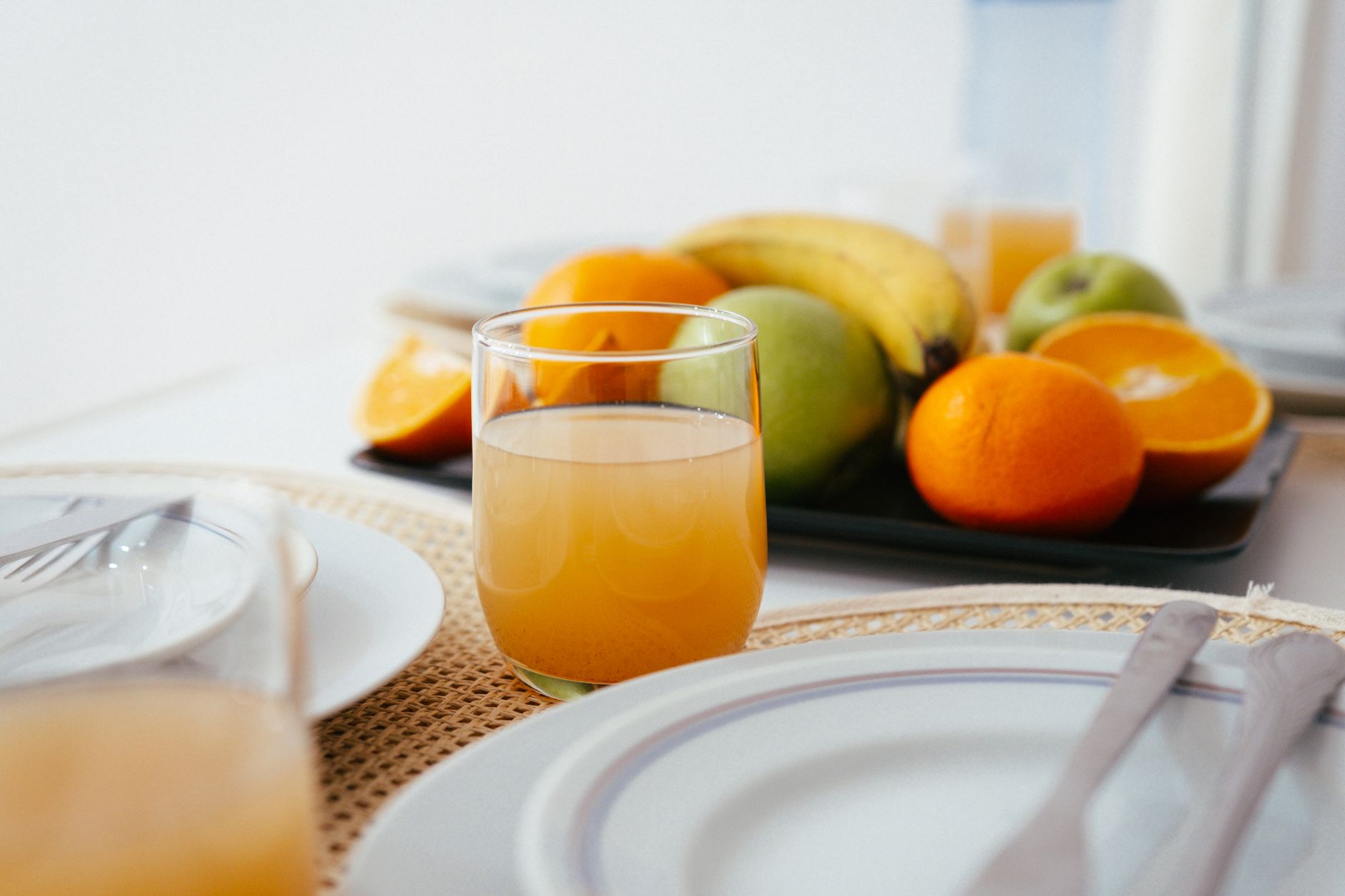
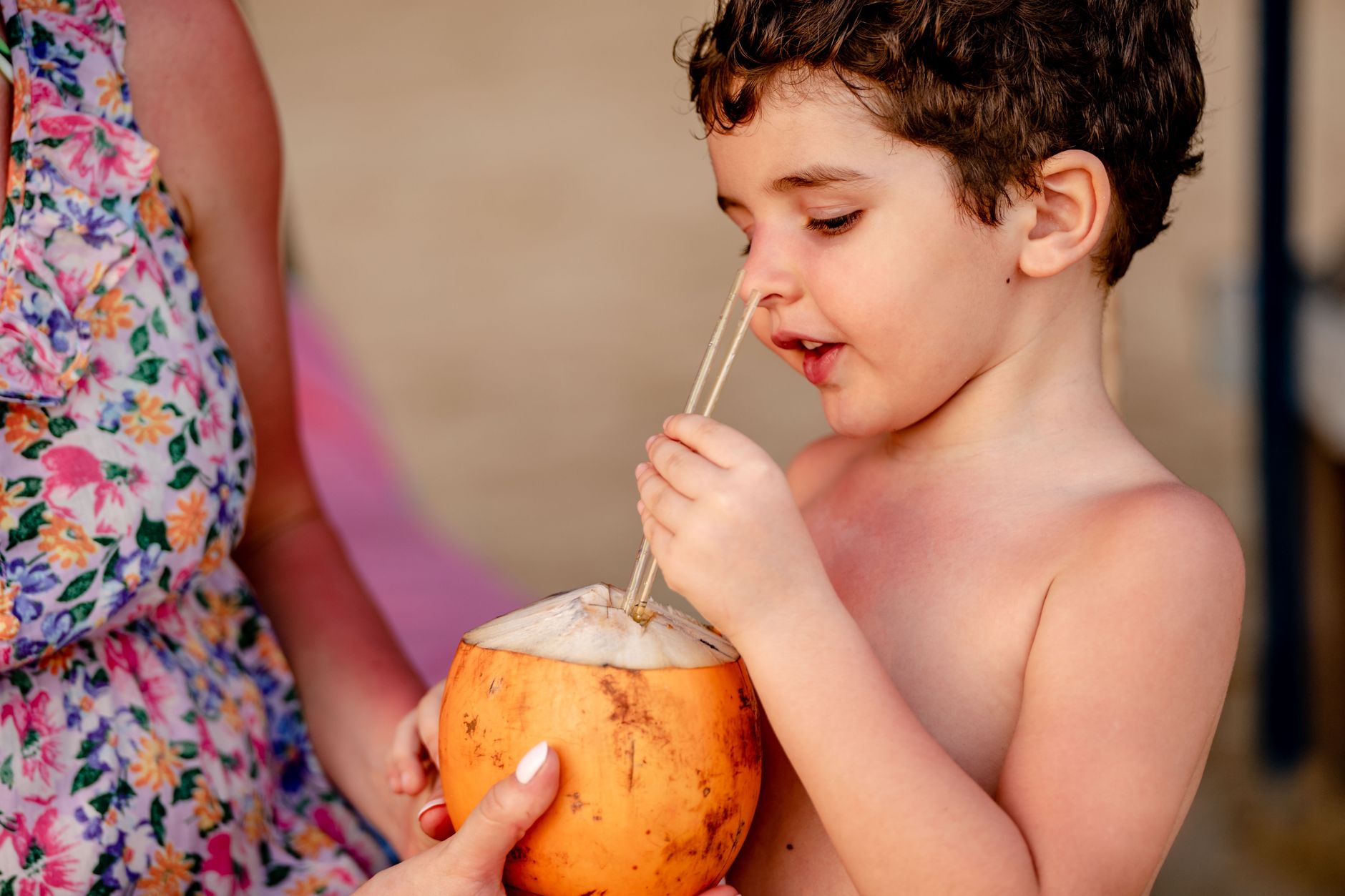
At 12 months, many toddlers are ready for a small taste of juice, but safety guidelines still apply. The AAP permits up to 4 oz (120 ml) of 100 % fruit juice per day, but it should be offered in a cup, not a bottle, to avoid prolonged exposure that can erode teeth.
Parents often wonder whether a juice “treat” can replace a snack. It cannot. Juice lacks the protein and fat needed for steady energy between meals, so it should complement, not replace, balanced snacks like cheese, yogurt, or soft fruit pieces.
Can juice cause diaper rash in infants?
Yes. The acidity and sugar in juice can seep onto the skin during diaper changes, leading to irritation. To minimize rash, keep the diaper area clean and dry, use a barrier cream, and limit juice to the recommended amount.
Organic vs conventional juice for babies—does it matter?
Organic juice reduces exposure to pesticide residues, which is a consideration for infants with developing detoxification systems. However, the most critical factor is ensuring the juice is 100 % fruit with no added sugars, regardless of organic status. If budget allows, organic is a sensible choice, but it isn’t a substitute for proper portion control.
Don’t replace formula with juice. If you’re weaning off formula, do so gradually over weeks, substituting breast milk or formula with whole‑fruit purees and water. Introduce juice only after the toddler is comfortable with a variety of solid foods, and keep it as an occasional treat.
During the transition, watch for any signs of reduced appetite for formula or breast milk. If your child begins to refuse milk in favor of juice, it may indicate a nutritional shortfall, and you should consult your pediatrician.
Remember, the AAP emphasizes that the primary source of nutrition for children under 12 months remains breast milk or formula; juice is purely a flavoring adjunct.
What is the recommended daily juice intake for toddlers aged 2 (and preschoolers)?
For children aged 2‑4 years, the AAP suggests no more than 4‑6 oz (120‑180 ml) of 100 % fruit juice per day. This limit aligns with the recommended daily limit for older toddlers and helps guard against excess sugar, dental decay, and unnecessary weight gain.
Juice portion sizes for preschoolers
One “serving” of juice is roughly 4 oz, the size of a small juice box. Offer this amount in a sippy cup and avoid refills within the same meal. Splitting the daily allowance across two short servings (e.g., morning and afternoon) can make it easier to stay within limits.
When you give juice, pair it with a high‑fiber snack like apple slices or whole‑grain crackers. The fiber helps slow sugar absorption, reducing the chance of a rapid blood‑sugar spike that can leave a child feeling irritable.
Alternatives to juice for toddlers
Water is the best beverage after breast milk or formula. Whole fruit, fruit smoothies (made with yogurt and no added sugar), and milk (or fortified plant‑based milks after 12 months) provide hydration and nutrition without the concentrated sugar load of juice.
How much fruit puree is equivalent to juice?
One tablespoon of unsweetened fruit puree roughly matches the natural sugar content of a one‑ounce (30 ml) serving of juice. Using puree in meals or as a dip can satisfy a child’s desire for fruit flavor while adding fiber.
Purees also give you more control over texture and can be mixed into oatmeal or yogurt for a balanced snack that supports both taste preferences and nutrient density.
Research from the National Institutes of Health (NIH) confirms that children who receive whole fruit instead of juice have higher fiber intake and lower overall sugar consumption, supporting healthier growth trajectories.
Which types of juice are best for babies by age?
The safest choices are 100 % single‑fruit juices with low acidity and no added sugars. Below is a quick guide:
- 6‑12 months: Apple, pear, or peach. These are mild, low‑acid options that are easy on the stomach.
- 12‑24 months: Continue with the above, and you can add mild orange or mango juice if the child tolerates the acidity.
- 2‑4 years: A broader range—grape, blueberry, or cranberry—can be introduced, but keep portions small and monitor for any digestive upset.
What are the sugar limits for baby juice?
All juice types should stay within the 4‑6 oz daily cap, which translates to about 6‑9 grams of natural sugar. Check the nutrition label; 100 % juice typically lists about 13‑15 grams of sugar per 8 oz, so a half‑cup serving fits within the limit.
Organic vs conventional juice for babies
While organic juice eliminates pesticide exposure, the nutritional profile is otherwise similar. Prioritize 100 % juice with no added sweeteners; if you can afford organic, it’s a plus, but it doesn’t replace the need for portion control.
In the UK, the NHS echoes the same guidance, recommending no more than 150 ml (5 oz) of juice per day for children aged 1‑3 years, reinforcing the global consensus on moderation.
For families using the NHS “Healthy Start” scheme, the guidance aligns with the AAP, making it easy to apply the same daily limits regardless of where you live.
How do I properly dilute juice for a 9‑month‑old?
Diluting juice helps cut the sugar concentration and reduces the risk of dental decay. For a 9‑month‑old, mix equal parts of 100 % juice and water (1 oz juice + 1 oz water = 2 oz total). Offer the mixture in a small cup or spoon, not a bottle, to limit sipping time.
When you first try diluted juice, observe your baby for any signs of fussiness or tummy upset. Some infants may need a slightly higher water ratio (e.g., 1 part juice : 2 parts water) if they seem sensitive.
Step‑by‑step dilution guide
- Measure 1 oz (30 ml) of 100 % juice.
- Add 1 oz (30 ml) of filtered or boiled‑then‑cooled water.
- Stir gently and serve immediately.
- Observe your baby for any signs of tummy upset; if none appear, the ratio can be maintained.
Never replace a feed with juice. Instead, after a successful trial of solid foods, offer a diluted juice cup after a meal as a “drink” rather than a “nutrient source.” Keep formula or breast milk as the primary source of calories until at least 12 months.
If your child enjoys the taste, you can gradually increase the water proportion over weeks, reinforcing the habit of drinking mostly water with occasional juice.
Remember to keep the feeding environment calm—turn off the TV, maintain eye contact, and let your baby set the pace. This reduces the chance of over‑consumption.
What are the effects of too much juice on an infant’s digestion?
Excess juice can overwhelm a baby’s immature digestive system, leading to several issues:
- Diarrhea: High fructose and osmolarity can draw water into the intestines.
- Weight gain: Juice is calorie‑dense but low in satiety‑inducing fiber.
- Dental decay: Sugary liquids linger on teeth, especially when offered from a bottle.
- Iron absorption interference: Large amounts of fruit juice may inhibit iron uptake from foods.
Signs your baby is drinking too much juice
Watch for frequent loose stools, a sudden increase in diaper rash, unexplained weight gain, or a preference for juice over solid foods. If any of these appear, reduce juice intake and consult your pediatrician.
It’s also worth noting that some babies may develop a “sweet tooth” early on. Offering water and whole fruit first helps set a balanced palate and reduces reliance on sugary drinks.
Guidelines from the FDA emphasize that the label’s “Added Sugars” line must read zero for a product to be considered appropriate for infants and toddlers.
Juice vs water for babies: which is better?
Water is the gold standard for hydration after the first six months. It contains no calories, sugar, or acids, making it safe for the teeth and gut. Juice, even when 100 % fruit, adds calories, natural sugars, and acidity.
That said, a small amount of juice can be a convenient way to introduce fruit flavors and provide vitamin C, especially when whole fruit isn’t available. The key is moderation and proper dilution.
Comparing juice, water, and milk
Alternatives to juice for toddlers
Beyond water and milk, consider unsweetened fruit smoothies (blend whole fruit with yogurt), coconut water (no added sugar), and mild herbal teas like chamomile for soothing bedtime routines.
These alternatives provide hydration and a variety of nutrients while keeping added sugars low. If you choose coconut water, verify that it’s 100 % coconut water with no added sweeteners.
The American Academy of Pediatrics notes that offering a variety of fluids can help children develop a preference for water over sugary drinks, supporting long‑term oral health.
How to read juice labels for babies
Understanding nutrition labels empowers you to stay within safe limits. Look for the “100 % juice” seal, which guarantees there are no added sugars or concentrates. The “% Daily Value” column is less useful for infants, but the total sugar amount (grams) tells you how much natural sugar you’re serving.
Pay attention to the “Added Sugars” line—if it lists any amount, the product is not appropriate for infants or toddlers. Also, check the ingredient list for any “flavors” or “preservatives” that could irritate a sensitive gut.
Key label terms to know
- “No added sugar”: Confirms the product contains only the fruit’s natural sugars.
- “From concentrate”: The juice has been reconstituted; it’s still acceptable if it’s 100 % juice, but some parents prefer “not from concentrate” for freshness.
- Pesticide‑free (organic) seal: Indicates reduced pesticide exposure, a helpful consideration for infants.
When in doubt, the FDA’s “Guidance for Industry: Nutrition Labeling of Food Products” provides a clear framework for interpreting these terms.
Juice and iron absorption: what parents need to know
Vitamin C in fruit juice can actually enhance iron absorption from plant‑based foods, which is a benefit for toddlers eating iron‑rich cereals or beans. However, the high sugar content can also bind iron and reduce its uptake if the juice replaces iron‑rich meals.
To get the best of both worlds, serve a small amount of juice alongside iron‑rich foods rather than as a standalone drink. For example, a splash of orange juice over oatmeal supplies vitamin C without overwhelming the child with sugar.
Studies from the American Society for Nutrition indicate that moderate juice intake (under 4 oz per day) does not negatively affect iron status in children, provided the overall diet includes adequate iron sources.
For families following a vegetarian or vegan diet, pairing juice with fortified cereals or legumes can be especially helpful, but keep the juice portion within the recommended limits.
Potential pitfalls: juice and constipation in toddlers
While juice is often blamed for diarrhea, it can also contribute to constipation if the child consumes it without enough water or fiber. The lack of fiber in juice means it doesn’t add bulk to stool, and excessive intake may replace foods that provide necessary fiber.
If you notice hard, infrequent stools after increasing juice, reduce the amount and offer more water, whole fruit, or high‑fiber snacks like peas or whole‑grain crackers. The American College of Gastroenterology recommends at least 1 cup of fruit or vegetable servings per day for toddlers to support regular bowel movements.
Introducing juice to a picky eater
Some toddlers resist new flavors, but a gentle approach can help. Offer a tiny sip of diluted juice alongside a favorite fruit or yogurt dip. Allow the child to explore the cup on their own terms—no pressure, no force‑feeding.
Repeated exposure (up to 10‑15 tries) often leads to acceptance. Keep the experience positive by praising curiosity and pairing the juice with a fun cup or straw that the child likes.
Remember, the goal is exposure, not consumption. If the toddler refuses after several tries, it’s okay to wait a few weeks before trying again.
Best practices for storing and serving juice safely
Freshly opened juice should be refrigerated and consumed within 24‑48 hours, according to the FDA. Keep the bottle tightly sealed to prevent bacterial growth, and always serve from a clean cup or spoon.
Avoid leaving juice at room temperature for extended periods, especially in a diaper bag or car seat. If the juice looks cloudy or smells off, discard it—children’s immune systems are more vulnerable to food‑borne illness.
For on‑the‑go families, consider pre‑measured juice packets that can be mixed with water in a travel cup. These packets often have a “single‑serve” size that aligns with the daily limit, making portion control easier.
Myth vs fact
Myth: “Juice is a healthy replacement for whole fruit.”
Fact: Whole fruit provides fiber that juice lacks, helping regulate blood sugar and supporting digestion.
Myth: “Organic juice is automatically safe for babies.”
Fact: Organic juice still contains natural sugars; the same portion limits apply.
Myth: “If my baby likes juice, they’ll stay hydrated.”
Fact: Water remains the most effective way to meet a child’s fluid needs without extra calories.
Key takeaways
- Never give juice to babies under 6 months.
- Limit 6‑12‑month‑old juice to 4 oz per day, diluted 1:1 with water.
- For toddlers 12‑24 months and 2‑4 years, keep juice to 4‑6 oz daily, no dilution needed if 100 % juice.
- Choose low‑acid, single‑fruit, 100 % juice with no added sugars; organic is optional.
- Watch for diarrhea, diaper rash, weight gain, and dental issues as red‑flag signs.
- Prioritize water, whole fruit, and milk over juice whenever possible.
- Read labels carefully to avoid hidden added sugars and unnecessary additives.
- Store juice refrigerated and use within 48 hours to prevent bacterial growth.
Frequently asked questions
Can babies drink juice?
Yes, but only after six months and in very limited amounts (up to 4 oz per day). The juice must be 100 % fruit with no added sugars, and it should be offered in a cup rather than a bottle.
How much juice is safe for a 1‑year‑old?
A 12‑month‑old can have up to 4 oz (120 ml) of undiluted 100 % fruit juice per day. Keep the serving size to a small cup and avoid giving juice between meals.
What are the risks of giving juice to infants?
Excess juice can cause diarrhea, increase the risk of dental decay, contribute to unnecessary weight gain, and displace more nutritious foods and liquids like breast milk, formula, or water.
Should I dilute juice for my baby?
Yes—especially for babies 6‑12 months old. Mixing equal parts juice and water reduces sugar concentration and protects teeth. Older toddlers can drink undiluted juice, but still within the daily limit.
Which juice is best for a 6‑month‑old?
Apple, pear, or peach juice are the gentlest options. Ensure the juice is 100 % fruit, unsweetened, and diluted 1:1 with water before serving.
How often can I give my toddler juice?
Offer juice no more than once a day, splitting the daily allowance into two short servings if you prefer. Aim for water and whole fruit at other meals.
Can I give my child juice if they have a peanut allergy?
Yes—fruit juice does not contain peanuts. However, always check the label for cross‑contamination warnings if the juice is processed in a facility that also handles nuts, especially for children with severe food allergies.
Is it okay to give juice after a pediatric vaccine?
Giving a small amount of juice (under the daily limit) after vaccination is fine. It does not interfere with vaccine efficacy, but ensure your child stays hydrated with water as well.
What should I do if my toddler refuses juice?
Don’t force it. Offer a tiny sip from a favorite cup, pair it with a familiar snack, and try again later. Repeated gentle exposure often leads to acceptance without pressure.
Can too much juice cause constipation?
Yes—because juice lacks fiber, excessive intake can replace high‑fiber foods, leading to harder stools. Reduce juice, add water, and offer fiber‑rich snacks if you notice constipation.
When to see a doctor
If your baby experiences persistent diarrhea, sudden weight gain, frequent diaper rash that doesn’t improve with standard care, or you notice a strong preference for juice over other foods, schedule a pediatric appointment. A pediatrician or pediatric dentist can assess dental health, nutrition, and overall growth. Remember, this article provides general information and is not a substitute for personalized medical advice.
References
- American Academy of Pediatrics. “Fruit Juice in Infants, Children, and Adolescents: Recommendations.” 2023.
- American Academy of Pediatrics. “Feeding and Nutrition: Breastfeeding and Formula Feeding.” 2022.
- Academy of Nutrition and Dietetics. “Guidelines for Juice Consumption in Children.” 2021.
- U.S. Food and Drug Administration. “Nutrition Facts Label for Fruit Juice.” 2022.
- American Dental Association. “Sugar and Dental Decay in Children.” 2020.
- Centers for Disease Control and Prevention. “Childhood Obesity Facts.” 2023.
- Harvard T.H. Chan School of Public Health. “Fruit Juice and Health.” 2022.
- World Health Organization. “Guidelines on Sugar Intake for Children.” 2021.
- National Health Service (NHS). “Fruit juice and health guidelines for children.” 2022.
- American Society for Nutrition. “Iron Absorption and Fruit Juice Intake in Young Children.” 2021.
- American College of Gastroenterology. “Pediatric Constipation Management.” 2020.
- U.S. Food and Drug Administration. “Food Safety: Perishable Foods.” 2022.