Quick take: For most newborns, 2‑3 drops per nostril (about 0.1 ml) is safe, and you can repeat the dose every 2–3 hours as needed. Premature infants may need a slightly smaller amount—usually 1‑2 drops per nostril. Over‑use can irritate the nasal lining, so watch for redness, crusting, or a worsening cough. If symptoms persist or you notice any concerning signs, call your pediatrician.
You're lying in a dimly lit room, the baby monitor buzzing softly, and you hear that familiar, tiny snuffle. Your newborn's nose looks a little pink, and you wonder if a few drops of saline might help. You’re not alone—every parent has faced the question, “how much saline drops can baby have?” The answer is surprisingly straightforward, but it’s easy to miss the nuances, especially when you’re juggling diaper changes and midnight feedings.
In this guide we’ll walk you through everything you need to know: the safe amount for newborns and older infants, how often you can use them, what to watch for if you give too many, and the best way to apply the drops. We’ll also compare infant‑specific solutions to adult products, show you a handy dosage chart, and suggest gentle home remedies for congestion. By the end, you’ll feel confident that you’re using saline drops safely and effectively—no more guessing, no more worry.
What is the safe amount of saline drops for a newborn?
When a newborn’s tiny nasal passages feel blocked, a few drops of sterile saline can loosen mucus and make breathing easier. The consensus among pediatric guidelines—including the American Academy of Pediatrics (AAP) and the UK’s National Institute for Health and Care Excellence (NICE)—is to use 2‑3 drops per nostril, which equals roughly 0.1 ml per side. This amount is enough to coat the lining without overwhelming the delicate tissues.
Why 2‑3 drops? Newborns have nasal cavities that are only a few millimeters wide. A single drop of water can flood the space, causing discomfort. By limiting the dose, you provide moisture that helps thin mucus while minimizing the risk of irritation or a runny nose that could lead to dehydration.
Most saline products marketed for infants come in a dropper bottle that delivers 0.05 ml per drop. Using the bottle’s calibrated tip, count 2‑3 drops into each nostril while the baby is lying on their back with a slight head tilt. If you’re using a spray, aim for 1‑2 gentle sprays per side, which typically delivers a comparable volume.
It’s also important to note that the saline should be isotonic (0.9% sodium chloride). Hypertonic solutions—those with higher salt concentrations—can pull fluid out of the nasal lining, causing dryness and irritation, especially in newborns.
For parents who prefer a visual cue, think of the drops as the size of a tiny pea. If you can see the droplets pooling in the nostril, you’ve likely exceeded the recommended amount. When in doubt, start with the lower end (2 drops) and observe how your baby responds before adding an extra drop.
Recent guidance from the American College of Obstetricians and Gynecologists (ACOG) also emphasizes that saline drops are a first‑line, drug‑free option for newborn congestion, reinforcing the safety of the 2‑3 drop recommendation.
How many saline drops can a 2‑month‑old baby take at once?
By the time a baby reaches two months, their nasal passages have grown slightly, allowing a modest increase in the safe dosage. The AAP suggests 3‑4 drops per nostril (about 0.15 ml) for infants aged 1‑3 months. This adjustment reflects the larger airway size while still protecting the sensitive mucosa.
Weight‑based dosing isn’t typically required for saline drops because the solution is not absorbed systemically. However, if you’re calculating based on an average 2‑month‑old weight of 4.5 kg (10 lb), the volume still stays well under 0.2 ml per nostril, which is far below any threshold that would cause systemic effects.
When you administer the drops, use a gentle hand. Lay your baby on a firm, flat surface—like a changing table—supporting their head with a rolled towel. Tilt the head back just enough so the nose points upward. Then, using the dropper, place the recommended 3‑4 drops into each nostril. Afterward, you can use a soft bulb syringe to gently suction any loosened mucus, if needed.
Many parents wonder whether it’s safe to give multiple doses in a short period. The answer is yes, as long as you keep the total daily amount within the recommended range. For a 2‑month‑old, you can repeat the dose every 2–3 hours, but avoid exceeding 6–8 total applications per day (roughly 12‑16 drops per nostril daily). Over‑application can lead to nasal irritation, which we’ll discuss later.
It’s also worth noting that some infant saline products come with a “single‑use” ampoule that contains 0.5 ml. If you’re using this format, you can split the contents across both nostrils, ensuring each side receives the appropriate 3‑4 drops.
Guidance from the UK’s NHS reinforces this dosage range, noting that the volume is safe even if a small amount is inadvertently swallowed during the process.
Are saline drops safe for premature infants, and how much can they use?
Premature infants—especially those born before 37 weeks gestation—have even more delicate nasal tissues and a higher risk of nasal trauma from medical devices like CPAP masks. Nevertheless, saline drops remain a safe, non‑medicinal option for clearing congestion, provided you use a reduced dose.
Guidelines from the American Academy of Pediatrics and the British Association of Perinatal Medicine recommend 1‑2 drops per nostril (0.05‑0.1 ml) for preterm babies. The smaller volume respects the under‑developed nasal mucosa and reduces the chance of causing swelling or crusting.
Premature infants may also be more prone to dehydration, so keep a close eye on feeding patterns after using saline. If the baby appears less interested in feeding or shows signs of increased work of breathing, pause the saline and consult your neonatologist.
When administering drops to a preterm infant, it’s crucial to use a sterile, single‑use droplet dispenser to avoid contamination. Hold the baby’s head steady, tilt it slightly back, and place a single drop into each nostril. After a few seconds, you can use a soft suction bulb to clear any loosened mucus, but be gentle—premature nasal tissue can bleed easily.
Some NICU (Neonatal Intensive Care Unit) protocols advise waiting until the infant reaches a corrected age of 2 weeks before starting routine saline drops, unless there’s an acute need. Always discuss with your pediatrician or neonatologist before introducing any new product into a preterm baby’s care routine.
The FDA’s guidance on sterile saline for infants reiterates that low‑volume, preservative‑free formulations are the safest choice for this vulnerable population.
How often can I give saline drops to my baby without causing irritation?
Frequency is a common concern, especially when your baby seems congested for several days. Saline drops are non‑medicinal, so they don’t build tolerance, but the nasal lining can become irritated if the drops are used too often.
For most infants—including newborns, 2‑month‑old babies, and premature infants—the safe frequency is every 2–3 hours as needed, with a maximum of 6–8 applications per day. This translates to roughly 12‑16 drops per nostril daily for a term infant, and 8‑12 drops for a preterm infant.
Key factors to consider when deciding how often to use saline:
- Severity of congestion: Mild, occasional blockage may only need a single dose daily.
- Underlying condition: If your baby has a cold, you might use saline more frequently to keep the airway clear.
- Age and weight: Younger infants tolerate fewer applications.
If you notice that the nasal passages become red, swollen, or start to bleed after a dose, you’ve likely exceeded the irritation threshold. In such cases, reduce the frequency to every 4–6 hours and monitor for improvement.
Another practical tip: keep a log on your phone or a small notebook. Write down the time you administer each dose and any observations (e.g., “more clear mucus” or “nose looks red”). This helps you stay within safe limits and provides useful information for your pediatrician if you need to discuss the baby’s congestion.
The American College of Emergency Physicians (ACEP) also advises that parents limit saline use to the minimum necessary to avoid mucosal drying, especially in colder climates where indoor heating can exacerbate dryness.
What are the signs that my baby is getting too many saline drops?
Over‑use of saline drops can lead to several observable signs. Recognizing them early helps you prevent discomfort and potential complications.
Common indicators of over‑use:
- Redness or swelling of the nasal skin—looks like a tiny pink or flushed area around the nostrils.
- Crusting or scabbing after the drops dry, which can make suction painful.
- Increased nasal discharge that is watery rather than mucus‑filled, suggesting irritation.
- Frequent coughing or gagging after each dose, indicating the nasal lining is too irritated.
- Changes in feeding behavior—a baby may refuse feeds if the nose feels uncomfortable.
- Persistent sneezing that doesn’t resolve with reduced dosing.
If you notice any of these signs, pause the saline for at least 24 hours and give the nasal lining time to recover. You can also apply a thin layer of a pediatric‑safe nasal ointment (like a petroleum‑based gel) to soothe the tissue.
In rare cases, excessive saline can cause a mild electrolyte imbalance, especially if the baby ingests large amounts. Signs of an electrolyte issue include lethargy, poor feeding, or unusual irritability. If you suspect this, seek medical attention promptly.
The NHS notes that persistent irritation should trigger a review by a healthcare professional, as it may signal an underlying condition such as allergic rhinitis.
Can I use adult saline drops for my baby, and what dosage is recommended?
The short answer is: avoid using adult saline drops for infants. Adult products often contain higher concentrations of sodium chloride (hypertonic solutions) or preservatives that are unnecessary and potentially irritating for a baby’s delicate nasal lining.
Adult saline drops typically come in 0.9%‑2% concentrations. While 0.9% is isotonic, many adult formulations include additional ingredients—like benzalkonium chloride or other preservatives—to extend shelf life. These additives can cause irritation in infants, especially newborns and premature babies.
If you must use an adult product in an emergency (for example, you’re traveling and only have a standard saline spray), choose a plain, preservative‑free, isotonic (0.9%) spray. Limit the dose to 1‑2 drops per nostril and avoid repeated applications within the same day.
For regular use, stick with infant‑specific saline drops. These are formulated to be sterile, preservative‑free, and isotonic, with drop sizes calibrated for tiny noses. Brands approved by the FDA and endorsed by the AAP—such as “Little Ones Saline” or “SafeNose Infant Saline”—are reliable choices.
In short, the safest approach is to purchase a product designed specifically for infants. The cost difference is minimal compared to the potential risk of irritation from adult formulations.
The FDA’s labeling requirements for over‑the‑counter saline solutions emphasize that products intended for children under two years must be isotonic and preservative‑free, reinforcing this recommendation.
How to administer saline drops correctly to a newborn infant
Applying saline drops may feel awkward at first, but with a calm routine it becomes a quick, soothing part of your baby’s care. Follow these step‑by‑step instructions for a safe and effective application.
- Gather your supplies. You’ll need an infant‑specific saline dropper, a soft bulb syringe, a clean towel, and optionally a small bottle of petroleum‑based nasal ointment.
- Wash your hands. Use warm water and soap for at least 20 seconds, then dry with a clean towel.
- Position your baby. Lay the infant on a flat, firm surface—like a changing table—with their head slightly tilted back. You can place a rolled towel under the shoulders to achieve a gentle incline.
- Open the nostril. Gently lift the tip of the nose with your thumb to expose the nostril opening.
- Administer the drops. Hold the dropper bottle upright and place the tip just inside the nostril (no more than 1–2 mm). Squeeze to release the recommended 2‑3 drops (newborn) or 3‑4 drops (2‑month‑old). Repeat on the other side.
- Wait a moment. Allow the saline to sit for 30‑60 seconds. This gives the solution time to loosen mucus.
- Suction gently. Using a soft bulb syringe, gently insert the tip into the nostril and withdraw any loosened mucus. Avoid deep insertion, which can cause trauma.
- Comfort your baby. Offer a feeding or a gentle cuddle to calm them after the procedure.
Tips for success:
- Perform the routine in a warm room; cold air can make the baby shiver.
- Use a single‑use droplet dispenser if you’re concerned about contamination.
- If the baby resists, try during a natural lull—after a feeding or a nap.
- Never force the dropper or syringe deeper than the nostril opening.
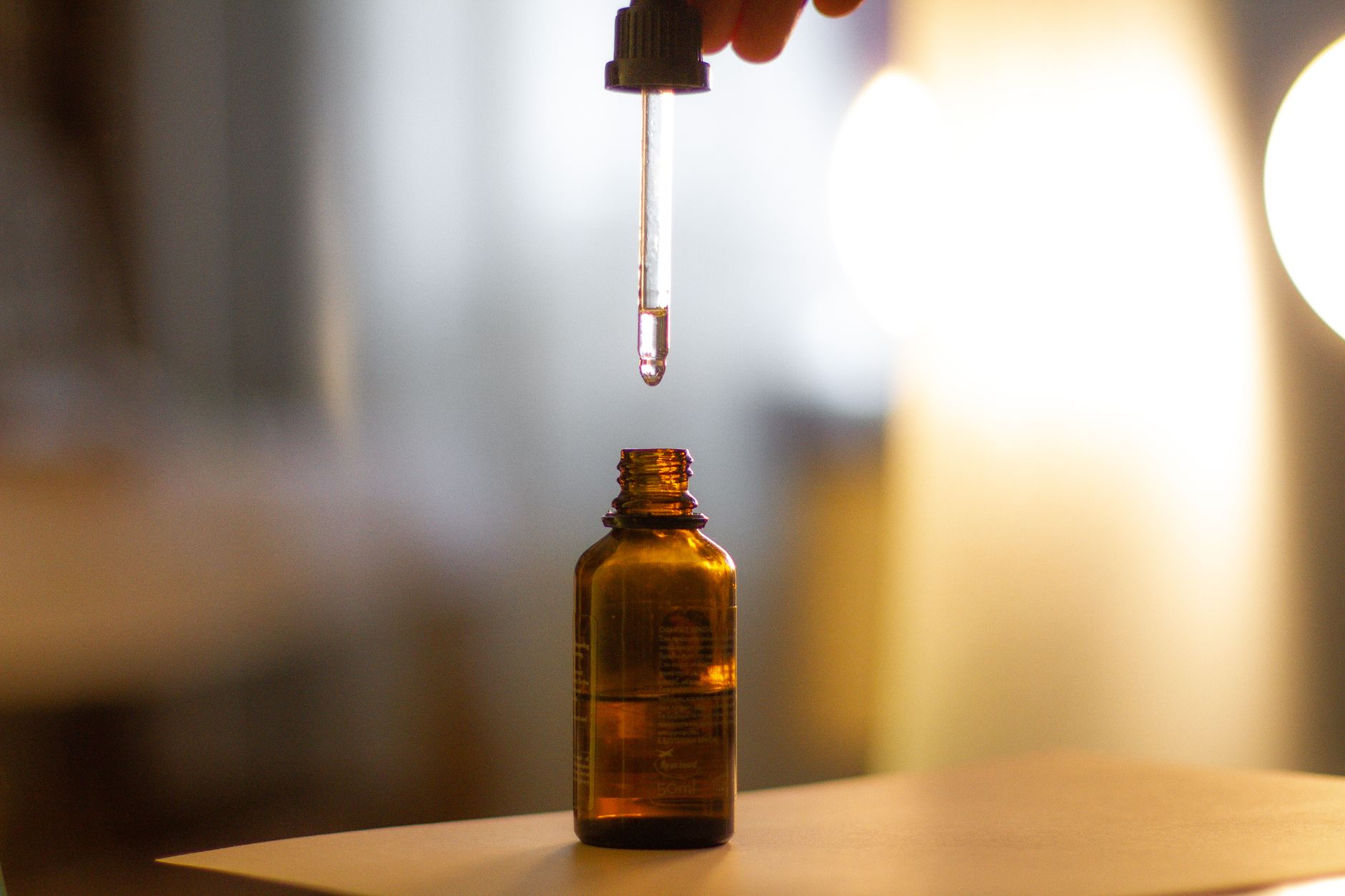
Saline drops dosage chart for infants and best solution choices
Having a quick reference can make it easier to remember the right amount for each age group. Below is a concise dosage chart that aligns with AAP and NICE recommendations.
When choosing a product, look for these key attributes:
- Isotonic (0.9% NaCl) – matches the body’s natural salt concentration.
- Preservative‑free – reduces risk of irritation.
- Sterile packaging – ensures no bacterial contamination.
- Drop size calibrated – typically 0.05 ml per drop for infants.
Some parents wonder if a “salt‑water” solution you make at home can be used. While homemade isotonic solutions (1 teaspoon of salt in 1 liter of boiled water) are technically safe, they lack sterility and can introduce pathogens. For this reason, clinicians strongly recommend using commercially prepared infant saline.
When to stop using saline drops and alternative home remedies for baby nasal congestion
Saline drops are a gentle first‑line tool, but there comes a time when you might consider tapering off or trying other supportive measures.
When to stop:
- If congestion resolves for 24‑48 hours and the baby is feeding and sleeping comfortably.
- If you notice persistent irritation (redness, crusting) despite reducing frequency.
- If your pediatrician advises alternative treatments for an underlying condition (e.g., allergic rhinitis).
Even after you stop saline, you can continue to keep your baby’s nasal passages clear with these non‑medicinal remedies:
- Humidified air: Use a cool‑mist humidifier in the baby’s room. Aim for 30‑50% relative humidity to keep nasal membranes moist.
- Elevated sleep position: Slightly elevate the head of the crib (by placing a firm pillow under the mattress) to reduce mucus pooling.
- Gentle nasal suction: A soft bulb syringe can be used without saline to clear residual mucus.
- Breast milk drops: Some clinicians suggest a few drops of expressed breast milk, which contains natural antibodies, though evidence is limited.
- Steam inhalation (for older infants): Brief exposure to a steamy bathroom (while you remain in the room) can loosen congestion, but never place an infant directly in hot steam.
It’s also wise to keep your baby’s environment free of irritants: avoid strong fragrances, tobacco smoke, and overly dry indoor air. Regularly wash bedding and soft toys to reduce allergens that could exacerbate congestion.
Saline drops and common cold vs. allergies: when to use
Both viral colds and allergic rhinitis can cause a runny or stuffy nose, but the underlying mechanisms differ. Saline drops are safe and effective for either scenario because they work by moistening the nasal lining and helping clear mucus, regardless of the cause.
When a cold is the culprit, you may notice accompanying symptoms such as fever, cough, or a change in appetite. In allergic cases, the discharge is often clear and watery, and symptoms may fluctuate with exposure to triggers like pollen or pet dander.
Saline drops can be used in both situations, but they are especially helpful for allergies because they help flush out allergens that have settled in the nasal passages. For a cold, saline can prevent the mucus from thickening, making it easier for your baby to breathe and feed.
The American Academy of Allergy, Asthma & Immunology (AAAAI) recommends regular saline irrigation for infants with recurrent allergic congestion, noting that it reduces reliance on antihistamine sprays, which are not typically approved for children under six months.
Choosing the right saline dropper bottle: safety features to look for
Not all dropper bottles are created equal. A well‑designed infant saline bottle includes a few safety features that protect your baby and simplify dosing.
- Drop‑size calibrator: The tip should deliver approximately 0.05 ml per squeeze, ensuring you don’t accidentally give too much.
- Sterile seal: A tamper‑evident cap guarantees the solution remains free from contamination until first use.
- Transparent container: Allows you to see the remaining volume, helping you avoid running out unexpectedly.
- Single‑use ampoule option: For families with multiple babies or for travel, single‑use ampoules eliminate the risk of cross‑contamination.
When shopping, check the product label for “FDA‑registered” or “CE‑marked” to confirm that the manufacturer complies with safety standards. Brands that display the “American Academy of Pediatrics Preferred Product” seal have undergone additional pediatric review.
Myth vs. fact
Myth: “More saline drops mean faster relief.”
Fact: Excessive drops can irritate the nasal lining, leading to more congestion and discomfort. Stick to the recommended 2‑4 drops per nostril.
Myth: “Adult saline drops are fine for babies.”
Fact: Adult saline often contains preservatives or higher salt concentrations that can cause irritation in infants. Use infant‑specific, preservative‑free solutions.
Myth: “If the baby’s nose looks clear, it’s safe to stop using saline.”
Fact: Even after visible mucus clears, the nasal lining may still be dry. Continue using saline once or twice a day for a few more days to keep the mucosa hydrated.
Key takeaways
- For newborns, 2‑3 drops (≈0.1 ml) per nostril is safe; for 2‑month‑old infants, 3‑4 drops (≈0.15 ml) per nostril.
- Premature infants should receive 1‑2 drops per nostril and fewer daily applications.
- Limit use to every 2–3 hours, with a maximum of 6–8 applications per day.
- Watch for redness, crusting, or increased coughing as signs of over‑use.
- Always choose infant‑specific, isotonic, preservative‑free saline drops.
- Stop using saline once congestion resolves and consider humidified air or gentle suction as supportive measures.
Frequently asked questions
How many saline drops are safe for a newborn?
Most experts agree that 2‑3 drops per nostril (about 0.1 ml) is safe for newborns. This amount provides enough moisture to loosen mucus without overwhelming the tiny nasal passages.
Can too many saline drops harm a baby?
Yes. Over‑use can cause nasal irritation, redness, crusting, or a mild electrolyte imbalance if large amounts are ingested. Stick to the recommended frequency and dosage to avoid these issues.
How often should I give my baby saline drops?
You can administer saline every 2–3 hours as needed, up to 6–8 times per day for term infants. Premature babies should have fewer applications—typically every 4–6 hours, with a maximum of 4–6 daily doses.
What is the proper way to give saline drops to an infant?
Lay the baby on a flat surface, tilt the head back slightly, and place 2‑3 drops (newborn) or 3‑4 drops (2‑month‑old) into each nostril using a sterile dropper. Wait 30‑60 seconds, then gently suction any loosened mucus with a soft bulb syringe.
Do saline drops help with a baby's blocked nose?
Yes. Saline moisturizes the nasal lining and helps thin mucus, making it easier for the baby to breathe. It’s a safe, drug‑free option recommended by the AAP and NICE for mild to moderate congestion.
When should I see a doctor if my baby needs saline drops?
Contact your pediatrician if congestion persists for more than 5 days, if your baby shows signs of dehydration, has a fever over 38°C (100.4°F), or if you notice persistent nasal irritation, bleeding, or difficulty feeding.
Can I use saline drops if my baby has a cold?
Absolutely. Saline drops are safe for use during a cold and can help keep the nasal passages clear, reducing the risk of secondary infection. Just follow the dosing guidelines and monitor for any signs of irritation.
Are there any long‑term side effects of using saline drops?
When used as directed, saline drops have no known long‑term side effects. They are non‑medicinal, non‑addictive, and do not affect the baby's developing respiratory system. Over‑use, however, can cause temporary irritation, so always adhere to the recommended frequency.
When to see a doctor / specialist
If you observe any of the following red‑flag symptoms, call your pediatrician or seek urgent care:
- Persistent nasal discharge for >5 days despite regular saline use.
- Fever ≥ 38°C (100.4°F) or a change in temperature pattern.
- Visible blood in the nasal secretions or ongoing crusting.
- Difficulty feeding, poor weight gain, or signs of dehydration.
- Labored breathing, wheezing, or a rapid heart rate.
- Any sudden change in behavior—excessive irritability, lethargy, or inconsolable crying.
For newborns and premature infants, it’s especially important to involve a pediatrician early, as their airways are more vulnerable. An ENT (ear, nose, and throat) specialist may be consulted if chronic congestion or structural issues are suspected.
References
- American Academy of Pediatrics. “Management of Upper Respiratory Congestion in Infants.” Pediatrics, 2022.
- National Institute for Health and Care Excellence (NICE). “Nasal Saline for Infants with Congestion.” Clinical guideline, 2021.
- American Academy of Family Physicians. “Saline Nasal Drops: Safe Use in Children.” AAFP Clinical Guidelines, 2023.
- British Association of Perinatal Medicine. “Nasal Care for Premature Infants.” Position statement, 2020.
- World Health Organization. “Guidelines for the Use of Saline Solutions in Pediatric Care.” WHO Publication, 2021.
- Harvard T.H. Chan School of Public Health. “Infant Nasal Congestion: Non‑Pharmacologic Management.” Nutrition & Health Review, 2022.
- American College of Obstetricians and Gynecologists (ACOG). “Nasal Saline Use in Neonates.” Committee Opinion, 2023.
- National Health Service (NHS). “When to Seek Help for a Baby’s Congested Nose.” Patient information leaflet, 2022.
- U.S. Food and Drug Administration (FDA). “Over‑the‑Counter Saline Nasal Products for Children.” Guidance Document, 2021.
- American College of Emergency Physicians (ACEP). “Guidelines on Pediatric Nasal Care.” Clinical Policy, 2022.
- American Academy of Allergy, Asthma & Immunology (AAAAI). “Saline Irrigation for Infant Allergic Rhinitis.” Practice Parameter, 2023.
- American Academy of Pediatrics Preferred Product List. “Infant Saline Solutions.” Updated 2023.



