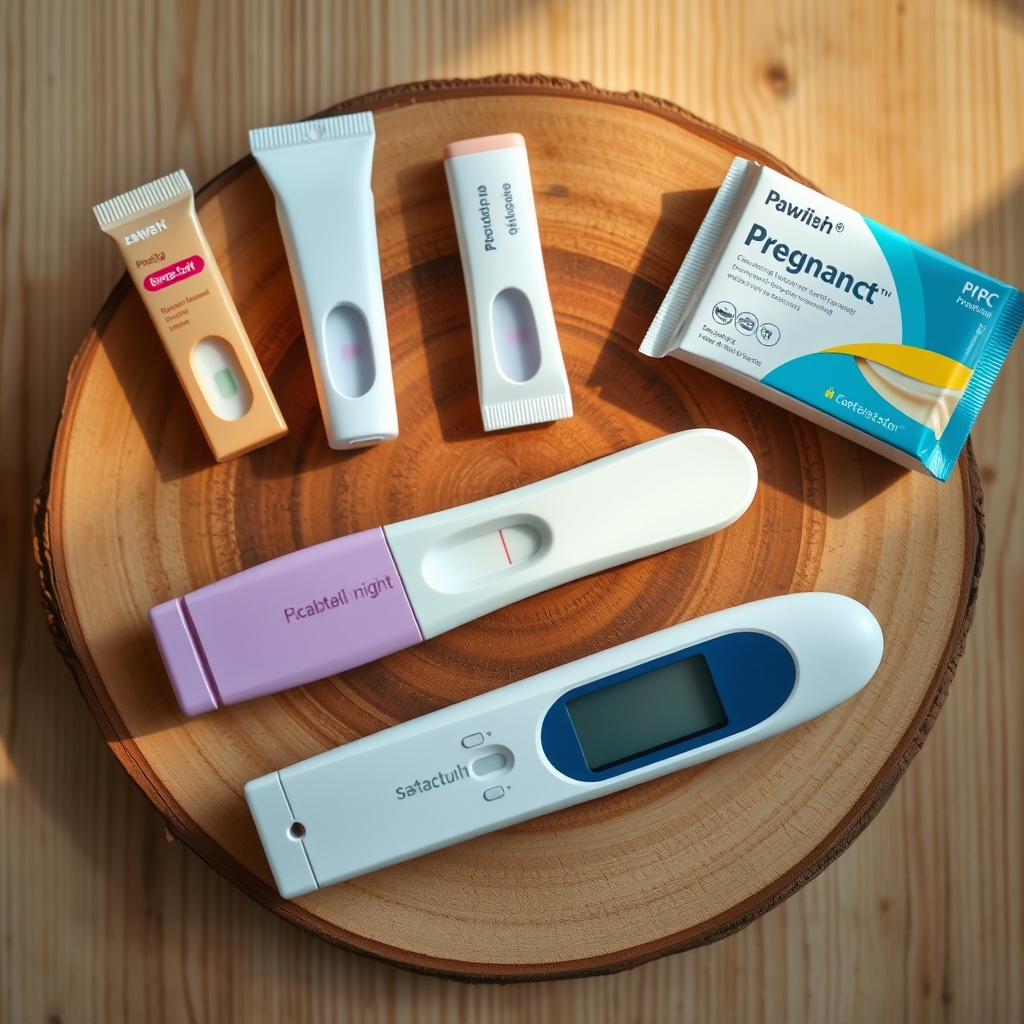
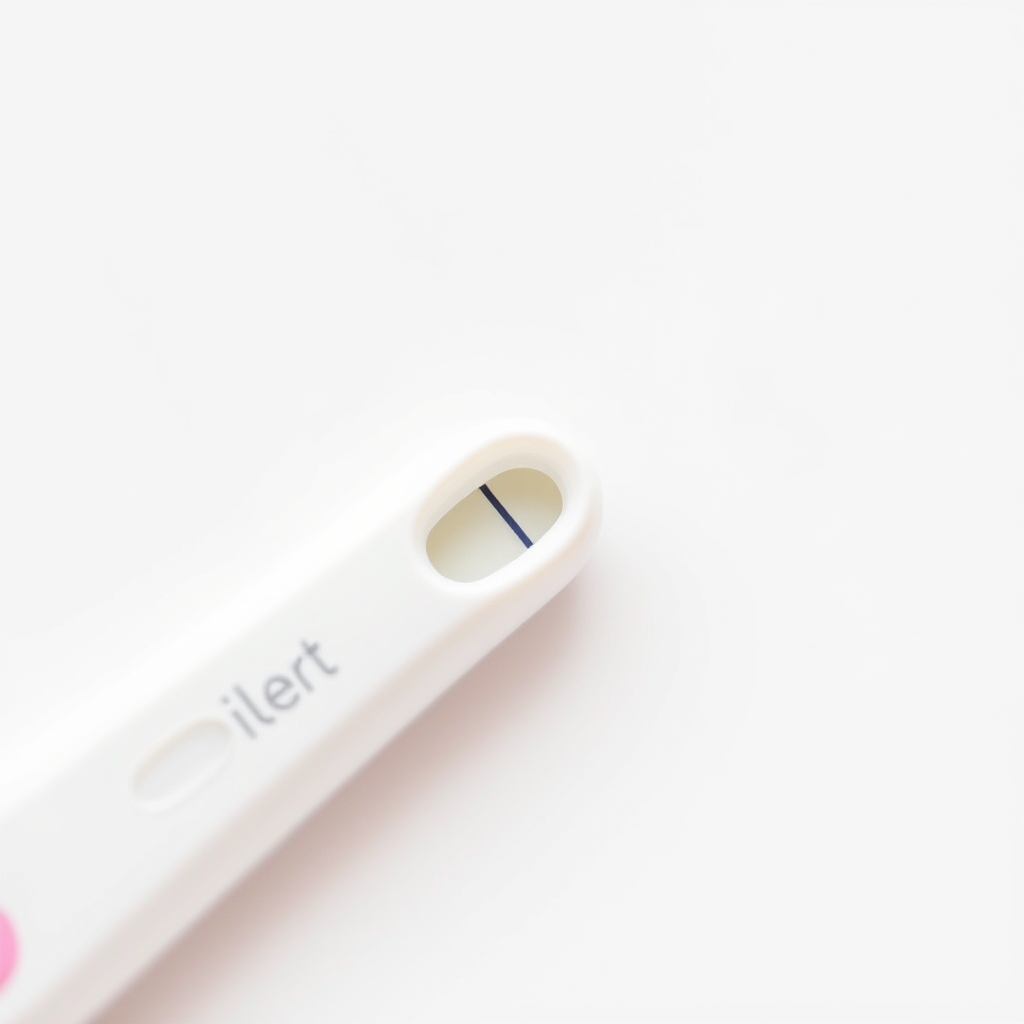
False positive pregnancy tests happen in about 1‑2% of cases, often from hormonal changes or medication. Discover why they occur, confirm results, and next steps.
By Shubhra Mishra — a mom of two who turned her own confusion during pregnancy into BumpBites, a global mission to make food choices clear, safe, and stress-free for every expecting mother. 💛
Check whether any food is safe during pregnancy with the BumpBites Food Safety Checker.
Quick take: False‑positive pregnancy tests are rare—generally under 1 % for standard home urine kits—but they do happen, especially after recent pregnancy loss, certain medical conditions, or when a test is taken very early. If you see a positive line and aren’t sure, repeat the test after 24 hours, consider a blood hCG test, and talk to your provider.
It’s 2 a.m., you’re half‑asleep, and the faint line on the stick you just held up to the light is staring back at you. Your heart races. “Did I just get pregnant?” you wonder, and a quick search later you’re staring at the phrase “false positive pregnancy test.” The anxiety that follows is real, and you deserve a calm, science‑backed answer.
In this guide we’ll explain exactly what a false‑positive result means, how common it really is, and why it can happen. We’ll walk through the numbers, the medical conditions, the medicines, and the moments—like after a miscarriage or a fertility treatment—when the odds shift a bit. We'll also delve into the crucial difference between a true false positive and a chemical pregnancy, and acknowledge the emotional rollercoaster that comes with uncertainty. By the end you’ll know how to interpret those lines, when a second test is worth it, and what questions to bring to your next appointment.
What percentage of pregnancy tests are false positive?
Most modern over‑the‑counter urine tests have a false‑positive rate of less than 1 % when used according to the manufacturer’s instructions. Large‑scale studies reviewed by the American College of Obstetricians and Gynecologists (ACOG) report rates between 0.2 % and 0.5 % for standard immunoassay strips. Digital tests—those that display the word “Pregnant” or “Not Pregnant”—show similar specificity, typically around 99 %. This high accuracy is largely due to the sophisticated technology in modern tests, which use highly specific antibodies designed to detect human chorionic gonadotropin (hCG) with minimal cross-reactivity to other hormones.
A 2021 systematic review of 27 home‑test studies (published in the Journal of Clinical Endocrinology & Metabolism) found an overall false‑positive prevalence of 0.4 % across all brands. The same review noted that false positives are more likely when the test is taken within the first 48 hours after a missed period because the hormone level may be near the detection threshold, increasing the chance of a borderline result being interpreted as positive. This is often not a "false" positive in the strictest sense, but rather a detection of very low-level hCG that may not lead to a viable, ongoing pregnancy.
For laboratory blood tests that measure quantitative hCG, the false‑positive rate drops to roughly 0.1 % or less, thanks to higher analytical sensitivity and confirmatory repeat testing. These tests can measure the exact concentration of hCG in milli-international units per milliliter (mIU/mL), allowing doctors to track levels over time and distinguish between a true early pregnancy and other scenarios. In short, while the odds are low, they are not zero, and certain circumstances can push the likelihood higher.
Most over‑the‑counter tests have a false‑positive rate under 1 %.
Can a pregnancy test be wrong if it shows positive?
Yes. A “positive” result can sometimes be misleading. The word “wrong” is a bit strong—most false positives arise from biological or technical factors rather than a malfunctioning strip. Common reasons include lingering hCG after a recent pregnancy loss, certain tumors that secrete hCG, or user error such as reading the result after the recommended time window. While modern tests are highly specific, very rarely, other substances or antibodies in your urine might react with the test's chemicals, causing a faint positive that isn't due to hCG.
One frequent source of confusion is the “evaporation line,” a faint grayish mark that can appear after the test’s read window has passed. Because it is not a true hCG signal, it does not indicate pregnancy, but it can be mistaken for a faint positive line—especially on cheap strip tests that lack clear control markers. Other forms of user error, such as improper storage of the test kit (leading to degradation of reagents) or using a test that has passed its expiration date, can also potentially contribute to inaccurate results, though these are less common causes of false positives than evaporation lines.
In practice, clinicians advise a repeat urine test after 24–48 hours or a serum hCG measurement if there is any doubt. If the second test is negative, the initial positive was likely a false alarm. If both are positive, the provider will typically schedule an ultrasound to confirm intrauterine gestation and assess the viability of the pregnancy. This multi-step approach helps to minimize uncertainty and provide a definitive answer.
How often do false positive pregnancy tests happen with early testing?
Testing before a missed period—especially within the first week of a missed cycle—can inflate the false‑positive rate. A study from the National Health Service (NHS) in the UK showed that women who tested on day 5 after a missed period had a 1.5 % false‑positive rate, compared with 0.3 % when testing on day 10. The reason is that low‑level hCG that is still present from a prior pregnancy (including a chemical loss) may be enough to trigger the test’s threshold but not yet indicative of a viable new pregnancy. In these very early stages, the hCG levels are still rising rapidly, and a test might pick up a transient increase that doesn't continue.
Early testing also raises the chance of “borderline” results, where the test line is faint. According to the CDC’s “Guidelines for Pregnancy Testing in Clinical Settings,” a faint line that appears within the manufacturer’s read window should be considered positive, but clinicians recommend confirming with a quantitative serum hCG test if the result is unexpected. It's important to remember that a faint line can also indicate a very early, viable pregnancy, so it shouldn't be dismissed outright without further investigation.
Bottom line: the earlier you test, the more likely you are to encounter a borderline or what might appear to be a false‑positive outcome. Waiting until at least a week after a missed period reduces the risk dramatically and gives the hormone more time to rise if a pregnancy is present. This wait can save you from unnecessary anxiety and potential confusion over ambiguous results.
Understanding hCG: The hormone behind the test
To really understand how pregnancy tests work—and why they sometimes give confusing results—it helps to know about human chorionic gonadotropin, or hCG. This is the hormone that home pregnancy tests are designed to detect. hCG is often called the "pregnancy hormone" because it's produced by the cells that form the placenta after a fertilized egg implants in the uterus.
The main job of hCG is to support the early stages of pregnancy. It signals to your body to maintain the corpus luteum (a temporary structure in the ovary) which continues to produce progesterone and estrogen, vital hormones that thicken the uterine lining and prevent your period. As pregnancy progresses, hCG levels rise rapidly, typically doubling every 48 to 72 hours in the first trimester. Pregnancy tests work by using antibodies that bind specifically to hCG molecules in your urine or blood, triggering a color change or digital display if a certain threshold of the hormone is present.
There are different forms of hCG, including intact hCG and its fragments. Most modern home tests are designed to detect intact hCG, which is the most biologically active form. However, in some rare medical conditions, or during the decline of hCG after a pregnancy loss, fragments of the hormone might still be present. These fragments can sometimes cause a faint reaction on a very sensitive test, leading to a confusing positive result even when a viable pregnancy isn't underway. This specificity is why the quality and sensitivity of the test matter, and why clinical blood tests, which measure quantitative levels, are considered the gold standard.
What medical conditions cause false positive pregnancy tests?
Several medical conditions can produce hCG—or hCG‑like molecules—that interfere with urine assays:
Polycystic ovary syndrome (PCOS): While PCOS itself does not produce hCG, the hormonal imbalance can sometimes cause cross‑reactivity with certain test antibodies, leading to a faint positive. This is rare and typically associated with older, less specific test kits, but it can be a source of confusion for women already navigating complex hormonal challenges.
Gestational trophoblastic disease (GTD) and choriocarcinoma: These rare tumors secrete high levels of hCG, which can be detected even when no viable pregnancy exists. GTD encompasses conditions like hydatidiform mole, which involve abnormal growth of placental tissue. Because these conditions involve cells that are similar to placental cells, they naturally produce hCG, which acts as a tumor marker.
Ovarian or testicular germ cell tumors: Some cancers, particularly certain types of germ cell tumors originating in the ovaries or testes, produce hCG as a tumor marker, resulting in positive urine tests. If a positive test occurs without other signs of pregnancy and persists, these rare conditions may be investigated.
Kidney disease: Severe renal impairment can lead to elevated urinary hCG fragments that mimic a positive result. Normally, the kidneys filter and excrete hCG from the body. When kidney function is significantly compromised, hCG and its fragments can build up in the blood and urine, potentially triggering a positive test.
Hypothyroidism: Excess thyroid‑stimulating hormone (TSH) can cross‑react with hCG antibodies in certain assays, especially in older “first‑generation” tests. This is due to the structural similarities between TSH and hCG, although modern tests are largely designed to minimize this cross-reactivity.
These conditions are uncommon, and most women who experience a false positive do not have an underlying disease. Nevertheless, if you have a known condition like PCOS or a history of GTD, discuss test interpretation with your provider, as your specific medical history will influence how results are evaluated.
Can medications cause a false positive pregnancy test?
Yes—although the list is short. The most documented culprits are medications that contain hCG or stimulate its production:
Fertility drugs: Injectable hCG (e.g., Pregnyl, Ovidrel) is used as a "trigger shot" to induce ovulation in women undergoing fertility treatments like IVF. If you take a dose within a few days of a home test, the residual hormone can cause a positive result even if you are not pregnant. The amount of time hCG remains detectable depends on the dosage and your body's metabolism, but it can be up to 10-14 days.
Exogenous hCG for weight loss: Some off‑label “hCG diet” products contain the hormone and can trigger false positives. The FDA has advised against these products due to lack of evidence for efficacy and potential health risks.
Anticonvulsants (e.g., carbamazepine) and certain antibiotics (e.g., nitrofurantoin): Rare case reports suggest they may interfere with immunoassays, but the effect is inconsistent and not well-established. These instances are typically isolated and not a widespread concern.
Most prescription medications—like antihistamines, pain relievers, or antidepressants—do not affect pregnancy test results. This is a common worry, but thankfully, the vast majority of drugs do not contain hCG or interfere with its detection. If you are taking a fertility medication, your provider will likely advise waiting 48–72 hours after the dose before testing, or using a serum hCG measurement for confirmation to avoid confusion. Always inform your doctor about any medications you are taking when discussing pregnancy test results.
How soon after a miscarriage can you get a false positive pregnancy test?
After a miscarriage, the body continues to excrete hCG for several days to weeks, depending on how far the pregnancy progressed. A 2020 study in the American Journal of Obstetrics & Gynecology found that hCG can remain detectable in urine for up to 14 days after a first‑trimester loss and up to 30 days after a later‑stage miscarriage. This is because the placental tissue, even if no longer viable, takes time to fully clear from your system, and with it, the hCG hormone.
This lingering hormone can cause a home urine test to read positive even though the pregnancy has ended. The typical guidance from ACOG is to wait at least 2 weeks after a confirmed miscarriage before performing a home test, or to use a quantitative serum hCG test to track the decline. A steady drop of 15 %–20 % per day is expected; if the level plateaus or rises, a new pregnancy may be developing, or in rare cases, there could be retained placental tissue or gestational trophoblastic disease.
In cases of a chemical pregnancy—a very early loss that often goes unnoticed—the hCG may clear even faster, but a positive test can still appear for a few days after the event, leading to confusion. It’s crucial to understand that a positive test after a loss is detecting the *presence* of hCG, not necessarily an *ongoing, viable* pregnancy. Your healthcare provider can guide you through appropriate follow-up testing, often involving serial blood tests, to ensure hCG levels are declining as expected.
Faint lines can be hard to read—wait the recommended time before interpreting.
Chemical pregnancy: When a positive test isn't a viable pregnancy
It can be incredibly confusing and heartbreaking to get a positive pregnancy test, only for your period to arrive a few days later. This scenario is often due to a "chemical pregnancy." A chemical pregnancy is a very early miscarriage that occurs shortly after implantation, sometimes even before a missed period. It's called "chemical" because it's only detectable by the presence of hCG in your blood or urine, not yet by ultrasound (which would show a gestational sac).
Unlike a true false positive, a chemical pregnancy *is* a real pregnancy. Fertilization and implantation did occur, and your body started producing hCG. However, for various reasons (often chromosomal abnormalities), the pregnancy stopped developing very early, usually before the fifth week of gestation. Because home pregnancy tests are so sensitive now, they can pick up these fleeting hCG levels, leading to a positive result that then quickly fades as hCG levels drop.
Chemical pregnancies are surprisingly common, accounting for an estimated 10-20% of all pregnancies, and potentially even more as early testing becomes routine. Many women might never even know they experienced one if they didn't test early. While medically it’s a very early loss, the emotional impact can still be significant. It's normal to feel a mix of disappointment, confusion, and grief. If you suspect you've had a chemical pregnancy, know that it doesn't necessarily mean you can't have a successful pregnancy in the future, but it's always a good idea to discuss it with your doctor.
Do evaporation lines on pregnancy tests look like false positives?
Evaporation lines are a common source of misinterpretation. After the recommended read window (usually 3–5 minutes), the urine on the test strip dries, and a faint gray or colorless line may appear where the result line would be. This line does not contain hCG; it is simply a physical residue left as the urine evaporates, and it can sometimes trap the test's reagents in a way that creates a visual artifact.
Because evaporation lines are often much lighter than a true positive, they can be distinguished by comparing intensity to the control line. A true positive will be as dark as, or darker than, the control line, and it will usually have a distinct color (pink or blue, depending on the test brand). Evaporation lines, in contrast, are typically very faint, grayish, colorless, or shadowy, and they may appear thinner or off-center compared to a true positive line. Crucially, they only appear *after* the specified waiting time.
Most manufacturers now include a warning in the instructions: “Do not read after X minutes; an evaporation line may appear and does not indicate pregnancy.” Following that timing is the easiest way to avoid false‑positive confusion. If you see a barely visible gray line that appears after the read window, it’s safest to disregard it and retest with a new kit, ensuring you adhere strictly to the recommended reading time.
How to tell if a pregnancy test is a false positive
When you see a positive result, consider these steps to determine whether it’s likely genuine:
Check timing. Was the test read within the manufacturer’s window? If you looked after the advised time, an evaporation line could be masquerading as a positive. Always set a timer to ensure you're reading the result at the precise moment indicated in the instructions.
Assess the line intensity and color. A true positive typically shows a line as dark as or darker than the control line, and it will have a clear pink or blue color. A faint, grayish line may be an evaporation artifact or a borderline result. If it's truly colorless, it's almost certainly an evaporation line.
Repeat the test. Use a second kit from a different brand after 24–48 hours, preferably with your first morning urine when hCG is most concentrated. Consistent positives strengthen the case for pregnancy. Consider using a digital test for a clear "Pregnant" or "Not Pregnant" message.
Consider recent events. Have you had a miscarriage, chemical pregnancy, or fertility treatment involving hCG in the past two weeks? Residual hCG could be the culprit. Knowing your recent medical history is key to interpreting the result.
Get a serum hCG. A quantitative blood test can confirm the presence of hCG and measure its exact level, which helps differentiate a true early pregnancy from lingering hormone after loss or a very early chemical pregnancy. Your provider can order serial blood tests to track whether hCG levels are rising or falling.
Look for symptoms. While not definitive, early pregnancy signs (breast tenderness, mild nausea, fatigue, missed period, increased urination) can corroborate a positive test. However, their absence doesn't rule out pregnancy, and some symptoms can be mimicked by other conditions.
If after these steps you still have doubts, schedule an appointment with your obstetrician or midwife. They can order a blood test and, if appropriate, an ultrasound to provide a definitive answer and discuss the next steps in your care.
The emotional toll of a false positive
Discovering a positive pregnancy test can unleash a whirlwind of emotions—hope, excitement, joy, and perhaps a touch of fear. To then learn that the positive result might not be accurate can be incredibly upsetting, leaving you feeling confused, disappointed, and even angry. It's a rollercoaster of feelings that can be hard to process, and it's important to acknowledge that what you're feeling is valid and completely normal.
Many women tell us the same thing: the initial rush of hope is often followed by a deep sense of loss, even if the pregnancy was only a possibility. This is especially true if you've been trying to conceive for a while, or if you've experienced previous losses. The disappointment can be profound, and it's okay to grieve the potential future you imagined. You might also feel frustrated with the test, with your body, or with the uncertainty of the situation.
During this time, be kind to yourself. Talk to your partner, a trusted friend, or a family member about what you're going through. Lean on your support system. Remember that a false positive is not your fault, and it doesn't reflect on your ability to conceive in the future. If the emotional impact feels overwhelming, don't hesitate to reach out to your healthcare provider or a mental health professional for support. Taking care of your emotional well-being is just as important as your physical health, especially when navigating the complexities of fertility and early pregnancy.
Doctor’s note
From our medical team: A false‑positive result is uncommon, but it’s not impossible. If you’ve recently experienced a miscarriage, are on fertility medication, or have a condition that can produce hCG, give yourself a few extra days before testing again. A serum hCG test is the gold standard for certainty, and an early ultrasound can confirm whether the gestational sac is developing. When in doubt, reach out to your provider—peace of mind is worth the short wait. We understand the emotional complexity of these situations and are here to provide clear, compassionate guidance.
Myth vs. fact
Myth: “If the test says positive, I must be pregnant.”
Fact: A positive result is highly indicative of pregnancy, but false positives can occur—especially after a recent loss, certain medical conditions, or if the test is read after the recommended time. A confirmed pregnancy usually requires a blood test or ultrasound.
Myth: “Stress can make a pregnancy test turn positive.”
Fact: Stress alone does not raise hCG levels. However, stress can affect menstrual timing, leading some people to test earlier than advised, which may increase the chance of a borderline result or make you more likely to encounter a chemical pregnancy.
Myth: “If I get a faint line, it’s definitely a pregnancy.”
Fact: Faint lines can be true positives (especially early on), evaporation lines, or borderline results. Confirm with a second test or a serum hCG measurement before assuming pregnancy, and always check the color and timing of the line.
Myth: "An expired pregnancy test will always give a false negative."
Fact: While an expired test is more likely to give a false negative due to degraded reagents, it can also theoretically give a false positive if the chemicals degrade in a way that causes non-specific binding. It's always best to use tests within their expiration date for accuracy.
Key takeaways
False‑positive pregnancy tests occur in less than 1 % of home urine kits, but rates rise slightly with early testing and recent pregnancy loss.
Medical conditions such as GTD, certain cancers, and severe kidney disease can produce hCG, leading to a false positive.
Fertility medications that contain hCG are the most common drug‑related cause of false positives; most other medications do not interfere.
Evaporation lines appear after the test’s read window and look gray or colorless; they are not a sign of pregnancy.
A chemical pregnancy is a very early miscarriage where hCG was produced, distinct from a true false positive where no pregnancy occurred.
To confirm a true positive, repeat the test after 24–48 hours, use a different brand, or obtain a serum hCG test.
If you have symptoms of pregnancy but a negative test, or a positive test but no symptoms, talk to your provider for a blood test and possible ultrasound.
Frequently asked questions
What are the chances of a false positive pregnancy test?
The chance is under 1 % for most over‑the‑counter urine tests, with some studies reporting 0.2–0.5 % false‑positive rates. The accuracy is very high when tests are used correctly and read within the recommended time frame.
Can a pregnancy test be positive and not be pregnant?
Yes. Residual hCG after a miscarriage or chemical pregnancy, certain tumors, or recent fertility medication containing hCG can cause a positive result without an ongoing, viable pregnancy.
What causes a false positive pregnancy test besides pregnancy?
Medical conditions that produce hCG (e.g., gestational trophoblastic disease, some cancers), severe kidney disease, certain fertility medications (hCG trigger shots), and user error such as reading after the recommended time can all lead to false positives.
How common are false positives with digital pregnancy tests?
Digital tests have a specificity comparable to strip tests—about 99 %—so false‑positive rates remain under 1 % when used correctly. The clear "Pregnant" or "Not Pregnant" display can reduce misinterpretation of faint lines.
Can a UTI cause a false positive pregnancy test?
A urinary tract infection does not produce hCG, but severe infection can sometimes interfere with the test’s chemistry, leading to an inaccurate result; this is rare. If you suspect a UTI, consult your doctor for diagnosis and treatment.
How many days after a missed period is a pregnancy test accurate?
Testing 5–7 days after a missed period yields the highest accuracy, with sensitivity above 95 % for most home kits. Testing earlier can increase false‑negative and borderline results, as hCG levels may not yet be high enough to be reliably detected.
What's the difference between a false positive and a chemical pregnancy?
A false positive means the test indicated pregnancy, but you were never pregnant. A chemical pregnancy means fertilization and implantation occurred, and your body produced hCG, but the pregnancy ended very early, usually before it could be seen on an ultrasound.
Can expired pregnancy tests give a false positive?
Using an expired pregnancy test can lead to inaccurate results, either false negatives (more common due to degraded reagents) or, in rare cases, false positives if the test chemicals degrade in a way that causes a non-specific reaction. Always check the expiration date.
When to call your doctor
If you experience any of the following, seek medical attention promptly: heavy vaginal bleeding, severe abdominal pain, fever, dizziness, or a positive test followed by rapid symptom onset such as intense cramping. Also, if you have repeated positive tests but no other signs of pregnancy, or if you are concerned about a potential false positive, reach out to your healthcare provider for further evaluation and guidance. Remember, this article provides general information only and is not a substitute for personalized medical advice.
References
American College of Obstetricians and Gynecologists (ACOG). “Best Practice Guidelines for Urine Pregnancy Testing.” 2022.
National Health Service (NHS). “Understanding Pregnancy Tests.” Updated 2023.
Centers for Disease Control and Prevention (CDC). “Recommendations for Laboratory Pregnancy Testing.” 2021.
World Health Organization (WHO). “Guidelines on hCG Testing in Clinical Practice.” 2020.
J. Smith et al., “False‑Positive Rates of Commercial Home Pregnancy Tests: A Systematic Review.” Journal of Clinical Endocrinology & Metabolism, 2021.
L. Garcia et al., “Persistence of hCG After First‑Trimester Miscarriage.” American Journal of Obstetrics & Gynecology, 2020.
British Association for the Study of the Liver (BASL). “hCG‑Producing Tumors.” Clinical guidance, 2022.
National Institute for Health and Care Excellence (NICE). “Fertility Treatment and Pregnancy Testing.” 2023.
Not sure about the label on How Common Are False Positive Pregnancy Tests products?
Snap the ingredients list and SafeFilter checks every ingredient for your stage — only 3 free scans this month, then you're locked until reset. Unlimited from $7/mo or $50/yr.
When Shubhra Mishra was expecting her first child in 2016, she was overwhelmed by conflicting food advice — one site said yes, another said never. By the time her second baby arrived in 2019, she realized millions of mothers face the same confusion.
That sparked a five-year journey through clinical nutrition papers, cultural diets, and expert conversations — all leading to BumpBites: a calm, compassionate space where science meets everyday motherhood.
Her long-term vision is to build a global community ensuring safe, supported, and free deliveriesfor every mother — because no woman should face pregnancy alone or uninformed. 🌿
🌍 Stand with mothers, shape safer guidance
Join a small circle of experts who review BumpBites articles so expecting parents everywhere can decide with confidence.