Find out how early a pregnancy test can show positive, with accuracy by day. Learn when to take a test for the most accurate results
By Shubhra Mishra — a mom of two who turned her own confusion during pregnancy into BumpBites, a global mission to make food choices clear, safe, and stress-free for every expecting mother. 💛
Check whether any food is safe during pregnancy with the BumpBites Food Safety Checker.
Quick take: A pregnancy test can show positive as early as 6-8 days past ovulation, but accuracy varies by test sensitivity and individual hormone levels. Most home tests are reliable around 10-14 days past ovulation, while a missed period is often the first noticeable sign. For the most accurate results, waiting until at least the day of your missed period is often recommended.
Introduction to Early Pregnancy Testing
It's the morning after a night of trying, and you're already wondering if you've conceived. The anticipation can be overwhelming, and it's natural to want to know as soon as possible. But how early can a pregnancy test really show positive? The answer depends on several factors, including the type of test, the timing of ovulation, and individual hormone levels. In this article, we'll delve into the world of early pregnancy testing, exploring how tests work, the crucial role of implantation, and what to expect when taking a test.
🔢 Calculate it for your situation: Use our Pregnancy Test Timing for a personalized result in seconds.
For many women, the wait to find out if they're pregnant can be an emotional rollercoaster. Sarah, a 32-year-old trying to conceive, shared her experience: "I took a test at 7 days past ovulation, and it was negative. I was devastated. But my doctor told me to wait a few more days and try again. Sure enough, at 10 days past ovulation, the test was positive. It was a huge relief, but I wish I had known more about how pregnancy tests work and when to take them." This common scenario highlights the importance of understanding the science behind early detection and managing expectations.
Understanding How Pregnancy Tests Work
Pregn
ancy tests detect the presence of human chorionic gonadotropin (hCG), a hormone produced by the placenta after implantation. Often called "the pregnancy hormone," hCG plays a vital role in maintaining the early pregnancy by signaling the corpus luteum (a temporary gland in the ovary) to continue producing progesterone, which is essential for uterine lining support. hCG levels typically start to rise around 6-12 days after fertilization, with a significant increase in the following days, often doubling every 48-72 hours in early pregnancy. Home pregnancy tests (HPTs) measure the concentration of hCG in urine, and their sensitivity varies depending on the brand and type. Some tests claim to detect hCG as low as 6-8 mIU/mL (milli-international units per milliliter), while others may require higher concentrations, around 20-25 mIU/mL, to show a positive result.
The technology behind HPTs relies on antibodies that specifically bind to hCG. When urine containing hCG passes over the test strip, the hCG molecules bind to these antibodies, triggering a chemical reaction that results in a visible line or digital display. The intensity of a line on a strip test is generally proportional to the amount of hCG present, meaning a darker line usually indicates higher hCG levels. However, a faint line is still a positive line, provided it appears within the test's designated reaction time. Understanding these mechanisms helps explain why waiting for sufficient hCG levels is key to getting an accurate result.
The Crucial Role of Implantation in Early Detection
The timing of implantation is absolutely crucial in determining when a pregnancy test can show positive. Fertilization, the fusion of sperm and egg, usually occurs in the fallopian tube. The fertilized egg, now called a zygote, travels down to the uterus, developing into a blastocyst. Implantation is the process where this blastocyst attaches to the uterine wall. This usually occurs 6-10 days after fertilization, with the majority happening around 8-9 days. However, this can vary from woman to woman, and some pregnancies may implant earlier or later than average. Only once implantation has successfully occurred does the developing placenta begin producing hCG, making it detectable by pregnancy tests.
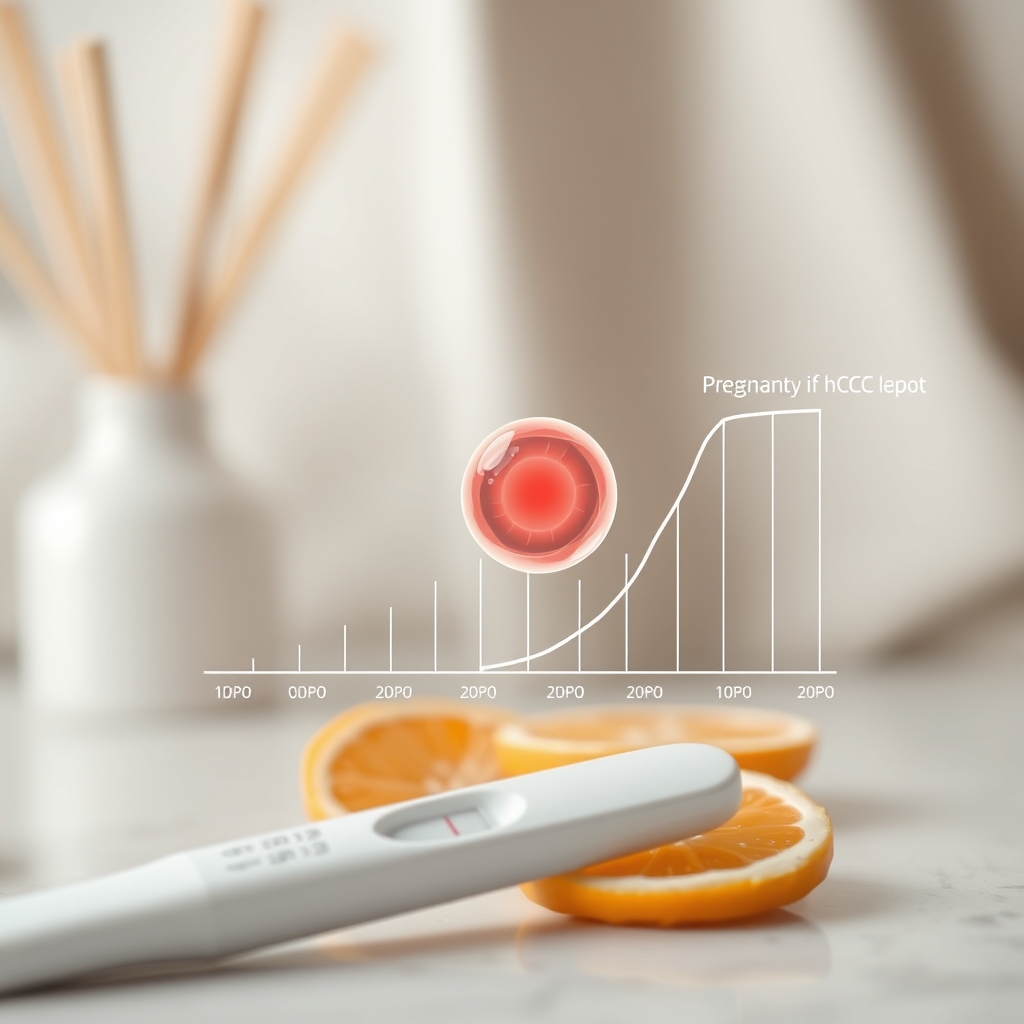
Because hCG production only begins *after* implantation, taking a test before this event will always result in a negative, regardless of whether fertilization has occurred. Even after implantation, it takes a couple of days for hCG levels to rise enough to be detected by even the most sensitive home pregnancy tests. This biological timeline is why waiting until at least 10 days past ovulation (DPO), and ideally closer to a missed period, significantly increases the chance of an accurate positive result. Understanding the role of implantation in pregnancy test accuracy can help you better navigate the testing process and manage the emotional wait.
Implantation and hCG production: understanding the process can help you time your pregnancy test effectively.
The Importance of Timing in Taking a Pregnancy Test
The timing of a pregnancy test is critical in determining its accuracy. Taking a test too early can lead to false negatives, as hCG levels may not have risen enough to be detected. On the other hand, waiting too long is less likely to cause a false positive (unless other factors are at play), but for some, the anxiety of waiting can be immense. Most home tests are reliable around 10-14 days past ovulation (DPO), but for the highest accuracy, many healthcare providers, including the American College of Obstetricians and Gynecologists (ACOG), recommend waiting until at least the day of your missed period. By this point, hCG levels are typically high enough for most standard HPTs to detect.
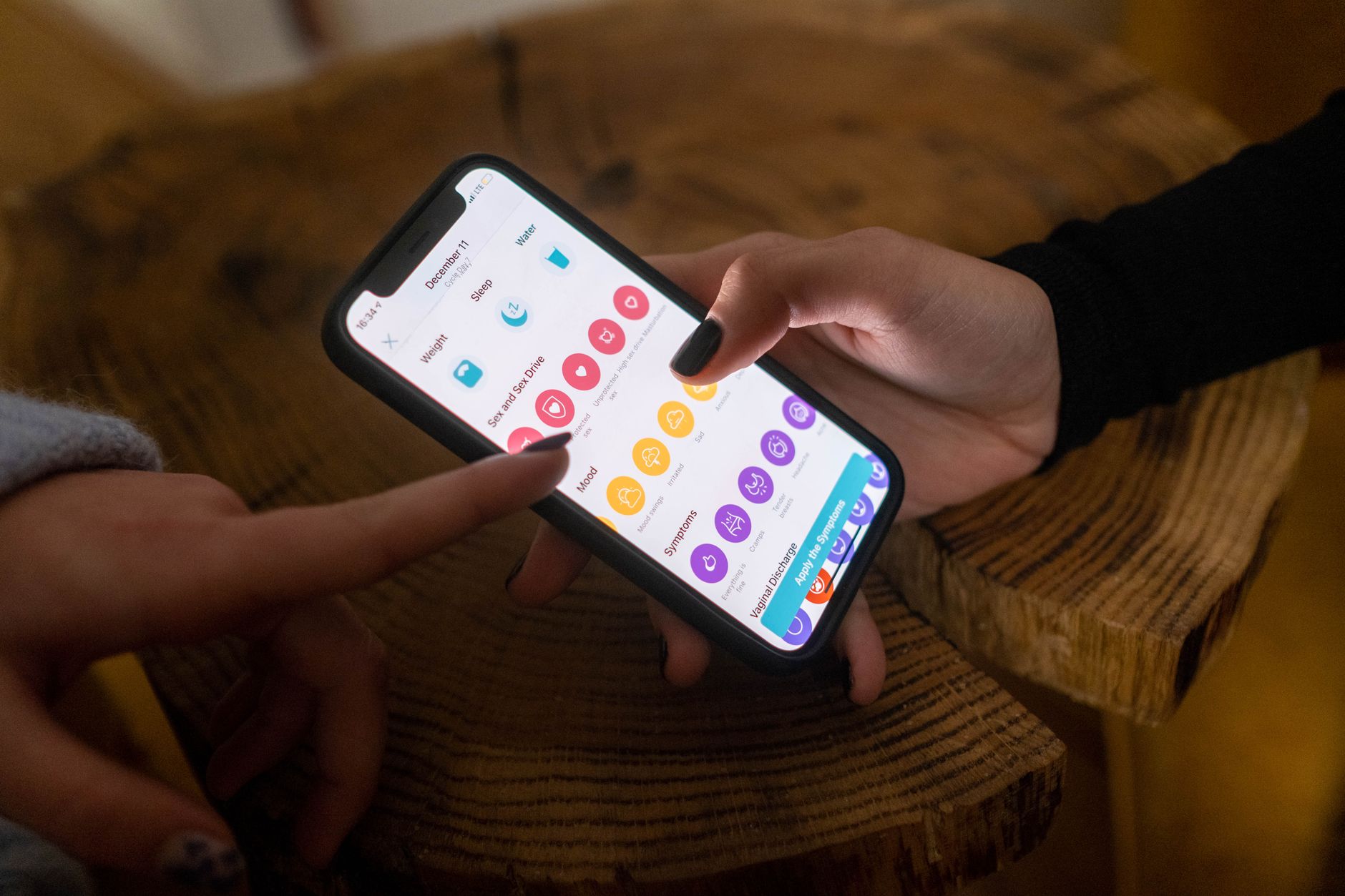
To increase the chances of an accurate result, it's essential to understand your body and ovulation cycle. Tracking your ovulation can help you determine the best time to take a test. You can use an ovulation predictor kit (OPK), basal body temperature (BBT) charting, or fertility apps to monitor your cycle and identify the optimal testing window. If you're unsure about your ovulation or want to calculate your testing window, consider using our Pregnancy Test Timing tool to get a better estimate. Additionally, using your first morning urine is often recommended because it's usually the most concentrated, meaning it has the highest potential level of hCG if you are pregnant.
Understanding Your Cycle and Ovulation for Best Timing
Knowing your menstrual cycle and when you ovulate is perhaps the most powerful tool for timing a pregnancy test correctly. Ovulation is when an egg is released from the ovary, and it's the only time conception can occur. Most women with a regular 28-day cycle ovulate around day 14, but cycle lengths and ovulation timing can vary significantly. If you have an irregular cycle, or if you're not tracking ovulation, pinpointing the earliest possible test date becomes much more challenging and prone to error.
There are several methods to track ovulation. Ovulation Predictor Kits (OPKs) detect a surge in luteinizing hormone (LH), which typically precedes ovulation by 24-36 hours. Basal Body Temperature (BBT) charting involves taking your temperature every morning before getting out of bed; a sustained slight rise in BBT can indicate that ovulation has already occurred. Observing changes in cervical mucus, which becomes clear and stretchy like egg whites around ovulation, is another natural method. By combining these methods, you can gain a clearer picture of your fertile window and, consequently, when implantation might occur, allowing you to choose the most appropriate time to take a pregnancy test for reliable results.
Tracking your ovulation can help you pinpoint the best time for a pregnancy test.
Factors Influencing the Accuracy of Early Pregnancy Tests
Several factors can influence the accuracy of early pregnancy tests, including the type of test, individual hormone levels, and the timing of implantation. Some women may naturally produce higher levels of hCG, making it easier to detect pregnancy earlier. Others may have a slower increase in hCG, requiring a more sensitive test or longer waiting period. It's also worth noting that urine concentration can play a role; diluted urine (from drinking a lot of fluids) can lower the hCG concentration, potentially leading to a false negative even if enough hCG is present in the body. This is why first morning urine is often recommended.
Additionally, certain medical conditions or circumstances can affect hCG production and test accuracy. For instance, fertility treatments involving hCG injections (like Ovidrel) can cause a temporary false positive. A recent miscarriage or termination can also leave detectable hCG in your system for a while. Conditions like polycystic ovary syndrome (PCOS) generally do not directly affect hCG production but can make ovulation tracking challenging, leading to miscalculations of test timing. Very rarely, certain ovarian tumors or gestational trophoblastic disease (like a molar pregnancy) can produce hCG, leading to a positive test without a viable pregnancy. It's essential to consult with your healthcare provider if you have any underlying medical conditions or concerns about your fertility or test results.
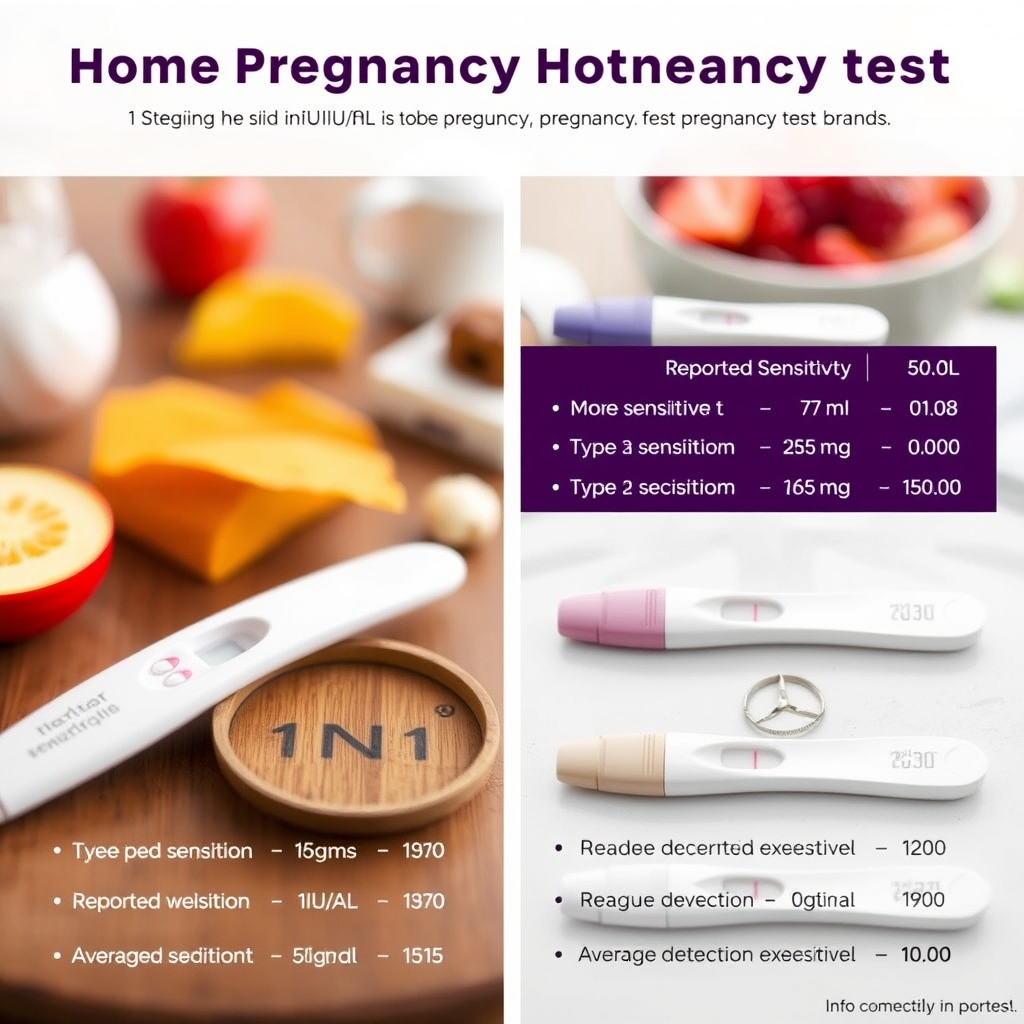
Comparing pregnancy test sensitivity: choosing the right test for your needs.
Comparing Sensitivity of Different Types of Pregnancy Tests
Not all pregnancy tests are created equal, and their sensitivity can vary significantly. Test sensitivity is measured in mIU/mL, indicating the lowest concentration of hCG the test can detect. Tests labeled "early detection" typically have a sensitivity of 10-25 mIU/mL, meaning they can pick up lower levels of hCG. Standard tests usually have a sensitivity of 25-50 mIU/mL. Digital tests, which display a "pregnant" or "not pregnant" result, are often marketed for their ease of reading, but their sensitivity can vary. Some digital tests are quite sensitive (e.g., 10-15 mIU/mL), making them a good option for early testing, while others might require higher hCG levels.
Traditional strip tests, or "dye tests," often have a wide range of sensitivities. Some ultra-sensitive strip tests can detect hCG levels as low as 6-8 mIU/mL, theoretically allowing for detection a few days before a missed period. However, these extremely sensitive tests also carry a higher risk of detecting a "chemical pregnancy" (a very early miscarriage that might otherwise go unnoticed). When choosing a test, consider the sensitivity, ease of use, and cost. Reading the packaging carefully to understand the mIU/mL rating and recommended testing window is always a good idea. For example, the FDA regulates pregnancy tests and requires them to be able to detect hCG levels by the day of the missed period, but many brands exceed this standard.
What If You Get a Faint Line?
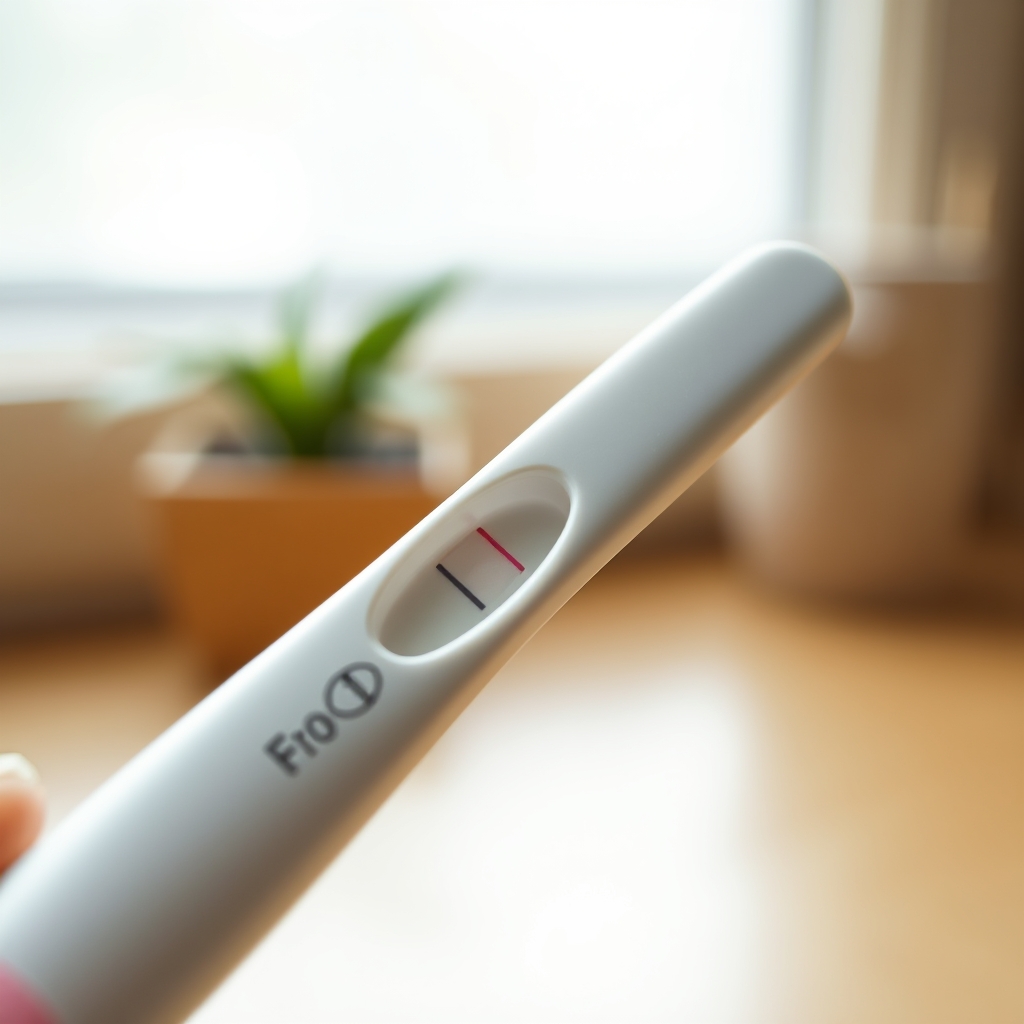
One of the most common and anxiety-inducing scenarios for those taking early pregnancy tests is seeing a faint line. A faint line can be a true positive, indicating low but detectable levels of hCG, or it could be an "evaporation line." An evaporation line is a colorless line that may appear in the test window as urine dries, typically after the recommended reading time has passed. These lines are not indicative of pregnancy and can be particularly frustrating because they can look very similar to a true positive.
To distinguish between a faint positive and an evaporation line, always read the test within the manufacturer's specified timeframe (usually 3-5 minutes). If a faint line appears within this window, it is most likely a positive result, even if very light. However, if the line only appears much later, it's more likely an evaporation line. If you see a faint line, the best course of action is to retest in 24-48 hours, ideally with a different brand of test, and with first morning urine. If the line gets darker, it's a strong indication of a progressing pregnancy. If it remains faint, disappears, or you get a negative result, it's wise to consult your healthcare provider.
A faint line can be confusing; retesting in a day or two can help clarify the result.
Interpreting Test Results and Understanding False Negatives and Positives
Interpreting pregnancy test results can be confusing, especially if you're getting conflicting results or are unsure about a faint line. False negatives, where the test shows negative but you're actually pregnant, are more common than false positives. This can occur if you take the test too early (before sufficient hCG has built up), use a less sensitive test, have a slower increase in hCG levels, or drink excessive fluids before testing, diluting your urine. It's crucial to always follow the test instructions precisely, especially regarding the reading window. Reading a test too late can lead to misinterpreting an evaporation line as a positive.
False positives, on the other hand, are less common but can be caused by certain medical conditions or circumstances. These include a recent miscarriage or termination (hCG can linger in the system), fertility medications containing hCG, rare ovarian cysts, or conditions like gestational trophoblastic disease (e.g., a molar pregnancy). A "chemical pregnancy" is another reason for a very early positive followed by a negative. This occurs when a fertilized egg implants but stops developing very soon after, leading to a brief rise in hCG that is detected by a sensitive test, but the pregnancy doesn't progress. While heartbreaking, chemical pregnancies are common and often go unnoticed without early testing. If you're experiencing any unusual symptoms or concerns about your test results, especially if you have a positive result followed by bleeding, it's essential to consult with your healthcare provider.
Beyond Home Tests: Blood Tests for hCG
While home pregnancy tests are convenient and generally accurate when used correctly, there are situations where a healthcare provider might order a blood test for hCG. Blood tests are typically more sensitive than urine tests and can detect pregnancy earlier, sometimes as early as 6-8 days after conception. There are two main types of blood tests:
Qualitative hCG blood test: This test simply detects whether hCG is present in the blood, providing a "yes" or "no" answer to pregnancy. It's similar to a urine test but more sensitive.
Quantitative hCG blood test (Beta-hCG test): This test measures the exact amount of hCG in your blood. This is particularly useful for monitoring the progression of a very early pregnancy, investigating potential issues like ectopic pregnancy or miscarriage, or confirming pregnancy after fertility treatments. Doctors often order a series of quantitative hCG tests, taken 48-72 hours apart, to see if the levels are doubling as expected in a healthy, progressing pregnancy.
Your doctor might recommend a blood test if you have an irregular cycle, are experiencing symptoms of early pregnancy but have negative home tests, or if there's a medical concern. The National Health Service (NHS) in the UK, for example, advises consulting a GP for a blood test if there's uncertainty or concern regarding home test results. While blood tests offer higher accuracy and earlier detection, they require a visit to a lab and are not typically the first step for most people seeking to confirm a pregnancy.
The Emotional Rollercoaster of Waiting and Testing
The journey of trying to conceive, from ovulation to taking a pregnancy test, is often an emotional rollercoaster filled with hope, anxiety, and sometimes disappointment. The "two-week wait" (the period between ovulation and when a period is due) can feel agonizingly long, with every twinge and symptom scrutinized. Many women describe an intense urge to test early, sometimes daily, hoping to catch that first faint line. This eagerness is completely normal, reflecting the deep desire for a baby.
However, early testing can also amplify stress. Negative results, especially when taken too soon, can be disheartening and lead to unnecessary worry. It's important to acknowledge these feelings and be kind to yourself during this time. Find healthy ways to cope with the wait, whether it's distracting yourself with hobbies, connecting with a supportive partner or friend, or practicing mindfulness. Remember that a negative test doesn't necessarily mean you're not pregnant; it could just mean it's too early. Give yourself grace, manage your expectations, and consider setting a firm date for testing to reduce the daily internal debate. Many moms tell us the same thing: "It's hard, but trying to wait until your missed period really does save you a lot of heartache and confusion."
From our medical team: While early detection tests can be tempting, remember that the most reliable results come from waiting until at least the day your period is due. Early positives are exciting, but very early negatives are often just due to low hormone levels, not a lack of pregnancy. If you're unsure, or have a positive test followed by bleeding, always reach out to your healthcare provider for guidance. They can offer blood tests or further advice to confirm your pregnancy and ensure your well-being.
🔢 Ready to crunch your numbers? Use our Pregnancy Test Timing for a personalized result in seconds.
Myth vs. Fact
Many myths surround pregnancy testing, and it's essential to separate fact from fiction. Here are a few common misconceptions:
Myth: You can't get a false negative if you take a test in the morning. Fact: While morning urine is often more concentrated and therefore recommended for early testing, it's still possible to get a false negative if you take the test too early in your cycle or if your hCG levels are rising slowly. The timing relative to ovulation and implantation is more critical than the time of day alone.
Myth: Digital tests are always more accurate than strip tests. Fact: While digital tests can be more convenient and eliminate the need to interpret faint lines, their sensitivity can vary depending on the brand and type. Some traditional strip tests are actually more sensitive (detect lower levels of hCG) than certain digital tests. Both types are generally accurate when used correctly and at the right time.
Myth: You can't get pregnant if you're using birth control. Fact: While birth control is highly effective, no method is 100% foolproof. Factors like inconsistent use, incorrect use, or interactions with other medications can reduce effectiveness. It's essential to use birth control correctly and consistently to minimize the risk of pregnancy, but a pregnancy test is warranted if you suspect a failure.
Myth: Drinking a lot of water before a test makes it more accurate. Fact: Actually, the opposite is true for early testing. Drinking excessive amounts of water can dilute your urine, making it harder for a test to detect lower levels of hCG, potentially leading to a false negative. This is why using first morning urine, which is typically more concentrated, is often advised.
Key Takeaways
Pregnancy tests can show positive as early as 6-8 days past ovulation, but accuracy significantly increases closer to the day of your missed period.
Understanding how pregnancy tests work, particularly the role of hCG and implantation, is key to timing your test correctly.
Tracking your ovulation using methods like OPKs, BBT, or fertility apps can help pinpoint the best time to test.
Test sensitivity (measured in mIU/mL) varies between brands and types; "early detection" tests are more sensitive.
Faint lines should be retested in 24-48 hours; always read results within the manufacturer's specified timeframe to avoid evaporation lines.
False negatives are common if testing too early; false positives are rare but can occur due to specific medical conditions or medications.
Blood tests for hCG are more sensitive and can confirm pregnancy earlier or monitor its progression.
The emotional wait can be challenging; practice self-care and manage expectations during the two-week wait.
Frequently Asked Questions
What is the average time it takes for a pregnancy test to show positive?
The average time it takes for a pregnancy test to show positive is around 10-14 days past ovulation (DPO), or around the day your period is expected. While some tests can detect hCG earlier, waiting until your missed period offers the highest accuracy.
Can a pregnancy test be false negative if taken too early?
Yes, taking a pregnancy test too early is the most common reason for a false negative. hCG levels may not have risen enough to be detected by the test, even if you are pregnant. It's best to wait until at least 10 DPO, and ideally until the day of your missed period, for more reliable results.
How many days after conception can a pregnancy test detect hCG?
Pregnancy tests can detect hCG levels as early as 6-8 days after conception (which is roughly equivalent to 6-8 DPO). However, detection at this stage is rare, and the reliability and sensitivity vary greatly among tests and individuals.
What is the most sensitive pregnancy test for early detection?
The most sensitive pregnancy tests for early detection are typically certain strip tests or "early detection" branded tests, which can detect hCG levels as low as 6-10 mIU/mL. Always check the test's packaging for its specific sensitivity rating.
Can I trust a positive pregnancy test result at 4 days past ovulation?
It's highly unlikely to get a positive result at 4 days past ovulation (DPO). Implantation, which triggers hCG production, typically occurs between 6-12 DPO, with hCG levels only becoming detectable a couple of days after that. A positive result this early would be extremely rare and could potentially be a false positive.
How long after a missed period can a pregnancy test still be positive?
A pregnancy test can still be positive several weeks, and even months, after a missed period if you are pregnant. As pregnancy progresses, hCG levels continue to rise significantly, making detection very easy. However, if you have a missed period and negative tests, it's essential to consult your healthcare provider to investigate the cause.
Can certain medications affect pregnancy test results?
Yes, certain medications can affect pregnancy test results, though this is not common. Fertility drugs containing hCG (like Ovidrel, Pregnyl) can cause temporary false positives. Other medications, like those for anxiety or allergies, generally do not interfere with test accuracy. Always inform your doctor about any medications you are taking if you have concerns about your test results.
What is a "chemical pregnancy" and how does it relate to early testing?
A "chemical pregnancy" is a very early miscarriage that occurs shortly after implantation. It's called "chemical" because a pregnancy test detects hCG (a chemical marker), but the pregnancy doesn't progress enough to be seen on an ultrasound. Early testing with sensitive tests can detect these pregnancies that might otherwise go unnoticed, leading to a positive test followed by a period or negative test a few days later.
When to Call Your Doctor
While home pregnancy tests are a great first step, they are not a substitute for medical confirmation or care. It's essential to call your doctor or midwife if:
You have a positive home pregnancy test result, especially if it's your first positive. They can confirm the pregnancy and start your prenatal care.
You have a positive test but then experience heavy bleeding, severe abdominal pain, or cramping. This could indicate an early miscarriage or an ectopic pregnancy, which requires urgent medical attention.
You've had multiple negative tests but your period is significantly late, or you continue to experience pregnancy symptoms.
You are undergoing fertility treatments or have underlying medical conditions that could affect your results.
You have any concerns or questions about your fertility, test results, or potential pregnancy.
Remember, this article is for informational purposes only and should not be considered a substitute for personalized medical advice from your healthcare provider.
References
American College of Obstetricians and Gynecologists (ACOG). (2023). Early Pregnancy Loss.
American Pregnancy Association. (2023). Home Pregnancy Tests.
Mayo Clinic. (2023). Pregnancy tests: How they work and what to expect.
National Health Service (NHS). (2023). When to do a pregnancy test.
U.S. Food and Drug Administration (FDA). (2023). Pregnancy Test – In Vitro Diagnostic Devices.
Not sure about the label on How Early Can A Pregnancy Test Show Positive Accuracy By Day products?
Snap the ingredients list and SafeFilter checks every ingredient for your stage — only 3 free scans this month, then you're locked until reset. Unlimited from $7/mo or $50/yr.
When Shubhra Mishra was expecting her first child in 2016, she was overwhelmed by conflicting food advice — one site said yes, another said never. By the time her second baby arrived in 2019, she realized millions of mothers face the same confusion.
That sparked a five-year journey through clinical nutrition papers, cultural diets, and expert conversations — all leading to BumpBites: a calm, compassionate space where science meets everyday motherhood.
Her long-term vision is to build a global community ensuring safe, supported, and free deliveriesfor every mother — because no woman should face pregnancy alone or uninformed. 🌿
🌍 Stand with mothers, shape safer guidance
Join a small circle of experts who review BumpBites articles so expecting parents everywhere can decide with confidence.