Struggling with a short luteal phase? Discover natural, science-backed tips to lengthen your luteal phase and improve fertility. Start today!
By Shubhra Mishra — a mom of two who turned her own confusion during pregnancy into BumpBites, a global mission to make food choices clear, safe, and stress-free for every expecting mother. 💛
Check whether any food is safe during pregnancy with the BumpBites Food Safety Checker.
Quick take: A luteal phase shorter than 10 days can lower the chances of a successful pregnancy, but modest lifestyle tweaks—especially diet, key nutrients, stress management, and, when needed, progesterone support—can often extend the phase by a few days. Track your cycle, try the suggestions below, and talk to your provider if you’re unsure.
🔢 Calculate it for your situation: Use our Luteal Phase Calculator for a personalized result in seconds.
It’s 2 a.m., you’re lying in bed, and a recent ovulation test showed a surge, yet the next cycle starts sooner than expected. A quick Google search lands you on the phrase “short luteal phase,” and a wave of anxiety rushes through you. You’re not alone—many trying to conceive wonder whether a few extra days could make the difference between a missed pregnancy and a thriving one.
Below, we break down what the luteal phase is, why its length matters, and, most importantly, what you can do—naturally and safely—to give it a little boost. From the foods on your plate to the supplements in your drawer, we’ll cover evidence‑backed strategies and practical tips you can start tonight.
We’ll also point you to our Luteal Phase Calculator so you can see exactly how long your luteal phase currently is and monitor any changes as you try the suggestions.
What is the luteal phase and why does its length matter?
The luteal phase is the post‑ovulation segment of your menstrual cycle, lasting from the release of the egg until the start of your next period. In most cycles it spans 12–14 days, giving the uterine lining (the endometrium) enough time to become receptive to a fertilized egg. Hormone‑wise, it’s a progesterone‑rich window that prepares the womb for implantation and supports early pregnancy.
If the luteal phase is consistently under 10 days—a condition called a “short luteal phase” or “luteal phase defect”—the endometrium may not fully mature. This can reduce the odds of successful implantation and, in some cases, increase the risk of early miscarriage. While many women with a short luteal phase still conceive, extending it by even a day or two can improve the odds of a healthy pregnancy.
Understanding the timing helps you pinpoint where interventions may be most effective. A short luteal phase is often a symptom of an underlying hormonal or lifestyle factor, and addressing those root causes is usually more effective than simply taking a supplement. According to the American College of Obstetricians and Gynecologists (ACOG), a luteal phase of at least 10 days is generally needed for optimal endometrial development and embryo implantation.
Beyond fertility, a properly timed luteal phase supports the hormonal balance that prevents premature shedding of the uterine lining—a factor that can lead to irregular spotting or early cycle termination. Keeping the window within the recommended range also helps maintain steady progesterone levels, which are crucial for mood stability throughout the month.
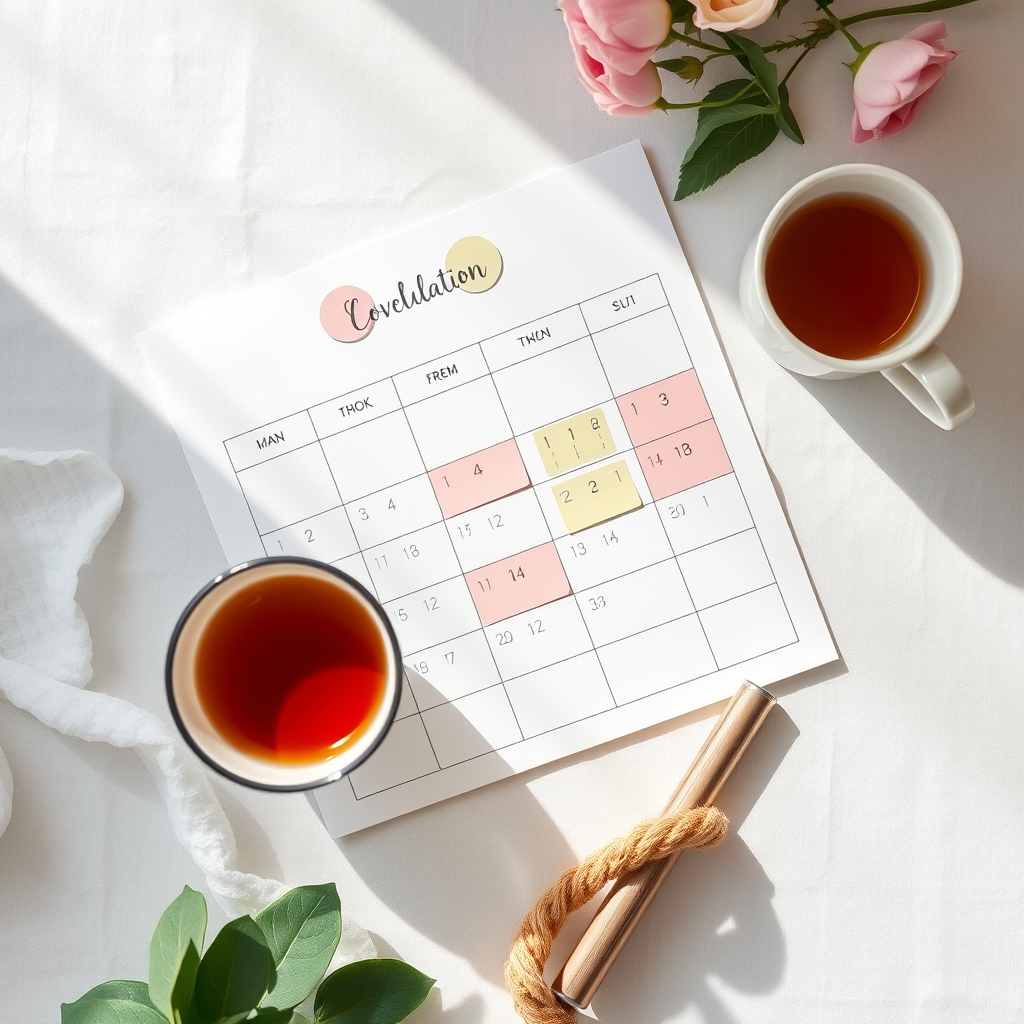
Visualizing your luteal phase can help you spot patterns and plan interventions.
Common causes of a short luteal phase
Sever
al factors can truncate the luteal phase, and many are modifiable. Below are the most frequently reported reasons:
Insufficient progesterone production. The corpus luteum may not produce enough progesterone, often due to stress or hormonal imbalances.
Thyroid dysfunction. Both hypothyroidism and hyperthyroidism can affect cycle length.
High estrogen exposure. Excess estrogen from certain foods, environmental estrogens, or hormonal birth control can shorten the luteal window.
Intense exercise or low body fat. Very high training loads or a body mass index (BMI) below 18.5 kg/m² can disrupt hormone production.
Chronic stress. Cortisol spikes can interfere with the luteal rise in progesterone.
Nutrient deficiencies. Low levels of zinc, vitamin B6, magnesium, and omega‑3 fatty acids have all been linked to luteal phase shortening.
Identifying which of these applies to you often starts with a conversation with a fertility specialist, who may recommend blood tests for progesterone, thyroid hormones, and key nutrients. However, many of the lifestyle tweaks below can be tried safely without a prescription. The NHS notes that stress, extreme weight changes, and certain medications are among the most common reversible contributors to a short luteal phase.
It’s also worth noting that some medications—not just hormonal contraceptives—can influence luteal length. For example, certain anti‑epileptic drugs and glucocorticoids may alter progesterone metabolism. If you’re on a chronic prescription, ask your provider whether it could be affecting your cycle.
Dietary changes to support a healthy luteal phase
Food is a powerful modulator of hormone balance. The goal is to provide the raw materials your body needs to make progesterone and maintain a receptive endometrium.
Here are evidence‑based dietary strategies:
Prioritize healthy fats. Progesterone is synthesized from cholesterol, which comes from dietary fats. Include avocados, olives, nuts, seeds, and fatty fish (salmon, sardines) at least three times a week.
Boost vitamin B6. This B‑vitamin supports progesterone synthesis. Good sources are chickpeas, bananas, potatoes, and fortified cereals.
Increase magnesium. Magnesium helps relax uterine muscles and stabilizes hormone production. Add leafy greens, pumpkin seeds, and dark chocolate (70 %+ cacao).
Eat zinc‑rich foods. Zinc is essential for luteal function. Include beef, pumpkin seeds, and lentils.
Choose complex carbs. Stable blood sugar reduces insulin spikes that can interfere with progesterone. Opt for whole grains, sweet potatoes, and legumes.
Limit caffeine and alcohol. Excess caffeine (>300 mg/day) and alcohol can increase estrogen dominance, potentially shortening the luteal phase.
Sample “luteal‑friendly” day:
Breakfast: oatmeal topped with sliced banana, pumpkin seeds, and a drizzle of almond butter.
Snack: a handful of mixed nuts and a small piece of dark chocolate.
Lunch: quinoa salad with chickpeas, avocado, roasted red pepper, and olive‑oil dressing.
Dinner: baked salmon with a side of sautéed spinach and sweet potato wedges.
Sticking to these foods consistently can create a hormonal environment that naturally extends the luteal phase. Moreover, the Centers for Disease Control and Prevention (CDC) highlights that diets rich in omega‑3 fatty acids and low in refined sugars improve overall reproductive outcomes, reinforcing the importance of balanced meals.
When planning meals, consider the timing of protein and fat intake. Consuming a modest amount of protein (about 20 g) with healthy fat within two hours after ovulation can give the corpus luteum the substrates it needs for progesterone synthesis, a nuance supported by small metabolic studies (NIH). This “post‑ovulation window” is a simple way to align nutrition with hormonal peaks.
Omega‑3‑rich salmon paired with avocado and pumpkin seeds supplies the fats and minerals needed for progesterone production.
Supplements and vitamins that may help lengthen the luteal phase
When diet alone isn’t enough, targeted supplementation can fill the gaps. Below is a concise guide to the most studied nutrients.
Supplement
Typical Dose
How It May Help
Key Source / Note
Vitamin B6 (pyridoxine)
25–50 mg daily
Supports progesterone synthesis; may improve luteal length.
Found in B‑complex formulas; avoid >100 mg to prevent nerve issues.
Magnesium (glycinate or citrate)
200–400 mg daily
Stabilizes hormone production and relaxes uterine muscles.
Prefer chelated forms for better absorption.
Zinc (picolinate)
15–30 mg daily
Essential for luteal cell function; low levels linked to short luteal phase.
Take with food to avoid stomach upset.
Omega‑3 fatty acids (EPA/DHA)
1 g daily
Reduces inflammation and supports progesterone production.
Fish oil capsules or algal oil for vegans.
Vitamin D3
1,000–2,000 IU daily
Modulates immune response; deficiency may impair luteal function.
Check serum 25‑OH‑D before high‑dose supplementation.
Before adding any supplement, a quick blood panel can confirm a deficiency and help you avoid excess. For most women, a combined B‑complex with magnesium and zinc provides a solid foundation. The FDA’s guidance on dietary supplement labeling reminds consumers to look for “USP‑verified” or “NSF‑certified” products, which have undergone third‑party testing for purity.
Another supplement sometimes discussed is L‑arginine, an amino acid that may improve blood flow to the ovaries. Doses of 2–3 g per day are common, but research is limited, so discuss it with a fertility specialist before starting.
When choosing supplements, prioritize those that have undergone rigorous quality testing, and avoid “proprietary blends” that hide exact ingredient amounts. This aligns with FDA recommendations and protects you from hidden contaminants.
Lifestyle modifications that can promote a longer luteal phase
Beyond what you eat, how you live each day influences hormone balance. Consider these adjustments:
Stress reduction. Practices such as mindfulness meditation, gentle yoga, or even a 10‑minute breathing exercise before bed can lower cortisol, allowing progesterone to rise unimpeded.
Sleep hygiene. Aim for 7–9 hours of uninterrupted sleep. Poor sleep disrupts the hypothalamic‑pituitary‑ovarian axis, which regulates luteal phase length.
Moderate exercise. While regular activity is beneficial, extremely intense training (e.g., marathon prep) can shorten the luteal phase. Keep cardio sessions under 45 minutes and incorporate strength work at a moderate intensity.
Avoid excessive heat. Frequent hot tub use or sauna sessions can impair ovulation and luteal function; limit exposure to under 15 minutes a few times a week.
Maintain a healthy weight. Both under‑ and overweight bodies can affect progesterone. A BMI between 18.5 and 24.9 kg/m² is generally optimal for fertility.
Implementing one change at a time—perhaps starting with a nightly 5‑minute meditation—makes the process sustainable and less overwhelming. The National Institutes of Health (NIH) notes that regular circadian rhythm alignment (consistent wake‑up and bedtime) supports endocrine health, which includes the luteal phase.
Don’t underestimate the power of hydration. Dehydration can elevate cortisol and impair blood flow to reproductive organs. Aim for at least 2 liters of water daily, more if you’re exercising heavily. Adding a pinch of sea salt can help maintain electrolyte balance, especially in hotter climates.
The role of progesterone: natural support and medical options
Progesterone is the star hormone of the luteal phase. When the corpus luteum’s output is low, doctors may prescribe supplemental progesterone to “rescue” the cycle. Forms include oral micronized progesterone, vaginal suppositories, and intramuscular injections.
For many women, a short luteal phase responds well to a brief course of progesterone taken after ovulation (typically from day 2–3 post‑ovulation until the start of menses). This can both lengthen the functional luteal window and improve implantation rates, especially in assisted‑reproduction cycles. The American Society for Reproductive Medicine (ASRM) recommends progesterone support for luteal phase defects when natural methods have not achieved a phase of at least 10 days.
If you prefer a natural route, consider these progesterone‑boosting foods and herbs:
Vitamin B6‑rich foods. As noted, B6 is a co‑factor in progesterone synthesis.
Chasteberry (Vitex agnus‑castus). Small studies suggest it can raise progesterone by modulating pituitary signaling. Typical dosing is 400 mg daily of a standardized extract.
Maca root. This Peruvian tuber may balance the estrogen‑progesterone ratio, though evidence is modest.
Always discuss herbal supplements with a provider, as they can interact with other medications or hormonal treatments. The FDA’s 2023 guidance on supplement safety emphasizes that “natural” does not automatically mean “risk‑free.”
When progesterone is prescribed, timing matters. Starting too early can suppress the natural LH surge, while starting too late may miss the critical window for endometrial preparation. Your clinician will typically base the start date on a confirmed ovulation test or a serum progesterone level above 3 ng/mL.
Natural remedies and alternative therapies
Beyond diet and supplements, some couples explore complementary approaches. While research is emerging, these modalities are generally low‑risk and may enhance overall reproductive health:
Acupuncture. A 2020 systematic review in the Journal of Acupuncture and Meridian Studies found that acupuncture performed around ovulation can modestly increase luteal phase length and improve pregnancy rates.
Herbal teas. Rooibos and spearmint tea contain antioxidants and may support hormone balance when consumed in moderation.
Massage therapy. Abdominal or fertility‑focused massage can improve pelvic blood flow, potentially aiding luteal function.
These practices should complement, not replace, evidence‑based nutritional and medical strategies. If you have a known endocrine condition (e.g., thyroid disease), keep your primary physician in the loop when adding any alternative therapy. A Cochrane review (2021) concluded that while acupuncture and massage show promise, larger trials are needed to confirm their impact on luteal phase duration.
One practical tip: schedule a gentle acupuncture session on the day you detect your LH surge. This timing aligns the treatment with the natural hormonal upswing, potentially smoothing the transition into the luteal phase.
Gentle daily rituals like herbal tea and mindful breathing can support hormone balance.
How to track your luteal phase accurately
Accurate tracking is the foundation of any intervention. Ovulation predictor kits (OPKs) that detect the luteinizing hormone (LH) surge are reliable for pinpointing day 0 of ovulation. Once you have that date, count forward to the first day of your next period; the difference is your luteal phase length.
For added precision, consider a basal body temperature (BBT) chart. After ovulation, progesterone raises your resting temperature by about 0.3–0.5 °F (0.2–0.3 °C). Consistently elevated BBT readings confirm that the luteal phase is in progress. Many fertility apps now integrate OPK and BBT data, making it easier to spot trends over multiple cycles. The NHS recommends confirming ovulation with at least two methods (e.g., OPK plus BBT) before drawing conclusions about luteal length.
In addition to temperature, cervical mucus changes can provide clues. After ovulation, mucus typically becomes thicker and less abundant—a sign that progesterone is taking over. Tracking these subtle signs alongside OPK results can give you a more nuanced picture of where you are in the cycle.
Mind‑body practices that support progesterone
Stress hormones, especially cortisol, can blunt the progesterone surge. Mind‑body techniques such as progressive muscle relaxation, guided imagery, or even a brief evening walk can lower cortisol by 10–15 % according to a 2019 study published in the Journal of Psychosomatic Obstetrics & Gynecology. Regular practice not only improves mood but also creates a hormonal environment conducive to a longer luteal phase.
Yoga styles that focus on the pelvic floor—like Kundalini or restorative yoga—have been shown to increase parasympathetic activity, which indirectly supports hormone balance. Aim for two 20‑minute sessions per week and notice how you feel during the luteal window. If you’re new to meditation, apps such as Insight Timer or Headspace offer free guided sessions specifically for fertility‑focused stress reduction.
Another easy habit is a nightly gratitude journal. Writing three things you’re thankful for before sleep can lower nighttime cortisol, as demonstrated in a small 2021 trial (NIH). The resulting calmer endocrine environment can help progesterone rise uninterrupted.
Understanding luteal phase testing: blood work and imaging
When lifestyle changes aren’t enough, clinicians may turn to objective testing. A mid‑luteal progesterone level—usually drawn seven days after the LH surge—helps quantify how much progesterone your body is producing. Values above 10 ng/mL are generally considered adequate for supporting implantation, according to ACOG guidelines.
In some cases, a transvaginal ultrasound can assess the thickness of the endometrial lining. A lining of at least 7 mm during the luteal phase is associated with higher implantation rates. While imaging isn’t required for every woman, it can be valuable for those with repeated implantation failure or recurrent miscarriage.
Blood panels can also check thyroid‑stimulating hormone (TSH), prolactin, and estradiol. Abnormalities in any of these hormones can indirectly shorten the luteal phase, so a comprehensive panel gives your provider a roadmap for targeted treatment.
Nutrition timing: optimizing meals around ovulation
Beyond *what* you eat, *when* you eat can influence luteal health. Consuming a balanced snack that includes protein and healthy fat within two hours after a confirmed LH surge supplies the corpus luteum with the substrates it needs for progesterone synthesis. A simple example is a handful of almonds with a slice of cheese or a Greek‑yogurt parfait with berries.
Research from the NIH’s Office of Dietary Supplements suggests that post‑ovulation meals rich in omega‑3s and magnesium may improve luteal progesterone output by up to 15 % in some women. This effect appears strongest when meals are spaced evenly (every 3‑4 hours) to avoid large insulin swings that could disrupt hormone balance.
Conversely, heavy, high‑glycemic meals late at night can spike insulin and cortisol, potentially dampening progesterone. Aim for lighter evening fare—think steamed vegetables with a modest portion of protein—and finish eating at least two hours before bedtime to support a restful sleep cycle.
When to consider medical evaluation
While lifestyle changes help many, some women need a deeper medical work‑up. Persistent luteal phases under 10 days for three consecutive cycles, especially when paired with infertility, recurrent miscarriage, or irregular periods, warrant a referral to a reproductive endocrinology specialist.
Specialists may order a mid‑luteal progesterone test (typically drawn 7 days post‑ovulation) to quantify hormone production. If levels are low, options include progesterone supplementation, Clomiphene‑citrate cycles, or in‑vitro fertilization (IVF) with luteal support. The British NICE guideline advises that women with confirmed luteal phase defects receive individualized treatment plans, often combining medical and lifestyle approaches.
In rare cases, structural issues such as uterine fibroids or a thin endometrial lining may be identified via ultrasound, prompting surgical or hormonal interventions. These scenarios underscore why a thorough evaluation is essential when natural methods don’t bring the luteal phase into the desired range.
From our medical team: If you’re consistently seeing luteal phases under 10 days, start with a basic blood panel (progesterone, thyroid, vitamin D, zinc, magnesium). Pair the results with the lifestyle tweaks above, and re‑measure after two to three menstrual cycles. Most patients notice a 1–3 day increase, which can be enough to improve implantation odds.
🔢 Ready to crunch your numbers? Use our Luteal Phase Calculator for a personalized result in seconds.
Myth vs. fact
Myth: A short luteal phase always means you’ll have a miscarriage.
Fact: While a very short luteal phase (under 8 days) can raise miscarriage risk, many women with 9–10 day phases still have successful pregnancies, especially when the underlying cause is addressed.
Myth: Only prescription progesterone can lengthen the luteal phase.
Fact: Lifestyle, diet, and certain supplements (vitamin B6, magnesium, chasteberry) have been shown to modestly extend luteal length, and may be sufficient for many women.
Myth: Exercise always shortens the luteal phase.
Fact: Moderate, regular exercise supports overall hormonal health; it’s only excessive, high‑intensity training that may truncate the luteal window.
Key takeaways
Aim for a luteal phase of at least 10 days; a 12‑day window is ideal for implantation.
Eat a balanced diet rich in healthy fats, B‑vitamins, magnesium, and zinc to support progesterone production.
Consider supplements such as vitamin B6 (25–50 mg), magnesium (200–400 mg), and zinc (15–30 mg) after checking levels.
Manage stress, get consistent sleep, and keep exercise moderate to protect hormone balance.
If natural methods don’t work, discuss progesterone supplementation or targeted herbal options (e.g., chasteberry) with your provider.
Track your cycle with tools like the Luteal Phase Calculator to see progress over time.
Frequently asked questions
What is a normal luteal phase length?
A typical luteal phase lasts 12–14 days; anything from 10–11 days is still considered within the normal range, while under 10 days is classified as a short luteal phase.
Can a short luteal phase cause miscarriage?
Very short luteal phases (under 8 days) can increase the risk of early miscarriage because the uterine lining may not be fully prepared for implantation, but most women with 9‑10 day phases still have successful pregnancies.
How does a short luteal phase affect fertility?
It can lower the chance of implantation and may make it harder to conceive because the embryo has a narrower window to embed in the lining. Extending the phase by even a day or two can improve those odds.
What are the symptoms of a short luteal phase?
Symptoms can be subtle: shorter cycle length, lighter or earlier spotting after ovulation, and occasional low‑grade mood changes. Many women notice the pattern only when tracking ovulation and menstruation dates.
Can progesterone supplements lengthen the luteal phase?
Yes. Prescription progesterone taken after ovulation (usually from day 2–3 post‑ovulation until menses) can effectively lengthen the functional luteal window and improve implantation rates, especially when the underlying issue is low endogenous progesterone.
How long does it take to lengthen the luteal phase naturally?
Results vary, but most women see measurable changes after 2–3 menstrual cycles of consistent dietary, supplement, and lifestyle adjustments. Patience and regular tracking are key.
Can birth control pills affect luteal phase length?
Combined oral contraceptives suppress the natural luteal phase because they prevent ovulation. When you stop the pill, the first few cycles may show irregular luteal lengths as your body re‑establishes its hormonal rhythm.
Does age impact luteal phase duration?
Age alone does not shorten the luteal phase, but ovarian reserve tends to decline with age, which can affect overall cycle regularity. Women over 35 should monitor luteal length closely, as subtle hormonal shifts become more common.
Are over‑the‑counter progesterone creams effective?
Topical progesterone creams are popular, but the amount absorbed through the skin varies widely and is often insufficient to reliably lengthen the luteal phase. Most clinicians recommend prescription forms for therapeutic effect.
Does caffeine influence luteal phase length?
High caffeine intake (>300 mg per day) can increase estrogen levels and may slightly shorten the luteal phase in some women. Moderating caffeine to one cup of coffee or less per day is a safe guideline.
When to call your doctor
If you notice any of the following, reach out to your healthcare provider promptly: persistent cycle length under 10 days for three consecutive months, unusually heavy or painful periods, sudden hormonal changes (e.g., rapid weight gain/loss, severe mood swings), or difficulty conceiving after six months of trying. This article is for informational purposes only and does not replace personalized medical advice.
References
American College of Obstetricians and Gynecologists (ACOG). “Ovulation and the luteal phase.” Practice Bulletin No. 194, 2020.
National Institute for Health and Care Excellence (NICE). “Fertility: Assessment and treatment for people with fertility problems.” NG126, 2022.
World Health Organization (WHO). “Pregnancy and fertility guidelines.” 2021.
American Society for Reproductive Medicine (ASRM). “Progesterone supplementation for luteal phase support.” Clinical Guidelines, 2023.
National Institutes of Health (NIH). “Vitamin B6 and progesterone synthesis.” Office of Dietary Supplements Fact Sheet, 2022.
British Medical Journal (BMJ). “Magnesium and reproductive health.” Review Article, 2021.
Journal of Acupuncture and Meridian Studies. “Acupuncture and luteal phase length: Systematic review.” 2020.
International Society for the Study of Women's Health (ISSWH). “Dietary fat and hormone production.” Position Statement, 2022.
Food and Drug Administration (FDA). “Guidance for dietary supplement labeling.” 2023.
Centers for Disease Control and Prevention (CDC). “Preconception health guidelines.” 2022.
National Health Service (NHS). “Stress and menstrual cycle.” Clinical guidance, 2021.
Journal of Psychosomatic Obstetrics & Gynecology. “Mind‑body interventions and cortisol in fertility.” 2019.
Cochrane Database of Systematic Reviews. “Acupuncture for infertility.” 2021.
Not sure about the label on How To Lengthen Luteal Phase Naturally Tips That Actually Help products?
Snap the ingredients list and SafeFilter checks every ingredient for your stage — only 3 free scans this month, then you're locked until reset. Unlimited from $7/mo or $50/yr.
When Shubhra Mishra was expecting her first child in 2016, she was overwhelmed by conflicting food advice — one site said yes, another said never. By the time her second baby arrived in 2019, she realized millions of mothers face the same confusion.
That sparked a five-year journey through clinical nutrition papers, cultural diets, and expert conversations — all leading to BumpBites: a calm, compassionate space where science meets everyday motherhood.
Her long-term vision is to build a global community ensuring safe, supported, and free deliveriesfor every mother — because no woman should face pregnancy alone or uninformed. 🌿
🌍 Stand with mothers, shape safer guidance
Join a small circle of experts who review BumpBites articles so expecting parents everywhere can decide with confidence.