Feeling extra thirsty in pregnancy is often due to increased blood volume and hormonal changes. Learn why you’re so thirsty and how to stay hydrated safely.
By Shubhra Mishra — a mom of two who turned her own confusion during pregnancy into BumpBites, a global mission to make food choices clear, safe, and stress-free for every expecting mother. 💛
Check whether any food is safe during pregnancy with the BumpBites Food Safety Checker.
Quick take: Feeling unusually thirsty during pregnancy is common and usually harmless, but it can also signal dehydration or gestational diabetes. Aim for about 2.7 L (≈ 10 cups) of total fluids daily, listen to your body, and contact your provider if you notice rapid weight loss, very dark urine, or other warning signs.
It’s 2 a.m., you’ve just gotten up for the third time to drink a glass of water, and you’re wondering if this constant thirst is “normal” or something to worry about. You’re not alone—many pregnant people notice an unquenchable dry mouth, especially in the first trimester. While hormonal shifts and the body’s increased blood volume often explain the sensation, there are times when thirst is a clue that something else needs attention.
In this article we’ll unpack why you might be feeling so thirsty, outline how much fluid you truly need, and flag the red‑light symptoms that merit a call to your provider. We’ll also share practical tips for staying hydrated, explore medical conditions that can mimic pregnancy‑related thirst, and provide a clear, evidence‑based roadmap for you to feel confident about your water intake.
Why am I so thirsty in early pregnancy?
During the first few weeks of pregnancy, your body undergoes rapid hormonal changes, most notably a surge in progesterone and estrogen. These hormones act on the kidneys, prompting them to retain more water and increase the volume of blood circulating through your body. The result is a higher demand for fluids to keep the expanded blood pool adequately hydrated.
In addition, the growing placenta draws nutrients and water from the maternal circulation, and the amniotic fluid that cushions your baby needs a steady supply of water. Even though the baby’s kidneys don’t start functioning until the second trimester, the fluid exchange begins early, subtly nudging your thirst center.
Beyond hormones, plasma volume expands by roughly 30‑45 % in the first trimester, raising the osmotic pressure of the blood and triggering the hypothalamus—the brain’s thirst regulator—to signal you to drink. Many people also notice a dry, cotton‑mouth feeling because salivary glands receive less blood flow as the circulatory system adapts.
Many expectant mothers describe this sensation as “dry mouth” or “a constant need to sip.” One composite story we hear often: a woman in her seventh week of pregnancy wakes up at 3 a.m., drinks a glass of water, and still feels parched. She chalks it up to morning sickness, but the underlying driver is the same hormonal shift that also causes fatigue and mood swings.
What are the common causes of increased thirst during pregnancy?
While hormonal changes are the primary driver, a handful of other factors can amplify thirst:
Increased blood volume: By the third trimester, blood volume rises by up to 50 % (American College of Obstetricians and Gynecologists – ACOG). More fluid circulates, so your kidneys need more water to filter waste.
Higher renal filtration rate: The kidneys’ glomerular filtration rate (GFR) climbs, leading to more urine production and a greater need for fluid replacement.
Hyperemesis gravidarum: Severe nausea and vomiting can deplete fluids quickly, prompting an urgent thirst response.
Warm weather or exercise: As with anyone, sweating increases fluid loss, and pregnant bodies are especially sensitive to temperature changes.
Dietary factors: High‑salt meals or caffeine (found in coffee, tea, and some sodas) can increase urine output, leaving you feeling thirsty.
Urinary tract infections (UTIs): Infections irritate the bladder and can cause a persistent urge to drink.
Medications: Certain antihypertensives or diuretics prescribed for pre‑existing conditions can increase urinary losses, prompting extra thirst.
Rare endocrine disorders: Diabetes insipidus or hyperthyroidism, though uncommon, can cause marked polyuria and polydipsia.
Understanding which of these contributors applies to you can help you tailor your hydration strategy.
How much water should a pregnant woman drink to stay hydrated?
ACOG recommends that pregnant people aim for about 2.7 L (≈ 10 cups) of total fluids each day. This total includes water, milk, juice, soups, and moisture from foods such as fruits and vegetables. The National Health Service (NHS) in the UK suggests a similar target—around 2 L of plain water, plus additional fluids from other sources.
Below is a quick reference table that breaks down fluid recommendations by trimester and activity level:
Trimester
Baseline fluid goal (plain water)
Additional fluids for hot weather or exercise
First
≈ 2 cups (0.5 L)
+ 1 cup (0.25 L) per hour of moderate activity
Second
≈ 3 cups (0.75 L)
+ 1 cup (0.25 L) per hour of moderate activity
Third
≈ 4 cups (1 L)
+ 1 cup (0.25 L) per hour of moderate activity
These numbers are averages; you may need more if you’re breastfeeding, exercising heavily, or living in a hot climate. A simple way to gauge adequacy is the color of your urine—pale straw is a good sign, while dark amber suggests you need to sip more.
Many clinicians now recommend using a hydration‑tracking app or a marked water bottle to make the goal tangible. Post‑partum, lactating mothers often require an extra 0.7 L of fluid daily to support milk production, as highlighted by the FDA’s guidance on lactation nutrition.
Keep a glass of water within arm’s reach—visual cues make it easier to sip throughout the day.
Can excessive thirst during pregnancy be a sign of gestational diabetes?
Gestational diabetes mellitus (GDM) affects roughly 6–9 % of pregnancies in the United States, according to the Centers for Disease Control and Prevention (CDC). One of its hallmark symptoms is polydipsia—excessive thirst—often accompanied by frequent urination (polyuria) and unexplained weight loss.
It’s important to differentiate normal pregnancy thirst from a potential warning sign. If you notice any of the following alongside heightened thirst, discuss testing with your provider:
Persistent thirst that doesn’t improve with increased water intake.
Dark, sugary‑smelling urine.
Rapid weight gain (more than the typical 1–2 lb per week) or, conversely, sudden weight loss.
Feeling unusually fatigued despite adequate rest.
The standard screening for GDM occurs between 24–28 weeks of gestation (American Diabetes Association – ADA). However, if you have risk factors—such as a family history of diabetes, obesity, or a previous GDM pregnancy—your clinician may test earlier. The oral glucose tolerance test (OGTT) remains the gold‑standard, and a positive result triggers dietary counseling, glucose monitoring, and sometimes insulin therapy.
What are the signs of dehydration in pregnant women?
Dehydration can develop quickly when fluid losses outpace intake, and pregnant bodies are especially vulnerable because of the increased blood volume and kidney workload. Recognizing early signs can prevent complications such as reduced amniotic fluid or preterm labor.
Key symptoms include:
Dark, concentrated urine: A deep amber hue indicates low fluid volume.
Dry mouth and sticky lips: The mucous membranes lose moisture.
Headache or dizziness: Reduced blood volume can affect cerebral perfusion.
Rapid heartbeat or low blood pressure: The heart compensates for lower circulating volume.
Reduced skin elasticity: Pinch a small area of skin; if it remains tented, you may be dehydrated.
Decreased fetal movement: In severe cases, dehydration can affect placental blood flow.
Keeping a hydration diary—writing down each drink and noting urine color—helps you spot trends before symptoms become severe. If you notice any of these, especially in combination with persistent thirst, increase fluid intake promptly and contact your provider if symptoms persist.
When should I worry about extreme thirst during pregnancy?
Most thirst is benign, but extreme or unexplained thirst deserves attention when it meets any of the following criteria:
It’s accompanied by persistent vomiting (hyperemesis gravidarum) that prevents you from keeping fluids down.
You’re experiencing frequent urination (more than eight times daily) alongside a feeling of dehydration.
There’s a sudden weight loss of more than 5 % of pre‑pregnancy weight.
Your urine remains dark despite drinking at least 2 L of water per day.
You have blood sugar concerns (e.g., a family history of diabetes) and notice sweet‑tasting urine or excessive hunger.
You develop muscle cramps or feel a rapid, irregular heartbeat.
Signs of pre‑eclampsia appear—new‑onset hypertension (≥ 140/90 mmHg) or swelling—because dehydration can exacerbate blood‑pressure spikes.
In these scenarios, it’s safest to schedule an appointment or call your obstetric team. Early evaluation can rule out gestational diabetes, urinary infections, or other underlying issues.
Are there other medical conditions that cause thirst in pregnancy?
Beyond gestational diabetes, several conditions can manifest as increased thirst:
Urinary tract infection (UTI): Infections irritate the bladder, leading to a constant need to drink.
Hyperthyroidism: An overactive thyroid speeds metabolism, causing heat intolerance and heightened thirst.
Kidney disorders: Though rare, impaired kidney function reduces the ability to concentrate urine, prompting excessive drinking.
Autoimmune diseases: Conditions like Sjögren’s syndrome affect moisture‑producing glands, leading to dry mouth.
Medications: Certain antihistamines or diuretics prescribed for blood pressure can increase urine output.
Anemia: Low iron can cause fatigue and a sensation of dryness, sometimes interpreted as thirst.
If you have a pre‑existing condition or are taking medication, discuss how it may interact with pregnancy‑related fluid needs with your provider.
Tips for managing thirst and staying hydrated while pregnant
Staying hydrated doesn’t have to feel like a chore. Here are evidence‑based strategies that many pregnant people find helpful:
Set a water schedule: Aim to drink a cup (250 mL) every hour. Use a phone alarm or a marked water bottle as a visual cue.
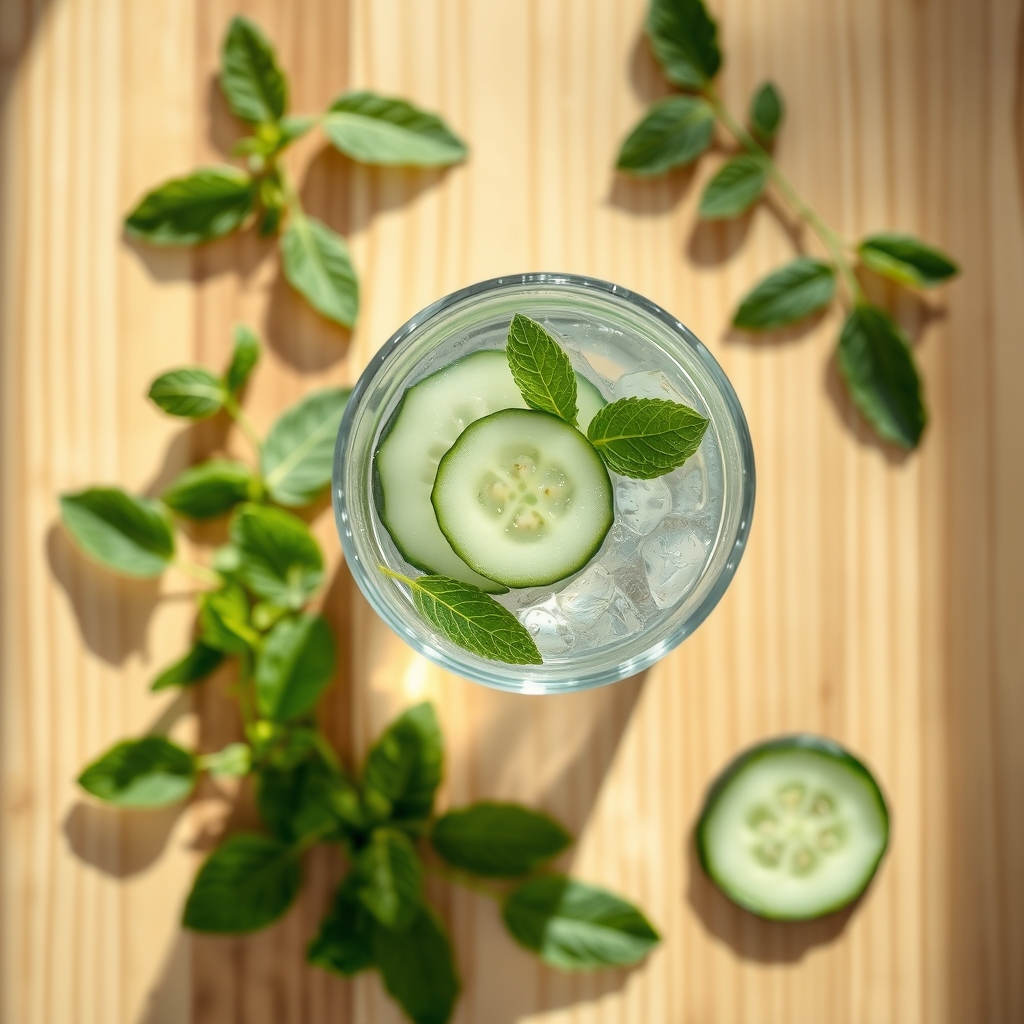
Flavor with natural ingredients: Add sliced citrus, cucumber, or mint to your water for a mild taste without extra sugar.
Eat water‑rich foods: Fresh fruits (watermelon, oranges) and vegetables (cucumber, lettuce) contribute up to 20 % of daily fluid intake.
Choose warm beverages wisely: Herbal teas (e.g., ginger or rooibos) are safe, but limit caffeine to less than 200 mg per day (≈ 1 cup of coffee), per ACOG guidelines.
Carry a reusable bottle: Having water on hand reduces the temptation to reach for sugary drinks.
Monitor urine color: Keep a mental note of pale, straw‑colored urine as a hydration benchmark.
Adjust for activity: If you walk, do prenatal yoga, or work outdoors, increase intake by 250–500 mL for each hour of moderate exertion.
Limit alcohol and high‑sugar drinks: These can dehydrate you and add unnecessary calories.
Consider low‑sodium electrolyte powders: When sweating heavily, a pinch of an electrolyte blend can replenish sodium and potassium without excess sugar.
Stay mindful of sodium: High‑salt meals increase urine output; balance salty snacks with extra water.
Herbal teas like ginger or rooibos can soothe nausea while adding gentle hydration.
Remember, the goal is to make fluid intake feel effortless, not burdensome. Small, consistent habits often trump occasional large gulping sessions.
How hydration impacts labor and delivery
Proper hydration isn’t just about feeling less thirsty; it also plays a role in the physiology of labor. Adequate fluid levels help maintain optimal blood volume, which supports uterine muscle contractility and placental perfusion. Dehydration can lead to reduced amniotic fluid volume (oligohydramnios), which may increase the risk of cord compression during labor.
During active labor, many women report feeling “dry‑mouth” from the effort of pushing. Having water or ice chips available can help sustain stamina and reduce the perception of fatigue. The Royal College of Obstetricians and Gynaecologists (RCOG) notes that intravenous fluids are often administered if a mother becomes dehydrated during prolonged labor, underscoring the importance of staying hydrated beforehand.
Post‑partum recovery also benefits from good fluid intake. Hydration supports tissue repair, helps regulate body temperature after the fever that can accompany delivery, and aids in milk production for those who breastfeed. Aim for an extra 0.5 L of fluid in the first 48 hours after birth, as recommended by the NHS.
Understanding electrolytes: sodium, potassium, and magnesium in pregnancy
Electrolytes are minerals that help regulate fluid balance, nerve function, and muscle contractions—including the uterus. Sodium, potassium, and magnesium are the three most important electrolytes for pregnant people.
Sodium: Essential for maintaining blood pressure and fluid distribution. The Dietary Guidelines for Americans suggest a limit of 2,300 mg per day; excessive sodium can increase swelling (edema), while too little may exacerbate thirst.
Potassium: Helps counteract sodium‑induced blood‑pressure rises and supports muscle function. Good sources include bananas, sweet potatoes, and leafy greens. The NHS recommends 3,500 mg daily for adults, and pregnancy does not change that target.
Magnesium: Important for nerve signaling and may reduce leg cramps, a common pregnancy complaint. Dark chocolate, nuts, and legumes provide magnesium; the FDA’s daily value is 350 mg for adults.
If you’re exercising heavily or experiencing frequent vomiting, a low‑sugar electrolyte drink (e.g., a sports drink with ≤ 50 mg sodium per 250 mL) can be helpful. Always read labels for added sugars and consult your provider before using any supplement.
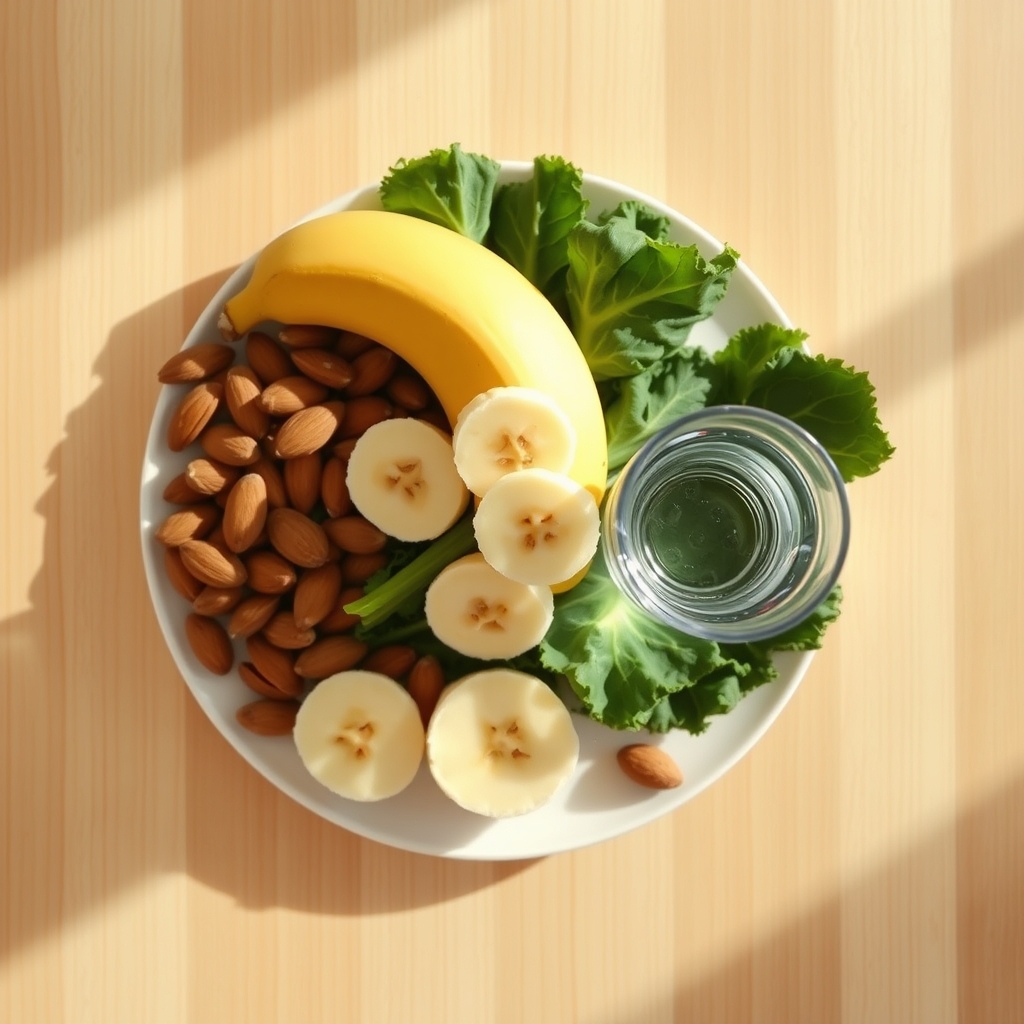
Include potassium‑rich foods like bananas and leafy greens to support electrolyte balance.
Safe beverage choices beyond water: teas, juices, and coconut water
While plain water is the gold standard, a variety of other drinks can contribute to your daily fluid tally—provided they’re chosen wisely.
Herbal teas: Caffeine‑free options such as ginger, peppermint, and rooibos are generally safe (American College of Obstetricians and Gynecologists). Avoid teas that contain licorice root or high amounts of vitamin A (e.g., certain herbal blends).
Fruit juices: 100 % juice adds vitamins but also natural sugars. Limit to one small glass (≈ 120 mL) per day to avoid excessive caloric intake, per the FDA’s nutrition guidance.
Coconut water: Naturally rich in potassium and low in sodium, coconut water can be a refreshing alternative. Choose unsweetened varieties, and treat it as a supplement rather than a primary fluid source because of its high potassium content.
Milk and fortified plant milks: Provide calcium and vitamin D along with hydration. A cup (240 mL) counts toward your fluid goal.
Carbonated water: Sparkling water without added sugars is a palatable way to increase intake, especially for those who miss fizzy drinks.
Regardless of the beverage, the key is moderation. Keep caffeine under 200 mg per day, avoid alcohol entirely, and watch for added sugars that can contribute to gestational weight gain.
Myth vs. fact
Myth: “All pregnant people need to drink at least 3 liters of water a day.”
Fact: Fluid needs vary. ACOG’s guideline of ≈ 2.7 L total fluids includes water, milk, juice, and moisture from foods. Individual needs depend on activity level, climate, and health status.
Myth: “If I’m thirsty, I must have gestational diabetes.”
Fact: While excessive thirst can be a symptom of gestational diabetes, it’s far more often caused by hormonal changes, increased blood volume, or simple dehydration. Proper screening is needed to confirm GDM.
Myth: “Caffeine always dehydrates you, so I should avoid coffee entirely.”
Fact: Moderate caffeine (under 200 mg per day) is considered safe in pregnancy and does not cause dehydration when balanced with adequate water intake, according to ACOG.
Key takeaways
Feeling thirsty is common in pregnancy due to hormonal shifts and increased blood volume.
Aim for about 2.7 L (≈ 10 cups) of total fluids daily; adjust for activity, climate, and personal needs.
Watch for dark urine, dizziness, rapid weight changes, or persistent vomiting—these may signal dehydration or gestational diabetes.
Include water‑rich foods and gentle herbal teas to diversify your hydration sources.
If extreme thirst is paired with any red‑flag symptoms, contact your provider promptly.
Regular, small sips throughout the day are more effective than occasional large gulps.
Electrolyte balance matters—incorporate potassium‑rich foods and consider low‑sugar electrolyte drinks if you’re sweating heavily.
Safe beverage choices beyond water, like unsweetened coconut water and herbal teas, can help meet fluid goals without excess caffeine or sugar.
Frequently asked questions
Is it normal to be extremely thirsty during pregnancy?
Yes—most pregnant people experience increased thirst, especially in the first trimester, due to hormonal changes and higher blood volume.
What causes extreme thirst in early pregnancy?
Early pregnancy thirst is mainly driven by rising progesterone and estrogen levels, which affect kidney function and increase blood volume, prompting the body to signal for more water.
How much water should a pregnant woman drink a day?
ACOG recommends roughly 2.7 L (about 10 cups) of total fluids daily, including water, milk, juice, and water‑rich foods; adjust upward for hot weather, exercise, or if you’re breastfeeding.
Can extreme thirst be a sign of gestational diabetes?
It can be, but it’s not the most common cause. If thirst is accompanied by frequent urination, unexplained weight loss, or sweet‑tasting urine, ask your provider about a glucose screening.
What are the signs of dehydration during pregnancy?
Key signs include dark urine, dry mouth, dizziness, rapid heartbeat, reduced skin elasticity, and decreased fetal movement. Promptly increase fluid intake if you notice these.
When should I contact my doctor about thirst during pregnancy?
Reach out if you have persistent, extreme thirst despite adequate fluid intake, notice dark urine, experience vomiting, have rapid weight changes, or develop other concerning symptoms.
Is it safe to drink flavored water or electrolyte drinks while pregnant?
Yes, as long as the product is low in added sugars and sodium. Choose drinks with ≤ 50 mg sodium per 250 mL and avoid those with artificial sweeteners or excessive caffeine.
Can I drink coconut water to stay hydrated?
Unsweetened coconut water is a good source of potassium and can count toward your fluid goal. Limit intake to one cup per day to avoid excess potassium, and check the label for added sugars.
When to call your doctor
If you experience any of the following, seek medical attention promptly: dark or amber urine that does not lighten with increased water intake, persistent vomiting or inability to keep fluids down, rapid weight loss or gain (more than 5 % of pre‑pregnancy weight), frequent urination with excessive thirst, dizziness or fainting, or any signs of gestational diabetes such as sweet‑tasting urine or unexplained fatigue. This article is for informational purposes only and does not replace personalized medical advice.
References
American College of Obstetricians and Gynecologists (ACOG). “Nutrition During Pregnancy.” 2023 Clinical Guidance.
Centers for Disease Control and Prevention (CDC). “Gestational Diabetes.” Updated 2022.
National Health Service (NHS). “Water intake during pregnancy.” 2023.
American Diabetes Association (ADA). “Standards of Medical Care in Diabetes—2024.”
World Health Organization (WHO). “Guidelines on Fluid Intake.” 2022.
Mayo Clinic. “Dehydration.” 2023 review of symptoms and treatment.
Royal College of Obstetricians and Gynaecologists (RCOG). “Management of Hyperemesis Gravidarum.” 2022.
National Institute for Health and Care Excellence (NICE). “Gestational Diabetes: Screening and Diagnosis.” 2023.
Food and Drug Administration (FDA). “Nutrition Guidance for Lactating Women.” 2023.
National Institute of Diabetes and Digestive and Kidney Diseases (NIDDK). “Electrolyte Balance.” 2022.
American College of Obstetricians and Gynecologists (ACOG). “Caffeine Consumption During Pregnancy.” 2023.
Royal College of Obstetricians and Gynaecologists (RCOG). “Fluid Management in Labor.” 2022.
Not sure about the label on Why Am I So Thirsty During Pregnancy products?
Snap the ingredients list and SafeFilter checks every ingredient for your stage — only 3 free scans this month, then you're locked until reset. Unlimited from $7/mo or $50/yr.
When Shubhra Mishra was expecting her first child in 2016, she was overwhelmed by conflicting food advice — one site said yes, another said never. By the time her second baby arrived in 2019, she realized millions of mothers face the same confusion.
That sparked a five-year journey through clinical nutrition papers, cultural diets, and expert conversations — all leading to BumpBites: a calm, compassionate space where science meets everyday motherhood.
Her long-term vision is to build a global community ensuring safe, supported, and free deliveriesfor every mother — because no woman should face pregnancy alone or uninformed. 🌿
🌍 Stand with mothers, shape safer guidance
Join a small circle of experts who review BumpBites articles so expecting parents everywhere can decide with confidence.