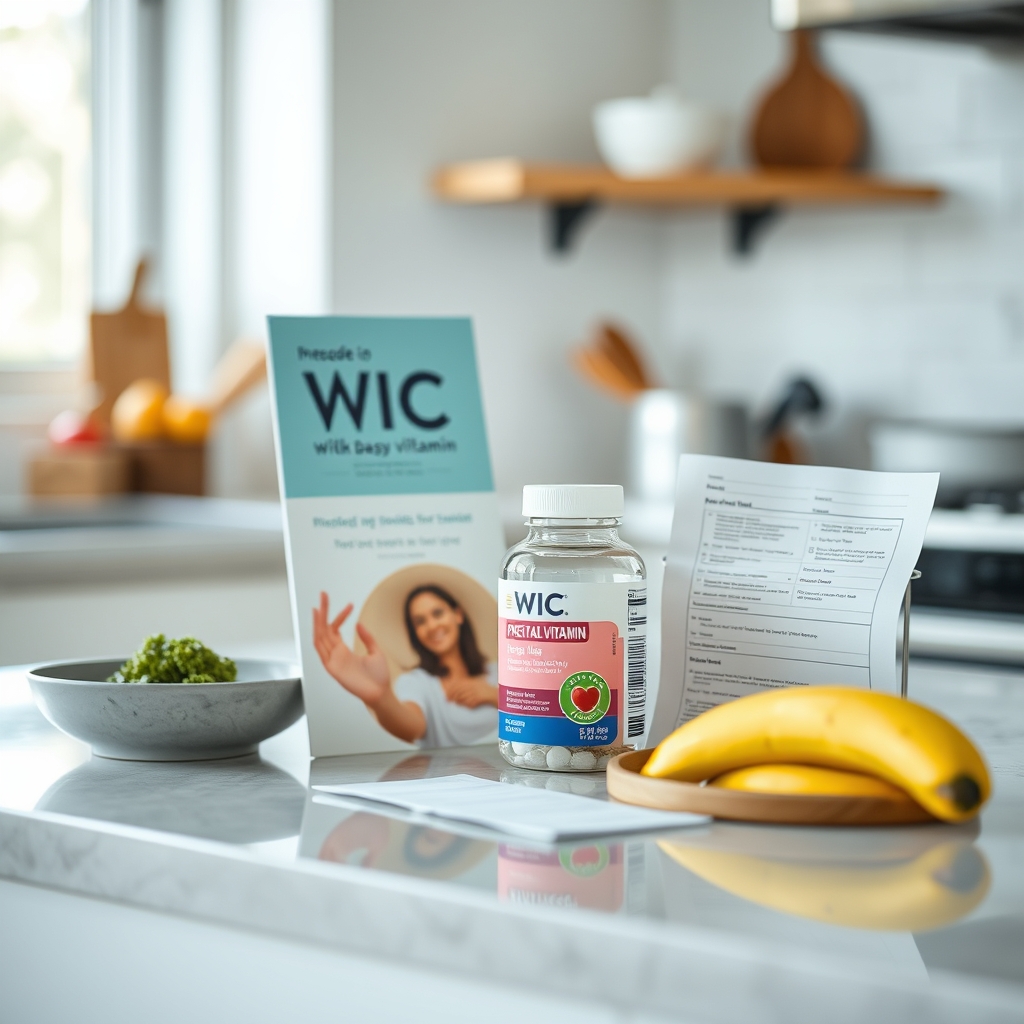
Yes—most state WIC agencies include a prenatal vitamin supplement as part of the benefit package. The vitamin typically contains iron, folic acid, calcium, and vitamin D, matching the recommendations of the American College of Obstetricians and Gynecologists (ACOG) (ACOG 2023). These nutrients are crucial for preventing birth defects, supporting fetal development, and maintaining your own health during pregnancy.
When you enroll, you’ll receive a voucher that you can redeem at participating pharmacies or WIC‑approved retail locations. Some agencies provide the vitamins directly at the clinic, while others issue a prescription‑style voucher you take to the pharmacy. The voucher is free of charge, and most pharmacies accept it without requiring a co‑pay. If you’re unsure where to redeem your voucher, your WIC nutritionist can provide a list of approved pharmacies in your area.
It’s important to note that not all prenatal vitamins are created equal. The WIC program typically provides a standard prenatal vitamin that meets the basic nutritional needs of most pregnant women. However, if you have a specific medical condition (like anemia or a history of neural tube defects), your doctor may recommend a different formulation. In such cases, WIC may still cover the cost if you provide a doctor’s note explaining the need for a specialized vitamin.
WIC program nutrition counseling for expectant mothers
Beyond vitamins, every pregnant participant receives a one‑on‑one nutrition counseling session with a registered dietitian. The session covers:
- How to meet daily nutrient needs (protein, calcium, iron)
- Choosing foods that support fetal growth
- Reading nutrition labels and budgeting tips
- Safe food handling during pregnancy
These counseling visits are covered at no cost and can be repeated throughout pregnancy, especially if you have specific concerns like gestational diabetes. The dietitian can also help you navigate cultural food preferences while staying within the WIC food list. For example, if you follow a vegetarian diet, the dietitian can suggest plant-based protein sources that are WIC-approved, such as beans, lentils, and tofu.
Nutrition counseling isn’t just about what to eat—it’s also about how to make the most of your WIC benefits. The dietitian can help you plan meals that stretch your food vouchers further, ensuring you get the most nutrition for your dollar. They can also provide tips for managing common pregnancy symptoms like nausea or heartburn through diet.
How to apply for WIC benefits during pregnancy step by step
Applying for WIC is a straightforward process, but knowing each step can reduce anxiety and prevent delays. The key is to start early—don’t wait until you’re in your third trimester to apply. The sooner you enroll, the sooner you’ll have access to the nutritional support you and your baby need. Here’s a detailed breakdown of what to expect:
- Find your local agency. Use the USDA WIC locator (search “WIC office near me”) or call your state’s WIC hotline. Many OB-GYN offices and community health centers also have WIC information on hand. If you’re unsure where to start, your doctor or midwife can point you in the right direction.
- Gather required documents. See the next section for a detailed list, but in general, you’ll need proof of pregnancy, income, and identity. If you’re missing a document, don’t panic—your WIC office can often help you obtain it or suggest alternatives.
- Schedule an appointment. Many agencies allow walk‑ins, but an appointment guarantees a dedicated time slot. Some states even offer evening or weekend appointments to accommodate work schedules. If you’re unable to travel, ask about telehealth options—some agencies conduct initial assessments over the phone or via video call.
- Complete the application. You’ll fill out a form covering household composition, income, and pregnancy status. A staff member will verify the information. This is also a great time to ask questions about the program, such as how often you’ll receive benefits or what foods are included in your package.
- Take the nutrition assessment. A dietitian will discuss your dietary needs and issue vouchers for approved foods. They’ll also provide tips for healthy eating during pregnancy and answer any questions you have about nutrition. This is your chance to get personalized advice, so don’t be afraid to ask about specific concerns, like cravings or food aversions.
- Receive your benefits. You’ll get a WIC card or electronic benefits transfer (EBT) card, plus any vitamin vouchers. The staff will explain how to use your card and what foods you can purchase. They’ll also provide a list of approved retailers in your area.
- Renew as needed. Visits are typically scheduled every 2‑3 months during pregnancy and after birth. Each visit is an opportunity to check in on your health, adjust your food package if needed, and get support for any challenges you’re facing.
Most agencies process applications within a week. If you’re pregnant and need immediate assistance, ask about “emergency enrollment”—some states can fast‑track you if you’re facing food insecurity. For example, if you’re experiencing severe nausea and can’t keep food down, WIC may expedite your application to ensure you get the nutrients you need.
Common reasons for denial and how to appeal
Denials usually stem from:
- Income above the 185 % FPL threshold
- Missing or incomplete documentation
- Residency outside the state’s service area
If denied, you have the right to appeal within 30 days. Request a written explanation, gather any missing documents, and submit a formal appeal to the state WIC agency. Many families succeed on appeal once they clarify the income calculation. For example, if you were denied because your income was slightly above the limit, you might qualify if you have high medical expenses or childcare costs that reduce your net income.
It’s also worth noting that some states have a “fair hearing” process, where you can present your case in person or over the phone. If you’re unsure how to appeal, your local WIC office can guide you through the process. Don’t give up—many women who are initially denied later qualify after providing additional information.
Which states have different WIC eligibility criteria for pregnant women?
While the federal baseline is 185 % of the FPL, a few states apply stricter rules or have unique “categorical eligibility” thresholds. Understanding these differences is especially important if you’re moving or have recently relocated. Here’s a closer look at how some states handle WIC eligibility:
If you’re moving between states, the eligibility rules may shift. It’s wise to contact the new state’s WIC office within a week of relocation to confirm your status. Some states, like California, will automatically adjust your income limit based on the new state’s higher threshold, potentially increasing the amount of food vouchers you receive. Others may require you to reapply entirely, so it’s best to check ahead of time.
WIC program eligibility after moving to a new state
When you move, you must re‑apply at the new state’s agency. Bring the same documents you used previously. If you’ve already received benefits, the new agency can often transfer your case, but you’ll still need to meet the local income thresholds. Some states have a “grace period” that allows you to continue receiving benefits for a short time while you transition to the new agency.
If you’re moving to a state with a higher income limit (like California), you may qualify for additional benefits. Conversely, if you’re moving to a state with a lower income limit, you might need to provide updated documentation to prove you still qualify. Either way, it’s a good idea to call the new WIC office before you move to understand what to expect.
Can pregnant women with Medicaid still qualify for WIC program?
Absolutely. Medicaid enrollment is considered “categorical eligibility,” meaning you automatically meet the income requirement for WIC. This synergy helps many low‑income families receive a broader safety net. In fact, the CDC reports that women who are enrolled in both Medicaid and WIC have better birth outcomes, including lower rates of preterm birth and low birth weight (CDC 2023).
When you apply, simply present your Medicaid card. The WIC staff will note the categorical eligibility, and you can skip the detailed income verification. However, you still need proof of pregnancy (see next section). This streamlined process is designed to make it easier for families to access the support they need without jumping through extra hoops.
Interaction with other assistance programs
WIC works alongside SNAP, Medicaid, and the Special Supplemental Nutrition Program for Women, Infants, and Children (WIC). While benefits are separate, the programs often coordinate:
- SNAP provides broader food assistance, but WIC offers specific prenatal nutrients.
- Medicaid covers medical care; WIC covers nutrition.
- Both can be used at the same grocery store, but you’ll need separate cards.
According to the Centers for Disease Control and Prevention (CDC), families who use both programs report higher fruit and vegetable intake during pregnancy (CDC 2023). For example, SNAP might cover your weekly grocery haul, while WIC provides targeted support for prenatal vitamins and nutrient-dense foods like whole grains and dairy. This combination can help you stretch your budget further and ensure you’re getting the nutrients you and your baby need.
It’s also worth noting that some states have programs that automatically enroll WIC participants in other assistance programs, like the Supplemental Nutrition Assistance Program (SNAP) or the Low Income Home Energy Assistance Program (LIHEAP). If you’re already enrolled in WIC, ask your caseworker about other programs you might qualify for.
What documentation is needed to prove pregnancy for WIC enrollment?
Proof of pregnancy is a core requirement. Acceptable documents include:
- Physician’s note or prenatal care record (dated within the last 30 days)
- Ultrasound report
- Positive pregnancy test from a medical provider
- Birth certificate of a previous child (if you’re already a mother, but this alone isn’t sufficient)
All documents must be original or a certified copy. If you’re in early pregnancy and lack an ultrasound, a simple note from your OB‑GYN stating your estimated gestational age will suffice. Some WIC offices may also accept a note from a midwife or nurse practitioner. If you’re unsure whether your document will be accepted, call your local WIC office ahead of time to confirm.
It’s also a good idea to bring a second form of identification, such as a driver’s license or state ID, to verify your identity. If you don’t have a photo ID, some states accept other forms of identification, like a utility bill or a letter from a shelter. The key is to bring as much documentation as possible to avoid delays in your application.
WIC program benefits for pregnant women list
Once enrolled, pregnant participants receive:
- Monthly food vouchers for milk, cheese, yogurt, eggs, whole grains, fruits, and vegetables
- Prescription‑style vouchers for prenatal vitamins
- Nutrition counseling with a registered dietitian
- Breastfeeding education (available after birth)
- Referral to other health and social services
The exact list may vary slightly by state, but the core package is consistent nationwide. For example, some states include canned fish (like tuna or salmon) in the food package for omega-3 fatty acids, while others offer additional vouchers for fresh produce at farmer’s markets. Your WIC nutritionist can provide a detailed list of what’s included in your state’s package.
How long can a pregnant woman receive WIC benefits after giving birth?
WIC benefits continue for up to 12 months after the infant’s birth, or until the child turns 1 year old—whichever comes first. During this postpartum period, the focus shifts to:
- Infant formula or breast milk nutrition
- Continued food vouchers for the mother
- Breastfeeding support and counseling
- Nutrition education for the whole family
If you adopt a child under one year, you may also qualify for the postpartum benefits, though you’ll need to provide adoption paperwork. The postpartum period is a critical time for both you and your baby, and WIC is designed to support you through this transition. For example, if you’re breastfeeding, WIC can provide breast pumps, nursing pads, and extra food vouchers to support your milk supply.
It’s also worth noting that some states extend postpartum benefits beyond 12 months for breastfeeding mothers. For example, California offers WIC benefits for up to two years postpartum if you’re exclusively breastfeeding. If you’re planning to breastfeed, ask your WIC nutritionist about extended benefits in your state.
How many months of pregnancy does WIC cover?
The program begins as soon as you’re enrolled—there’s no minimum gestational age. However, many agencies encourage enrollment by the end of the first trimester to ensure you receive the full suite of nutritional support throughout pregnancy. Early enrollment also aligns with ACOG’s recommendation to begin prenatal nutrition counseling before 14 weeks gestation (ACOG 2023).
If you enroll later in pregnancy, don’t worry—you’ll still receive benefits, but you may miss out on some of the early support, like nutrition counseling in the first trimester. The sooner you apply, the sooner you can start taking advantage of everything WIC has to offer.
Differences between WIC and SNAP for pregnant women
Both programs aim to reduce food insecurity, but they differ in scope and eligibility. Here’s a closer look at how they compare:
Many families enroll in both, using SNAP for general groceries and WIC for targeted prenatal nutrition. The two cards can be used at the same retailer, but they’re processed separately. For example, you might use your SNAP card to buy bread, cereal, and snacks, while your WIC card covers milk, eggs, and fresh produce. This combination can help you maximize your food budget and ensure you’re getting the nutrients you need.
It’s also worth noting that some states have programs that allow you to use your SNAP benefits at farmer’s markets, where you can often find fresh, locally grown produce. If you’re enrolled in both programs, ask your caseworker about double-up food bucks programs, which can stretch your SNAP dollars further at participating markets.
WIC benefits for pregnant women with special dietary needs
If you have a medical condition that requires a modified diet—such as gestational diabetes, celiac disease, or a vegetarian lifestyle—WIC can still help. State agencies often allow substitutions within the food package to accommodate allergies or medical restrictions. For example, a woman with lactose intolerance can receive soy‑based milk alternatives instead of cow’s milk. Similarly, if you have gestational diabetes, your WIC nutritionist can help you plan meals that stabilize your blood sugar while still meeting your nutritional needs.
Bring a doctor’s note detailing your dietary restriction when you meet with the WIC nutritionist. The dietitian will work with you to create a customized food list that meets both your health needs and the program’s nutrient requirements. The NHS notes that tailored nutrition counseling improves maternal glycemic control and reduces the risk of low birth weight (NHS 2024). For example, if you’re vegetarian, the dietitian might suggest fortified cereals, beans, and tofu as protein sources, while also ensuring you’re getting enough iron and vitamin B12.
If you have food allergies, WIC can also help you find safe alternatives. For example, if you’re allergic to eggs, the program might provide additional vouchers for peanut butter or canned fish as a protein source. The key is to communicate your needs clearly with your WIC nutritionist so they can tailor your food package accordingly.
How to maximize your WIC food vouchers during pregnancy
WIC vouchers are designed to stretch your grocery budget, but small strategies can make a big difference. Start by planning meals around the core food groups covered by WIC—milk, whole grains, fruits, vegetables, and protein. Using a simple spreadsheet or a free budgeting app can help you track voucher balances and avoid overspending. For example, if you know you’ll need milk and eggs every week, plan your meals around those staples to ensure you don’t run out before your next voucher refill.
Shop sales and use unit‑price comparisons to get the most for each dollar. Many retailers offer “WIC-friendly” aisles where eligible items are clearly labeled. Buying in bulk for staples like rice or beans (when allowed) can also reduce costs. For example, if your state allows you to purchase a 5-pound bag of rice instead of a 1-pound bag, you’ll get more food for the same voucher value. Just be sure to check the WIC-approved brands and sizes before you shop.
Another tip is to use your vouchers for fresh produce when it’s in season. Seasonal fruits and vegetables are often cheaper and fresher, allowing you to get more for your money. For example, if strawberries are on sale in the summer, use your fruit voucher to stock up. You can also freeze extra produce to use later in smoothies or soups.
Finally, don’t forget to use your WIC vouchers for whole grains. Many women overlook this category, but whole grains like brown rice, whole wheat bread, and oatmeal are excellent sources of fiber and nutrients. Look for the “100% whole grain” label to ensure you’re getting the most nutritional bang for your buck.
Understanding the WIC electronic benefits transfer (EBT) card
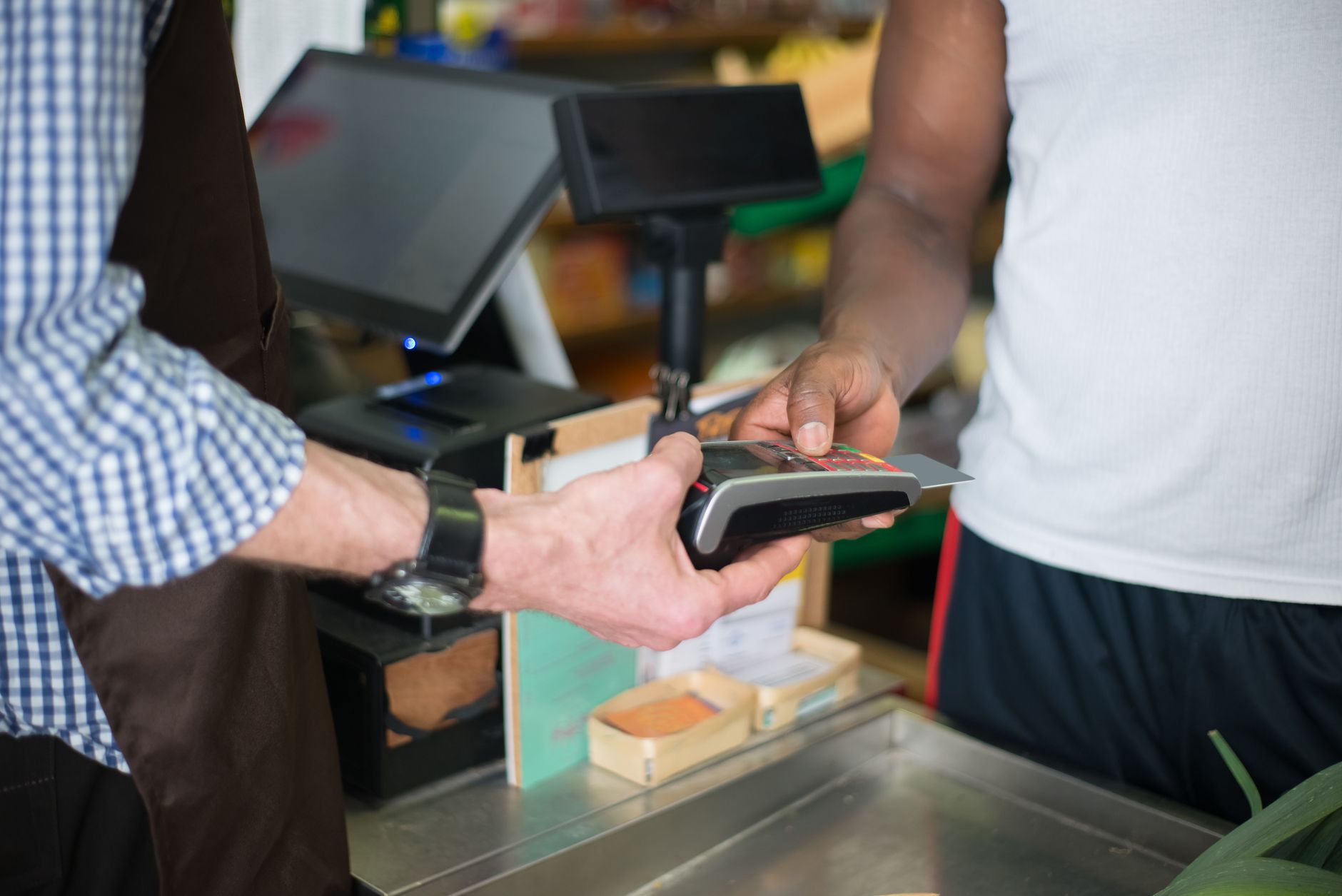
Most states have transitioned from paper vouchers to an electronic benefits transfer (EBT) card, which works like a debit card. The card is pre‑loaded each month with the value of your food package. When you shop, the cashier swipes the card, and the system automatically deducts the amount for eligible items. This system is designed to be discreet and easy to use, reducing the stigma that some women feel when using paper vouchers.
Because the card only works for WIC‑approved foods, you’ll see a “WIC” logo next to eligible items at the checkout. If you try to purchase non‑eligible items, the transaction will be declined. The FDA’s guidance on electronic benefit systems emphasizes that the EBT card improves privacy and reduces stigma (FDA 2023). For example, instead of handing over paper vouchers that might draw attention, you can simply swipe your card like any other shopper.
Keep your card in a safe place and report any loss immediately—most agencies can issue a replacement within a few days. You can also check your balance online or via a phone line in many states. Some states even offer a mobile app that allows you to check your balance, view your transaction history, and find WIC-approved retailers in your area. If you’re unsure how to use your EBT card, ask your WIC nutritionist for a demonstration during your next visit.
It’s also a good idea to keep your receipts until you’ve confirmed that your balance has been updated correctly. This way, if there’s ever a discrepancy, you’ll have a record of your purchases. If you notice an error, contact your WIC office right away—they can often resolve the issue quickly.
How to prepare for your first WIC appointment
Your first WIC appointment can feel overwhelming, but a little preparation can go a long way. Start by gathering all the required documents (proof of pregnancy, income, and identity) and making copies if possible. If you’re unsure what to bring, call your local WIC office ahead of time—they can provide a checklist tailored to your state’s requirements. It’s also a good idea to write down any questions you have about the program, such as how often you’ll receive benefits or what foods are included in your package.
During the appointment, you’ll meet with a WIC nutritionist who will assess your dietary needs and provide personalized advice. This is your chance to ask about any concerns you have, like managing nausea, cravings, or food aversions. The nutritionist can also help you understand how to use your WIC benefits effectively, such as how to stretch your food vouchers or which brands are WIC-approved. Don’t be afraid to take notes—this information can be invaluable as you navigate the program.
You’ll also receive your WIC EBT card or paper vouchers during this visit, along with instructions on how to use them. The staff will explain how to check your balance, where to shop, and what to do if you have any issues. If you’re feeling nervous, remember that WIC staff are there to help—they’ve worked with countless women just like you and are trained to provide support without judgment.
WIC and breastfeeding support for pregnant women
WIC isn’t just about food—it’s also a valuable resource for breastfeeding education and support. Many women don’t realize that WIC offers breastfeeding counseling, breast pumps, and even peer support groups. If you’re planning to breastfeed, your WIC nutritionist can provide tips for getting started, such as how to establish a good latch or how to recognize hunger cues in your baby. They can also connect you with a lactation consultant if you’re experiencing challenges like low milk supply or nipple pain.
Some states even provide free breast pumps to WIC participants. These pumps can be a lifesaver if you’re returning to work or need to be away from your baby for extended periods. The type of pump you receive (manual or electric) may depend on your specific needs and your state’s policies. For example, if you have a medical condition that makes breastfeeding difficult, WIC may provide a hospital-grade pump to support your milk supply.
WIC also offers breastfeeding peer counselors—women who have breastfed their own children and are trained to provide support and encouragement. These counselors can answer questions, offer practical tips, and provide a listening ear when you’re feeling overwhelmed. If you’re unsure about breastfeeding or have concerns about whether it’s right for you, WIC can help you explore your options without pressure.
What to do if you lose your WIC benefits or miss an appointment
Life happens, and sometimes you might miss a WIC appointment or lose track of your benefits. If this happens, don’t panic—there are steps you can take to get back on track. First, call your local WIC office as soon as possible to explain the situation. Many agencies have policies in place to accommodate missed appointments, especially if you have a valid reason (like illness, transportation issues, or a family emergency).
If you lose your WIC EBT card, report it immediately to prevent unauthorized use. Most agencies can issue a replacement card within a few days, and some even offer same-day replacements for emergencies. If you’re unable to visit the office in person, ask if you can report the loss over the phone or online. Once your card is replaced, your benefits will be restored, and you can continue using them as usual.
If you miss an appointment, your benefits may be temporarily suspended until you reschedule. However, many WIC offices will work with you to find a new appointment time that fits your schedule. If you’re struggling to make it to appointments due to transportation or childcare issues, ask about telehealth options—some states allow you to complete your nutrition assessment over the phone or via video call.
Myth vs. fact
Myth: You must be on public assistance to qualify for WIC.
Fact: WIC is open to anyone whose household income is at or below 185 % of the FPL, regardless of other assistance. Many women qualify for WIC even if they don’t receive SNAP or Medicaid.
Myth: WIC only provides formula for babies.
Fact: Pregnant participants receive a full package of foods, vitamins, and counseling, not just infant formula. The program is designed to support you throughout pregnancy and beyond.
Myth: Once you’re on Medicaid, you can’t get WIC.
Fact: Medicaid enrollment actually makes you automatically eligible for WIC through categorical eligibility. The two programs work together to provide comprehensive support.
Myth: WIC is only for first-time mothers.
Fact: WIC is available to all pregnant women, regardless of whether it’s their first pregnancy or their fifth. The program is designed to support women at every stage of motherhood.
Myth: You can’t use WIC if you work full-time.
Fact: WIC is for working families too. Many women who work full-time or part-time qualify for WIC based on their income. The program is flexible and can accommodate a variety of schedules.
Key takeaways
- Income eligibility is generally ≤185 % of the Federal Poverty Level; Medicaid, SNAP, or TANF qualify you automatically.
- Proof of pregnancy (doctor’s note, ultrasound) is required; bring original documents.
- The WIC package for pregnant women includes food vouchers, prenatal vitamins, and free nutrition counseling.
- Benefits last through pregnancy and up to 12 months after birth.
- State variations exist—check your local agency for specific income limits and categorical rules.
- WIC works alongside SNAP and Medicaid; many families use both to maximize nutrition support.
- Special dietary needs can be accommodated with a doctor’s note and a tailored nutrition plan.
- The EBT card simplifies transactions and protects privacy.
- Breastfeeding support, including lactation counseling and breast pumps, is available through WIC.
- If you miss an appointment or lose your benefits, contact your WIC office immediately to get back on track.
Frequently asked questions
What is the income limit for WIC eligibility for pregnant women?
The federal guideline caps income at 185 % of the Federal Poverty Level (≈ $44,000 for a family of four in 2024). Some states raise this to 200 % or add categorical eligibility if you receive Medicaid or SNAP. If you’re unsure whether you qualify, use the WIC eligibility calculator on your state’s website or call your local WIC office for clarification.
Can I apply for WIC if I am pregnant and on Medicaid?
Yes. Medicaid enrollment automatically meets the income requirement, so you only need to provide proof of pregnancy and basic identification. This streamlined process is designed to make it easier for families to access the support they need.