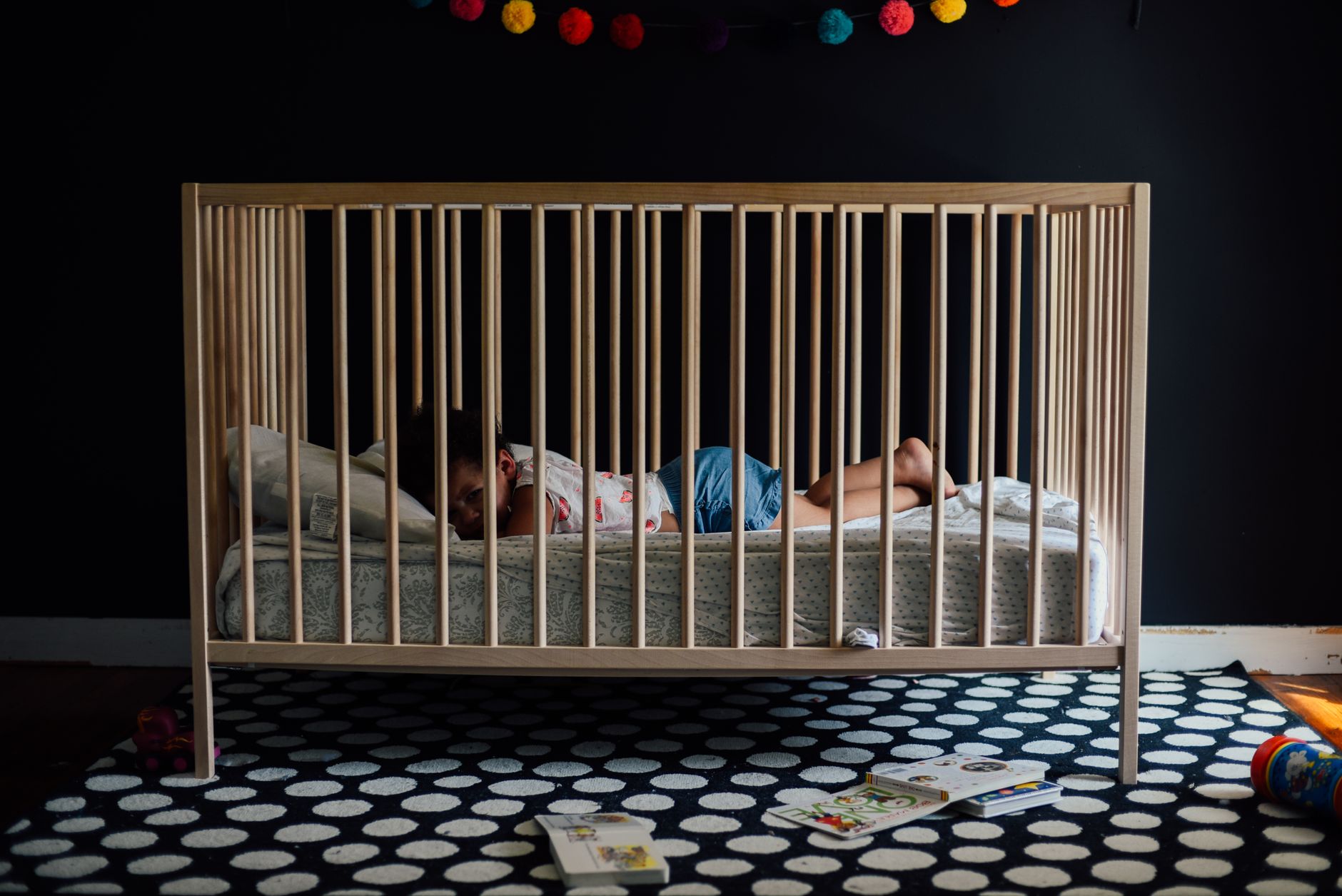
While the phrase “tummy‑sleep” might sound like a simple switch, the recommended age to start tummy sleeping hinges on two core factors: motor development and the reduced incidence of SIDS after the first six months. The consensus among pediatric bodies such as the AAP, the National Institute for Health and Care Excellence (NICE) in the UK, and the World Health Organization (WHO) is that infants should remain on their backs until they can consistently roll both ways—generally around 4 to 6 months. This period allows for the crucial development of strength and coordination necessary for safe repositioning.
The transition isn't just about rolling. It also involves the maturation of a baby's arousal response, which is their ability to wake up if they're in distress or if their breathing is compromised. This response is still developing in the early months, making it harder for younger infants to self-correct a potentially dangerous situation. Therefore, waiting until the 4-6 month window ensures that both physical and neurological readiness are in place.
Doctor guidelines for tummy sleeping age
Most pediatricians follow a tiered approach, prioritizing safety at every stage:
- 0–3 months: Strict back‑sleeping. This is the period of highest SIDS risk, and the baby lacks the strength and neurological maturity to safely manage prone positioning.
- 4–5 months: Observe rolling ability; if the baby can roll both ways consistently and with ease, a brief supervised tummy‑sleep period *may* be considered, but back is still preferred for unsupervised sleep.
- 6+ months: Full tummy‑sleep is considered safe if the infant demonstrates the ability to reposition themselves readily, and the sleep environment remains clear and free of hazards. At this point, the SIDS risk significantly decreases, and the baby's motor skills are well-established.
Your pediatrician will consider your baby's individual development, health history, and any specific concerns you might have. Don't hesitate to ask questions during well-child visits to ensure you're following the most appropriate guidance for your little one.
What to do if a baby rolls onto stomach during sleep
If you notice your baby on their stomach before they’re developmentally ready (i.e., before they can consistently roll both ways), the safest action is to gently roll them back onto their back. While this might seem disruptive, it's a critical step in minimizing SIDS risk during the vulnerable early months. Keep the sleep space free of loose items, and consider using a sleep sack rather than blankets to prevent accidental entanglement or suffocation. In most cases, once the infant has mastered rolling both ways, they will naturally return to the back position if they become uncomfortable or need to clear their airway.
It's important not to use wedges, positioners, or other devices marketed to keep babies on their backs or in a specific position. These products have not been proven safe or effective in preventing SIDS and can actually increase the risk of suffocation, according to the FDA and AAP. The best approach is a firm, bare sleep surface and consistent back-placement until your baby hits those crucial developmental milestones.
Can a baby roll onto stomach before 4 months?
It’s uncommon but not impossible. Some babies develop early neck strength and may roll earlier, sometimes as early as 2 or 3 months. However, even if they demonstrate this early rolling ability, the safest practice is still to place them back on their back for sleep. This is because the prone position still carries a higher SIDS risk before the infant’s airway control and arousal mechanisms are fully matured, which typically happens closer to 4-6 months.
Early rolling is a sign of good motor development, but it doesn't automatically mean the baby has the full physiological readiness to safely sleep on their stomach without supervision. The risk factors for SIDS are highest during the first 6 months, and placing a baby on their back consistently during this period is the most important preventive measure. Continue to provide plenty of supervised tummy time during awake hours to encourage their development safely.
Risk of SIDS if baby sleeps on stomach before 6 months
Sudden infant death syndrome (SIDS) is the sudden, unexplained death of an apparently healthy infant, usually during sleep. The exact cause remains unknown, but research points to a "triple risk" hypothesis: a combination of a vulnerable infant (e.g., genetic predisposition, brain abnormalities), a critical developmental period (first 6 months), and an unsafe sleep environment. Prone sleeping is a major component of the unsafe sleep environment, as it compromises the infant’s ability to clear the airway and can cause re-breathing of exhaled carbon dioxide, especially in the first six months when their respiratory and arousal systems are still maturing.
The severity of this risk cannot be overstated. Since the "Back to Sleep" campaign was launched in the 1990s, SIDS rates have plummeted by over 50%. This dramatic reduction is largely attributed to increased awareness and adherence to back-sleeping recommendations. The evidence is clear: consistently placing your baby on their back for every sleep, whether it's a nap or overnight, is the single most impactful action you can take to protect them from SIDS.
How does prone positioning increase SIDS risk?
When a baby lies on their stomach, their face can become pressed against the mattress, limiting airflow. This can lead to re-breathing exhaled air, which is rich in carbon dioxide and low in oxygen. Unlike older children or adults, newborns and young infants also have underdeveloped arousal mechanisms, making it harder for them to wake up if they begin to suffocate or experience reduced oxygen levels. This impaired arousal response means they may not easily shift their head or wake to a dangerous situation.
Furthermore, prone sleeping can lead to overheating, another known SIDS risk factor. When a baby sleeps on their stomach, they can trap heat against the mattress, making it more difficult for them to regulate their body temperature. Studies from the AAP and CDC consistently show that back‑sleeping reduces SIDS risk by up to 50 % compared with prone sleeping in the first six months, highlighting the profound impact of this simple practice on infant safety.
Are there any benefits to tummy sleeping before 6 months?
While some parents might report that their baby seems to sleep more soundly or experiences less gas when on their stomach, these anecdotal observations are not supported by evidence of actual health benefits that outweigh the significant increase in SIDS risk. The primary perceived benefit of prone positioning, such as relief from gas and colic, is far outweighed by the increased SIDS risk, especially in the first six months.
Instead, parents can use supervised tummy time while the baby is awake to alleviate discomfort, promote motor development, and strengthen neck and core muscles. Tummy time provides all the developmental benefits of being on the stomach without the associated SIDS risk, as the baby is awake and under direct supervision. If you're concerned about gas or colic, discuss other safe remedies with your pediatrician.
Understanding the SIDS Risk Factors Beyond Sleep Position
While sleep position is a critical component of SIDS prevention, it's part of a broader picture of safe sleep practices. Many factors can increase or decrease a baby's risk, and understanding these can help parents create the safest possible environment for their infant. The AAP emphasizes a comprehensive approach to SIDS risk reduction, recognizing that multiple elements contribute to infant safety during sleep.
Beyond placing your baby on their back, paying attention to the sleep environment, avoiding certain practices, and considering lifestyle factors can significantly reduce the likelihood of SIDS. It's about building a layered defense of safety measures that work together to protect your little one.
Co-sleeping and bed-sharing risks
One of the most significant risk factors for SIDS, independent of sleep position, is co-sleeping or bed-sharing. While room-sharing (having the baby sleep in the same room as the parents, but in their own separate safe sleep space) is recommended, bed-sharing is strongly advised against by the AAP, CDC, and NHS. The risks include accidental suffocation, overlaying by a parent, entrapment, or the baby falling into gaps between the mattress and headboard/wall.
The risk is particularly high if parents are fatigued, under the influence of alcohol or drugs, or if there are other children or pets in the bed. If you bring your baby into your bed for feeding or comfort, always return them to their separate, safe sleep surface before you fall asleep. The safest place for a baby to sleep is in a crib or bassinet in the parents' room, close to the bed but not in it.
Overheating and appropriate sleepwear
Overheating is another recognized risk factor for SIDS. Babies cannot regulate their body temperature as effectively as adults, and being too warm during sleep can increase SIDS risk. Signs of overheating include sweating, damp hair, flushed cheeks, and rapid breathing. To prevent overheating, ensure the baby's room temperature is comfortable for a lightly clothed adult, ideally between 68–72 °F (20–22 °C).
Dress your baby in light sleepwear, such as a sleep sack, rather than loose blankets. A good rule of thumb is to dress your baby in one more layer than you would wear to be comfortable in the same room. Avoid hats or excessive clothing during sleep, especially indoors, as babies release heat primarily through their heads.
Exposure to smoke, alcohol, and drugs
Exposure to tobacco smoke, both during pregnancy and after birth, is a well-established and significant risk factor for SIDS. Studies show that infants exposed to smoke are at a much higher risk, even if parents smoke outside the home. Similarly, maternal use of alcohol or illicit drugs during pregnancy or after birth increases SIDS risk. These substances can impair a baby's arousal mechanisms and ability to respond to breathing difficulties.
Creating a smoke-free environment for your baby, both prenatally and postnatally, is crucial. If you or your partner need support to quit smoking, drinking, or drug use, speak to your healthcare provider. There are resources available to help protect your baby's health.
How to transition baby from back to stomach sleep
Transitioning your infant to tummy sleeping can feel like a delicate dance, but a gradual, consistent approach makes it smoother for both baby and parent. Remember, this transition should only begin once your baby has consistently demonstrated the ability to roll both ways independently. Start with short, supervised sessions of tummy time while the baby is awake, and then progress to brief, supervised naps on their stomach once they can roll both ways, always ensuring a clear and safe sleep environment.
The goal is to build your baby's comfort and confidence in the prone position during awake hours, which then translates into safer sleep habits. This gradual introduction helps your baby adapt physically and psychologically, reducing potential distress when they naturally start to choose a tummy sleep position.
Parent tips for safe tummy sleep transition
- Begin with 2‑minute tummy‑time sessions after diaper changes, gradually increasing to 10‑15 minutes several times a day. This builds essential neck and core strength.
- Place a firm, flat mattress with a fitted sheet—no blankets, pillows, bumper pads, or plush toys. The sleep surface must be completely clear of any potential obstructions.
- Use a sleep sack that allows free arm movement but prevents rolling into a loose blanket. Ensure the sleep sack is the correct size for your baby to avoid entanglement.
- Stay in the room for the first few nights or naps when your baby starts to consistently roll to their stomach, to monitor breathing and movement. This provides reassurance and allows you to observe their comfort level.
- Gradually extend tummy‑sleep periods by a few minutes each night as the baby shows comfort and consistent ability to reposition themselves. Trust your baby's cues and your parental instincts.
How to monitor and respond if baby rolls onto stomach during sleep
Once your baby is developmentally ready to roll both ways, if they roll onto their stomach during sleep, you generally do not need to intervene and roll them back. This is the key distinction from the earlier months. The AAP guidance states that once infants can roll from back to stomach and stomach to back, they can be allowed to remain in the sleep position they assume. The most critical factor at this stage is maintaining a safe sleep environment.
Use a baby monitor with video capability if you’re concerned about nighttime rolling, but remember it’s not a substitute for safe sleep practices. If you see your baby on their stomach, and they are capable of rolling both ways, ensure the environment remains free of hazards like loose bedding or toys. Most infants will self‑correct once they’re developmentally ready, meaning they will shift positions if they become uncomfortable or need to clear their airway. Your role shifts from repositioning to ensuring the environment is consistently safe.
Signs baby is ready for tummy sleep
Identifying the developmental cues that indicate a baby is ready for tummy sleeping helps parents make the transition confidently. These milestones reflect a baby's increasing strength, coordination, and ability to manage their own body and airway. Look for these crucial indicators:
- Rolling both ways: The baby can move from back to side, side to front, and front to back without assistance. This means they are not "stuck" in any one position.
- Head control: The infant can lift and hold their head steady for at least 10 seconds while prone, and can turn it easily from side to side. This demonstrates adequate neck strength to prevent suffocation.
- Push‑up strength: The baby can push up with their arms, lifting their chest off the surface, showing core stability and upper body strength. This allows them to create space for breathing if their face is too close to the mattress.
- Consistent arousal: The infant wakes easily if placed face‑down or if they experience discomfort, indicating a mature arousal response that allows them to self-rescue from a compromised position.
What are the benefits of tummy sleeping after 6 months?
Once the infant is past the high‑risk SIDS window and has developed the necessary motor skills, prone sleeping can offer several benefits. For some babies, it can aid in spinal alignment and may reduce symptoms of reflux by keeping the esophagus in a more upright position. Many parents also report that infants who shift to tummy sleeping after 6 months often experience fewer nighttime awakenings and longer, deeper sleep cycles, potentially due to feeling more secure or simply finding it a more comfortable position.
Studies published in the Journal of Pediatrics report that infants who shift to tummy sleeping after 6 months often experience fewer nighttime awakenings. This doesn't mean it's universally true for all babies, but for those who are developmentally ready, it can be a comfortable and safe option that improves sleep quality for the whole family.
Difference between tummy time and tummy sleep
Although the terms sound similar, tummy time and tummy sleep serve very different purposes and carry vastly different safety considerations. Tummy time is a supervised, awake activity designed to strengthen neck, shoulder, and core muscles, and to prevent flat head syndrome (positional plagiocephaly). It's an active, engaging period where your baby is observed and interacted with. Tummy sleep, on the other hand, is an unsupervised sleep position that should only be used once the infant can safely and consistently roll both ways and is past the peak SIDS risk period.
Confusing these two can lead to dangerous practices. Tummy time is essential for development, but it must be done when your baby is awake and supervised. Tummy sleep, before a baby is ready, is a significant SIDS risk. Understanding this distinction is crucial for every parent and caregiver.
How does tummy time support safe tummy sleep later?
Regular tummy‑time sessions are foundational for developing the strength and coordination needed for safe tummy sleeping later. These sessions help your baby build strong neck, shoulder, and back muscles, which are essential for lifting their head, turning it from side to side, and pushing up with their arms. By the time the infant is ready for tummy sleeping, they’ll already be comfortable with the sensation of being on their stomach while awake, reducing the likelihood of distress during sleep.
Tummy time also helps babies develop important gross motor skills like rolling, crawling, and eventually sitting up. These skills are all interconnected, and mastering them during awake periods prepares your baby for greater independence and safety during sleep. Think of tummy time as training for independent, safe movement.
Can tummy sleeping reduce colic in infants?
While some parents report that prone positioning seems to ease gas discomfort and reduce the fussiness associated with colic, the scientific evidence directly linking tummy sleeping to significant colic relief is limited and not strong enough to outweigh the SIDS risks in early infancy. The American College of Gastroenterology advises using supervised tummy time while awake rather than prone sleep for colic relief, as the latter still carries a heightened SIDS risk in the early months.
For colic relief, pediatricians often recommend other strategies such as gentle massage, burping techniques, paced feeding, and addressing potential food sensitivities. If your baby is experiencing severe colic, always consult your pediatrician to explore safe and effective solutions.
Choosing the Right Sleep Products for Safe Sleep
Creating a safe sleep environment extends beyond just placing your baby on their back; it also involves selecting appropriate sleep products. The market is flooded with various items, but not all are designed with safety in mind. Choosing products that meet current safety standards and avoiding those that pose risks is vital for SIDS prevention.
Always prioritize simplicity and firmness in your baby's sleep space. The Consumer Product Safety Commission (CPSC) sets standards for infant sleep products, and checking for these certifications can give you peace of mind. Remember, less is often more when it comes to baby sleep environments.
Cribs, bassinets, and play yards
Ensure that any crib, bassinet, or play yard you use meets current safety standards from organizations like the CPSC. Look for products that have been manufactured after 2011, as these generally comply with stricter federal safety requirements. The bars or slats should be no more than 2 3/8 inches (about the width of a soda can) apart to prevent a baby's head from getting trapped.
Check for any broken or missing parts, and ensure the mattress fits snugly without any gaps larger than two fingers between the mattress and the frame. Avoid drop-side cribs, which have been banned due to safety concerns. A sturdy, well-maintained crib or bassinet forms the foundation of a safe sleep space.
Mattress firmness and fitted sheets
The mattress in your baby's crib or bassinet should be firm, not soft. A firm mattress helps maintain your baby's airway by preventing their head from sinking into the surface. If you press down on the mattress, it should spring back quickly without leaving an indentation. Always use a fitted sheet that is specifically designed for the mattress size; loose sheets can become entangled around your baby or create a suffocation hazard.
Avoid mattress toppers, memory foam, or any extra padding, as these can make the sleep surface too soft. The firmer the mattress, the safer it is for your baby, especially in the early months when head control is still developing.
Sleep sacks and safe clothing
Sleep sacks (also known as wearable blankets) are an excellent alternative to loose blankets, which are a known SIDS risk factor. They keep your baby warm without the danger of covering their face or becoming entangled. When choosing a sleep sack, ensure it's the correct size for your baby—not too big that their head can slip inside, and not too small that it restricts movement.
Consider the TOG (Thermal Overall Grade) rating of the sleep sack, which indicates its warmth, and choose one appropriate for your room temperature. Dress your baby in light pajamas underneath the sleep sack, aiming for one more layer than you would comfortably wear in the same room. Avoid clothing with hoods or drawstrings, and never use weighted sleep sacks or swaddles, as these are not recommended by safety experts.
What to do if baby rolls onto stomach during sleep
If your baby ends up on their stomach in the middle of the night, stay calm. Your response depends on their developmental stage. If your baby is under 4-6 months and cannot consistently roll both ways, gently roll them back to their back. This is the safest action to take during this high-risk period. Ensure the crib’s mattress is firm, the sheet is fitted, and there are no loose blankets or soft toys in the crib.
However, once your baby is consistently rolling from back to stomach and stomach to back, and has good head control (typically around 4-6 months or older), you generally do not need to intervene. At this point, they have the physical ability to reposition themselves if their breathing becomes compromised. The most important thing is to ensure their sleep environment is always safe and clear of hazards, regardless of the position they choose.
When should I call a doctor?
While rolling is a normal developmental milestone, certain situations warrant a call to your pediatrician. You should contact your doctor immediately if your baby consistently rolls onto their stomach before they can roll both ways and you are unable to reposition them, or if you notice any signs of breathing difficulty—such as persistent grunting, flaring nostrils, bluish lips or skin (especially around the mouth), unusually floppy limbs, or extreme lethargy. These could be signs of respiratory distress or other underlying issues.
Additionally, if your baby displays atypical motor development, significant delays in rolling or other milestones, or if you have persistent concerns about their sleep habits or safety, professional assessment is always recommended. Trust your instincts as a parent; if something feels off, it's always best to seek medical advice.
Safe sleep environment checklist
- Firm mattress with a fitted sheet only.
- No pillows, blankets, bumper pads, sleep positioners, or stuffed animals in the crib.
- Room temperature between 68–72 °F (20–22 °C) to prevent overheating.
- Use a sleep sack instead of loose blankets for warmth.
- Place baby’s head in the center of the crib, not near the edges, to prevent entrapment.
- Baby sleeps in a separate crib or bassinet in the parents' room (room-sharing, not bed-sharing).
- Keep the sleep area smoke-free.
Myth vs. fact
Myth: “If my baby sleeps on their stomach, they’ll sleep longer.”
Fact: While some infants may appear to settle quicker in the prone position, prone sleep before 6 months significantly increases SIDS risk and offers no proven benefit for overall sleep duration or quality that outweighs this risk. The perceived benefit is often outweighed by the danger.
Myth: “All babies can roll onto their stomach by 3 months, so tummy sleeping is safe then.”
Fact: The ability to roll from back to stomach does not guarantee the infant can adequately arouse or reposition themselves if breathing becomes compromised. Most guidelines recommend keeping infants on their backs until at least 4-6 months when they can consistently roll both ways and have more mature arousal responses.
Myth: “If I use a firm pillow, tummy sleeping becomes safe.”
Fact: Soft bedding, including pillows of any firmness, is a known SIDS risk factor and should never be used in an infant's sleep space at any age. The safest sleep surface is a firm mattress with a fitted sheet only, completely free of any additional items.
Myth: “If my baby spits up frequently, they should sleep on their stomach.”
Fact: Babies are anatomically designed to clear their airways, even when lying on their backs. The risk of choking on spit-up while on their back is extremely low and does not outweigh the increased SIDS risk associated with prone sleeping. If you have concerns about reflux, discuss safe solutions with your pediatrician.
Key takeaways
- Keep infants on their backs for every sleep until they can consistently roll both ways, typically between 4–6 months of age.
- Prone sleeping before 6 months markedly increases SIDS risk; back‑sleeping is the single most effective measure to reduce this risk.
- Use supervised tummy time while awake to build the strength needed for safe tummy sleeping later, without the associated risks.
- When your baby can roll both ways, and has good head control, you generally do not need to reposition them if they roll onto their stomach during sleep.
- Maintain a bare, firm sleep environment: firm mattress, fitted sheet, no loose blankets, pillows, bumper pads, or toys.
- Room-share (baby in crib in your room) but avoid bed-sharing, which significantly increases SIDS risk.
- Address other SIDS risk factors like overheating and exposure to smoke, alcohol, or drugs.
Frequently asked questions
When is it safe for a baby to sleep on their stomach?
Most experts agree it’s safe once the baby can reliably roll both from back to stomach and stomach to back, and has developed strong head and neck control, usually between 4 and 6 months. Until then, back‑sleeping remains the recommended position to minimize SIDS risk due to immature arousal responses and potential airway obstruction.
What are the risks of stomach sleeping for newborns?
Prone sleeping in the first six months significantly increases the chance of SIDS due to reduced airway clearance, rebreathing of exhaled carbon dioxide, and immature arousal responses that make it harder for the baby to wake up or reposition themselves if in distress. It also raises the risk of accidental suffocation from soft bedding or overheating.
How many months should a baby sleep on their back?
Guidelines from the AAP and NHS suggest keeping babies on their backs for sleep for at least the first 4 months, extending to 6 months for added safety, as this covers the peak SIDS risk period. After the infant can consistently roll both ways, parents may allow them to choose their own sleep position, provided the sleep environment is safe and clear.
Can tummy sleeping reduce colic in infants?
Evidence linking tummy sleeping to significant colic relief is limited and does not outweigh the increased SIDS risk for young infants. While prone positioning may offer temporary gas discomfort relief for some babies, the safest way to address colic is through supervised tummy time while the infant is awake, or other pediatrician-approved methods, not by allowing prone sleep before the SIDS‑risk window passes.
What should I do if my baby rolls onto their stomach at night?
If your baby is under 4-6 months and cannot roll both ways, gently roll them back onto their back. If they are older than 4-6 months and can consistently roll both ways, you generally do not need to intervene. In both scenarios, ensure the sleep environment remains clear of loose items, pillows, or blankets.
Is it okay to let a baby sleep on their stomach after 6 months?
Yes, once the infant demonstrates the ability to roll both ways, has good head control, and the sleep area is free of hazards, prone sleeping is generally considered safe. Many parents report that tummy sleeping can improve comfort and reduce reflux for their babies after this age, and it's a natural progression of their motor development.
What if my baby prefers stomach sleeping from birth?
Even if your baby seems to prefer sleeping on their stomach, it is crucial to always place them on their back for every sleep, especially during the first 4-6 months. Their preference does not negate the significant SIDS risks associated with prone sleeping in early infancy. Continue to place them on their back until they can consistently roll both ways independently. You can offer plenty of supervised tummy time during awake hours to satisfy their desire to be on their stomach.
Can a pacifier help reduce SIDS risk?
Yes, studies have shown that pacifier use at naptime and bedtime can help reduce the risk of SIDS, even if it falls out of the baby's mouth during sleep. The exact mechanism isn't fully understood, but it's believed that pacifiers may help maintain an open airway or enhance arousal. If your baby takes a pacifier, offer it at sleep times. If they don't, there's no need to force it, but it's a helpful tool for those who do.
When to see a doctor or specialist
If your baby:
- Rolls onto their stomach before 4 months and cannot roll back, despite consistent repositioning.
- Shows signs of breathing difficulty (grunting, flaring nostrils, bluish skin around the mouth, pauses in breathing).
- Has poor weight gain or feeding difficulties despite adequate intake.
- Displays atypical motor development or significant delays in rolling, lifting their head, or pushing up with their arms.
- Experiences frequent or severe reflux that causes distress or interferes with feeding/breathing.
Contact your pediatrician promptly. In rare cases, a referral to a pediatric neurologist or developmental specialist may be warranted to assess motor milestones or investigate underlying health conditions. Remember, this article provides general information and is not a substitute for personalized medical advice from your healthcare provider.
References
- American Academy of Pediatrics. “Safe Sleep Recommendations.” Pediatrics, 2022.
- National Institute for Health and Care Excellence. “Guidance on Reducing Sudden Infant Death Syndrome.” NICE NG147, 2021.
- World Health Organization. “Infant and Young Child Feeding.” WHO, 2020.
- Centers for Disease Control and Prevention. “Sudden Unexpected Infant Death.” CDC, 2023.
- Harvard T.H. Chan School of Public Health. “Sleep Safety for Babies.” Harvard Health Publishing, 2021.
- Journal of Pediatrics. “Post‑SIDS Risk After 6 Months: A Cohort Study.” 2022.
- American College of Gastroenterology. “Management of Infant Colic.” ACG Clinical Guidelines, 2021.
- U.S. Consumer Product Safety Commission (CPSC). "Safe Sleep for Babies." 2023.