Quick take: Missing a fetal movement for a few hours can be normal, especially after a nap or if you’re dehydrated, but a full day without any kicks at 28 weeks warrants a call to your provider. Track kicks daily, stay hydrated, and know the red‑flag signs that need urgent care.
It’s 3 a.m. and you’re lying in bed, eyes half‑open, listening for that familiar flutter that usually tells you “baby’s okay.” When the room stays silent, a wave of worry can hit hard. You’re not alone—many pregnant people wonder, “why can’t I feel baby move today?” The good news is that occasional dips in movement are often harmless, but it’s also vital to recognize when a change could signal something more serious.
In this article we’ll walk through what normal fetal movement looks like, how to count kicks, why a pause might happen, and exactly when you should reach for the phone. We’ll cover dehydration, stress, caffeine, exercise, and other lifestyle factors, debunk common myths, and give you a clear action plan. By the end you’ll feel confident that you’re doing everything you can to keep your baby safe and thriving.

Why hasn't my baby moved today at 28 weeks?
At 28 weeks you’re well into the third trimester, and most babies are making at least 10–30 distinct movements each day. However, the exact timing can vary day‑to‑day. A single day without feeling a kick doesn’t automatically mean something is wrong; it could be a short‑term lull caused by sleep cycles, maternal position, or fluid shifts.
It’s also worth remembering that the placenta and amniotic fluid act as a cushion that can muffle movements when fluid volume fluctuates. If you’ve recently been very active, taken a long nap, or have been lying flat on your back, the baby may simply be “resting” in a deeper sleep stage. Most clinicians will reassure you that a brief pause is usually benign, but they’ll also advise you to keep a close eye on patterns over the next few days.
Beyond the usual lull, a sudden and sustained decrease in movement can sometimes hint at placental insufficiency, especially if accompanied by other signs like reduced fetal heart rate or maternal hypertension. In such cases, your provider may recommend earlier testing, such as a biophysical profile, to ensure the baby is receiving enough oxygen and nutrients.
What does a typical movement pattern look at 28 weeks?
- Morning and early afternoon: Babies often have a burst of activity after you’ve been up for a while.
- Mid‑day nap: A brief lull is common after you’ve rested.
- Evening: Many report a second wave of kicks before bedtime.
These patterns are shaped by the baby’s own sleep‑wake cycles, which start to resemble adult patterns but are still irregular. If you notice a consistent drop over several days, it’s worth noting and discussing with your provider.
How many times should a baby move per day in the third trimester?
Most clinicians advise a “kick count” of at least 10 movements within two hours, once you’ve felt the baby become active (usually around 20 weeks). Over a full day, this translates to roughly 30–40 distinct movements, though many women report feeling more.
Average baby kick count per day third trimester
Studies from the American College of Obstetricians and Gynecologists (ACOG) suggest the median daily count hovers around 30–35 kicks. Individual variation is wide, but consistent counts below 10 in two hours should prompt a check‑in with your provider.
No baby movement today what does it mean?
When you wake up and feel nothing, the first instinct is often panic. While it can be unsettling, a single day without movement is usually not an emergency. The key is to assess the broader context: have you been unusually active, stressed, or dehydrated? Have you recently taken a nap?
Take a moment to breathe. A quick hydration boost, a gentle shift to your left side, and a brief period of quiet can often “wake” the baby. If movement returns within a few hours, you’ve likely experienced a normal lull. If it doesn’t, it’s time to follow the steps outlined later in this article.
Emotionally, a day without felt movement can trigger anxiety that lasts beyond the moment. It’s helpful to talk with a partner, friend, or support group about your worries. Sharing your experience often reduces stress, which in turn can improve blood flow to the placenta and encourage fetal activity.
Baby not moving today but moving yesterday
A brief pause after a day of plenty is often part of the baby’s natural rhythm. The fetus may have entered a deeper sleep phase, especially after a maternal nap. A quick hydration boost and gentle position change can often “wake” the baby.
Baby movement patterns after a nap
After a nap, many women notice a temporary dip in movement for the first hour or two. This is because the baby’s sleep cycle often aligns with the mother’s rest period. Once you’re upright and active again, the kicks usually resume.
Difference between baby kicks and flutters
Early in the second trimester, you may feel gentle “flutters” (also called “quickening”). By 28 weeks, most of those sensations are stronger kicks and rolls. Flutters are lighter and less rhythmic, while kicks are more forceful and can be counted.
Can dehydration cause baby to stop moving today?
Yes. Adequate hydration is essential for maintaining amniotic fluid volume, which cushions the baby and facilitates movement. Dehydration can lead to reduced uterine blood flow, making the baby less active.
Even mild dehydration can cause a noticeable dip in fetal activity. The American Heart Association notes that pregnant people need roughly 2.3 L of fluids daily, which may increase with heat or physical activity. If you suspect dehydration, treat it promptly and re‑assess fetal movement after a short interval.
Electrolyte balance matters, too. Sodium, potassium, and magnesium help maintain proper muscle function for both you and the baby. A sports drink with moderate electrolytes can be useful after heavy sweating, but plain water remains the best baseline.
What to do if you suspect dehydration
- Drink 8‑12 ounces of water within the next hour.
- Eat a snack containing both protein and complex carbs (e.g., a banana with peanut butter).
- Resume a gentle kick count after 30 minutes.
If movement improves, it was likely a temporary dip. If not, call your provider.
Does caffeine reduce baby movement?
Moderate caffeine (up to 200 mg per day, about one 12‑oz coffee) is generally considered safe by the Mayo Clinic. However, excessive caffeine can increase maternal heart rate and reduce blood flow to the placenta, potentially dampening fetal activity. If you’re feeling a lull, consider cutting back for a day and see if movement improves.
When should I call my doctor if baby hasn't moved today?
While occasional pauses are normal, there are red‑flag signs that require immediate medical attention. Trust your instincts—if something feels off, reach out.
In many health systems, a “24‑hour rule” is used after 28 weeks: if you haven’t felt any movement for a full day, call your OB‑GYN right away. Below 28 weeks, a 12‑hour window is often recommended. These guidelines help catch early signs of placental insufficiency or other concerns.
Telehealth options have expanded, and many practices now allow you to report a concern via a secure portal before an in‑person visit. If you’re unable to reach your provider quickly, an urgent care or labor‑and‑delivery unit can perform an immediate non‑stress test.
Red‑flag symptoms that need urgent care
- Complete absence of movement for 24 hours (or 12 hours if you’re under 28 weeks).
- Sudden loss of movement after a period of regular activity.
- Severe abdominal pain, bleeding, or fluid leakage.
- Fever over 100.4 °F (38 °C) without another cause.
- Rapid swelling of hands, face, or sudden shortness of breath.
If any of these occur, call your OB‑GYN, midwife, or go to the nearest emergency department right away.
What to expect during an evaluation
Your provider will likely perform a non‑stress test (NST) or a biophysical profile (BPP) to assess the baby’s heart rate and movement. These are quick, painless tests done in the office or hospital. An NST records the fetal heart rate response to movement for about 20‑30 minutes, while a BPP adds an ultrasound assessment of breathing, tone, and amniotic fluid volume.
What factors can temporarily reduce baby movement?
Beyond dehydration, several everyday factors can lead to a short‑term dip in fetal activity.
How stress affects fetal movement
Stress triggers the release of cortisol and adrenaline, which can temporarily narrow blood vessels and reduce placental blood flow. A study published by the Endocrine Society notes that high maternal stress correlates with fewer perceived kicks in the short term. Simple relaxation techniques—deep breathing, a short walk, or a warm bath—can help restore normal movement.
Baby movement after exercise
After moderate exercise, you might notice a brief lull as blood is redirected to your muscles. This is normal; once you cool down and hydrate, the baby usually resumes kicking.
Does position matter?
Lying on your back can compress the inferior vena cava, decreasing blood return to the heart and placenta. If you’re lying flat, try turning onto your side; many women report an immediate increase in movement.
Nutrition and baby activity
Low blood sugar can reduce fetal movement. A balanced snack with protein and complex carbs can give both you and the baby a quick energy boost.
Medication influences
Some prescription medications, such as antihypertensives or certain antidepressants, can affect uterine blood flow. Always discuss any new medication with your OB‑GYN to understand potential impacts on fetal movement.
How to track baby kicks accurately
- Pick a consistent time each day (e.g., after breakfast).
- Lie on your left side or sit comfortably.
- Count each distinct movement—kicks, rolls, or punches.
- Note the time it takes to reach 10 movements.
- Record the count in a notebook or phone app.
Consistency is key. If you notice a trend of fewer than 10 movements in two hours, contact your provider.

Maternal diet and fetal activity
What you eat can have a subtle but real effect on how active your baby feels. A diet rich in iron, omega‑3 fatty acids, and complex carbohydrates supports steady blood glucose and oxygen delivery to the placenta. The Academy of Nutrition and Dietetics recommends at least 25 g of fiber and 30 g of protein daily for pregnant people, both of which help maintain energy levels and reduce fatigue that can mask fetal movements.
Conversely, diets high in simple sugars may cause rapid spikes and drops in blood glucose, leading to periods where the baby appears less active. If you notice a pattern of reduced movement after sugary meals, try swapping those for whole‑grain options and monitor the difference. Keeping a brief food diary alongside your kick count can reveal helpful correlations.
Foods that may boost fetal movement
- Leafy greens (spinach, kale) – packed with iron and folate.
- Fatty fish (salmon, sardines) – rich in DHA, essential for brain development.
- Complex carbs (sweet potatoes, quinoa) – provide steady glucose.
- Hydrating fruits (watermelon, oranges) – add fluid and electrolytes.
Foods to limit
- Excessive caffeine or energy drinks.
- Highly processed snacks high in refined sugars.
- Very salty foods that can increase swelling and affect circulation.
Understanding fetal sleep cycles
By the third trimester, babies develop sleep cycles that last about 20‑40 minutes, alternating between active (REM‑like) and quiet (non‑REM) phases. During quiet phases, movements can be minimal or absent, which explains why you sometimes feel a lull after a nap or in the late evening.
Research from the National Institute of Child Health and Human Development (NICHD) shows that most fetuses spend roughly 50‑60 % of each hour in a quiet sleep state. This is perfectly normal and not a sign of distress. If you’re curious, you can try “wake‑up” techniques—such as gently pressing on your abdomen or playing soft music—to see if the baby becomes more active.
Tips to “wake” a sleeping baby
- Drink a cool glass of water.
- Change to a side‑lying position.
- Gently rub your belly in a circular motion.
- Listen to calming music at a moderate volume.
Most of the time, the baby will respond within a few minutes, giving you reassurance that the lull was simply a sleep phase.

Technology can make kick counting easier and more reliable. Several FDA‑cleared apps allow you to log movements, set reminders, and even generate charts you can share with your provider. While no app replaces a professional evaluation, they can help you notice trends earlier.
When choosing an app, look for one that offers a clear “10‑in‑2‑hours” timer and allows you to export data. Always discuss any concerning patterns you see with your OB‑GYN. Also, review the app’s privacy policy—many reputable apps store data securely and comply with HIPAA or GDPR standards.
Symptoms checklist
- Absence of movement for 12–24 hours (depending on gestational age).
- Sudden decrease after a period of regular activity.
- Accompanying abdominal pain, bleeding, or fluid loss.
- Fever over 100.4 °F (38 °C) without another cause.
- Persistent dehydration despite fluid intake.
- Rapid swelling of hands or face, or shortness of breath.
Treatment options comparison
Natural remedies with evidence
- Maternal hydration: Drinking 2‑3 liters of water can increase amniotic fluid and improve movement (American College of Obstetricians and Gynecologists, 2022).
- Side‑lying position: Shifting to left side improves uterine blood flow; many women report immediate kick resurgence.
- Gentle stretching: Light yoga or stretching can reduce stress hormones, allowing fetal activity to normalize.
- Balanced snack: A small protein‑carb snack (e.g., apple with cheese) can raise blood sugar and stimulate movement.
- Warm compress: A gently warmed (not hot) abdominal compress for a few minutes may help relax uterine muscles and encourage activity.
How to safely stimulate fetal movement at home
If you’re experiencing a lull, there are several gentle techniques you can try before reaching for the phone. First, sip a glass of cool water while lying on your left side for 5‑10 minutes. Next, place a soft pillow under your hips to relieve pressure on the vena cava. Finally, try a light abdominal massage—using circular motions with the tips of your fingers—while playing soothing music at a low volume. Most women notice a response within a few minutes, confirming that the baby was simply in a quiet sleep phase.
These methods are safe for most pregnancies, but avoid vigorous shaking or any activity that could cause discomfort. If you have a high‑risk pregnancy, discuss any stimulation technique with your provider first.
What is a fetal movement diary and how to use it?
A fetal movement diary goes beyond a simple kick count. It records the time of day, type of movement (kick, roll, punch), maternal position, recent meals, hydration status, and any emotional stressors. Over a week, patterns often emerge that can help you and your provider pinpoint triggers for reduced activity.
To start a diary, use a small notebook or a notes app. Write the date, gestational week, and then log each movement event with a brief note (e.g., “10‑am, left side, after coffee, 12 kicks”). Review the entries weekly; if you see multiple days with low counts, bring the diary to your next appointment.
When is it appropriate to use a home Doppler for fetal monitoring?
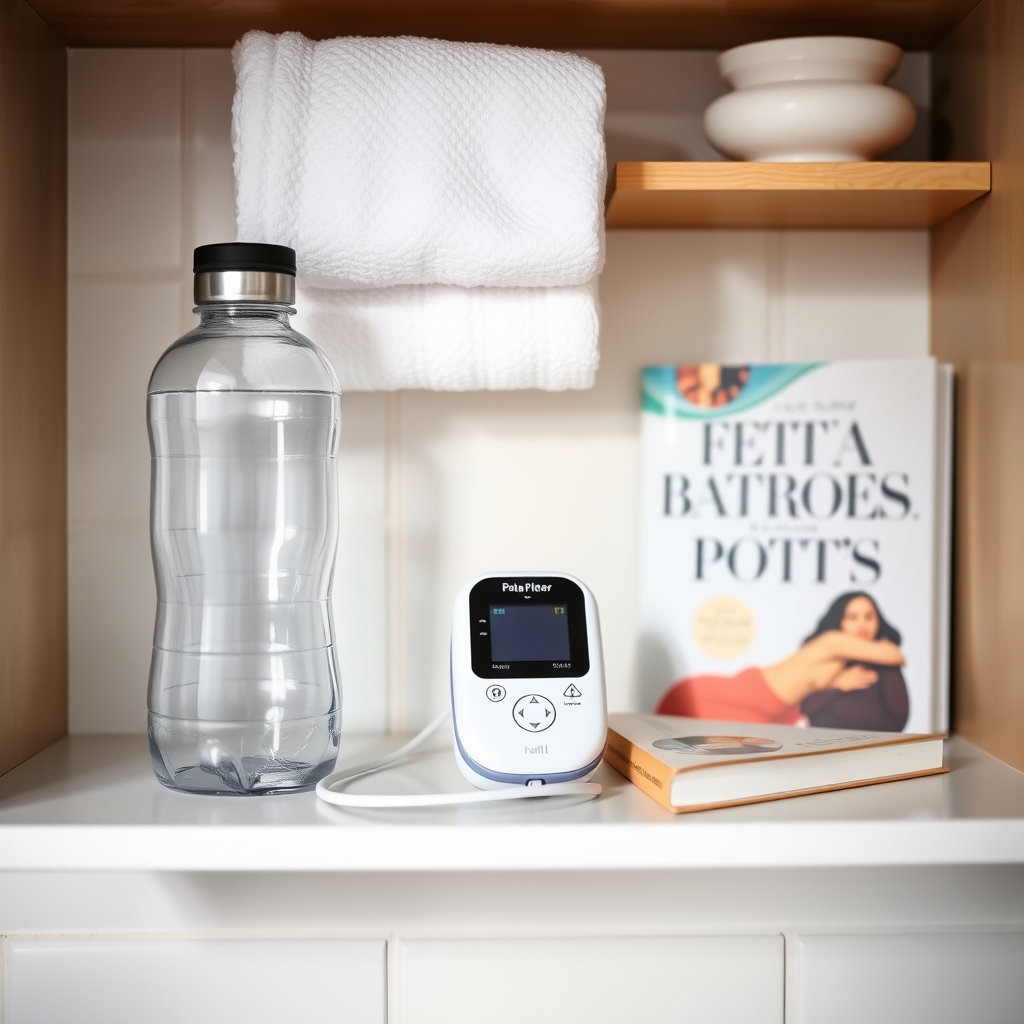
Home Doppler devices allow you to hear your baby’s heartbeat, which can be reassuring when you’re worried about movement. However, they are not a substitute for professional assessment. The FDA classifies most home Dopplers as “wellness devices,” meaning they are not intended to diagnose fetal distress.
If you choose to use a Doppler, do so no more than once a day and only after a period of at least 30 minutes of rest. If you cannot locate the heartbeat, or if the sound is weak or irregular, contact your provider promptly. Over‑use can cause unnecessary anxiety and may mask more serious concerns.
Myth vs. fact
Myth: If the baby doesn’t move for a whole day, the baby is in trouble.
Fact: A single day without noticeable movement is often normal, especially after a nap or if you’re dehydrated. However, any prolonged absence warrants a call to your provider.
Myth: Caffeine always stops baby kicks.
Fact: Moderate caffeine (≤200 mg/day) is generally safe. Excessive intake may reduce movement, so moderation is key.
Myth: You can’t feel any movement until 30 weeks.
Fact: Most women feel their first kicks between 16‑20 weeks, and by 28 weeks movements are clearly felt multiple times per day.
Key takeaways
- Missing a kick for a few hours is often normal; track patterns over days.
- Stay hydrated, eat balanced snacks, and avoid prolonged supine positions.
- Perform a daily kick count—10 movements in 2 hours is a good benchmark.
- Call your provider if you have no movement for 12‑24 hours or experience any red‑flag symptoms.
- Stress‑reduction, moderate caffeine, and gentle exercise usually support healthy fetal activity.
- Use reputable apps or a simple notebook to monitor trends and share them with your care team.
Frequently asked questions
Is it normal for a baby not to move for a day?
Yes, occasional short‑term lapses can be normal, especially after a nap or if you’re dehydrated. However, if you notice no movement for 12‑24 hours, it’s important to contact your healthcare provider.
How many kicks should I feel each day?
Most clinicians recommend feeling at least 10 distinct movements within a two‑hour window once the baby is active, which typically translates to 30‑40 kicks over a full day in the third trimester.
What should I do if I don’t feel my baby move?
First, drink a glass of water and change your position to your left side. After 30 minutes, try a kick count. If you still don’t feel at least 10 movements in two hours, call your provider for further evaluation.
Can stress affect baby movement?
Yes. High stress levels can temporarily reduce blood flow to the placenta, leading to fewer perceived kicks. Practicing relaxation techniques can help restore normal movement.
When should I call my doctor about baby movement?
Call immediately if you have no movement for 12‑24 hours (depending on gestational age), experience pain, bleeding, fluid loss, fever, or any sudden change in your baby’s activity pattern.
Do babies move less in the evening?
Many babies have a natural lull in the evening, but most still show some activity. If you notice a complete absence of movement for several hours, consider a kick count or a quick hydration break.
Can certain medications affect baby movement?
Some medications, especially those that influence blood pressure or heart rate, can impact fetal activity. Always discuss any new prescription or over‑the‑counter medication with your OB‑GYN to understand potential effects on fetal movement.
What is the difference between a kick count and a fetal movement diary?
A kick count focuses on reaching a set number of movements (usually 10) in a specific time frame, while a fetal movement diary tracks the overall pattern, timing, and type of movements over days or weeks. Both tools are useful; many providers ask patients to keep a diary if they notice concerning trends.
Can a warm compress help increase baby movement?
Applying a gentle, warm (not hot) compress to the abdomen for a few minutes may relax uterine muscles and encourage movement. This technique is safe for most pregnancies, but stop if you feel any discomfort.
Is it safe to use a home fetal doppler to check movement?
Home dopplers are classified as wellness devices by the FDA and are not intended to diagnose fetal distress. They can be reassuring when used sparingly, but if you cannot locate a steady heartbeat or notice irregularities, contact your provider right away.
When to see a doctor / specialist
If you experience any of the red‑flag symptoms listed above—especially a full day without movement, pain, bleeding, or fever—seek care right away. Your OB‑GYN, midwife, or a maternal‑fetal medicine specialist can perform a non‑stress test or biophysical profile to assess fetal well‑being. Remember, this article is for informational purposes only and does not replace personalized medical advice.
References
- American College of Obstetricians and Gynecologists. “Fetal Movement Counting.” ACOG Practice Bulletin, 2022.
- National Institute for Health and Care Excellence (NICE). “Routine Antenatal Care.” Updated 2023.
- Mayo Clinic. “Fetal movement: What’s normal and what’s not?” 2023.
- Endocrine Society. “Maternal Stress and Fetal Activity.” Journal of Clinical Endocrinology, 2021.
- Harvard T.H. Chan School of Public Health. “Caffeine and Pregnancy.” 2022.
- American Heart Association. “Hydration and Pregnancy.” 2021.
- British National Health Service (NHS). “Kick counts and fetal monitoring.” 2023.
- National Institute of Child Health and Human Development (NICHD). “Fetal Sleep Cycles.” 2022.
- Food and Drug Administration (FDA). “Mobile Medical Applications Guidance.” 2021.
- American Diabetes Association. “Nutrition Recommendations for Pregnancy.” 2022.
- National Institute of Mental Health (NIMH). “Stress and Pregnancy.” 2021.



