Cravings usually start in the first trimester, around weeks 4‑6, and peak in the second trimester. Discover the pregnancy cravings timeline and common triggers in this BumpBites guide.
By Shubhra Mishra — a mom of two who turned her own confusion during pregnancy into BumpBites, a global mission to make food choices clear, safe, and stress-free for every expecting mother. 💛
Check whether any food is safe during pregnancy with the BumpBites Food Safety Checker.
Quick take: Most people notice pregnancy cravings somewhere between weeks 4 and 8, often after morning‑sickness starts. Cravings are driven by shifting hormones, blood‑sugar swings, and emotional cues, and they usually peak in the second trimester before easing in the third. Safe, balanced snack ideas and gentle coping tricks can satisfy cravings without compromising nutrition.
It’s 2 a.m., you’re lying in bed, and a sudden urge for salty pickle chips or chocolate‑covered strawberries hits you out of nowhere. You stare at the ceiling, wondering if this new craving is a sign of something wrong—or just a normal part of pregnancy. You’re not alone. Cravings are one of the most talked‑about, yet most misunderstood, parts of the pregnancy journey.
In this guide we’ll map out exactly when cravings tend to start, why they happen, how they differ from nausea, and what you can do to satisfy them safely. We’ll also clear up common myths, give you practical snack ideas, and let you know when a craving might be a red flag that needs a doctor’s eye.
By the end you’ll have a week‑by‑week timeline, a hormone‑by‑hormone explanation, and a toolbox of strategies to keep both your cravings and your nutrition on track throughout pregnancy.
When do pregnancy cravings typically begin week by week?
Most research and anecdotal evidence point to cravings emerging between weeks 4 and 8, often after the first bout of morning sickness. Below is a rough week‑by‑week breakdown:
Gestational Week
Typical Craving Onset
Common Food Types
4–5
Early, subtle urges
Cold foods, citrus, mild sweets
6–7
More noticeable, often paired with nausea
Pickles, salty snacks, ginger
8–12
Cravings solidify; may intensify
Chocolate, dairy, protein‑rich foods
13–27 (2nd trimester)
Peak intensity
Varied – sweet, savory, spicy
28–40 (3rd trimester)
Gradual decline
More comfort foods, less intense
The exact timing varies from person to person. Some women report cravings as early as week 4, while others only notice them after the first trimester. The key pattern is that cravings tend to follow the hormonal surge that causes morning sickness, not precede it.
When you look back at a diary of your early‑pregnancy cravings, you’ll often see clusters that line up with the “hCG peak” around weeks 5‑9. This hormone is also responsible for the thickening of the uterine lining, so the body is essentially “shouting” for extra nutrients while also coping with a rapidly changing internal environment. The NHS notes that many women experience a “sweet‑to‑savory” swing during this window, reflecting the brain’s attempt to balance energy sources.
What triggers cravings in the first trimester of pregnancy?
Cravings in early pregnancy are rarely random. They are usually sparked by a mix of hormonal, metabolic, and emotional factors.
Hormonal drivers
Human chorionic gonadotropin (hCG) spikes sharply after implantation, which can alter taste perception and heighten the desire for certain flavors.
Estrogen rises, influencing the sense of smell and sometimes making aromatic foods more appealing.
Progesterone relaxes smooth muscle, slowing digestion. Slower gastric emptying can lead to low blood‑sugar episodes, prompting cravings for quick‑energy foods.
In addition to these three, the adrenal glands release modest amounts of cortisol, a stress hormone that can amplify cravings for high‑fat or high‑sugar foods. The American College of Obstetricians and Gynecologists (ACOG) highlights that cortisol peaks early in pregnancy, especially when women are coping with sleep disruption or anxiety about the pregnancy.
Blood‑sugar swings
Pregnancy changes how your body handles glucose. When blood‑sugar dips, the brain sends a “feed me” signal that often manifests as a craving for sweet or salty foods. A study referenced by the NHS showed that women who ate a balanced breakfast with protein and complex carbs reported fewer intense cravings than those who skipped the first meal of the day.
Stress and emotional cues
Even mild stress—like worrying about a new baby—activates the cortisol pathway. Cortisol can amplify cravings for “comfort” foods, especially those high in fat or sugar. The National Institute of Health (NIH) reports that stress‑related cravings are most pronounced when a pregnant person feels a lack of control over their diet or lifestyle.
Why do I crave pickles during the first trimester?
Pickles are a classic early‑pregnancy craving because their salty, sour profile satisfies both the body’s need for sodium (lost through early‑pregnancy fluid shifts) and the heightened taste sensitivity driven by estrogen. The vinegary tang also helps some women feel less queasy, offering a brief respite from nausea.
Beyond sodium, the acetic acid in pickles can modestly improve blood‑sugar regulation, which may explain why a few bites feel soothing after a low‑energy episode. However, moderation is key—excessive sodium can raise blood pressure, so pairing a small pickle with a potassium‑rich fruit is a balanced approach.
How long do pregnancy cravings last during each trimester?
Cravings are not static; they evolve as your body moves through the three trimesters.
First trimester (weeks 1–12)
Cravings are often intermittent and linked tightly to nausea episodes. They may appear and disappear within days, and some women experience a “craving‑and‑nausea” cycle.
During this stage, the brain’s reward circuitry is still calibrating to the new hormonal environment. A quick snack that satisfies a craving can also temporarily calm nausea by stabilizing blood‑sugar levels, which is why many women notice a “craving‑relief” pattern after eating.
Second trimester (weeks 13–27)
This is the peak period for cravings. Hormone levels (especially estrogen) stabilize, and the body’s energy demands increase, leading to more persistent and stronger cravings. Many women report a “steady hum” of wanting specific foods throughout the day.
During weeks 16‑24, the fetus’s rapid growth demands roughly an extra 300 kcal per day. The body interprets this need as a heightened desire for calorie‑dense foods, which is why cravings for chocolate, cheese, and starchy snacks become more pronounced. The ACOG Nutrition Committee advises that meeting these cravings with nutrient‑rich options helps both mother and baby.
Third trimester (weeks 28–40)
Cravings usually taper off as the uterus expands, making digestion more uncomfortable. Appetite may shift toward comfort foods that are easier to eat, and the intensity of cravings often diminishes.
Physical pressure on the stomach can also trigger “early satiety,” where even small portions feel filling. This shift explains why many pregnant people start preferring softer, bland foods like oatmeal or mashed potatoes in the final weeks, even if they previously craved bold flavors.
Pregnancy cravings vs. appetite changes after 20 weeks
After week 20, the sensation is less about “I want this specific flavor” and more about “I’m hungry for calories.” The body’s caloric needs rise by about 300 kcal per day, so you might notice a general increase in appetite rather than distinct cravings.
That said, the brain still registers flavor preferences. If you find yourself repeatedly reaching for a particular snack, it may be a lingering craving rather than a pure caloric need. Paying attention to the difference can help you choose more nutrient‑dense options when the urge strikes.
Are certain foods more likely to cause cravings early in pregnancy?
Yes. Some foods have a track record of being craved early on, often because they hit the taste receptors most altered by hormonal shifts.
Common early‑pregnancy cravings
Pickles and other salty, vinegary items
Citrus fruits (oranges, lemons) for their bright flavor
Chocolate and sweets – a quick source of glucose
Protein‑rich snacks (Greek yogurt, cheese, nuts)
Ginger – both soothing for nausea and flavorful
These foods also tend to be nutrient‑dense, providing vitamins, minerals, and protein that support early fetal development. For example, citrus supplies vitamin C, which aids iron absorption—a critical need during the first trimester.
Foods to avoid when cravings start early in pregnancy
Unpasteurized dairy and soft cheeses (risk of Listeria)
Raw or undercooked eggs and meats
High‑mercury fish (e.g., swordfish, king mackerel)
Excessively processed junk foods that are high in trans fats and added sugars – they can spike blood sugar and worsen nausea.
While these “avoid” foods aren’t strictly “craving‑triggering,” they can exacerbate nausea or lead to nutrient gaps if they become the primary source of calories. The FDA’s food‑safety guidance for pregnant women emphasizes that avoiding these items reduces the risk of food‑borne illness and developmental toxicity.
When a craving points toward a restricted food, look for fortified or cooked alternatives. For instance, a craving for soft cheese can be satisfied with pasteurized feta or cottage cheese, which provide calcium without the Listeria risk.
How can I differentiate cravings from nausea in early pregnancy?
Morning sickness and cravings often coexist, but they feel different.
Cravings are a desire for a specific taste or texture. You might feel excited or comforted by the thought of the food.
Nausea is an aversion—your stomach feels uneasy, and you might feel repulsed by certain smells or flavors.
One practical way to tell the difference is the “taste test.” If you can sip a small amount of the wanted food without feeling queasy, it’s likely a true craving. If even a sniff makes you feel sick, you’re probably experiencing nausea.
Another tip: keep a simple log. Write down “What I wanted” and “How I felt” each day. Over a week, patterns emerge that help you separate true cravings from nausea‑driven avoidance. The NHS suggests that tracking can also reveal hidden nutritional gaps, prompting you to ask your provider about supplements.
How to manage cravings in the first trimester safely?
Managing cravings is about balance—satisfying the urge while keeping nutrition on track.
Smart snack swaps
Craving salty pickles? Pair a small pickle with a handful of unsalted almonds for protein and fiber.
Chocolate desire? Choose a 1‑ounce piece of dark chocolate (70% cacao) alongside a banana for potassium.
Yearning for citrus? Blend an orange with Greek yogurt for a creamy, vitamin‑C‑rich smoothie.
These combinations give you the flavor you’re after while adding nutrients that support fetal growth. The ACOG Nutrition Committee recommends pairing carbohydrate‑rich cravings with protein or fiber to blunt post‑snack blood‑sugar spikes.
Natural ways to curb cravings
Stay hydrated. Dehydration can masquerade as a craving for salty foods.
Include protein at every meal. Protein reduces the intensity of sugar‑cravings.
Get enough fiber. Fiber slows digestion, helping you feel fuller longer.
Mindful breathing. A few deep breaths can calm stress‑induced cravings.
In addition, the NHS advises a modest daily intake of calcium‑rich foods (like fortified plant milks) because low calcium can sometimes manifest as a salty craving. If you notice a pattern, consider a calcium supplement after consulting your provider.
When to indulge
It’s okay to give in occasionally. A rule of thumb is the “80/20 rule”: aim for 80 % nutrient‑dense foods and allow 20 % for treats. This keeps your diet balanced while honoring the body’s signals.
Remember that “indulging” doesn’t have to mean binge‑eating. A single square of chocolate, a few pickle slices, or a small serving of ice cream can satisfy a craving without derailing overall nutrition. The CDC’s dietary guidelines for pregnant people emphasize moderation and variety as the cornerstone of a healthy pregnancy diet.
When do cravings peak in pregnancy and why?
Most women report that cravings reach their highest intensity during the second trimester, around weeks 16 to 24. Several factors converge at this stage:
Hormone plateau. Estrogen and progesterone levels stabilize, making taste buds more responsive rather than erratic.
Increased caloric demand. The fetus grows rapidly, and the body signals for more energy, often manifesting as stronger food desires.
Reduced nausea. With morning sickness easing, the brain can focus on flavor preferences rather than aversions.
After the peak, the uterus expands, putting pressure on the stomach and intestines. This physical limitation naturally curtails the intensity of cravings, leading many women to feel satisfied with simpler meals.
Research from the Royal College of Obstetricians and Gynaecologists (RCOG) shows that women who report intense cravings in the second trimester also tend to have higher overall caloric intake, which can be beneficial if the extra calories come from nutrient‑dense sources. However, the same study cautions against using cravings as a license to over‑consume low‑nutrient foods.
Does stress affect pregnancy cravings timeline?
Stress can both accelerate and intensify cravings. Cortisol, the stress hormone, influences appetite centers in the brain, steering you toward high‑fat, high‑sugar foods that provide quick energy. Studies from the American College of Obstetricians and Gynecologists (ACOG) note that pregnant women reporting high stress levels often experience earlier onset of cravings, sometimes as early as week 4.
Managing stress—through gentle yoga, prenatal meditation, or short walks—can smooth out the cravings curve, making them less erratic and easier to control. The NHS recommends a daily “stress check‑in” where you note any tension points and try a grounding technique, such as the 4‑7‑8 breathing method, to reduce cortisol spikes.
In addition, adequate sleep plays a pivotal role. Sleep deprivation raises cortisol and ghrelin (the hunger hormone), both of which can magnify cravings. Aim for 7‑9 hours of quality sleep whenever possible, and consider a short, daytime nap if nighttime rest is disrupted by pregnancy discomfort.
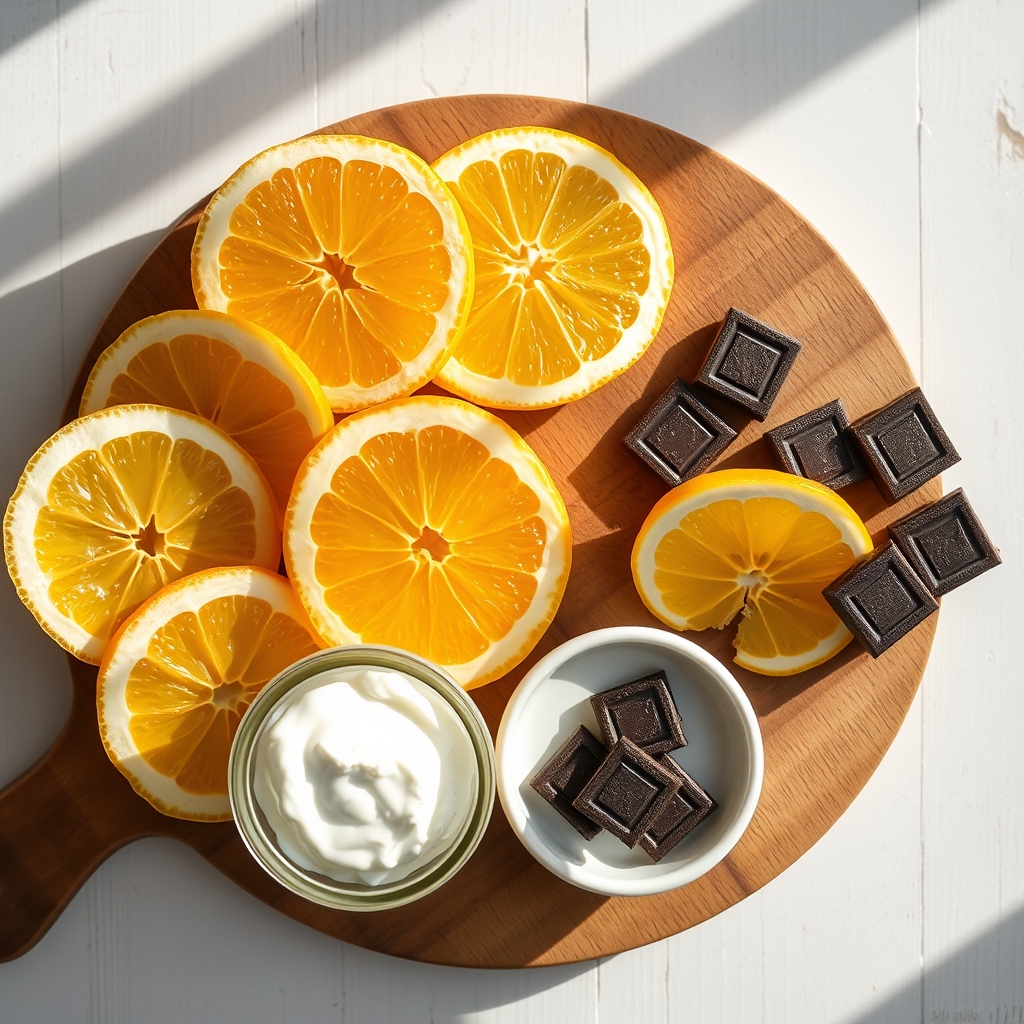
A balanced snack plate that hits both sweet and salty cravings while staying nutrient‑rich.
Can prenatal vitamins influence cravings?
Many pregnant people wonder whether the multivitamin they’re taking could be nudging their cravings. Certain nutrients, especially B‑vitamins and iron, can affect taste perception. For example, iron deficiency sometimes manifests as a craving for non‑food items (pica) or a heightened desire for meat and salty foods.
The FDA’s guidance on prenatal supplements notes that iron supplements can cause a metallic taste, which some women interpret as a craving for salty or sour foods. If you notice a strong, persistent craving for non‑nutritive items (like ice or clay), discuss it with your provider—they may adjust the iron dose or suggest a different formulation.
Additionally, folic acid—essential for neural‑tube development—does not typically cause cravings, but a deficiency can lead to fatigue, which sometimes fuels snack cravings. Ensuring you’re meeting the recommended 400–800 µg daily, as advised by ACOG, can help keep energy levels stable and reduce the urge for quick‑energy treats.
Cravings after 30 weeks: common patterns and safe options
After the 30‑week mark, the body’s physical constraints become more pronounced. Many women report a shift from specific flavor cravings to a general desire for comfort foods that are easy to chew and digest.
Typical cravings in the late third trimester include soft breads, mashed potatoes, warm soups, and mild cheeses. These foods are low‑in‑fiber but high in calories, which can help meet the increased energy demand without overloading the digestive system.
Safe options for this stage include:
Whole‑grain toast with a thin spread of avocado for healthy fats.
Warm oatmeal topped with a drizzle of honey and a sprinkle of cinnamon—both soothing and nutrient‑dense.
Cooked carrots or sweet potatoes, which provide beta‑carotene and potassium without being too heavy.
Even when cravings lean toward indulgent items like ice cream, the key is portion control. A small cup of low‑fat frozen yogurt paired with fresh berries delivers calcium and probiotics while satisfying the sweet tooth. The NHS emphasizes that late‑pregnancy cravings are often driven by comfort rather than specific nutrient deficits, so focusing on overall dietary balance remains essential.
Cultural variations in pregnancy cravings
Cravings are a universal phenomenon, but what people crave can reflect cultural food traditions. In many Asian cultures, pickled vegetables, mangoes, and rice cakes are common early‑pregnancy cravings. In Latin American communities, sweet plantains, queso fresco, and tamarind‑flavored candies often appear on craving lists.
These cultural patterns are not merely anecdotal; research published in the Journal of Maternal‑Fetal & Neonatal Medicine shows that regional dietary habits influence the types of foods pregnant people report craving. The underlying hormonal mechanisms remain the same, but the brain’s learned taste preferences steer the specific flavors.
If you’re navigating cravings that are rooted in cultural foods, aim to choose the safest preparation method. For example, opt for pasteurized cheese instead of raw queso fresco, or enjoy pickled vegetables that have been fermented in a controlled environment to reduce the risk of Listeria. Your provider can help you identify safe substitutions that honor tradition while protecting your baby’s health.
From our medical team: Cravings are a normal, hormone‑driven part of pregnancy, but they should never replace a well‑rounded diet. If a craving leads you to a food that raises safety concerns—such as unpasteurized cheeses or high‑mercury fish—talk to your provider. They can suggest fortified alternatives that satisfy the flavor you’re after while protecting you and your baby.
Myth vs. fact
Myth: Cravings can predict the baby’s gender.
Fact: There is no scientific evidence linking specific cravings to a baby’s sex. Gender is determined by chromosomes, not by what you eat.
Myth: You must give in to every craving or risk harming the baby.
Fact: Moderate indulgence is safe. The key is balance—choose nutrient‑dense foods most of the time and treat cravings as occasional supplements.
Myth: Cravings are just a myth created by the media.
Fact: Cravings are documented in clinical studies and are linked to real hormonal changes; they are a genuine physiological response.
Key takeaways
Cravings typically start between weeks 4 and 8, often after morning sickness begins.
Hormonal shifts (hCG, estrogen, progesterone) and blood‑sugar changes drive early cravings.
Second‑trimester cravings are usually strongest; they taper off in the third trimester.
Safe snack swaps (pickles + nuts, dark chocolate + fruit) let you satisfy urges without compromising nutrition.
Stress management and regular, protein‑rich meals can smooth out cravings.
If a craving leads you toward unsafe foods (e.g., raw fish, unpasteurized cheese), choose a fortified alternative and discuss it with your provider.
Frequently asked questions
When do pregnancy cravings usually start?
Most women notice cravings around weeks 4 to 8, typically after the first wave of morning sickness.
Do cravings start before morning sickness?
It’s uncommon; morning sickness usually precedes cravings because the same hormonal surge that triggers nausea also heightens taste sensitivity.
What causes cravings in the first trimester?
Rapid rises in hCG, estrogen, and progesterone, combined with blood‑sugar fluctuations and stress, create the perfect storm for specific food desires.
How can I tell if my cravings are normal?
If you can enjoy the craved food without severe nausea, and the desire isn’t overwhelming or paired with concerning symptoms, it’s generally normal. Keep a brief food‑craving log to track patterns.
Can cravings indicate the baby’s gender?
No. Scientific studies have found no correlation between specific cravings and whether you’re carrying a boy or a girl.
What are safe foods to satisfy cravings in early pregnancy?
Choose pasteurized dairy, fully cooked proteins, low‑mercury fish, and fortified breads. Pair sweet cravings with fruit‑yogurt combos, and salty cravings with pickles and a protein source like nuts or cheese.
Can I eat pickles if I have gestational diabetes?
Yes, in moderation. Pickles are low in carbs and can satisfy a salty craving without spiking blood sugar. Pair them with a protein or healthy fat (e.g., a few almonds) to keep glucose levels stable, and monitor your blood‑sugar response as your provider advises.
Are cravings a sign of nutrient deficiency?
Sometimes. Cravings for iron‑rich foods (red meat, beans) or for calcium (cheese, yogurt) can hint at a growing need. However, cravings are also driven by hormones and emotion, so they’re not a definitive diagnostic tool. Discuss persistent, specific cravings with your provider to rule out deficiencies.
When to call your doctor
If you experience any of the following, contact your prenatal care provider right away: persistent vomiting, severe dehydration, sudden weight loss, cravings for unsafe foods (e.g., raw fish, unpasteurized cheese) that you can’t avoid, or if cravings are accompanied by sharp abdominal pain, fever, or unusual swelling.
This article is for informational purposes only and does not replace personalized medical advice. Always discuss your diet and any concerns with your obstetrician or midwife.
References
American College of Obstetricians and Gynecologists (ACOG). “Nutrition During Pregnancy.” Practice Bulletin No. 225, 2022.
National Health Service (NHS). “Pregnancy cravings: why they happen and how to manage them.” Updated 2023.
World Health Organization (WHO). “Guidelines on food safety for pregnant women.” 2021.
Harvard T.H. Chan School of Public Health. “Understanding cravings in pregnancy.” 2022.
Centers for Disease Control and Prevention (CDC). “Pregnancy and nutrition.” 2022.
Royal College of Obstetricians and Gynaecologists (RCOG). “Food safety for pregnant women.” 2023.
U.S. Food and Drug Administration (FDA). “Pregnancy and dietary guidelines.” 2022.
Journal of Maternal‑Fetal & Neonatal Medicine. “Cultural influences on pregnancy cravings.” 2021.
Not sure about the label on When Does The Cravings Start In Pregnancy Timeline products?
Snap the ingredients list and SafeFilter checks every ingredient for your stage — only 3 free scans this month, then you're locked until reset. Unlimited from $7/mo or $50/yr.
When Shubhra Mishra was expecting her first child in 2016, she was overwhelmed by conflicting food advice — one site said yes, another said never. By the time her second baby arrived in 2019, she realized millions of mothers face the same confusion.
That sparked a five-year journey through clinical nutrition papers, cultural diets, and expert conversations — all leading to BumpBites: a calm, compassionate space where science meets everyday motherhood.
Her long-term vision is to build a global community ensuring safe, supported, and free deliveriesfor every mother — because no woman should face pregnancy alone or uninformed. 🌿
🌍 Stand with mothers, shape safer guidance
Join a small circle of experts who review BumpBites articles so expecting parents everywhere can decide with confidence.