Working from home or in an office can be challenging when you’re managing UC. You need snacks that are easy to pack, won’t spoil quickly, and won’t leave you feeling bloated or uncomfortable. The key is to focus on non-perishable, low-fiber options that can be prepped ahead of time.
- Pre-portioned nuts or seeds (if tolerated—some people with UC find even small amounts of nuts or seeds irritating, so start with tiny portions).
- Cheese sticks or slices (low-fat or full-fat, but avoid aged cheeses with high lactose content if dairy is a trigger).
- Hard-boiled eggs (peeled and stored in a small container).
- Rice cakes or saltines with a small spread of peanut butter (if tolerated) or cream cheese.
- Low-fiber granola bars (check labels for added fiber or seeds—some brands offer UC-friendly options).
Pro tip: Pack snacks in small, reusable containers or bags to avoid messes and keep portions controlled.
If you’re working in an office with a kitchen, you can also keep a stash of plain crackers, cheese, and deli meats (like turkey or ham) on hand. Just be mindful of cross-contamination—some people with UC are sensitive to even small amounts of spices or sauces, so opt for plain versions.
---
How to Pack Ulcerative Colitis-Friendly Snacks for Travel
Traveling with UC can feel like a logistical nightmare, but with the right prep, you can make it manageable. The key is to plan ahead and pack snacks that are easy to transport and won’t spoil. Here’s how to do it:
- Pack non-perishables first. Items like rice cakes, saltines, low-fiber granola bars, and plain crackers are easy to toss in your bag and won’t require refrigeration.
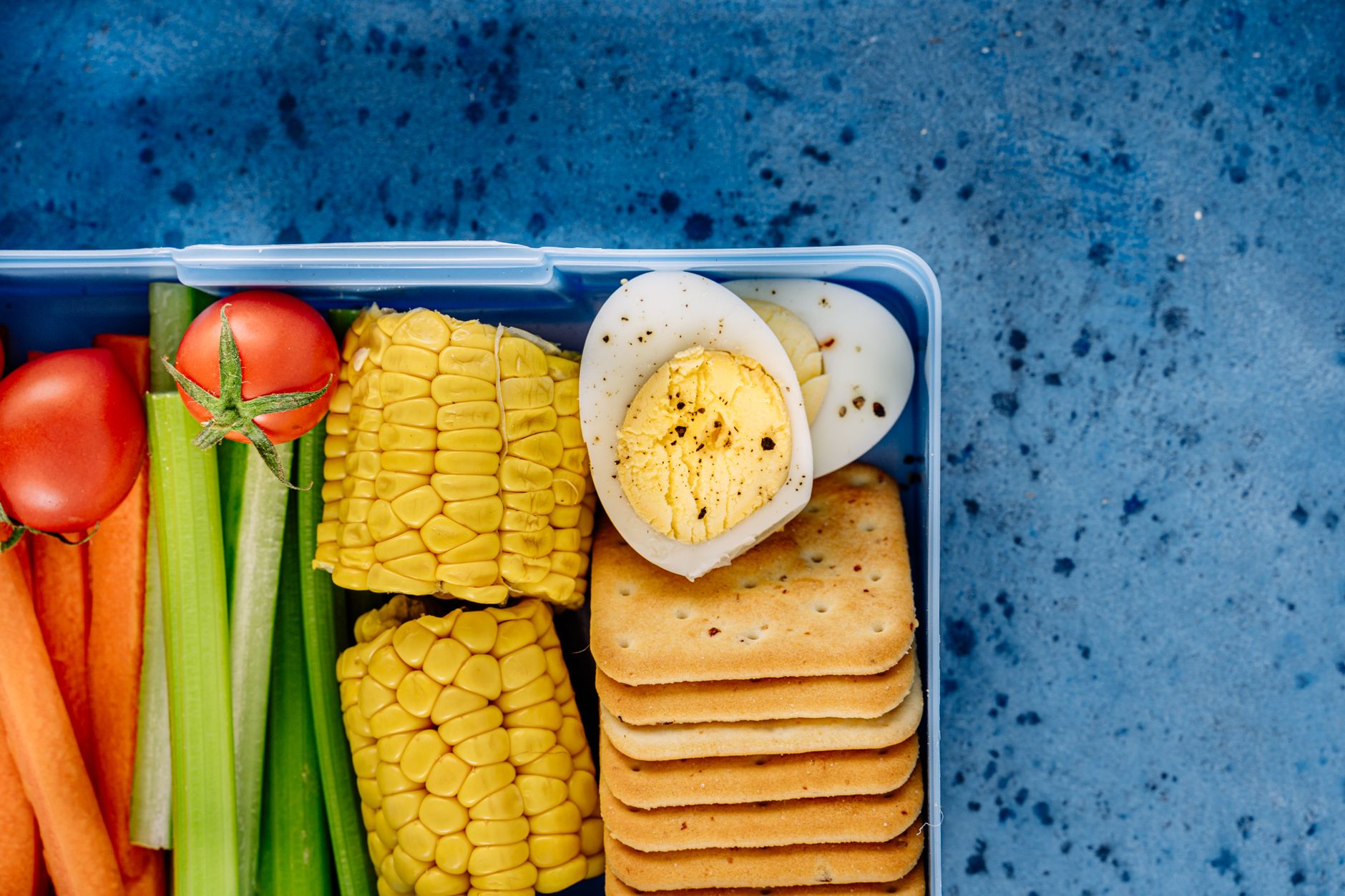
- Use small, leak-proof containers. For snacks like yogurt, cottage cheese, or boiled eggs, opt for containers with tight seals to prevent spills. Freezer packs can help keep perishables cool if you’re traveling for a few hours.
- Bring a portable cooler. If you’re traveling by car or plane, a small cooler with ice packs can keep snacks like cheese, deli meats, or smoothies fresh. Just be sure to pack them last so they stay cold.
- Pre-portion snacks. Divide snacks into individual servings to avoid overpacking and make it easier to grab what you need. This also helps with portion control, which is crucial for managing UC symptoms.
- Pack a refillable water bottle. Staying hydrated is key for digestive health, and having water on hand can help prevent dehydration, which can worsen UC symptoms.
 loading="lazy">
If you’re flying, check with your airline about their food policies. Many airlines now offer low-residue or low-fiber meal options, and some even allow you to request snacks or meals in advance. Don’t be afraid to call ahead and ask—your health is worth it.
---
Ulcerative Colitis Snack Recipes for Flare-Ups
During a flare-up, your gut is already sensitive, so snacks need to be gentle, easy to digest, and low in fiber. The goal is to reduce irritation and give your digestive system a chance to calm down. Here are a few simple, soothing recipes to try:
1. Creamy Butternut Squash Soup
Butternut squash is low in fiber and packed with nutrients that can help reduce inflammation. This soup is easy to make and even easier to eat.
- Peel and cube 2 cups of butternut squash (no skin!).
- Add the squash to a pot with 2 cups of low-sodium chicken broth and 1/2 teaspoon of olive oil. Simmer for 15–20 minutes until soft.
- Blend the soup until smooth. Add a splash of coconut milk or almond milk for creaminess.
- Serve warm and enjoy!
2. Mashed Sweet Potatoes
Sweet potatoes are a great low-fiber option that’s easy to digest and packed with vitamins. Mashed sweet potatoes are a comforting snack or side dish.
- Peel and cube 1 small sweet potato.
- Boil or steam until tender (about 10–15 minutes).
- Mash with a fork or potato masher, adding a little butter or olive oil for extra creaminess.
- Season lightly with salt (if tolerated) or a drizzle of honey.
3. Plain Yogurt with Honey
Plain yogurt is a probiotic-rich snack that can help support gut health. Just be sure to choose unsweetened and low-fiber varieties.
- Scoop 1/2 cup of plain yogurt into a bowl.
- Drizzle with a teaspoon of honey or a pinch of cinnamon (if tolerated).
- Enjoy immediately or store in the fridge for up to 24 hours.
If you’re feeling adventurous, you can also try making easy, low-fiber meals like scrambled eggs with white toast or a simple baked chicken dish. The key is to keep things simple and focused on easy-to-digest ingredients.
---
Ulcerative Colitis Snack List for Kids
Managing UC in kids can be especially challenging, but with the right snacks, you can help them stay nourished and comfortable. Kids’ diets should be low in fiber, easy to chew, and appealing—so think simple, familiar flavors and textures.
Here’s a list of kid-friendly UC snacks:
- Plain white rice cakes or saltines.
- Cottage cheese or plain yogurt (sweetened with a little honey or fruit puree if tolerated).
- Soft-cooked pasta (like angel hair or spaghetti—no whole wheat!).
- Steamed carrots or zucchini (mashed or cut into small pieces).
- Applesauce (unsweetened) or other canned fruits without skins or seeds.
- White bread or white tortillas (plain or lightly buttered).
- Boiled or scrambled eggs (soft and easy to eat).
- Low-fiber granola bars (check labels for added fiber or seeds).
Involving your child in the process can also make it easier. Let them help choose snacks from a pre-approved list, or pack their lunch together. This way, they feel more in control and less restricted.
If your child is struggling with appetite or nausea, focus on small, frequent meals and snacks rather than large portions. And always keep emergency snacks on hand—like plain crackers or yogurt—for those days when they just can’t stomach much.
---
Ulcerative Colitis Snack Guide for School Lunches
Packing a school lunch for a child with UC requires a little extra planning, but it’s totally doable. The goal is to keep snacks safe, easy to eat, and free of common irritants like seeds, skins, or high-fiber foods.
Here’s how to pack a UC-friendly school lunch:
- Use insulated lunch bags with ice packs. This helps keep perishable items like yogurt, cheese, or deli meats fresh.
- Pack snacks in small, leak-proof containers. Avoid messy items like applesauce pouches unless they’re single-serve and easy to open.
- Include a variety of textures and flavors. Kids with UC may have different tolerances, so offer a mix of soft, smooth, and slightly crunchy options (if tolerated).
- Avoid cross-contamination. Use separate containers for dairy and non-dairy items to prevent mixing.
- Include a note for the teacher or cafeteria staff. Let them know about any dietary restrictions or allergies so they can assist if needed.
Here are some school lunch ideas:
- Turkey and cheese roll-ups (use low-fiber bread or tortillas).
- Plain white rice with a drizzle of olive oil and a sprinkle of Parmesan.
- Cottage cheese with honey or a small piece of fruit (like a banana or peach).
- Low-fiber granola bar and a small container of applesauce.
- Boiled egg and a few saltines.
If your child is in a school with a cafeteria, check with the nutritionist or lunch staff to see if they offer any low-fiber or low-residue options. Some schools now provide special diets for students with medical conditions, so don’t hesitate to ask.
---
Ulcerative Colitis Snack Options for Nighttime Cravings
Nighttime cravings can be the hardest to resist, especially when you’re dealing with UC. The good news is that you can satisfy those late-night munchies without triggering a flare-up. The key is to keep healthy, low-fiber options on hand so you’re not tempted to reach for something high in fiber or irritants.
Here are some nighttime-friendly snacks:
- Plain white rice cakes or saltines with a small smear of peanut butter (if tolerated) or cream cheese.
- Cottage cheese or plain yogurt (sweetened with a teaspoon of honey or a sprinkle of cinnamon).
- Hard-boiled eggs (peeled and ready to grab).
- Applesauce (unsweetened) or other canned fruits without skins or seeds.
- White bread or white toast with a little butter or cream cheese.
- Low-fiber granola bars (check labels for added fiber or seeds).
- Smoothies (blended with low-fiber fruits like bananas or cantaloupe).
If you’re craving something crunchy, try plain popcorn (air-popped, no butter or seasoning) or white rice cakes. Just be mindful of portion sizes—even low-fiber snacks can cause issues if eaten in excess.
Another trick is to keep a small stash of snacks in your nightstand drawer or fridge so you’re not tempted to raid the pantry for something high in fiber or spices. And if you’re really struggling with cravings, try drinking a glass of water or herbal tea—sometimes thirst is mistaken for hunger.
---
Ulcerative Colitis Snack Ideas for Busy Parents
Being a busy parent is hard enough without adding UC to the mix. Between work, school runs, and household chores, finding time to meal prep can feel impossible. But with a little planning, you can keep your pantry stocked with UC-friendly snacks that are easy to grab and go.
Here are some time-saving tips for busy parents:
- Batch prep snacks. Dedicate one day a week to prepping snacks in bulk. For example, boil a batch of eggs, portion out cottage cheese, or make smoothie packs (just add water or milk when ready to drink).
- Use freezer-friendly options. Many low-fiber snacks can be frozen, like rice cakes, saltines, or even some smoothie packs. Just be sure to thaw them properly before eating.
- Keep a "snack emergency kit" in your car or bag. Include items like plain crackers, cheese sticks, or granola bars so you’re always prepared.
- Involve the kids. Let them help pack their own snacks or choose from a pre-approved list. This makes it easier for them—and you—to stick to the plan.
- Prioritize convenience. Opt for snacks that require minimal prep, like pre-cut fruit (if tolerated), pre-cooked veggies, or single-serve yogurt cups.
Here are some parent-approved snack ideas:
- Mini quiches (made with low-fiber fillings like cheese or spinach—if tolerated).
- Low-fiber muffins (use white flour and avoid nuts or seeds).
- Pre-made smoothie packs (freeze low-fiber fruits like bananas or berries in individual bags with a splash of coconut water).
- Cheese and cracker rolls (use low-fiber bread or tortillas).
- Hard-boiled eggs (peeled and stored in the fridge for quick grab-and-go meals).
If you’re feeling overwhelmed, consider meal prepping for the week to save time. Even dedicating 30 minutes on Sunday to prep snacks and meals can make a huge difference during the week.
---
Understanding Ulcerative Colitis and Dietary Restrictions
Ulcerative colitis is an autoimmune disease that causes chronic inflammation in the digestive tract, leading to symptoms like diarrhea, abdominal pain, and fatigue. While there’s no cure, diet can play a significant role in managing symptoms and reducing flare-ups.
The low-residue or low-fiber diet is often recommended during flare-ups to reduce irritation and give the gut time to heal. This means avoiding foods high in fiber, seeds, skins, and spices. Instead, focus on:
- Low-fiber foods like white rice, white bread, and canned fruits without skins.
- Easy-to-digest proteins like eggs, chicken, and fish.
- Low-fat dairy (if tolerated).
- Hydrating liquids like water, herbal teas, and broths.
It’s also important to note that individual tolerances vary. What works for one person may not work for another, so pay attention to how your body reacts. If you’re unsure where to start, consider working with a dietitian who specializes in IBD to create a personalized plan.
---
Identifying Safe Snack Ingredients
Not all snacks are created equal when it comes to UC. Some ingredients can trigger flare-ups or cause discomfort, so it’s important to know what to look for—and what to avoid.
Safe ingredients include:
- Low-fiber fruits like bananas, cantaloupe, honeydew, and watermelon (without skins or seeds).
- Cooked vegetables like carrots, zucchini, and sweet potatoes (no skins!).
- Plain grains like white rice, white bread, and white pasta.
- Low-fat dairy like plain yogurt, cottage cheese, and cheese sticks.
- Lean proteins like eggs, chicken, and fish.
Ingredients to avoid include:
- High-fiber foods like whole grains, nuts, seeds, and raw vegetables.
- Spicy or heavily seasoned foods (can irritate the digestive tract).
- Dairy if lactose intolerant (many with UC also have lactose intolerance).
- Carbonated drinks (can cause bloating and discomfort).
- Alcohol and caffeine (can worsen symptoms for some people).
Always check labels for hidden fiber or irritants. Some brands add fiber or seeds to products like granola bars or crackers, so opt for plain versions whenever possible.
---
Preparing and Storing On-the-Go Snacks
Prepping snacks ahead of time can save you from last-minute stress and ensure you always have something safe and satisfying to eat. Here’s how to do it right:
- Portion snacks in advance. Use small containers or bags to divide snacks into individual servings. This helps with portion control and makes it easier to grab what you need.
- Store perishables properly. Keep dairy, eggs, and other perishable items in the fridge until you’re ready to eat them. Use airtight containers to prevent spoilage.
- Use freezer-friendly options. Many low-fiber snacks can be frozen, like rice cakes, saltines, or smoothie packs. Just be sure to thaw them properly before eating.
- Pack a small cooler for travel. If you’re heading out for the day, bring a portable cooler with ice packs to keep perishable snacks fresh.
- Label your snacks. If you’re packing snacks for kids or sharing with family, label them clearly to avoid confusion.
Here’s a quick guide to storing common UC-friendly snacks:
---
Managing Flare-Ups with Snack Choices
During a flare-up, your gut is already sensitive, so snacks need to be gentle, easy to digest, and low in fiber. The goal is to reduce irritation and give your digestive system a chance to calm down. Here’s how to choose snacks during a flare-up:
- Stick to bland, low-fiber foods. Avoid anything spicy, fatty, or high in fiber. Think plain rice, white bread, or boiled eggs.
- Small, frequent meals and snacks are better than large portions. This helps reduce strain on your digestive system.
- Stay hydrated. Dehydration can worsen diarrhea and cramping, so drink plenty of water, herbal teas, or broths.
- Avoid dairy if lactose intolerant. Many with UC also have lactose intolerance, so opt for dairy-free alternatives if needed.
- Listen to your body. If a snack doesn’t sit well, don’t force it. Try something else and see how you feel.
Here are some flare-up-friendly snacks:
- Plain white rice (cooked and served with a little butter).
- Boiled or scrambled eggs (soft and easy to digest).
- Cream of wheat or oatmeal (cooked without added fiber).
- Applesauce (unsweetened) or other canned fruits without skins or seeds.
- Plain white bread or toast (lightly buttered).
- Low-fat broth or clear soups (like chicken or vegetable broth).
If you’re struggling with appetite or nausea, focus on hydration and small, frequent snacks rather than large meals. And if symptoms persist or worsen, contact your healthcare provider for guidance.
---
Portion Control and Meal Timing
Portion control is key when managing UC, especially with snacks. Eating too much at once can overwhelm your digestive system and trigger symptoms like bloating or diarrhea. The general rule is to keep portions small and frequent—aim for 5–6 small meals and snacks throughout the day rather than 3 large ones.
Here’s how to manage portions:
- Use smaller plates and bowls. This helps control portion sizes naturally.
- Measure snacks in advance. Use measuring cups or small containers to portion out snacks like crackers, yogurt, or granola bars.
- Avoid eating too quickly. Chew slowly and savor each bite to give your body time to digest.
- Listen to your body’s hunger and fullness cues. Stop eating when you’re comfortably full, not stuffed.
As for meal timing, aim to eat at regular intervals throughout the day. Skipping meals can lead to hunger pangs and overeating later, which can worsen symptoms. If you’re struggling with appetite, try eating smaller, more frequent meals or snacks.
Here’s a sample daily schedule:
- Breakfast: Plain oatmeal with honey or a smoothie.
- Mid-morning snack: Cottage cheese with a small piece of fruit.
- Lunch: White rice with grilled chicken and steamed carrots.
- Afternoon snack: Plain yogurt with a rice cake.
- Dinner: Mashed sweet potatoes with scrambled eggs.
- Evening snack: Applesauce or a small bowl of broth.
---
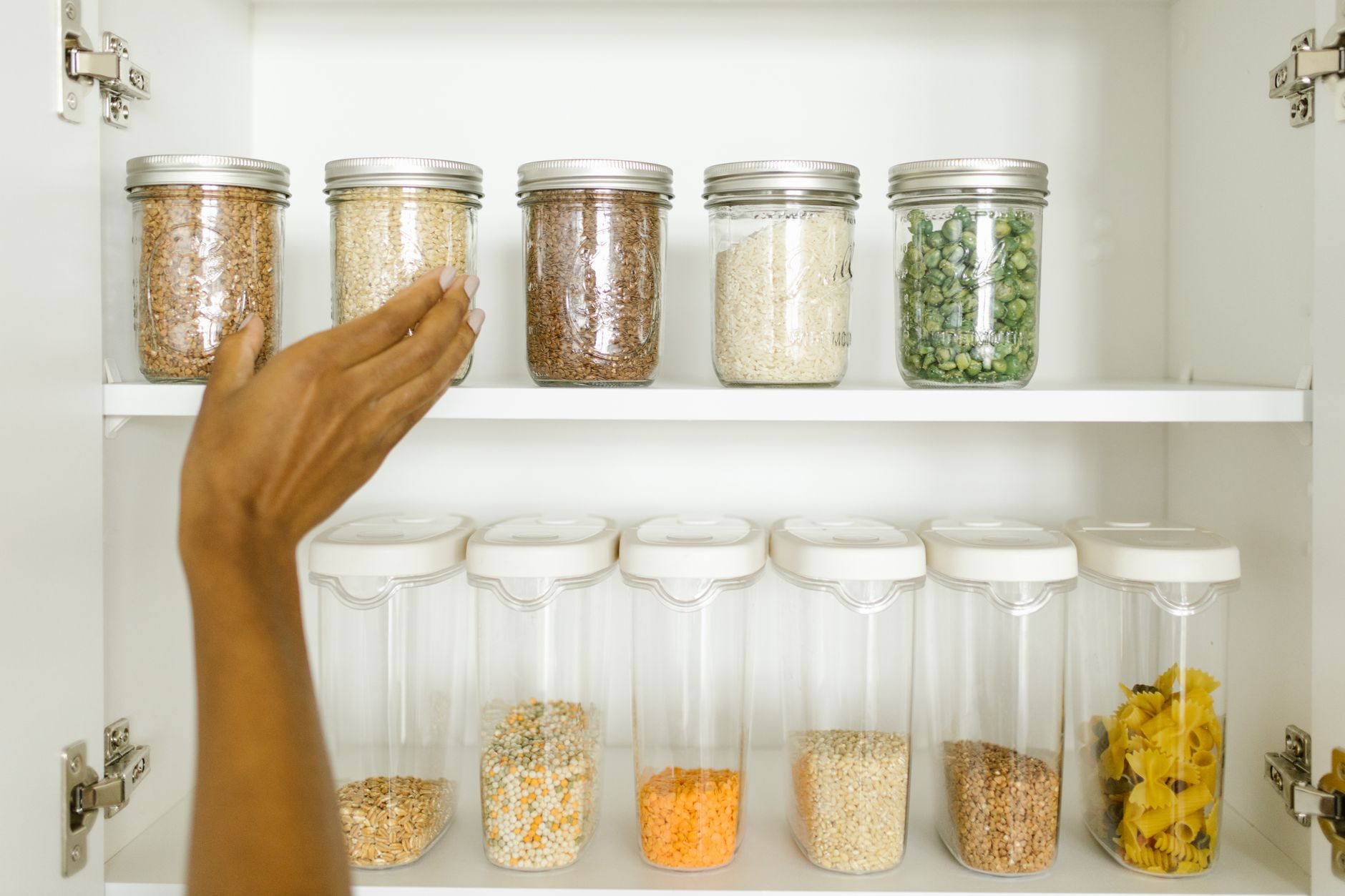
Stocking your pantry and fridge with UC-friendly snacks requires a little planning, but it’s worth it for the peace of mind. Here’s a comprehensive grocery list to get you started:
Pantry Staples
- White rice
- White bread or white tortillas
- Plain crackers or rice cakes
- Saltines
- White pasta
- Low-fiber granola bars (check labels)
- Honey or maple syrup
- Olive oil or butter
- Low-sodium chicken or vegetable broth
Fridge Staples
- Plain yogurt or cottage cheese
- Cheese sticks or slices (low-fat or full-fat)
- Eggs
- Deli meats (turkey, chicken, or ham—plain, no added spices)
- Low-fat or lactose-free milk (if tolerated)
- Applesauce (unsweetened)
- Canned fruits without skins or seeds (like peaches or pears)
Frozen Staples
- Frozen smoothie packs (low-fiber fruits + liquid)
- Frozen rice cakes or saltines (if available)
Fresh Produce (Low-Fiber Options)
- Bananas
- Cantaloupe or honeydew
- Watermelon (without seeds)
- Carrots or zucchini (peeled and steamed)
- Sweet potatoes (peeled and mashed)
 loading="lazy">
When shopping, always check labels for hidden fiber or irritants. Some brands add fiber or seeds to products like granola bars or crackers, so opt for plain versions whenever possible. And don’t forget to stock up on hydration aids like water, herbal teas, and broths!
---
Sample Snack Recipes and Meal Plans
Need a little more inspiration? Here are a few sample snack recipes and meal plans to help you stay on track:
1. Banana-Honey Smoothie
Blend 1 banana, 1 cup of coconut water, and 1 teaspoon of honey. Top with a sprinkle of cinnamon (if tolerated).
2. Cottage Cheese and Honey Toast
Spread cottage cheese on a slice of white toast and drizzle with honey. Top with a small piece of steamed carrot (if tolerated).
3. Rice Cake and Cream Cheese Roll-Ups
Spread cream cheese on a rice cake, roll it up, and slice into bite-sized pieces.
4. Mashed Sweet Potato and Egg Bowl
Mash 1 small sweet potato and mix with a beaten egg. Top with a sprinkle of Parmesan (if tolerated) and a drizzle of olive oil.
5. Low-Fiber Meal Plan for a Day
- Breakfast: Plain oatmeal with honey and a small banana.
- Mid-morning snack: Cottage cheese with a rice cake.
- Lunch: White rice with grilled chicken and steamed carrots.
- Afternoon snack: Applesauce with a small handful of saltines.
- Dinner: Mashed sweet potatoes with scrambled eggs.
- Evening snack: Plain yogurt with a drizzle of honey.
For more meal plan ideas, check out this 7-day meal plan designed for gut healing and relief.
---
Myth vs. Fact: Ulcerative Colitis Snacks
There are plenty of myths and misconceptions about managing UC with snacks. Let’s set the record straight:
-
Myth: "I can’t eat any fruit if I have ulcerative colitis."
Fact: Some