Ulcerative colitis is an inflammatory bowel disease (IBD) that causes chronic inflammation and ulcers in the colon and rectum. Symptoms like diarrhea, abdominal pain, fatigue, and blood in stool can make eating feel like a minefield. But here’s the key: while UC doesn’t have a “cure” through diet alone, food can either fuel inflammation or help heal your gut. The goal isn’t deprivation—it’s learning what works for your body.
Dietary triggers vary widely, but common culprits include high-fiber foods, dairy, spicy foods, caffeine, alcohol, and processed sugars. During flare-ups, your gut needs rest, which often means temporarily reducing fiber and irritants. Over time, you can reintroduce foods gradually to find your personal tolerance. This isn’t about restriction forever—it’s about building a sustainable, symptom-friendly routine.
If you’ve been diagnosed recently, you might be wondering: “How do I even start?” The answer lies in three pillars: identifying triggers, focusing on healing foods, and managing nutritional needs. We’ll dive into each of these in the sections ahead. For now, know this: progress isn’t linear. Some days, you’ll eat like a bird; other days, you’ll crave (and tolerate) more. Both are okay.
Key takeaway: UC affects everyone differently, but a structured, low-impact diet can help you regain control.
---
Best Foods for Ulcerative Colitis Flare-Ups: Your Emergency Kit
When a flare-up hits, your gut is essentially screaming, “Back off!” That’s when you need a go-to list of foods that are gentle, hydrating, and easy to digest. Think of this as your flare-up survival kit.
Safe foods during active symptoms:
- White rice (plain, cooked—no sauces)
- Steamed or boiled vegetables (zucchini, carrots, green beans, or cucumber—avoid raw or high-fiber veggies like broccoli or Brussels sprouts during flares)
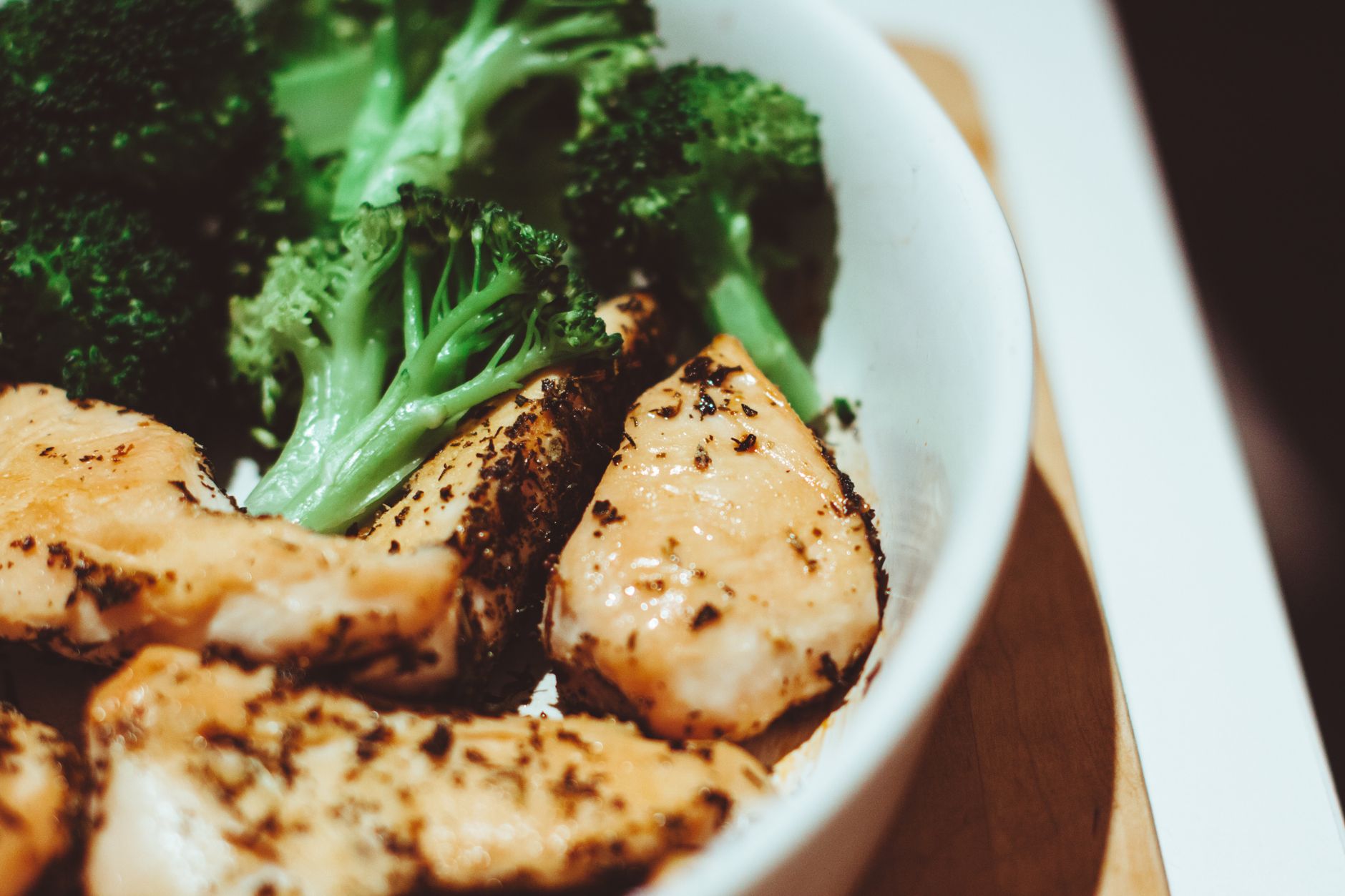
- Lean proteins (poached or baked chicken, turkey, fish like cod or tilapia, or tofu)
- Low-FODMAP fruits (bananas, blueberries, oranges, or cantaloupe—ripe and peeled)
- Gluten-free grains (quinoa, oats, or white bread)
- Healthy fats in moderation (avocado, olive oil, or nut butters—if tolerated)
- Probiotic-rich foods (plain yogurt without added sugar, kefir, or lactose-free options)
- Hydration heroes (water, herbal teas like chamomile or ginger, or electrolyte drinks like Pedialyte)
During a flare, avoid:
- High-fiber foods (whole grains, raw fruits/veggies, nuts, seeds)
- Dairy (if lactose intolerant—more on this below)
- Spicy foods, caffeine, alcohol, and carbonated drinks
- Processed foods, fast food, and fried items
- High-fat or greasy foods (can slow digestion)
**Pro tip:** If you’re unsure whether a food is safe, start with small portions and monitor your symptoms for 24–48 hours. Keep a food diary (apps like Cronometer or MyFitnessPal can help) to track patterns.
---
Ulcerative Colitis Diet Food List for Beginners: Low Fiber Edition
If your doctor or dietitian has recommended a low-fiber diet, you might be wondering: “What even counts as fiber?” Fiber is the indigestible part of plant foods that can irritate the lining of your colon when you’re inflamed. Think of it like sandpaper on a wound—it’s not helpful. The goal is to avoid insoluble fiber (found in whole grains, raw fruits/veggies, and nuts) and focus on soluble fiber (like oats or applesauce), which is easier to digest.
Low-fiber foods to enjoy:
- Canned or cooked fruits (peaches, pears, or applesauce—no skin)
- White bread or gluten-free bread (toasted or plain)
- Canned or cooked vegetables (carrots, zucchini, or green beans—mashed or pureed)
- Well-cooked pasta (plain or with olive oil)
- Canned tuna or salmon (in water, drained)
- Cream of wheat or oatmeal (cooked and smooth)
- Plain crackers or gluten-free crackers
Low-fiber foods to avoid:
- Whole grains (brown rice, quinoa, bran cereals)
- Raw fruits/veggies (especially with skins or seeds)
- Nuts, seeds, and popcorn
- High-fiber cereals or bran muffins
- Dried fruits (raisins, apricots)
**Reader story:** “I thought I’d have to give up fruit entirely,” shares Sarah, a UC warrior who’s been managing symptoms for five years. “But I found that steaming peaches until they’re mushy and eating them without skin changed everything. It’s about finding the right texture—sometimes cooked is kinder than raw.”
If you’re new to low-fiber eating, start with small portions and gradually reintroduce foods as your symptoms improve. And remember: fiber is important for gut health long-term, but during flares, your priority is reducing irritation.
---
Ulcerative Colitis Diet Food List for Beginners with Lactose Intolerance
If you’ve been diagnosed with both UC and lactose intolerance, you’re in a double bind: dairy can trigger flare-ups, but it’s also a common source of calcium and vitamin D—nutrients many with UC are already at risk of being low on. The good news? There are plenty of lactose-free alternatives to keep your meals nourishing without the discomfort.
Lactose-free swaps:
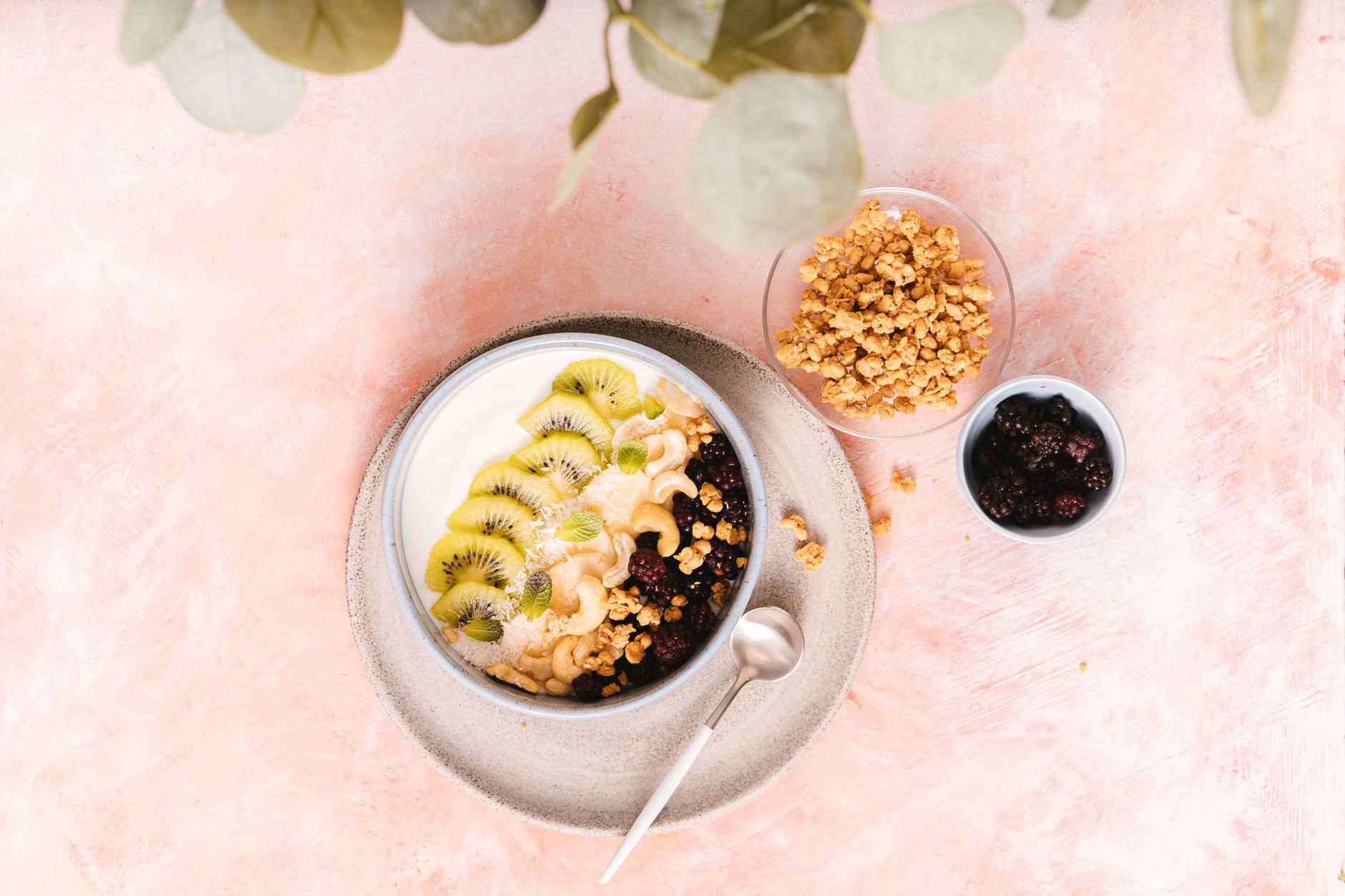
- Dairy-free yogurt (made from coconut, almond, or soy—look for unsweetened options)
- Lactose-free milk (like Lactaid or almond milk)
- Hard cheeses (aged cheddar, Parmesan, or Swiss—these have less lactose)
- Butter or ghee (clarified butter is often easier to digest)
- Canned fish with bones (like sardines or salmon—great for calcium)
For a deeper dive into dairy-free eating, check out our easy dairy-free diet food list for beginners—it’s packed with UC-friendly alternatives.
**Pro tip:** If you’re craving creaminess, try blending silken tofu with a little olive oil and lemon juice for a dairy-free “sour cream” substitute. It’s a game-changer for sauces and dressings!
---
Ulcerative Colitis Diet Food List for Beginners: Gluten-Free Edition
If gluten is another trigger for you (whether due to celiac disease, non-celiac gluten sensitivity, or just your body’s reaction), the good news is that many naturally gluten-free foods are also UC-friendly. The challenge? Avoiding hidden gluten in processed foods. Always check labels for “wheat,” “barley,” “rye,” or even “malt” ingredients.
Gluten-free, UC-friendly foods:
- Grains (rice, quinoa, certified gluten-free oats, buckwheat, millet)
- Proteins (chicken, turkey, fish, eggs, tofu, tempeh)
- Vegetables (steamed or cooked—avoid raw during flares)
- Fruits (ripe, peeled, and cooked when possible)
- Fats (olive oil, avocado oil, coconut oil)
Gluten-free but still risky for UC:
- Processed meats (sausages, hot dogs—check for fillers)
- Soy sauce (use tamari, a gluten-free alternative)
- Certain spices or seasonings (some contain wheat)
**Pro tip:** If you’re new to gluten-free cooking, start with simple recipes like AIP-friendly meals—they’re often naturally gluten-free and easy to adapt for UC.
---
Ulcerative Colitis Diet Food List for Beginners: Recipes to Start With
Let’s be real: knowing what to eat is one thing; actually cooking it is another. That’s why we’ve rounded up five simple, UC-friendly recipes to get you started. These are designed to be gentle on your gut while still being delicious and satisfying.
1. Gentle Chicken and Rice Soup
Ingredients: Boneless chicken breast, white rice, carrots, zucchini, chicken broth, olive oil, salt, and pepper.
Instructions: Poach the chicken in broth until fully cooked, then shred. Sauté diced carrots and zucchini in olive oil until soft. Combine with rice and broth, simmer for 20 minutes. Season lightly.
2. Baked Salmon with Steamed Carrots
Ingredients: Salmon fillet, olive oil, lemon, salt, steamed carrots.
Instructions: Bake salmon at 375°F (190°C) for 12–15 minutes with a drizzle of olive oil and lemon. Serve with steamed, mashed carrots.
3. Quinoa and White Bean Salad
Ingredients: Cooked quinoa, canned white beans (rinsed), cucumber, olive oil, lemon juice, salt, and pepper.
Instructions: Mix quinoa and beans, then add diced cucumber. Dress with olive oil and lemon juice.
4. Toasted White Bread with Avocado
Ingredients: White bread, ripe avocado, salt, and pepper.
Instructions: Toast bread, mash avocado on top, and season lightly.
5. Oatmeal with Banana and Honey
Ingredients: Rolled oats, water, banana, honey, and cinnamon.
Instructions: Cook oats in water, top with mashed banana and a drizzle of honey.
**Pro tip:** Batch-cook grains like rice or quinoa to save time. Store in the fridge for up to 3 days or freeze for longer-term meals.
---
Ulcerative Colitis Diet Food List for Beginners: Meal Plan and Grocery List
Let’s make this practical. Below is a simple 3-day meal plan to get you started, followed by a grocery list tailored to UC-friendly eating. Adjust portions based on your appetite and energy needs.
Day 1:
- Breakfast: Oatmeal with banana and honey
- Lunch: Gentle chicken and rice soup
- Dinner: Baked salmon with steamed carrots
- Snack: Plain yogurt (lactose-free) with blueberries
Day 2:
- Breakfast: Toasted white bread with avocado
- Lunch: Quinoa and white bean salad
- Dinner: Poached chicken with mashed white potatoes and steamed zucchini
- Snack: Canned peaches (no skin)
Day 3:
- Breakfast: Scrambled eggs with white toast
- Lunch: Tuna salad (with olive oil and lemon) on gluten-free crackers
- Dinner: Baked cod with roasted carrots and quinoa
- Snack: Smoothie (almond milk, banana, and spinach—blended well)
Grocery List (Low-Fiber, Gluten-Free, Lactose-Free Options):
**Pro tip:** If you’re short on time, invest in pre-cut veggies or frozen UC-friendly meals (like plain steamed veggies or canned fish). They’re lifesavers!
---
Ulcerative Colitis Diet Food List for Beginners: Anti-Inflammatory and Healing Foods
While flare-ups demand gentle foods, long-term gut healing requires nutrients that reduce inflammation and support tissue repair. Think of these as your “power foods”—they’re not just safe; they’re actively beneficial.
Top anti-inflammatory foods for UC:
- Omega-3s (salmon, sardines, flaxseeds—if tolerated, or chia seeds)
- Turmeric (add to soups or smoothies—it has potent anti-inflammatory properties)
- Bone broth (rich in collagen and amino acids that support gut lining)
- Leafy greens (spinach or kale—steamed or blended into smoothies)
- Berries (blueberries, strawberries—high in antioxidants)
- Turmeric-ginger tea (soothes digestion and reduces inflammation)
- Probiotic foods (sauerkraut—pasteurized, or kimchi—if tolerated)
**Reader story:** “I thought I’d have to give up all veggies forever,” admits Priya, who’s been managing UC for a decade. “But I found that steaming spinach until it’s almost mushy and adding it to my smoothies made a huge difference. It’s not about avoiding greens—it’s about preparing them right.”
**Pro tip:** If you’re reintroducing foods, start with small amounts and monitor your symptoms. Some people with UC can tolerate certain anti-inflammatory foods in moderation, while others need to avoid them entirely.
---
Managing Flare-Ups and Dietary Adjustments
Flare-ups can feel like a rollercoaster—one day you’re eating normally, and the next, you’re back to toast and broth. The key to managing them is listening to your body and being prepared. Here’s how:
1. Know your triggers: Keep a food diary to track what worsens your symptoms. Common triggers include dairy, high-fiber foods, spicy foods, and caffeine. If you suspect a new trigger, eliminate it for 2–3 weeks and monitor your symptoms.
2. Hydrate, hydrate, hydrate: Diarrhea can lead to dehydration quickly. Sip water throughout the day, and consider electrolyte drinks like Pedialyte or homemade solutions (water + a pinch of salt + a squeeze of lemon).
3. Eat small, frequent meals: Large meals can overwhelm your digestive system. Aim for 5–6 small meals a day instead of 3 big ones. Focus on easy-to-digest foods like white rice, plain pasta, or steamed veggies.
4. Avoid trigger foods during flares: If you know dairy or gluten flares you up, cut them out temporarily. Once symptoms improve, reintroduce them one at a time to see how your body reacts.
5. Consider a low-FODMAP diet: If you’re unsure what’s triggering your symptoms, a low-FODMAP diet (short for fermentable oligosaccharides, disaccharides, monosaccharides, and polyols) can help identify food sensitivities. Learn more about low-FODMAP eating—it’s a powerful tool for many with UC.
6. Rest your gut: During severe flare-ups, you might need to follow a “liquid diet” for a day or two. Opt for clear broths, strained fruit juices (like apple juice), and electrolyte drinks. This gives your gut a chance to calm down.
---
Addressing Nutritional Deficiencies and Supplements
Chronic inflammation and frequent flare-ups can lead to nutrient deficiencies, even if you’re eating well. Common deficiencies in UC include:
- Vitamin D (many with UC have low levels due to malabsorption)
- Vitamin B12 (common in IBD due to reduced absorption)
- Iron (especially if you have blood in your stool)
- Calcium (important for bone health)
- Folate (critical for cell production)
Before starting any supplement, talk to your gastroenterologist or a registered dietitian. Here are some evidence-based options:
**Pro tip:** If you’re pregnant or trying to conceive with UC, focus on folate, iron, and omega-3s. Learn more about UC-friendly nutrition during pregnancy—it’s a critical time to prioritize both symptom management and fetal development.
---
Ulcerative Colitis Diet for Beginners: Practical Cooking and Meal Prep Tips
Cooking with UC can feel like walking a tightrope—you don’t want to overcook your food (which can make it mushy and unappetizing) or undercook it (which can irritate your gut). Here’s how to master the basics:
1. Master steaming: Steaming is one of the gentlest cooking methods for UC-friendly meals. Invest in a steamer basket or use a microwave-safe bowl with a lid. Steam veggies like carrots, zucchini, or green beans until fork-tender.
2. Learn to poach: Poaching is perfect for proteins like chicken or fish. Simmer them gently in broth or water until fully cooked, then shred or flake as needed.
3. Blend smoothies: If you’re struggling with texture, blend fruits and veggies into smoothies. Spinach, banana, and almond milk make a nutrient-packed, easy-to-digest drink.
4. Use a slow cooker: Slow cookers are great for soups and stews. Add low-fiber veggies, proteins, and broth, then let it simmer on low for hours. Strain if needed.
5. Prep in bulk: Cook grains like rice or quinoa in advance and store them in the fridge for up to 3 days. This way, you can quickly assemble meals like rice bowls or salads.
6. Freeze portions: Freeze cooked meals like soups or casseroles in individual portions. They thaw quickly and are ready to reheat.
7. Keep it simple: During flare-ups, stick to the basics: toast, broth, and smooth foods. Once you’re feeling better, gradually reintroduce variety.
**Pro tip:** If you’re new to cooking, start with simple recipes like Crohn’s-friendly meals—many overlap with UC-friendly options and are easy to adapt.
---
Myth vs. Fact: Common Misconceptions About the Ulcerative Colitis Diet
Misinformation can make managing UC even harder. Let’s clear up some common myths:
Myth: “You have to give up all fiber forever.”
Fact: Fiber is essential for gut health, but during flare-ups, you need to avoid insoluble fiber (like whole grains and raw veggies). Over time, you can reintroduce soluble fiber (like oats or applesauce) as your symptoms improve. The goal is balance—not deprivation.
Myth: “Dairy is always bad for UC.”
Fact: Many with UC have lactose intolerance, but some tolerate dairy just fine. If you suspect dairy is a trigger, try lactose-free options or aged cheeses (which have less lactose). Always reintroduce foods one at a time to test tolerance.
Myth: “A strict diet will cure UC.”
Fact: While diet can help manage symptoms and reduce flare-ups, it won’t cure UC. However, a well-planned diet can improve quality of life, reduce medication needs, and support overall health. Work with a dietitian to find what works for you.
Myth: “You have to eat bland, boring food.”
Fact: UC-friendly meals can be flavorful and satisfying! Experiment with herbs like basil, oregano, and thyme (avoid spicy seasonings during flares). Try lemon, garlic (if tolerated), and ginger for added flavor without irritation.
---
Key Takeaways for Ulcerative Colitis Diet Beginners
- Start simple: Focus on gentle, low-fiber foods during flare-ups, then gradually reintroduce foods as you feel better.
- Identify your triggers: Keep a food diary to track what worsens your symptoms. Common triggers include dairy, high-fiber foods, and spicy seasonings.
- Prioritize hydration: Dehydration is common with UC, so sip water and electrolyte drinks throughout the day.
- Eat small, frequent meals: Large meals can overwhelm your digestive system. Aim for 5–6 small meals a day.
- Incorporate anti-inflammatory foods: Foods like omega-3s, turmeric, and leafy greens can help reduce inflammation long-term.
- Consider supplements: Talk to your doctor about vitamin D, probiotics, and other supplements to address deficiencies.
- Meal prep is your friend: Cook in bulk and freeze portions to save time during flare-ups.
- Be patient: Diet adjustments take time. What works for one person may not work for another—listen to your body and adjust as needed.
---
Frequently Asked Questions About the Ulcerative Colitis Diet
What foods should I avoid with ulcerative colitis?
During flare-ups, avoid high-fiber foods (whole grains, raw fruits/veggies, nuts, seeds), dairy (if lactose intolerant), spicy foods, caffeine, alcohol, and processed foods. If you’re unsure, start with a low-FODMAP diet to identify specific triggers. Always reintroduce foods one at a time to monitor your symptoms.
Can I eat dairy with ulcerative colitis?
Many with UC have lactose intolerance, which can worsen symptoms like bloating and diarrhea. If you suspect dairy is a trigger, try lactose-free milk, aged cheeses (like cheddar or Swiss), or dairy-free alternatives like almond or coconut milk. If you’re unsure, reintroduce dairy gradually and monitor your symptoms.
What is a good diet for ulcerative colitis?
A good UC diet focuses on gentle, low-fiber foods during flare-ups and gradually reintroduces nutrient-dense options as symptoms improve. Key foods include white rice, steamed veggies, lean proteins, low-FODMAP fruits, and probiotic-rich foods like plain yogurt. Avoid processed foods, high-fat dairy, and trigger foods. For personalized guidance, work with a dietitian or gastroenterologist.
Is a low-FODMAP diet good for ulcerative colitis?
A low-FODMAP diet can be helpful for identifying food sensitivities, especially if you’re unsure what’s triggering your symptoms. However, it’s not a long-term solution—many foods are eliminated temporarily to test tolerance. Once you’ve identified your triggers, you can reintroduce foods gradually. Always work with a dietitian to ensure you’re getting enough nutrients.
What are the best fruits for ulcerative colitis?
The best fruits for UC are low-FODMAP and easy to digest. Safe options include bananas, blueberries, oranges, cantaloupe, and ripe peaches or pears (peeled and cooked if needed). Avoid high-fiber fruits