Discover the top ulcerative colitis diet benefits and potential side effects in 2026. Learn which foods reduce flare-ups and which to limit for better gut
By Shubhra Mishra — a mom of two who turned her own confusion during pregnancy into BumpBites, a global mission to make food choices clear, safe, and stress-free for every expecting mother. 💛
Check whether any food is safe during pregnancy with the BumpBites Food Safety Checker.
Quick take:
An ulcerative colitis (UC) diet can’t cure the disease, but the right foods may ease symptoms, reduce flare-ups, and support gut healing. Focus on anti-inflammatory foods like fermented foods, omega-3s, and vitamin D, while limiting triggers like high-FODMAP foods, excess dairy, and overly processed foods. Side effects of restrictive diets—like low fiber or high protein—can include fatigue, nutrient deficiencies, or digestive discomfort. Always work with your dietitian to tailor your plan to your symptoms and needs.
What is ulcerative colitis, and how can diet help?
Imagine it’s 3am, you’re curled around the toilet, and that familiar cramp is back. Again. You’ve been tracking your symptoms for months, and your doctor finally confirmed it: you have ulcerative colitis (UC), an inflammatory bowel disease (IBD) that causes chronic inflammation in your colon and rectum. The news is a punch to the gut—literally. But here’s what you didn’t expect: your diet might be one of the most powerful tools you have to manage it.
UC is an autoimmune condition where your immune system attacks your colon, leading to symptoms like bloody diarrhea, abdominal pain, fatigue, and urgent bowel movements. While there’s no cure, research shows diet can play a critical role in managing flare-ups, promoting remission, and even reducing the need for medications. "Diet isn’t a magic bullet, but it’s one of the few tools we have to actively influence the disease," says Mayo Clinic gastroenterologist Dr. David Rubin. "For some people, small changes make a huge difference."
You might be wondering: Where do I even start? Should I go low-residue? Cut out all dairy? Load up on probiotics? The truth is, there’s no one-size-fits-all UC diet. But we’ll break down what the science says—and how to navigate the minefield of conflicting advice—so you can make informed choices that actually work for your body.
This guide covers everything from the best foods to eat during a flare to the potential pitfalls of overly restrictive diets. We’ll also dive into how diet intersects with pregnancy, the latest research on probiotics and omega-3s, and when to call your doctor. By the end, you’ll have a clear roadmap to testing foods, tracking symptoms, and building a sustainable plan—no guesswork included.
Let’s start with the basics: what your gut needs to thrive.
---
Best foods for ulcerative colitis during a flare: what to eat when symptoms spike
You’re in the middle of a flare, and your stomach feels like a warzone. Every bite of food feels like a test—will it trigger cramps? Bloating? Diarrhea? The good news? There are foods that can help calm inflammation and give your gut a break.
During a flare, your colon is already irritated, so the goal is to reduce friction, minimize digestive work, and provide easily absorbable nutrients. That means focusing on:
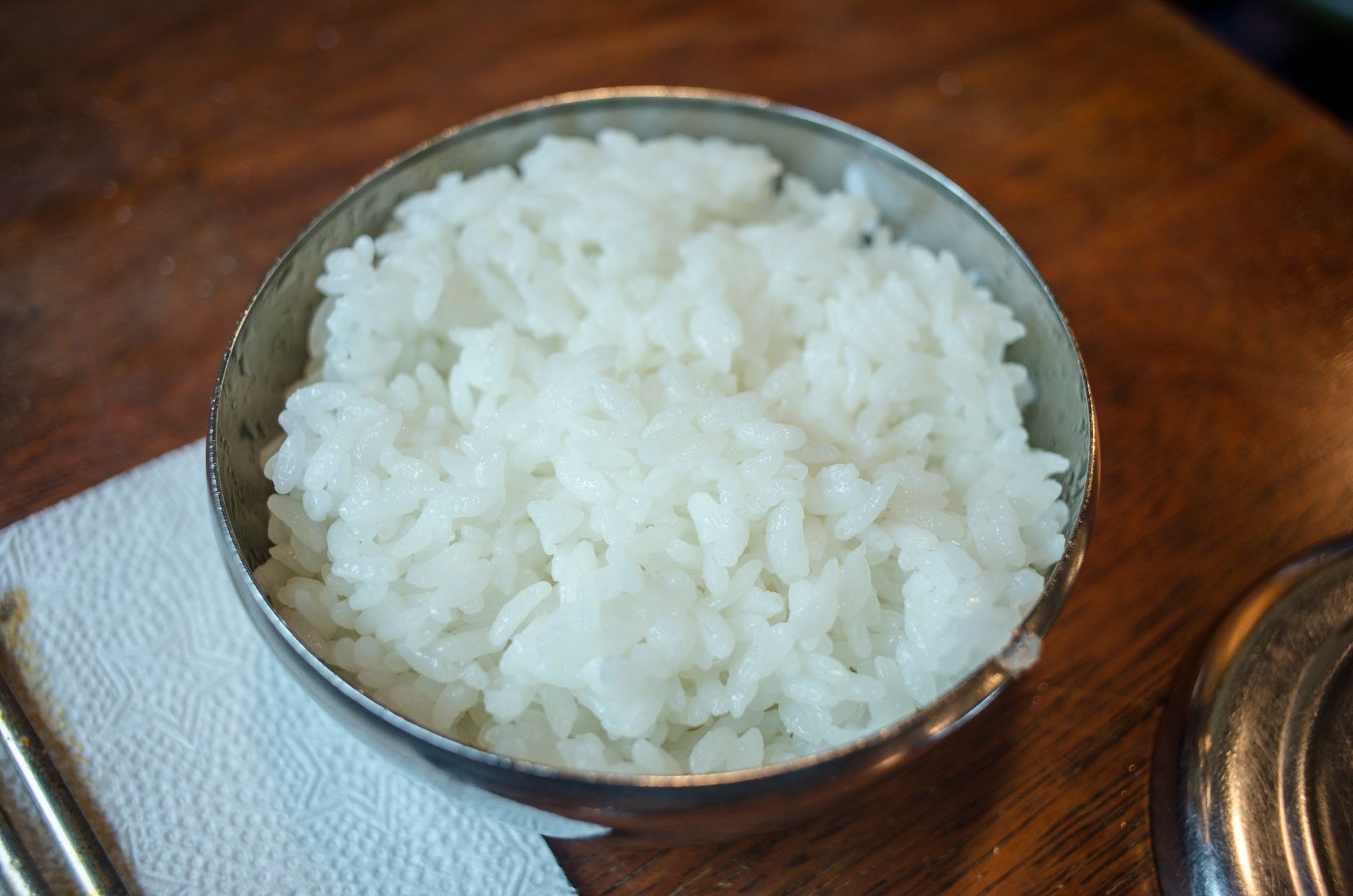
Low-residue foods: Easy to digest, low in fiber (but not too low—more on that later). Think white rice, plain pasta, bananas, and steamed carrots.
Anti-inflammatory foods: Foods rich in omega-3s, vitamin D, and antioxidants to reduce gut inflammation.
Hydration: Dehydration worsens diarrhea, so sip water, electrolyte drinks, or herbal teas like chamomile or ginger.
One reader, Sarah (34), shared how she navigated her first flare: "I thought I had to eat bland, boring food forever. But I realized I could still enjoy meals—just with tweaks. I swapped my usual quinoa for white rice, avoided cruciferous veggies, and stuck to bone broth for protein. It wasn’t a diet I’d stick with long-term, but it gave me relief when I needed it most."
Here’s what to prioritize in your flare-up meal plan:
Food Group
Best Choices During a Flare
Avoid During a Flare
Grains
White rice, plain pasta, oatmeal, white bread
Whole grains, bran, nuts, seeds
Proteins
Eggs, chicken, turkey, fish (like tilapia or cod), tofu, bone broth
Pro tip: Cooking methods matter. Steaming, boiling, or baking are gentler on your gut than frying or grilling. And always chew thoroughly—your stomach will thank you.
---
Ulcerative colitis diet benefits for remission: foods that may help keep symptoms under control
Remission isn’t just the absence of symptoms—it’s a state where your gut is calm, your energy is steady, and you can enjoy meals without dread. For many with UC, remission isn’t permanent, but the right diet can help stay in remission longer. The key? Building a sustainable plan that supports gut healing without triggering flare-ups.
Research suggests certain dietary patterns may help reduce inflammation and promote remission. One of the most well-studied is the anti-inflammatory diet, which emphasizes foods like:
Omega-3 fatty acids (found in fatty fish like salmon, walnuts, and flaxseeds)
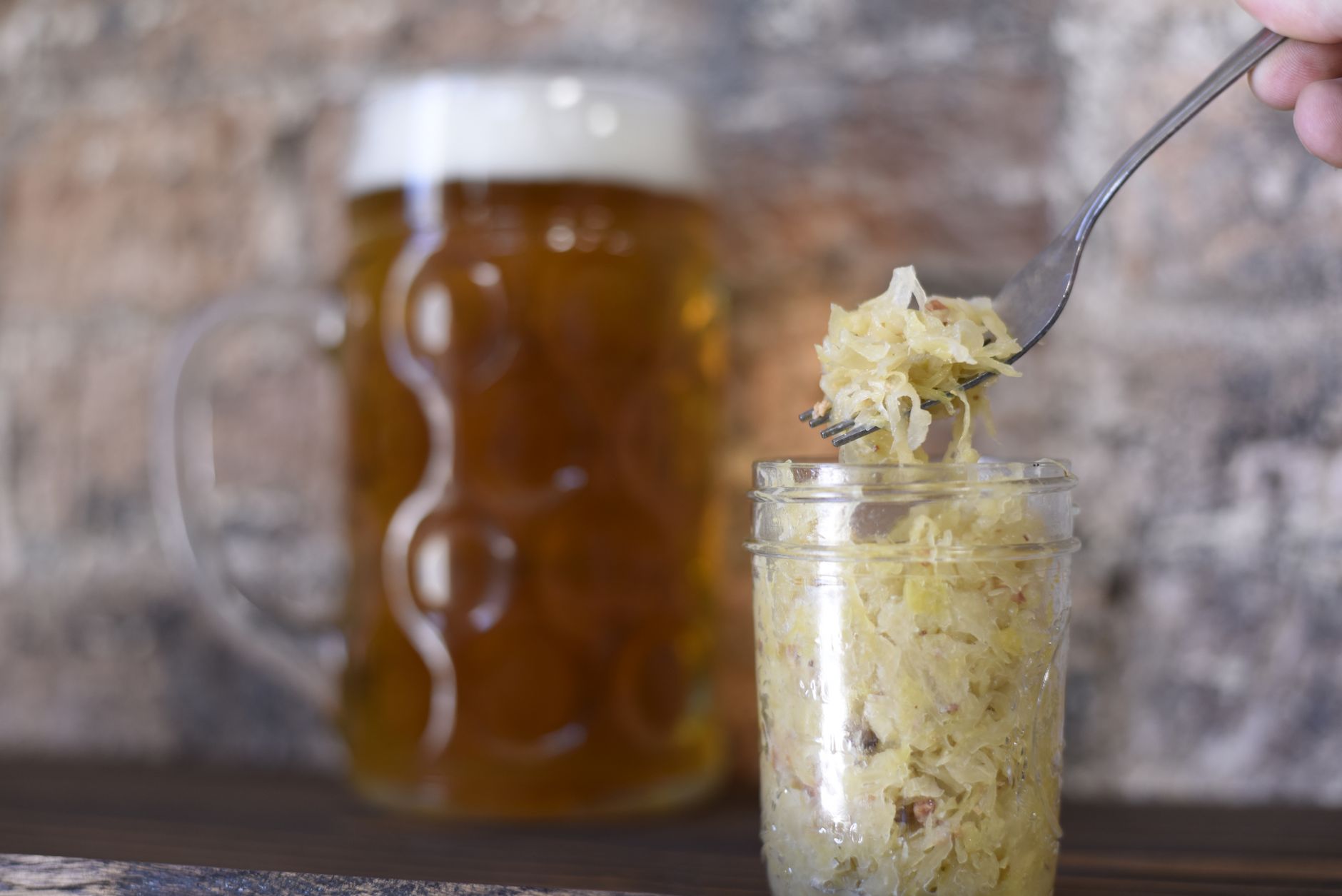
Fermented foods (like sauerkraut, kefir, and yogurt—more on this below)
Vitamin D-rich foods (fatty fish, fortified dairy, or sunlight exposure)
Prebiotic-rich foods (like bananas, onions, and asparagus—when tolerated)
One study published in Gut found that patients who followed an anti-inflammatory diet had a 40% lower risk of flare-ups compared to those who didn’t. Another study in Nature Medicine linked higher omega-3 intake to reduced disease activity.
But here’s the catch: remission diets aren’t one-size-fits-all. What works for one person might trigger another. That’s why many experts recommend a personalized approach—tracking your symptoms after meals and adjusting as needed. Tools like MyBloomberg or a simple food diary can help you identify patterns.
For example, Maria (41) found that while she tolerated salmon well, she’d flare after eating walnuts—despite both being high in omega-3s. "It’s all about trial and error," she says. "I learned to listen to my body and adjust."
Next, we’ll dive into the science behind some of the most talked-about foods for UC—starting with probiotics.
---
Ulcerative colitis diet benefits of probiotics: do they really help?
You’ve probably heard that probiotics—those live bacteria in yogurt and supplements—can help gut health. But do they actually work for ulcerative colitis? The short answer: it depends. While probiotics aren’t a cure, some strains have shown promise in reducing inflammation and promoting remission.
Research suggests certain probiotic strains may help:
Lactobacillus and Bifidobacterium strains have been linked to reduced disease activity in UC patients.
A specific blend called VSL#3 (which contains eight strains) has been studied extensively and shown to induce remission in some patients.
Probiotics may help restore gut microbiota balance, which is often disrupted in IBD.
One large study in JAMA Internal Medicine found that VSL#3 reduced the risk of relapse by 46% in patients with mild-to-moderate UC. However, results vary—some people see benefits, while others don’t notice a difference.
If you’re curious about trying probiotics, start with food-based sources first, like:
Plain yogurt (unsweetened, with live cultures)
Kefir (a fermented milk drink)
Sauerkraut or kimchi (fermented vegetables)
Miso soup
If you’re lactose-intolerant, opt for coconut yogurt or almond-based kefir. And always check labels—some "probiotic" foods contain live cultures only if refrigerated.
Pro tip: If you decide to try a probiotic supplement, look for one with at least 10 billion CFU (colony-forming units) and multiple strains. But—here’s the important part—don’t start or stop probiotics without talking to your doctor, especially if you’re on immunosuppressants.
---
Ulcerative colitis diet benefits of omega-3 fatty acids: the science behind fish and flax
If you’ve ever seen a Blue Zones documentary, you know omega-3s are a cornerstone of longevity diets. But can they also help with ulcerative colitis? The answer is a resounding yes—with caveats.
Omega-3s, found in fatty fish like salmon, mackerel, and sardines, as well as flaxseeds and walnuts, are powerful anti-inflammatory agents. For UC patients, they may help:
But here’s what often gets overlooked: not all omega-3s are created equal. EPA and DHA (the active forms in fish oil) are the most beneficial for UC. Flaxseeds and walnuts contain ALA (another omega-3), but your body converts it to EPA/DHA inefficiently. If you’re not eating fatty fish regularly, a high-quality fish oil supplement (with at least 1,000–2,000 mg combined EPA/DHA per day) may be worth discussing with your doctor.
Pro tip: If you’re on blood thinners (like warfarin), talk to your doctor before increasing omega-3 intake, as it can thin the blood further.
For meal ideas, try:
Grilled salmon with quinoa and steamed spinach
Flaxseed smoothie (blend flaxseeds with banana, almond milk, and chia seeds)
Walnuts sprinkled on a salad (if tolerated)
---
Ulcerative colitis diet side effects of low fiber: is less really more?
If you’ve ever heard "fiber is good for digestion," you might assume it’s a no-brainer for UC. But for many with the disease, too much fiber can trigger flare-ups. So what’s the right balance?
The truth is, fiber is essential for gut health—but the type and amount matter. Soluble fiber (found in oats, apples, and carrots) is generally easier to digest than insoluble fiber (found in whole grains, nuts, and raw veggies). During a flare, your doctor might recommend a low-residue diet to give your colon a break.
But here’s the catch: low-fiber diets aren’t sustainable long-term. Cutting fiber too drastically can lead to:
Constipation (yes, even with UC!)
Nutrient deficiencies (like iron, magnesium, and B vitamins)
Increased risk of diverticulitis in the long run
Fatigue and weakness from poor nutrient absorption
A study in Clinical Gastroenterology and Hepatology found that patients with UC who followed a low-fiber diet for more than six months had higher rates of fatigue and anemia. So what’s the solution?
Many dietitians recommend a modified low-residue approach:
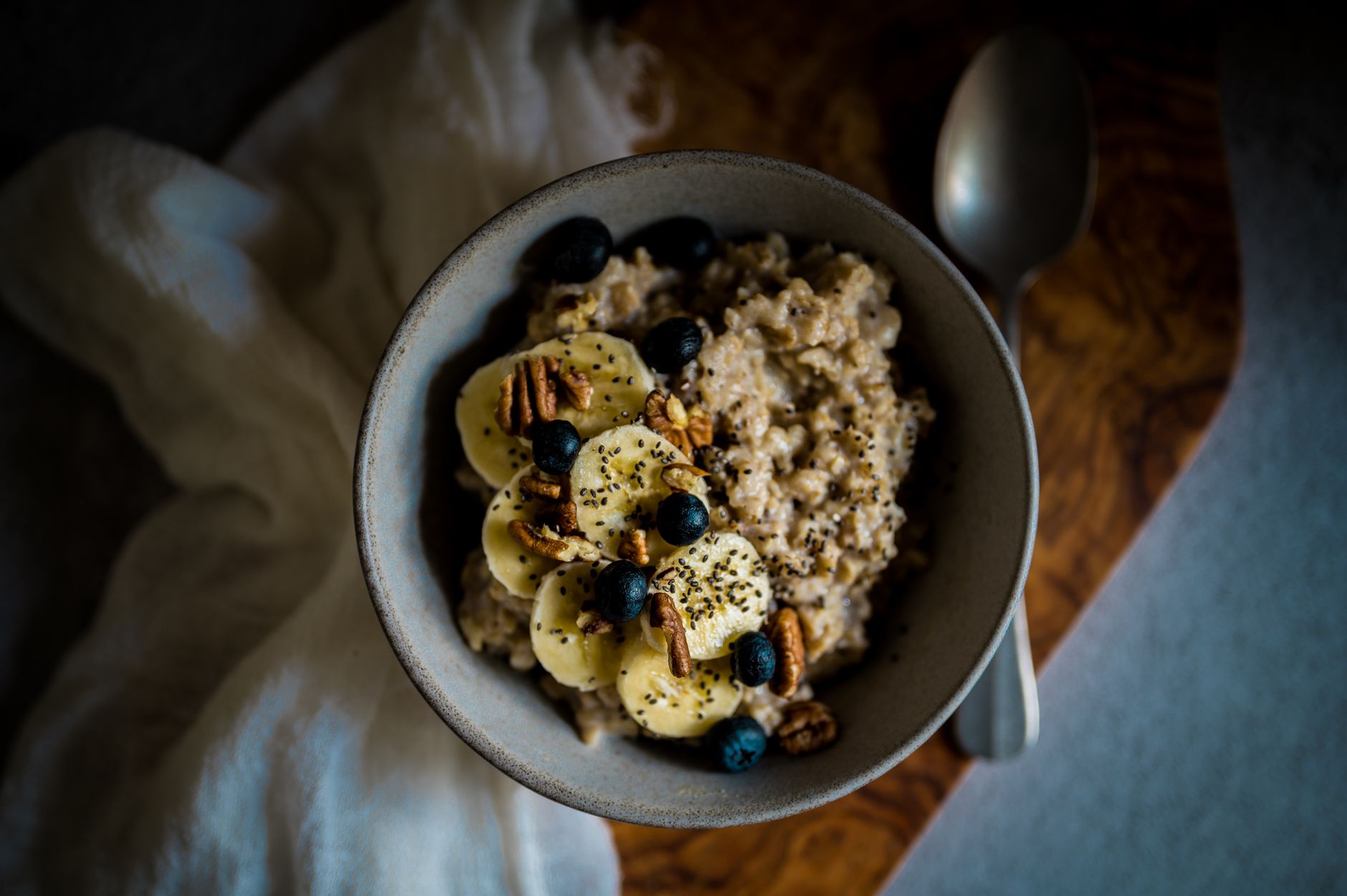
Start with soluble fiber (oatmeal, bananas, applesauce) instead of insoluble.
Gradually reintroduce fiber as tolerated—aim for 25–30 grams per day once remission is stable.
Focus on high-quality fiber sources like chia seeds, flaxseeds, and cooked veggies.
For example, instead of skipping fiber entirely, you might:
Swap whole-grain bread for white bread
Cook veggies until soft (like mashed potatoes or butternut squash)
Choose oatmeal over bran cereal
Pro tip: If you’re reintroducing fiber, do it slowly—start with 5 grams per day and increase by 5 grams every few days to avoid bloating or cramping.
---
Ulcerative colitis diet side effects of high protein: risks and benefits
Protein is the building block of muscles, but when it comes to UC, too much of a good thing can backfire. While protein is crucial for healing and maintaining energy, an overly high-protein diet—especially one high in red meat—can worsen symptoms for some people.
Why? High-protein diets, particularly those rich in animal fats, can:
Increase gut motility (leading to more frequent, loose stools)
Trigger inflammation in some people
Cause bloating or gas if not well-tolerated
A study in Nutrients found that patients with UC who consumed high amounts of red meat had a higher risk of flare-ups compared to those who ate lean proteins like chicken or fish. However, protein isn’t the villain—it’s often the source that matters.
Here’s how to get protein right:
Opt for lean proteins like chicken, turkey, fish, tofu, and eggs.
Avoid processed meats (like sausages or deli meats), which are high in sodium and preservatives that can irritate the gut.
If you’re struggling with protein tolerance, try bone broth—it’s easy to digest and packed with amino acids.
For example, instead of a steak, try:
Grilled chicken with quinoa and steamed carrots
Scrambled eggs with avocado (if tolerated)
Lentil soup (if beans are tolerated)
Pro tip: If you’re trying to increase protein but find it’s triggering symptoms, consider protein supplements like hydrolyzed collagen or pea protein—some people tolerate them better than whole foods.
---
Ulcerative colitis diet benefits of fermented foods: sauerkraut, kefir, and more
If you’ve ever noticed that your gut feels better after a big bowl of kimchi or a glass of kefir, you’re onto something. Fermented foods are packed with probiotics and prebiotics, which may help restore gut balance in UC patients.
Research suggests fermented foods like:
Sauerkraut
Kimchi
Kefir
Miso
Kombucha
may help by:
Reducing inflammation
Improving gut microbiota diversity
Enhancing immune function
A 2020 study in Frontiers in Immunology found that patients who consumed fermented foods regularly had lower levels of inflammatory markers. Another study in World Journal of Gastroenterology showed that kimchi consumption led to improved gut barrier function.
But here’s the important part: not all fermented foods are created equal. Some people with UC react poorly to high-FODMAP fermented foods (like garlic or onion-based sauerkraut). The key is to start small and listen to your body.
For example, try:
A spoonful of plain sauerkraut (no garlic/onion) with a sandwich
Unsweetened kefir as a smoothie base
Miso soup (low-sodium) as a broth
Pro tip: If you’re lactose-intolerant, opt for coconut yogurt or almond-based kefir. And always choose raw, unpasteurized fermented foods for live cultures.
---
Ulcerative colitis diet benefits of vitamin D: why sunlight and salmon matter
If you’ve ever felt a flare-up creep in during the winter, you’re not imagining it. Vitamin D deficiency is epidemic among UC patients—and it might be making your symptoms worse. Research links low vitamin D levels to higher disease activity and more frequent flare-ups.
Why? Vitamin D plays a role in:
Modulating the immune system
Reducing gut inflammation
Promoting gut barrier function
A study in Inflammatory Bowel Diseases found that UC patients with low vitamin D levels had a 30% higher risk of flare-ups. Another study in Journal of Clinical Gastroenterology showed that vitamin D supplementation reduced disease activity in some patients.
Up to 2,000 IU per day for UC patients (under medical supervision)
Food sources of vitamin D include:
Fatty fish (salmon, mackerel, sardines)
Fortified dairy or plant-based milks
Egg yolks
Sunlight exposure (10–30 minutes per day, depending on skin tone)
Pro tip: If you’re deficient, your doctor might recommend a supplement. But—here’s the catch—too much vitamin D can be harmful, so always get your levels checked before supplementing.
---
Ulcerative colitis diet side effects of dairy: lactose, casein, and your gut
Dairy is a hot-button topic for many with UC. Some people tolerate it just fine, while others experience bloating, diarrhea, or even flare-ups after a glass of milk. Why the difference? It often comes down to lactose intolerance or casein sensitivity—two separate (but related) issues.
Lactose intolerance occurs when your body lacks enough lactase, the enzyme that breaks down lactose (the sugar in milk). Symptoms include:
Bloating
Gas
Diarrhea
Casein sensitivity, on the other hand, is an immune reaction to the protein in milk. It can cause:
Inflammation
Joint pain
Digestive distress
A study in Digestive Diseases and Sciences found that up to 50% of UC patients have some degree of lactose intolerance. But here’s the twist: not all dairy is created equal. Some people tolerate:
Hard cheeses (like cheddar or parmesan—low in lactose)
Lactose-free milk
Fermented dairy (like yogurt or kefir—lactose is broken down during fermentation)
If you suspect dairy is triggering your symptoms, try an elimination diet:
Cut out all dairy for 2–4 weeks.
Reintroduce one type at a time (e.g., lactose-free milk first).
Track symptoms in a journal.
For example, Sarah (34) found that she tolerated hard cheeses but reacted to soft cheeses like mozzarella. "It was a game-changer to realize it wasn’t all dairy—just the right kinds."
Pro tip: If you’re avoiding dairy, consider fortified plant-based milks (like almond or oat milk) for calcium and vitamin D.
---
Ulcerative colitis diet and pregnancy: what to eat (and avoid) when you’re expecting
If you’re pregnant with UC, you’re probably juggling two big concerns: managing your disease and ensuring your baby gets the nutrients they need. The good news? A well-balanced UC diet can support both. The bad news? Pregnancy hormones can sometimes worsen UC symptoms.
Research shows that pregnancy doesn’t necessarily increase the risk of flare-ups, but it can trigger them in some women. A study in Alimentary Pharmacology & Therapeutics found that up to 30% of pregnant women with UC experience flare-ups, often in the third trimester.
So what should you eat?
Prioritize nutrient-dense foods to support both you and your baby: leafy greens (if tolerated), lean proteins, and whole grains.
Avoid trigger foods that worsen your symptoms—even if they’re "safe" for most people.
Stay hydrated—dehydration is risky during pregnancy and can worsen diarrhea.
Consider a prenatal vitamin with folic acid—many UC patients are deficient in this key nutrient.
Foods to be cautious with during pregnancy:
High-FODMAP foods (like onions, garlic, and apples)—they can cause bloating and gas.
Unpasteurized dairy or cheese (risk of listeria).
Raw or undercooked meats/fish (risk of toxoplasmosis or salmonella).
For meal ideas, try:
Grilled salmon with quinoa and steamed spinach (if tolerated)
Scrambled eggs with avocado and whole-grain toast (low-FODMAP)
Chicken and rice soup (easy to digest)
Pro tip: If you’re struggling with symptoms, work closely with your OB/GYN and a dietitian who specializes in IBD. Some medications (like steroids) are safer in pregnancy than others, so timing and dosing matter.
---
Ulcerative colitis diet low FODMAP benefits: when and how to try it
The low FODMAP diet isn’t just for IBS—it’s also a tool some UC patients use to manage symptoms. FODMAPs (Fermentable Oligosaccharides, Disaccharides, Monosaccharides, and Polyols) are short-chain carbs that can ferment in the gut, causing bloating, gas, and pain. For some with UC, cutting them out can reduce flare-ups.
Research suggests that up to 70% of UC patients report symptom improvement on a low-FODMAP diet. A study in Clinical Gastroenterology and Hepatology found that patients who followed a low-FODMAP diet for 4 weeks had significantly less abdominal pain and bloating.
But here’s the catch: low FODMAP isn’t a long-term solution. It’s meant to be a short-term elimination diet to identify triggers, followed by a reintroduction phase to find what you can tolerate. Many people with UC find they can reintroduce some FODMAPs (like garlic or onions) without issues.
If you’re curious about trying it, start with the Monash University FODMAP app, which helps track foods and symptoms. Common low-FODMAP swaps include:
Apples → bananas or cantaloupe
Onions → chives or green bell peppers
Wheat → rice or quinoa
Pro tip: If you’re on a low-FODMAP diet, supplement with a multivitamin—many FODMAP-rich foods (like beans and whole grains) are also nutrient-dense.
---
Ulcerative colitis diet high protein risks: when too much protein could backfire
Protein is essential for healing, but too much of it—especially from certain sources—can backfire for UC patients. While lean proteins like chicken and fish are generally safe, high-protein diets (like carnivore or keto) can worsen symptoms for some people.
A study in the Carnivore Diet literature found that while some IBD patients tolerate high-protein diets, others experience increased gut motility, bloating, or even flare-ups. The issue isn’t protein itself—it’s often the fat content and lack of fiber in extreme high-protein diets.
For example, a carnivore diet (which eliminates all plant foods) might work for some, but others report worsened diarrhea or nutrient deficiencies. The Crohn’s Diet community often warns against overly restrictive high-protein plans, as they can disrupt gut bacteria balance.
If you’re considering a high-protein diet, start slow:
Choose lean proteins (chicken, fish, tofu) over red meat.
Avoid processed meats (like sausages or deli meats).
Pair protein with easily digestible carbs (like white rice or oatmeal).
Pro tip: If you’re trying to increase protein but find it’s triggering symptoms, try hydrolyzed collagen or pea protein—some people tolerate them better than whole foods.
---
Ulcerative colitis diet benefits of prebiotics: the gut’s favorite fuel
Prebiotics are the food for probiotics—they’re fiber-rich compounds that feed the good bacteria in your gut. While probiotics get most of the attention, prebiotics are just as important for UC patients. Research shows they may help:
Increase beneficial gut bacteria
Reduce inflammation
Improve gut barrier function
A study in Nutrients found that prebiotic supplementation led to higher levels of beneficial bacteria like Bifidobacterium in UC patients. Another study in Journal of Clinical Gastroenterology showed that inulin (a common prebiotic) reduced disease activity.
Best prebiotic sources for UC:
Bananas (ripe)
Onions (if tolerated)
Garlic (if tolerated)
Asparagus
Leeks
Pro tip: If you’re reintroducing prebiotics, start with small amounts (like a few slices of banana) and gradually increase to avoid bloating.
---
Ulcerative colitis meal plan: 7-day sample menu
You’ve read the science, but now you’re thinking: What does this actually look like at the dinner table? Here’s a 7-day meal plan designed to support UC remission while keeping meals simple and satisfying. Remember: this is a starting point—adjust based on your triggers!
Not sure about the label on Ulcerative Colitis Diet Benefits And Side Effects products?
Snap the ingredients list and SafeFilter checks every ingredient for your stage — only 3 free scans this month, then you're locked until reset. Unlimited from $7/mo or $50/yr.
When Shubhra Mishra was expecting her first child in 2016, she was overwhelmed by conflicting food advice — one site said yes, another said never. By the time her second baby arrived in 2019, she realized millions of mothers face the same confusion.
That sparked a five-year journey through clinical nutrition papers, cultural diets, and expert conversations — all leading to BumpBites: a calm, compassionate space where science meets everyday motherhood.
Her long-term vision is to build a global community ensuring safe, supported, and free deliveriesfor every mother — because no woman should face pregnancy alone or uninformed. 🌿
🌍 Stand with mothers, shape safer guidance
Join a small circle of experts who review BumpBites articles so expecting parents everywhere can decide with confidence.