Struggling with ulcerative colitis? Discover 10 easy dinner recipes to soothe symptoms and support healing—low-fiber, gentle, and doctor-approved for 2026.
By Shubhra Mishra — a mom of two who turned her own confusion during pregnancy into BumpBites, a global mission to make food choices clear, safe, and stress-free for every expecting mother. 💛
Check whether any food is safe during pregnancy with the BumpBites Food Safety Checker.
Quick take:
You don’t have to give up flavor or convenience when managing ulcerative colitis. Focus on gentle proteins (baked chicken, fish, or tofu), low-FODMAP veggies (carrots, zucchini, spinach), and easy-to-digest carbs (white rice, oatmeal, or gluten-free pasta). Our recipes prioritize anti-inflammatory ingredients, simple prep, and meal-prep-friendly options—so you can eat well without triggering flare-ups. Always check with your dietitian before making major dietary shifts, especially during active symptoms.
How to eat dinner with ulcerative colitis when every meal feels like a gamble
There’s a moment many of us with ulcerative colitis (UC) know well: the 7pm stare at an empty fridge, your stomach already rumbling, and the question hanging in the air—what the hell do I eat tonight? Not because you’re hungry, but because you’re terrified. Will this meal send you running to the bathroom? Will it leave you bloated and exhausted? Will it even taste good?
We’ve been there. One evening, after a long day of managing a flare-up, I stood in my kitchen with a bag of pre-washed baby carrots, a jar of plain Greek yogurt (my only safe dairy), and a half-cooked chicken breast. I’d just read that anti-inflammatory diets could help, but I had no idea how to turn those principles into a dinner that wouldn’t leave me feeling like I’d eaten a brick. That’s when I realized: most UC-friendly recipes either sound like science experiments or require more energy than I had during a flare. I needed something real—simple, fast, and actually satisfying. This guide aims to bridge that gap, providing practical, delicious, and gentle dinner ideas that fit into your life, even on your toughest days.
This guide is for you, whether you’re a UC beginner still figuring out safe foods, a seasoned pro tired of bland meals, or someone juggling UC with IBS or dietary restrictions like veganism. Below, we’ll cover everything from easiest no-cook options to flavorful low-FODMAP dinners, meal-prep hacks, and how to tweak your favorite classics (yes, even pasta) without triggering symptoms. And yes, there are desserts—because even during flare-ups, you deserve joy.
Before we dive in, a quick note: everyone’s triggers are different. What works for one person might send another into a flare. Pay attention to your body, and when in doubt, keep a food diary to spot patterns. If you’re unsure about an ingredient, ask your dietitian or a registered dietitian specializing in inflammatory bowel disease (IBD). And if you’re experiencing severe symptoms like bloody stools, high fever, or inability to eat/drink, seek medical help immediately. Your healthcare provider is your best resource for personalized advice.
One reader shared: *“I used to avoid cooking entirely during flares, but now I meal-prep simple proteins and veggies on Sunday so I can just reheat and eat. It’s saved me from the ‘what do I eat?’ panic.”*—a strategy we’ll explore in the Meal-Prep Hacks section.
---
Best easy ulcerative colitis dinner recipes for flare-ups without dairy or gluten
F
lare-ups are the ultimate test of a UC-friendly kitchen. Your stomach is already rebelling, so you need meals that are safe (low-FODMAP, gentle on digestion) and easy (minimal prep, no fancy ingredients). These recipes are designed to be low-residue, meaning they won't leave much undigested material in your colon, which can be particularly irritating during a flare. Here are three go-to recipes that hit both marks—plus a few pro tips to make them even gentler.
1. Baked Lemon-Garlic Chicken with Steamed Carrots
Baked Lemon-Garlic Chicken with Steamed Carrots – A low-FODMAP, gluten-free dinner that’s ready in 30 minutes.
Ingredients:
1 boneless, skinless chicken breast (about 6 oz)
1 tbsp olive oil
1 tsp dried oregano (low-FODMAP)
1 tsp lemon zest
1 clove garlic, minced (use 1/4 tsp garlic powder if fresh garlic is a trigger)
1/2 cup water or low-sodium chicken broth
4 baby carrots, sliced
Salt and black pepper to taste
Instructions:
Preheat oven to 375°F (190°C). Line a baking sheet with parchment paper.
In a small bowl, whisk together olive oil, oregano, lemon zest, garlic, salt, and pepper. Rub the mixture all over the chicken breast.
Place the chicken on the baking sheet. Add sliced carrots around it.
Pour water or broth into a small dish, place it on the baking sheet, and cover the whole thing with foil. This creates a steaming environment.
Bake for 20–25 minutes, or until the chicken reaches 165°F (74°C) internally. Remove foil and bake for another 5 minutes to crisp the carrots slightly, if desired.
Serve immediately. Pro tip: If you’re sensitive to citrus, skip the lemon zest and use a splash of low-FODMAP lemon juice (check labels—some brands add high-FODMAP sweeteners). For extra tenderness and flavor, add 1/2 tsp apple cider vinegar to the marinade—it helps break down proteins gently and adds a subtle tang.
Why it works: Chicken is a low-residue, high-protein option that’s gentle on the gut and easily digestible. Carrots are low-FODMAP and provide essential vitamins without irritating symptoms, especially when steamed. The lemon and garlic (in powder form if needed) add flavor without triggering common UC irritants. The steam from the broth keeps everything moist—critical when your stomach is already sensitive to dry or tough foods.
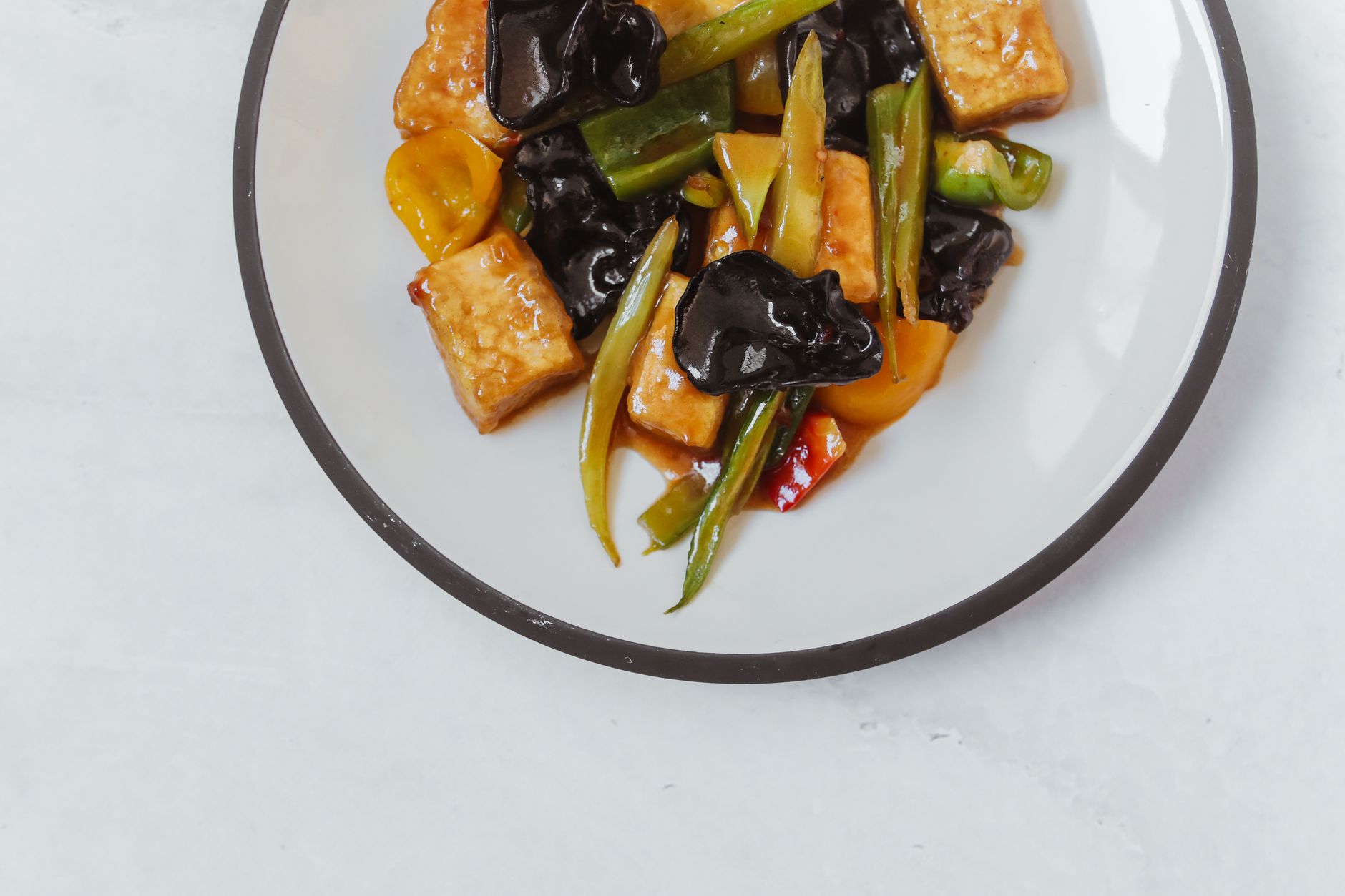
2. Gluten-Free Rice Noodle Stir-Fry with Tofu
For those with both UC and gluten sensitivity, this stir-fry is a lifesaver. It’s quick, packed with plant-based protein, and uses low-FODMAP veggies to avoid bloating. Many readers report this is their go-to when they’re short on time but need a satisfying meal that feels familiar and flavorful, without the typical Chinese takeout triggers.
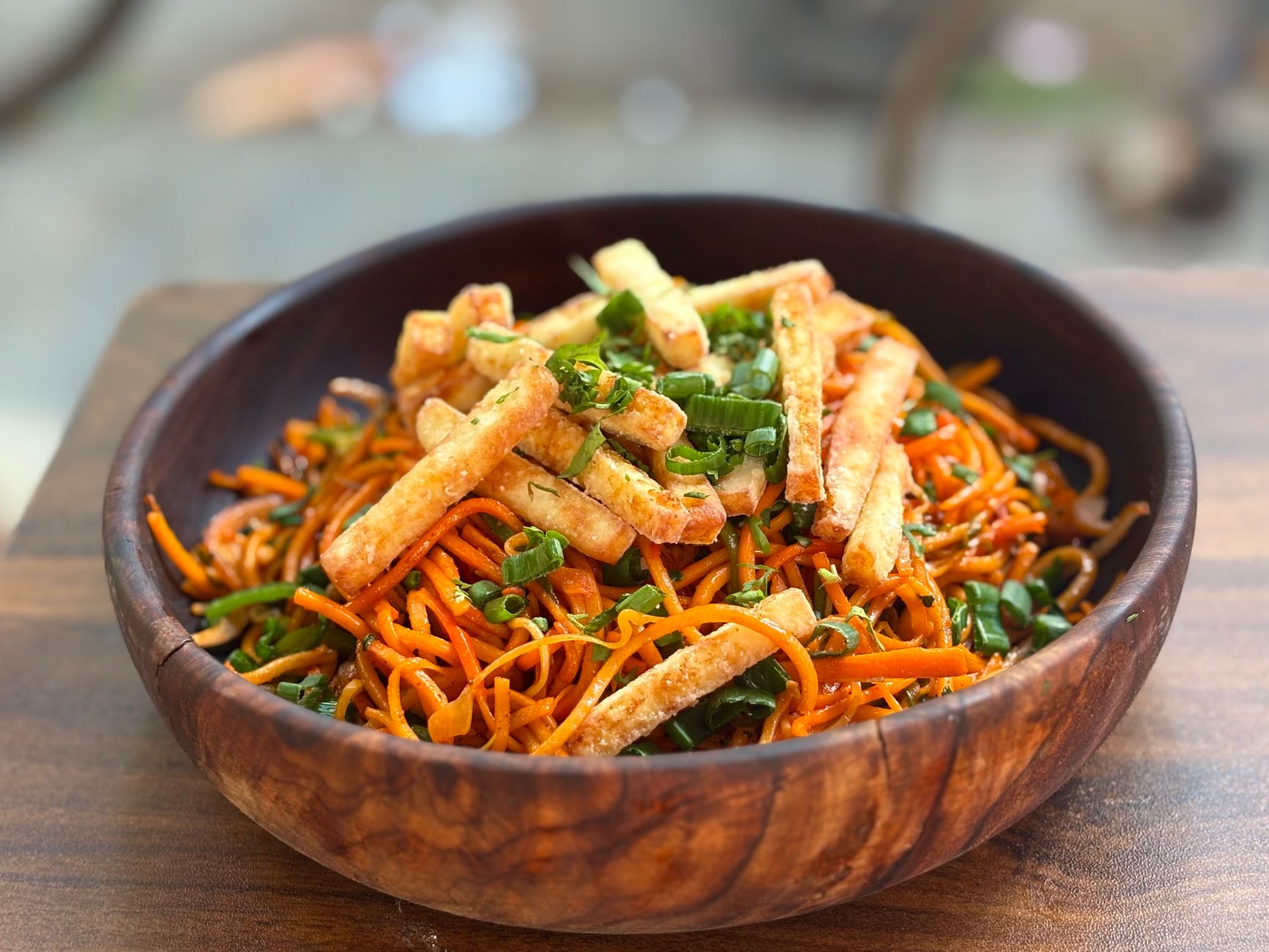
Gluten-Free Rice Noodle Stir-Fry with Tofu – A vegan-friendly, gluten-free dinner that’s ready in 20 minutes.
Cook rice noodles according to package instructions (usually 5–7 minutes in boiling water). Drain and set aside.
Heat sesame oil in a large skillet or wok over medium heat. Add tofu cubes and cook for 5–7 minutes, stirring occasionally, until golden and slightly crispy. Remove tofu and set aside.
In the same skillet, add olive oil and sauté carrots for 3–4 minutes until softened. Add spinach and cook for 1–2 minutes until wilted. Stir in ginger, salt, and pepper.
Return tofu to the skillet. Add cooked noodles and soy sauce. Toss everything together for 2 minutes, ensuring the noodles are well coated and heated through.
Garnish with sesame seeds and serve. Pro tip: If you’re sensitive to sesame, skip the seeds and oil, or use sunflower seed oil instead. For extra protein, add 1/4 cup cooked quinoa to the noodles, or consider a small amount of carefully cooked, shredded chicken if you prefer.
Why it works: Rice noodles are naturally gluten-free and low-FODMAP, providing a safe carbohydrate base. Tofu offers a versatile, plant-based protein that's generally well-tolerated and easy to digest. Carrots and spinach are gentle, nutrient-dense vegetables that add texture and color without causing irritation, while ginger is known for its digestive benefits. The light sauce provides flavor without relying on high-FODMAP ingredients like garlic or onions often found in traditional stir-fries.
3. Mashed Sweet Potato with Baked Salmon
This is the ultimate comfort food for UC flare-ups. Sweet potatoes are easy to digest and packed with fiber (the soluble kind, which is gentler than insoluble). Salmon adds omega-3s, which reduce inflammation. One reader with UC said, *“This is my ‘I’m too tired to cook’ meal. It’s warm, filling, and never triggers me.”* This simple combination provides essential nutrients in a form that is both soothing and satisfying.
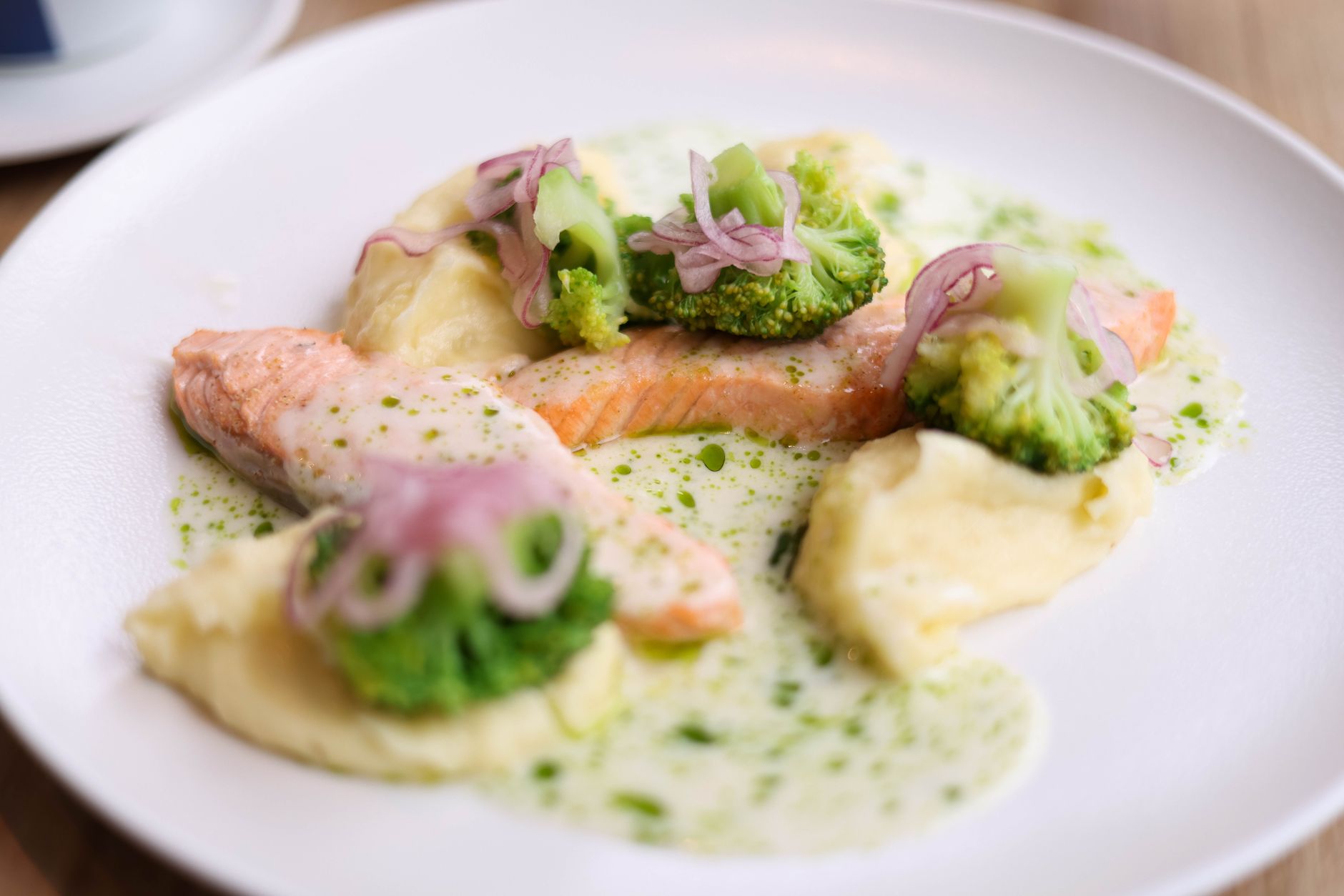
Mashed Sweet Potato with Baked Salmon – A nutrient-dense, anti-inflammatory dinner that’s ready in 35 minutes.
Ingredients:
1 small sweet potato, peeled and cubed
1 salmon fillet (6 oz)
1 tbsp olive oil
1/2 tsp salt
1/4 tsp black pepper
1 tbsp low-FODMAP olive oil (for mashed potatoes)
1/4 cup plain Greek yogurt (or dairy-free alternative like unsweetened coconut yogurt)
1/2 tsp dried rosemary
Instructions:
Preheat oven to 400°F (200°C). Line a baking sheet with parchment paper.
Place salmon fillet on the baking sheet. Drizzle with olive oil, salt, and pepper. Bake for 12–15 minutes, until salmon flakes easily with a fork.
While salmon bakes, boil sweet potato cubes in water for 10–12 minutes until fork-tender. Drain well and mash with olive oil, yogurt, and rosemary until smooth and creamy.
Serve mashed sweet potatoes alongside the salmon. Pro tip: If you’re sensitive to dairy, use unsweetened coconut yogurt or mashed avocado for creaminess. For extra flavor, add 1/2 tsp smoked paprika to the salmon before baking—it provides a rich, savory note without being spicy or irritating.
Why it works: Sweet potatoes are naturally low-FODMAP when cooked, and their soluble fiber content is gentle on the digestive system. Salmon is a powerhouse of anti-inflammatory omega-3 fatty acids, which are beneficial for managing UC symptoms, and it's a tender, easily digestible protein. The yogurt (dairy or non-dairy) adds creaminess and beneficial probiotics (if dairy is tolerated), enhancing both flavor and gut support. This meal is gentle, nourishing, and satisfying—perfect for flare-ups when you need nutrient density without digestive distress.
---
Quick 30-minute ulcerative colitis-friendly dinner ideas that reduce bloating
When you’re in a hurry—or your stomach is already bloated—you need meals that are fast, easy, and gentle. These quick dinner ideas prioritize low-FODMAP ingredients and simple preparation methods to minimize the risk of digestive discomfort. Many of these rely on ingredients you can keep on hand, making them ideal for those evenings when energy levels are low. Here are five no-fuss dinners that take 30 minutes or less, with minimal cleanup.
1. Microwave Baked Potato with Cottage Cheese and Chives
Cottage cheese is a low-FODMAP protein that’s easy to digest, and chives add a mild onion-like flavor without the bloating. This meal is a favorite among readers who need a quick protein boost and a comforting, familiar dish. The soft texture of a baked potato is also very soothing for an irritated gut.
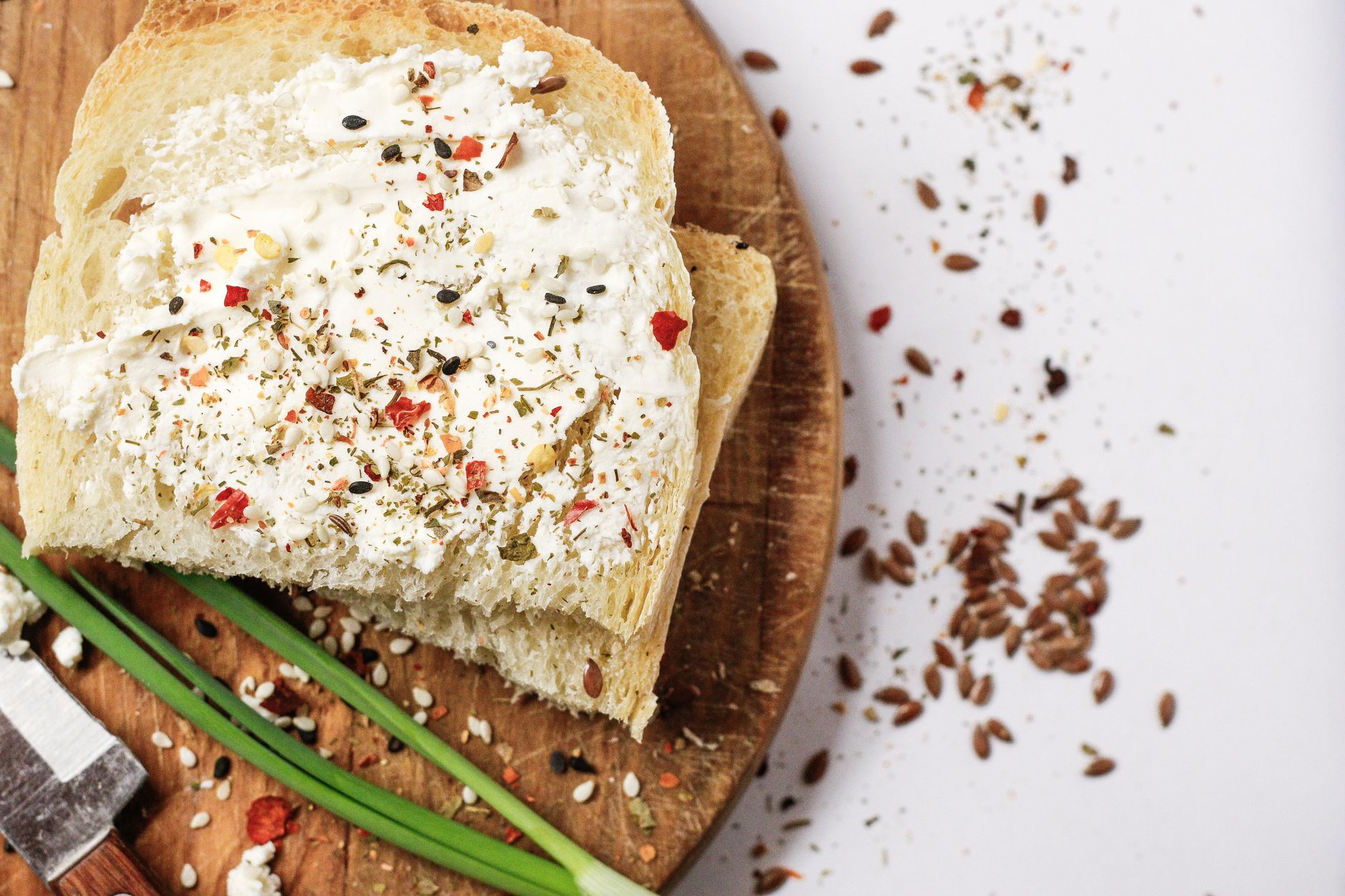
Microwave Baked Potato with Cottage Cheese – A 10-minute meal that’s protein-packed and easy to customize.
Ingredients:
1 medium russet potato
1/2 cup low-fat cottage cheese (lactose-free if needed)
1 tbsp fresh chives, chopped
1/4 tsp salt
1/4 tsp black pepper
Instructions:
Pierce the potato with a fork several times all over. Microwave for 5–7 minutes on high, flipping halfway through, until tender. Let it sit for 2 minutes to continue cooking.
Cut the potato in half lengthwise and fluff the insides with a fork.
Top generously with cottage cheese, fresh chives, salt, and pepper. Serve immediately. Pro tip: If cottage cheese is a trigger, use plain Greek yogurt (lactose-free if necessary) or silken tofu instead for a creamy, protein-rich topping. For extra creaminess and healthy fats, add 1 tbsp mashed avocado to the top, ensuring it’s well-tolerated.
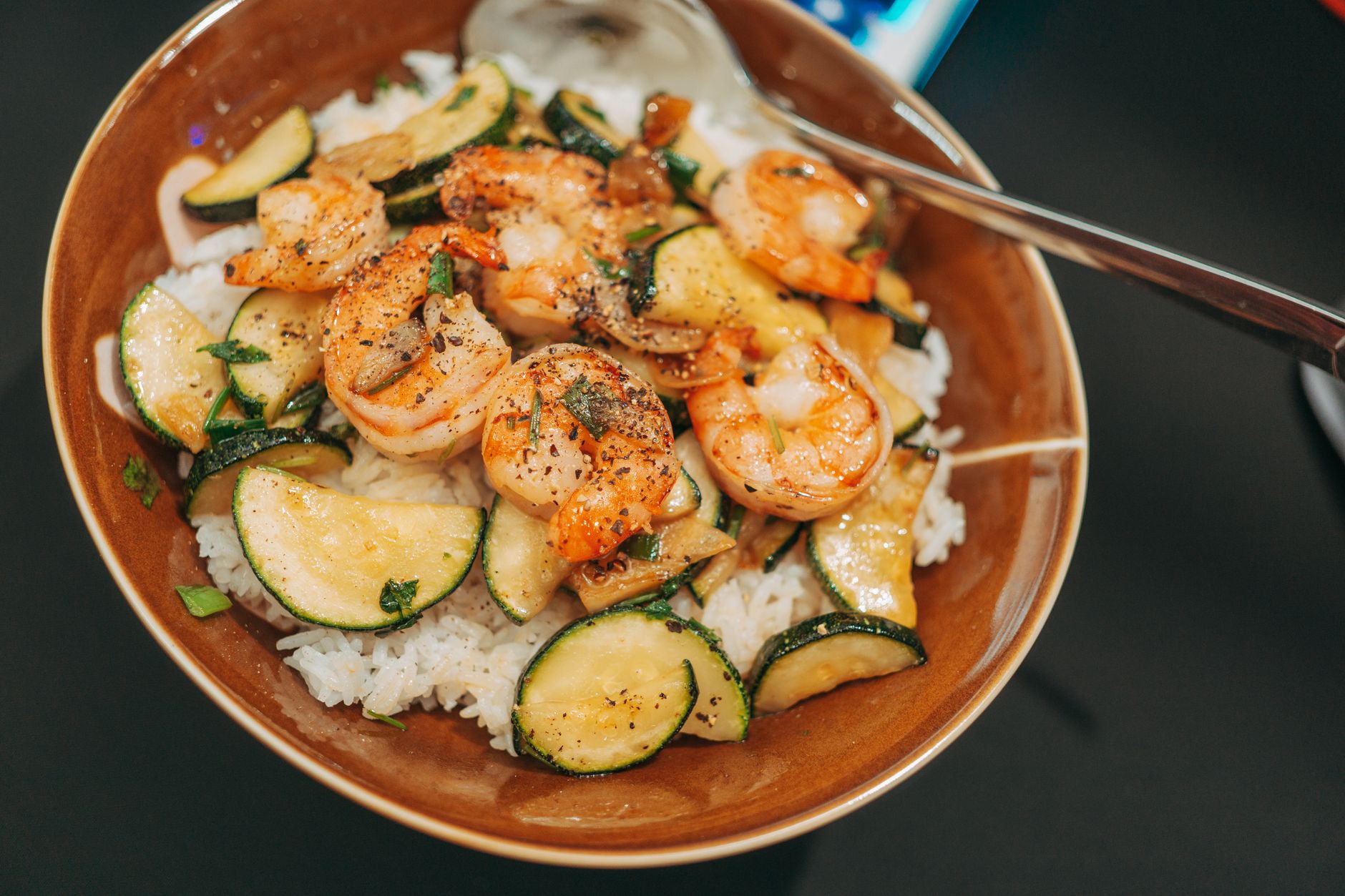
2. Shrimp and White Rice Bowl
Shrimp is low-residue and high in protein, while white rice is easy to digest and a safe source of carbohydrates during a flare. This meal is ready in 20 minutes and requires no fancy skills, making it perfect for a busy weeknight. Many readers with UC report shrimp is one of their safest protein options due to its lean nature and quick cooking time.
Shrimp and White Rice Bowl – A quick, protein-rich dinner that’s ready in 20 minutes.
Ingredients:
1/2 cup white rice
6 oz shrimp, peeled and deveined
1/2 cup diced zucchini
1 tbsp olive oil
1/2 tsp garlic powder (low-FODMAP)
1/4 tsp salt
1/4 tsp black pepper
Instructions:
Cook rice according to package instructions. While rice cooks, proceed with shrimp and zucchini. Set aside.
Heat olive oil in a skillet over medium heat. Add shrimp and cook for 2–3 minutes per side until pink and opaque. Remove and set aside.
In the same skillet, add diced zucchini and cook for 3–4 minutes until tender-crisp. Add garlic powder, salt, and pepper, stirring to combine.
Serve shrimp and zucchini over cooked white rice. Pro tip: If zucchini is a trigger, swap for steamed carrots or spinach, which are generally well-tolerated. For extra flavor, add 1/2 tsp smoked paprika to the shrimp before cooking, or a squeeze of low-FODMAP lemon juice after.
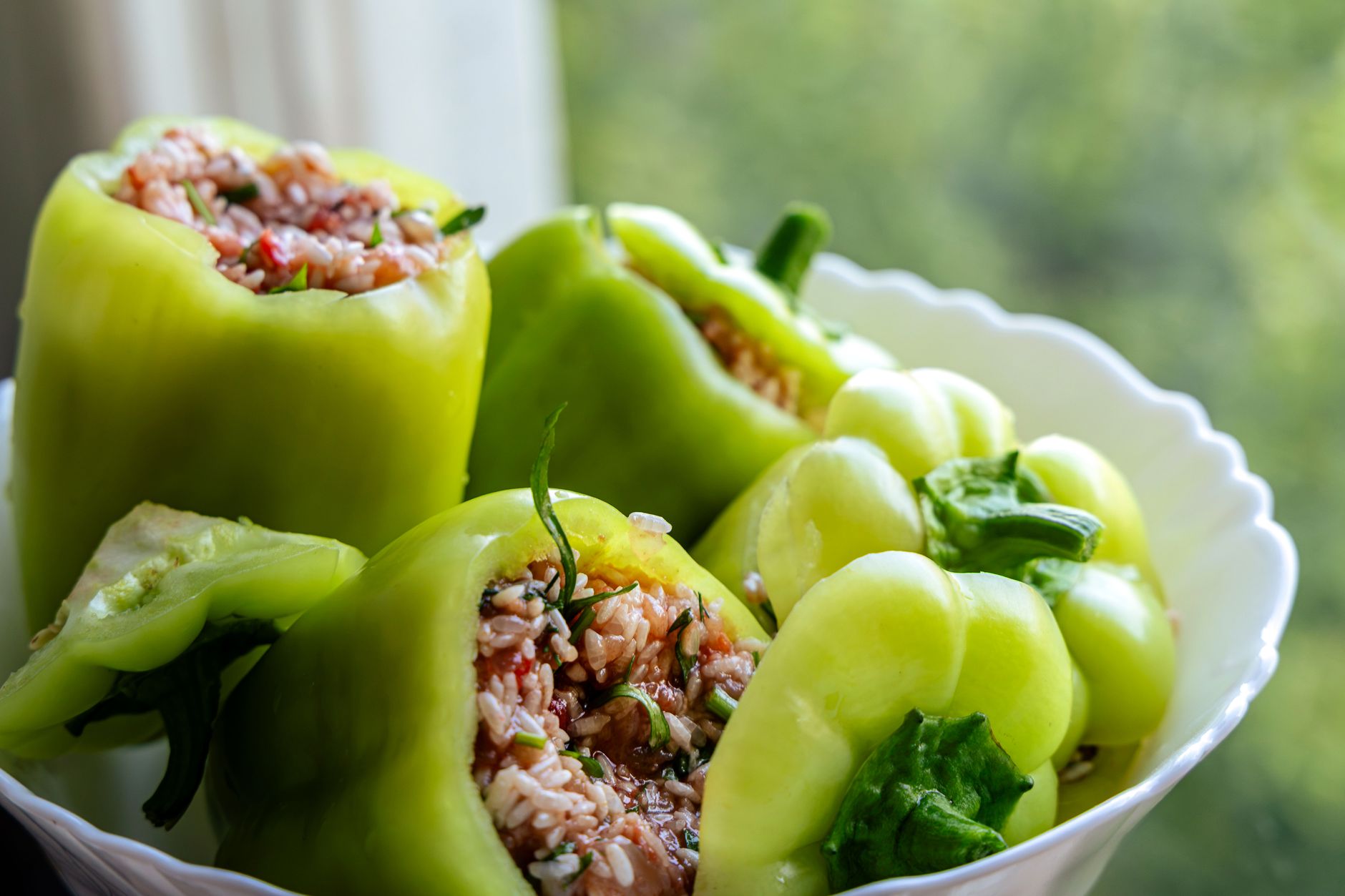
3. Turkey and Quinoa Stuffed Bell Pepper
Quinoa is a low-FODMAP grain that’s high in protein, and ground turkey is lean and easy to digest. This meal is hearty but gentle, providing a satisfying dinner without heavy ingredients. One reader shared, *“I make this on Sundays and freeze portions for quick meals during the week, it’s a lifesaver when I’m too tired to cook from scratch.”*
Turkey and Quinoa Stuffed Bell Pepper – A fiber-rich but gentle dinner that’s ready in 35 minutes.
Ingredients:
1 bell pepper, halved lengthwise and seeds removed (use red or yellow for lower FODMAP)
1/2 cup cooked quinoa
1/2 cup ground turkey
1/4 cup diced carrots
1/4 cup low-sodium chicken broth
1/2 tsp dried basil
1/4 tsp salt
1/4 tsp black pepper
1 tbsp olive oil
Instructions:
Preheat oven to 375°F (190°C). Line a baking sheet with parchment paper.
In a skillet, heat olive oil over medium heat. Add ground turkey and cook until no longer pink, breaking it up with a spoon.
Add diced carrots, dried basil, salt, and pepper. Cook for 2 minutes, stirring.
Stir in cooked quinoa and chicken broth. Mix well and remove from heat.
Stuff the mixture evenly into the bell pepper halves. Place on the baking sheet and bake for 20–25 minutes, until the peppers are tender and the filling is heated through.
Serve warm. Pro tip: If bell peppers are a trigger, use zucchini or butternut squash halves instead, adjusting baking time as needed. For extra creaminess in the filling, add 1/4 cup mashed avocado or a small amount of lactose-free cream cheese.
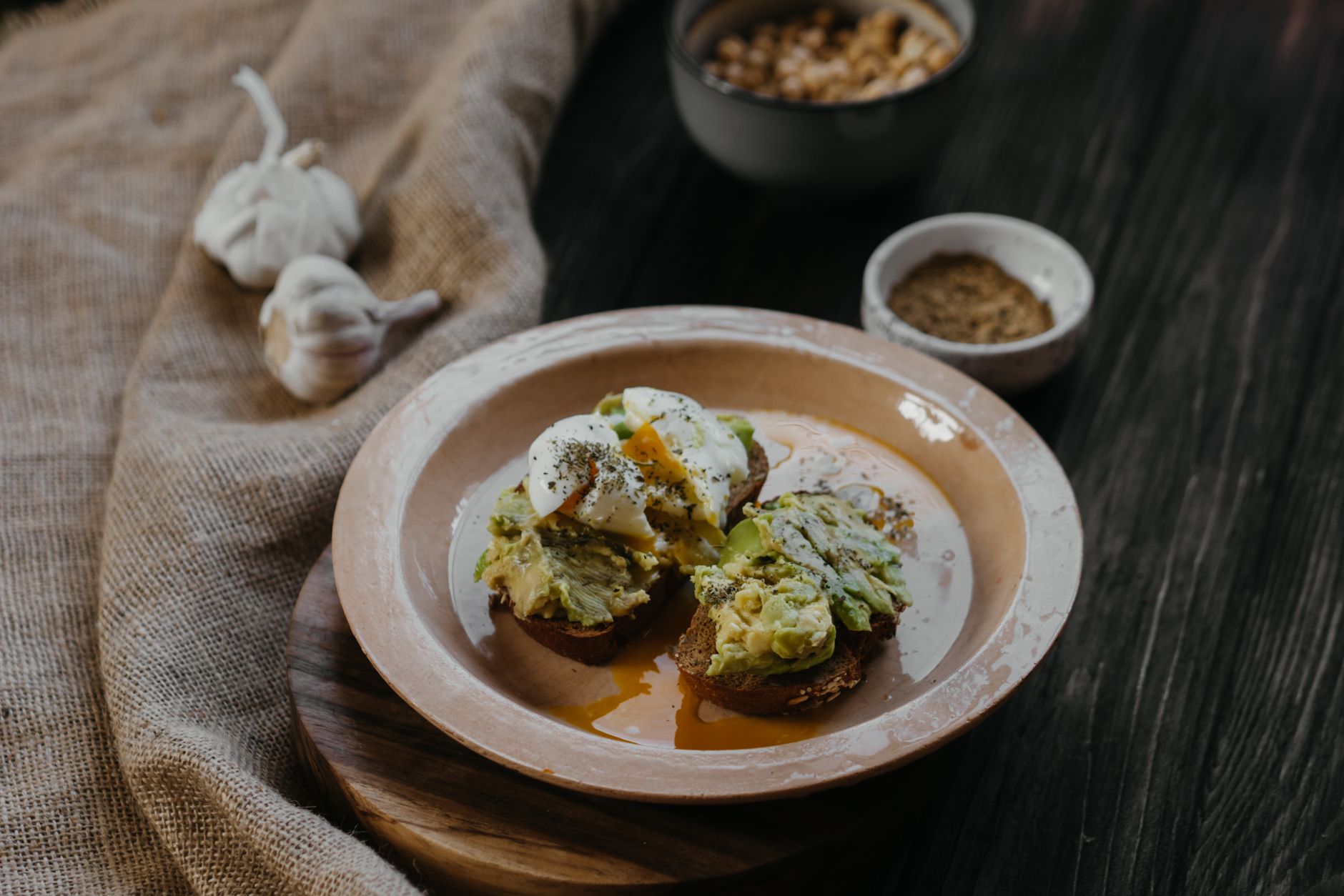
4. Egg and Avocado Toast on Gluten-Free Bread
This is the ultimate emergency meal, perfect for when you need something quick, nourishing, and gentle. Eggs are a low-FODMAP protein, and avocado adds healthy fats without irritating symptoms for most people. Many readers keep gluten-free bread on hand for just this purpose, as it offers a comforting base without the gluten that can sometimes trigger UC symptoms.
Egg and Avocado Toast on Gluten-Free Bread – A 5-minute meal that’s protein-packed and satisfying.
Ingredients:
2 slices gluten-free bread
2 eggs
1/2 avocado, mashed
1/4 tsp salt
1/4 tsp black pepper
1 tbsp olive oil
Instructions:
Toast the gluten-free bread to your desired crispness.
Heat olive oil in a non-stick skillet over medium heat. Crack eggs into the skillet and cook to your liking (sunny-side-up, over-easy, scrambled, etc.).
While eggs cook, mash avocado with salt and pepper. Spread evenly on toasted bread.
Place cooked egg on top of the avocado toast and serve immediately. Pro tip: If you’re sensitive to avocado, use mashed banana or a thin layer of low-FODMAP hummus instead. For extra protein, consider adding 1/4 cup cooked quinoa sprinkled on top, or a side of steamed spinach.
5. Tuna Salad Lettuce Wraps
Tuna is a low-FODMAP protein, and lettuce wraps avoid the need for bread or wraps that might contain gluten or high-FODMAP ingredients. This is a go-to for readers who need a no-cook option that’s refreshing and light yet still satisfying. It's an excellent choice for warmer evenings or when you're simply too fatigued to cook.
Tuna Salad Lettuce Wraps – A no-cook, protein-rich dinner that’s ready in 10 minutes.
Ingredients:
1 can tuna in water, drained
1/4 cup plain Greek yogurt (or dairy-free alternative like unsweetened coconut yogurt)
1 tbsp Dijon mustard (low-FODMAP, check label for additives)
1/4 tsp salt
1/4 tsp black pepper
6 large lettuce leaves (romaine or butter lettuce work well)
1/2 cucumber, sliced (optional, for a side)
Instructions:
In a bowl, mix drained tuna, yogurt, Dijon mustard, salt, and pepper until well combined. Adjust seasonings to your preference.
Scoop the tuna salad onto individual lettuce leaves. Fold or roll them up like tacos.
Serve immediately with cucumber slices on the side if desired for extra crunch and hydration. Pro tip: If mustard is a trigger, use low-FODMAP lemon juice or a pinch of salt and dried dill for flavor. For extra creaminess, add 1 tbsp mashed avocado to the mixture, or finely diced canned water chestnuts for crunch if tolerated.
---
Ulcerative colitis diet dinner recipes that are high-fiber but gentle on the gut
Fiber is crucial for gut health, but not all fiber is created equal. For UC, you want soluble fiber (which dissolves in water and forms a gel, slowing digestion and soothing the gut) over insoluble fiber (which adds bulk and can irritate the gut, especially during flares). Soluble fiber sources include oats, bananas, carrots, and sweet potatoes—all of which can be part of a UC-friendly diet when introduced slowly and carefully. When managing UC, the goal is often to increase soluble fiber during remission to support gut health, while being more cautious during active flares.
Here are three high-fiber but gentle dinner ideas, along with tips on how to reintroduce fiber safely.
1. Oatmeal with Baked Chicken and Steamed Carrots
Oats are a fantastic source of soluble fiber, which can help regulate bowel movements and promote a healthy gut microbiome. Paired with lean protein like chicken and gentle, steamed carrots, this meal is a surprisingly satisfying dinner option and a great way to reintroduce fiber gradually. It offers a comforting, warm texture that is easy on the digestive system.
Oatmeal with Baked Chicken and Steamed Carrots – A high-fiber, protein-packed dinner that’s ready in 30 minutes.
Ingredients:
1/2 cup rolled oats
1 cup low-sodium chicken broth (or water)
1 boneless, skinless chicken breast, baked and sliced (as prepared in the first recipe)
1 cup steamed carrots, sliced
1 tbsp olive oil
1/4 tsp salt
1/4 tsp black pepper
Instructions:
Cook rolled oats in chicken broth (or water) according to package instructions (usually 5–7 minutes), until creamy. Stir in olive oil, salt, and pepper.
Top with evenly sliced baked chicken and steamed carrots. Serve warm. Pro tip: If you’re reintroducing oats, start with 1/4 cup cooked oats per serving and gradually increase as tolerated, monitoring your symptoms. For extra flavor, add 1/2 tsp cinnamon to the oats, which also has anti-inflammatory properties.
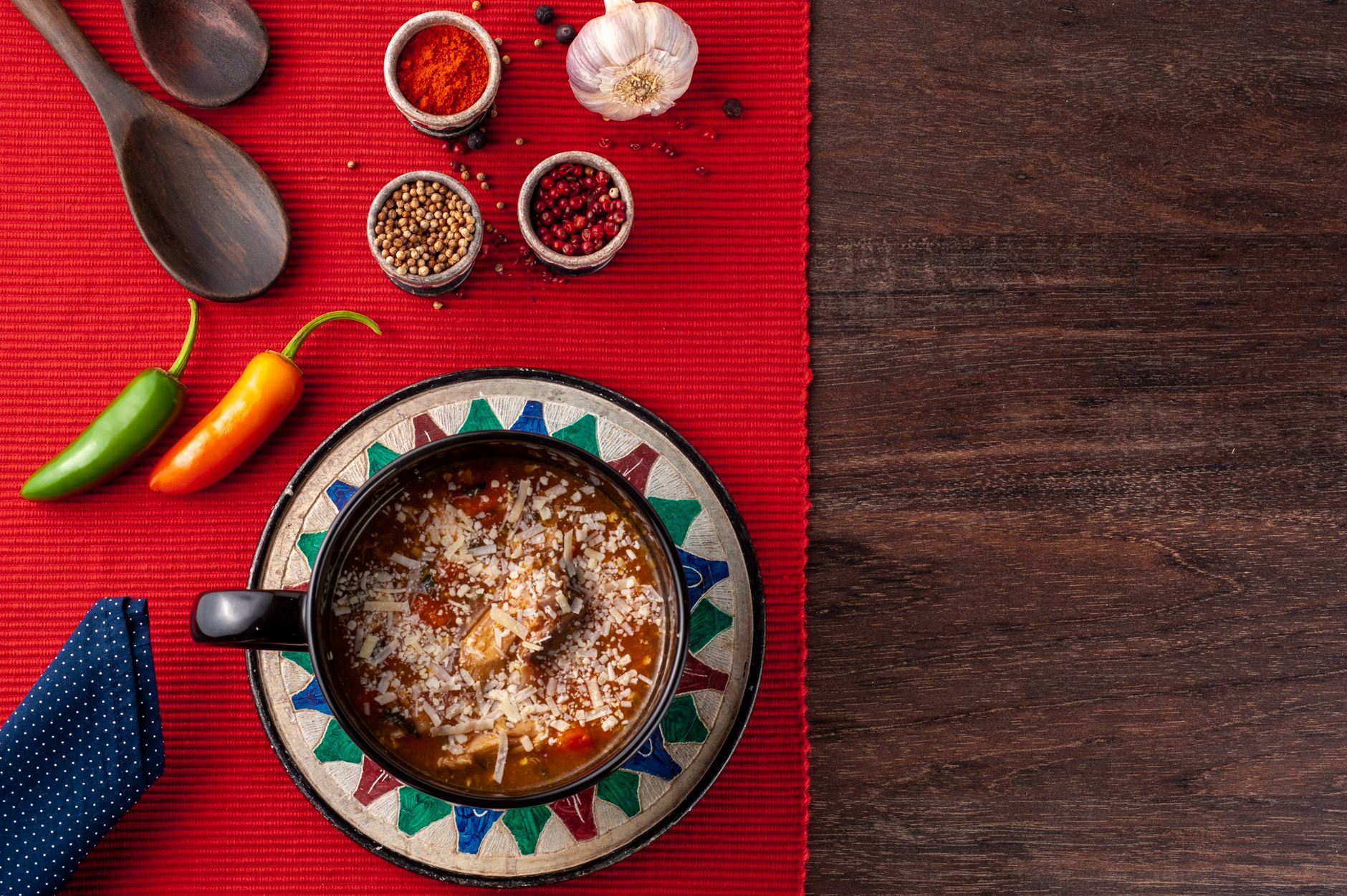
2. Lentil and Rice Soup
Lentils are high in soluble fiber and protein, while white rice provides an easily digestible carbohydrate base. This soup is incredibly comforting, nourishing, and gentle on the gut, making it an excellent choice for reintroducing legumes. Many readers report this is one of their favorite ways to get fiber without discomfort, especially when blended for an even smoother texture.
Lentil and Rice Soup – A fiber-rich, protein-packed dinner that’s ready in 40 minutes.
Ingredients:
1/2 cup dried green lentils, rinsed well
1/2 cup white rice
4 cups low-sodium vegetable broth
1/2 cup diced carrots
1/4 cup diced celery (ensure small dice if sensitive)
1 tsp olive oil
1/2 tsp dried thyme
1/4 tsp salt
1/4 tsp black pepper
Instructions:
In a large pot, combine rinsed lentils, white rice, vegetable broth, diced carrots, diced celery, olive oil, thyme, salt, and pepper.
Bring the mixture to a boil, then reduce heat to low, cover, and simmer for 30–35 minutes, or until lentils and rice are tender and the soup has thickened.
Serve warm. Pro tip: If you’re sensitive to celery or find the texture of lentils too fibrous, consider pureeing a portion or all of the soup with an immersion blender for a smoother, easier-to-digest consistency. For extra creaminess, stir in 1/4 cup plain Greek yogurt (or a dairy-free alternative) at the end, just before serving.
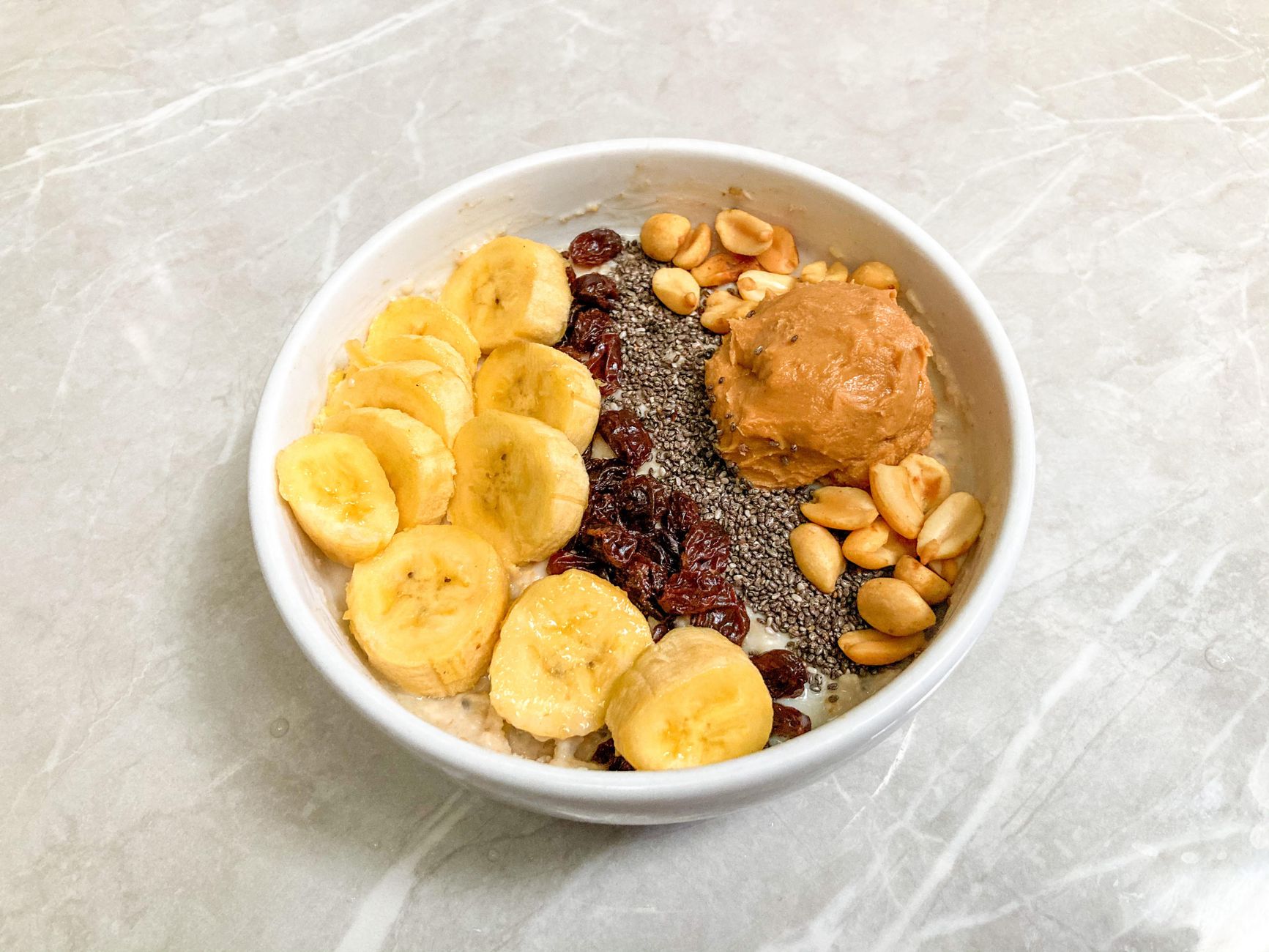
3. Banana and Peanut Butter Oatmeal with Scrambled Eggs
This is a delightful breakfast-for-dinner idea that’s high in soluble fiber and protein, offering a soothing and filling meal. Ripe bananas are easy to digest and provide natural sweetness, while peanut butter (in moderation and without high-FODMAP additives) adds healthy fats and protein. One reader said, *“This is my ‘I’m too tired to think about dinner’ meal. It’s filling and always safe for me, plus it tastes like a treat.”*
Banana and Peanut Butter Oatmeal with Scrambled Eggs – A fiber-rich, protein-packed dinner that’s ready in 20 minutes.
Ingredients:
1/2 cup rolled oats
1 cup water or low-sodium broth
1 ripe banana, sliced
1 tbsp peanut butter (ensure low-FODMAP, no added sugar or high-FODMAP oils)
2 eggs
1 tbsp olive oil
1/4 tsp salt
1/4 tsp black pepper
Instructions:
Cook rolled oats in water or broth according to package instructions until creamy. Stir in banana slices and peanut butter until melted and combined.
While oatmeal cooks, heat olive oil in a non-stick skillet over medium heat. Crack eggs into the skillet and scramble until cooked to your liking. Season with salt and pepper.
Serve scrambled eggs over the warm banana and peanut butter oatmeal. Pro tip: If peanut butter is a trigger, use sunflower seed butter (ensure no high-FODMAP ingredients) instead. For extra creaminess in the oatmeal, you can add 1/4 cup unsweetened almond milk during cooking, or a small dollop of lactose-free yogurt.
How to reintroduce fiber safely:
If you’ve been in a flare-up and your gut is sensitive, it’s essential to reintroduce fiber slowly and cautiously. Start with 1–2 servings of soluble fiber per day and gradually increase, always listening to your body. Here’s a general guide:
Week 1: Try 1/4 cup cooked rolled oats or 1/2 cup steamed carrots per day. Monitor symptoms closely.
Week 2: If tolerated, increase to 1/2 cup cooked oats or 1 cup steamed carrots, or try adding a small ripe banana.
Week 3+: Gradually add other soluble fiber sources like well-cooked lentils (start with 1/4 cup), sweet potatoes, or peeled apples.
Always drink plenty of water throughout the day when increasing fiber intake, as it helps soluble fiber work its magic in your gut and prevents constipation. According to the NHS, soluble fiber can help regulate bowel movements and reduce inflammation, making it a key part of a UC-friendly diet, particularly during periods of remission.
---
How to modify classic dinner recipes like pasta or stir-fry for ulcerative colitis safely
You don’t have to give up your favorite comfort foods entirely—you just need to tweak them. The key is understanding which ingredients are common triggers for UC and finding suitable, gentle substitutions. This approach allows you to enjoy familiar flavors and textures without sacrificing your digestive comfort. Here’s how to make classic dishes UC-friendly without sacrificing flavor, focusing on ingredient swaps and preparation methods.
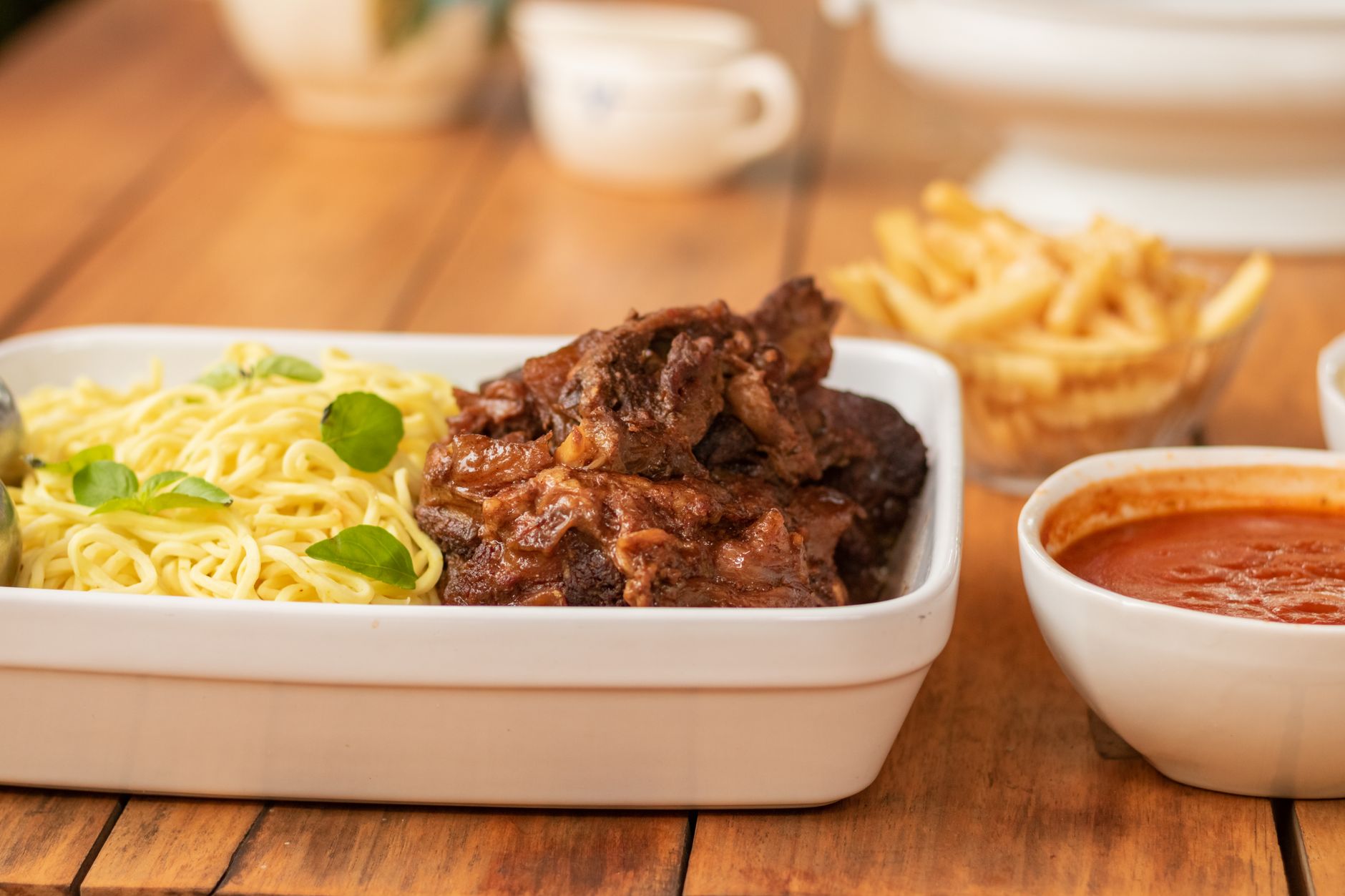
1. Gluten-Free Pasta with Turkey Meat Sauce
Pasta is a staple for many, but traditional wheat pasta can be high in insoluble fiber and gluten, both of which can trigger UC symptoms for some individuals. Instead, opt for gluten-free pasta and build a rich, low-FODMAP sauce that's gentle on your gut.
Gluten-Free Pasta with Turkey Meat Sauce – A comforting twist on classic pasta that’s UC-friendly.
Ingredients:
8 oz gluten-free pasta (rice or corn-based varieties are often well-tolerated)
1 lb lean ground turkey
1 can (14 oz) low-sodium crushed tomatoes (check for added high-FODMAP ingredients)
1/2 cup low-FODMAP tomato sauce (ensure no added garlic or onion powder)
1/4 cup finely diced carrots
1/4 cup finely diced celery (reduce if sensitive)
1 tsp dried basil
1/2 tsp dried oregano
1/4 tsp salt
1/4 tsp black pepper
1 tbsp olive oil
Instructions:
Cook gluten-free pasta according to package instructions until al dente. Drain and set aside.
In a large skillet or pot, heat olive oil over medium heat. Add ground turkey and cook until no longer pink, breaking it up with a spoon. Drain any excess fat.
Add finely diced carrots and celery to the skillet. Cook for 2-3 minutes until slightly softened. Stir in dried basil, oregano, salt, and pepper.
Stir in crushed tomatoes and low-FODMAP tomato sauce. Bring to a gentle simmer, then reduce heat to low and cook for 10–15 minutes, allowing the flavors to meld and the sauce to thicken.
Serve turkey meat sauce generously over cooked gluten-free pasta. Pro tip: If you’re sensitive to tomatoes, use low-FODMAP chicken broth or a creamy coconut milk-based sauce as a base instead, adding gentle herbs. For extra creaminess and a boost of protein, stir in 1/4 cup plain Greek yogurt (lactose-free if needed) at the very end, just before serving.
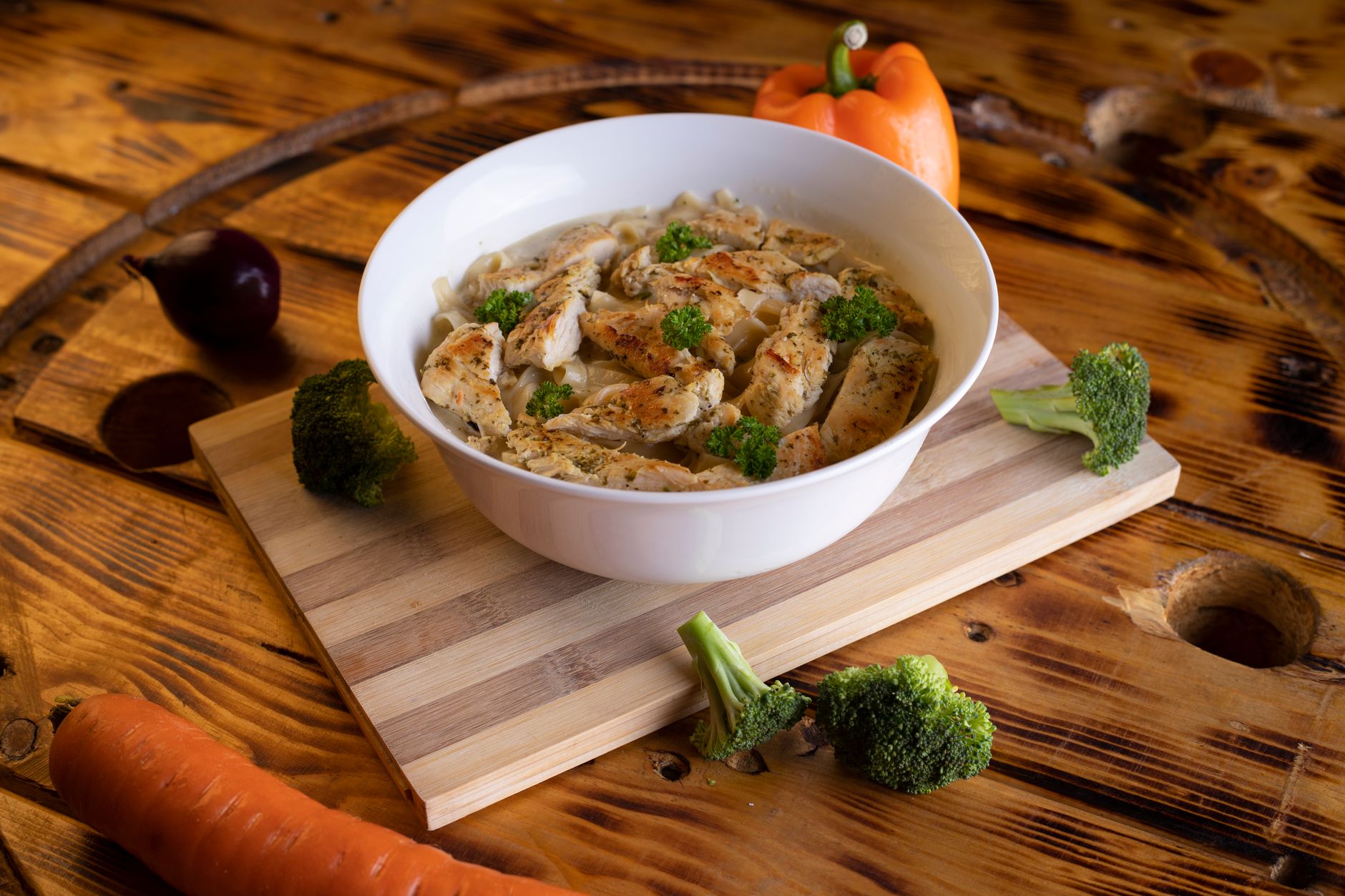
2. Low-FODMAP Stir-Fry with Chicken and Bell Peppers
Traditional stir-fries often contain high-FODMAP ingredients like garlic, onions, broccoli, and certain sauces that can trigger UC symptoms. This version carefully selects ingredients to skip the triggers while keeping the vibrant flavors and satisfying crunch that make stir-fries so appealing. Many readers find this a great way to enjoy stir-fry without discomfort, especially when using well-tolerated vegetables and a simple, clean sauce.
Low-FODMAP Stir-Fry with Chicken and Bell Peppers – A flavorful, UC-friendly twist on a classic.
Ingredients:
1 lb chicken breast, thinly sliced against the grain
1 red bell pepper, thinly sliced (red and yellow bell peppers are lower FODMAP than green)
1 cup snap peas (small serving, if tolerated; otherwise use zucchini or carrots)
1 tbsp olive oil or garlic-infused olive oil
For the sauce:
2 tbsp gluten-free tamari or low-sodium soy sauce
1 tbsp rice vinegar
1 tsp grated fresh ginger
1/2 tsp garlic powder (not fresh garlic)
1/4 tsp red pepper flakes (optional, if tolerated)
1 tsp cornstarch mixed with 1 tbsp cold water (for thickening)
Instructions:
In a small bowl, whisk together all sauce ingredients (tamari, rice vinegar, ginger, garlic powder, red pepper flakes, cornstarch slurry). Set aside.
Heat olive oil or garlic-infused olive oil in a large wok or skillet over medium-high heat. Add sliced chicken breast and stir-fry for 4-5 minutes until cooked through and lightly browned. Remove chicken from the pan and set aside.
Add sliced bell pepper and snap peas (or substitute vegetables) to the same wok. Stir-fry for 3-5 minutes until vegetables are tender-crisp.
Return chicken to the wok. Give the sauce a quick whisk and pour it over the chicken and vegetables. Cook for 1-2 minutes, stirring constantly, until the sauce thickens and coats everything.
Serve immediately over cooked white rice or gluten-free rice noodles. Pro tip: If snap peas are a trigger, swap them for steamed carrots, zucchini, or spinach. For a deeper umami flavor without high-FODMAP ingredients, consider adding a pinch of nutritional yeast to the sauce. Always introduce new ingredients in small amounts to monitor your body's reaction.
---
Meal-prep strategies for managing UC dinners
One of the biggest challenges when managing ulcerative colitis is the sheer mental and physical energy required for daily meal preparation, especially during a flare. Meal prepping can be a game-changer, providing a steady supply of safe, gentle, and delicious dinners without the last-minute stress. By dedicating a few hours once or twice a week, you can ensure you always have UC-friendly options ready to go, reducing the temptation to reach for less suitable convenience foods. This proactive approach can significantly improve your adherence to a UC-friendly diet and reduce overall anxiety around meal times.
Here are some effective meal-prep strategies tailored for UC:
Batch Cook Gentle Proteins: Cook large quantities of baked chicken breast, salmon fillets, or plain tofu. Store them in individual portions in the fridge for 3-4 days or freeze for longer. These form the base of many quick dinners.
Pre-Chop & Steam Veggies: Wash and chop low-FODMAP vegetables like carrots, zucchini, and bell peppers. Steam or lightly roast them in advance. Store in airtight containers, ready to add to meals.
Cook Grains in Bulk: Prepare a large batch of white rice or quinoa. These can be stored in the fridge and quickly reheated as a base for bowls or stir-fries.
Prepare Gentle Sauces: Make larger batches of low-FODMAP tomato sauce, ginger-tamari dressing, or a simple olive oil and herb blend. Store in jars to quickly flavor meals without relying on processed sauces.
Freeze Individual Portions: Soups (like the Lentil and Rice Soup), stuffed bell peppers, or even cooked chicken can be frozen in single-serving containers. Label them clearly with the date for easy grab-and-go options on busy nights.
Utilize Slow Cookers/Instant Pots: These appliances are excellent for hands-off cooking of tender meats and stews that are gentle on the gut. Think shredded chicken or turkey with simple seasonings.
---
Understanding your triggers: The role of a food diary for UC
Living with ulcerative colitis means navigating a highly individualized landscape of food triggers. What causes a flare-up for one person might be perfectly safe for another. This is why a food diary isn't just a suggestion—it's an essential tool for personalizing your UC diet and gaining control over your symptoms. By systematically tracking what you eat and how your body responds, you can identify patterns, pinpoint specific triggers, and build a diet that truly supports your gut health. This process empowers you to make informed dietary choices rather than relying on guesswork or generic advice, moving you closer to sustained remission and improved quality of life.
Here’s how to effectively keep a food diary:
Be Consistent: For at least 2-4 weeks, record everything you eat and drink, including portion sizes and preparation methods. Don't forget snacks, drinks, and even supplements.
Track Symptoms: Alongside your food intake, consistently log any symptoms you experience. Note the type of symptom (e.g., bloating, abdominal pain, diarrhea, fatigue), its severity (on a scale of 1-10), and the time it occurred.
Consider Timing: Pay attention to the time elapsed between eating a specific food and the onset of symptoms. Some reactions are immediate, while others can take hours or even a day to appear.
Look for Patterns: After a few weeks, review your entries. Do certain foods consistently precede specific symptoms? Are there combinations of foods that seem problematic? This is where professional guidance from a dietitian can be invaluable in interpreting complex patterns.
Introduce New Foods Slowly: When trying a new food, especially one you suspect might be a trigger, introduce it in small amounts and observe your reaction for 2-3 days before trying another new food. This helps isolate potential triggers.
Don't Self-Diagnose or Eliminate Indefinitely: A food diary is a tool for information gathering, not for making permanent dietary restrictions on your own. Always consult with your gastroenterologist and a registered dietitian before making significant, long-term changes to your diet to ensure you're still meeting your nutritional needs.
---
Myth vs. Fact about ulcerative colitis diets
Navigating dietary advice for UC can be overwhelming, with conflicting information often circulating online. Let's clear up some common misconceptions.
Myth: All fiber is bad for UC, especially during remission.
Fact: While insoluble fiber can be problematic during a flare, soluble fiber is often beneficial during remission. Soluble fiber, found in foods like oats, bananas, and sweet potatoes, can help regulate bowel movements and feed beneficial gut bacteria. The goal is to find your personal tolerance level and prioritize soluble over insoluble fiber, especially if you're sensitive to the latter.
Myth: You must follow an extremely restrictive, bland diet forever with UC.
Fact: While a restrictive diet might be necessary during severe flares, the long-term goal is to expand your diet as much as possible during remission. Many people with UC can enjoy a wide variety of foods with careful planning and by identifying their specific triggers. The focus should be on nutrient-dense, anti-inflammatory foods, not necessarily blandness. Working with a dietitian can help you safely reintroduce foods and diversify your diet.
Myth: Dairy and gluten always cause UC flares and must be completely avoided by everyone.
Fact: While dairy and gluten are common triggers for *some* individuals with UC (especially if they also have lactose intolerance or celiac disease), they are not universal triggers for everyone. Many people with UC can tolerate dairy, especially lactose-free options or fermented dairy like plain Greek yogurt. Similarly, not everyone needs to avoid gluten. A food diary and careful reintroduction under guidance can help determine if these are specific triggers for *you*, rather than assuming they must be eliminated.
---
Key takeaways for delicious and gentle UC dinners
Prioritize low-FODMAP, gluten-free, and dairy-free options, especially during flare-ups.
Focus on gentle, easily digestible proteins like baked chicken, fish, or tofu.
Incorporate soluble fiber from sources like oats, cooked carrots, and sweet potatoes during remission.
Utilize meal-prep strategies like batch cooking and freezing to reduce daily cooking stress.
Keep a detailed food diary to identify your personal triggers and safe foods.
Don't be afraid to modify classic recipes to make them UC-friendly with simple ingredient swaps.
Always consult with a healthcare professional or registered dietitian for personalized dietary advice.
---
Frequently asked questions about ulcerative colitis diets
Are all fruits and vegetables safe during a UC flare?
No, not all fruits and vegetables are safe during a UC flare. During a flare, it's best to stick to cooked, peeled, and seedless options that are low in insoluble fiber, such as ripe bananas, cooked carrots, peeled zucchini, and canned peaches (in light syrup). Raw vegetables, high-fiber fruits with skins and seeds (like berries or apples with skin), and high-FODMAP vegetables (like broccoli, cauliflower, or onions) can often exacerbate symptoms due to their high fiber content or fermentable carbohydrates. Always introduce new fruits and vegetables slowly and in small quantities to assess your tolerance.
What are common dietary mistakes people with UC make?
One common mistake is following overly restrictive diets long-term without professional guidance, which can lead to nutrient deficiencies and an unhealthy relationship with food. Another is not keeping a food diary, making it hard to identify individual triggers. Many also consume too much insoluble fiber or highly processed foods, which can irritate the gut. Lastly, some fail to adequately hydrate, which is crucial for managing UC symptoms and overall gut health, especially when increasing fiber.
Can I ever eat spicy foods with ulcerative colitis?
Spicy foods can be highly irritating for some people with UC, especially during a flare-up. Capsaicin, the compound that gives chili peppers their heat, can stimulate nerve endings in the digestive tract and potentially exacerbate symptoms like abdominal pain and diarrhea. While some individuals in remission might tolerate mild spices, it's best to avoid them during active disease and reintroduce them very cautiously, in small amounts, and only if symptoms are well-controlled. Listen to your body and prioritize comfort over flavor when in doubt.
Is fasting helpful for managing UC symptoms?
While some people with inflammatory bowel disease report feeling better during periods of reduced food intake, there is currently no strong scientific evidence to recommend fasting as a routine management strategy for UC. Fasting can lead to nutrient deficiencies and may not be sustainable or safe for everyone, particularly during active disease or if you're already underweight. Any decision to explore fasting or other restrictive eating patterns should be made in close consultation with your gastroenterologist and a registered dietitian to ensure it's appropriate and safe for your specific condition.
Should I avoid all dairy products if I have UC?
Not necessarily. While many people with UC also have lactose intolerance, which can cause symptoms like bloating and diarrhea, dairy itself isn't a universal trigger for UC. If you are lactose intolerant, choosing lactose-free dairy products or dairy alternatives (like almond or coconut milk/yogurt) can be helpful. If you tolerate dairy well, you may not need to avoid it. A food diary can help determine your personal sensitivity, and a dietitian can guide you on reintroduction or alternatives to ensure you're getting adequate calcium and vitamin D.
---
When to see a doctor or specialist
While diet plays a significant role in managing ulcerative colitis, it's crucial to remember that it is a chronic medical condition that requires ongoing medical care. If you experience any of the following symptoms, it's time to contact your gastroenterologist or seek immediate medical attention:
Severe abdominal pain: Especially if it's new, worsening, or accompanied by fever.
Persistent bloody stools: Any significant or increasing blood in your stool warrants medical evaluation.
Unexplained weight loss: Losing weight unintentionally can indicate severe inflammation or nutrient malabsorption.
High fever: A fever (over 100.4°F or 38°C) can be a sign of infection or severe inflammation.
Dehydration: Symptoms like extreme thirst, reduced urination, or dizziness.
Inability to keep food or fluids down: If you're vomiting frequently or can't tolerate eating or drinking.
New or worsening joint pain, skin rashes, or eye inflammation: UC can affect other parts of the body.
This article is for informational purposes only and is not a substitute for professional medical advice, diagnosis, or treatment. Always seek the advice of your physician or other qualified health provider with any questions you may have regarding a medical condition.
Not sure about the label on Ulcerative Colitis Diet Dinner Recipes Easy products?
Snap the ingredients list and SafeFilter checks every ingredient for your stage — only 3 free scans this month, then you're locked until reset. Unlimited from $7/mo or $50/yr.
When Shubhra Mishra was expecting her first child in 2016, she was overwhelmed by conflicting food advice — one site said yes, another said never. By the time her second baby arrived in 2019, she realized millions of mothers face the same confusion.
That sparked a five-year journey through clinical nutrition papers, cultural diets, and expert conversations — all leading to BumpBites: a calm, compassionate space where science meets everyday motherhood.
Her long-term vision is to build a global community ensuring safe, supported, and free deliveriesfor every mother — because no woman should face pregnancy alone or uninformed. 🌿
🌍 Stand with mothers, shape safer guidance
Join a small circle of experts who review BumpBites articles so expecting parents everywhere can decide with confidence.