Quick take: A TV-free household with kids isn't about perfection—it's about intentionality. Start small: pick one screen-free day a week, replace passive TV time with active play, and lead by example. Expect resistance (it’s normal!), but with consistency, routines, and creative alternatives, you can build a balanced home where screens take a backseat to connection. The key? Focus on what matters most to your family, not rigid rules.
How to Create a TV-Free Household with Kids—Realistic Steps for Modern Moms
It was 7:30 PM, and my two-year-old had just finished her third bowl of cereal. I’d promised her a "special show" after dinner to wind down, but I’d already canceled it twice this week. Again. The guilt crept in: Am I failing as a mom? My husband rolled his eyes from the kitchen, where he was trying to finish a work call while our six-year-old "helped" by dumping LEGO bricks into the blender. "Just let her watch," he muttered. But I’d made a promise to myself—no more TV in our house. Not even for "just 30 minutes."
Sound familiar? You’re not alone. The idea of a TV-free household feels like a modern-day parenting myth—something reserved for the ultra-disciplined or the ultra-lucky. But here’s the truth: it’s not about eliminating screens entirely (though some families do that). It’s about reclaiming your home as a space for real connection, creativity, and growth—not just passive entertainment. The goal isn’t perfection; it’s progress. And yes, it’s realistic—even for exhausted, over-scheduled moms like me.
In this guide, we’ll break down how to make a TV-free household work for your family, from setting realistic rules to managing resistance and keeping everyone entertained without screens. We’ll tackle the challenges, share budget-friendly alternatives, and—most importantly—help you create a plan that actually fits your life. Because at the end of the day, the best parenting isn’t about the rules you set; it’s about the relationships you nurture.
Let’s start with the foundation: decluttering your mind of the guilt and the myths—and building something that feels sustainable for your family.
---
How to Create a TV-Free Household with Kids: Start Small and Set Realistic Rules
You don’t need to go cold turkey. In fact, that’s one of the biggest myths about TV-free households. Think of it like cutting back on sugar or starting a workout routine: gradual changes stick better. Here’s how to begin:
- Pick one screen-free day a week. Start with a low-pressure day—maybe a weekend when you’re already planning an outing or a family activity. Use that day to test the waters. If your kids protest, lean on phone-free parenting tips to model the behavior yourself.
- Replace TV time with a "special activity." Kids thrive on routine, so pair the loss of TV with a new favorite. For toddlers, it might be a 20-minute dance party or a puzzle. For older kids, try a family board game or a "build-a-fort" challenge. The key is making the alternative more engaging than the screen.
- Set clear, simple rules. Instead of vague statements like "less TV," try something concrete: "TV is for weekends only" or "After dinner, we read or play outside." Involve your kids in creating the rules—even toddlers can help choose between two options, like "Do we have TV on Fridays or Saturdays?"
- Address the "why" together. Kids are smarter than we give them credit for. Explain that TV is like candy—it’s okay in moderation, but too much can make us feel tired or cranky. Use bilingual parenting techniques if you’re raising multilingual kids to frame the conversation in a way that resonates with their world.
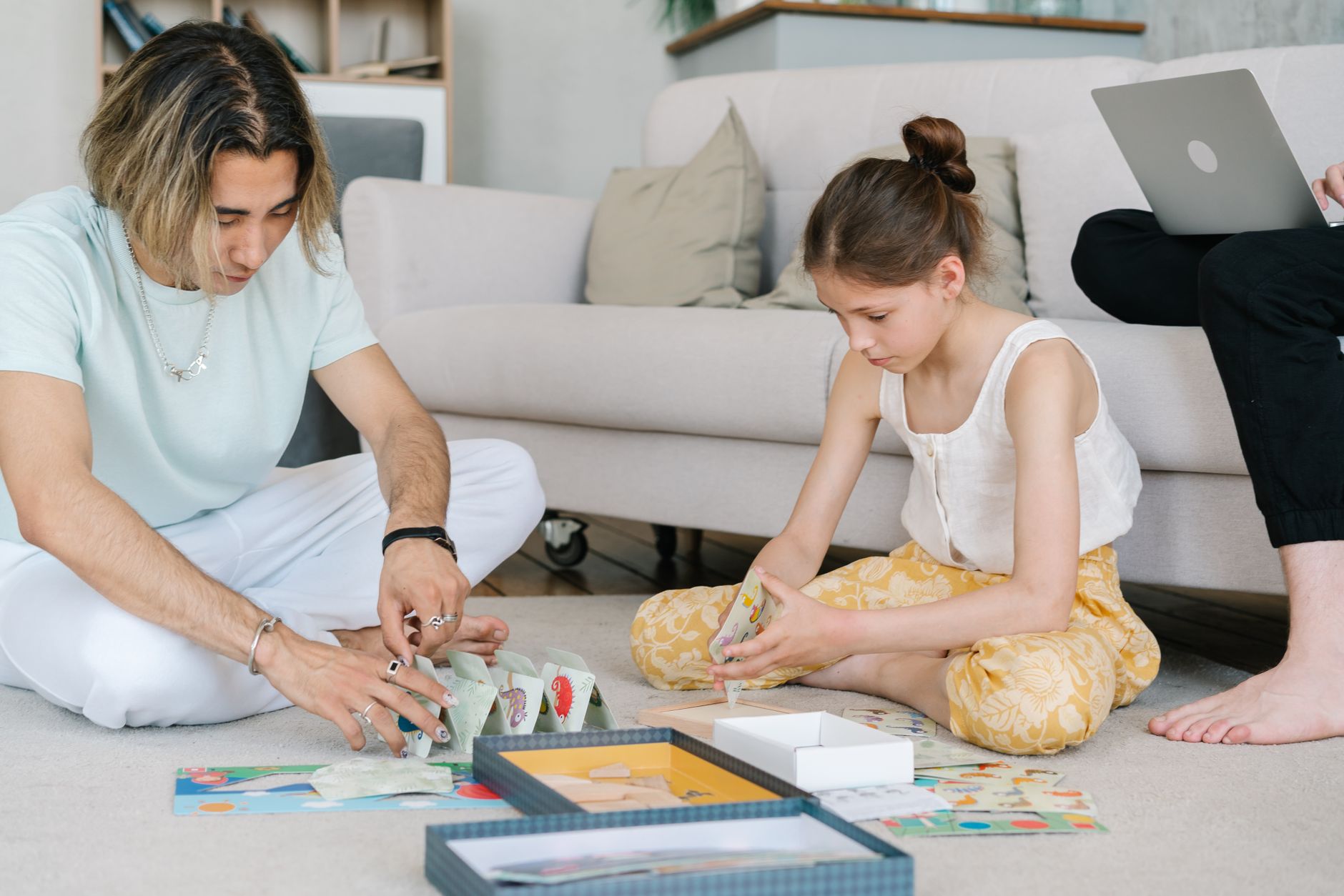
**Pro tip:** Write the rules on a whiteboard where everyone can see them. For younger kids, use pictures or stickers to represent each rule. Consistency is key—if you say "no TV before homework," stick to it, even on weekends. The more predictable the routine, the easier it is for kids to adapt.
Remember: This isn’t about control; it’s about connection. If your kid is melting down because they’re used to TV, take a deep breath. Say, "I know this feels hard, but let’s try this new game instead." Often, the resistance is about the change in routine, not the TV itself.
---
Tips for a TV-Free Household with Kids: What Works for Families Like Yours
Every family is different, so there’s no one-size-fits-all approach. But here are proven tips that work for moms juggling work, kids, and sanity:
- Create "screen-free zones." Designate certain areas of your home—like the kitchen table or the living room couch—as no-TV zones. This makes it easier to enforce rules without feeling like you’re policing.
- Use a visual schedule. For younger kids, a picture schedule can help them understand when screen time is (or isn’t) allowed. Apps like Google Keep or even a homemade chart with stickers work wonders.
- Involve kids in planning activities. Ask them, "What’s something fun we could do instead of TV?" Let them take ownership. My six-year-old once suggested we build a "fort city" with blankets and pillows—and it became our new favorite weekend tradition.
- Leverage natural light and outdoor time. Kids who spend time outside are less likely to crave screens. Try a "no-indoor-TV" rule after 3 PM, and instead, encourage bike rides, backyard play, or a walk to the park. Even freelance moms can carve out 20 minutes a day for outdoor time—it’s a game-changer for energy levels and creativity.
- Embrace "boring" activities. Painting, drawing, or even just sitting quietly with a book can feel like a luxury for kids who are used to constant stimulation. Normalize these moments as special.
**Real talk:** There will be days when the house feels like a warzone. That’s normal. The goal isn’t to be perfect—it’s to create a home where screens aren’t the default entertainment. If you slip up, don’t guilt-trip yourself. Just reset and try again.
---
What Are the Benefits of a TV-Free Household with Kids?
You might be wondering: Is this really worth it? The answer is a resounding yes—but not just for the kids. Here’s what a TV-free (or screen-limited) household can bring to your family:
For Kids:
- Better focus and creativity. Without constant visual stimulation, kids have more mental bandwidth for imaginative play and problem-solving.
- Stronger social skills. Screen-free time means more face-to-face interaction, which builds empathy and communication skills.
- More active play. Kids who spend less time in front of screens tend to move more, which is linked to better physical health and emotional regulation.
- Deeper sleep. Blue light from screens can disrupt sleep. A TV-free evening routine can help kids (and parents!) fall asleep faster.
For Parents:
- Less guilt and more presence. You’ll actually remember what your kids say during dinner because you’re not zoning out.
- More family time. Shared activities—like cooking together or playing outside—create bonds that screens can’t.
- Less screen fatigue for you. If you’re constantly scrolling or watching TV to "relax," you might find that stepping away from screens helps you recharge too.
- More time for hobbies and self-care. Suddenly, you’ve got an extra hour a day to read, journal, or even prioritize your own goals—like learning a new skill or exercising.

**But here’s the catch:** The benefits only happen if you replace TV time with something meaningful. If your kids are just sitting in front of a book or a puzzle while you’re on your phone, you’re not really creating a screen-free home—you’re just trading one screen for another. The goal is active engagement.
---
Common Challenges in a TV-Free Household with Kids (And How to Overcome Them)
Let’s be real: this isn’t always easy. Here are the most common challenges—and how to tackle them without losing your mind:
- Challenge: "But everyone else is watching TV!"
Solution: Frame it as a family choice. Say, "Our family loves doing fun things together, and we’ve decided to try more of those!" Kids are more likely to buy in if they feel like they’re part of the decision.
- Challenge: My kids are used to TV and resist change.
Solution: Give them a heads-up. For toddlers, start by saying, "After this show, we’re going to play a game." For older kids, involve them in planning the alternative activity. Resistance often comes from feeling out of control.
- Challenge: I don’t have time to come up with activities.
Solution: Keep a "screen-free activity bank." Stock up on simple, low-prep ideas like:
- Sticker books
- DIY obstacle courses (use pillows and chairs)
- Nature scavenger hunts
- Cooking together (let them "help" stir or measure)
- Puppet shows (use socks or paper bags)
Rotate them so they don’t get boring.
- Challenge: I feel guilty when I watch TV.
Solution: Acknowledge it—but don’t let guilt derail your progress. If you watch TV alone while the kids are busy with an activity, that’s okay! The goal is balance, not perfection. Just make sure you’re also carving out time for real connection.
- Challenge: My partner doesn’t agree.
Solution: Find a compromise. Maybe you both agree to limit TV on weekends but allow it during the week. Or try a "TV-free before bed" rule that both of you support. Consistency is key—so make sure you’re on the same page.
**Remember:** It’s okay if some days are harder than others. The goal isn’t to be perfect—it’s to create a home where screens aren’t the default. And if you slip up? So what. Just reset and keep going.
---
How to Keep Kids Entertained in a TV-Free Household: Creative Alternatives
This is where moms often feel stuck: What do I do with them? The good news? You don’t need a PhD in child psychology—or a bottomless budget—to keep kids entertained. Here are realistic, budget-friendly ideas for every age:
For Toddlers (Ages 1–3)
- Sensory bins. Fill a bin with rice, beans, or water beads and add cups, spoons, and small toys. Supervise closely!
- Sticker play. Give them a big sheet of paper and a box of stickers. They’ll spend hours "creating."
- Dance parties. Put on their favorite music and let them move. No judgment—just joy.
- Pretend play. Dress-up clothes, toy kitchens, or stuffed animals can spark hours of imaginative fun.
For Preschoolers (Ages 4–5)
- DIY crafts. Use recycled materials like cardboard boxes, egg cartons, or toilet paper rolls to make art.
- Obstacle courses. Use furniture, pillows, and blankets to create a fun challenge. Time them for extra excitement!
- Storytelling. Let them make up a story together using picture cards or stuffed animals.
- Baking together. Simple recipes like cookies or muffins teach them about measurements and patience.
For School-Age Kids (Ages 6–12)
- Board games and puzzles. Classics like Monopoly, Scrabble, or Rush Hour are screen-free and engaging.
- Arts and crafts. Try origami, painting, or even making homemade playdough.
- Science experiments. Simple ones like baking soda volcanoes or rainbow milk (with food coloring and dish soap) are easy and fun.
- Outdoor adventures. Hiking, scavenger hunts, or even a "backyard campout" with flashlights and blankets.
For Teenagers (Ages 13+)
- Creative projects. Encourage them to start a blog, draw, write, or even build something (like a birdhouse).
- Family game nights. Try card games, charades, or even a family trivia night.
- Volunteering or community service. Helping others can be incredibly rewarding and screen-free.
- Learning a new skill. Cooking, coding, or even learning an instrument can keep them engaged.
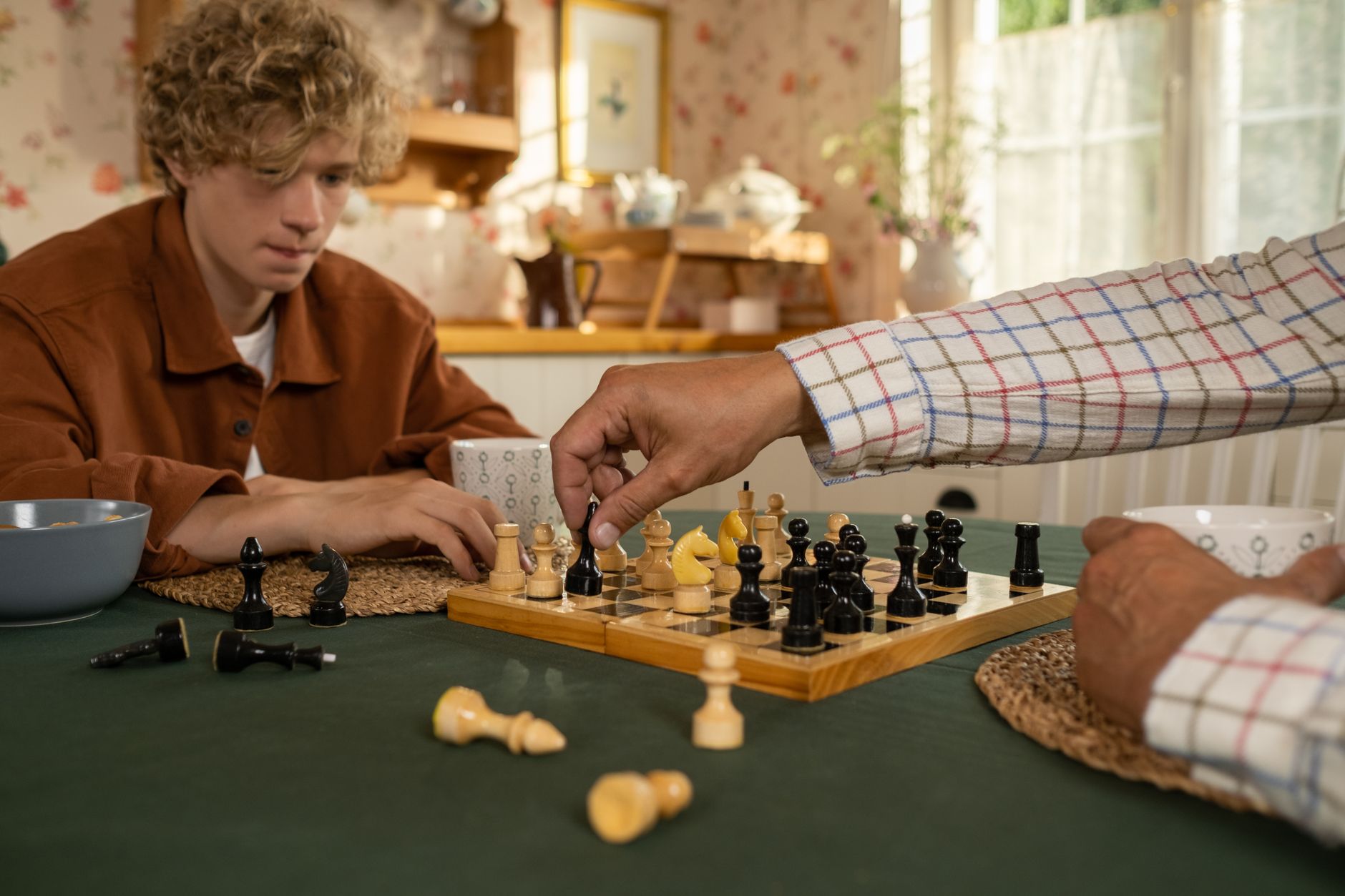
**Pro tip:** Rotate activities to keep things fresh. If you always do the same thing, it’ll lose its appeal. And don’t forget: your presence is the best entertainment. Kids remember the moments they spent with you more than the toys they played with.
---
Budgeting for a TV-Free Household with Kids: What It Really Costs
One of the biggest concerns moms have is: Will this cost us money? The answer? It depends. You can go screen-free on a shoestring budget—or splurge if you want. Here’s how to budget wisely:
- Start with what you already have. Before buying new toys or games, raid your attic, garage, or even your own childhood memories. Board games, art supplies, and outdoor gear often sit unused in storage.
- Invest in a few key items. Instead of buying a new toy every week, focus on a few high-quality, open-ended toys like:
- Wooden blocks or LEGO sets
- A good art supply kit (crayons, markers, paper)
- Outdoor gear (a ball, jump rope, or a small sports set)
- Use free or low-cost resources. Libraries offer free books, movies, and even craft supplies. Parks and playgrounds are free entertainment. Apps like Khan Academy Kids or Cosmic Kids Yoga offer screen-free alternatives (though they’re on a screen, they’re educational and active!).
- Set aside a small "fun fund." Even $10 a month can go a long way toward new books, puzzles, or outdoor gear. Involve your kids in deciding how to spend it.
- Avoid the "screen-time replacement trap." Don’t buy expensive gadgets or toys just because they’re screen-free. The best entertainment is often free or low-cost—like a walk in the park or a family picnic.
Sample budget breakdown for a month:
**Key takeaway:** You don’t need to spend a fortune to keep your kids entertained. The goal is to prioritize quality over quantity. A few meaningful activities are better than a dozen half-hearted ones.
---
How to Transition Kids to a TV-Free Household: A Step-by-Step Plan
Transitioning to a TV-free household doesn’t happen overnight. Here’s a realistic, step-by-step plan to make the shift smoother:
- Week 1–2: Introduce the idea.
Start by explaining why you’re making the change. Use simple language: "We’re going to spend more time doing fun things together, like building forts and playing games." Show them examples of activities you’ll do. Involve them in planning—let them pick one new activity to try.
- Week 3–4: Start with small changes.
Pick one screen-free day a week (like Sunday) and stick to it. Replace TV time with a new activity—like a family movie night with popcorn and board games instead of a TV show. Celebrate the wins!
- Week 5–6: Gradually reduce screen time.
Shorten TV time by 15–30 minutes each week. Replace it with an activity you know they’ll enjoy. For example, if they love drawing, set up a "drawing station" with paper and crayons during their usual TV time.
- Week 7–8: Set clear rules and routines.
Establish a consistent routine. For example, "After dinner, we read books together before bed." Use visual schedules or charts to help younger kids understand the new rules. Consistency is key!
- Week 9+: Evaluate and adjust.
After a few weeks, check in with your family. Ask: "What’s working? What’s not?" Be open to tweaking the rules. Maybe you realize that TV is fine on weekends but not during the week. That’s okay! The goal is to find what works for your family.
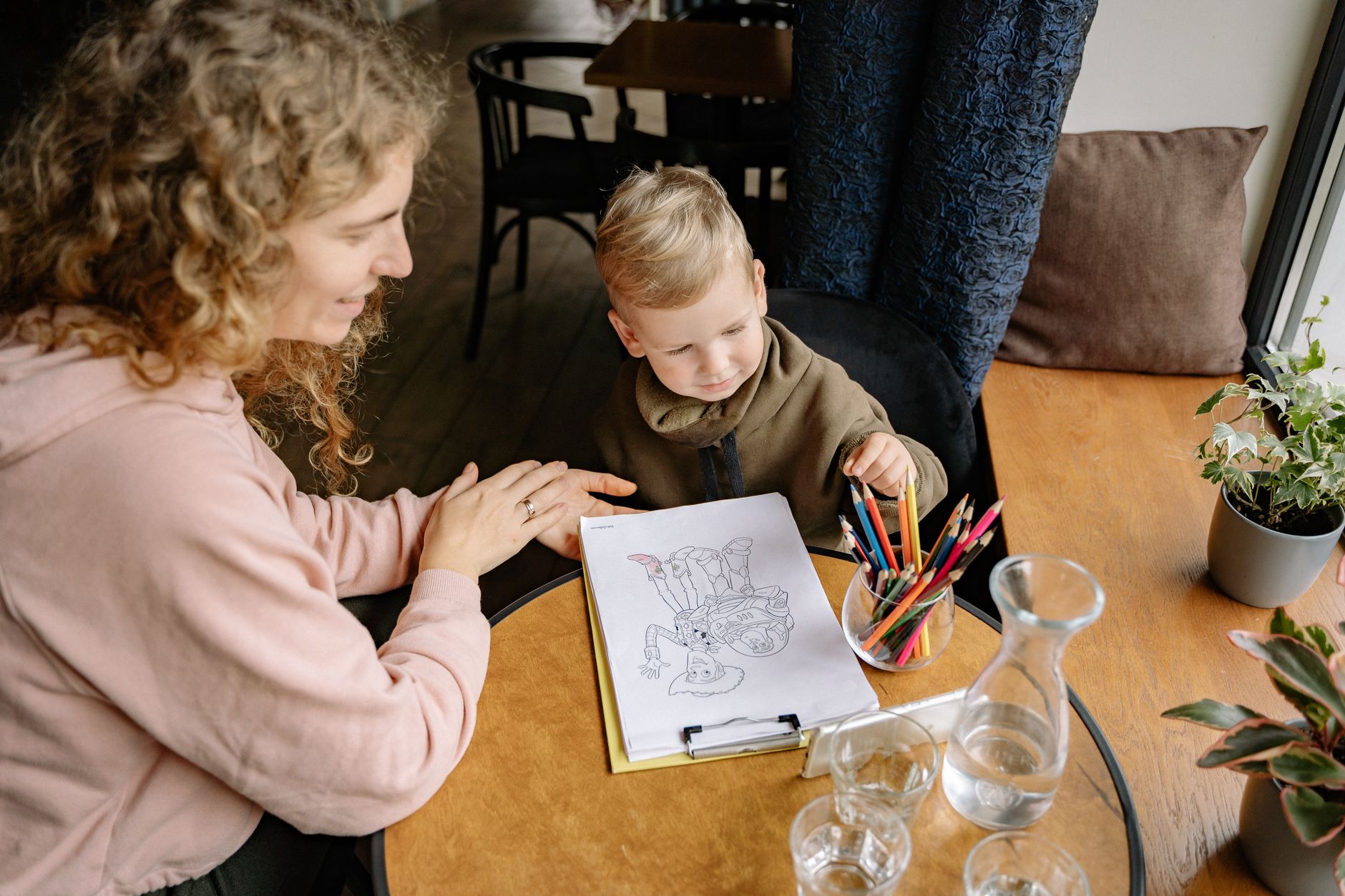
**Remember:** This isn’t about eliminating screens forever—it’s about creating a balance. If your kids are used to watching TV every day, they might resist at first. But with patience and consistency, they’ll adjust. And who knows? They might even start to prefer the new activities more than the old ones.
---
TV-Free Household Activities for Kids: The Ultimate List
Need inspiration? Here’s a comprehensive list of TV-free activities for kids of all ages:
For Toddlers
- Sensory play (e.g., water beads, rice bins)
- Pretend play (e.g., tea parties, toy kitchens)
- Dance parties
- Sticker books
- Bubble blowing
For Preschoolers
- DIY crafts (e.g., paper plate animals)
- Obstacle courses
- Storytelling with stuffed animals
- Baking simple recipes
- Nature scavenger hunts
For School-Age Kids
- Board games (e.g., Candy Land, Uno)
- Puzzles
- Science experiments
- Outdoor games (e.g., tag, hide-and-seek)
- Reading together
For Teens
- Creative projects (e.g., writing, drawing, building)
- Family game nights
- Volunteering
- Learning a new skill (e.g., cooking, coding)
- Outdoor adventures (e.g., hiking, camping)
**Pro tip:** Rotate activities to keep things fresh. If you always do the same thing, it’ll lose its appeal. And don’t forget: your presence is the best entertainment. Kids remember the moments they spent with you more than the toys they played with.
---
TV-Free Household Routine: How to Make It Stick
A routine is the backbone of a successful TV-free household. Without one, you’ll feel like you’re constantly putting out fires. Here’s how to create a realistic, sustainable routine:
- Start with a morning routine.
Begin the day with a calm activity—like breakfast together, a quick walk, or a family meeting to plan the day. Avoid screens first thing in the morning to set a positive tone.
- Set clear screen-free times.
Choose 1–2 times a day when screens are off. For example, "No screens after dinner until we finish our family activity." Use a timer or visual countdown to help kids transition.
- Create a "screen-free zone."
Designate one area of your home—like the kitchen table or the living room couch—as a no-TV zone. This makes it easier to enforce rules without feeling like you’re policing.
- End the day with a screen-free wind-down.
Replace bedtime TV with a calming routine, like reading a book, listening to soft music, or doing a gentle stretching routine. This helps kids (and parents!) fall asleep faster.
- Be consistent.
Kids thrive on predictability. If you say "no TV after 7 PM," stick to it—even on weekends. Consistency builds trust and makes the routine feel safe.
**Example routine for a family with young kids:
- 7:00 AM: Wake up, breakfast together
- 8:00 AM: Outdoor play or family walk
- 12:00 PM: Lunch and family chat
- 1:00 PM: Screen-free activity (e.g., puzzle, craft)
- 3:00 PM: Outdoor time or errands
- 5:00 PM: Dinner together
- 6:00 PM: Family game or activity
- 7:30 PM: Wind-down routine (reading, stretching, quiet play)
- 8:30 PM: Bedtime
**Remember:** Your routine doesn’t have to be perfect. It just needs to work for your family. If you slip up, don’t guilt-trip yourself. Just reset and keep going.
---
TV-Free Household Benefits for Parents: Why You’ll Thank Yourself
Let’s talk about the elephant in the room: Why should you care? Because a TV-free household isn’t just about the kids—it’s about your well-being too. Here’s how it benefits you:
- More quality time with your kids. When screens aren’t the default, you’ll actually remember what they say during dinner. You’ll see their little quirks, their humor, and their growth in real time.
- Less screen fatigue for you. If you’re constantly scrolling or watching TV to "relax," you might find that stepping away from screens helps you recharge too. Try reading a book, journaling, or even prioritizing your own goals during that time.
- Stronger family bonds. Shared activities—like cooking together or playing outside—create bonds that screens can’t. You’ll laugh more, argue less, and feel more connected.
- More time for hobbies and self-care. Suddenly, you’ve got an extra hour a day to read, exercise, or even take a nap. That’s time you can’t get back.
- Less guilt and more presence. You’ll actually remember what your kids say during dinner because you’re not zoning out. And that’s priceless.
**Real talk:** There will be days when the house feels like a warzone. That’s normal. The goal isn’t to be perfect—it’s to create a home where screens aren’t the default. And if you slip up? So what. Just reset and keep going.
---
TV-Free Household vs. Screen Time Limits: What’s the Difference?
You might be wondering: Is a TV-free household the same as setting screen time limits? Not exactly. Here’s the breakdown:
Screen Time Limits:
- Allows some screen time, but with set rules (e.g., "30 minutes a day").
- More flexible and realistic for most families.
- Can include educational apps or shows.
- Easier to enforce because it’s not an all-or-nothing approach.
TV-Free Household:
- Eliminates TV as the default entertainment source.
- Encourages active, imaginative play and real-world interactions.
- Can include other screens (like tablets or phones), but with strict limits.
- More challenging to enforce but can lead to deeper family connections.
Which is right for you? It depends on your family’s needs and lifestyle. Some families thrive with screen time limits, while others find that going TV-free helps them reconnect. The key is to find what works for you.
**Pro tip:** If you’re not ready to go fully TV-free, start with screen time limits. For example, you might say, "TV is for weekends only" or "No screens after 6 PM." This gives you a middle ground while you work toward a more screen-free lifestyle.
---
Myth vs. Fact: Common Misconceptions About TV-Free Households
Let’s debunk some of the biggest myths about TV-free households:
- Myth: A TV-free household means no screens at all.
Fact: It means TV is not the default entertainment. Other screens (like tablets or phones) can still be used, but with strict limits. The goal is to replace passive TV time with active, engaging activities.
- Myth: Kids will be bored without TV.
Fact: Kids are creative and capable of entertaining themselves—especially with the right tools and routines. The key is to provide a variety of engaging activities and let them explore their interests.
- Myth: A TV-free household is only for perfectionists.
Fact: It’s about intentionality, not perfection. There will be days when TV is the only thing that keeps the peace—and that’s okay. The goal is to create a balance that works for your family.
- Myth: You need a lot of money to keep kids entertained without TV.
Fact: Many screen-free activities are free or low-cost. Libraries, parks, and even your own imagination can provide endless entertainment. The goal is to prioritize quality over quantity.
- Myth: A TV-free household means no fun.
Fact: In fact, it can lead to more fun—because you’re creating opportunities for real, shared experiences with your kids. Board games, outdoor adventures, and creative projects can be just as exciting (if not more!) than TV.
---
Key Takeaways: How to Make a TV-Free Household Work for Your Family
Here’s the bottom line: a TV-free household isn’t about perfection—it’s about intention. Here are the key takeaways to remember:
- Start small. Pick one screen-free day a week and build from there. Gradual changes stick better than drastic ones.
- Replace TV time with meaningful activities. The goal isn’t to replace screens with nothing—it’s to replace them with better things, like reading, playing outside, or creating together.
- Be consistent. Kids thrive on predictability. If you say "no TV after dinner," stick to it—even on weekends.
- Involve your kids in the process. Let them help plan activities and set rules. They’re more likely to buy in if they feel like they’re part of the decision.
- Embrace the mess. There will be days when the house feels like a warzone. That’s normal. The goal isn’t to be perfect—it’s to create a home where screens aren’t the default.
- Focus on connection, not control. The best parenting isn’t about the rules you set; it’s about the relationships you nurture. A TV-free household is just one tool to help you do that.
---
Frequently Asked Questions About TV-Free Households
What are the benefits of a TV-free household with kids?
Beyond the obvious benefits for kids—like improved focus and creativity—the biggest advantage is deeper family connection. Without screens as the default entertainment, you’ll have more time for shared activities, meaningful conversations, and real-world experiences. Parents also report less screen fatigue and more time for their own hobb



