Quick take: Decluttering with kids doesn’t mean emptying their world—it’s about keeping what they truly love, need, or remember. Start with a "keep, donate, toss" system, involve them in decisions (even toddlers can help sort by color or size), and use clear storage solutions. For sentimental items, focus on the "why it matters" rather than just the object. And remember: this isn’t a one-time purge. Make decluttering a monthly habit, and you’ll both breathe easier.
Decluttering with Kids: What Stays—A Modern Mom’s Honest Guide
It was 2 a.m. when I realized my toddler’s playroom looked like a tornado had hit a Lego factory. The floor was a patchwork of half-built forts, abandoned crafts, and a suspiciously large pile of "lost" socks. My 5-year-old, wide-eyed and clutching a half-eaten goldfish cracker, pointed at the mess and said, "Mom, this is *our* kingdom." I wanted to agree—until I tripped over a discarded dinosaur toy for the third time that week.
Decluttering with kids feels like walking a tightrope between nostalgia, practicality, and sheer survival. On one hand, you want to create a space that’s safe, organized, and peaceful—like the clean home swaps we all dream of. On the other, you’re raising little humans who turn every corner into a treasure hunt (and every toy into a lifelong attachment). The question isn’t just *how* to declutter—it’s *what stays*. And the answer changes depending on whether you’re dealing with a newborn’s onesies, a toddler’s favorite stuffed animals, or a teenager’s overflowing backpack.
This guide is for the moms (and dads, and co-parents) who’ve stared at their kids’ closets in despair, wondering: *How do I do this without losing my mind—or my child’s emotional support system?* We’ll break down the art of decision-making, involve your kids in the process (yes, even the ones who argue with their own toys), and share storage hacks that actually work. No guilt. No judgment. Just practical steps to keep your home—and your sanity—functional.
Let’s start with the hardest part: deciding what to keep.
---
How to Decide What Toys to Keep for Toddlers: The "Love, Use, Grow" Test
The toy box dilemma is the original emotional landmine. You remember that first teething toy your baby loved for three months. Your toddler still clings to the stuffed bunny they "accidentally" left in the car for a week. And then there’s the bin of toys they’ve outgrown but still "might" play with someday.
Here’s the rule I live by: **If it’s not loved, used, or growing with them, it’s time to go.** But how do you apply that to a 3-year-old who cries over a toy they haven’t touched in six months? Try this three-step test:
- Love Test: Does your child still reach for it? If they haven’t picked it up in three months—or if they only play with it when they’re upset—it’s probably not worth keeping. Exception: sentimental items (like a first birthday gift) that you’re keeping for memories.
- Use Test: Can they play with it independently? If it requires constant supervision (like a toy that only works with batteries they can’t handle), it’s clutter. If it’s a safety hazard (choking risk, sharp edges), it’s a hard pass.
- Grow Test: Does it still fit their developmental stage? A baby’s rattles might be cute, but if your toddler can’t even hold it, it’s time to donate. Same goes for toys that are too small or too complex for their current skills.
Pro tip: Rotate toys every two weeks. Store half in a bin and swap them out. Your child will think it’s all new, and you’ll avoid the "toy hoarder" guilt.
**Representative story:** A reader named Jamie told us she kept her daughter’s collection of "magic" rocks (smooth stones painted with glitter) for years—until her daughter was 8 and had moved on to Pokémon cards. "I realized the rocks weren’t just taking up space; they were holding onto a phase that wasn’t hers anymore," she said. She donated the rocks but kept a few in a memory box labeled "First Magic Phase." Moral of the story? Sentimental value isn’t about the object—it’s about the story behind it.
---
Best Ways to Declutter Kids’ Bedroom: Zones and the "One In, One Out" Rule
Kids’ bedrooms are the ultimate clutter magnets. Clothes pile up, books get abandoned mid-read, and art projects seem to multiply overnight. The key is to create zones—and then enforce the one in, one out rule. For every new toy or piece of clothing that comes in, something else must go. It’s not negotiable, but you can frame it as a game.
Here’s how to zone a kids’ bedroom for maximum functionality:
- Clothing Zone: Use clear bins or labeled hangers. For toddlers, keep clothes within reach. For older kids, involve them in folding and putting away (even if it takes 10 minutes longer). Body neutrality applies here too—focus on functionality, not perfection.
- Toy Zone: Use low, open shelves or bins they can access themselves. Group toys by type (dress-up, building, arts and crafts) and rotate them every few weeks.
- Reading Nook: Dedicate a corner to books. Let your child choose their own bookshelf or bin, and make it a rule that one book goes home every weekend.
- Art Zone: Keep supplies in a caddy or bin. After each project, let your child decide: keep it, donate it, or recycle it. (Pro tip: Use a "masterpiece" bin for their favorite pieces—it’s a great way to celebrate their creativity without clutter.)
**Why it works:** Zones give kids a sense of ownership. When their space is organized, they’re more likely to take pride in it—and less likely to want to dump everything on the floor.
**Representative story:** Sarah, a mom of two, swore by the "one in, one out" rule but struggled with her son’s toy collection. "He’d cry if I took away his dinosaurs," she admitted. Her solution? She turned decluttering into a "dino rescue mission." For every dinosaur he donated, they adopted a new one from a local shelter. It worked—her son felt like he was giving his dinosaurs a second life, and the clutter disappeared.
---
Decluttering with Kids What Stays for Newborns: The Onesie Dilemma
Newborns come with a wardrobe that could clothe a small army. But here’s the hard truth: you won’t use 80% of it. The key is to declutter before the baby arrives—and then do a mid-life check at 3–6 months.
What stays?
- Essentials: Keep 3–4 outfits per day (including sleepers, onesies, and going-out clothes). If you’re breastfeeding, stock up on nursing-friendly outfits.
- Seasonal items: Only keep what fits the current season. Donate or store the rest. (More on seasonal items later.)
- Sentimental keepsakes: A few hand-me-downs or family heirlooms (like a christening gown) are worth keeping. But if it’s just "cute," it’s clutter.
- Growth spurts: If your baby is growing fast, keep a few sizes ahead. But if they’re still wearing size 0 at 6 months, it’s time to donate.
**Pro tip:** Use a "growth spurt" bin. When your baby outgrows an outfit, swap it with a new one from the bin. This keeps your closet from becoming a time capsule.
**Representative story:** Emily, a first-time mom, was overwhelmed by the number of onesies she bought. "I had so many I didn’t know what to do with them," she said. Her solution? She turned decluttering into a "onesie swap" with other moms. They traded gently used outfits, and she ended up with exactly what she needed—without the guilt of throwing anything away.
---
How to Involve Kids in Decluttering: Turning "No!" into "Yes!"
Kids resist decluttering like they resist eating their veggies. But here’s the secret: make it their idea. Frame it as a game, a mission, or a way to help the environment. Here’s how:
- Let them lead: Ask open-ended questions like, "Which of your toys make you the happiest?" or "Which books do you want to keep forever?" Let them choose what stays.
- Use visuals: For toddlers, use pictures or labels to show what goes where. For older kids, make a chart with "Keep," "Donate," and "Toss" columns.
- Make it fun: Turn decluttering into a scavenger hunt. "Can you find all the toys that are broken or missing parts?" or "Let’s see how many books we can donate to the library!"
- Give them ownership: Let them pick the donation bin’s name or the charity they want to support. Knowing their toys are helping others can make the process feel meaningful.
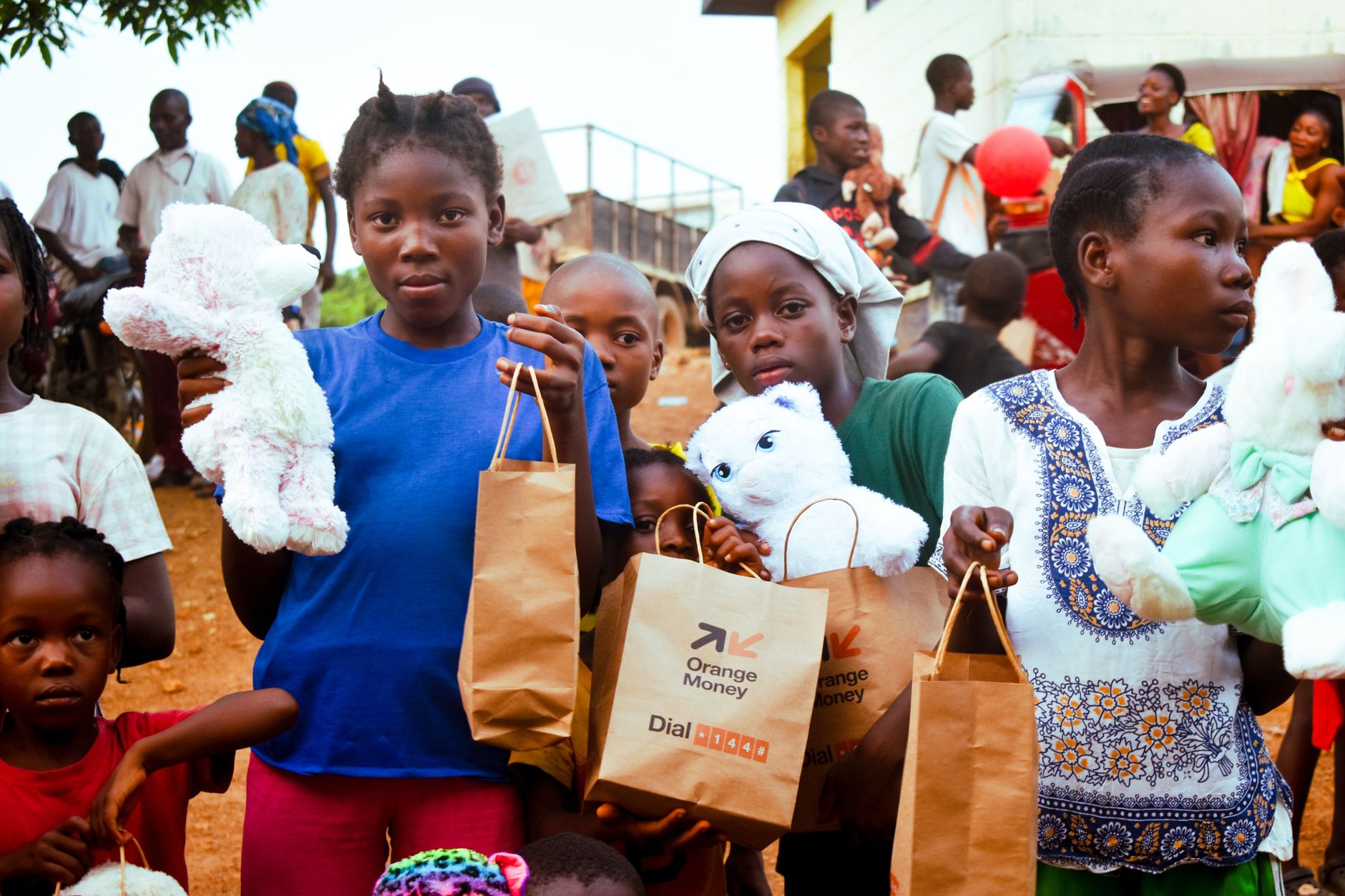
**Representative story:** Jake’s 6-year-old daughter, Mia, was heartbroken when her dad suggested donating her stuffed animals. "She cried for days," he admitted. But then they turned it into a "Stuffed Animal Rescue Mission." Mia picked out her favorite animals to keep and chose a local shelter to donate the rest. "She came home that night and said, ‘Daddy, my animals are helping other kids!’" he said. The decluttering was done—and Mia never cried again.
---
Decluttering with Kids What Stays for School Supplies: The "Use It or Lose It" Rule
School supplies are the ultimate clutter multiplier. Crayons, markers, glue sticks, and notebooks pile up like snowdrifts. The key is to declutter at the end of each school year—and involve your kids in the process.
What stays?
- Essentials: Keep only what they actually use. If they’ve only ever used one color of marker, keep that color. If they’ve outgrown their crayons, it’s time to upgrade.
- Sentimental keepsakes: A few favorite notebooks or art projects might stay. But if it’s just "stuff," it’s time to go.
- Functional items: Keep supplies that make their lives easier—like a pencil case with their name on it or a favorite water bottle. But if it’s just "cool," it’s clutter.
- Digital alternatives: If they’re old enough, consider switching some paper supplies to digital (like a tablet for drawing or a planner app). It reduces physical clutter and teaches them to organize digitally.
**Pro tip:** Use clear bins or labeled folders to keep supplies organized. Let your child decorate their own supplies (like stickers on their pencil case) to make them feel invested.
**Representative story:** Lisa’s son, Leo, had a "special" collection of markers he refused to part with—even though he only used one color. "He’d get upset if I tried to take them," she said. Her solution? She turned it into a "marker museum." Leo could keep his favorite markers, but the rest had to go. "Now he’s proud of his collection," she said, "and our desk isn’t buried under a mountain of unused supplies."
---
Decluttering with Kids What Stays for Baby Clothes: The "Grow Out of It" Timeline
Baby clothes are the ultimate emotional clutter. You remember every onesie, every tiny hat, every adorable outfit. But here’s the hard truth: babies grow out of clothes faster than you can say "diaper rash." Most parents only need to keep clothes for the first 12–18 months. After that, it’s time to declutter.
What stays?
- First-year essentials: Keep a few outfits for each size (3–4 per day). If you’re breastfeeding, stock up on nursing-friendly clothes.
- Sentimental keepsakes: A few heirloom items (like a christening gown or a first sweater) might stay. But if it’s just "cute," it’s time to go.
- Growth spurts: If your baby is growing fast, keep a few sizes ahead. But if they’re still wearing size 0 at 6 months, it’s time to donate.
- Seasonal items: Only keep what fits the current season. Donate or store the rest. (More on seasonal items later.)
**Pro tip:** Use a "growth spurt" bin. When your baby outgrows an outfit, swap it with a new one from the bin. This keeps your closet from becoming a time capsule.
**Representative story:** Priya, a mom of twins, was overwhelmed by the number of baby clothes she had. "I had so many I didn’t know what to do with them," she admitted. Her solution? She turned decluttering into a "baby clothes swap" with other moms. They traded gently used outfits, and she ended up with exactly what she needed—without the guilt of throwing anything away.
---
Decluttering with Kids What Stays for Seasonal Items: The "Rotate and Store" Method
Seasonal items are the ultimate clutter culprits. Holiday decorations, winter boots, summer swimsuits—they pile up like snowdrifts. The key is to rotate and store them properly.
What stays?
- Essentials: Keep only what you actually use. If you only wear winter boots in the winter, store them until then.
- Sentimental keepsakes: A few holiday decorations or family heirlooms might stay. But if it’s just "stuff," it’s time to store it.
- Functional items: Keep supplies that make your life easier—like a coat rack or a shoe organizer. But if it’s just "cool," it’s time to store it.
- Digital alternatives: If you’re old enough, consider switching some physical items to digital (like a tablet for holiday cards or a planner app for tracking holidays). It reduces physical clutter and teaches you to organize digitally.
**Pro tip:** Use clear bins or labeled folders to keep seasonal items organized. Label them with the season and the year. Store them in a cool, dry place—like a closet or a storage unit.
**Representative story:** Mark, a dad of three, struggled with his kids’ holiday decorations. "We had so many I didn’t know what to do with them," he admitted. His solution? He turned decluttering into a "holiday swap" with other families. They traded gently used decorations, and he ended up with exactly what he needed—without the clutter.
---
Decluttering Kids’ Closets: The "Four-Box Method" for Maximum Efficiency
Kids’ closets are the ultimate clutter magnets. Clothes pile up, shoes get lost, and art projects seem to multiply overnight. The key is to use the four-box method:
- Keep: Only keep clothes that fit, are in good condition, and your child actually wears.
- Donate: Clothes that are gently used but no longer fit or are out of style.
- Toss: Clothes that are stained, torn, or no longer fit.
- Store: Seasonal items or clothes that aren’t currently in use.
**Pro tip:** Use clear bins or labeled hangers to keep clothes organized. Let your child decorate their own clothes (like stickers on their backpack) to make them feel invested.
**Representative story:** Sarah, a mom of two, struggled with her kids’ closets. "I had so many clothes I didn’t know what to do with them," she admitted. Her solution? She turned decluttering into a "closet challenge." Her kids had to pick out their favorite clothes to keep, and the rest had to go. "Now our closets are organized, and my kids feel proud of their choices," she said.
---
Kids Decluttering Checklist: The Ultimate Step-by-Step Guide
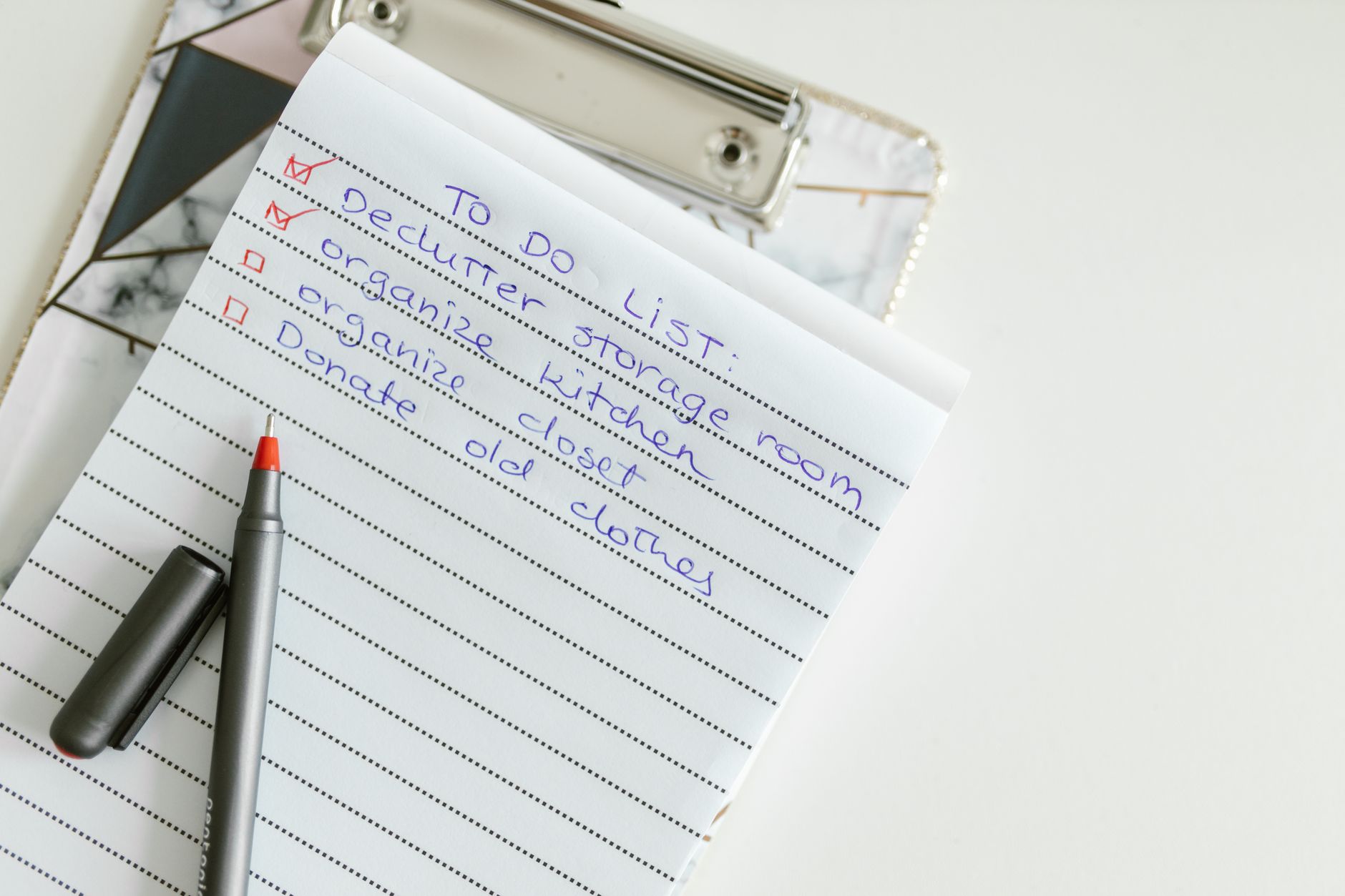
Decluttering with kids can feel overwhelming, but this checklist will help you stay on track:
- Start with a plan: Pick a day and time to declutter. Involve your kids in the process—let them help decide what stays.
- Create zones: Divide your kids’ space into zones (clothing, toys, books, art). Use clear bins or labeled hangers to keep things organized.
- Use the "Love, Use, Grow" test: Ask yourself (and your kids) whether each item is loved, used, or growing with them. If not, it’s time to go.
- Involve your kids: Let them help decide what stays. Make it fun—turn decluttering into a game or a mission.
- Donate or recycle: Donate gently used items to a local charity or recycle broken toys. If you’re unsure, ask yourself: "Would I buy this again?" If not, it’s time to go.
- Store seasonal items: Use clear bins or labeled folders to keep seasonal items organized. Store them in a cool, dry place.
- Maintain the system: Make decluttering a monthly habit. Set a timer for 15 minutes each month to tidy up.
---
How to Keep Kids Organized: Storage Solutions That Actually Work
Storage is the key to keeping kids organized. Here are some of the best solutions:
- Clear bins: Use clear bins or labeled hangers to keep toys and clothes organized. Let your child decorate their own bins (like stickers on the labels) to make them feel invested.
- Low shelves: Use low, open shelves or bins they can access themselves. Group toys by type (dress-up, building, arts and crafts) and rotate them every few weeks.
- Pegboards: Pegboards are great for storing clothes, shoes, and art supplies. Let your child decorate their own pegboard (like stickers on the pegs) to make it feel like their own.
- Caddies: Use caddies or bins to keep art supplies organized. Let your child choose their own caddy (like a favorite color or pattern) to make it feel like their own.
- Digital organization: Use apps or digital planners to keep track of assignments and deadlines. This reduces physical clutter and teaches kids to organize digitally.
**Pro tip:** Involve your kids in the storage process. Let them help choose their own storage solutions and decorate them. This makes them more likely to use them—and keeps your home organized.
---
Decluttering Kids’ Toys: The "One In, One Out" Rule for Maximum Fun
Toys are the ultimate clutter culprits. They pile up like snowdrifts, and it’s easy to forget about them until they’re buried under a mountain of dust. The key is to use the one in, one out rule:
- For every new toy that comes in, one must go. This keeps the toy collection from getting out of control.
- Use clear bins or labeled hangers to keep toys organized. Let your child decorate their own bins (like stickers on the labels) to make them feel invested.
- Rotate toys every few weeks. Store half in a bin and swap them out. Your child will think it’s all new, and you’ll avoid the "toy hoarder" guilt.
- Involve your kids in the process. Let them help decide which toys to keep. Make it fun—turn decluttering into a game or a mission.
**Pro tip:** Use a "toy museum" bin. Let your child keep their favorite toys in a special bin. This makes them feel proud of their collection—and keeps the clutter from piling up.
---
Decluttering Kids’ Books: The "Keep the Favorites" Rule
Books are the ultimate clutter culprits. They pile up like snowdrifts, and it’s easy to forget about them until they’re buried under a mountain of dust. The key is to use the keep the favorites rule:
- Keep only the books your child actually loves. If they haven’t read a book in six months—or if they only read it when they’re upset—it’s time to go.
- Use clear bins or labeled hangers to keep books organized. Let your child decorate their own bins (like stickers on the labels) to make them feel invested.
- Rotate books every few weeks. Store half in a bin and swap them out. Your child will think it’s all new, and you’ll avoid the "book hoarder" guilt.
- Involve your kids in the process. Let them help decide which books to keep. Make it fun—turn decluttering into a game or a mission.
**Pro tip:** Use a "book museum" bin. Let your child keep their favorite books in a special bin. This makes them feel proud of their collection—and keeps the clutter from piling up.
---
Decluttering Kids’ Art Projects: The "Masterpiece" Bin Rule
Art projects are the ultimate clutter culprits. They pile up like snowdrifts, and it’s easy to forget about them until they’re buried under a mountain of dust. The key is to use the masterpiece bin rule:
- Keep only the art projects your child actually loves. If they haven’t looked at a project in six months—or if they only look at it when they’re upset—it’s time to go.
- Use clear bins or labeled hangers to keep art projects organized. Let your child decorate their own bins (like stickers on the labels) to make them feel invested.
- Create a "masterpiece" bin. Let your child pick their favorite projects to keep. This makes them feel proud of their work—and keeps the clutter from piling up.
- Involve your kids in the process. Let them help decide which projects to keep. Make it fun—turn decluttering into a game or a mission.
**Pro tip:** Use a "gallery wall" for your child’s favorite projects. Let them hang their art in a special place in their room. This makes them feel proud of their work—and keeps the clutter from piling up.
---
Digital clutter is just as bad as physical clutter. Apps, subscriptions, and files can pile up like snowdrifts. The key is to use the unsubscribe and uninstall rule:
- Unsubscribe from emails and newsletters they don’t read. This reduces digital clutter and keeps their inbox clean.
- Uninstall apps they don’t use. This frees up space and keeps their device organized.
- Use cloud storage for important files. This keeps their device organized and makes it easy to access files from anywhere.
- Involve your kids in the process. Let them help decide which apps and files to keep. Make it fun—turn digital decluttering into a game or a mission.
**Pro tip:** Use a digital planner or app to keep track of assignments and deadlines. This reduces physical clutter and teaches kids to organize digitally.
---
Myth vs. Fact: Decluttering with Kids
Myth: "Decluttering with kids is impossible."
Fact: It’s not impossible—it just takes patience and planning. Involve your kids in the process, make it fun, and set realistic goals.
Myth: "I have to keep everything my kids love."
Fact: Not everything they love needs to stay. Focus on what they use, grow with, or truly cherish.
Myth: "Decluttering with kids is a one-time thing."
Fact: Decluttering is an ongoing process. Make it a monthly habit to keep your home organized.
---
Key Takeaways: Decluttering with Kids
- Use the "Love, Use, Grow" test to decide what stays.
- Involve your kids in the process—make it fun and rewarding.
- Create zones in your kids’ space to keep things organized.
- Use clear bins, labeled hangers, and low shelves to keep toys and clothes accessible.
- Rotate toys and books every few weeks to keep things fresh.
- Make decluttering a monthly habit to maintain a clutter-free environment.
---
Frequently Asked Questions
What items should I keep when decluttering my kids' room?
Focus on items your child loves, uses, or grows with. Keep a few sentimental keepsakes, but don’t hoard everything. Use the "Love, Use, Grow" test to decide what stays. For example, keep their favorite stuffed animal but donate the ones they haven’t touched in months.
How do I involve my kids in decluttering?
Make it a game! Let them help decide what stays, use visuals like pictures or labels, and turn decluttering into a mission (like a "toy rescue" or "book swap"). For toddlers, use simple questions like, "Which of your toys make you the happiest?" For older kids, let them pick the charity to donate to.
What are the best ways to store kids' clothes?
Use clear bins or labeled hangers to keep clothes organized. Let your child decorate their own bins (like stickers on the labels) to make them feel invested. For toddlers, keep clothes within reach on low shelves. For older kids, use pegboards or caddies to store clothes and shoes. Body neutrality applies here too—focus on functionality over perfection.
Should I keep my kids' old school projects?
Keep only the projects your child truly loves or remembers. Use a "masterpiece" bin for their favorite pieces, and donate or recycle the rest. If they haven’t looked at a project in six months, it’s probably time to go. For older kids, let them decide what stays—it’s a great way to teach them about decluttering.
How often should I declutter my kids' belongings?
Make decluttering a monthly habit. Set a timer for 15 minutes each month to tidy up. This keeps clutter from piling up and makes the process less overwhelming. For seasonal items, declutter at the end of each season. For school supplies, declutter at the end of each school year.
What is the best method for decluttering kids' toys?
The "one in, one out" rule works best. For every new toy that comes in, one must go. Use clear bins or labeled hangers to keep toys organized, and rotate toys every few weeks. Let your child help decide which toys to keep—make it a game or a mission. For example, turn decluttering into a "toy rescue" where they pick which toys to donate to a local shelter.
---
When to See a Specialist
Decluttering with kids is mostly about practicality and organization—but if you’re feeling overwhelmed or anxious about the process, it might be time to talk to a professional. Consider reaching out to a:
- Child therapist or counselor: If decluttering feels like a constant battle or causes stress for your child, a therapist can help address underlying emotional issues.
- Organizational coach: If you’re struggling to maintain order, a coach can help you create a sustainable system.
- Pediatrician: If your child is showing signs of anxiety or depression related to clutter, your pediatrician can provide guidance and referrals.
Remember: Decluttering is about creating a functional, peaceful space—not about perfection. If you’re struggling, don’t hesitate to ask for help.
---
References
- American Psychological Association. (2022). *The Psychology of Clutter*.
- National Association of Productivity and Organizing Professionals (NAPO). (2023). *Decluttering with Children: A Guide for Parents*.
- Mayo Clinic. (2023). *Managing Household Stress*.
- Harvard Health Publishing. (2022). *The Benefits of a Clutter-Free Home*.
- American Academy of Pediatrics. (2023). *Child Development and Organization*.
- Better Homes and Gardens. (2023). *Kids’ Room Organization Tips*.



